Versatile Configuration Options Supporting Diverse Manufacturing Needs
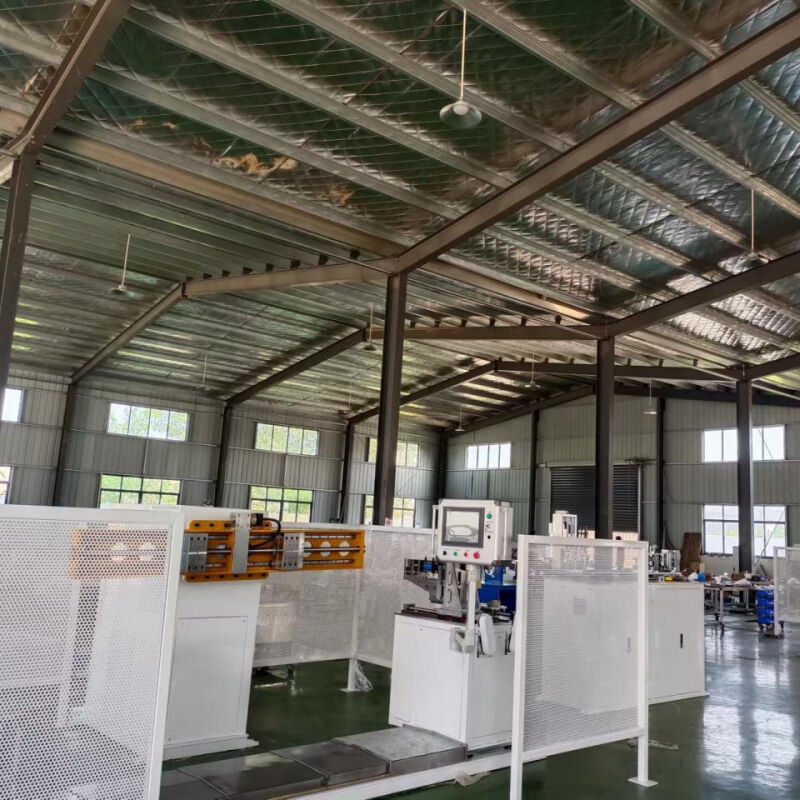
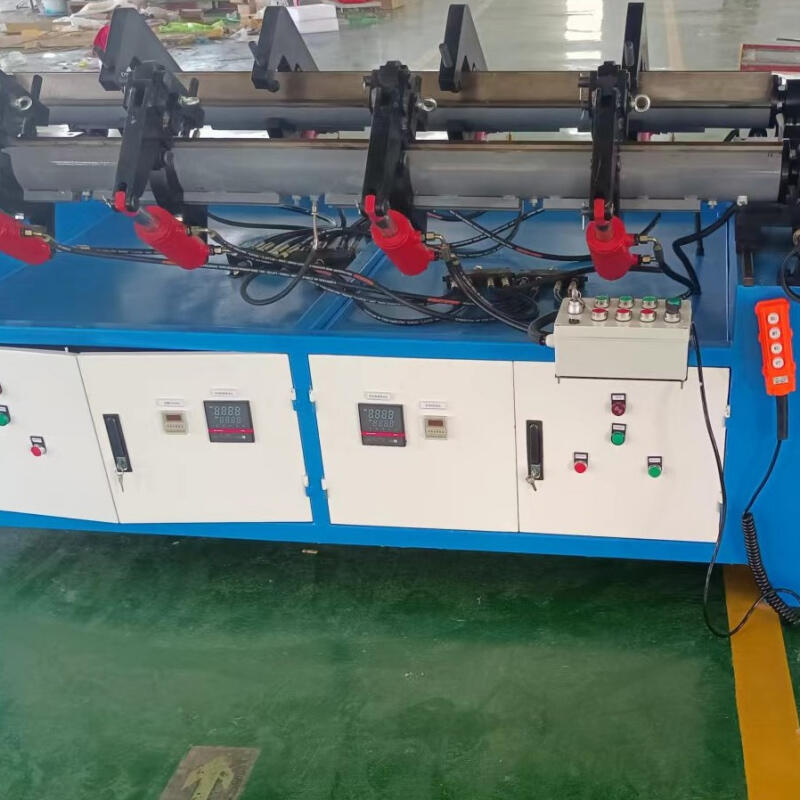
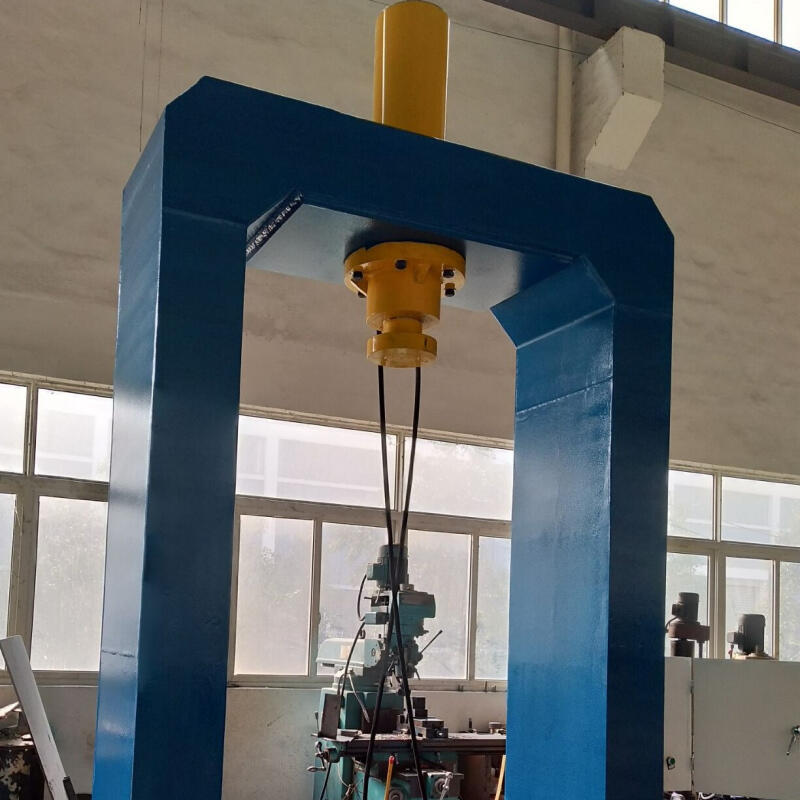
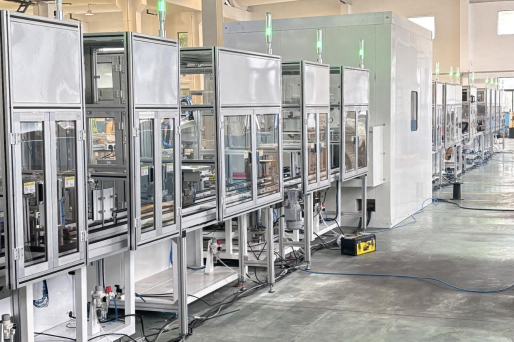
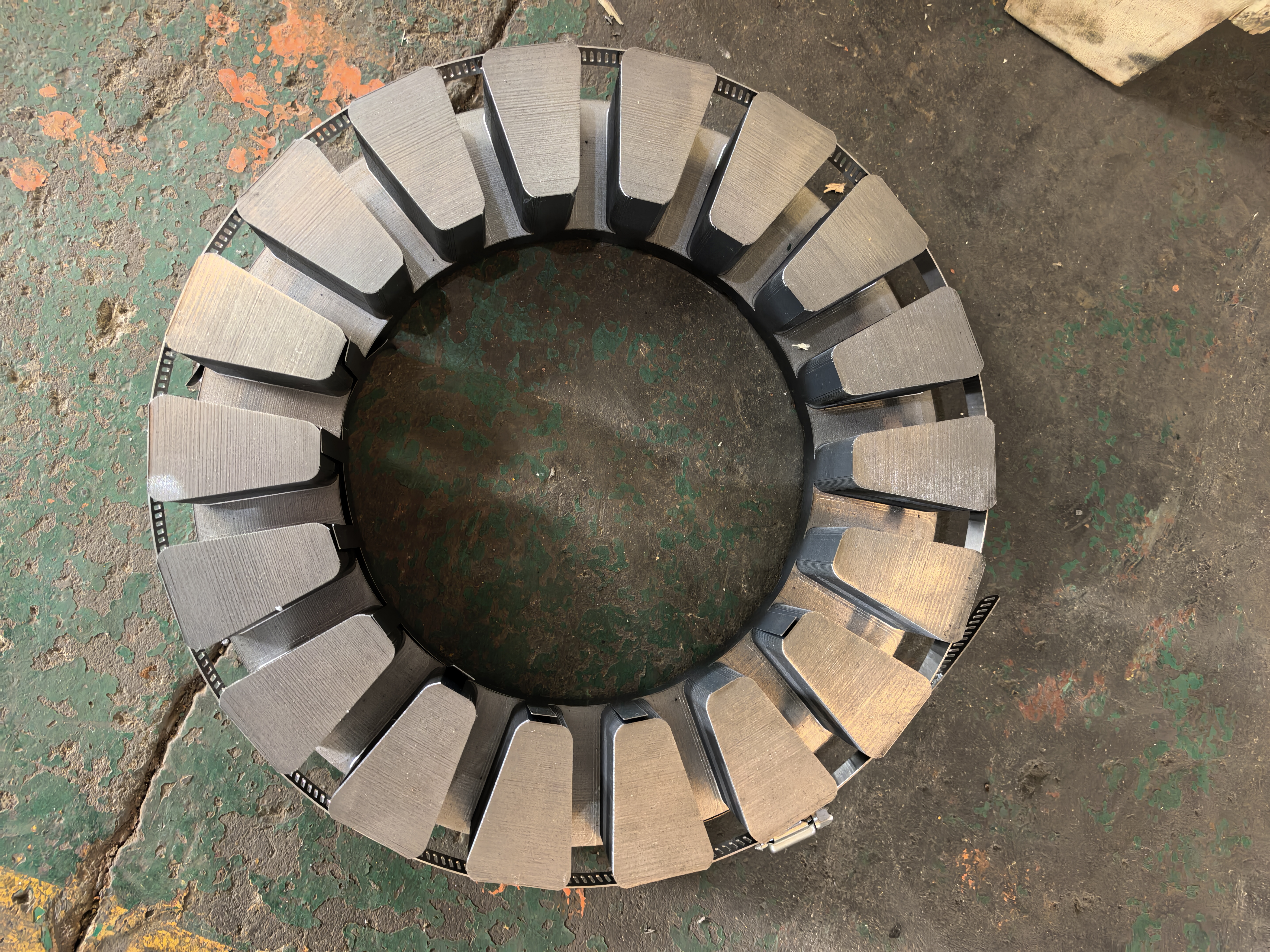
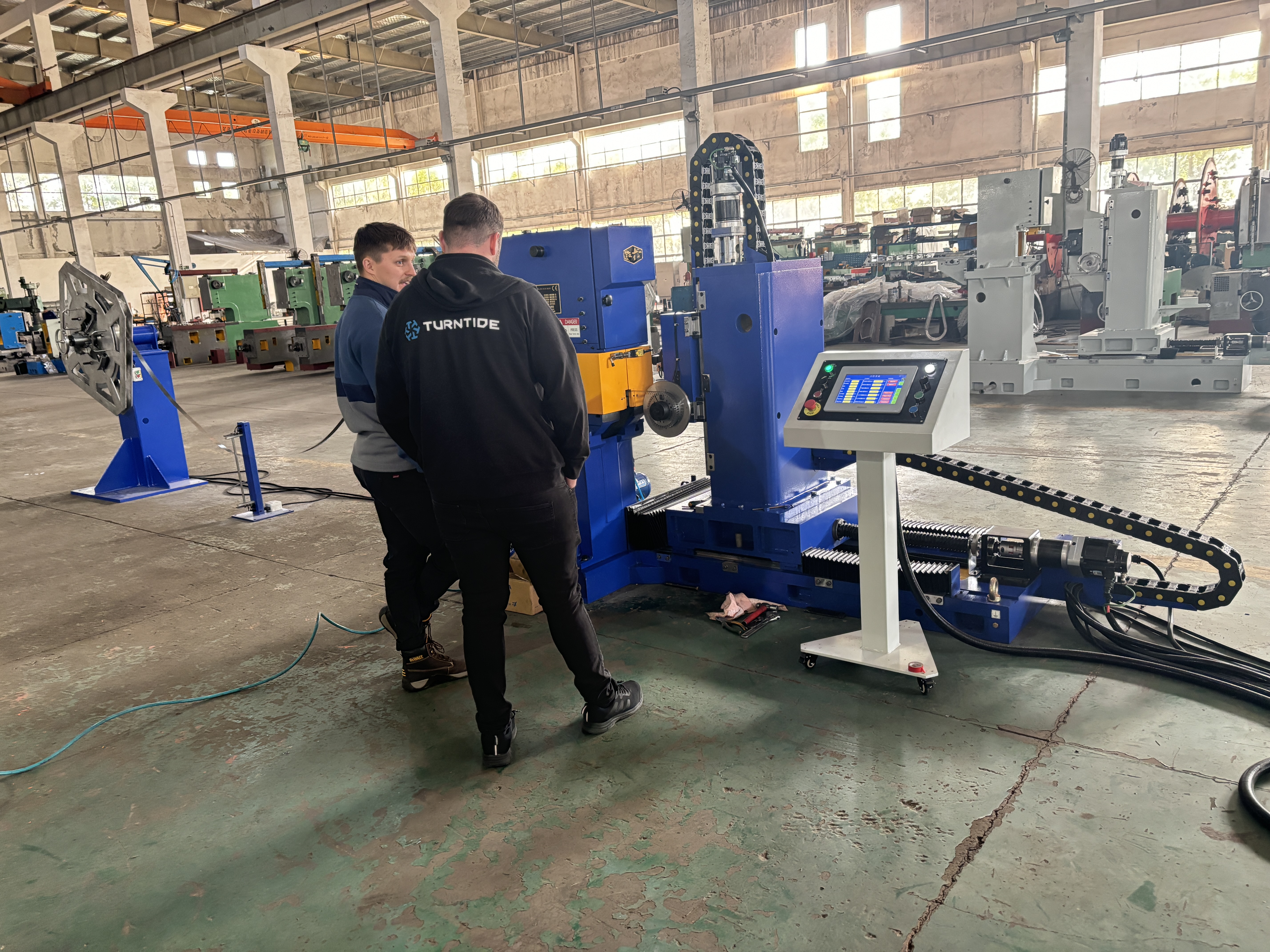
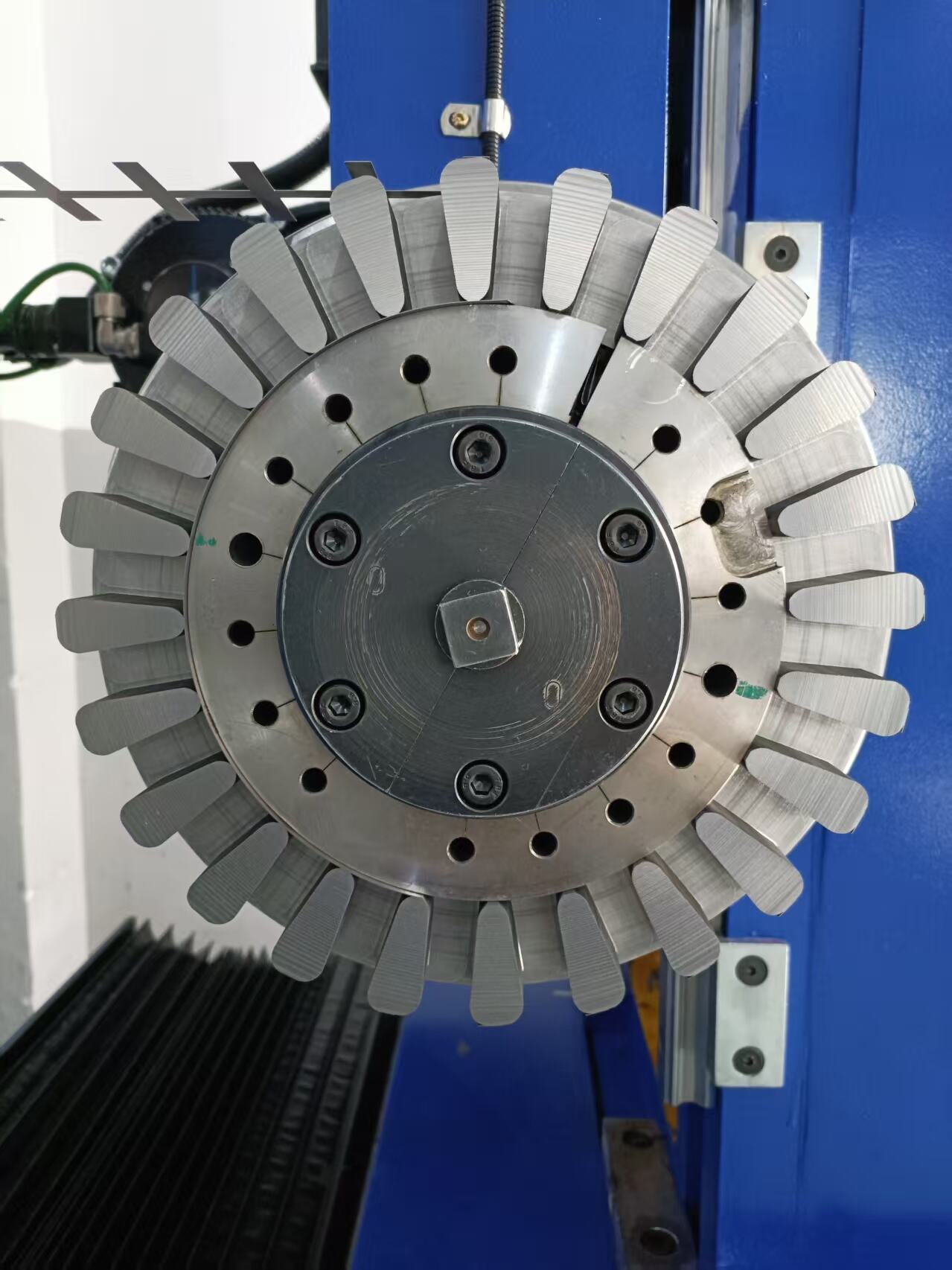
The motor stator production machine offers remarkable versatility through modular configuration options that support diverse manufacturing needs across different industries, production volumes, and product specifications. This adaptability represents a significant competitive advantage for manufacturers who must respond to changing market demands, serve multiple customer segments, or produce varied product lines without maintaining separate dedicated production equipment for each variation. Modular tooling systems within the motor stator production machine platform allow rapid reconfiguration to accommodate different stator diameters, stack heights, slot configurations, and winding patterns. Quick-change tool holders and automated adjustment mechanisms enable transitions between product families in minutes rather than hours, minimizing the production downtime traditionally associated with changeovers. This flexibility supports efficient small-batch production for specialized applications while maintaining the capability to execute long production runs of high-volume products, optimizing equipment utilization across diverse order profiles. The scalable architecture of modern motor stator production machine systems allows manufacturers to start with basic configurations that address immediate production needs, then add advanced modules as requirements evolve or production volumes increase. This growth-oriented approach protects initial capital investments while providing clear upgrade paths that extend equipment useful life and maximize return on investment over time. Optional modules might include additional winding heads for complex coil patterns, automated testing stations for expanded quality verification, vision inspection systems for defect detection, or robotic handling systems for lights-out manufacturing capability. Material compatibility represents another dimension of motor stator production machine versatility, with systems engineered to process various lamination materials including standard silicon steel, high-performance electrical steel alloys, and specialty materials for demanding applications. Adjustable process parameters accommodate different material thicknesses, coatings, and mechanical properties without requiring equipment modifications. Similarly, winding systems handle various wire gauges, insulation types, and conductor materials including copper, aluminum, and specialty alloys. Integration capabilities enable the motor stator production machine to connect seamlessly with upstream material preparation equipment and downstream assembly systems, forming comprehensive production lines that maximize overall manufacturing efficiency. Standardized communication protocols, programmable interfaces, and modular mechanical connections facilitate integration with equipment from multiple vendors, preventing vendor lock-in and preserving flexibility in production system design. This versatility extends to quality management systems as well, with configurable inspection parameters, customizable data collection formats, and flexible reporting options that align with various quality standards and customer requirements, ensuring the motor stator production machine adapts to your specific business processes rather than forcing you to conform to rigid equipment limitations.
 ×


 EN