Axial Flux Motor Manufacturing Machine: Advanced Production Solutions for Electric Motor Excellence

Get a Free Quote

Our representative will contact you soon.
Email
Name
Mobile/WhatsApp
Company Name
Message
0/1000

axial flux motor manufacturing machine

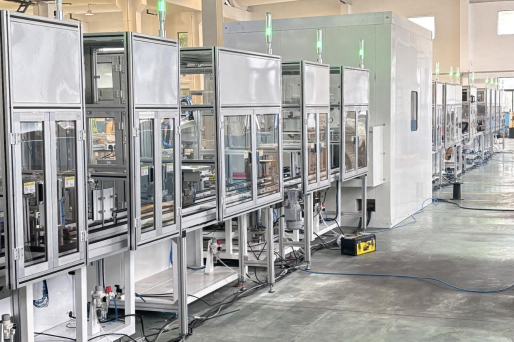
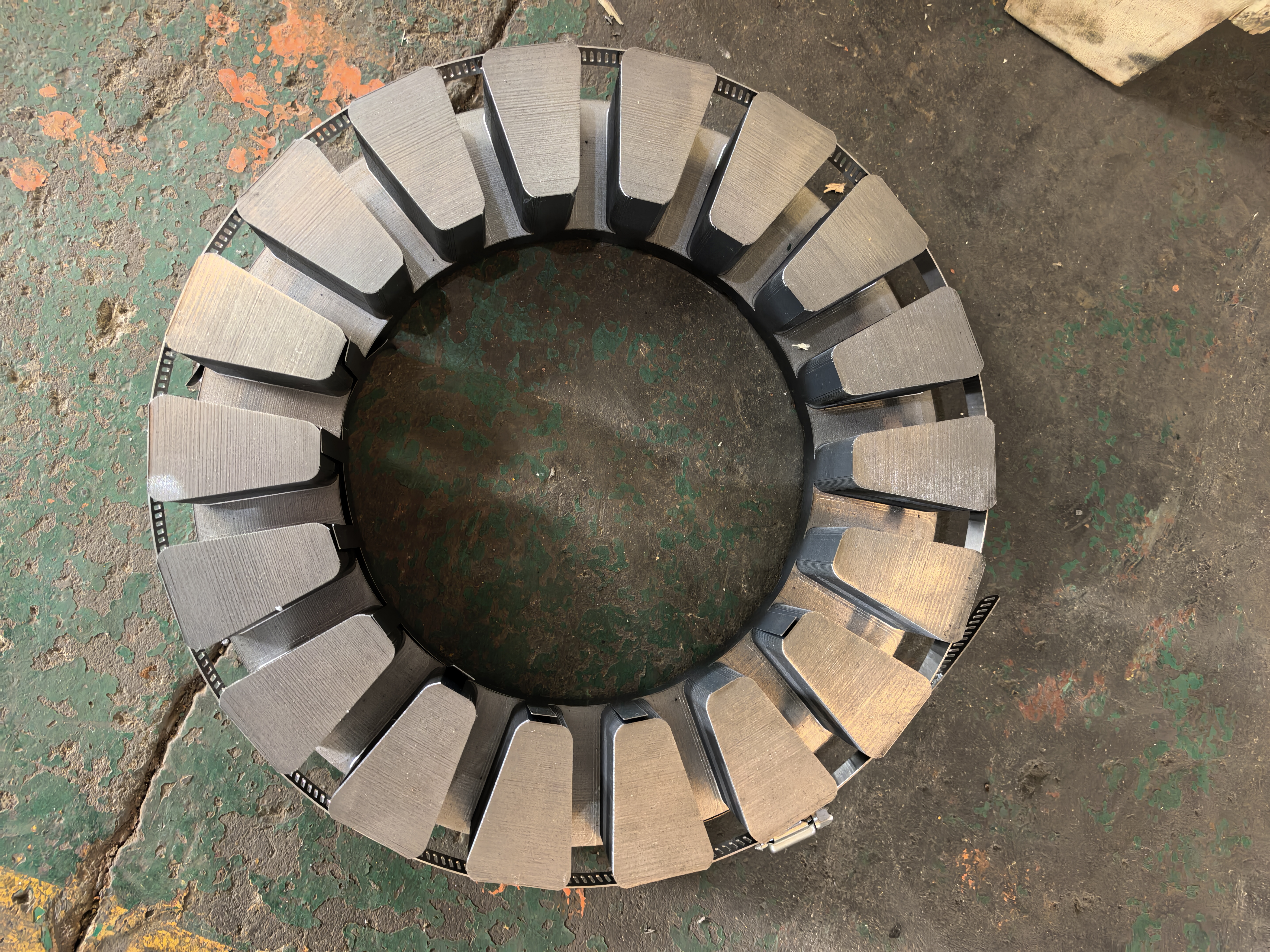
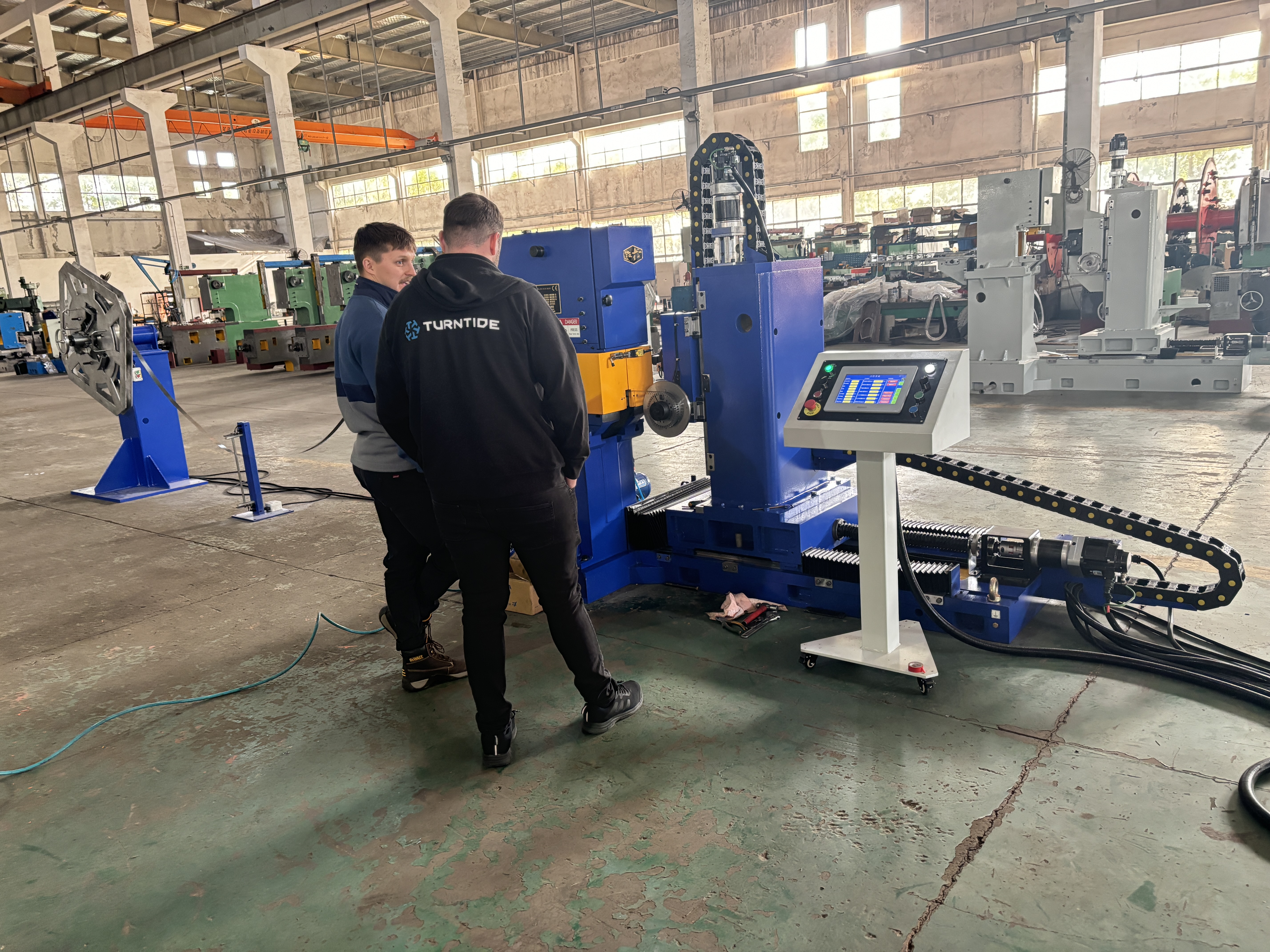
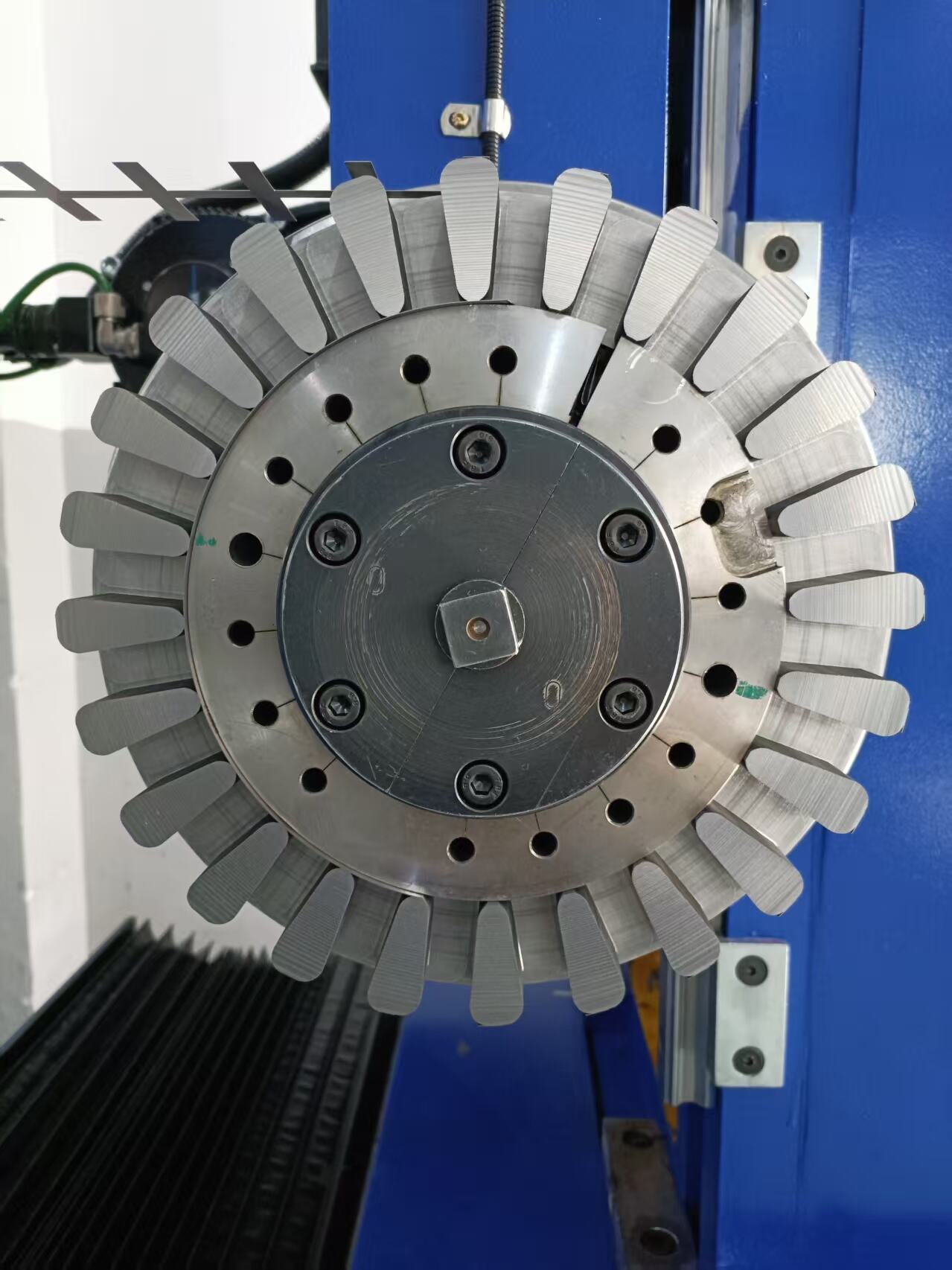
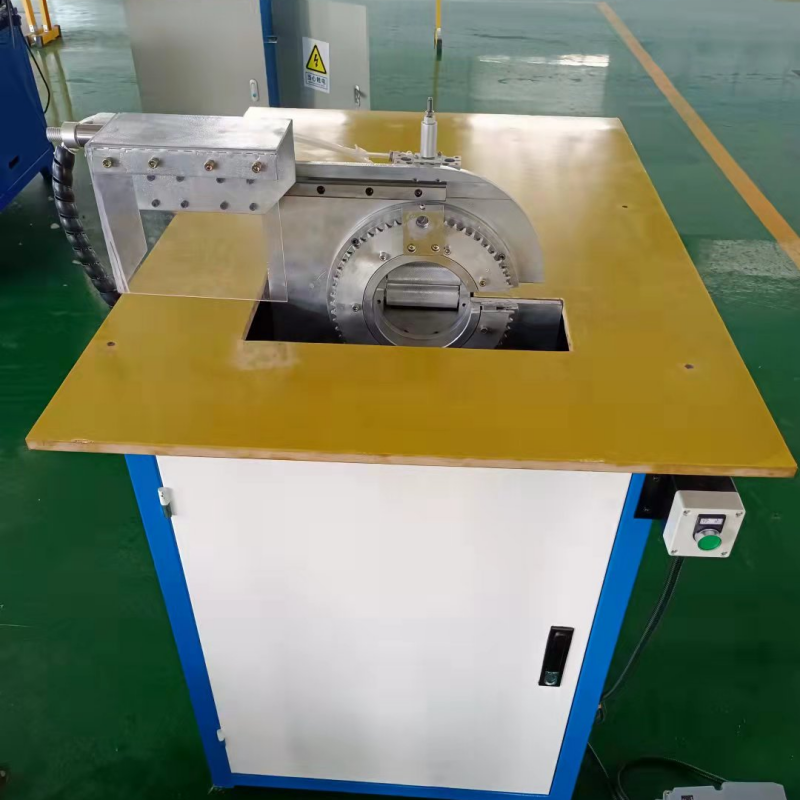
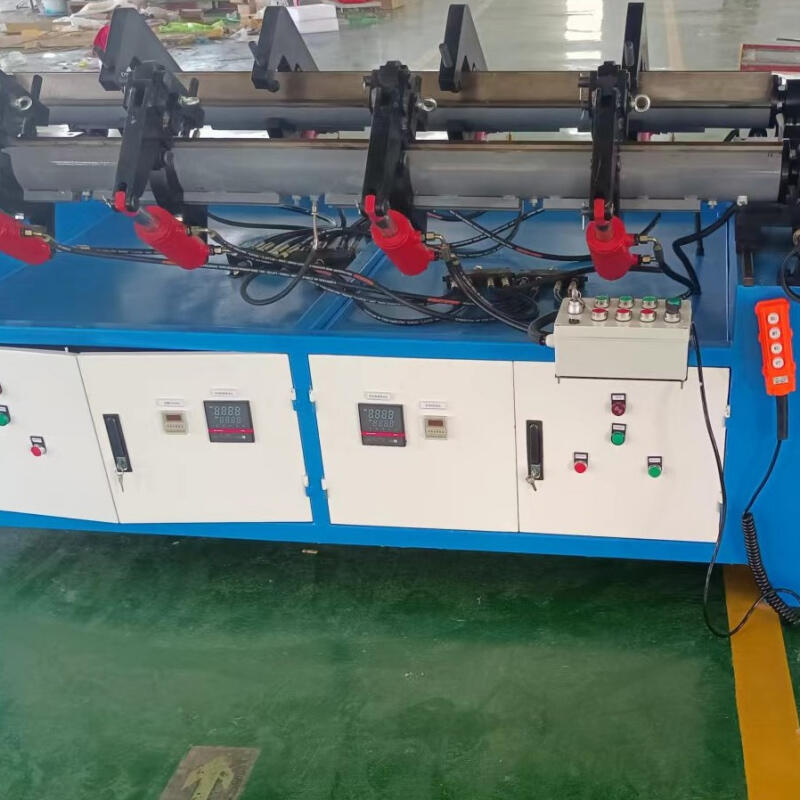
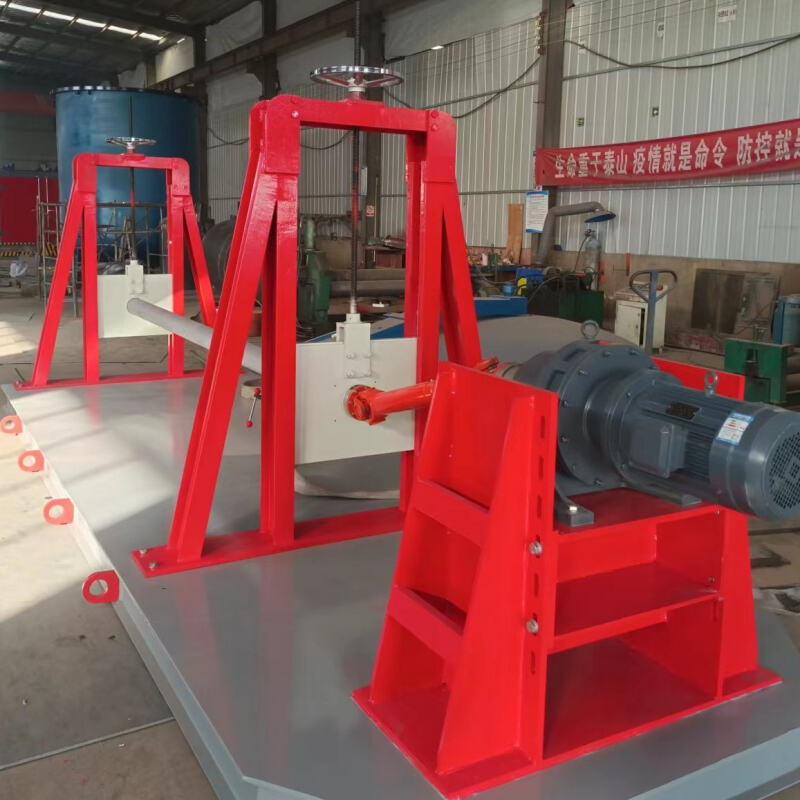
The axial flux motor manufacturing machine represents a cutting-edge solution designed specifically for producing advanced electric motors that feature a unique architectural design. This specialized equipment enables manufacturers to construct motors where the magnetic flux flows parallel to the axis of rotation, creating a pancake-shaped configuration that differs significantly from traditional radial flux designs. The axial flux motor manufacturing machine integrates multiple production stages into a streamlined workflow, including precision winding operations, automated stator assembly, rotor construction, and quality control verification systems. These machines incorporate computer numerical control technology, robotic handling systems, and sophisticated alignment mechanisms to ensure each component meets exact specifications. The primary functions of an axial flux motor manufacturing machine encompass coil winding with programmable patterns, precise lamination stacking, automated adhesive application, thermal management system integration, and final assembly operations. Modern versions feature touchscreen interfaces that allow operators to monitor production parameters in real-time, adjust settings for different motor specifications, and maintain consistent output quality across production runs. The technological features embedded within these machines include servo-driven positioning systems that achieve micron-level accuracy, vision inspection systems that detect defects before they propagate through production stages, and adaptive control algorithms that compensate for material variations. These manufacturing systems support various production volumes, from prototype development to mass production scenarios, making them suitable for research facilities, specialized motor manufacturers, and large-scale automotive component suppliers. The machines accommodate different motor sizes and power ratings, providing flexibility for manufacturers serving diverse market segments including electric vehicles, industrial automation, renewable energy systems, and aerospace applications. As the demand for efficient electric propulsion systems continues expanding globally, the axial flux motor manufacturing machine has become an essential asset for companies positioning themselves in emerging electrification markets.

New Product Releases

Manufacturers who invest in an axial flux motor manufacturing machine gain immediate access to production capabilities that significantly reduce assembly time compared to manual or semi-automated approaches. The automation built into these systems eliminates repetitive manual tasks that typically consume substantial labor hours, allowing your workforce to focus on quality oversight, process optimization, and value-added activities that directly impact your competitive position. The precision achieved through automated processes ensures consistency across every motor unit produced, which translates directly into reduced warranty claims, enhanced customer satisfaction, and stronger brand reputation in demanding markets. Your production costs decrease substantially because the machine minimizes material waste through optimized cutting patterns, precise adhesive application, and accurate component placement that eliminates rework and scrap. The flexibility inherent in modern manufacturing equipment means you can rapidly switch between different motor configurations without extensive retooling, enabling you to respond quickly to customer requests for customized specifications or prototype iterations. This adaptability protects your investment by ensuring the machine remains productive even as market demands shift toward new motor designs or performance requirements. Energy efficiency improvements in your manufacturing operation become tangible benefits, as these machines optimize power consumption during production cycles and reduce the environmental footprint of your facility. The data collection capabilities integrated into contemporary systems provide valuable insights into production trends, equipment performance, and quality metrics that inform strategic decisions about capacity planning, maintenance scheduling, and process improvements. Your ability to scale production volume increases dramatically because adding shifts or extending operating hours becomes straightforward when automated systems handle complex assembly tasks reliably. The competitive advantages extend beyond your factory floor, as faster time-to-market capabilities allow you to capitalize on emerging opportunities before competitors establish market presence. Quality assurance becomes more robust when integrated inspection systems catch deviations immediately, preventing defective components from advancing through subsequent production stages where corrections become exponentially more expensive. The training requirements for operating personnel decrease because intuitive interfaces and guided workflows reduce the learning curve associated with complex manufacturing processes. Your maintenance costs remain predictable through condition monitoring systems that alert you to potential issues before they cause unexpected downtime or catastrophic failures. The return on investment becomes measurable through metrics including throughput increases, defect rate reductions, labor cost savings, and improved material utilization that collectively strengthen your financial performance and market competitiveness.

Practical Tips

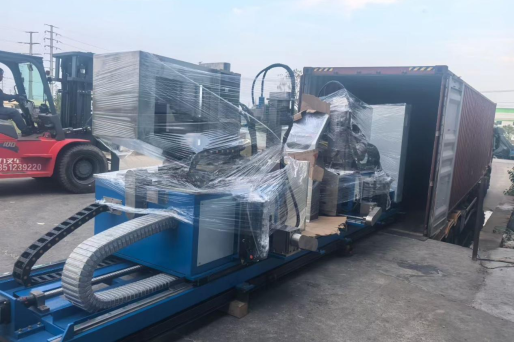
January 15th, 2026 Air Conditioner BLDC Motor Production line Dispatch to India

08

Apr

January 15th, 2026 Air Conditioner BLDC Motor Production line Dispatch to India

View More
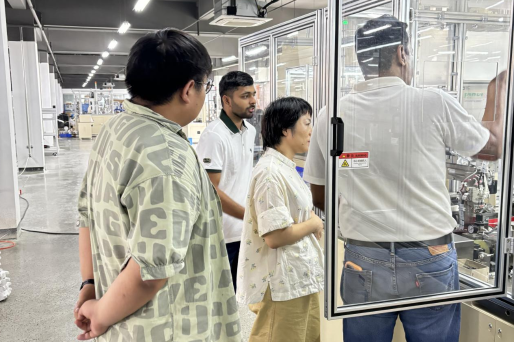
August 30th, 2025, 45W Air conditioner ODU BLDC motor Assembly line Inspection From India customer

08

Apr

August 30th, 2025, 45W Air conditioner ODU BLDC motor Assembly line Inspection From India customer

View More
January 5th , 2026 CNC Coil Forming Machine For High Voltage Motors dispatched to UZ (Uzbekistan)

07

Apr

January 5th , 2026 CNC Coil Forming Machine For High Voltage Motors dispatched to UZ (Uzbekistan)

View More

Get a Free Quote

Our representative will contact you soon.
Email
Name
Mobile/WhatsApp
Company Name
Message
0/1000

axial flux motor manufacturing machine

Advanced Precision Engineering for Superior Motor Quality

Advanced Precision Engineering for Superior Motor Quality

The axial flux motor manufacturing machine delivers unprecedented precision levels that fundamentally transform motor production quality and performance characteristics. This precision engineering capability stems from integrated servo control systems that position components with repeatability measured in micrometers, ensuring that air gaps between stators and rotors maintain exact specifications critical for optimal electromagnetic performance. The machine employs multiple measurement systems that continuously verify dimensional accuracy throughout the assembly process, including laser displacement sensors, contact probes, and vision systems that capture detailed images for automated defect detection. These quality verification mechanisms work in concert to identify deviations from design specifications before components become permanently assembled, preventing costly rework and ensuring every motor meets stringent performance criteria. The precision extends to the winding operations where controlled tension systems maintain consistent copper wire placement, creating uniform coil geometries that directly influence motor efficiency, torque production, and thermal characteristics. Automated lamination stacking processes ensure that thin magnetic steel sheets align perfectly, minimizing energy losses that occur when laminations are misaligned or damaged during handling. The bonding processes controlled by the axial flux motor manufacturing machine apply adhesives with exact quantities and patterns, creating structural integrity without adding unnecessary weight or introducing air pockets that compromise thermal conductivity. Temperature control systems maintain optimal environmental conditions during curing phases, ensuring adhesive bonds achieve maximum strength and dimensional stability. The precision capabilities enable manufacturers to achieve tighter tolerances than traditional production methods, resulting in motors that operate more quietly, generate less vibration, and deliver power more efficiently across their operating range. This engineering excellence translates directly into customer value through extended service life, reduced maintenance requirements, and superior performance in demanding applications where reliability cannot be compromised. The machine's ability to consistently reproduce complex geometries means that performance variations between individual motor units remain minimal, simplifying quality control processes and reducing the testing burden on finished products. Manufacturers gain confidence that each motor leaving their production line will perform exactly as designed, supporting their reputation for excellence and enabling them to command premium pricing in competitive markets.
Intelligent Automation That Maximizes Production Efficiency

Intelligent Automation That Maximizes Production Efficiency

The intelligent automation embedded within the axial flux motor manufacturing machine revolutionizes production workflows by orchestrating complex sequences of operations without constant human intervention. This automation framework incorporates programmable logic controllers that coordinate multiple subsystems including material handling robots, precision assembly stations, adhesive dispensing units, and quality inspection cameras into a synchronized production sequence. The system intelligence extends beyond simple task repetition, incorporating adaptive algorithms that adjust process parameters based on real-time sensor feedback, compensating for variations in incoming materials, ambient conditions, or component characteristics. Operators interact with the machine through intuitive human-machine interfaces that display production status, performance metrics, and diagnostic information in easily understood formats, reducing the specialized knowledge required to maintain optimal operations. The automation architecture supports recipe-based production where different motor designs are stored as digital programs that can be recalled instantly, enabling rapid changeovers between product variants without manual reconfiguration of mechanical components. This flexibility proves invaluable for manufacturers serving markets where customer specifications vary widely or where rapid prototyping capabilities provide competitive advantages. The material flow automation eliminates manual handling between process stations, reducing cycle times and minimizing the risk of damage to delicate components during transport. Automated inventory management systems track component consumption and alert operators when supplies require replenishment, preventing production interruptions due to material shortages. The intelligent systems incorporate predictive maintenance algorithms that analyze vibration signatures, temperature patterns, and performance trends to forecast when components may require service, allowing maintenance activities to be scheduled during planned downtime rather than responding to unexpected failures. Energy management features optimize power consumption by coordinating the operation of multiple subsystems, reducing demand charges and supporting corporate sustainability initiatives. The data generated by automated systems provides comprehensive production history that supports quality traceability requirements in regulated industries, enabling manufacturers to document the complete provenance of each motor unit. Production scheduling becomes more reliable when automated systems deliver consistent cycle times and minimize variability caused by human factors, improving the accuracy of delivery commitments to customers. The automation reduces physical demands on operators by handling heavy components, performing repetitive motions, and managing tasks in environments where temperature, noise, or other factors might compromise worker comfort or safety.
Scalable Manufacturing Solution for Growing Market Demands

Scalable Manufacturing Solution for Growing Market Demands

The axial flux motor manufacturing machine provides a scalable foundation that accommodates business growth without requiring complete production system replacements as volumes increase. This scalability characteristic addresses a critical challenge faced by companies entering emerging markets where initial demand may be modest but growth trajectories suggest substantial future expansion. The modular architecture employed in advanced manufacturing systems allows additional processing stations, increased automation capabilities, or enhanced quality inspection systems to be integrated into existing production lines without disrupting ongoing operations. Manufacturers can begin with a configuration appropriate for their current volume requirements and systematically expand capabilities as market success justifies additional investment, protecting capital resources while maintaining the flexibility to capture growth opportunities. The machine supports various production modes including manual-assisted operation for low volumes, semi-automated processing for medium production rates, and fully automated high-volume manufacturing, enabling companies to optimize the balance between capital investment and labor costs based on their specific circumstances. This adaptability proves particularly valuable for contract manufacturers who serve multiple customers with varying volume requirements, allowing them to efficiently handle small specialized orders alongside larger production runs. The scalability extends to the range of motor sizes and configurations that can be produced, with adjustable fixtures, programmable tooling, and flexible material handling systems accommodating dimensional variations without requiring dedicated equipment for each product variant. Software scalability ensures that as production complexity increases, the control systems can manage additional sensors, actuators, and process variables without performance degradation or system instability. The manufacturing machine supports network connectivity that enables integration with enterprise resource planning systems, manufacturing execution systems, and quality management platforms, creating information flows that improve decision-making across organizational functions. This connectivity becomes increasingly valuable as production scales, providing visibility into operations that helps identify bottlenecks, optimize resource allocation, and coordinate activities across multiple production lines or facilities. The training infrastructure scales alongside production capabilities, with simulation modes that allow new operators to develop proficiency without risking damage to expensive components or interrupting active production. As manufacturing volumes grow, the consistent processes established by the axial flux motor manufacturing machine facilitate quality certification efforts, supporting compliance with industry standards and customer-specific requirements that often accompany larger supply contracts.

Get a Free Quote

Our representative will contact you soon.
Email
Name
Mobile/WhatsApp
Company Name
Message
0/1000