Advanced Precision Control System
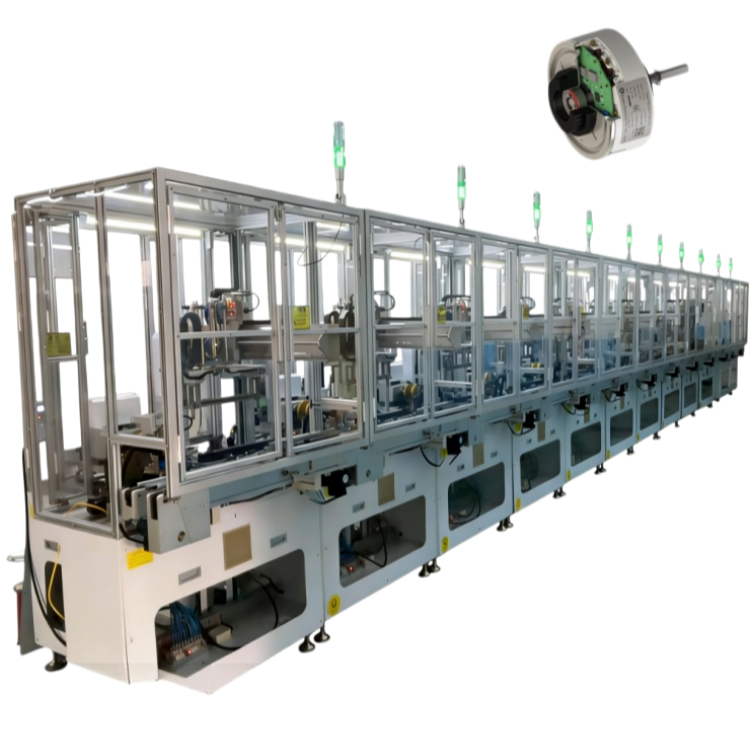
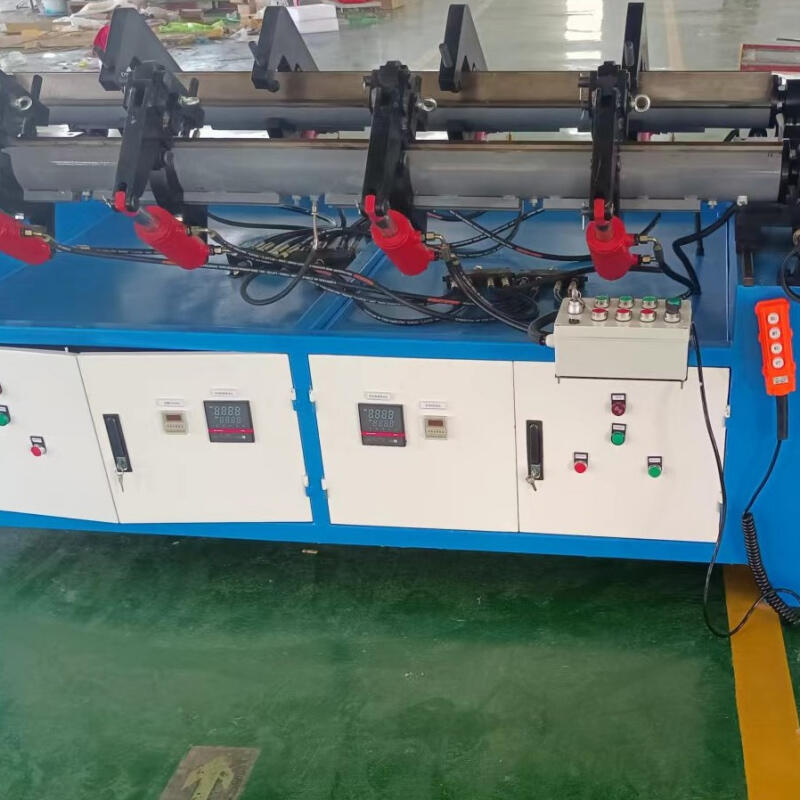
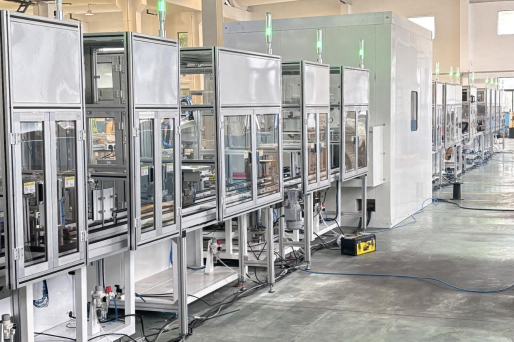
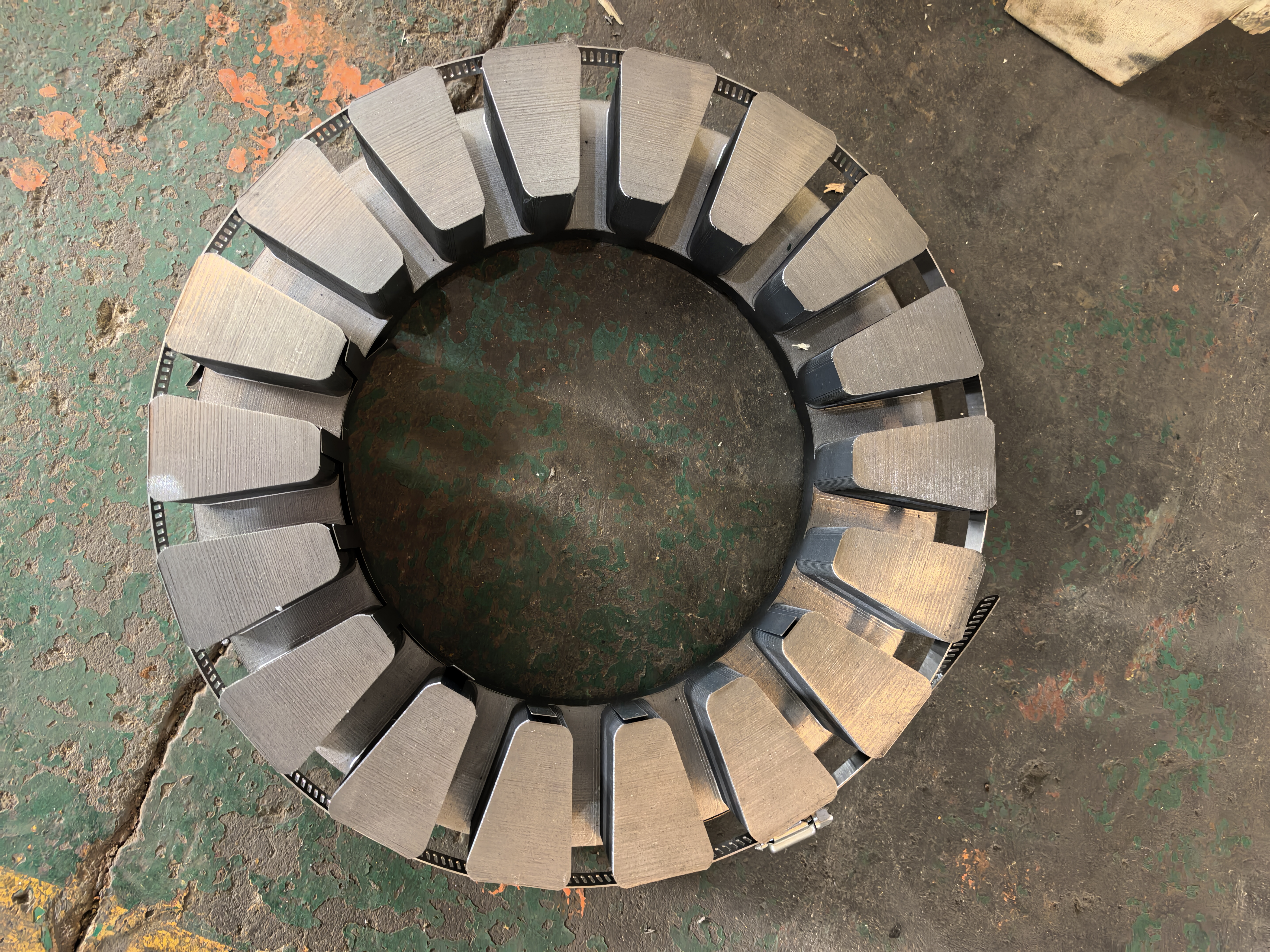
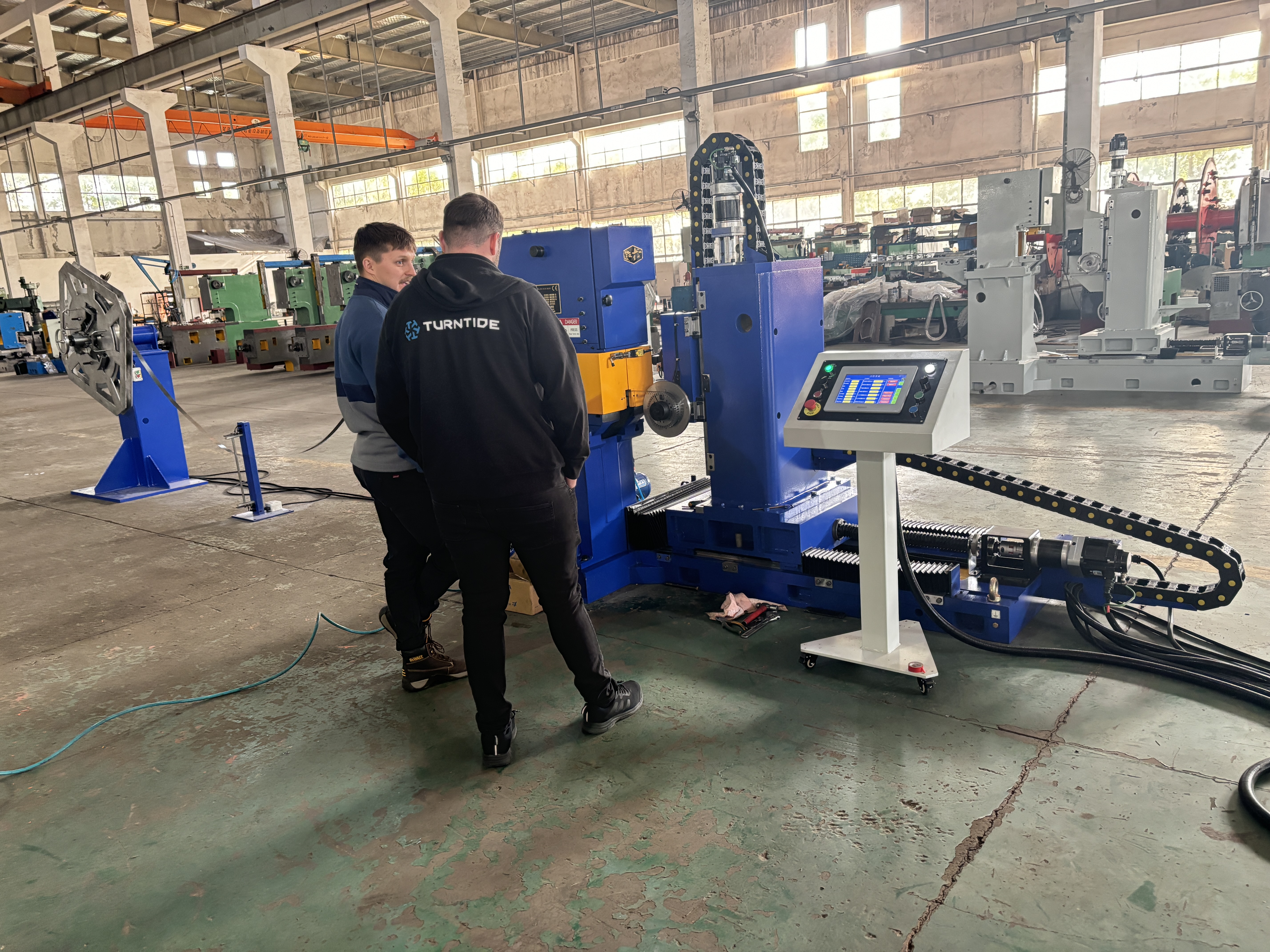
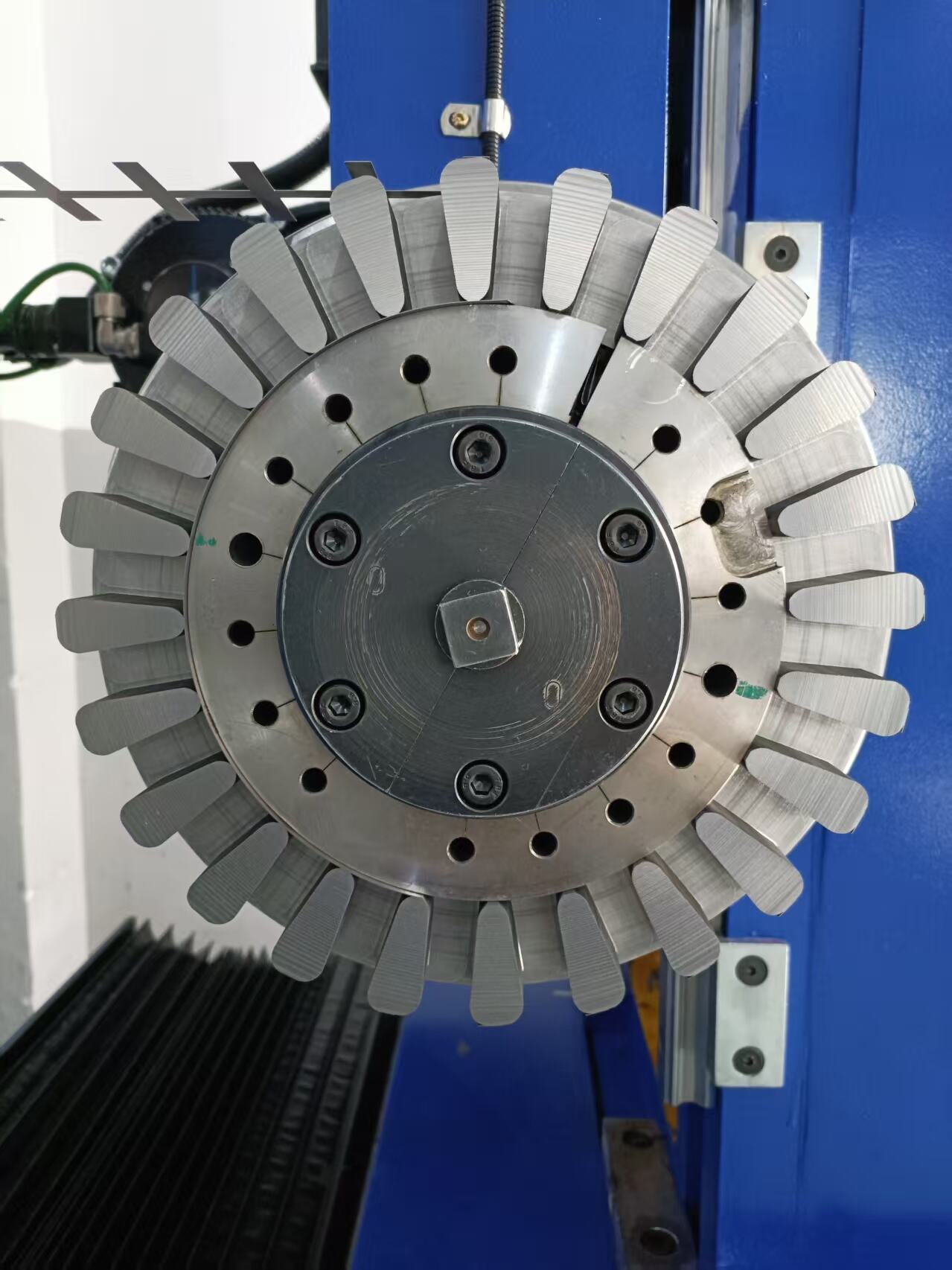
The precision control system integrated into modern motor stator lamination machines represents a technological breakthrough that fundamentally transforms manufacturing capabilities for motor producers worldwide. At the heart of this system lies sophisticated servo motor technology that governs every mechanical movement with exceptional accuracy. Unlike conventional machines relying on mechanical cams or basic electrical controls, contemporary motor stator lamination machines employ digital position feedback mechanisms that continuously monitor and adjust operational parameters in real-time. This closed-loop control architecture ensures that punching positions remain accurate to within 0.02 millimeters across millions of operational cycles, maintaining dimensional integrity that directly correlates with motor performance quality. The precision control system manages complex sequences involving material advancement, die positioning, punching force application, and lamination stacking with perfect synchronization. Operators interact with intuitive touchscreen interfaces that display production parameters, allow recipe storage for different stator designs, and provide immediate access to diagnostic information. The system's programmable nature means manufacturers can store unlimited stator configurations in the machine's memory, enabling rapid changeovers between production runs without manual adjustments or specialized technical knowledge. Advanced sensors throughout the motor stator lamination machine continuously validate that actual operations match programmed specifications, automatically compensating for variables like material thickness variations, temperature effects on tooling dimensions, or gradual wear on cutting edges. This adaptive capability maintains consistent output quality regardless of environmental conditions or cumulative production volume. The precision control system also optimizes cycle timing to maximize throughput while respecting material properties and mechanical limits, preventing premature component failure while achieving the fastest possible production rates. Statistical process control capabilities built into the system collect performance data across production shifts, enabling manufacturers to identify trends, optimize settings, and demonstrate quality compliance to customers or regulatory authorities. Remote connectivity features allow technical support teams to access motor stator lamination machines via secure internet connections for troubleshooting assistance or software updates without requiring on-site visits, minimizing downtime and reducing maintenance expenses. The integration of safety interlocks within the precision control system protects operators by immediately halting machine operation if guards open or abnormal conditions arise, creating a secure working environment that meets international safety standards while maintaining productivity objectives.
 ×


 EN