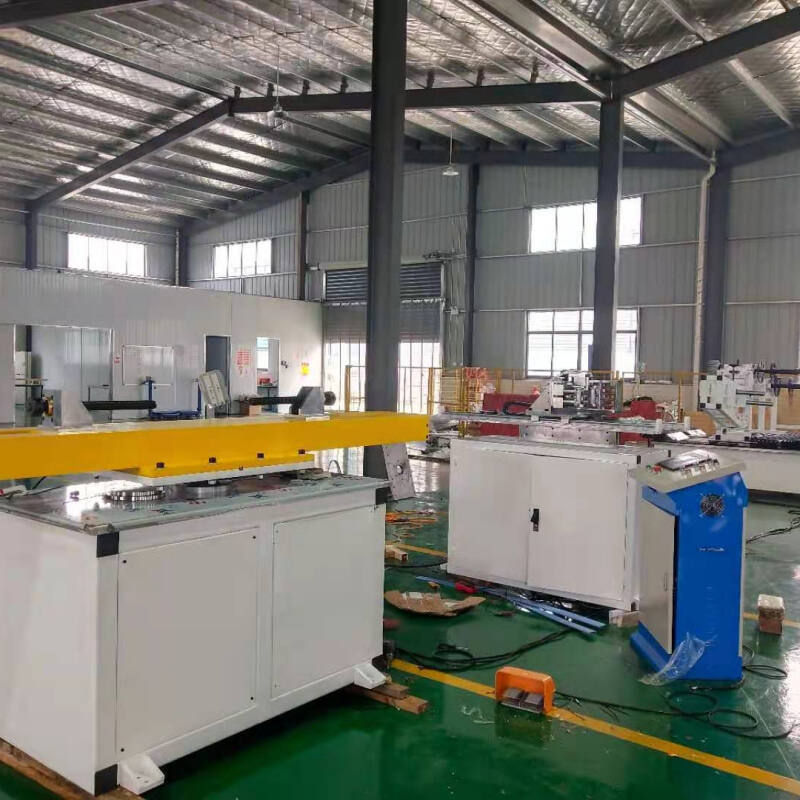
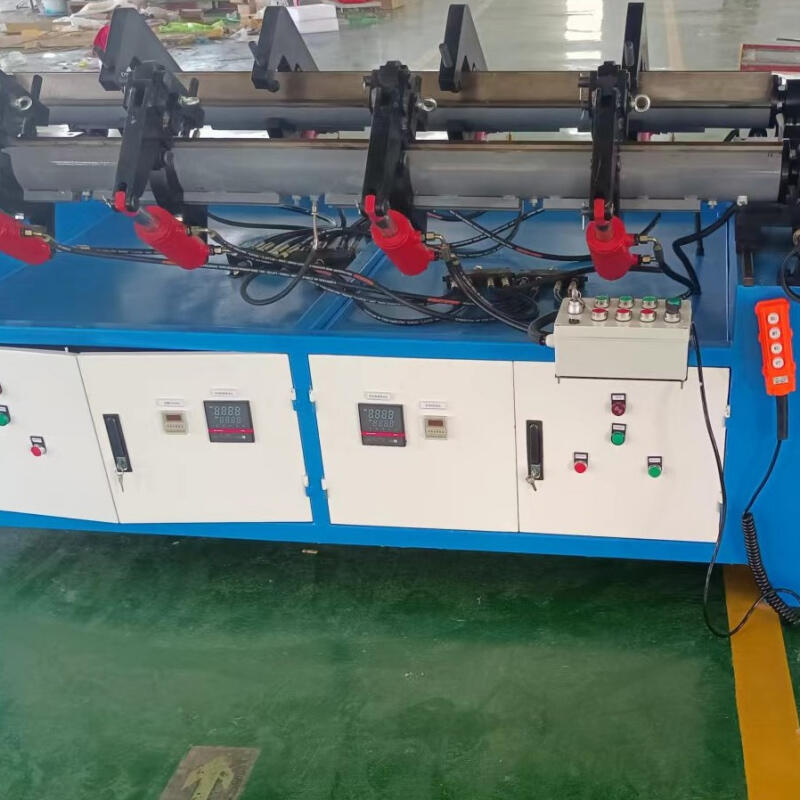
Axial Flux Stator Assembly Machine - Advanced Automated Motor Manufacturing Solution

Get a Free Quote

Our representative will contact you soon.
Email
Name
Mobile/WhatsApp
Company Name
Message
0/1000

axial flux stator assembly machine

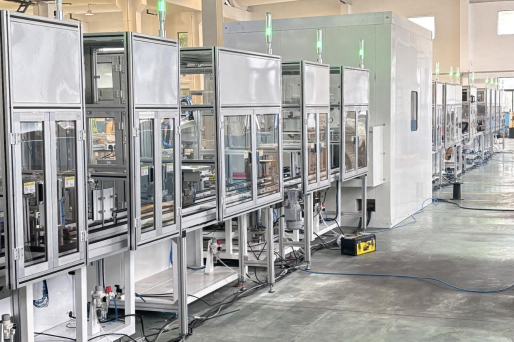
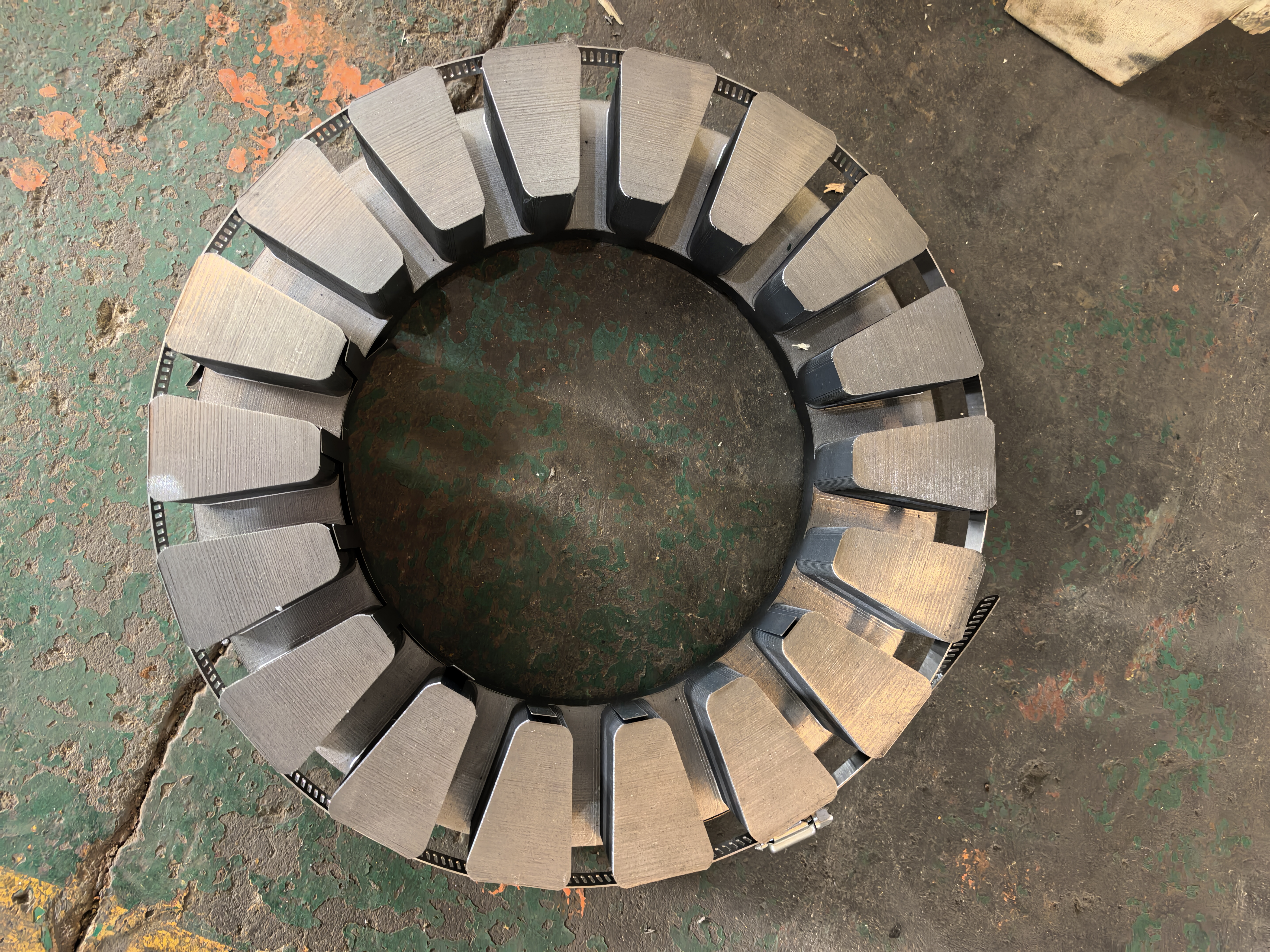
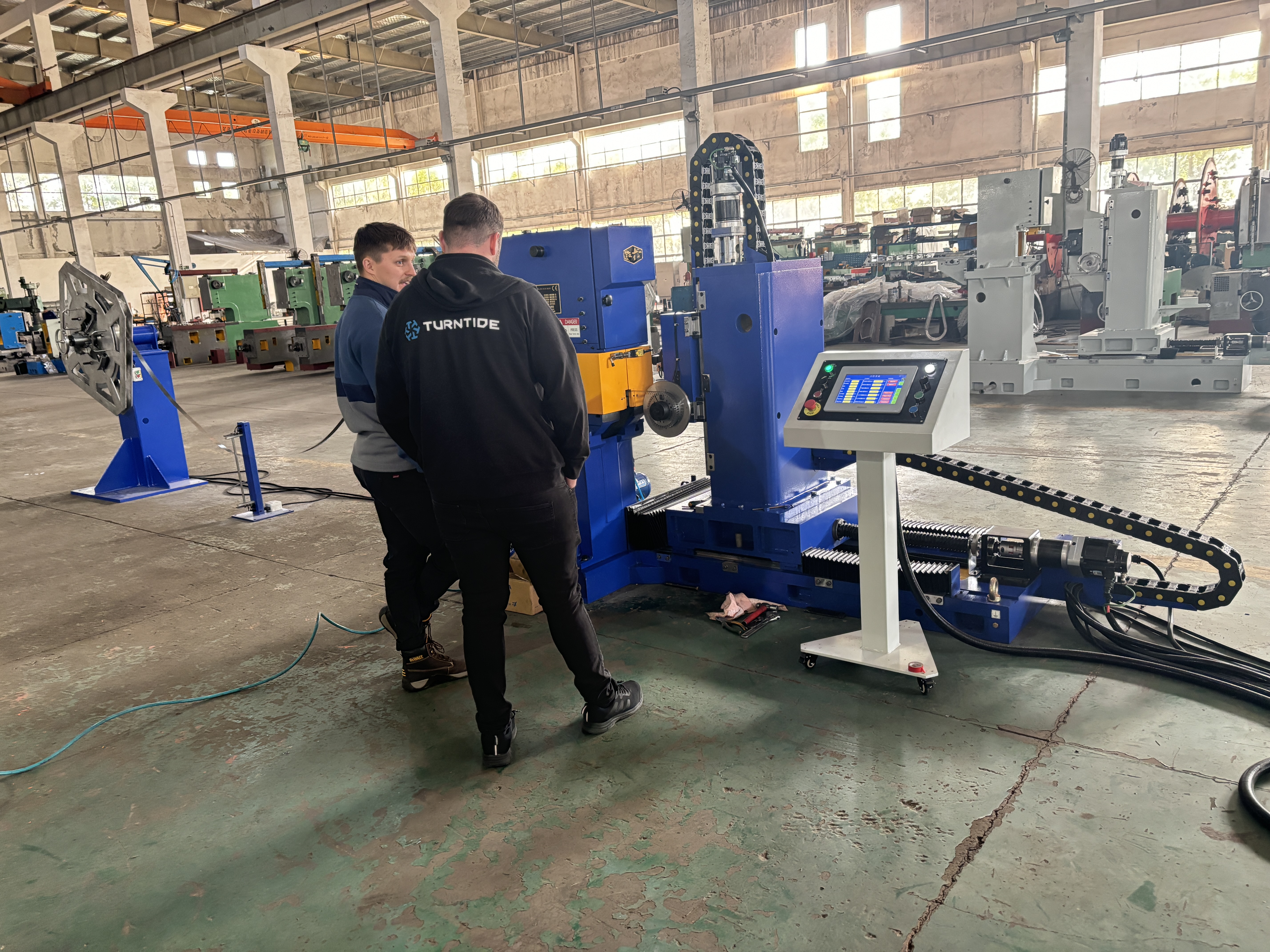
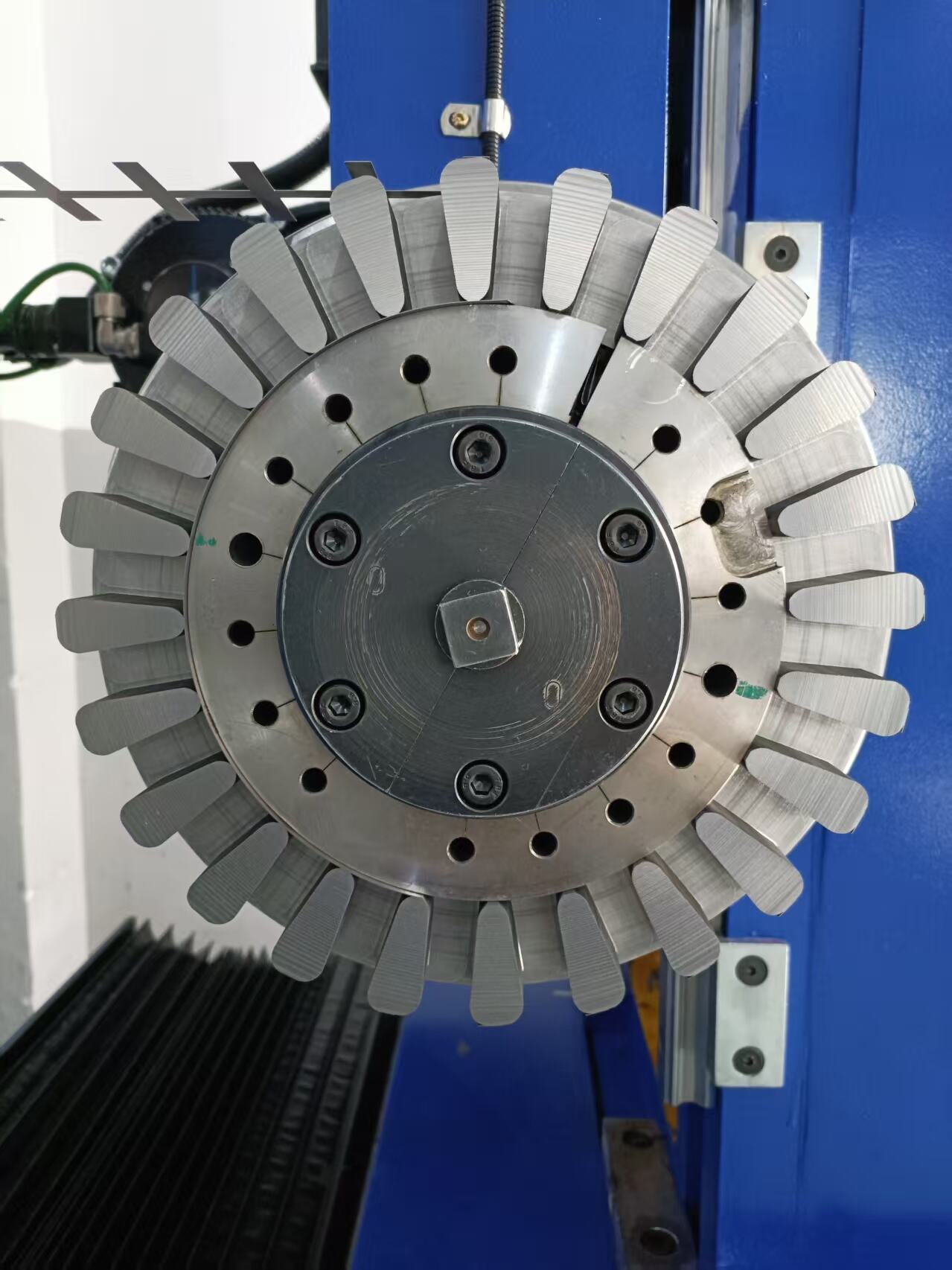
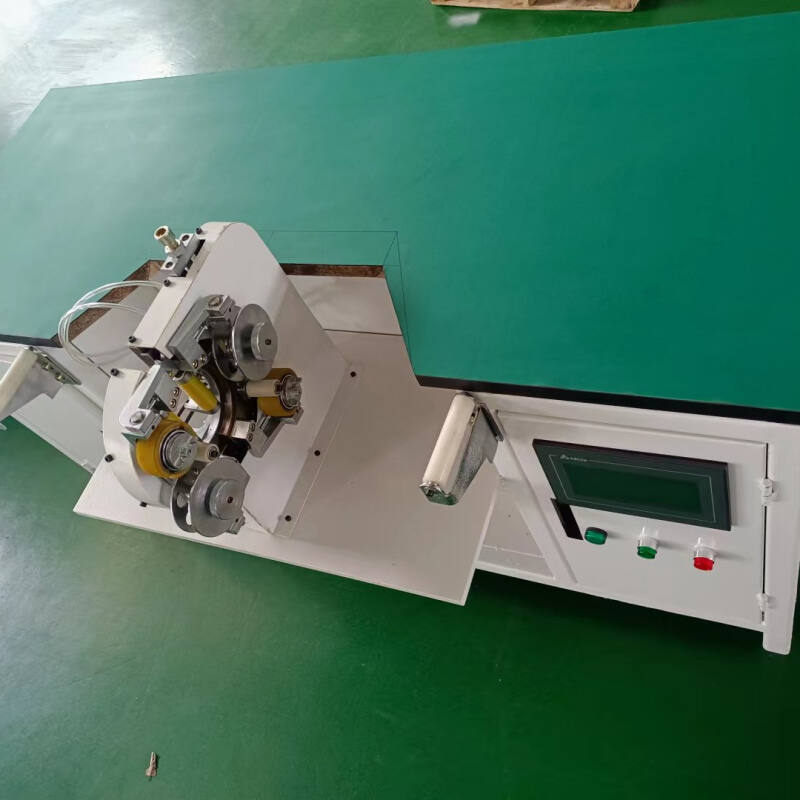
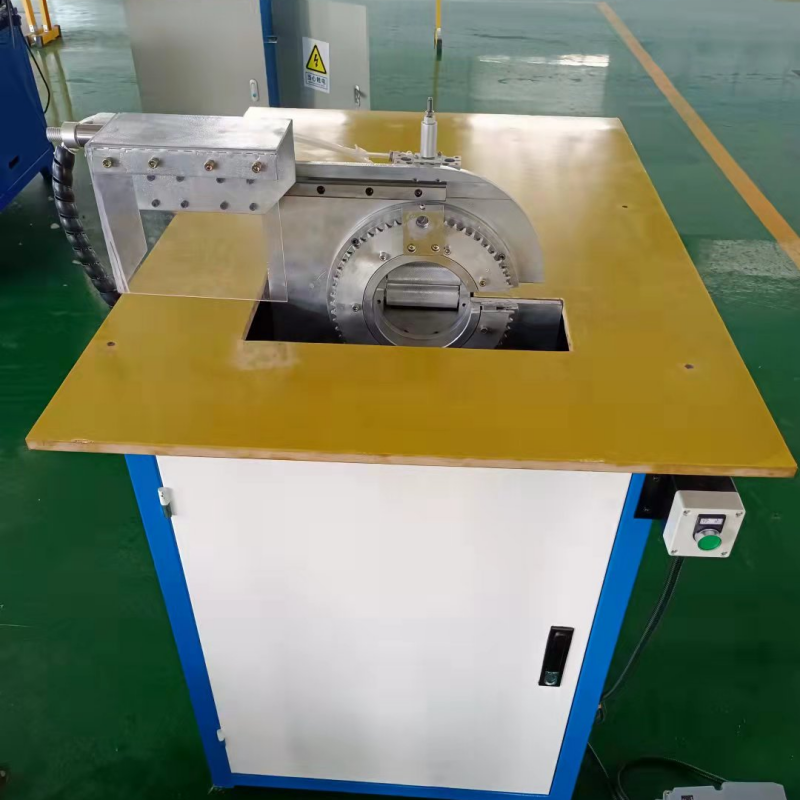
The axial flux stator assembly machine represents a revolutionary advancement in electric motor manufacturing technology, specifically designed to streamline the production of axial flux motors that are increasingly popular in electric vehicles, industrial automation, and renewable energy applications. This sophisticated equipment automates the complex process of assembling stator components in axial flux motor configurations, where the magnetic flux flows parallel to the motor shaft rather than radially as in traditional designs. The machine integrates multiple precision functions including core stacking, winding insertion, lamination alignment, and bonding processes into a unified production system. Its main functions encompass automated material handling, precise positioning of copper windings, controlled insertion of magnetic laminations, and thermal management during the curing process. The technological features of this assembly system include servo-driven positioning mechanisms that achieve micrometer-level accuracy, vision inspection systems for quality verification at each assembly stage, and programmable logic controllers that manage the entire workflow with minimal human intervention. The machine accommodates various stator diameters and configurations, making it versatile enough to handle different motor specifications without extensive retooling. Advanced sensor arrays continuously monitor critical parameters such as winding tension, lamination alignment, and bonding temperature to ensure consistent output quality. The equipment typically features modular construction, allowing manufacturers to scale production capacity by adding or removing stations based on demand. Applications span across automotive manufacturing facilities producing electric vehicle motors, aerospace companies developing compact propulsion systems, and industrial manufacturers creating high-efficiency drives for automation equipment. The axial flux stator assembly machine has become essential infrastructure for companies transitioning toward next-generation motor technologies, offering the precision and repeatability necessary for mass production while maintaining the flexibility to accommodate evolving design specifications in this rapidly advancing field.

New Product Releases

Manufacturers who invest in an axial flux stator assembly machine gain immediate competitive advantages through dramatically improved production efficiency and cost reduction. The automated nature of this equipment eliminates the manual labor traditionally required for stator assembly, reducing workforce requirements by up to seventy percent while simultaneously increasing output rates. Production facilities report throughput improvements ranging from three to five times their previous manual assembly capabilities, directly impacting profitability and market responsiveness. The machine delivers exceptional consistency in product quality, eliminating the variability inherent in human assembly processes. Every stator produced meets identical specifications with tolerances maintained within thousandths of a millimeter, resulting in motors with predictable performance characteristics and significantly reduced warranty claims. This consistency translates to stronger customer relationships and enhanced brand reputation in competitive markets. Energy efficiency represents another substantial benefit, as the machine optimizes material usage and minimizes waste throughout the assembly process. Precise control over adhesive application, winding placement, and lamination handling reduces scrap rates to below two percent compared to ten to fifteen percent in manual operations. These material savings accumulate substantially over production runs numbering thousands of units. The equipment provides remarkable flexibility for manufacturers serving diverse customer requirements. Quick changeover capabilities enable production switches between different stator configurations in under thirty minutes, allowing facilities to maintain lean inventory practices while meeting varied order specifications. This adaptability proves invaluable in industries where customization demands continue increasing. Worker safety improves significantly when automated systems handle repetitive tasks and hazardous materials. The machine manages adhesives, solvents, and heated components within enclosed environments, protecting personnel from exposure while maintaining optimal process conditions. This safety enhancement reduces workplace incidents and associated costs while improving employee satisfaction and retention. Real-time data collection built into modern assembly machines provides manufacturers with unprecedented visibility into production metrics. Operators monitor efficiency rates, quality indicators, and maintenance requirements through intuitive dashboards, enabling proactive management and continuous improvement initiatives. Predictive maintenance algorithms analyze operational data to schedule service interventions before breakdowns occur, maximizing uptime and equipment longevity. The return on investment timeline for these machines typically ranges from eighteen to thirty-six months depending on production volumes, after which ongoing operational savings directly enhance profit margins and fund further technological advancement.

Practical Tips

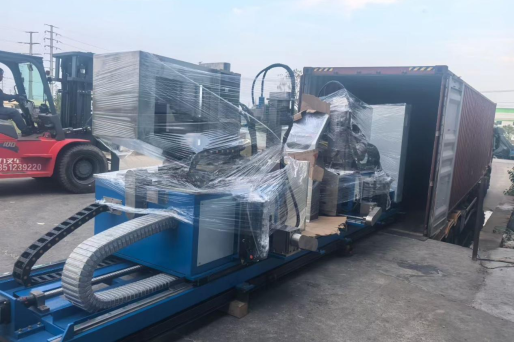
January 15th, 2026 Air Conditioner BLDC Motor Production line Dispatch to India

08

Apr

January 15th, 2026 Air Conditioner BLDC Motor Production line Dispatch to India

View More
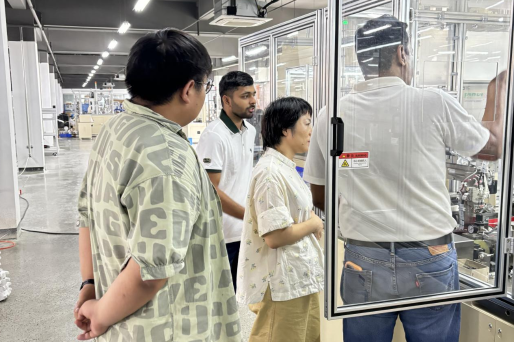
August 30th, 2025, 45W Air conditioner ODU BLDC motor Assembly line Inspection From India customer

08

Apr

August 30th, 2025, 45W Air conditioner ODU BLDC motor Assembly line Inspection From India customer

View More
January 5th , 2026 CNC Coil Forming Machine For High Voltage Motors dispatched to UZ (Uzbekistan)

07

Apr

January 5th , 2026 CNC Coil Forming Machine For High Voltage Motors dispatched to UZ (Uzbekistan)

View More

Get a Free Quote

Our representative will contact you soon.
Email
Name
Mobile/WhatsApp
Company Name
Message
0/1000

axial flux stator assembly machine

Precision Engineering That Guarantees Perfect Assembly Every Time

Precision Engineering That Guarantees Perfect Assembly Every Time

The axial flux stator assembly machine incorporates precision engineering systems that represent the pinnacle of modern manufacturing technology, ensuring flawless component assembly with repeatability that manual processes simply cannot achieve. At the heart of this precision capability lies an integrated network of servo motors and linear actuators working in perfect synchronization, controlling every movement with resolution measured in micrometers. These motion control systems position stator laminations with accuracy that exceeds 0.01 millimeters, critical for maintaining the tight air gaps required in high-performance axial flux motors. The machine employs advanced vision systems equipped with high-resolution cameras and sophisticated image processing algorithms that inspect each assembly stage in real-time. These inspection systems verify winding placement, detect lamination defects, identify contamination, and confirm proper component orientation before allowing progression to subsequent assembly steps. When deviations from specifications are detected, the system automatically flags the issue, removes the defective component, and alerts operators while continuing production with remaining materials. Force feedback sensors integrated throughout the assembly process monitor insertion pressures and torque values, ensuring that components seat properly without damage. This sensory awareness prevents the costly mistakes that occur in manual assembly when workers apply excessive force or fail to achieve proper engagement. Temperature control systems maintain optimal conditions for adhesive curing and thermal bonding operations, with multiple zones independently regulated to match material requirements. The precision extends to material handling subsystems that store, retrieve, and position components without introducing contamination or mechanical stress. Robotic grippers employ compliant mechanisms that adapt to slight dimensional variations in incoming materials while maintaining gentle contact pressures that prevent deformation. The cumulative effect of these precision engineering features is a manufacturing system that produces stators with electrical and mechanical properties falling within extremely narrow specification windows, enabling motor manufacturers to achieve performance targets that differentiate their products in demanding applications where efficiency and reliability are paramount considerations for customers making purchasing decisions.
Intelligent Automation That Maximizes Productivity While Minimizing Costs

Intelligent Automation That Maximizes Productivity While Minimizing Costs

The intelligent automation embedded within the axial flux stator assembly machine transforms traditional manufacturing economics by combining advanced software control with mechanical versatility, creating a production environment where efficiency reaches levels previously unattainable. The machine operates under the guidance of sophisticated programmable logic controllers running optimized algorithms that coordinate dozens of simultaneous operations across multiple assembly stations. This orchestration eliminates the idle time that plagues manual assembly lines, where workers wait for preceding operations to complete before beginning their tasks. Instead, the automated system pipelines work continuously, with components flowing through each station in perfectly timed sequences that maximize equipment utilization. The control software incorporates machine learning capabilities that analyze historical production data to identify optimization opportunities, automatically adjusting operational parameters like cycle times, material feed rates, and curing durations to achieve peak performance. As the system accumulates operational experience, it becomes progressively more efficient without requiring human intervention or programming updates. Recipe management functions allow manufacturers to store hundreds of different assembly configurations in the controller memory, each containing the specific parameters needed for particular stator designs. Operators simply select the appropriate recipe when beginning a production run, and the machine automatically configures all settings, eliminating setup errors and reducing changeover time dramatically. The automation extends to material replenishment, with the system monitoring inventory levels of copper wire, lamination stacks, adhesives, and other consumables, then alerting logistics personnel when restocking becomes necessary. This proactive inventory management prevents production interruptions due to material shortages while avoiding excessive inventory carrying costs. Integrated quality management systems automatically document every measured parameter for each assembled stator, creating comprehensive traceability records that satisfy automotive and aerospace quality standards without manual data entry. These digital records enable rapid root cause analysis when field issues arise and provide the documentation required for regulatory compliance. The productivity gains achievable through this intelligent automation typically enable manufacturers to reduce per-unit production costs by forty to sixty percent compared to manual assembly methods, while simultaneously improving quality metrics and reducing lead times, creating competitive advantages that translate directly into market share growth and enhanced profitability in industries where motor performance continues advancing rapidly.
Modular Design Architecture That Grows With Your Business Requirements

Modular Design Architecture That Grows With Your Business Requirements

The modular design architecture of the axial flux stator assembly machine provides manufacturers with unprecedented flexibility to scale production capacity and adapt to evolving product requirements without obsoleting their capital equipment investment. Unlike traditional fixed-configuration assembly systems that lock manufacturers into specific production volumes and product designs, this modular approach decomposes the assembly process into discrete functional stations that can be independently added, removed, or reconfigured as business needs change. Each module represents a complete assembly function such as lamination stacking, winding insertion, adhesive application, or curing, and connects to adjacent modules through standardized mechanical and electrical interfaces. This standardization means manufacturers can begin with a basic configuration containing only essential assembly functions, then expand the system as production volumes increase by adding parallel processing modules that multiply throughput proportionally. A facility might initially install a single-lane configuration capable of producing fifty stators per shift, then add a second parallel lane that doubles capacity to one hundred units without replacing existing equipment. The modular architecture also facilitates technology upgrades over the equipment lifecycle, as individual modules can be replaced with newer versions incorporating advanced capabilities while retaining the remainder of the system. This upgrade path protects the initial investment while ensuring access to latest manufacturing technologies as they emerge. The design accommodates product diversification as well, with specialized modules available for different stator configurations, cooling system integration options, and quality inspection requirements. Manufacturers serving multiple market segments can configure their assembly machine with interchangeable modules that swap quickly between production runs, supporting high-mix manufacturing strategies without maintaining separate dedicated lines. Maintenance benefits from modularity as well, since service technicians can remove individual modules for repair or routine maintenance while the remaining system continues operating, minimizing downtime impact. Spare module inventory provides insurance against extended outages, as backup units can be swapped into production lines within hours rather than waiting days for on-site repairs. The control architecture mirrors the mechanical modularity, with each station running semi-autonomous software that communicates with central coordination systems through standardized protocols, simplifying programming and troubleshooting while enabling sophisticated production strategies. This modular design philosophy fundamentally changes the capital equipment value proposition, transforming the axial flux stator assembly machine from a depreciating fixed asset into an adaptable manufacturing platform that evolves alongside business requirements, protecting investment value while enabling continuous operational improvement throughout decades of productive service life in dynamic manufacturing environments.

Get a Free Quote

Our representative will contact you soon.
Email
Name
Mobile/WhatsApp
Company Name
Message
0/1000