Slinky Stator Lamination Equipment - Advanced Motor Core Manufacturing Solutions

Get a Free Quote

Our representative will contact you soon.
Email
Name
Mobile/WhatsApp
Company Name
Message
0/1000

slinky stator lamination equipment

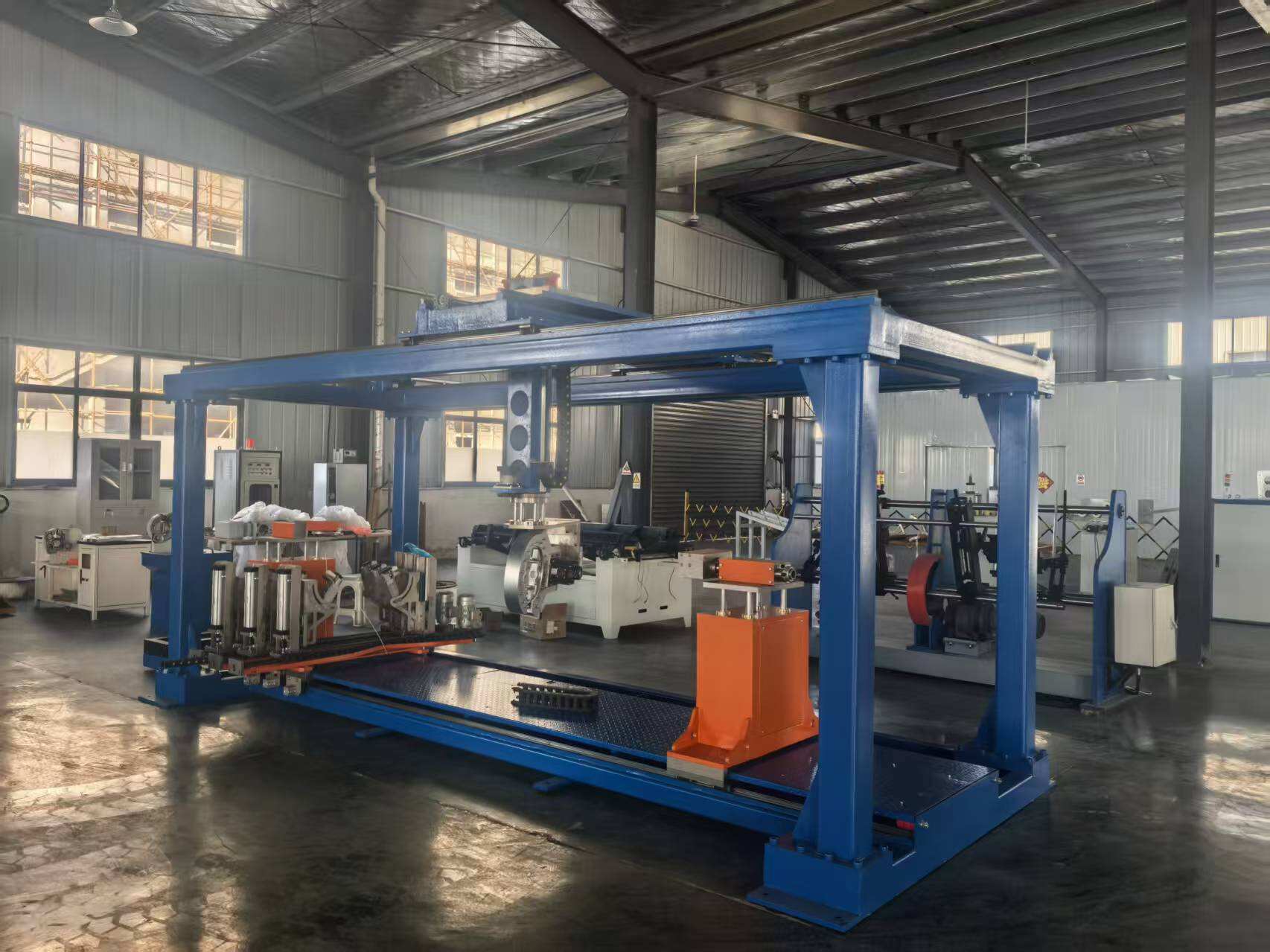
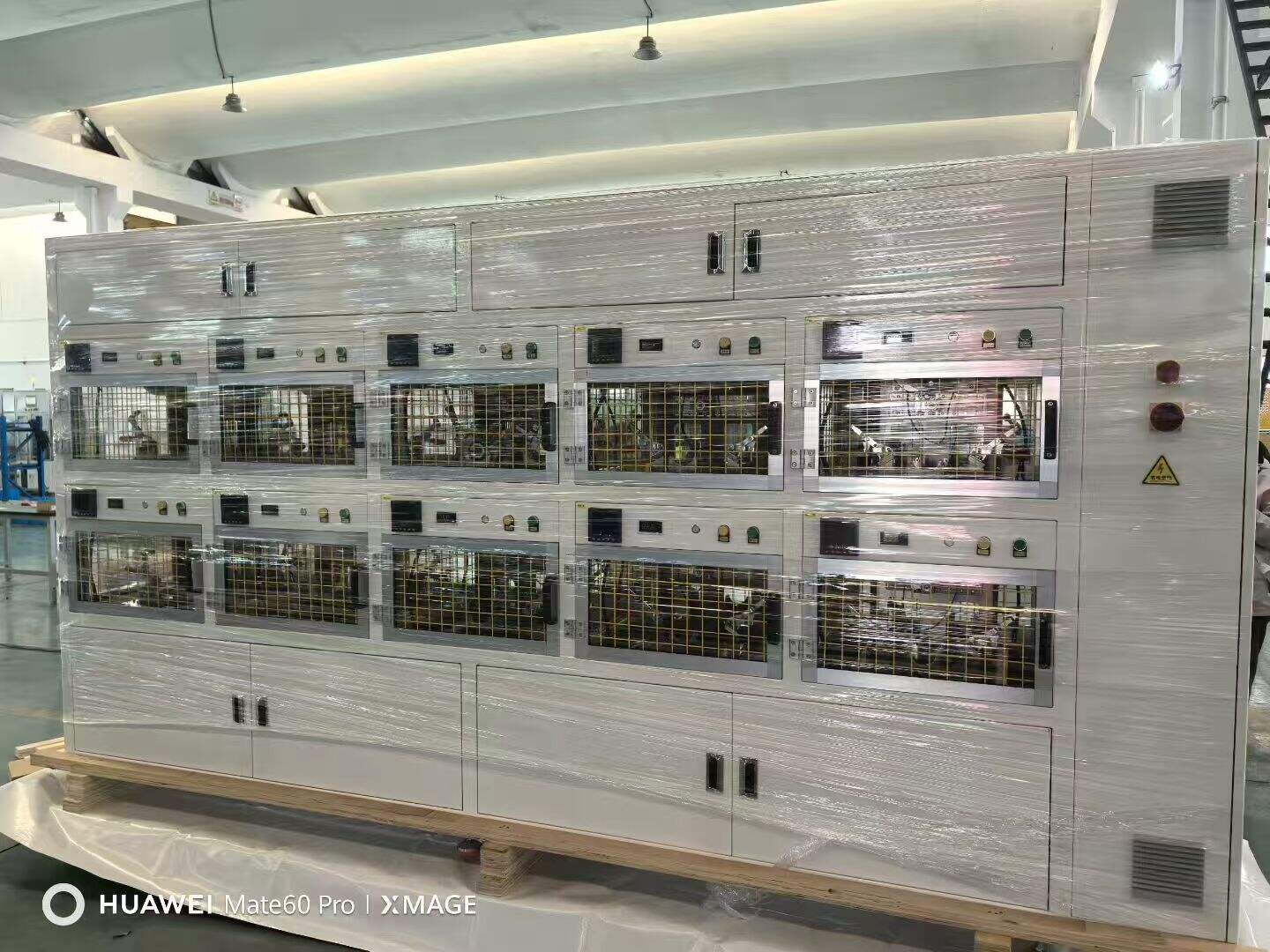
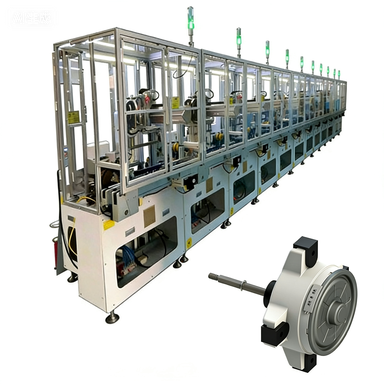
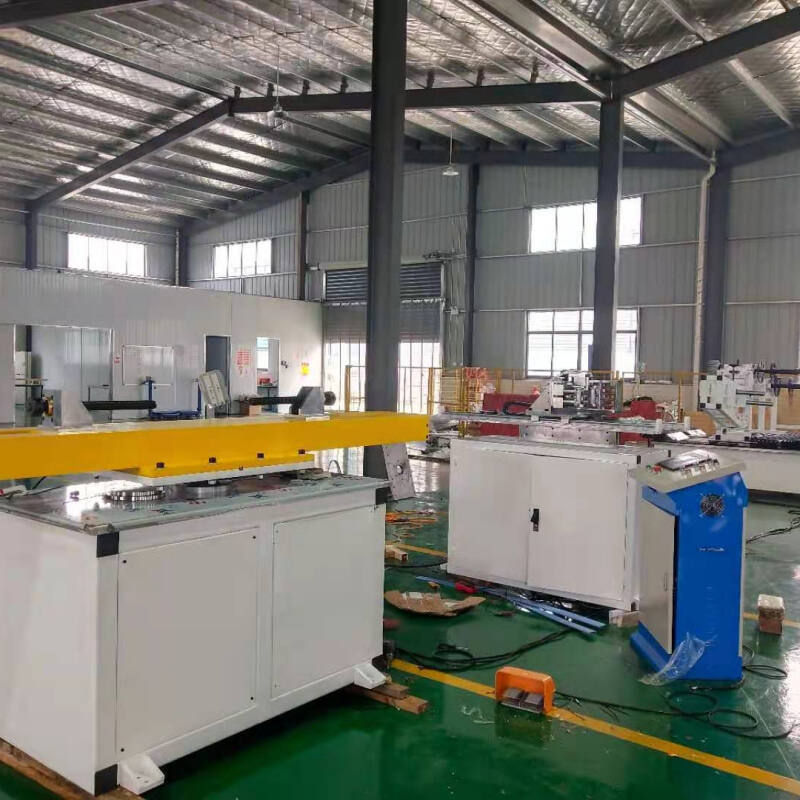
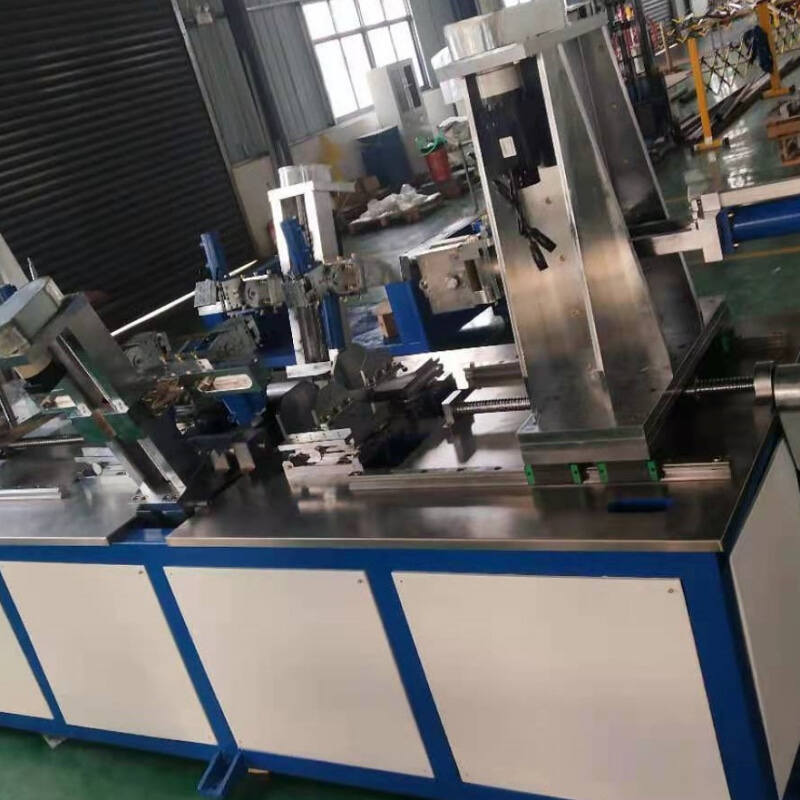
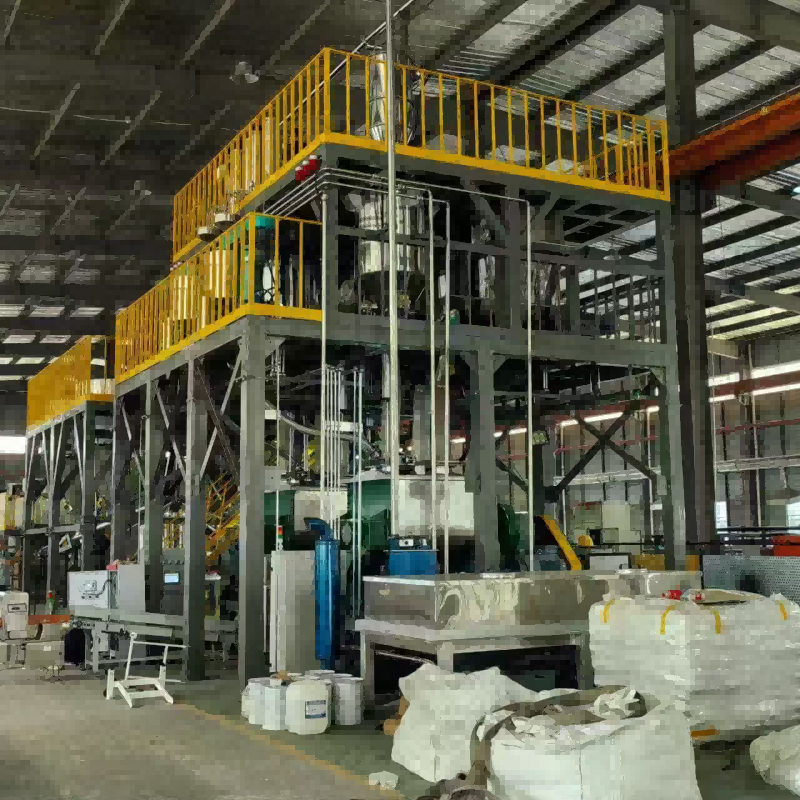
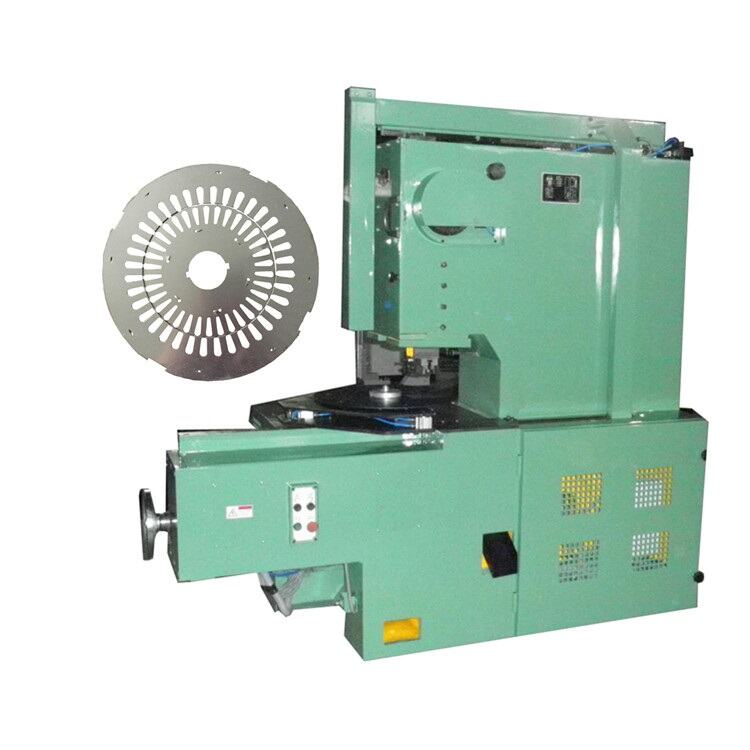
Slinky stator lamination equipment represents a specialized manufacturing solution designed to produce high-quality stator laminations for electric motors and generators. This advanced machinery streamlines the process of creating stator cores by precisely stacking and assembling thin electrical steel sheets into continuous spiral formations. The equipment handles the complete production cycle, from feeding raw lamination materials through cutting, forming, and stacking operations to create finished stator assemblies ready for motor production lines. The slinky stator lamination equipment incorporates automated feeding systems that maintain consistent material flow throughout the manufacturing process. These systems ensure precise alignment and positioning of each lamination layer, critical for achieving optimal magnetic properties in the finished stator. The machinery utilizes servo-driven mechanisms for accurate control over stacking pressure and layer thickness, enabling manufacturers to produce stators with tight tolerances and uniform air gaps. Modern slinky stator lamination equipment features programmable logic controllers that allow operators to adjust parameters for different stator specifications without extensive retooling. This flexibility makes the equipment suitable for producing various motor sizes and configurations, from small appliance motors to large industrial applications. The automated nature of slinky stator lamination equipment significantly reduces manual labor requirements while improving production consistency and output quality. Manufacturers benefit from reduced material waste as the equipment optimizes cutting patterns and minimizes scrap generation during the lamination process. The equipment finds extensive application in automotive manufacturing for electric vehicle motors, HVAC systems for compressor motors, industrial automation for servo motors, and renewable energy sectors for wind turbine generators. The technology proves particularly valuable in high-volume production environments where consistency, speed, and quality remain paramount for maintaining competitive advantage in the electric motor manufacturing industry.

New Product Recommendations

The slinky stator lamination equipment delivers substantial time savings for manufacturers by automating processes that previously required multiple manual steps and significant worker involvement. Production teams can complete stator assembly operations in a fraction of the time compared to traditional methods, allowing facilities to meet demanding production schedules and respond quickly to customer orders. This speed advantage translates directly into increased manufacturing capacity without requiring additional floor space or workforce expansion. Cost efficiency represents another major benefit as the equipment reduces labor expenses while simultaneously improving material utilization rates. Manufacturers experience lower scrap rates because the precision cutting and stacking mechanisms waste less electrical steel during production runs. The equipment pays for itself over time through these combined savings, making it a financially sound investment for companies of all sizes. Quality improvements stand out as perhaps the most important advantage for end users. The consistent stacking pressure and precise alignment capabilities ensure every stator meets exact specifications with minimal variation between units. This uniformity results in motors that perform reliably with predictable electrical characteristics, reducing warranty claims and customer satisfaction issues. Production flexibility allows manufacturers to switch between different stator designs with minimal downtime. Operators can save multiple recipes in the control system and recall them when needed, eliminating lengthy setup procedures. This versatility proves especially valuable for companies serving diverse markets or offering customized motor solutions to their clients. The equipment requires less skilled labor to operate compared to manual stator assembly methods. Workers can learn the basic operation procedures quickly, and the automated systems handle the complex timing and positioning tasks that previously demanded years of experience. This accessibility helps manufacturers address skilled labor shortages while maintaining high production standards. Maintenance requirements remain manageable with proper care and regular servicing schedules. The robust construction and quality components used in slinky stator lamination equipment ensure long service life with minimal unexpected breakdowns. Manufacturers can plan maintenance windows around production schedules, avoiding costly unplanned downtime that disrupts delivery commitments. Safety improvements protect workers by reducing their exposure to repetitive motion injuries and pinch points associated with manual stator assembly. The enclosed operating areas and automated material handling systems keep operators at safe distances from moving components and sharp lamination edges, creating a more secure working environment that reduces accident risks and insurance costs.

Practical Tips

January 15th, 2026 Air Conditioner BLDC Motor Production line Dispatch to India

08

Apr

January 15th, 2026 Air Conditioner BLDC Motor Production line Dispatch to India

View More
August 30th, 2025, 45W Air conditioner ODU BLDC motor Assembly line Inspection From India customer

08

Apr

August 30th, 2025, 45W Air conditioner ODU BLDC motor Assembly line Inspection From India customer

View More
January 5th , 2026 CNC Coil Forming Machine For High Voltage Motors dispatched to UZ (Uzbekistan)

07

Apr

January 5th , 2026 CNC Coil Forming Machine For High Voltage Motors dispatched to UZ (Uzbekistan)

View More

Get a Free Quote

Our representative will contact you soon.
Email
Name
Mobile/WhatsApp
Company Name
Message
0/1000

slinky stator lamination equipment

Precision Engineering for Superior Motor Performance

Precision Engineering for Superior Motor Performance

The precision engineering incorporated into slinky stator lamination equipment fundamentally transforms how manufacturers approach motor core production by delivering unprecedented accuracy in lamination stacking and alignment. Every component of the equipment works in harmony to achieve tolerances measured in micrometers, ensuring each stator assembly meets the exacting standards required for modern electric motor applications. The servo-controlled stacking mechanism applies consistent pressure across the entire lamination surface, eliminating variations that could compromise magnetic flux distribution or create hot spots during motor operation. This precision proves especially critical for high-performance applications where even minor irregularities can affect efficiency ratings and power output characteristics. The equipment incorporates advanced sensor technology that monitors lamination positioning in real-time, automatically adjusting feed rates and stacking parameters to maintain optimal conditions throughout extended production runs. These sensors detect any deviation from programmed specifications and trigger immediate corrections, preventing defective units from progressing through the manufacturing process. Manufacturers benefit from reduced quality control burdens as the equipment essentially performs continuous self-inspection during operation. The precision capabilities extend to the cutting operations where carbide tooling and rigid machine frames work together to produce clean edges without burrs or deformations that could affect lamination performance. Clean cuts ensure proper insulation between layers, minimizing eddy current losses that reduce motor efficiency and generate unwanted heat. The equipment maintains cutting tool sharpness monitoring systems that alert operators when replacement becomes necessary, preventing gradual quality degradation that might otherwise go unnoticed until customer complaints arise. Temperature control systems within the slinky stator lamination equipment maintain stable operating conditions that prevent thermal expansion from affecting dimensional accuracy. Climate-controlled environments combined with thermal compensation algorithms ensure consistent output regardless of ambient temperature fluctuations or seasonal variations. This attention to thermal stability becomes particularly important for manufacturers operating in regions with significant temperature ranges or facilities without comprehensive climate control systems. The precision achieved by this equipment translates into motors that run quieter, cooler, and more efficiently than those produced using conventional methods, giving manufacturers a competitive edge in markets where performance differentiation drives purchasing decisions.
Automated Workflow Integration for Maximum Productivity

Automated Workflow Integration for Maximum Productivity

Automated workflow integration capabilities built into slinky stator lamination equipment revolutionize production floor efficiency by seamlessly connecting with upstream and downstream manufacturing processes. The equipment communicates with enterprise resource planning systems to receive production schedules and automatically configure machine parameters for each job without manual intervention. This connectivity eliminates transcription errors and reduces changeover times between different stator models, allowing manufacturers to implement flexible production strategies that respond to real-time demand fluctuations. The automated material handling systems feed raw lamination stock from bulk storage directly into the processing equipment, maintaining continuous operation without requiring operators to manually load materials every few minutes. Buffer systems accommodate variations in feeding rates and ensure smooth material flow even when upstream processes experience temporary delays or speed adjustments. This autonomous operation frees skilled workers to focus on value-added activities like quality verification and process optimization rather than repetitive material handling tasks. Integration with robotic systems enables fully automated transfer of completed stator assemblies to subsequent manufacturing stations for winding operations or final assembly. The equipment outputs stators in consistent orientations and positions that simplify robotic grasping and placement, reducing the complexity and cost of downstream automation investments. Manufacturers can build complete lights-out production cells around the slinky stator lamination equipment, running unmanned shifts that dramatically increase facility utilization rates without proportional increases in labor costs. Data collection capabilities embedded throughout the equipment provide real-time production metrics and performance analytics that support continuous improvement initiatives. Operators and management teams can monitor production rates, quality trends, and equipment utilization through intuitive dashboards that highlight opportunities for optimization. The historical data enables predictive maintenance strategies that schedule service interventions based on actual wear patterns rather than arbitrary time intervals, maximizing uptime while minimizing maintenance expenses. The automated systems include comprehensive safety interlocks that prevent operation when guards are open or when personnel enter restricted zones, protecting workers while maintaining productivity. Emergency stop systems provide immediate shutdown capabilities from multiple locations around the equipment, ensuring rapid response to any unexpected situations. These safety features comply with international standards and facilitate regulatory approvals in multiple jurisdictions, simplifying market entry for manufacturers serving global customers.
Adaptable Configuration for Diverse Manufacturing Requirements

Adaptable Configuration for Diverse Manufacturing Requirements

The adaptable configuration options available with slinky stator lamination equipment empower manufacturers to address diverse production requirements without investing in multiple specialized machines for different product lines. Modular tooling systems allow quick changeovers between stator diameters, stack heights, and lamination thicknesses using standardized interfaces that reduce setup complexity and minimize the inventory of spare parts required for operation. This modularity proves invaluable for contract manufacturers serving multiple customers with varying specifications or original equipment manufacturers offering extensive product catalogs with different motor sizes. The equipment accommodates both progressive and rotary lamination stacking methods, giving manufacturers flexibility in choosing the approach that best suits their specific production volumes and quality requirements. Progressive systems excel in high-volume applications where speed takes priority, while rotary configurations offer advantages for complex geometries or applications requiring specialized winding access features. Manufacturers can select the optimal configuration during initial equipment specification or upgrade existing machines as production needs evolve over time. Scalability features enable manufacturers to start with basic configurations and add capabilities as business growth justifies additional investment. Entry-level systems provide core functionality for standard stator production, while advanced options include vision inspection systems, automated dimensional verification, and integration capabilities for comprehensive manufacturing execution systems. This scalable approach allows smaller manufacturers to access professional-grade equipment without overinvesting in features they may not immediately utilize, while providing a clear upgrade path as their operations expand. The slinky stator lamination equipment handles various electrical steel grades and thicknesses, accommodating materials optimized for different motor performance characteristics and cost targets. The equipment automatically adjusts cutting forces, feed rates, and stacking pressures based on material properties programmed into the control system, ensuring optimal processing regardless of the specific lamination stock being used. This material flexibility enables manufacturers to optimize their designs for specific applications without worrying about manufacturing constraints limiting their engineering choices. Customization options extend to control interfaces where manufacturers can specify languages, measurement units, and reporting formats that match their existing production systems and workforce preferences. The equipment suppliers work closely with customers to configure machines that integrate smoothly into established workflows rather than forcing disruptive changes to accommodate new equipment. This collaborative approach to configuration ensures faster implementation timelines and higher acceptance rates among production personnel who ultimately determine the success of any capital equipment investment.

Get a Free Quote

Our representative will contact you soon.
Email
Name
Mobile/WhatsApp
Company Name
Message
0/1000