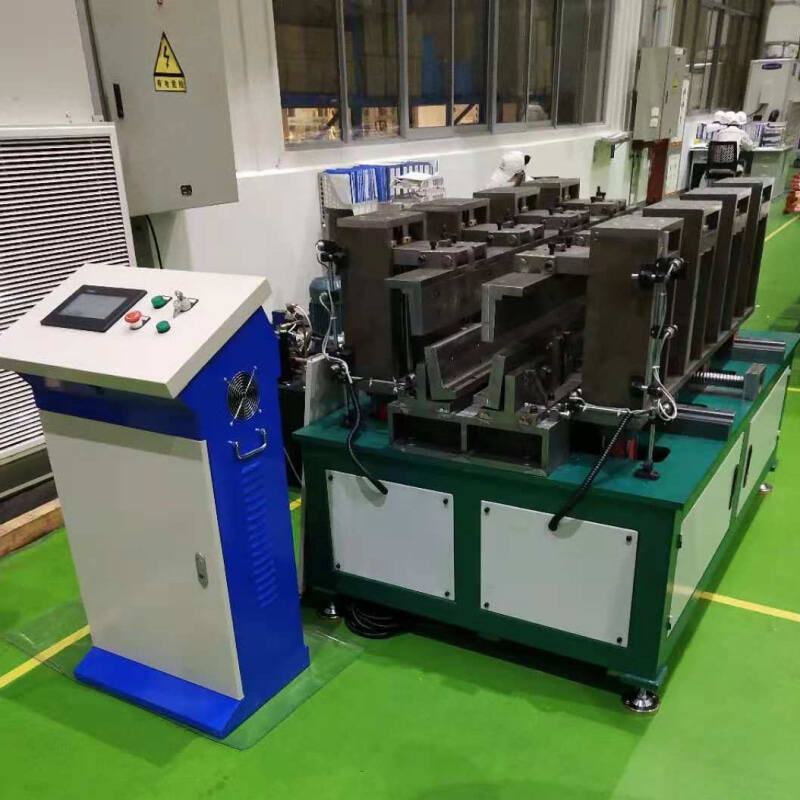
Stator Slinky Lamination Machine: Advanced Manufacturing Solutions for Electric Motor Production

Get a Free Quote

Our representative will contact you soon.
Email
Name
Mobile/WhatsApp
Company Name
Message
0/1000

stator slinky lamination machine

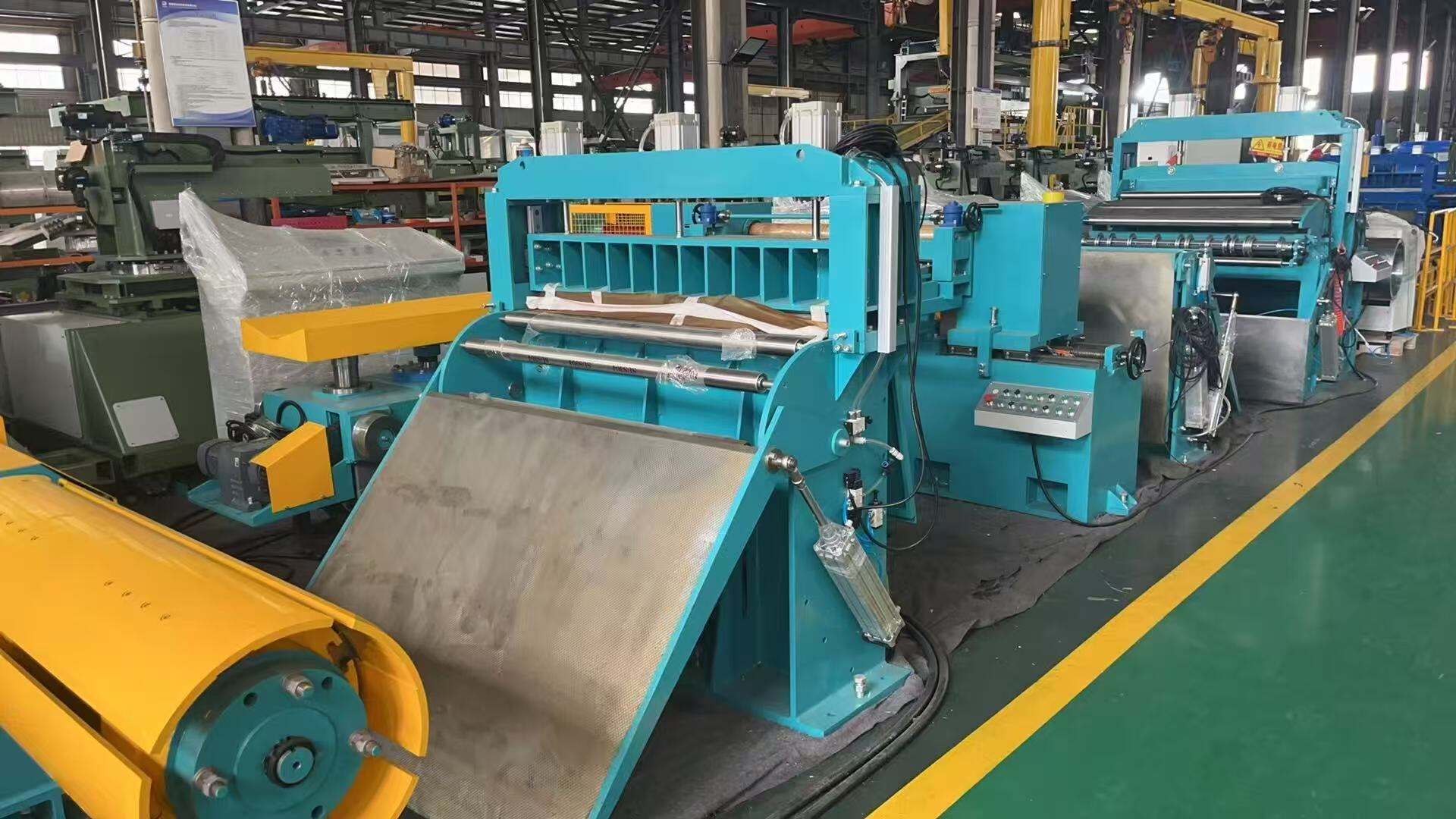
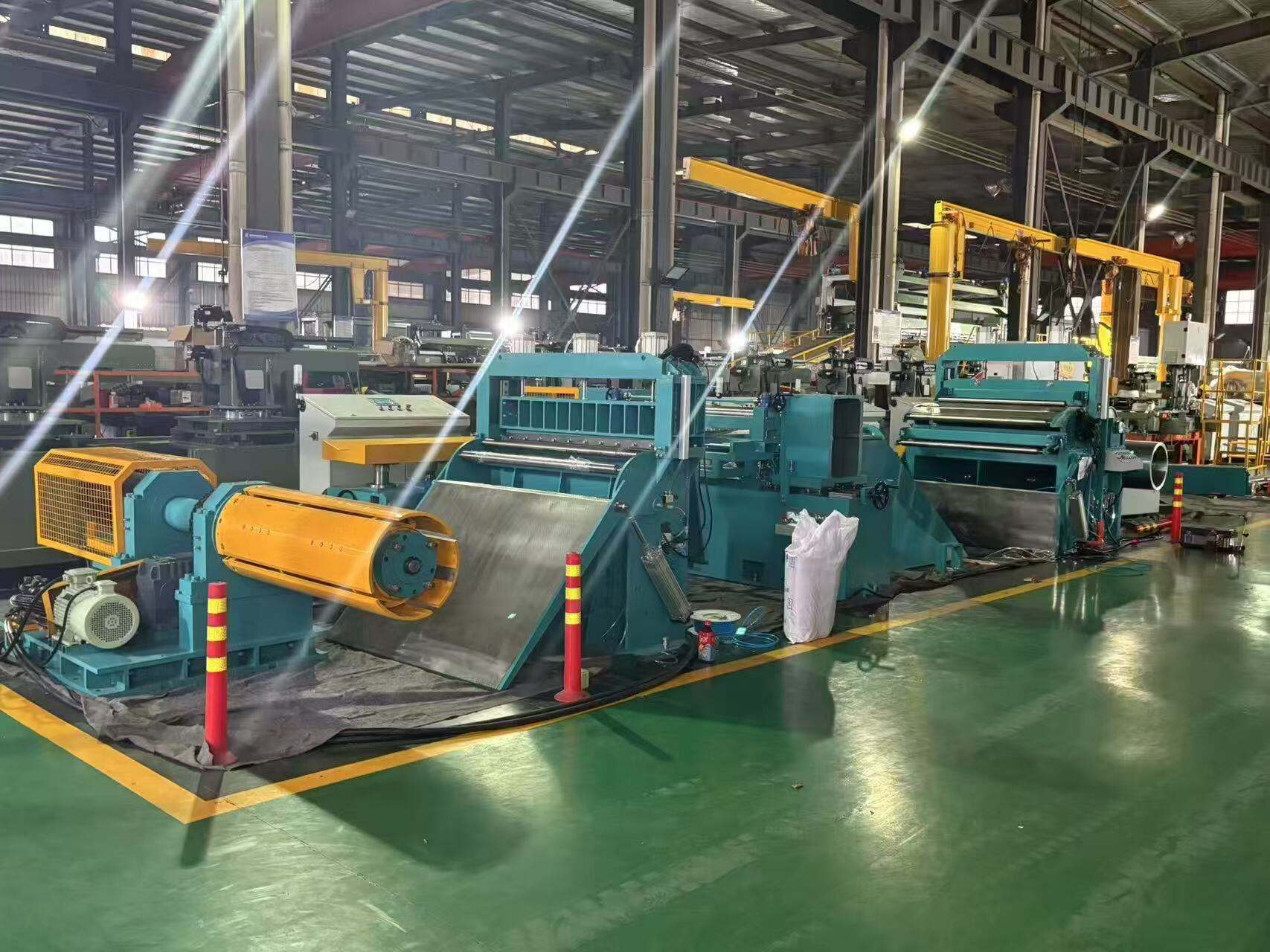
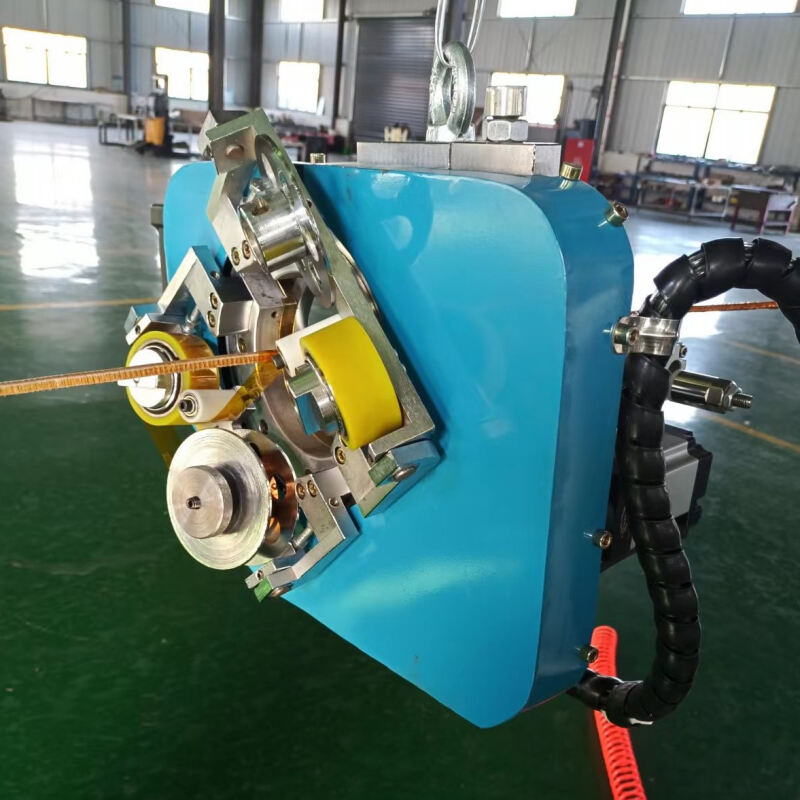
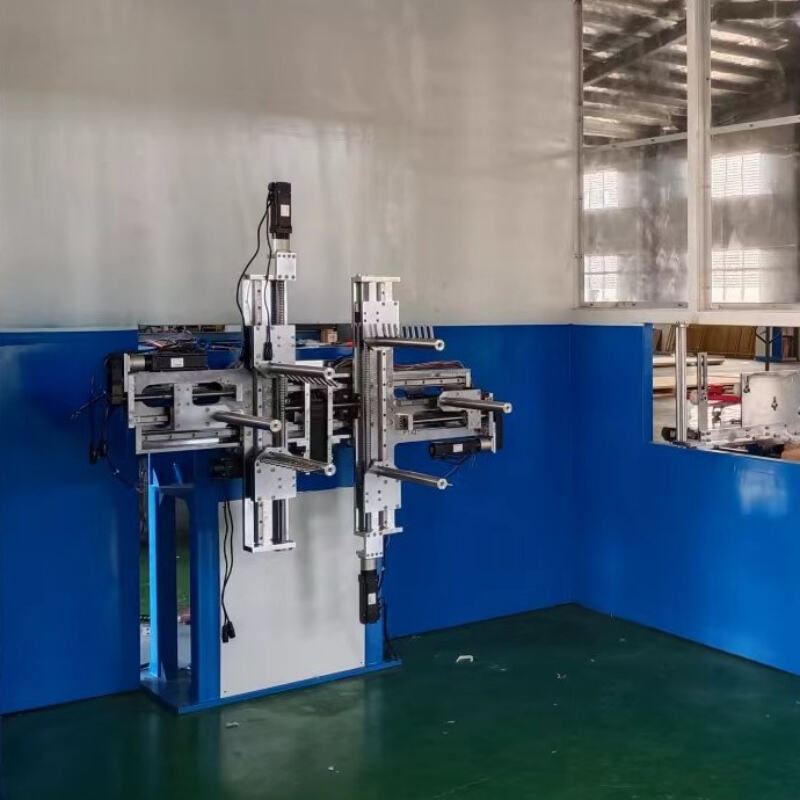
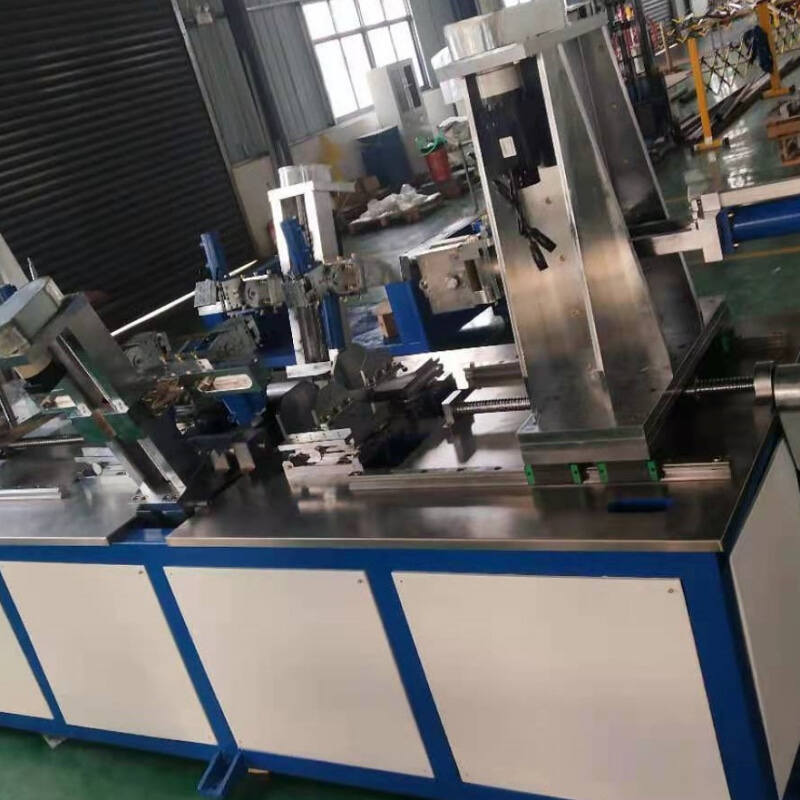
The stator slinky lamination machine represents a specialized manufacturing solution designed to produce high-quality laminated stator cores used in electric motors and generators. This advanced equipment automates the complex process of creating slinky-style lamination stacks, which are essential components in modern electrical machinery. The machine operates by precisely feeding thin electrical steel sheets, cutting them to exact specifications, and assembling them into continuous spiral formations that maximize magnetic efficiency while minimizing material waste. At its core, the stator slinky lamination machine combines mechanical precision with electrical control systems to deliver consistent production output. The primary function involves processing silicon steel or other magnetic materials into laminated structures that reduce eddy current losses in electric motors. These machines feature automated feeding mechanisms that handle coiled steel strips, progressive stamping dies that create the required shapes, and sophisticated stacking systems that maintain proper alignment throughout the production cycle. Technological features include programmable logic controllers that manage operational parameters, servo motors for accurate positioning, and quality monitoring sensors that detect dimensional variations in real-time. The equipment typically incorporates hydraulic or pneumatic systems to generate the necessary force for stamping operations, while cooling systems prevent overheating during continuous production runs. Modern versions often integrate digital interfaces allowing operators to adjust settings for different stator designs without extensive manual reconfiguration. Applications span across multiple industries including automotive manufacturing for electric vehicle motors, industrial machinery production, renewable energy sectors focusing on wind turbine generators, and appliance manufacturing for household motors. The versatility of the stator slinky lamination machine makes it indispensable for manufacturers seeking to meet growing demand for energy-efficient electrical equipment while maintaining competitive production costs and quality standards.

New Product Releases

Investing in a stator slinky lamination machine delivers substantial benefits that directly impact your production efficiency and bottom line. First and foremost, this equipment dramatically increases manufacturing speed compared to manual or semi-automated processes. Your production line can operate continuously with minimal human intervention, allowing you to fulfill larger orders within shorter timeframes. This acceleration translates to faster delivery schedules and the ability to take on more contracts simultaneously. The precision engineering embedded in these machines ensures every lamination meets exact specifications, reducing defective products and the costly waste associated with quality failures. You will notice immediate improvements in material utilization because the automated cutting and stacking processes optimize how steel sheets are consumed, minimizing scrap and lowering raw material expenses. Energy efficiency represents another significant advantage, as modern machines consume less power while delivering superior performance compared to older manufacturing methods. This reduction in energy usage contributes to lower operational costs and supports environmental sustainability goals that increasingly matter to customers and regulatory bodies. The consistency achieved through automation means your stator cores will perform reliably in their final applications, enhancing your reputation for quality and reducing warranty claims or product returns. Labor cost savings emerge as another practical benefit since fewer workers are needed to oversee automated operations, and those employees can focus on higher-value tasks rather than repetitive manual work. The machine's flexibility allows quick changeovers between different stator designs, giving you the agility to respond to varied customer requirements without lengthy downtime or expensive retooling. Maintenance requirements remain manageable with proper care, and the robust construction ensures long service life that protects your capital investment. Safety improvements are notable because automated systems reduce worker exposure to hazardous stamping operations and repetitive motion injuries. The data collection capabilities built into modern machines provide valuable production insights, helping you identify optimization opportunities and make informed decisions about process improvements. Competitive advantages accumulate as you deliver higher quality products more quickly and cost-effectively than rivals using outdated manufacturing approaches, positioning your business for sustained growth in expanding electric motor markets.

Latest News

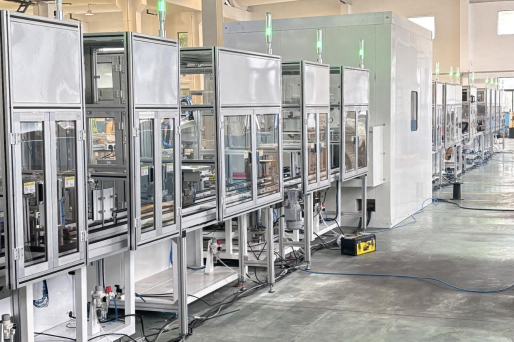
January 15th, 2026 Air Conditioner BLDC Motor Production line Dispatch to India

08

Apr

January 15th, 2026 Air Conditioner BLDC Motor Production line Dispatch to India

View More
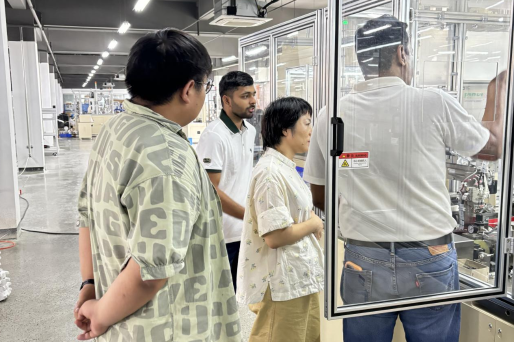
August 30th, 2025, 45W Air conditioner ODU BLDC motor Assembly line Inspection From India customer

08

Apr

August 30th, 2025, 45W Air conditioner ODU BLDC motor Assembly line Inspection From India customer

View More
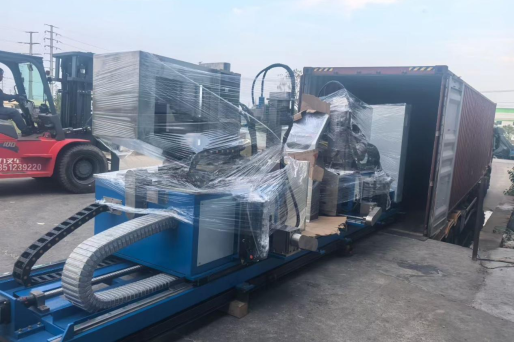
January 5th , 2026 CNC Coil Forming Machine For High Voltage Motors dispatched to UZ (Uzbekistan)

07

Apr

January 5th , 2026 CNC Coil Forming Machine For High Voltage Motors dispatched to UZ (Uzbekistan)

View More

Get a Free Quote

Our representative will contact you soon.
Email
Name
Mobile/WhatsApp
Company Name
Message
0/1000

stator slinky lamination machine

Advanced Automation Technology Streamlines Production Workflows

Advanced Automation Technology Streamlines Production Workflows

The stator slinky lamination machine incorporates cutting-edge automation technology that fundamentally transforms how manufacturers approach lamination production. This sophisticated system eliminates the inefficiencies inherent in manual processes by orchestrating multiple production steps through integrated computer controls. The automation begins with material feeding, where precision rollers draw electrical steel from supply coils at controlled speeds, maintaining consistent tension to prevent material deformation. Sensors continuously monitor strip positioning, making micro-adjustments to ensure perfect alignment before the stamping operation begins. The stamping mechanism itself utilizes progressive dies that create complex geometries in sequential stages, with each stroke producing multiple features simultaneously. This multi-stage approach achieves intricate shapes that would require several separate operations in conventional manufacturing. The automated stacking system represents perhaps the most impressive technological achievement, as it carefully builds lamination layers while maintaining strict parallelism and rotational accuracy. Magnets or adhesive application systems may be integrated to secure layers during assembly, all controlled through programmable sequences that adapt to different stator specifications. Quality assurance happens in real-time through vision systems and dimensional sensors that inspect each lamination as it exits the production zone. Any deviation from specified tolerances triggers immediate alerts, allowing operators to address issues before significant material waste occurs. The human-machine interface provides intuitive control over production parameters, displaying operational status, production counts, and diagnostic information on touchscreen panels. Recipe management features allow storing multiple product configurations, enabling rapid changeovers that previously consumed hours of setup time. Remote monitoring capabilities in network-connected models let management track production metrics from anywhere, facilitating data-driven decision making. Predictive maintenance algorithms analyze machine performance patterns to forecast component wear, scheduling service interventions before breakdowns disrupt production. This comprehensive automation reduces the skill level required for basic operation while empowering technicians with powerful tools for optimization, making advanced manufacturing accessible to businesses of various sizes and technical capabilities.
Superior Material Efficiency Reduces Operating Costs

Superior Material Efficiency Reduces Operating Costs

The stator slinky lamination machine delivers exceptional material efficiency that directly impacts manufacturing economics and environmental responsibility. Traditional lamination methods often generate substantial scrap due to imprecise cutting, misalignment during stacking, and the geometric constraints of producing individual laminations that must later be assembled. The slinky approach fundamentally reimagines this process by creating continuous spiral formations that maximize material utilization. The nesting algorithms programmed into modern machines calculate optimal cutting patterns that minimize the waste strip remaining after parts are stamped. This mathematical optimization can reduce scrap percentages by significant margins compared to conventional methods, with savings compounding across thousands of units produced. The continuous nature of slinky lamination means edge material that would normally be discarded in discrete lamination production instead forms part of the functional structure. Steel suppliers provide material in coil form specifically dimensioned for efficient processing, and the machine's feeding system uses nearly the entire coil width, leaving only narrow edge strips as waste. These edge strips can often be recycled back into the steel supply chain, creating a more circular material flow. Beyond raw material savings, the precision stamping reduces secondary processing requirements since parts emerge with clean edges and accurate dimensions that rarely need additional finishing operations. This elimination of grinding, deburring, or other corrective steps saves both time and the costs associated with those processes. The consistent quality produced by automated systems also means fewer rejected parts, preventing the material waste that occurs when defective components must be scrapped. Energy consumption during material processing deserves consideration as well, since efficient machines complete production tasks using less electricity per unit manufactured. The reduced material handling associated with continuous production workflows eliminates redundant transport and storage steps that consume resources without adding value. When calculating total cost of ownership, these material efficiencies accumulate substantial savings over the machine's operational lifetime, improving profit margins and competitive pricing flexibility. Environmental benefits parallel the economic advantages, as reduced material consumption means less mining impact, lower transportation emissions for raw materials, and decreased landfill burden from manufacturing waste, aligning production practices with growing sustainability expectations.
Exceptional Flexibility Accommodates Diverse Product Requirements

Exceptional Flexibility Accommodates Diverse Product Requirements

The remarkable flexibility built into the stator slinky lamination machine addresses one of manufacturing's most persistent challenges: efficiently producing varied product designs without prohibitive changeover costs or time delays. Modern electric motor markets demand diverse stator configurations to meet different power requirements, physical dimensions, and application specifications. Traditional dedicated production lines often struggle with this variety, requiring separate machines for different product families or extensive retooling between runs. The stator slinky lamination machine solves this problem through intelligent design that accommodates substantial variation within a single platform. Quick-change tooling systems allow die sets to be swapped rapidly, with mechanical locating features ensuring precise positioning without lengthy alignment procedures. Some advanced models incorporate interchangeable stamping modules that can be reconfigured for different lamination geometries, reducing the number of complete die sets manufacturers must maintain in inventory. The programmable control systems store unlimited product recipes containing all parameters needed for specific stator designs including feed rates, stamping sequences, stacking patterns, and quality checkpoints. Operators simply select the appropriate recipe, and the machine automatically configures itself for that production run, eliminating manual setup errors and reducing changeover time from hours to minutes. This rapid reconfiguration capability enables economic production of smaller batch sizes, allowing manufacturers to operate with lower inventory levels while remaining responsive to customer orders. The flexibility extends to material compatibility as well, with machines capable of processing various grades of electrical steel, different material thicknesses, and alternative magnetic materials as new technologies emerge. Adjustable stacking heights accommodate different stator core lengths without physical modifications to the machine structure. The modular architecture of quality machines means manufacturers can add optional features as needs evolve, such as enhanced cooling systems for faster production, automated material handling for lights-out operation, or advanced inspection systems for critical applications. This adaptability protects capital investments by ensuring equipment remains relevant as product portfolios change and market demands shift. Businesses serving multiple industries particularly benefit from this flexibility, using one machine to produce motor laminations for automotive applications, generator cores for renewable energy systems, and specialty stators for industrial equipment. The ability to quickly shift between these diverse requirements without maintaining separate production lines represents a significant competitive advantage, enabling nimble response to market opportunities while maintaining efficient asset utilization across varied production schedules.
Get a Free Quote

Our representative will contact you soon.
Email
Name
Mobile/WhatsApp
Company Name
Message
0/1000