Advanced Automation and Process Control Systems
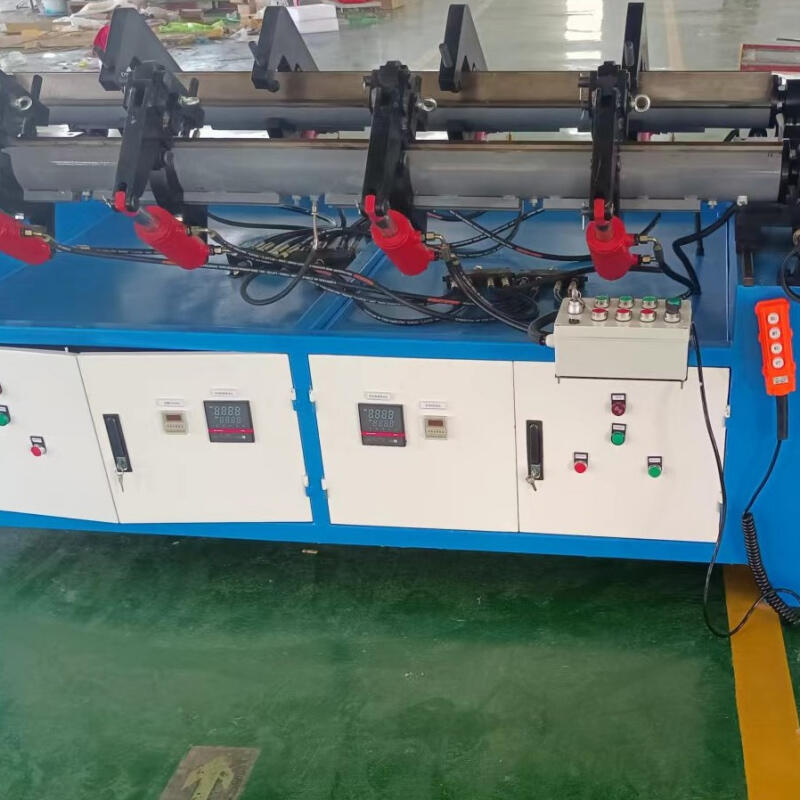
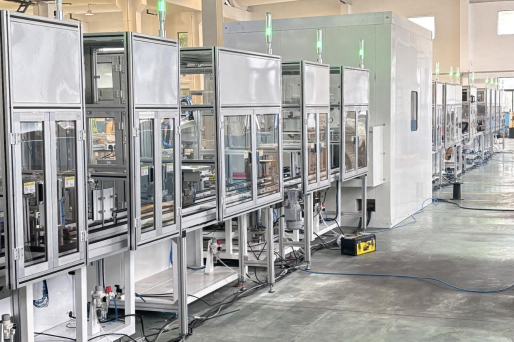
Modern stator vpi impregnation system configurations incorporate cutting-edge automation technologies that deliver unprecedented control over every aspect of the impregnation process. These intelligent systems feature programmable logic controllers with intuitive human-machine interfaces that allow operators to establish, monitor, and adjust processing parameters with precision. The stator vpi impregnation system stores unlimited recipe profiles accommodating diverse motor types, stator dimensions, and resin formulations, enabling rapid changeovers between production runs without extensive manual reconfiguration. Real-time monitoring capabilities track vacuum levels, pressure readings, temperature measurements, and cycle timing throughout each treatment phase, ensuring every stator receives identical processing conditions regardless of batch size or production shift. Automated safety interlocks prevent operational errors by prohibiting chamber opening under pressure, managing excessive temperature conditions, and alerting operators to vacuum system irregularities before they compromise treatment quality. The stator vpi impregnation system generates comprehensive data logs documenting complete processing history for each production batch, creating traceable quality records that support continuous improvement initiatives and regulatory compliance verification. Advanced sensors detect resin level conditions, viscosity changes, and contamination indicators, prompting preventive maintenance activities before system performance degrades. Connectivity features enable integration with factory management systems, allowing production planners to monitor equipment utilization, schedule preventive maintenance windows, and optimize workflow coordination across manufacturing operations. The stator vpi impregnation system automation reduces training requirements because standardized procedures embedded in controller programming guide operators through proper loading sequences, safety checks, and cycle initiation steps. Error detection algorithms identify abnormal processing conditions and automatically implement corrective actions or safely pause operations pending operator intervention. Remote diagnostic capabilities allow technical support specialists to evaluate system performance, troubleshoot operational issues, and recommend optimization strategies without requiring on-site visits that disrupt production schedules.
 ×


 EN