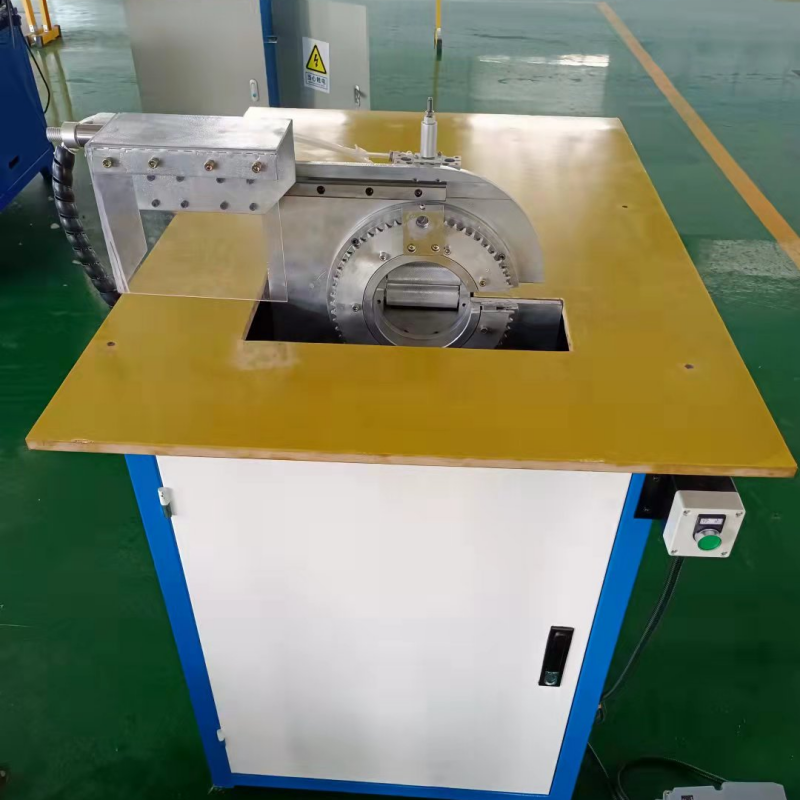
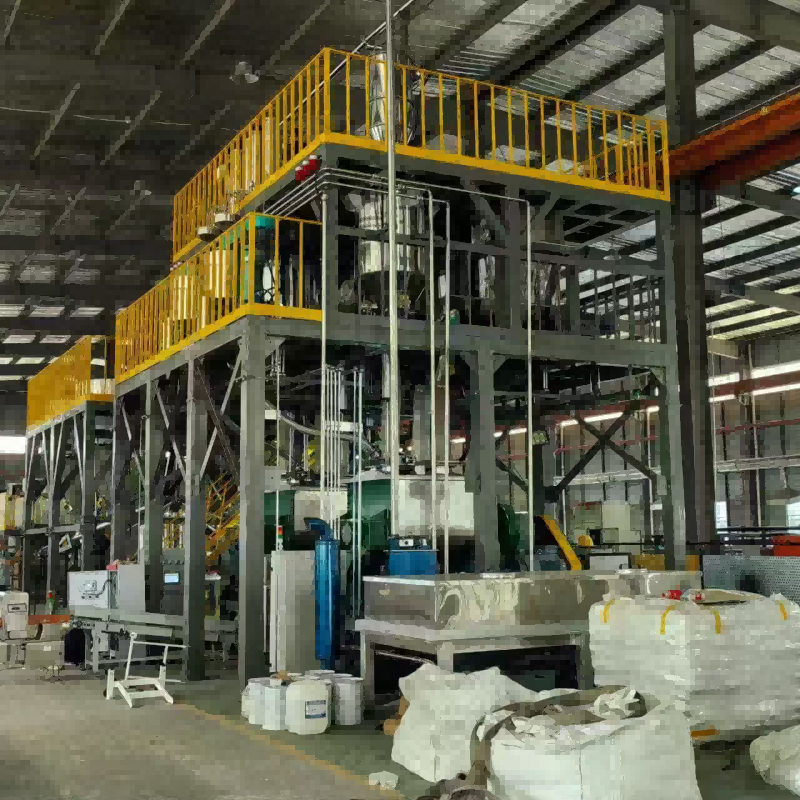
VPI Systems: Advanced Vacuum Pressure Impregnation Technology for Superior Component Protection

Get a Free Quote

Our representative will contact you soon.
Email
Name
Mobile/WhatsApp
Company Name
Message
0/1000

vpi systems

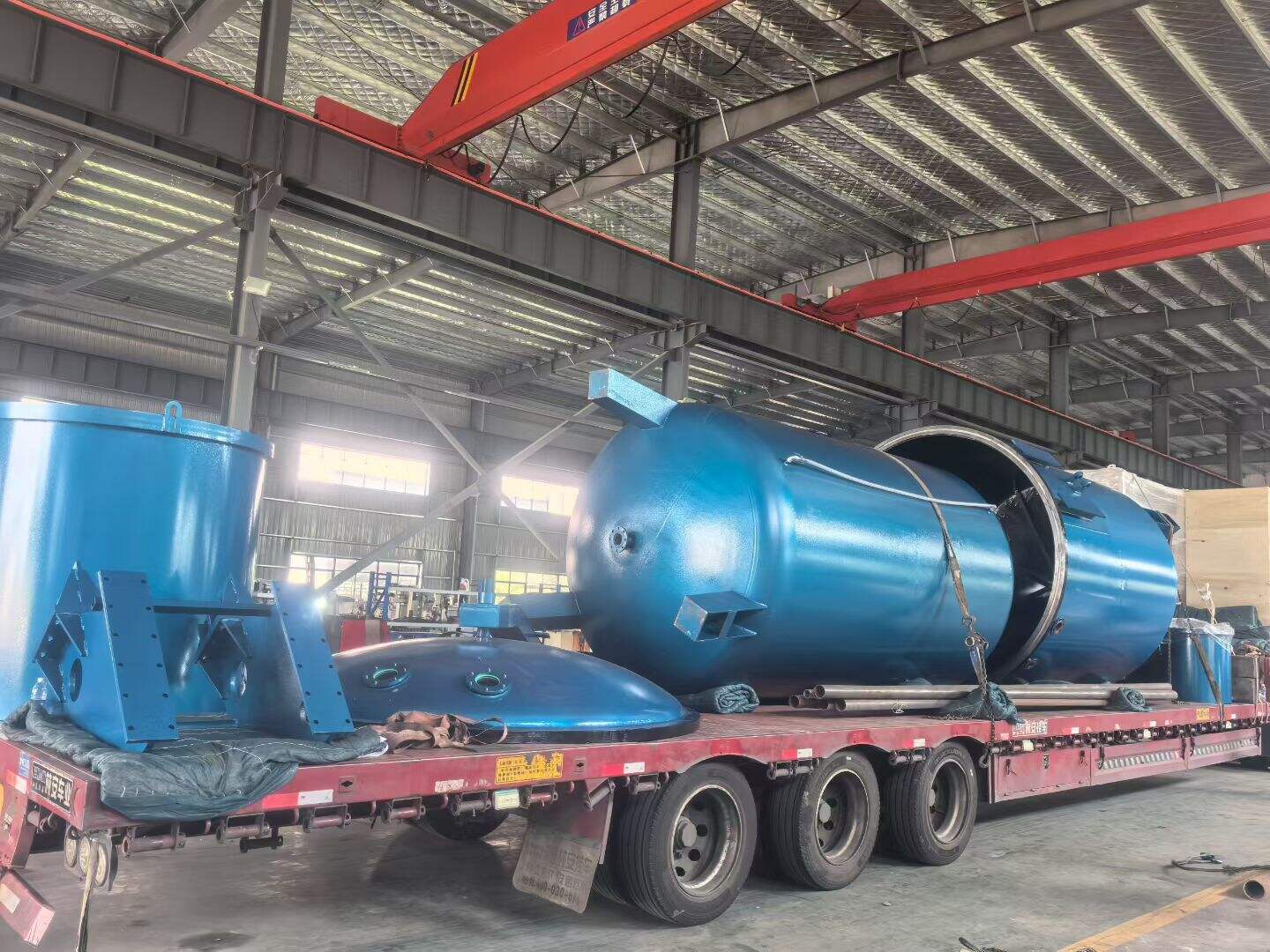
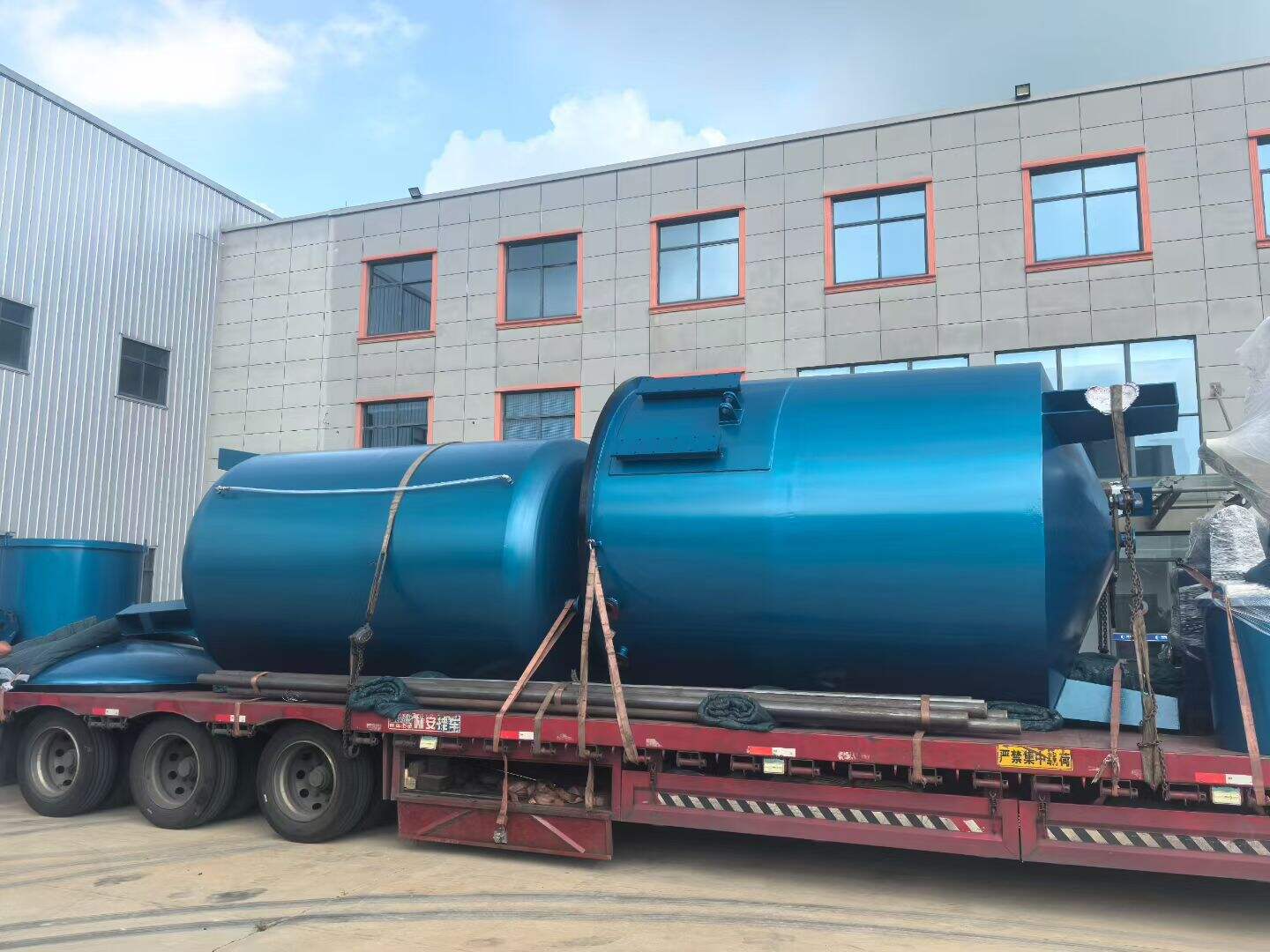
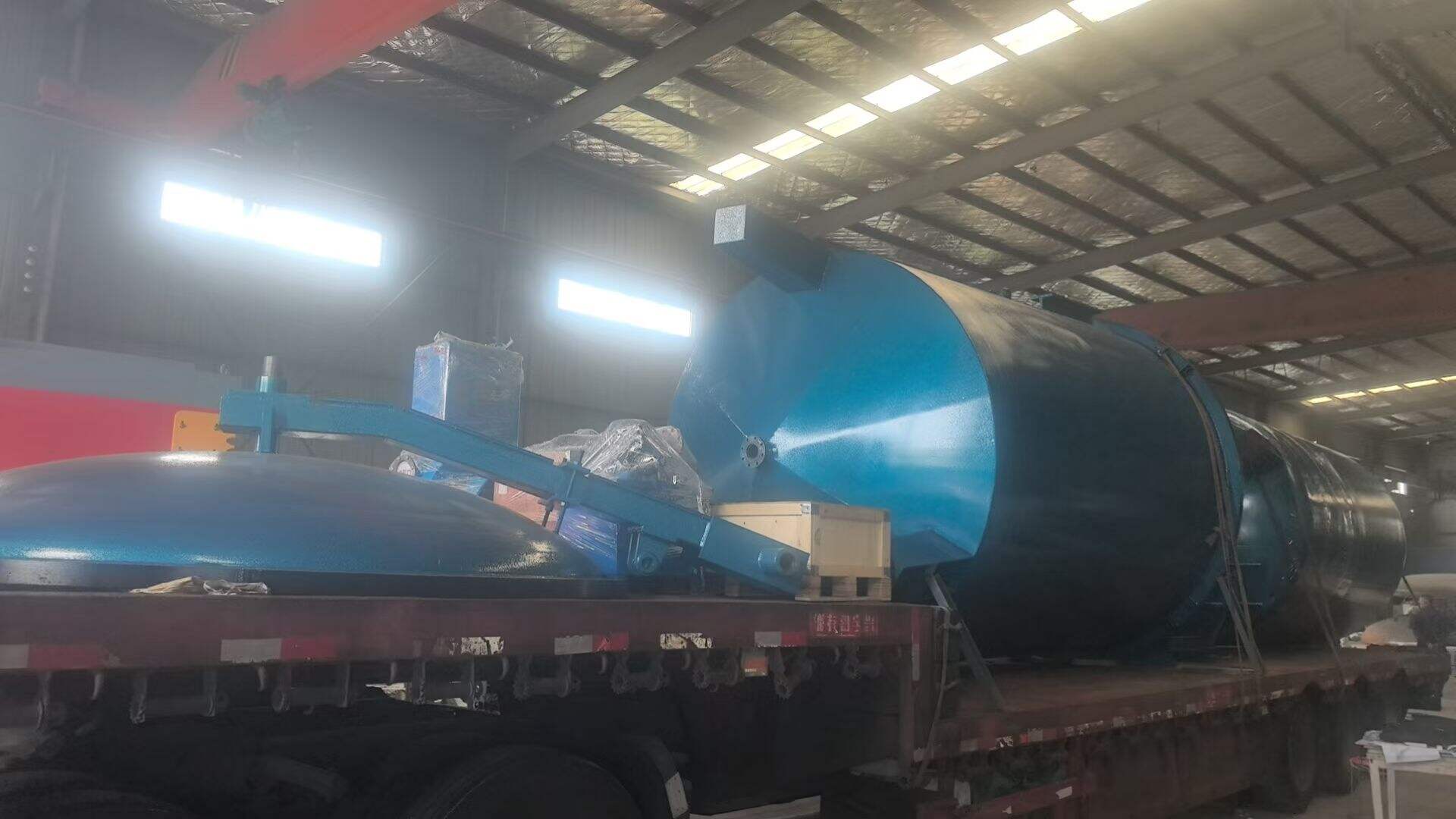
VPI systems, or Vacuum Pressure Impregnation systems, represent advanced industrial equipment designed to enhance the quality and longevity of electrical components through specialized treatment processes. These sophisticated vpi systems utilize a combination of vacuum technology and pressure application to impregnate porous materials with insulating resins, creating superior protective barriers against moisture, chemicals, and environmental degradation. The fundamental operation of vpi systems involves placing components into a sealed chamber where air and moisture are evacuated through vacuum application, followed by introducing specially formulated resins under controlled pressure conditions. This dual-phase approach ensures complete penetration of the resin into even the smallest voids and cracks within the material structure. Modern vpi systems incorporate automated controls, precise temperature regulation, and programmable cycles that optimize the impregnation process for different component types and sizes. The technology finds extensive application across multiple industries, including electric motor manufacturing, transformer production, automotive components, and aerospace equipment fabrication. These vpi systems deliver consistent results by eliminating air pockets that could compromise insulation integrity, thereby significantly extending the operational lifespan of treated components. The equipment typically features robust construction with corrosion-resistant materials, ensuring durability in demanding manufacturing environments. Advanced vpi systems also include monitoring capabilities that track critical parameters such as vacuum levels, resin viscosity, temperature fluctuations, and cycle timing. This comprehensive data collection enables manufacturers to maintain strict quality control standards and achieve reproducible outcomes across production batches. The versatility of vpi systems allows customization for specific manufacturing requirements, accommodating various component dimensions and production volumes while maintaining operational efficiency and cost-effectiveness.

New Products

Investing in vpi systems brings transformative benefits that directly impact your manufacturing operation's bottom line and product quality. First and foremost, these systems dramatically improve the reliability of electrical components by creating a complete protective envelope around every surface and internal structure. This thorough coverage means your products will withstand harsh operating conditions, reducing warranty claims and building stronger customer trust in your brand. The automated nature of vpi systems eliminates human error from the impregnation process, ensuring every component receives identical treatment regardless of operator skill level or production shift. This consistency translates into predictable quality outcomes that strengthen your reputation in competitive markets. Energy efficiency represents another significant advantage, as modern vpi systems optimize resource consumption through intelligent cycle management and heat recovery features. You will notice reduced operational costs compared to traditional treatment methods while achieving superior results. The speed of processing with vpi systems accelerates your production throughput, allowing you to fulfill orders faster and respond quickly to market demands. This agility provides a competitive edge that can differentiate your business from slower competitors. Safety improvements also deserve emphasis, as vpi systems contain potentially hazardous resin materials within sealed chambers, protecting workers from exposure to chemicals and fumes. This enclosed operation reduces health risks and simplifies compliance with workplace safety regulations. Environmental benefits emerge through reduced material waste, as the vacuum and pressure combination ensures maximum resin utilization with minimal excess. Your facility will generate less hazardous waste requiring disposal, lowering environmental impact and associated costs. The longevity of components treated with vpi systems means end-users experience fewer failures and replacement needs, contributing to sustainability goals by reducing overall material consumption. Maintenance requirements for vpi systems remain minimal due to their robust design and quality construction, keeping your equipment operational and productive. The intuitive controls and digital interfaces make training new operators straightforward, reducing the learning curve and accelerating workforce readiness. Data logging capabilities built into vpi systems provide valuable documentation for quality audits and certification processes, simplifying regulatory compliance. Return on investment becomes evident quickly as improved product quality leads to higher customer satisfaction, repeat business, and premium pricing opportunities for superior components.

Latest News

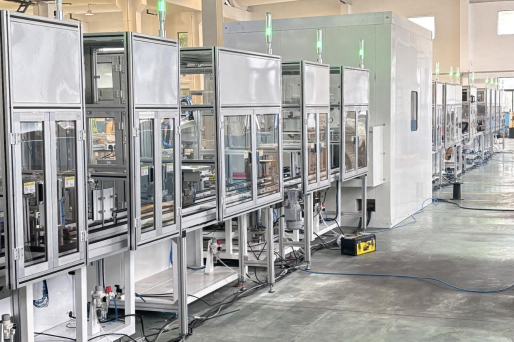
January 15th, 2026 Air Conditioner BLDC Motor Production line Dispatch to India

08

Apr

January 15th, 2026 Air Conditioner BLDC Motor Production line Dispatch to India

View More
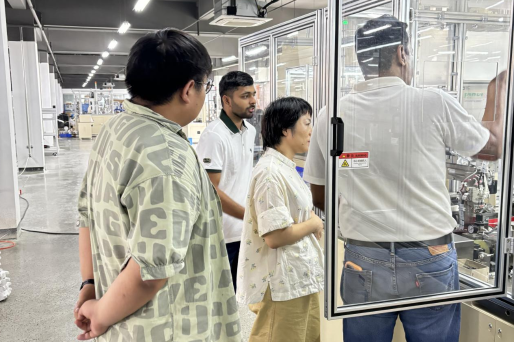
August 30th, 2025, 45W Air conditioner ODU BLDC motor Assembly line Inspection From India customer

08

Apr

August 30th, 2025, 45W Air conditioner ODU BLDC motor Assembly line Inspection From India customer

View More
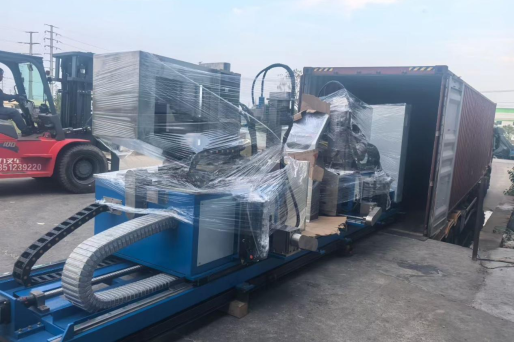
January 5th , 2026 CNC Coil Forming Machine For High Voltage Motors dispatched to UZ (Uzbekistan)

07

Apr

January 5th , 2026 CNC Coil Forming Machine For High Voltage Motors dispatched to UZ (Uzbekistan)

View More

Get a Free Quote

Our representative will contact you soon.
Email
Name
Mobile/WhatsApp
Company Name
Message
0/1000

vpi systems

Complete Penetration Technology for Maximum Component Protection

Complete Penetration Technology for Maximum Component Protection

The cornerstone capability of vpi systems lies in their unmatched ability to achieve total resin penetration throughout every microscopic void, crack, and porous area within treated components. Unlike surface coating methods or partial impregnation techniques, vpi systems employ a scientifically engineered two-stage process that fundamentally transforms component durability. During the initial vacuum phase, air pressure inside the sealed chamber drops to extremely low levels, typically reaching ranges between 1 to 5 millibars. This powerful vacuum extraction removes not only atmospheric air but also moisture trapped within the material matrix, creating completely empty spaces ready to receive protective resin. The thoroughness of this evacuation phase determines the ultimate success of the entire process, which is why advanced vpi systems maintain precise vacuum control with sophisticated monitoring equipment. Following evacuation, specially formulated insulating resin enters the chamber while vacuum conditions persist, allowing the resin to begin flowing into surface openings without resistance. Then comes the critical pressure phase, where controlled positive pressure forces the resin deeper into the component structure, filling cavities that gravity or atmospheric pressure alone could never reach. This pressure application typically ranges from 3 to 6 bars depending on component characteristics and resin properties. The combination of prior vacuum extraction and subsequent pressure injection creates a synergistic effect that achieves penetration rates exceeding 98 percent in optimal conditions. This comprehensive coverage eliminates the air pockets and voids that cause premature electrical failures, moisture ingress, and insulation breakdown. Components treated through vpi systems demonstrate measurably superior dielectric strength, maintaining insulation integrity even under extreme voltage stress. The protection extends to mechanical properties as well, as the cured resin reinforces structural integrity and dampens vibrations that could cause fatigue failures. For manufacturers producing electrical motors, generators, or transformers, this complete penetration capability directly translates into extended service life, reduced field failures, and enhanced performance under demanding operational conditions. The technology proves especially valuable for components operating in challenging environments with temperature extremes, humidity exposure, chemical contamination, or mechanical stress.
Automated Process Control for Consistent Quality and Operational Efficiency

Automated Process Control for Consistent Quality and Operational Efficiency

Modern vpi systems distinguish themselves through sophisticated automation capabilities that transform the impregnation process from an art requiring expert judgment into a repeatable science delivering identical results. The integrated control systems within these vpi systems manage dozens of variables simultaneously, ensuring optimal conditions throughout every cycle phase. Programmable logic controllers coordinate vacuum pump operation, resin valve timing, pressure regulation, temperature control, and cycle duration based on pre-set parameters tailored to specific component requirements. This automation eliminates the variability inherent in manual processes where operator attention, experience, and judgment influence outcomes. With vpi systems, you program the desired treatment protocol once, and the equipment executes it perfectly every time, whether processing the first component of the day or the five hundredth. Temperature regulation exemplifies the precision these systems achieve. Resin viscosity changes significantly with temperature fluctuations, affecting flow characteristics and penetration effectiveness. Advanced vpi systems maintain chamber temperature within narrow tolerances, typically plus or minus two degrees Celsius, ensuring consistent resin behavior across all processing cycles. Heating elements and cooling systems work together under automated control to achieve and maintain optimal temperature ranges. Similarly, vacuum level monitoring provides real-time feedback, with sensors detecting any leaks or system performance degradation. If vacuum levels fail to reach target values within specified timeframes, the vpi systems alert operators and can pause processing to prevent defective component production. This proactive quality assurance builds reliability into every step. The automation extends to resin handling, with systems calculating precise volumes needed based on component load and chamber size, then dispensing exact amounts to minimize waste. Recipe management functions allow storing multiple treatment protocols for different component types, enabling quick changeovers without manual parameter adjustment. Operators simply select the appropriate recipe, load components, and initiate the cycle. This simplicity reduces training requirements and prevents setup errors. Data logging represents another crucial automation benefit, as vpi systems record complete cycle histories including all parameter values, timing information, and any alarm conditions. This documentation provides traceability for quality management systems and helps identify optimization opportunities. Analyzing historical data reveals trends and patterns that guide continuous improvement efforts, further enhancing your manufacturing capability.

Versatile Application Range Serving Multiple Industries and Component Types

Versatile Application Range Serving Multiple Industries and Component Types

The adaptability of vpi systems positions them as essential equipment across diverse manufacturing sectors, each benefiting from the technology's core capabilities while addressing industry-specific challenges. In electric motor production, vpi systems treat stator windings to prevent insulation breakdown caused by thermal cycling, moisture absorption, and chemical exposure during operation. Motors ranging from small fractional horsepower units to massive industrial drives all benefit from this protective treatment, with the vpi systems accommodating vastly different sizes through modular chamber designs and flexible fixturing options. The automotive industry relies on vpi systems for treating electronic control modules, ignition coils, and electric vehicle motor components where reliability directly impacts vehicle safety and performance. These applications demand absolute consistency, which the automated controls of vpi systems deliver reliably. Transformer manufacturers utilize vpi systems to impregnate coil assemblies, ensuring long-term insulation integrity in power distribution equipment that must function flawlessly for decades. The high voltage environments within transformers make thorough impregnation critical, as any void or air pocket creates potential failure points. Aerospace applications present particularly stringent requirements, with components facing extreme temperature variations, reduced atmospheric pressure at altitude, and zero tolerance for failure. VPI systems meet these demanding standards through validated processes and comprehensive documentation capabilities. The renewable energy sector increasingly depends on vpi systems for wind turbine generators and solar inverter components, where remote installation locations make reliability paramount. Marine applications benefit significantly, as components treated with vpi systems resist the corrosive effects of saltwater environments that quickly degrade inadequately protected electrical equipment. Industrial pump and compressor manufacturers treat motor components with vpi systems to ensure reliable operation in harsh process environments involving chemicals, high temperatures, and continuous duty cycles. The medical device industry employs these systems for components in diagnostic equipment and therapeutic devices where consistent performance directly affects patient outcomes. Even the appliance industry recognizes value in vpi systems, treating motors and electrical assemblies to reduce warranty costs and improve product longevity. This remarkable versatility stems from the fundamental effectiveness of vacuum pressure impregnation technology combined with the adaptability of modern vpi systems to accommodate different component geometries, production volumes, and specific resin formulations. Whether processing small batches of specialized components or running continuous production of standardized parts, vpi systems deliver the protective treatment quality that modern manufacturing demands.

Get a Free Quote

Our representative will contact you soon.
Email
Name
Mobile/WhatsApp
Company Name
Message
0/1000