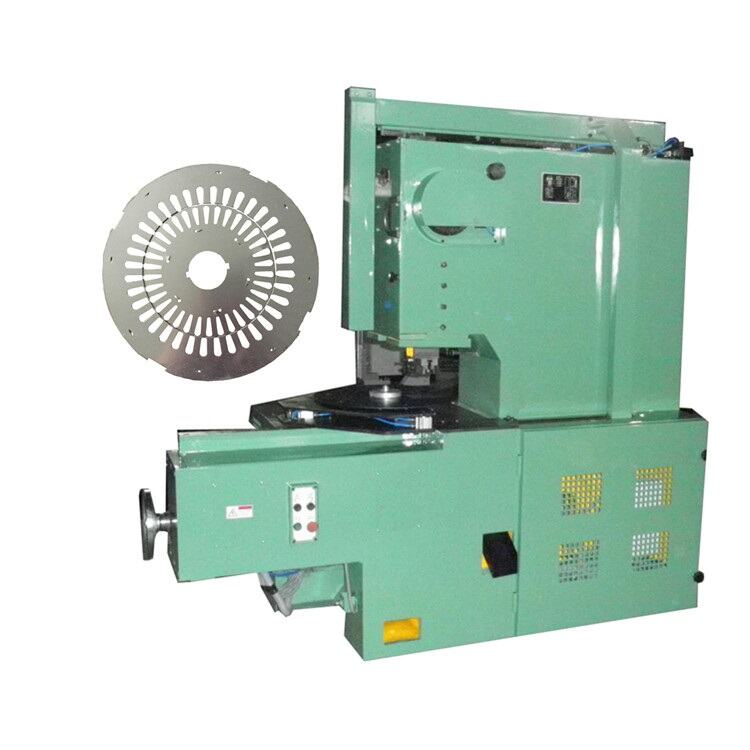
Coil VPI Impregnation System: Advanced Vacuum Pressure Technology for Superior Electrical Component Manufacturing

Get a Free Quote

Our representative will contact you soon.
Email
Name
Mobile/WhatsApp
Company Name
Message
0/1000

coil vpi impregnation system

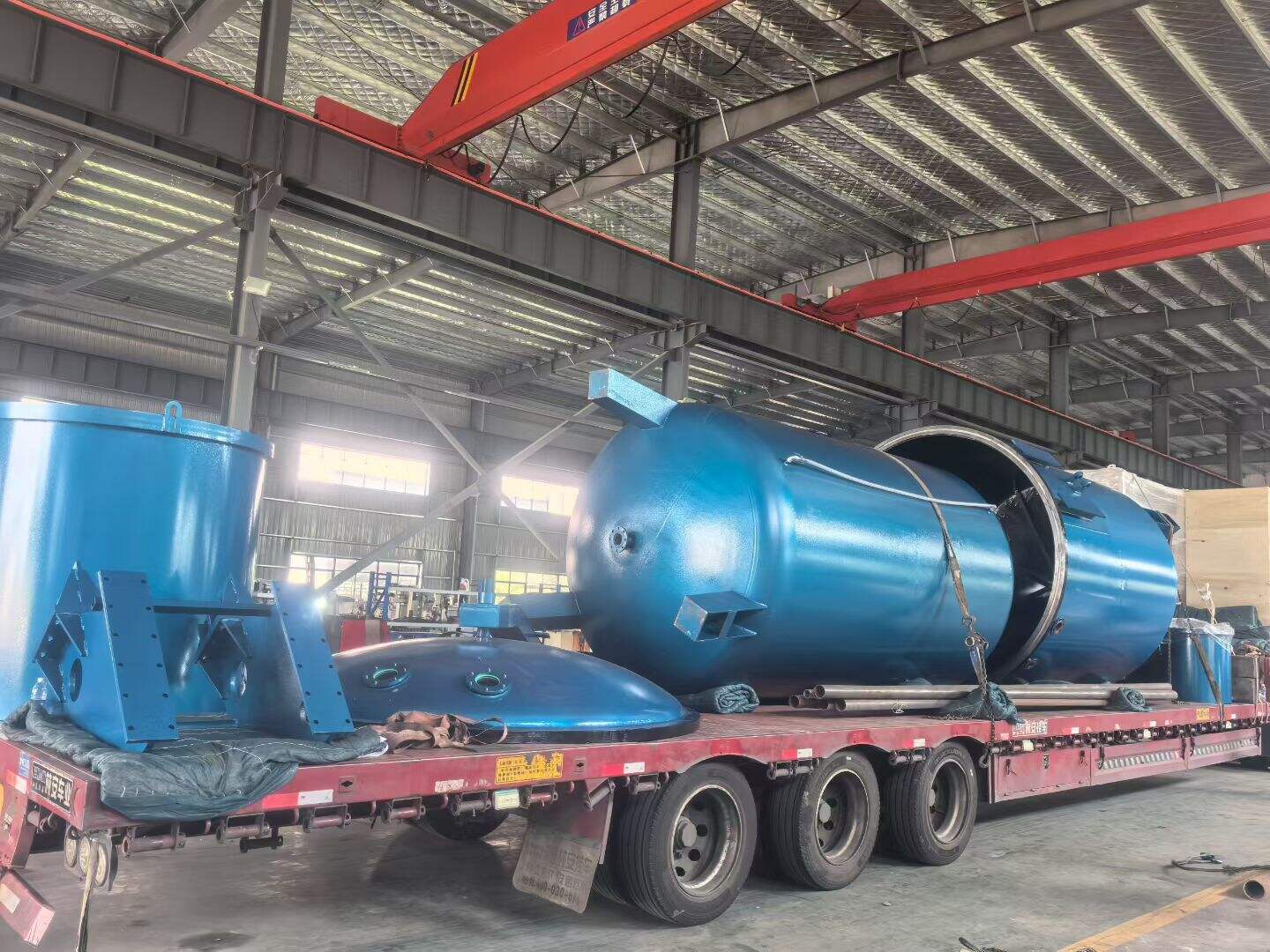
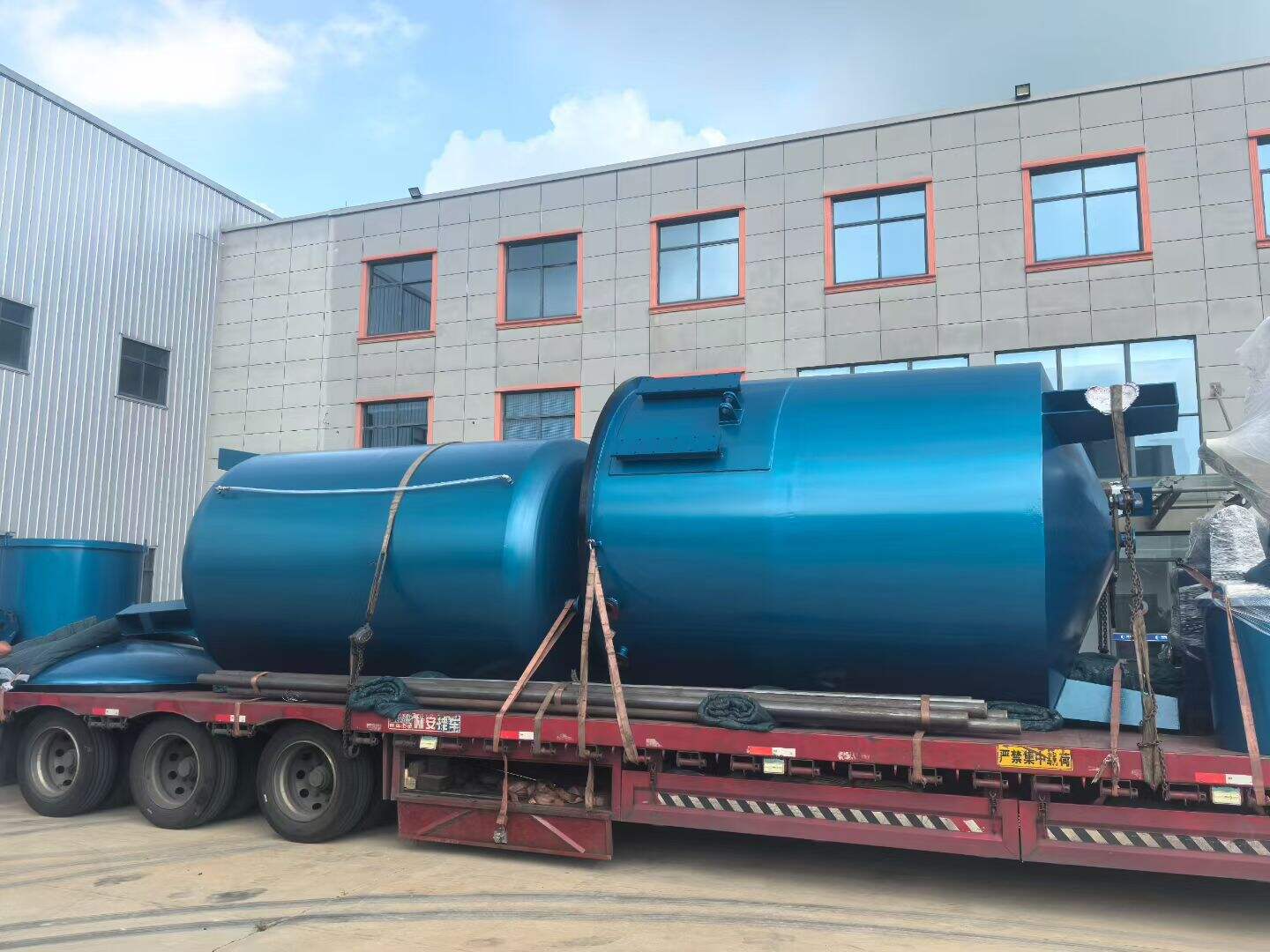
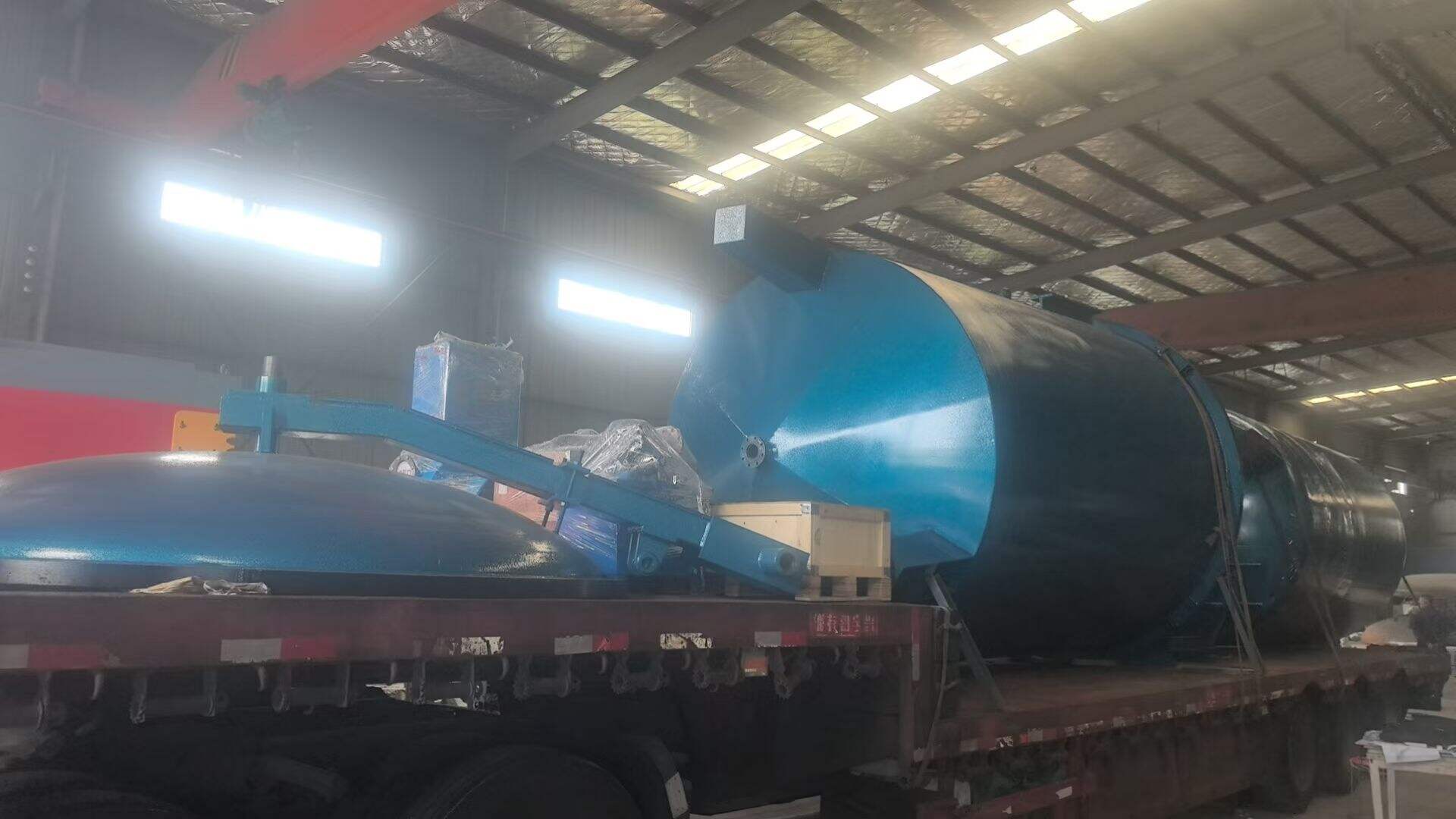
The coil vpi impregnation system represents a sophisticated manufacturing solution designed to enhance the electrical and mechanical properties of coils used in motors, transformers, and generators. VPI stands for Vacuum Pressure Impregnation, a process that ensures complete saturation of electrical windings with insulating resin. This advanced coil vpi impregnation system operates by placing coils into a sealed chamber where air and moisture are removed through vacuum technology, followed by introducing liquid resin under controlled pressure to fill every void and gap within the winding structure. The primary function of this equipment centers on eliminating air pockets that could compromise insulation integrity and lead to premature electrical failures. Modern coil vpi impregnation system units incorporate automated controls that precisely manage temperature, vacuum levels, and pressure cycles to achieve optimal resin penetration. The technological features include programmable logic controllers that allow operators to customize treatment parameters for different coil sizes and configurations. Advanced vacuum pumps create deep vacuum conditions, typically reaching 1 to 5 millibars, ensuring thorough degassing before resin introduction. The pressure phase applies controlled force, usually between 4 to 6 bars, driving resin into the smallest cavities within the coil structure. Temperature regulation systems maintain ideal viscosity levels for the impregnating resin, facilitating smooth flow characteristics. Applications span across numerous industrial sectors including automotive manufacturing for electric vehicle motors, renewable energy production for wind turbine generators, industrial machinery requiring robust electrical components, and aerospace systems demanding highest reliability standards. The coil vpi impregnation system proves essential for manufacturers seeking to produce electrical components with superior dielectric strength, enhanced thermal conductivity, improved mechanical stability, and extended operational lifespan. This technology has become the industry standard for quality-conscious manufacturers who prioritize product reliability and performance consistency in their electrical equipment production processes.

New Products

Investing in a coil vpi impregnation system delivers numerous practical benefits that directly impact your production quality and bottom line. First and foremost, this equipment dramatically improves the reliability of your electrical components by ensuring complete insulation coverage throughout the entire coil structure. When moisture and air pockets remain trapped inside windings, they create weak points that can cause unexpected failures in the field, leading to costly warranty claims and reputation damage. The vacuum pressure process eliminates these vulnerabilities by forcing resin into every microscopic gap, creating a uniform protective barrier. Your production efficiency increases significantly because the automated nature of the coil vpi impregnation system reduces manual labor requirements and minimizes human error. Operators simply load coils into the chamber, select the appropriate program, and the system handles the entire cycle without constant supervision. This automation allows your workforce to focus on other value-added tasks while the impregnation process runs consistently batch after batch. The financial advantages extend beyond labor savings to include reduced material waste, as the controlled environment ensures precise resin usage without excess spillage or uneven application. Energy efficiency represents another compelling benefit, with modern systems incorporating heat recovery mechanisms and optimized vacuum pump operations that lower utility costs compared to older impregnation methods. Product performance improvements translate directly into competitive advantages for your business, as components treated with this system demonstrate superior resistance to thermal stress, vibration, and electrical breakdown. Customers recognize the enhanced durability and are willing to pay premium prices for motors and transformers that deliver longer service intervals and reduced maintenance requirements. The environmental benefits deserve attention as well, since the closed-chamber design captures volatile organic compounds and prevents their release into the workplace atmosphere, creating safer conditions for your employees while meeting increasingly strict environmental regulations. Quality consistency becomes predictable and repeatable when using a coil vpi impregnation system, eliminating the variability associated with manual dipping or brushing techniques. Testing results show measurably higher dielectric strength values and lower partial discharge levels in components processed through vacuum pressure impregnation. The return on investment typically materializes within two to three years through combined savings in labor, materials, warranty costs, and the ability to command higher prices for superior quality products. Additionally, the system accommodates various coil sizes and configurations with minimal changeover time, providing manufacturing flexibility that helps you respond quickly to different customer requirements without maintaining multiple specialized pieces of equipment.

Practical Tips

January 15th, 2026 Air Conditioner BLDC Motor Production line Dispatch to India

08

Apr

January 15th, 2026 Air Conditioner BLDC Motor Production line Dispatch to India

View More
August 30th, 2025, 45W Air conditioner ODU BLDC motor Assembly line Inspection From India customer

08

Apr

August 30th, 2025, 45W Air conditioner ODU BLDC motor Assembly line Inspection From India customer

View More
January 5th , 2026 CNC Coil Forming Machine For High Voltage Motors dispatched to UZ (Uzbekistan)

07

Apr

January 5th , 2026 CNC Coil Forming Machine For High Voltage Motors dispatched to UZ (Uzbekistan)

View More

Get a Free Quote

Our representative will contact you soon.
Email
Name
Mobile/WhatsApp
Company Name
Message
0/1000

coil vpi impregnation system

Complete Void Elimination for Maximum Insulation Performance

Complete Void Elimination for Maximum Insulation Performance

The most significant advantage of implementing a coil vpi impregnation system lies in its unparalleled ability to eliminate voids and air pockets that compromise insulation integrity in electrical windings. Traditional impregnation methods such as dip coating or trickle application simply cannot achieve the level of penetration that vacuum pressure technology delivers. When coils contain even microscopic air gaps, these spaces become potential failure points where moisture can accumulate, partial discharge can occur, and insulation breakdown may initiate. The physics behind the coil vpi impregnation system addresses this challenge through a two-phase process that first removes all gases from within the coil structure, then forces liquid resin into the evacuated spaces under controlled pressure. During the vacuum phase, atmospheric pressure inside the chamber drops to near-absolute vacuum levels, causing any trapped air, moisture, or volatile compounds within the coil windings to expand and escape. This degassing stage typically continues until sensors detect stable vacuum levels, indicating that gas removal is complete throughout the entire coil mass, not just surface layers. The subsequent pressure phase introduces carefully formulated impregnating resin into the chamber while maintaining elevated pressure levels that drive the liquid deep into the coil's interior regions. The resin fills conductor spaces, wraps around individual wire strands, and creates a continuous insulating matrix that bonds all components together. This thorough saturation prevents moisture ingress during operation, eliminates corona discharge initiation sites, and creates efficient thermal pathways that help conduct heat away from current-carrying conductors. Manufacturers who utilize a coil vpi impregnation system report dramatic reductions in field failures attributable to insulation breakdown, with some experiencing failure rate decreases exceeding seventy percent compared to conventionally impregnated components. The electrical performance improvements manifest as higher breakdown voltage ratings, reduced power factor, and lower dissipation factors measured during quality testing. Mechanical benefits include enhanced structural rigidity as the cured resin bonds all coil elements into a solid assembly resistant to vibration-induced wire movement and abrasion damage. For critical applications in aerospace, medical equipment, or renewable energy systems where component failure carries severe consequences, the comprehensive void elimination achieved by vacuum pressure impregnation provides essential reliability assurance that justifies the equipment investment.
Automated Process Control for Consistent Quality and Reduced Labor

Automated Process Control for Consistent Quality and Reduced Labor

The sophisticated automation capabilities integrated into modern coil vpi impregnation system designs represent a transformative advantage for manufacturers seeking to optimize their production operations while maintaining rigorous quality standards. Unlike manual impregnation techniques that depend heavily on operator skill and attention to achieve acceptable results, automated vacuum pressure systems execute precisely programmed cycles that deliver identical treatment to every coil batch regardless of which shift operates the equipment or how long the production run continues. The programmable logic controller at the heart of the coil vpi impregnation system allows engineers to develop custom recipes for different coil types, storing parameters such as vacuum duration, ultimate vacuum target, resin introduction rate, pressure hold time, and temperature setpoints in digital memory for instant recall. Operators interact with intuitive touchscreen interfaces that display real-time process data including current vacuum level, chamber pressure, resin temperature, and cycle progress, enabling them to monitor operations without requiring specialized technical knowledge. Safety interlocks prevent incorrect operational sequences such as opening the chamber door while under vacuum or initiating pressure before adequate degassing occurs, protecting both equipment and personnel from hazardous conditions. The automation extends to resin handling systems that maintain proper storage temperatures, filter contaminants before introduction into the chamber, and precisely meter the quantity delivered to each batch, eliminating waste from over-application while ensuring sufficient resin for complete saturation. Data logging capabilities create permanent records of every production cycle, documenting that each coil received treatment meeting specified parameters, which proves invaluable for quality audits, process optimization studies, and warranty claim investigations. When production issues arise, engineers can review historical data to identify correlations between process variations and product defects, enabling rapid corrective actions. The labor efficiency gains become immediately apparent as a single operator can manage multiple coil vpi impregnation system units simultaneously, loading coils into one chamber while another completes its cycle and a third undergoes automated cleaning. The reduced hands-on time per coil translates directly to lower labor costs per unit produced, improving profit margins while maintaining or enhancing product quality. Training requirements diminish substantially because new employees need only learn the basic loading procedures and touchscreen navigation rather than developing the nuanced judgment required for manual impregnation techniques. Consistency improvements eliminate the quality variations that previously occurred between different operators or during periods of employee fatigue, resulting in predictable product performance that strengthens customer confidence and reduces inspection requirements.

Enhanced Thermal Management and Extended Component Lifespan

Enhanced Thermal Management and Extended Component Lifespan

A frequently underestimated yet critically important benefit of utilizing a coil vpi impregnation system centers on the dramatic improvements in thermal management characteristics that directly extend the operational lifespan of electrical components. Electrical windings generate substantial heat during normal operation as current flowing through conductors encounters resistance, and this thermal energy must efficiently dissipate to prevent insulation degradation and eventual failure. Air gaps within coil structures act as thermal insulators that trap heat near the conductors, creating hot spots where temperatures exceed the insulation's rated limits and accelerate aging processes. The comprehensive resin saturation achieved through vacuum pressure impregnation eliminates these insulating air pockets, replacing them with solid resin that possesses significantly higher thermal conductivity than air. This continuous thermal pathway allows heat to flow readily from the conductor surfaces through the insulation layers to the outer coil surfaces where it can dissipate into cooling air or transfer into mounting structures. Temperature measurements conducted on motors with coils processed through a coil vpi impregnation system consistently show reductions of fifteen to thirty degrees Celsius in winding hot spot temperatures compared to identical motors with conventionally impregnated coils operating under the same load conditions. These temperature reductions translate exponentially into extended insulation life according to the well-established principle that insulation aging rates double for every ten-degree increase in operating temperature. Consequently, a motor running twenty degrees cooler can theoretically achieve four times the operational lifespan before insulation properties degrade to failure thresholds. The economic implications prove substantial when considering that premature motor failures require expensive replacements, cause unplanned production downtime, and may damage driven equipment if failures occur suddenly under load. Industrial facilities operating critical processes cannot afford unexpected equipment outages, making the enhanced reliability delivered by proper impregnation a valuable risk mitigation measure. The mechanical properties of fully impregnated coils also contribute to longevity by preventing wire movement within the coil structure during the magnetic forces and vibrations encountered during operation. Loose wires that shift position gradually wear through their insulation coatings where they contact adjacent conductors or structural elements, eventually creating short circuits. The rigid matrix created when resin fully saturates and cures throughout the coil structure locks all components in fixed positions, preventing this abrasion mechanism. Furthermore, the moisture barrier properties of continuous resin coverage protect against environmental contamination that would otherwise penetrate into the coil interior and cause corrosion or tracking failures. For these combined thermal, mechanical, and environmental protection reasons, implementing a coil vpi impregnation system represents a strategic investment that reduces total cost of ownership for your customers while differentiating your products in competitive markets where reliability commands premium value.

Get a Free Quote

Our representative will contact you soon.
Email
Name
Mobile/WhatsApp
Company Name
Message
0/1000