automatic vpi system
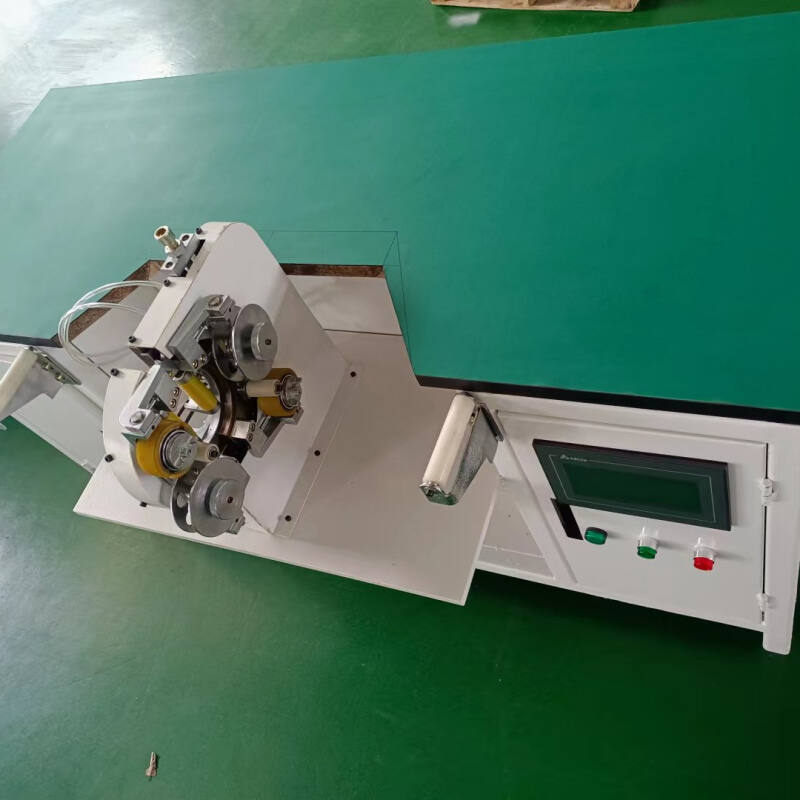
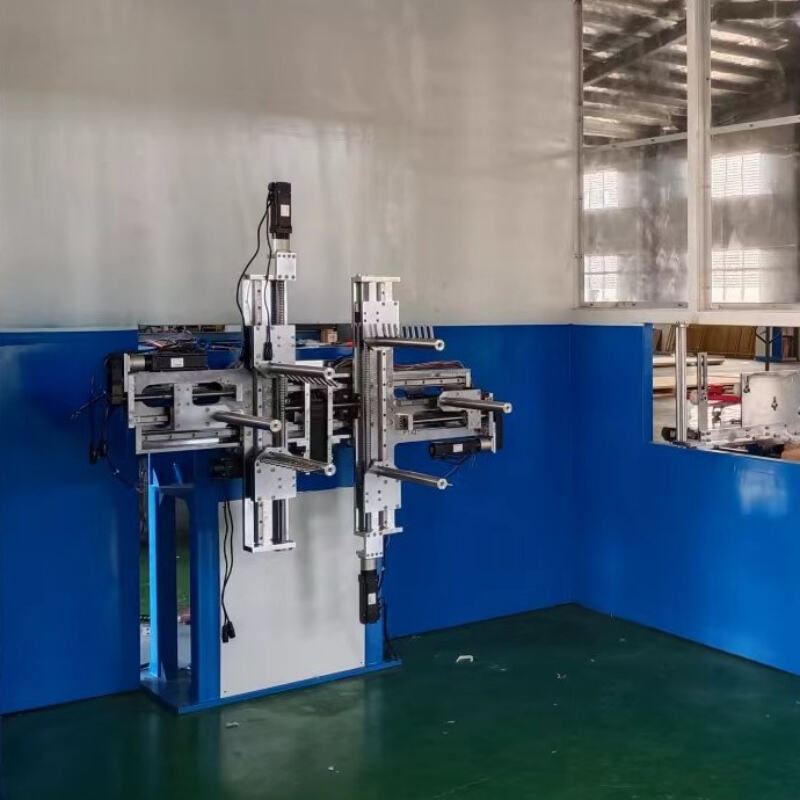
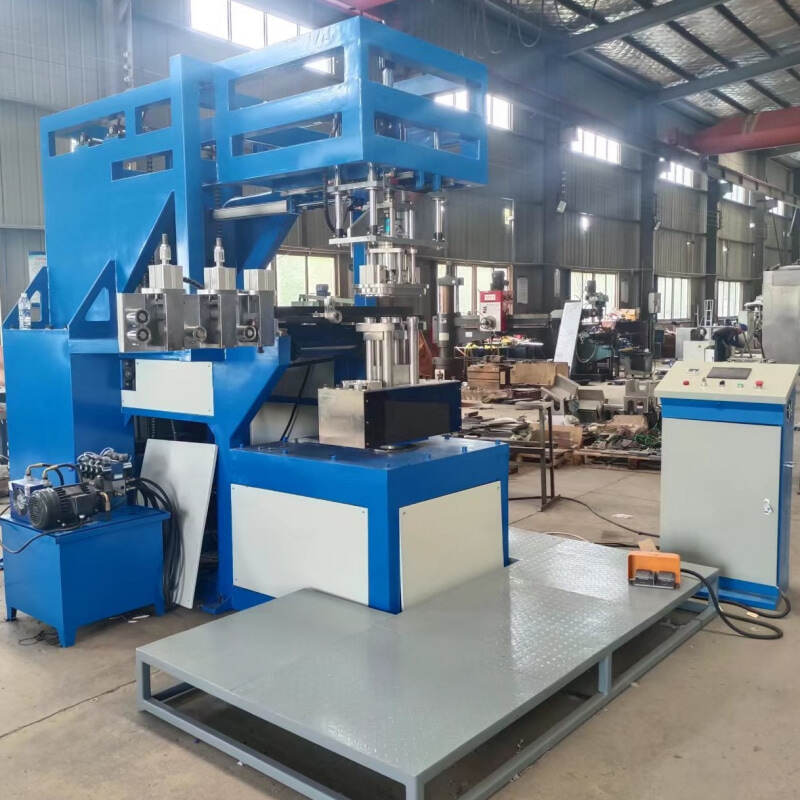
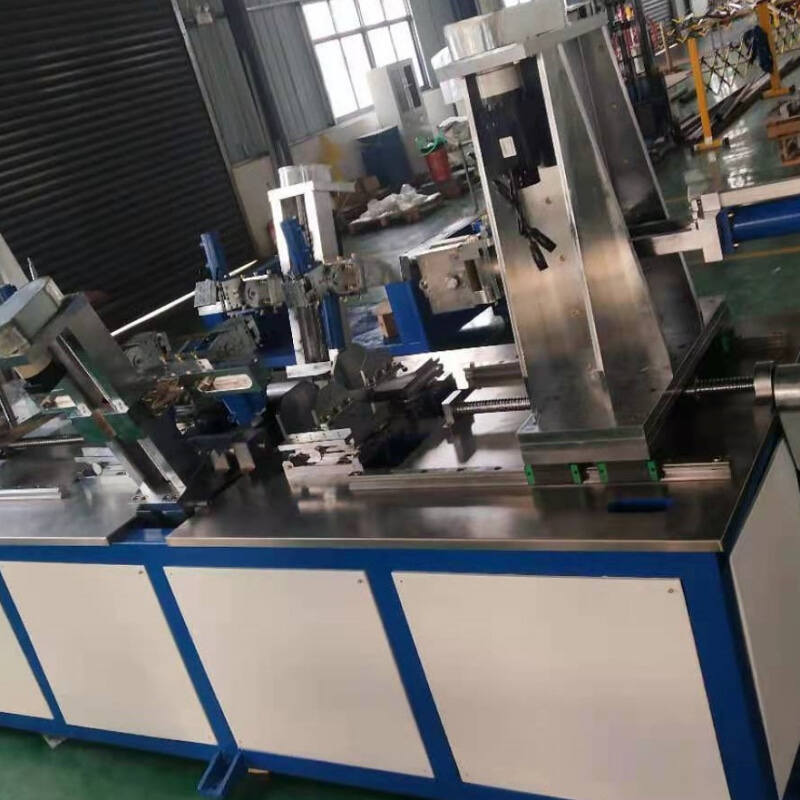
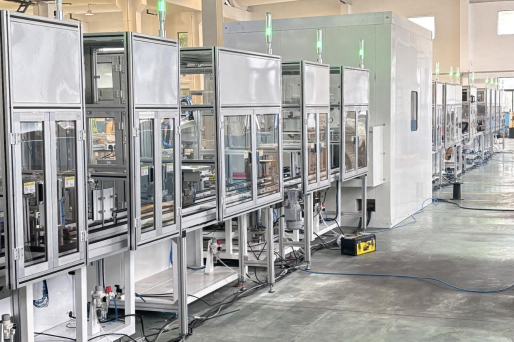
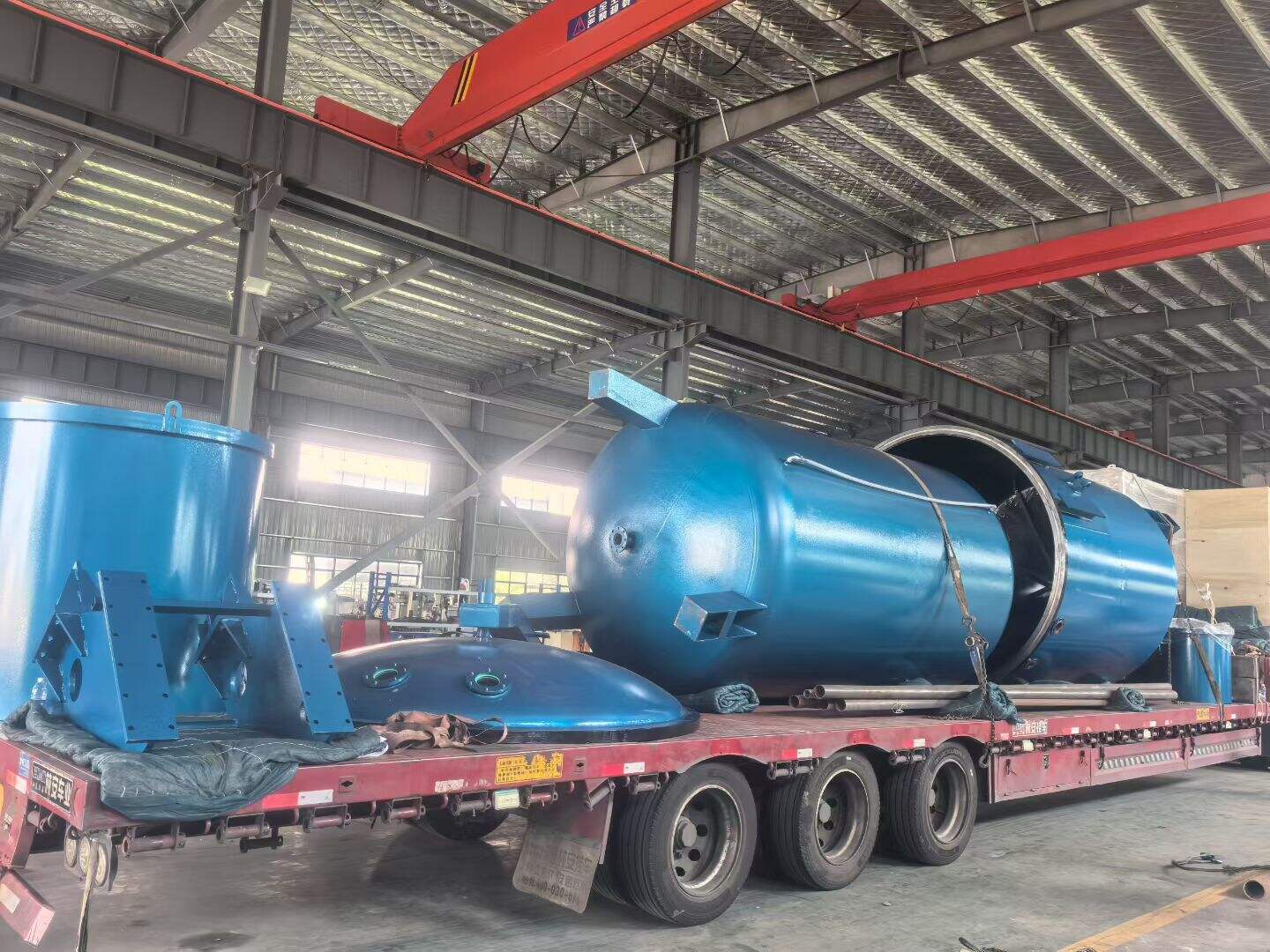
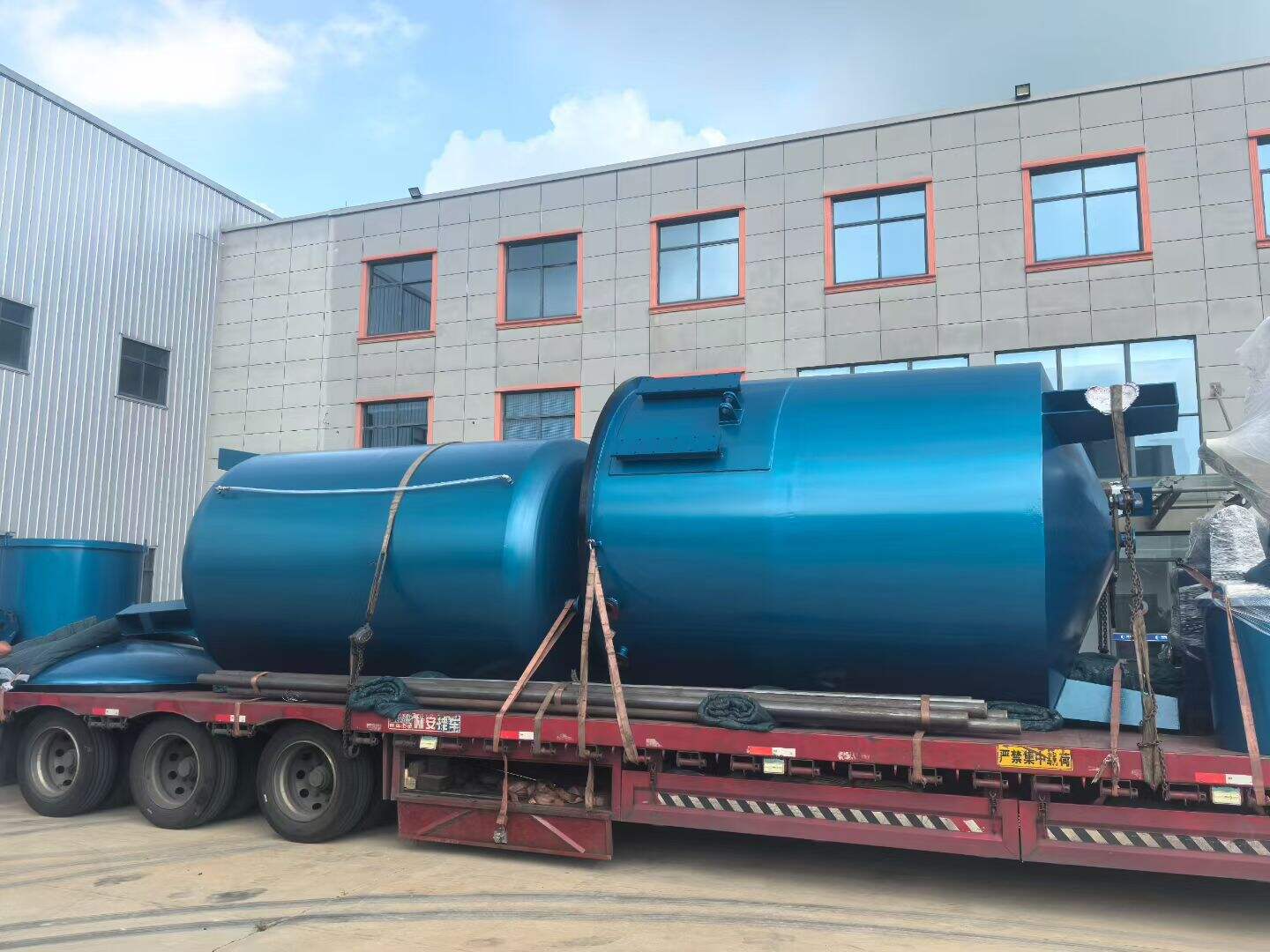
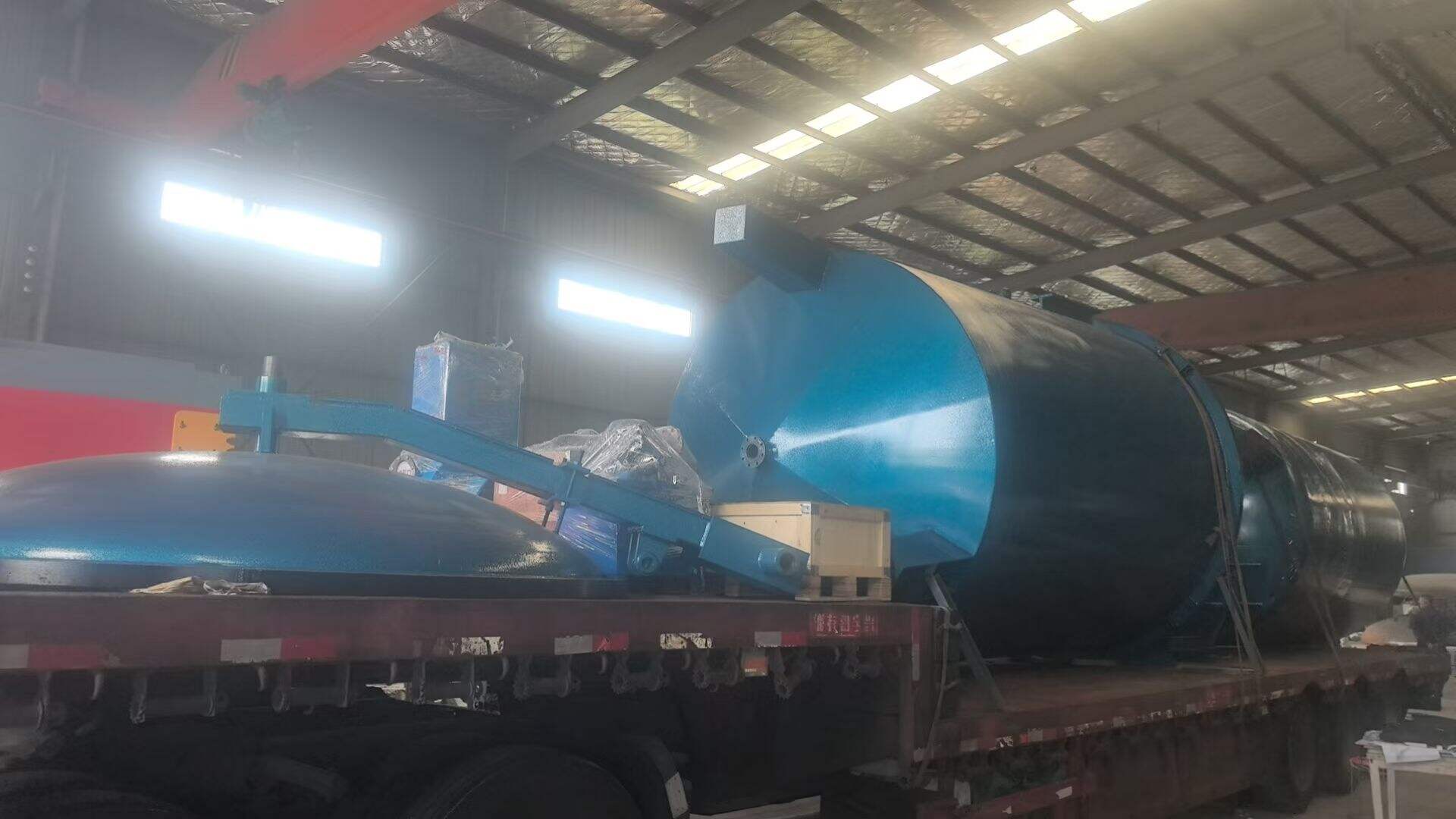
The automatic VPI system represents a revolutionary advancement in vacuum pressure impregnation technology designed specifically for electrical component manufacturing and insulation treatment processes. This sophisticated equipment automates the complete impregnation cycle, eliminating manual intervention while ensuring consistent, high-quality results across production batches. At its core, the automatic VPI system combines vacuum technology with precision pressure control to force insulating resins deep into the windings and voids of electrical components such as motors, transformers, generators, and coils. The main functions include automated vacuum creation to remove air and moisture from component cavities, controlled resin injection at optimal temperatures, precise pressure application to ensure thorough penetration, and automated curing cycles that solidify the resin for maximum insulation effectiveness. Technologically, these systems feature programmable logic controllers that manage every phase of the impregnation process, touch-screen interfaces for easy operation and monitoring, multiple sensors that track vacuum levels, pressure readings, temperature parameters, and resin flow rates. Advanced models incorporate servo-driven mechanisms for precise tank movements, automated resin level monitoring systems, and sophisticated heating elements that maintain ideal viscosity throughout the process. The applications span across multiple industries including electric motor manufacturing facilities, transformer production plants, automotive component suppliers producing electric vehicle motors, renewable energy equipment manufacturers, aerospace component fabricators, and industrial machinery producers. The automatic VPI system proves particularly valuable in high-volume production environments where consistency, repeatability, and quality assurance are paramount. By integrating automation into the impregnation workflow, manufacturers achieve superior insulation properties, extended component lifespans, improved dielectric strength, and enhanced resistance to environmental factors such as moisture, chemicals, and thermal stress.
 ×


 EN