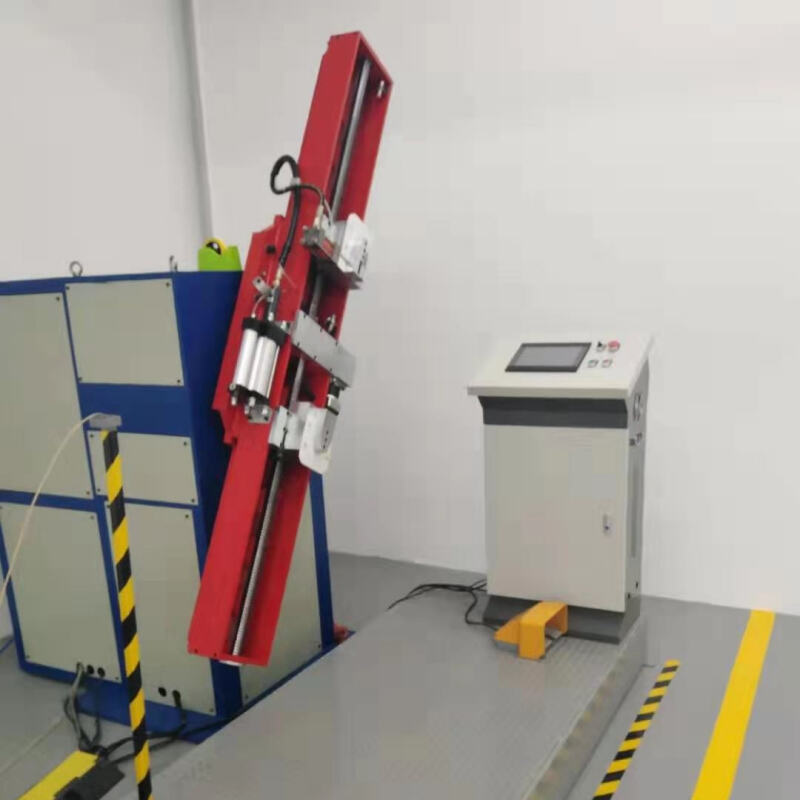
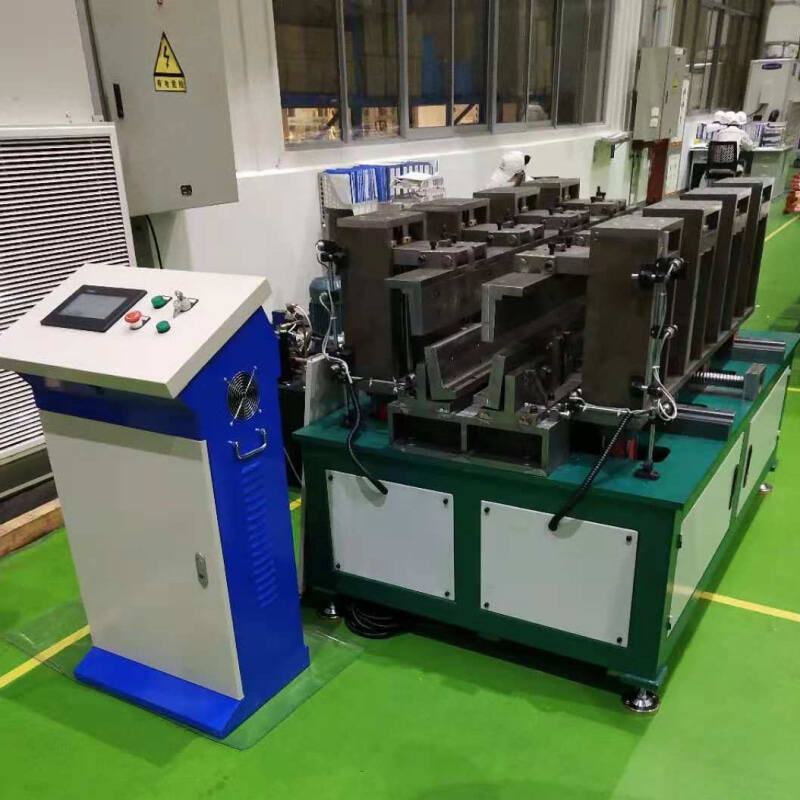
VPI Impregnation Equipment: Advanced Vacuum Pressure Impregnation Systems for Superior Electrical Component Manufacturing

Get a Free Quote

Our representative will contact you soon.
Email
Name
Mobile/WhatsApp
Company Name
Message
0/1000

vpi impregnation equipment

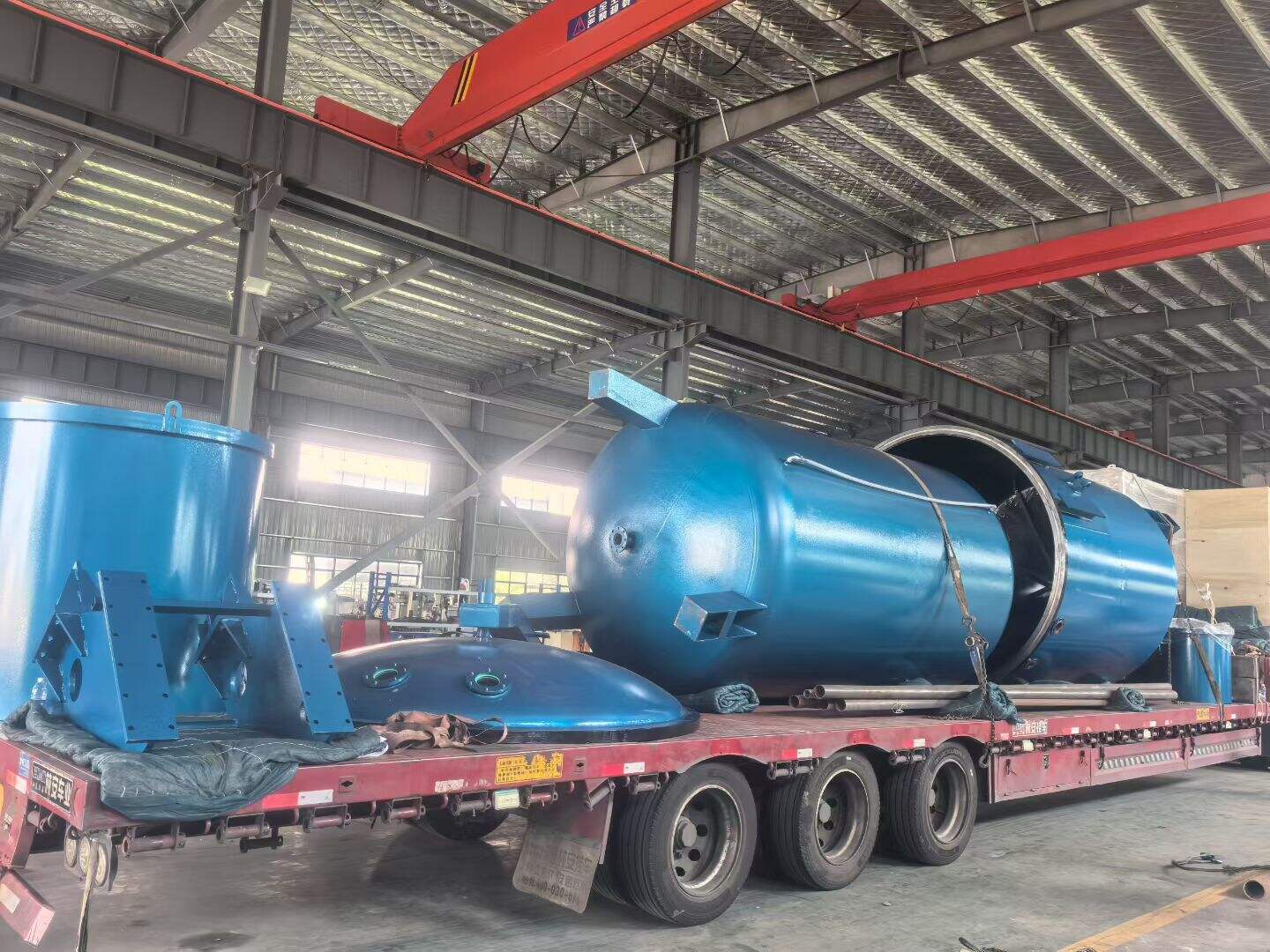
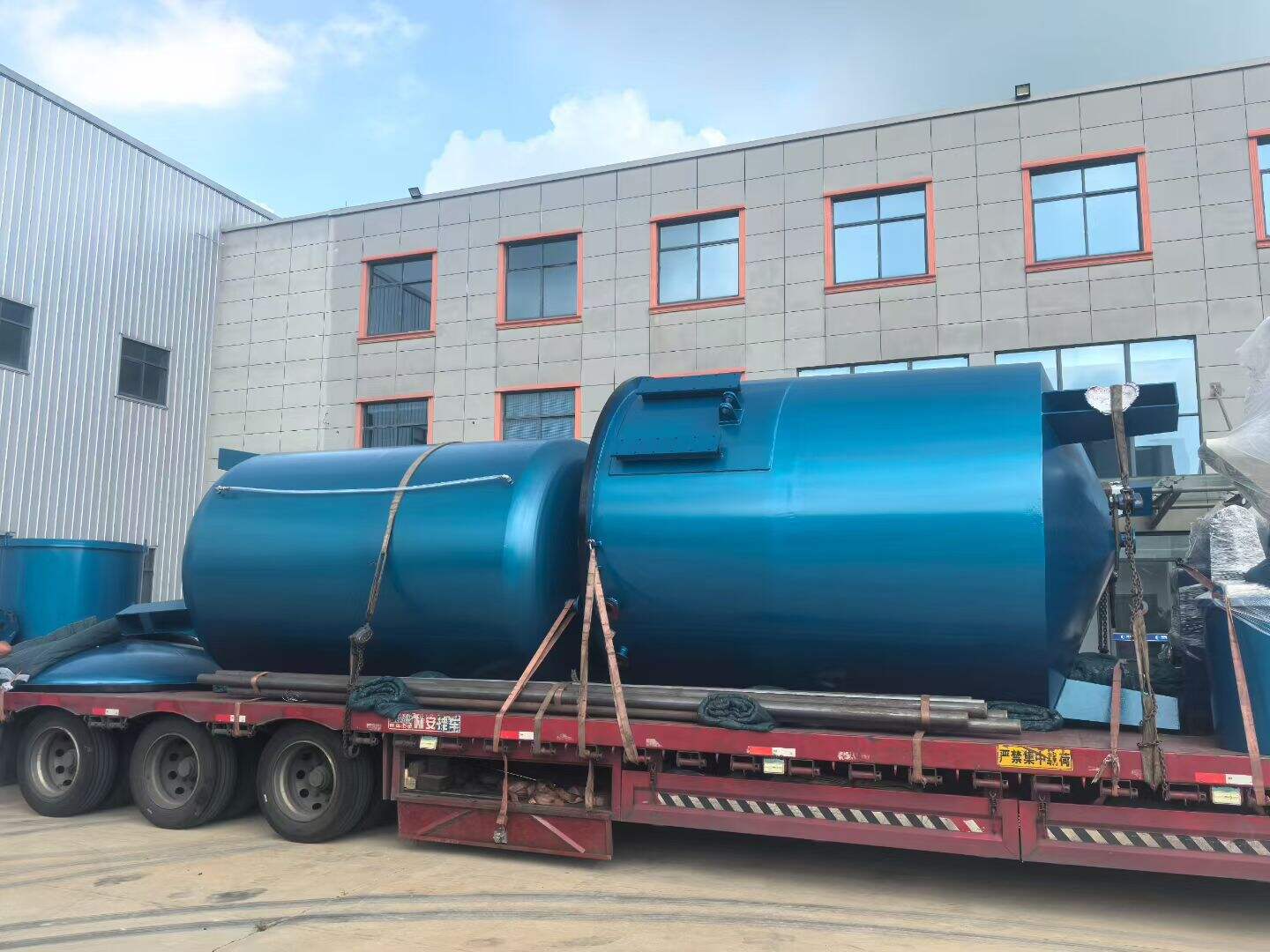
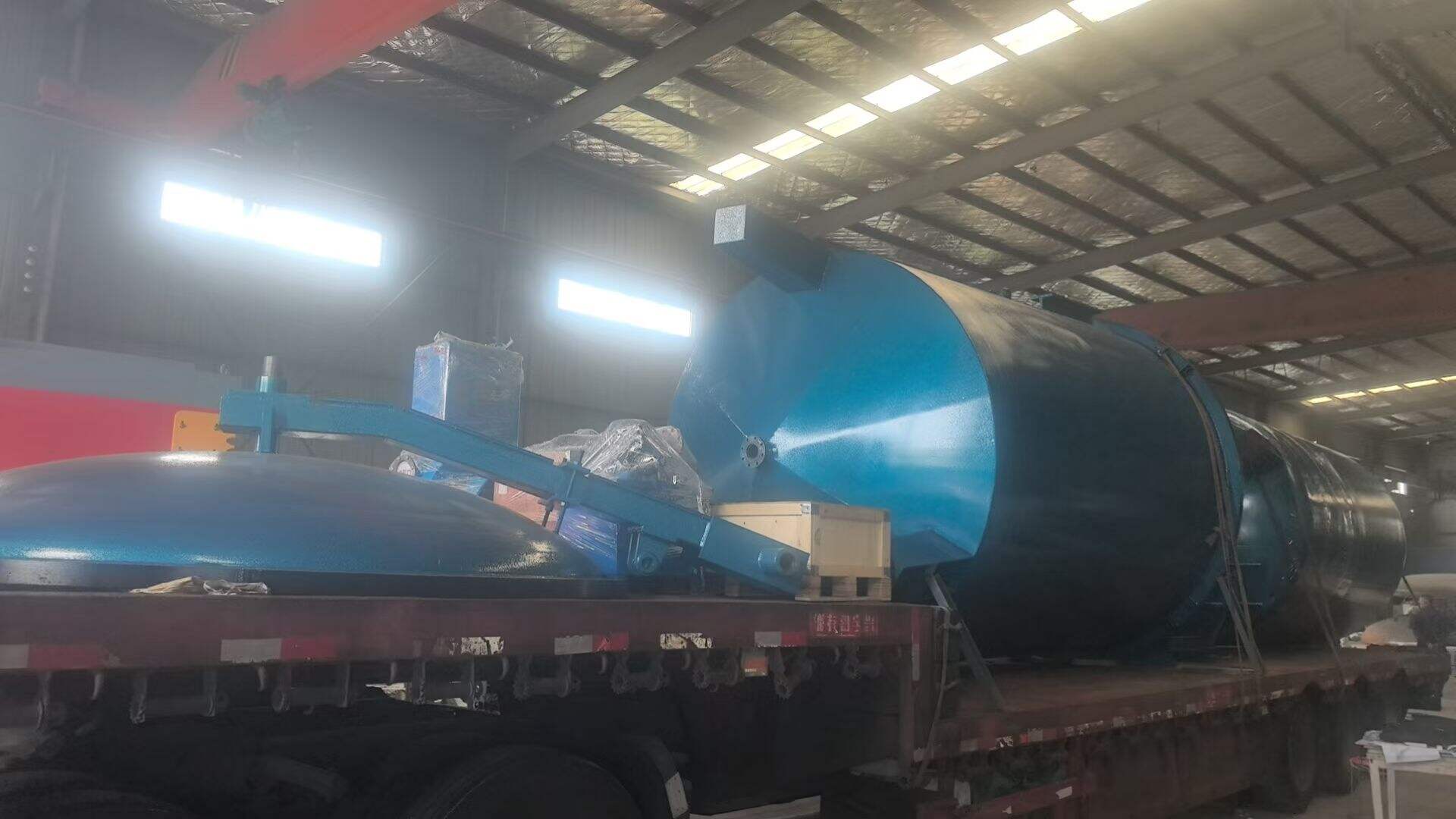
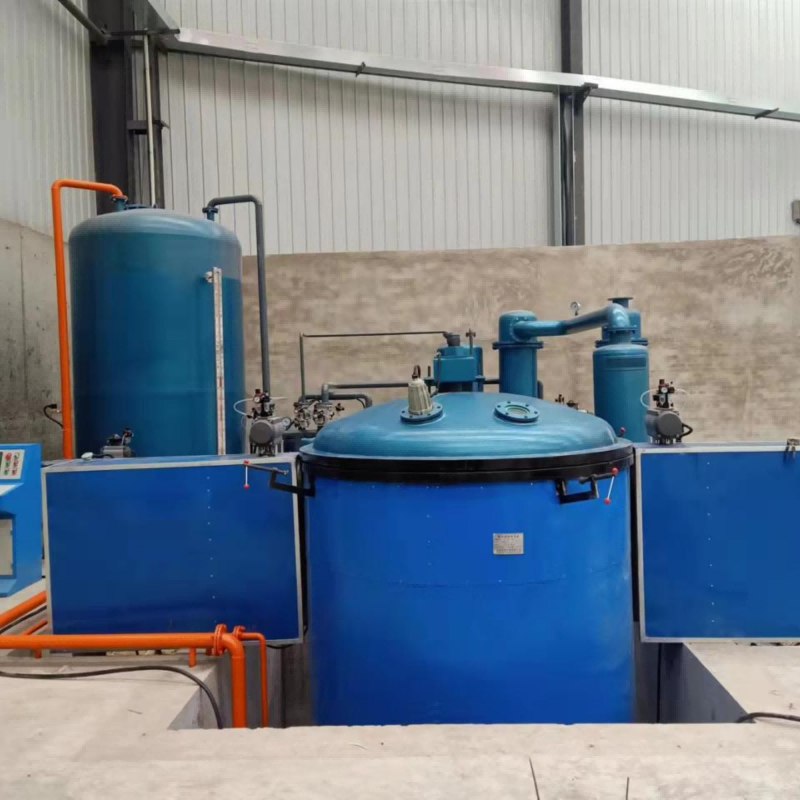
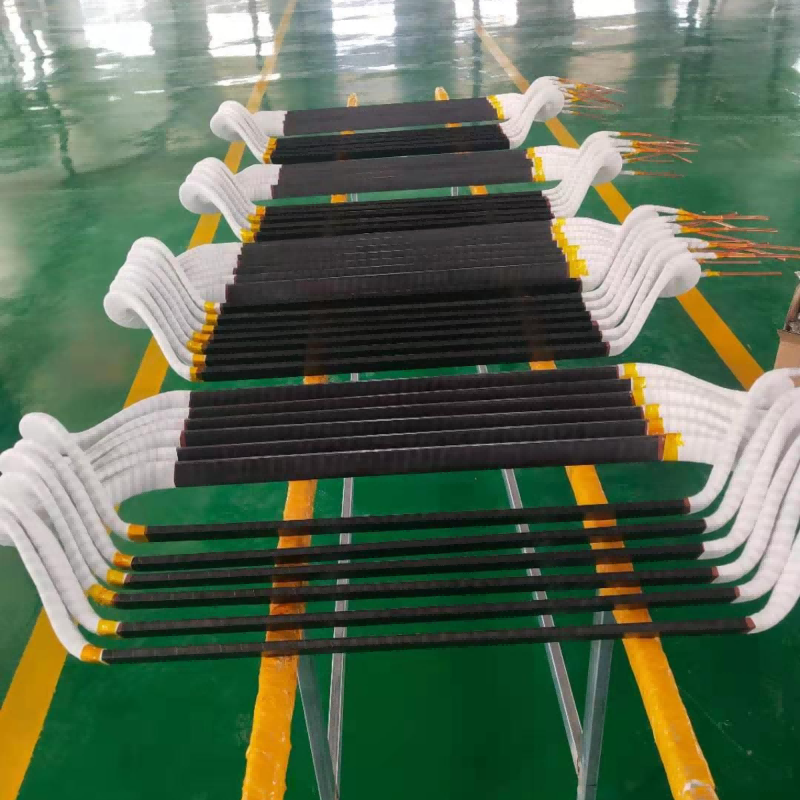
VPI impregnation equipment represents a sophisticated solution for enhancing the electrical and mechanical properties of various components through vacuum pressure impregnation technology. This advanced manufacturing system operates by removing air and moisture from porous materials before introducing insulating resins under controlled vacuum and pressure conditions. The primary function of vpi impregnation equipment centers on filling voids, gaps, and porous structures within electrical windings, transformers, motors, and other electromagnetic devices with high-quality insulating materials. The technological framework of this equipment integrates multiple operational stages including pre-heating, vacuum extraction, resin impregnation, pressure application, and curing processes. Modern vpi impregnation equipment features automated control systems that precisely monitor temperature, vacuum levels, and pressure parameters throughout each production cycle. These systems typically include a vacuum chamber constructed from robust steel materials, vacuum pumps capable of achieving deep vacuum levels, pressure vessels for forced resin penetration, heating elements for temperature regulation, and computerized control panels for process management. The equipment accommodates various resin formulations including epoxy, polyester, and specialized insulating compounds tailored to specific application requirements. VPI technology finds extensive applications across electrical equipment manufacturing, renewable energy component production, automotive electric motor fabrication, and industrial machinery construction. The versatility of vpi impregnation equipment allows manufacturers to process components ranging from small electronic coils to large power generation equipment. This technology proves essential for industries requiring superior insulation resistance, enhanced thermal conductivity, improved mechanical strength, and extended operational lifespan for their electrical components. The equipment supports both batch processing and continuous production workflows, making it adaptable to diverse manufacturing scales and operational requirements while maintaining consistent quality standards across all processed items.

New Products

VPI impregnation equipment delivers substantial practical benefits that directly impact manufacturing efficiency and product quality. The equipment significantly reduces production defects by ensuring complete penetration of insulating materials into even the smallest voids and air pockets within component structures. This thorough impregnation process eliminates partial discharge risks that commonly cause premature equipment failure in electrical systems. Manufacturers experience measurable improvements in product reliability, with properly impregnated components demonstrating resistance to moisture ingress, chemical corrosion, and thermal degradation. The automated nature of modern vpi impregnation equipment minimizes labor requirements while maximizing throughput consistency. Operators can process multiple batches with minimal supervision, as programmable controls manage every stage of the impregnation cycle automatically. This automation translates into reduced labor costs and eliminates human error variables that compromise product quality. Energy efficiency represents another significant advantage, with contemporary systems incorporating heat recovery mechanisms and optimized vacuum pump operations that lower operational expenses. The equipment enables manufacturers to meet stringent international quality standards and certification requirements for electrical products, opening access to global markets and premium customer segments. Material waste reduction occurs through precise resin dispensing systems that calculate exact quantities needed for each batch, preventing excess usage and minimizing disposal costs. The sealed processing environment prevents resin contamination and maintains workplace safety by containing potentially hazardous fumes within the vacuum chamber. Maintenance requirements remain manageable due to robust construction and accessible component designs that facilitate routine servicing without extended production interruptions. The flexibility to accommodate various component sizes and geometries within a single equipment setup provides manufacturers with production versatility without requiring multiple specialized machines. Temperature control precision ensures optimal resin viscosity throughout the impregnation process, guaranteeing uniform penetration and superior bonding characteristics. Processing time efficiency allows manufacturers to achieve faster turnaround on orders while maintaining exceptional quality standards. The equipment supports environmental sustainability initiatives by enabling the use of eco-friendly resin formulations and reducing material consumption through optimized processing protocols. Long-term cost savings accumulate through extended equipment lifespan, reduced component rejection rates, decreased warranty claims, and enhanced reputation for product reliability in competitive markets.

Latest News

January 15th, 2026 Air Conditioner BLDC Motor Production line Dispatch to India

08

Apr

January 15th, 2026 Air Conditioner BLDC Motor Production line Dispatch to India

View More
August 30th, 2025, 45W Air conditioner ODU BLDC motor Assembly line Inspection From India customer

08

Apr

August 30th, 2025, 45W Air conditioner ODU BLDC motor Assembly line Inspection From India customer

View More
January 5th , 2026 CNC Coil Forming Machine For High Voltage Motors dispatched to UZ (Uzbekistan)

07

Apr

January 5th , 2026 CNC Coil Forming Machine For High Voltage Motors dispatched to UZ (Uzbekistan)

View More

Get a Free Quote

Our representative will contact you soon.
Email
Name
Mobile/WhatsApp
Company Name
Message
0/1000

vpi impregnation equipment

Advanced Vacuum and Pressure Control Technology

Advanced Vacuum and Pressure Control Technology

The sophisticated vacuum and pressure control technology integrated within vpi impregnation equipment stands as a cornerstone feature that distinguishes superior systems from conventional alternatives. This technology employs multi-stage vacuum pumps capable of achieving vacuum levels below 1 millibar, creating conditions that effectively extract trapped air, moisture, and volatile contaminants from component structures before resin introduction. The deep vacuum environment proves critical for ensuring complete impregnation, as residual air pockets would otherwise prevent resin penetration and create weak points susceptible to electrical breakdown. Advanced pressure application systems complement the vacuum stage by forcing resin into microscopic crevices under controlled positive pressure, typically ranging from 2 to 6 bar depending on component density and resin viscosity characteristics. The synergistic combination of vacuum extraction followed by pressure impregnation achieves penetration levels unattainable through atmospheric dipping or conventional coating methods. Modern vpi impregnation equipment incorporates precision sensors and feedback loops that continuously monitor chamber conditions, automatically adjusting pump speeds and valve positions to maintain optimal parameters throughout each process phase. This real-time responsiveness ensures consistent results regardless of variations in component geometry, material porosity, or ambient environmental conditions. The control systems feature programmable recipes that store specific parameter profiles for different product types, enabling rapid changeover between production runs without manual recalibration. Operators benefit from intuitive touchscreen interfaces that display vacuum levels, pressure readings, temperature data, and cycle progress in easily interpretable formats. Safety interlocks prevent chamber opening under pressure or vacuum conditions, protecting personnel from potential hazards. The pressure vessels meet international safety standards with certified construction materials and regular inspection protocols. Energy-efficient vacuum pump configurations incorporate variable frequency drives that adjust motor speeds according to actual demand rather than running continuously at maximum capacity. This intelligent power management reduces electricity consumption by up to 40 percent compared to fixed-speed systems. The vacuum and pressure control technology directly impacts product quality by ensuring uniform resin distribution throughout complex winding configurations, eliminating voids that compromise dielectric strength. Manufacturers processing high-voltage equipment particularly value this capability, as it guarantees insulation integrity under extreme electrical stress conditions. The technology also accommodates specialty applications requiring modified atmosphere processing, where inert gases replace air before resin introduction to prevent oxidation-sensitive reactions in specific resin formulations.
Intelligent Temperature Management System

Intelligent Temperature Management System

The intelligent temperature management system embedded in advanced vpi impregnation equipment provides precise thermal control that proves essential for optimizing resin flow characteristics and curing profiles. Temperature regulation begins during the pre-heating phase, where components receive controlled thermal input that reduces resin viscosity to ideal levels for maximum penetration efficiency. The heating system typically employs multiple independently controlled zones within the vacuum chamber, allowing differential temperature application across various component sections when processing items with varying thermal mass or geometry. Electric heating elements or thermal fluid circulation systems maintain temperature uniformity within tight tolerances, typically plus or minus 2 degrees Celsius, preventing hot spots that could degrade insulating materials or cold zones that impede resin flow. Sophisticated temperature sensors positioned strategically throughout the chamber provide continuous feedback to programmable logic controllers that adjust heating power in real-time response to measured conditions. This dynamic regulation ensures components reach target temperatures efficiently without overshooting that wastes energy or undershooting that extends cycle times. The system supports gradual temperature ramping profiles that prevent thermal shock to delicate windings or bonded assemblies, preserving mechanical integrity throughout the process. During resin introduction, maintained elevated temperatures keep viscosity at optimal levels for gravitational flow and pressure-driven penetration into fine spaces. Following complete impregnation, the temperature management system transitions to curing mode, implementing precisely controlled heating schedules that activate resin polymerization reactions at rates that minimize internal stress development and maximize cross-link density. Multi-step curing profiles with distinct temperature plateaus accommodate complex resin chemistry requiring sequential reaction stages for optimal properties. The intelligent system recognizes when exothermic curing reactions generate heat, automatically reducing external heating input to prevent runaway temperature increases that create defects. Heat distribution uniformity across large components presents significant technical challenges that advanced vpi impregnation equipment addresses through strategic blower placement and circulation fan systems that eliminate stagnant air pockets. The temperature management capability extends to cooling phases, where controlled rate temperature reduction prevents thermal shock and residual stress accumulation in cured components. Rapid cooling modes serve time-sensitive production requirements while gentle cooling protocols protect dimensionally sensitive assemblies. Energy recovery features capture waste heat from cooling cycles and redirect it to pre-heating incoming components, substantially improving overall system energy efficiency. The temperature data logging functionality provides complete traceability for quality assurance purposes, recording thermal histories for every processed batch. This documentation proves invaluable for troubleshooting quality issues and demonstrating compliance with customer specifications or regulatory requirements. Maintenance of temperature system components remains straightforward through accessible heating element positioning and modular sensor designs that facilitate replacement without extensive disassembly procedures.
Comprehensive Automation and Process Control

Comprehensive Automation and Process Control

Comprehensive automation and process control capabilities transform vpi impregnation equipment from simple vacuum chambers into intelligent manufacturing systems that optimize production efficiency while ensuring repeatable quality outcomes. The automation architecture centers on industrial-grade programmable logic controllers that execute complex process sequences without operator intervention, reducing labor requirements and eliminating variability introduced by manual control. Recipe management functionality allows storage of hundreds of distinct process profiles, each containing specific parameters for vacuum levels, pressure settings, temperature schedules, timing sequences, and resin quantities tailored to particular component types or customer specifications. Operators simply select the appropriate recipe, load components into fixtures, and initiate the automated cycle that proceeds through all stages systematically. Integrated safety systems monitor critical parameters continuously, automatically halting operations and alerting personnel if readings exceed safe limits or deviate from acceptable ranges. This proactive protection prevents equipment damage, product spoilage, and workplace hazards. The control system communicates with ancillary equipment including resin storage tanks, mixing units, and material handling systems, coordinating operations across the entire production line. Automated resin dispensing mechanisms calculate precise volumes required based on component characteristics and chamber capacity, pumping exact quantities to minimize waste while ensuring adequate supply for complete impregnation. Level sensors within resin reservoirs trigger alerts when refilling becomes necessary, preventing process interruptions due to material shortages. Advanced vpi impregnation equipment incorporates data acquisition systems that record all process variables throughout each cycle, generating comprehensive reports for quality documentation and statistical process control analysis. This information enables manufacturers to identify trends, optimize parameters, and demonstrate capability to customers and certification bodies. Network connectivity features allow remote monitoring and diagnostics, with technical support personnel accessing system data to troubleshoot issues without on-site visits, minimizing downtime. The human-machine interface presents information through graphical displays showing chamber schematics with color-coded status indicators, trend charts depicting parameter evolution over time, and alarm histories documenting all system events. Touchscreen operation simplifies interaction, with logical menu structures and context-sensitive help functions guiding operators through setup and maintenance procedures. User access controls with password protection prevent unauthorized parameter changes that could compromise product quality or equipment integrity. The automation system supports predictive maintenance through monitoring of component wear indicators such as vacuum pump performance degradation, heating element resistance changes, and valve cycling counts. Scheduled maintenance reminders appear automatically based on operating hours or cycle counts, ensuring timely service that prevents unexpected failures. Integration with enterprise resource planning systems enables automatic production scheduling, material requirements planning, and work order tracking that synchronizes vpi impregnation operations with overall manufacturing workflows. Barcode or RFID scanning capabilities link processed components to specific process records, providing complete genealogy tracking for warranty management and quality investigations. The sophisticated automation and control infrastructure delivers tangible benefits including reduced cycle times through optimized parameter sequencing, improved first-pass yield rates by eliminating operator errors, enhanced equipment utilization through minimized setup times, and superior product consistency that strengthens customer confidence and brand reputation in competitive markets.

Get a Free Quote

Our representative will contact you soon.
Email
Name
Mobile/WhatsApp
Company Name
Message
0/1000