transformer core cutting machine price
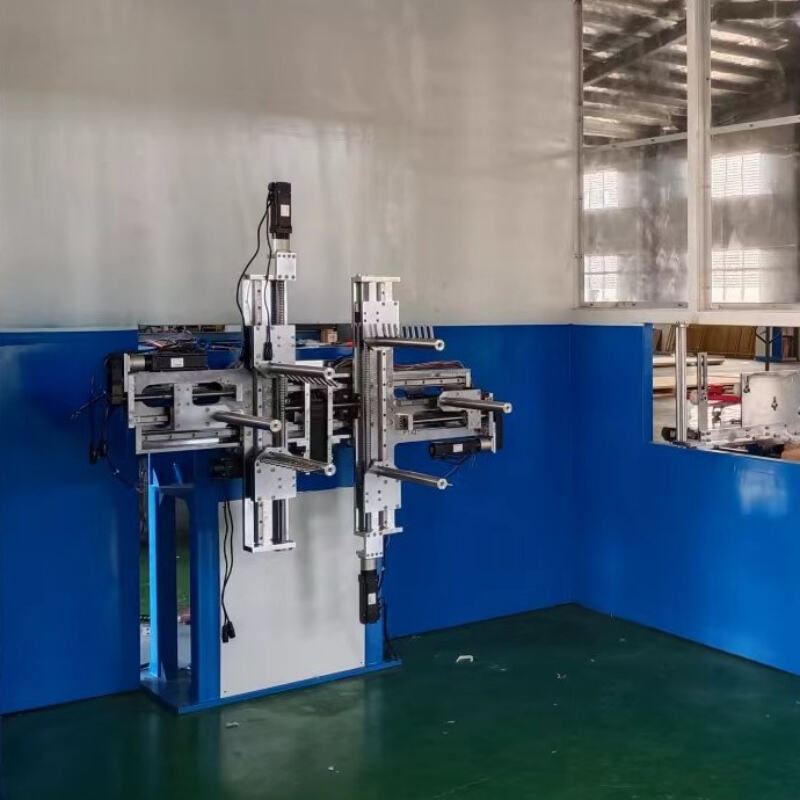
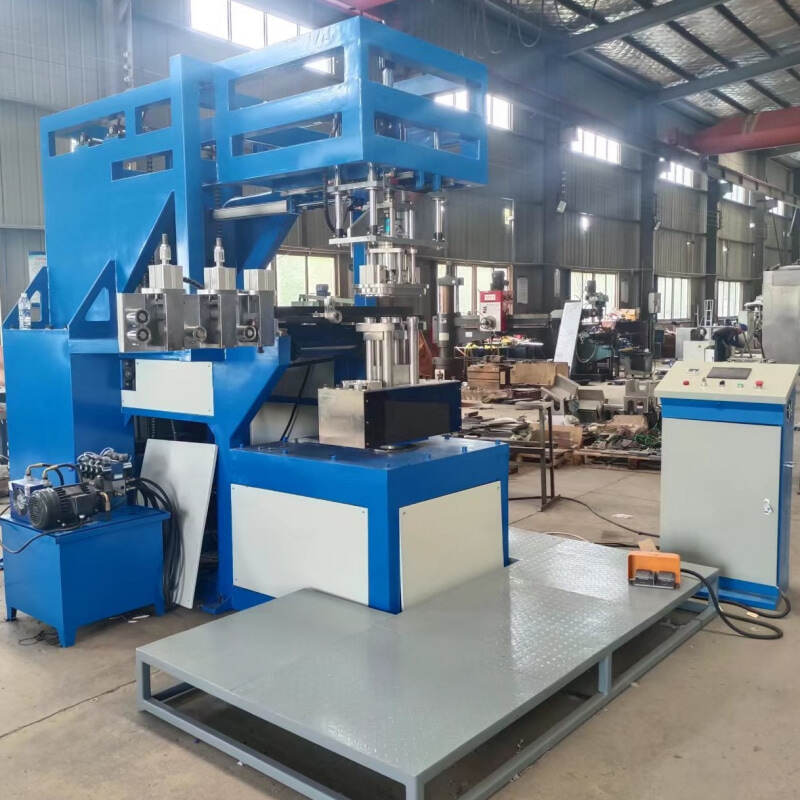
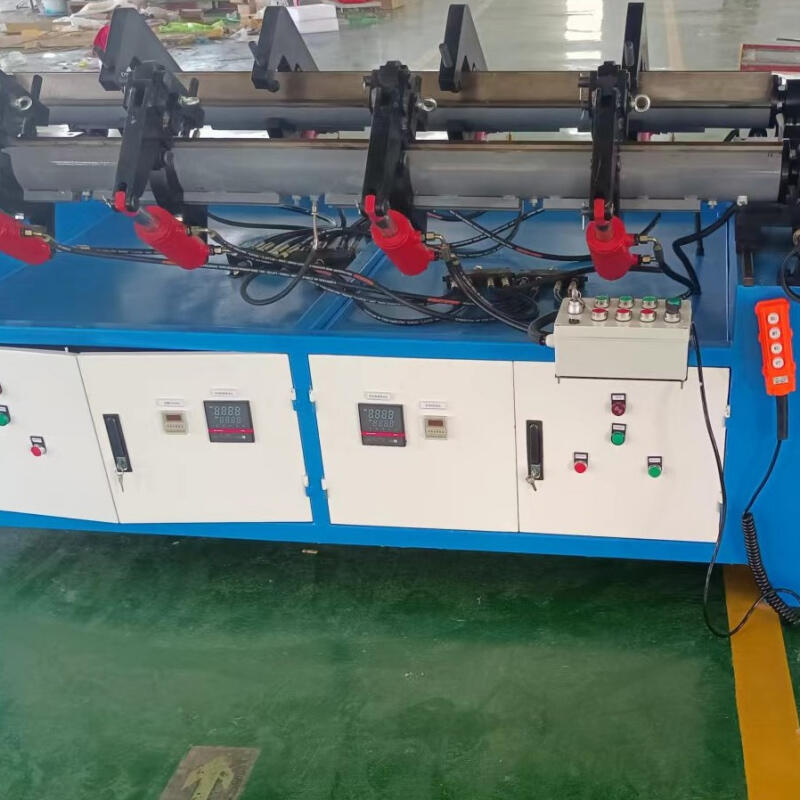
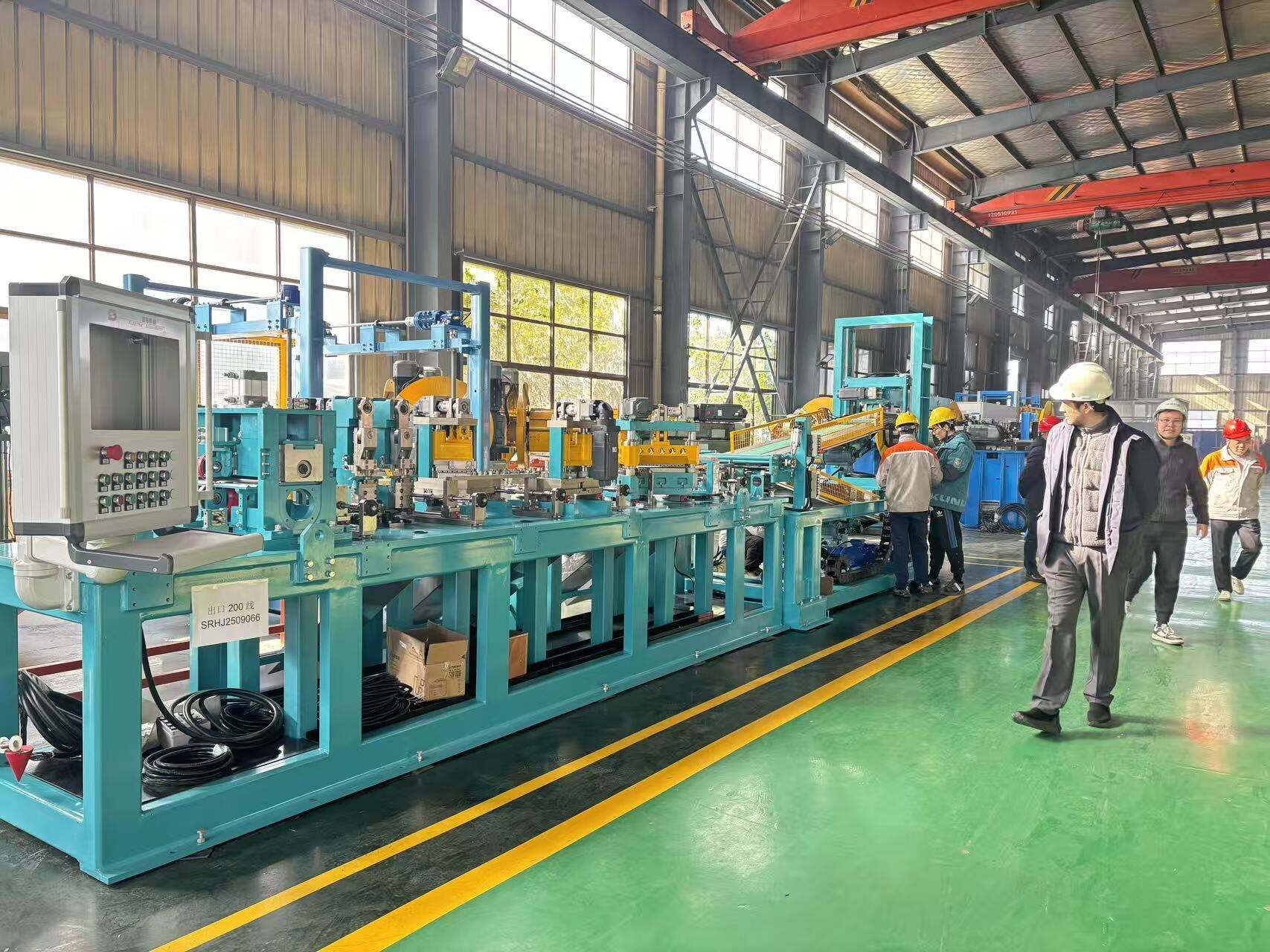
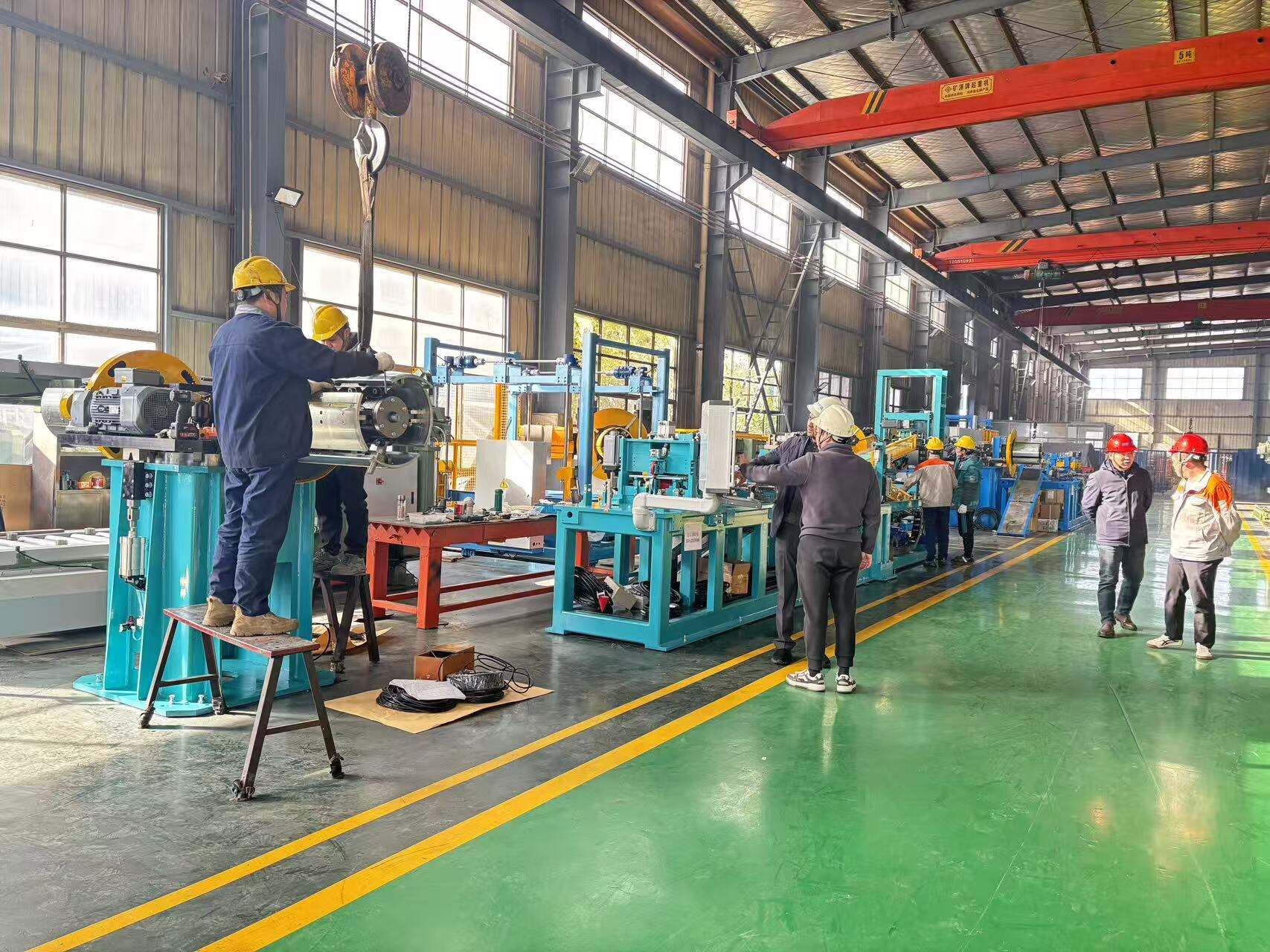
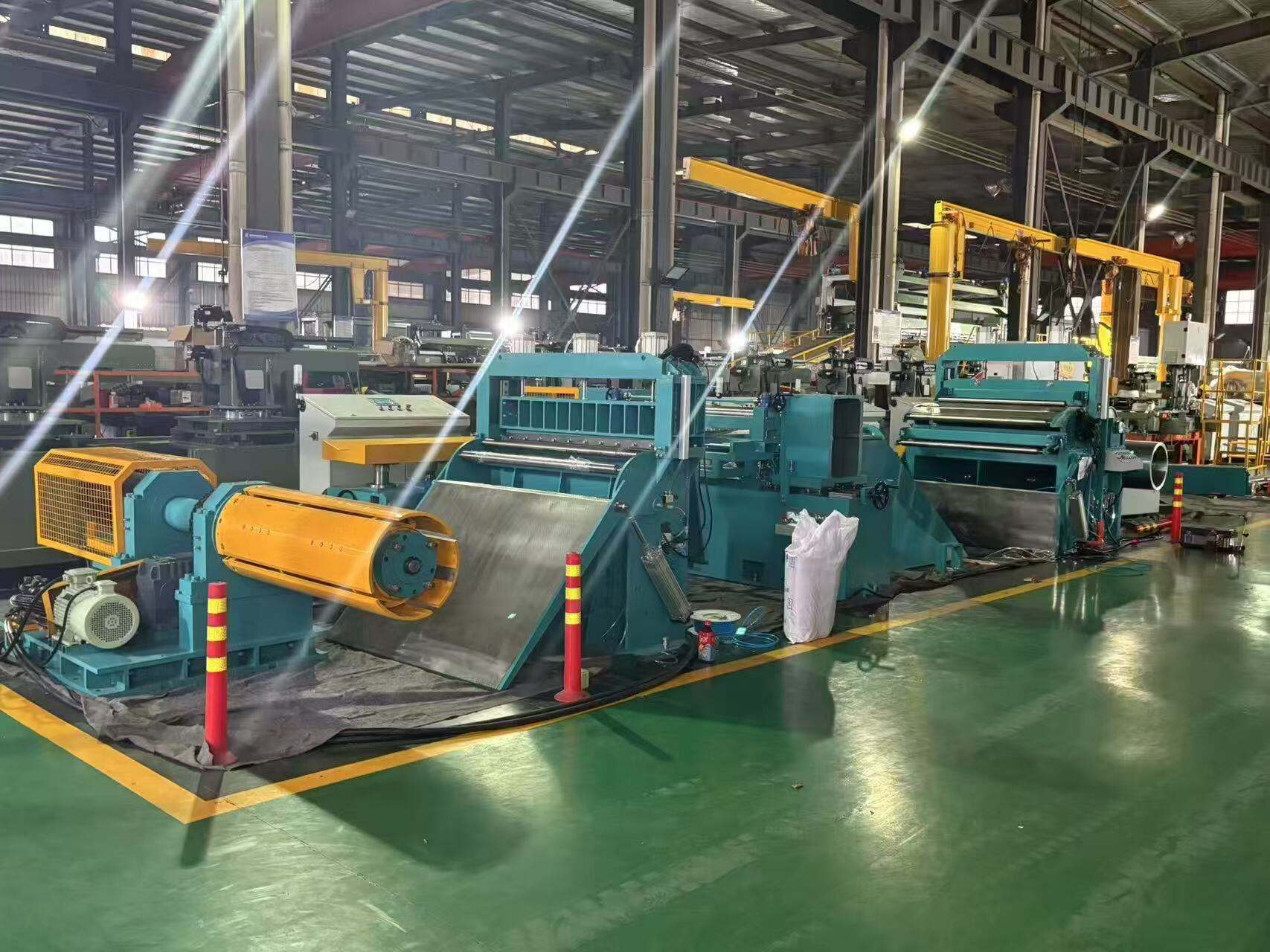
Understanding the transformer core cutting machine price involves examining not only the initial investment but also the comprehensive value proposition these advanced industrial systems deliver to manufacturing operations. A transformer core cutting machine represents a specialized piece of equipment designed to precisely cut silicon steel laminations that form the core of electrical transformers. When evaluating the transformer core cutting machine price, buyers must consider the sophisticated technology embedded within these systems, including computer numerical control capabilities, high-precision cutting mechanisms, and automated material handling features. The pricing structure typically reflects the machine's capacity, cutting accuracy, production speed, and level of automation. Entry-level models suitable for small-scale operations may start at moderate price points, while fully automated industrial systems with advanced features command premium investments. The transformer core cutting machine price varies significantly based on cutting width capabilities, ranging from compact units handling narrow strips to large-scale machines processing wide lamination sheets. Modern machines incorporate servo motor systems, touch-screen interfaces, and programmable logic controllers that contribute to the overall cost but deliver substantial operational benefits. The price consideration also encompasses the machine's construction quality, with robust frames and precision components ensuring long-term reliability and consistent performance. Additionally, the transformer core cutting machine price reflects the manufacturer's reputation, after-sales support infrastructure, warranty coverage, and availability of replacement parts. For businesses seeking to optimize their transformer production processes, understanding how pricing correlates with performance specifications, energy efficiency ratings, and maintenance requirements becomes essential for making informed procurement decisions that balance initial expenditure against long-term operational economics and production quality outcomes.
 ×


 EN