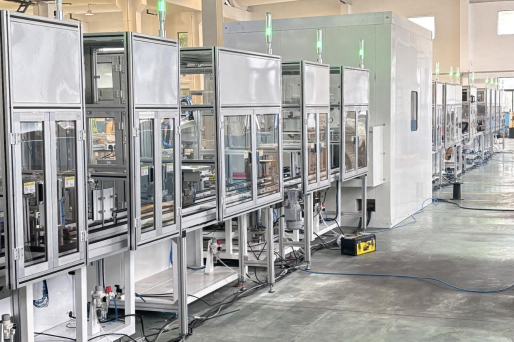
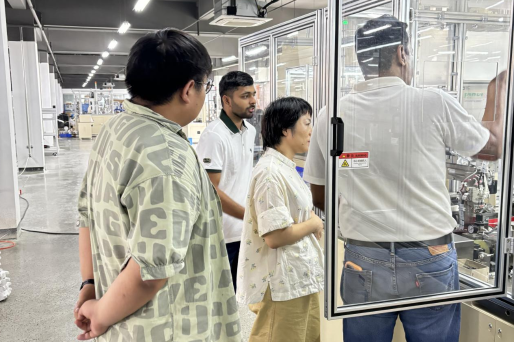
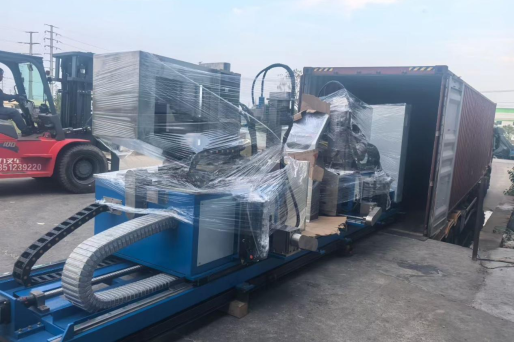
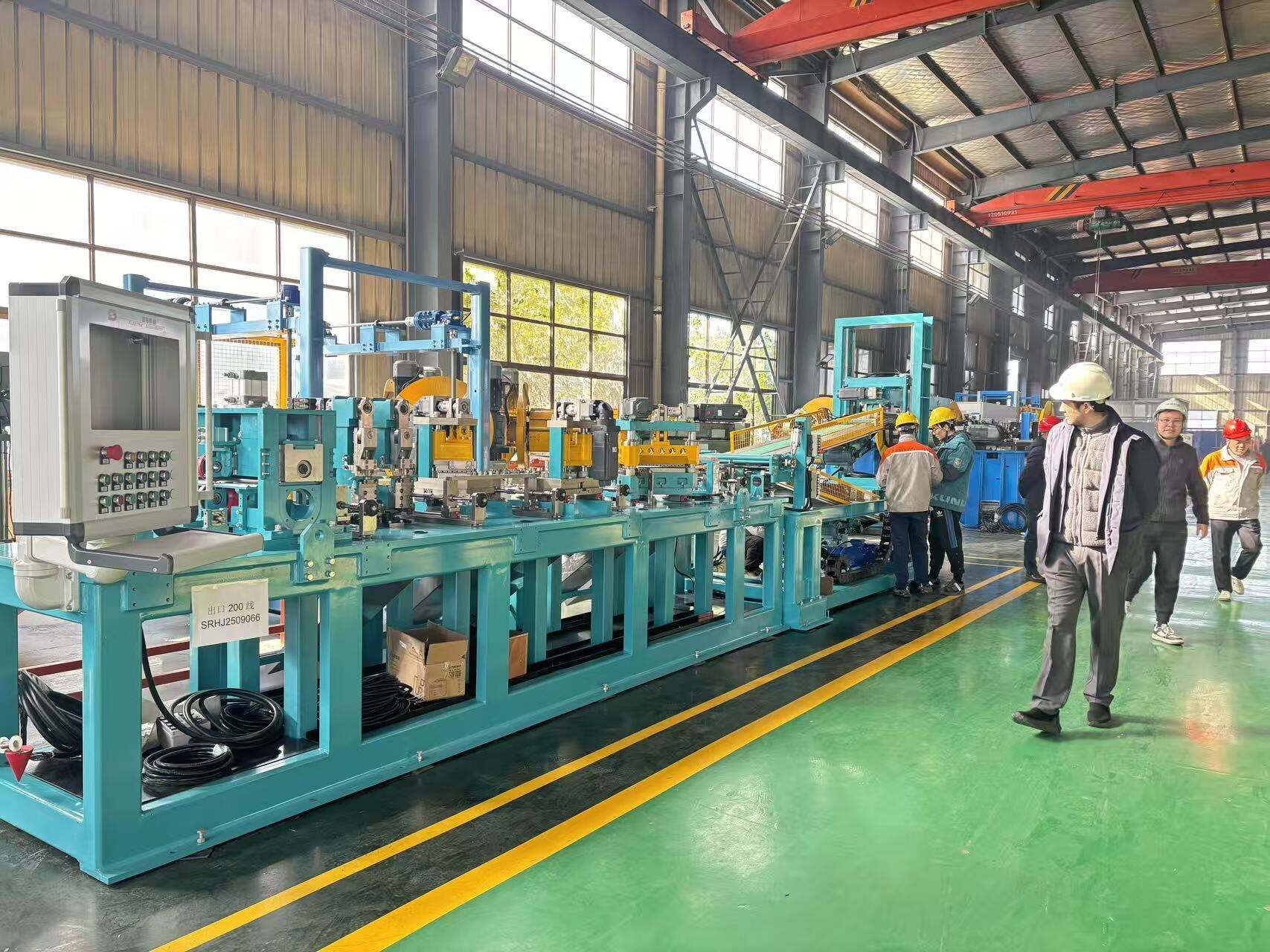
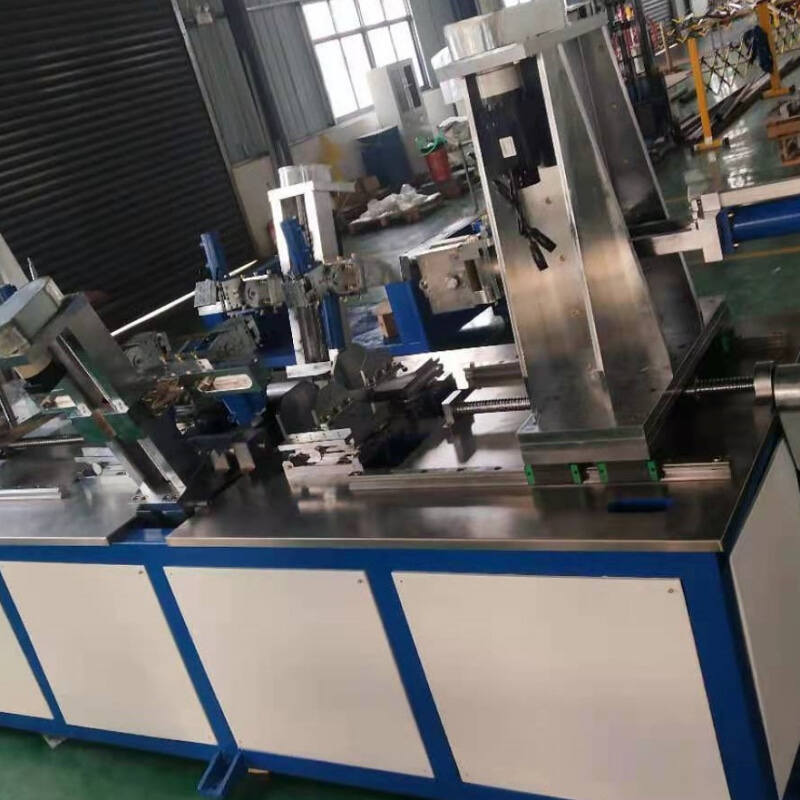
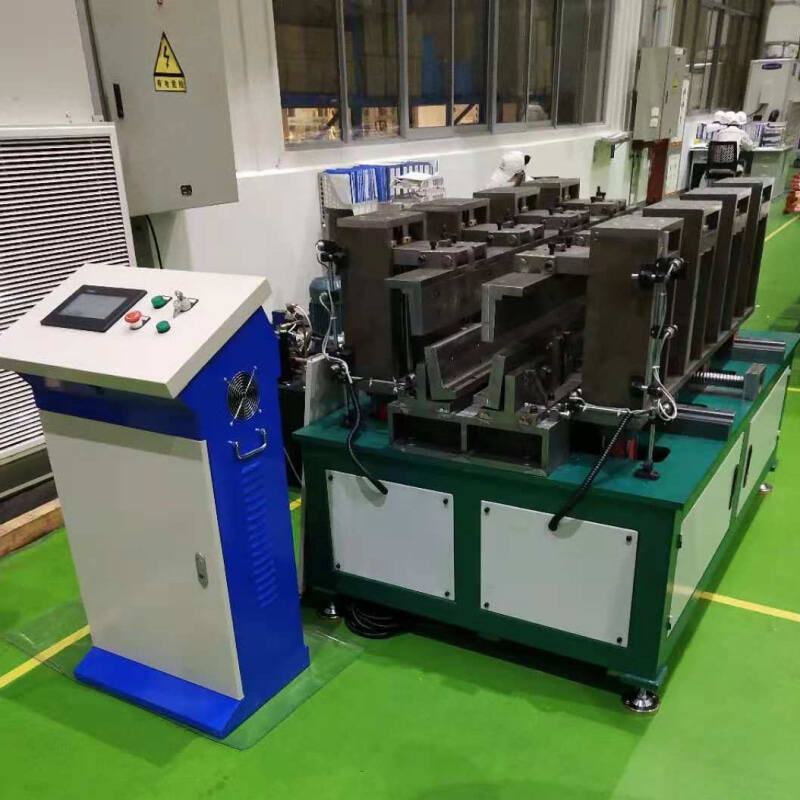
Professional Transformer Core Cutting Services - Precision Manufacturing Solutions

Get a Free Quote

Our representative will contact you soon.
Email
Name
Mobile/WhatsApp
Company Name
Message
0/1000

transformer core cutting

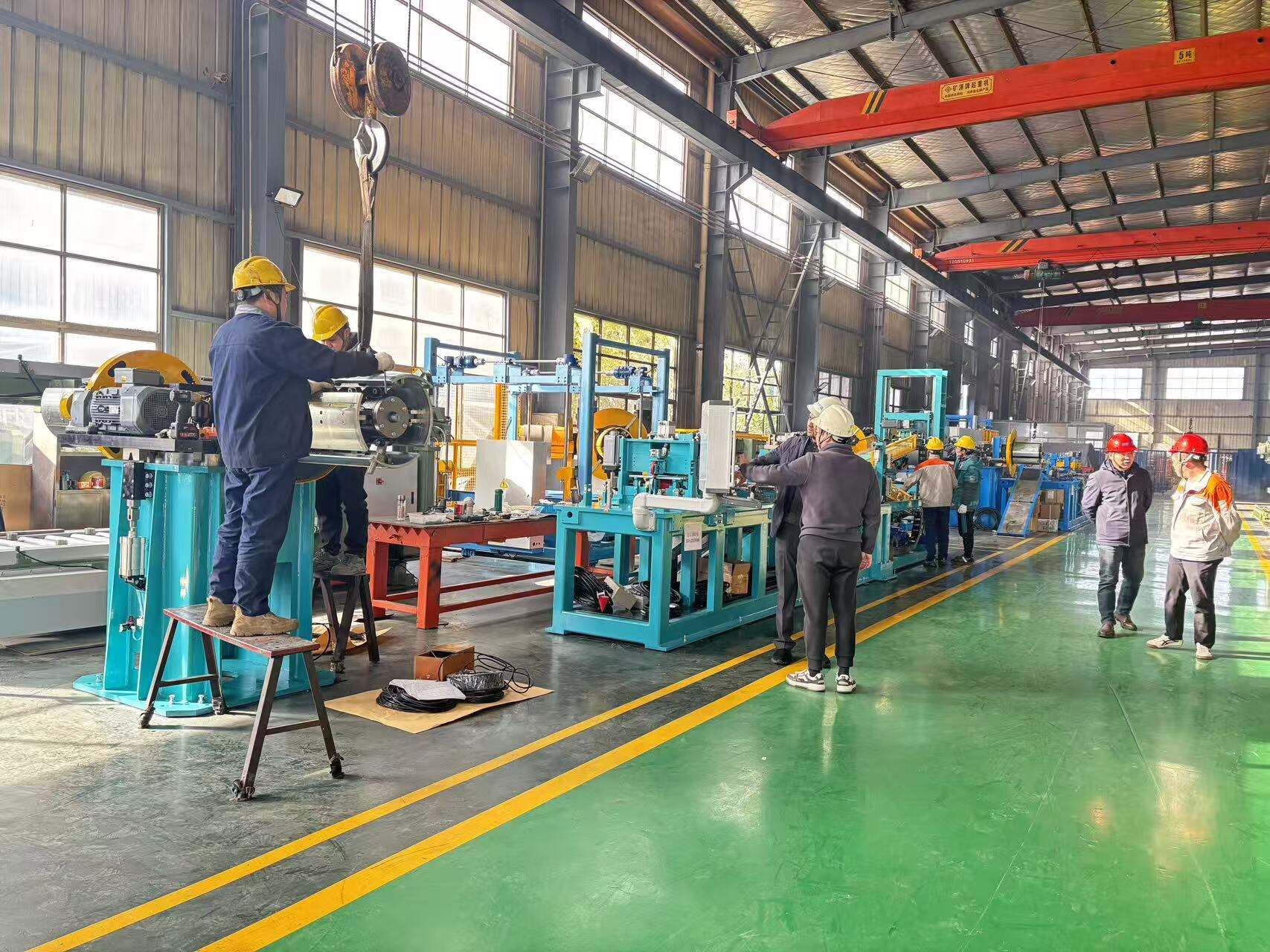
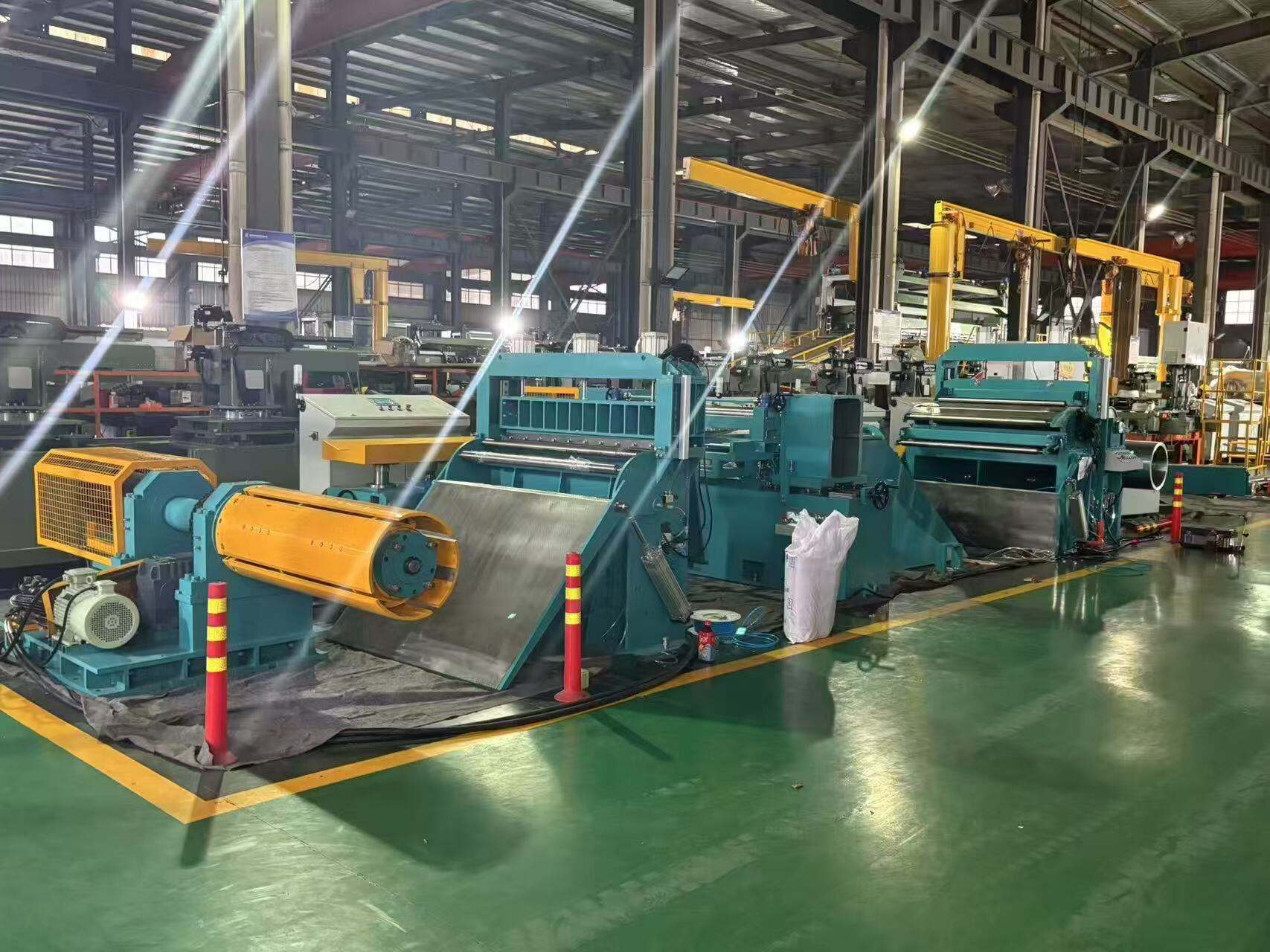
Transformer core cutting represents a critical manufacturing process in the electrical equipment industry, serving as the foundation for creating efficient and reliable transformer cores. This specialized technique involves precision slicing of electrical steel laminations that form the magnetic core of transformers. The transformer core cutting process utilizes advanced machinery and cutting methods to shape silicon steel sheets into specific configurations required for various transformer designs. The main function of transformer core cutting is to produce laminated core components with exact dimensions and minimal material waste, ensuring optimal magnetic flux distribution and reduced energy losses. Modern transformer core cutting operations employ computer-controlled systems that guarantee consistent quality across large production runs. The technological features of this process include laser cutting, shearing, and stamping methods, each suited to different production volumes and precision requirements. Laser-based transformer core cutting offers exceptional accuracy for complex geometries, while traditional shearing methods provide cost-effective solutions for standard designs. The process accommodates various core types including EI cores, toroidal cores, and shell-type configurations. Applications of transformer core cutting span multiple industries, from power distribution systems and renewable energy installations to industrial machinery and consumer electronics. Manufacturing facilities rely on transformer core cutting to produce cores for step-up transformers, step-down transformers, isolation transformers, and auto-transformers. The versatility of modern cutting techniques enables customization for specialized applications such as high-frequency transformers used in switching power supplies and audio equipment. Quality control measures integrated into the transformer core cutting process ensure that each lamination meets strict tolerances for thickness, flatness, and edge quality, which directly impact transformer performance and longevity.

New Product Recommendations

The advantages of transformer core cutting extend far beyond simple material processing, offering tangible benefits that directly impact your bottom line and product quality. First and foremost, precision cutting reduces material waste significantly, which translates to lower raw material costs for your production. When you invest in quality cutting processes, you eliminate unnecessary scrap and maximize the utilization of expensive electrical steel. This efficiency means you pay only for what you actually use in your transformers. The accuracy achieved through modern cutting methods ensures that every lamination fits perfectly during assembly, saving valuable time on the production floor. Your workers spend less time adjusting and reworking parts, allowing them to focus on assembly speed and quality. Another substantial advantage comes from the improved magnetic properties that result from clean, burr-free cuts. When edges are smooth and precise, the magnetic flux flows more efficiently through the core, reducing energy losses and improving overall transformer performance. Your customers benefit from transformers that operate cooler and consume less energy, which enhances your product reputation. The flexibility offered by advanced cutting technology allows you to quickly adapt to different design requirements without extensive retooling. Whether you need small batches of custom cores or large production runs of standard configurations, modern cutting equipment handles both scenarios efficiently. This versatility enables you to respond rapidly to market demands and customer specifications. Speed is another critical advantage, as automated cutting systems process materials much faster than manual methods. Higher production throughput means you can fulfill orders quicker and take on more projects without expanding your workforce. The consistency delivered by computer-controlled cutting eliminates variations between batches, ensuring that every transformer you produce meets the same high standards. This reliability reduces warranty claims and customer complaints, protecting your brand reputation. Cost savings accumulate across multiple areas including reduced labor requirements, lower rejection rates, and minimal rework needs. The initial investment in quality cutting equipment pays for itself through these ongoing operational savings. Additionally, cleaner cuts reduce the risk of short circuits between laminations, which could cause transformer failure. Better edge quality means improved insulation between layers, extending the service life of your products. Your customers appreciate transformers that last longer and require less maintenance, creating opportunities for repeat business and referrals.

Latest News

January 15th, 2026 Air Conditioner BLDC Motor Production line Dispatch to India

08

Apr

January 15th, 2026 Air Conditioner BLDC Motor Production line Dispatch to India

View More
August 30th, 2025, 45W Air conditioner ODU BLDC motor Assembly line Inspection From India customer

08

Apr

August 30th, 2025, 45W Air conditioner ODU BLDC motor Assembly line Inspection From India customer

View More
January 5th , 2026 CNC Coil Forming Machine For High Voltage Motors dispatched to UZ (Uzbekistan)

07

Apr

January 5th , 2026 CNC Coil Forming Machine For High Voltage Motors dispatched to UZ (Uzbekistan)

View More

Get a Free Quote

Our representative will contact you soon.
Email
Name
Mobile/WhatsApp
Company Name
Message
0/1000

transformer core cutting

Precision Engineering for Maximum Efficiency

Precision Engineering for Maximum Efficiency

The precision engineering inherent in transformer core cutting stands as a cornerstone advantage that revolutionizes how manufacturers approach core production. When you examine the intricate requirements of transformer construction, the need for exact dimensional accuracy becomes immediately apparent. Modern transformer core cutting technology achieves tolerances measured in microns, ensuring that each lamination aligns perfectly with its neighbors during stacking. This level of precision directly influences the magnetic circuit efficiency, as even minor gaps or misalignments can create air pockets that disrupt magnetic flux pathways. The cutting process employs sophisticated measurement systems that continuously monitor blade position and material feed rates, making real-time adjustments to maintain consistent quality throughout production runs. For manufacturers, this means every transformer core cutting operation delivers predictable results regardless of production volume. The engineering excellence extends to how cutting equipment handles different materials, automatically adjusting parameters for varying steel grades and thicknesses. Silicon steel used in transformer cores requires special consideration due to its magnetic properties and brittleness, and precision cutting systems account for these characteristics to prevent edge damage or deformation. Clean cuts without burrs or rough edges preserve the insulating coating on electrical steel, which prevents eddy current losses between laminations. The economic impact of this precision cannot be overstated, as it eliminates the need for secondary finishing operations that add time and cost to production. Manufacturers benefit from streamlined workflows where cut laminations move directly to assembly without additional processing steps. The precision also enables tighter nesting patterns during cutting, maximizing material utilization and reducing waste percentages to single digits. Advanced nesting software calculates optimal layout configurations before cutting begins, ensuring that expensive electrical steel yields the maximum number of usable laminations per sheet. This intelligent approach to transformer core cutting combines engineering precision with practical cost management, delivering benefits that compound across thousands of units produced annually.
Versatile Production Capabilities for Diverse Applications

Versatile Production Capabilities for Diverse Applications

The versatile production capabilities enabled by modern transformer core cutting technology empower manufacturers to serve diverse market segments with a single equipment investment. This adaptability represents tremendous value in today's dynamic marketplace where customer requirements constantly evolve and product specifications vary widely across applications. Traditional cutting methods often locked manufacturers into producing specific core types, requiring substantial retooling expenses when switching between product lines. Contemporary transformer core cutting systems eliminate these constraints through programmable controls that store unlimited design configurations and recall them instantly. A manufacturer can produce small EI cores for consumer electronics in the morning and switch to large toroidal cores for industrial transformers in the afternoon, all without manual adjustments or specialized tooling changes. This flexibility dramatically reduces setup times and allows businesses to accept smaller order quantities profitably, opening opportunities in niche markets that larger competitors cannot serve economically. The capability to handle various material thicknesses within the same production run further enhances versatility, as some transformer designs require different lamination gauges in specific core sections. Advanced cutting systems automatically adjust blade pressure, cutting speed, and feed rates when processing materials ranging from thin 0.23mm sheets to thicker 0.50mm laminations. For businesses exploring new markets, this versatility eliminates the risk associated with specialized equipment purchases that might become obsolete if product strategies change. The transformer core cutting equipment serves as a universal platform that grows with your business, accommodating new designs and specifications as they emerge. Prototype development benefits immensely from this versatility, as engineers can test multiple core configurations quickly without waiting for specialized tooling or outsourcing prototype production. Rapid iteration accelerates product development cycles, helping you bring new transformer models to market faster than competitors relying on rigid manufacturing systems. The ability to produce custom core shapes for specialized applications creates differentiation opportunities in crowded markets, allowing you to offer solutions that standard products cannot provide. Customers increasingly value suppliers who can deliver tailored solutions rather than forcing their designs to conform to limited standard options available.
Cost-Effective Operations with Long-Term Reliability

Cost-Effective Operations with Long-Term Reliability

Cost-effective operations achieved through efficient transformer core cutting processes deliver sustained competitive advantages that extend far beyond initial equipment investment considerations. When evaluating manufacturing technologies, smart businesses look beyond purchase price to examine total cost of ownership, including maintenance expenses, operational efficiency, and equipment longevity. Modern transformer core cutting systems excel across all these dimensions, providing economic benefits that accumulate year after year. The automation integrated into these systems reduces labor requirements substantially, allowing fewer operators to oversee higher production volumes than manual cutting methods ever achieved. This productivity enhancement directly impacts per-unit production costs, improving profit margins on every transformer manufactured. Energy efficiency represents another significant cost factor, as advanced cutting equipment consumes less power while delivering superior performance compared to older hydraulic systems. Lower energy consumption reduces operating expenses while supporting corporate sustainability initiatives that increasingly influence customer purchasing decisions. Maintenance costs remain minimal due to robust construction and intelligent diagnostic systems that predict component wear before failures occur. Scheduled maintenance based on actual operating conditions prevents unexpected downtime that disrupts production schedules and strains customer relationships. The reliability of modern transformer core cutting equipment means you can commit to delivery schedules with confidence, knowing that your production capabilities remain consistent. Reduced downtime translates directly to higher equipment utilization rates, maximizing return on your capital investment. Quality consistency achieved through automated cutting eliminates costs associated with rejected parts, rework, and warranty claims that erode profitability. When every lamination meets specifications on the first pass, you avoid expensive scrap disposal fees and the hidden costs of production delays caused by quality issues. The transformer core cutting process also preserves material value by maintaining clean edges and minimal deformation, ensuring that laminations perform as designed throughout the transformer's service life. Long-term reliability extends to the transformers themselves, as precision-cut cores operate more efficiently with less heat generation and lower noise levels. These performance characteristics reduce field service requirements and extend maintenance intervals, creating value for your customers while reducing your support costs. The reputation benefits of delivering consistently reliable products generate referral business and command premium pricing in competitive markets.

Get a Free Quote

Our representative will contact you soon.
Email
Name
Mobile/WhatsApp
Company Name
Message
0/1000