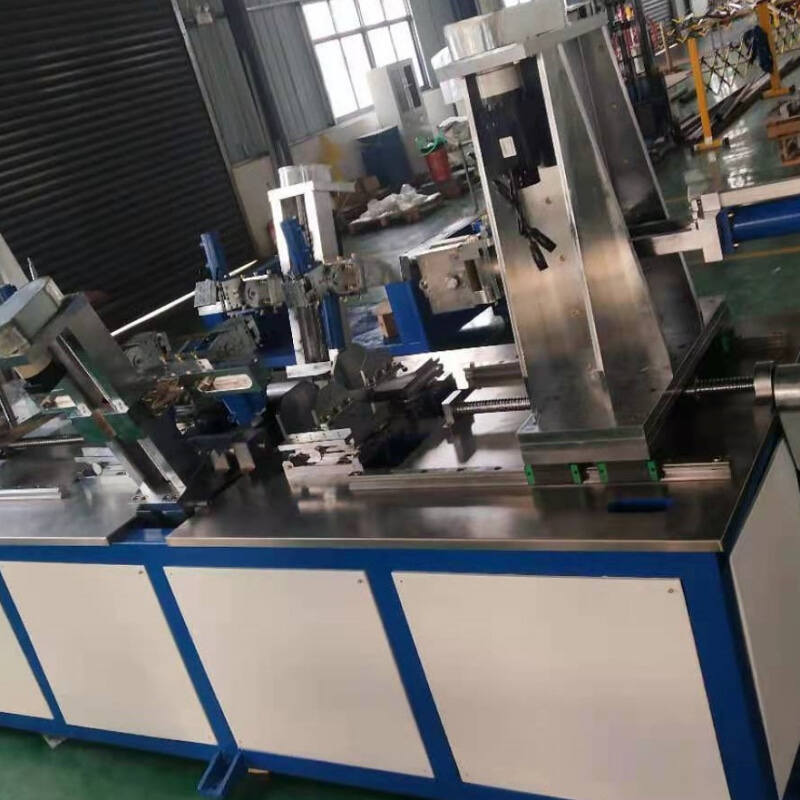
Transformer Winding Machine Price Guide: Features, Benefits & Cost-Effective Solutions for Quality Production

Get a Free Quote

Our representative will contact you soon.
Email
Name
Mobile/WhatsApp
Company Name
Message
0/1000

transformer winding machine price

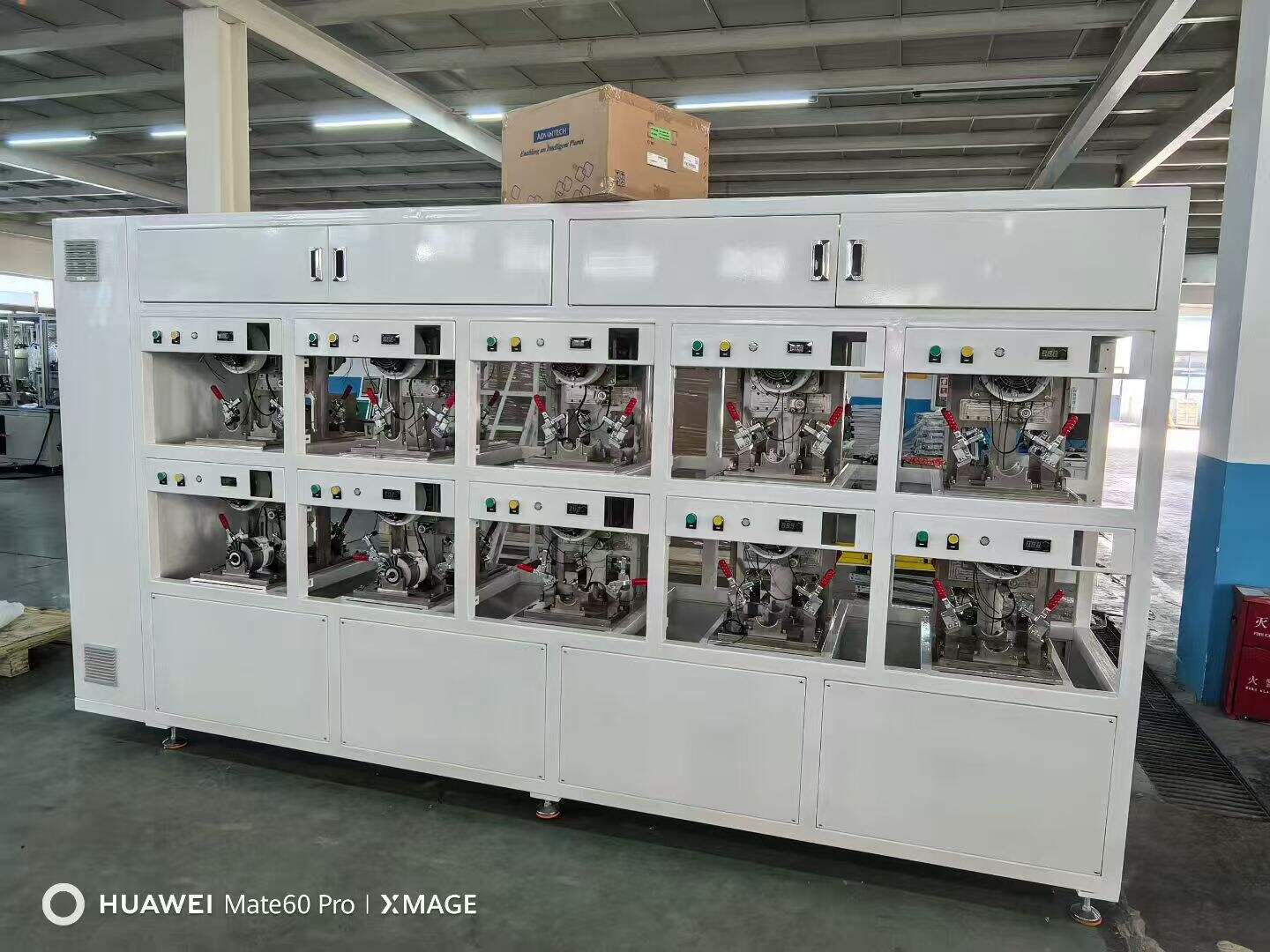
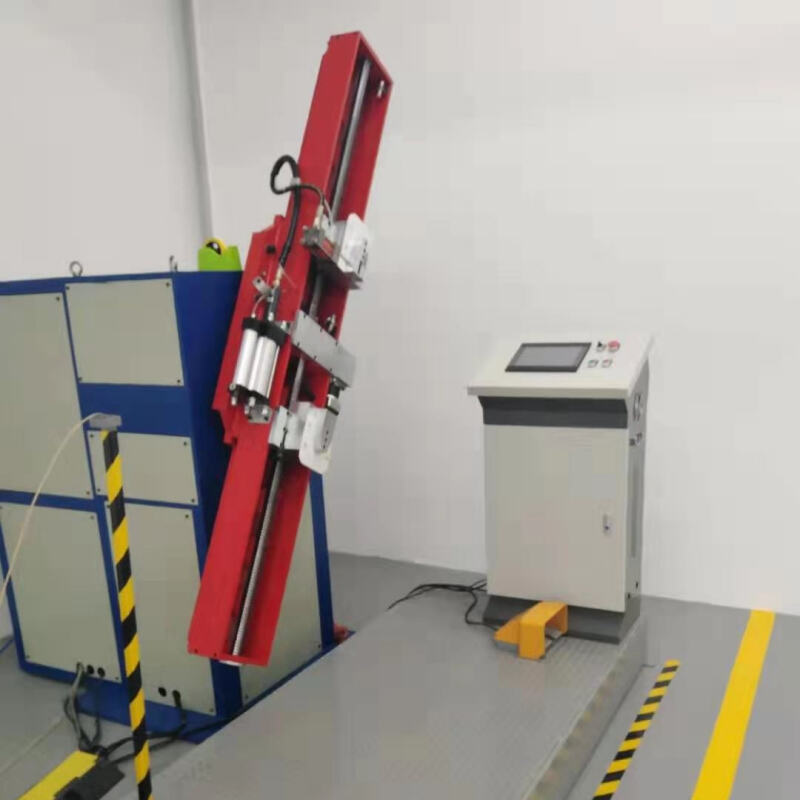
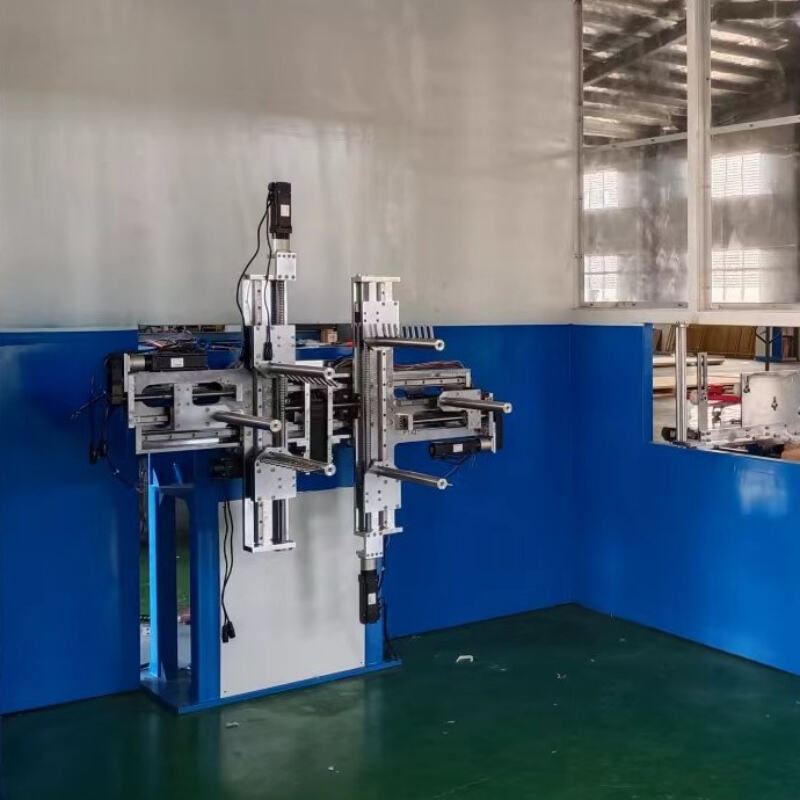
Understanding the transformer winding machine price requires a comprehensive look at what these sophisticated devices offer to manufacturers and electrical equipment producers. A transformer winding machine represents a critical investment for businesses involved in transformer production, ranging from small distribution transformers to large power transformers. The transformer winding machine price typically varies based on automation level, winding capacity, precision requirements, and additional features integrated into the system. These machines serve the fundamental purpose of wrapping copper or aluminum wire around transformer cores with exact precision, ensuring optimal electrical performance and reliability. Modern winding equipment incorporates advanced control systems, programmable logic controllers, and servo motors that deliver consistent tension control throughout the winding process. When evaluating transformer winding machine price options, buyers should consider the machine's ability to handle different wire gauges, core sizes, and winding patterns. The technological features embedded in contemporary winding machines include digital tension control systems, automatic wire feeding mechanisms, programmable winding patterns, and real-time monitoring capabilities. These machines find applications across diverse sectors including power distribution, renewable energy systems, automotive electronics, industrial equipment manufacturing, and consumer electronics production. The transformer winding machine price reflects the engineering sophistication required to achieve micron-level precision in wire placement, which directly impacts transformer efficiency and performance. Manufacturers utilize these machines to produce step-up transformers, step-down transformers, isolation transformers, and autotransformers for countless applications. The investment in quality winding equipment pays dividends through reduced labor costs, improved product consistency, minimized material waste, and enhanced production capacity. Different models accommodate various production scales, from compact benchtop units suitable for prototype development and small-batch production to fully automated industrial systems capable of continuous high-volume manufacturing. The transformer winding machine price consideration must account for long-term operational costs, maintenance requirements, energy consumption, and the potential for future upgrades or expansions.

New Product Releases

Investing in quality winding equipment delivers substantial practical benefits that directly impact your bottom line and operational efficiency. The transformer winding machine price represents an investment that transforms manufacturing capabilities through automation and precision. First and foremost, these machines dramatically reduce labor requirements by automating the tedious and skill-intensive process of manual winding. A single operator can manage multiple machines simultaneously, multiplying productivity without proportionally increasing workforce costs. This automation advantage becomes particularly valuable when facing skilled labor shortages or rising wage pressures. The consistency delivered by automated winding equipment eliminates the variability inherent in manual processes, ensuring every transformer meets exact specifications regardless of which shift produces it. This consistency translates directly into reduced warranty claims, fewer customer complaints, and stronger brand reputation. Speed represents another compelling advantage, as modern winding machines complete tasks in fractions of the time required for manual winding. Faster production cycles mean quicker order fulfillment, improved cash flow, and the ability to accept more projects without expanding facility space. The precision offered by computerized winding systems minimizes material waste by placing wires exactly where needed without gaps, overlaps, or mistakes that require costly rework. When copper and aluminum prices fluctuate, this material efficiency directly protects profit margins. Safety improvements also justify the transformer winding machine price, as automation removes workers from repetitive strain injuries and potential electrical hazards associated with handling live components. Modern machines incorporate safety interlocks, emergency stops, and protective guards that create safer work environments while reducing insurance premiums and workers compensation claims. The data collection capabilities built into contemporary winding machines provide valuable production insights, enabling managers to identify bottlenecks, optimize processes, and make evidence-based decisions about resource allocation. Quality control becomes more effective when machines automatically log tension readings, winding counts, and process parameters for every unit produced. Flexibility adds further value, as programmable machines quickly switch between different transformer designs without extensive retooling or setup time. This adaptability proves essential for manufacturers serving diverse markets or producing customized transformers for specific applications. Energy efficiency in modern winding equipment reduces operational costs while supporting sustainability initiatives that increasingly matter to corporate customers. The transformer winding machine price may seem substantial initially, but the cumulative savings from labor reduction, material efficiency, quality improvement, and production speed typically deliver return on investment within reasonable timeframes. Maintenance requirements for quality machines remain minimal, with robust construction ensuring years of reliable service. Technical support and replacement parts availability from reputable manufacturers provide additional peace of mind that production will continue uninterrupted.

Latest News

January 15th, 2026 Air Conditioner BLDC Motor Production line Dispatch to India

08

Apr

January 15th, 2026 Air Conditioner BLDC Motor Production line Dispatch to India

View More
August 30th, 2025, 45W Air conditioner ODU BLDC motor Assembly line Inspection From India customer

08

Apr

August 30th, 2025, 45W Air conditioner ODU BLDC motor Assembly line Inspection From India customer

View More
January 5th , 2026 CNC Coil Forming Machine For High Voltage Motors dispatched to UZ (Uzbekistan)

07

Apr

January 5th , 2026 CNC Coil Forming Machine For High Voltage Motors dispatched to UZ (Uzbekistan)

View More

Get a Free Quote

Our representative will contact you soon.
Email
Name
Mobile/WhatsApp
Company Name
Message
0/1000

transformer winding machine price

Advanced Automation Technology Maximizes Production Efficiency

Advanced Automation Technology Maximizes Production Efficiency

The technological sophistication embedded in modern winding equipment fundamentally transforms how manufacturers approach transformer production, making the transformer winding machine price a strategic investment in competitive advantage. Advanced automation technology serves as the cornerstone of contemporary winding machines, incorporating programmable logic controllers that execute complex winding patterns with mathematical precision. These control systems allow operators to input detailed specifications through intuitive touchscreen interfaces, defining parameters such as wire gauge, number of turns, winding tension, layer transitions, and tapping points. Once programmed, the machine replicates these specifications flawlessly across thousands of production cycles without deviation or fatigue. Servo motor technology provides the muscle behind this precision, delivering smooth acceleration and deceleration while maintaining exact speed control throughout each winding operation. The servo systems continuously adjust motor output based on real-time feedback from position sensors and tension monitors, compensating instantly for any variations in wire properties or core characteristics. This closed-loop control eliminates the inconsistencies that plague manual winding operations where human operators struggle to maintain uniform tension as their attention wavers or fatigue sets in throughout long shifts. Automatic wire feeding systems integrated into advanced machines eliminate manual handling, pulling wire from supply spools through precision guides that maintain proper alignment and prevent tangling or kinking. These feeding mechanisms incorporate dancer arms or electronic tension sensors that provide constant feedback to the control system, enabling dynamic tension adjustments that accommodate different wire materials, diameters, and insulation types. The automation extends to wire cutting and termination processes, with some machines automatically stripping insulation, forming connection loops, and positioning leads for subsequent soldering or crimping operations. Layer transition capabilities represent another automation advantage, as the machine automatically shifts winding position when completing each layer, applies insulation tape if required, and begins the next layer with proper wire positioning and tension. This eliminates the manual intervention traditionally required between layers, reducing production time and potential for human error. Advanced machines also incorporate automatic core loading and unloading systems for high-volume production environments, with robotic arms or conveyor mechanisms that position cores precisely for winding and remove completed assemblies without operator handling. The transformer winding machine price for fully automated systems reflects these sophisticated capabilities that enable lights-out manufacturing where machines continue producing quality transformers during unmanned shifts. Production monitoring dashboards display real-time status information, alert operators to potential issues before they cause defects, and collect performance data that management teams analyze to optimize overall equipment effectiveness.
Precision Engineering Ensures Superior Product Quality

Precision Engineering Ensures Superior Product Quality

The precision engineering inherent in quality winding equipment directly addresses the critical tolerance requirements that determine transformer performance, reliability, and longevity, justifying the transformer winding machine price through measurable quality improvements. Precision begins with the mechanical construction of the winding machine itself, utilizing rigid frames manufactured from heavy-gauge steel or cast iron that resist deflection under operational loads. This structural stability ensures that all moving components maintain exact spatial relationships throughout extended production runs, preventing the gradual drift in positioning accuracy that compromises winding quality. Linear guide rails and ball screws provide the motion systems that position wire guides and traverse mechanisms, offering micron-level positioning repeatability that ensures every wire lies exactly where the design specifies. This positioning accuracy becomes crucial when producing transformers with tight physical constraints or when winding multiple coils that must fit precisely within limited core window spaces. Tension control systems represent perhaps the most critical precision element in winding technology, as wire tension directly affects transformer performance characteristics including efficiency, voltage regulation, and mechanical strength. Advanced machines employ load cells or strain gauges that continuously measure actual wire tension, feeding this data to control algorithms that adjust motor torque or brake resistance to maintain user-specified tension values regardless of variations in wire diameter, spool inertia, or winding speed. This active tension control prevents loose windings that allow coil movement and subsequent insulation breakdown, while also avoiding excessive tension that stretches wire and creates internal stresses leading to premature failure. The precision extends to turn counting accuracy, with optical or magnetic sensors that verify each individual turn rather than relying on mechanical counters prone to skipping or double-counting. This ensures that transformers achieve their designed turns ratios, delivering specified voltage transformations without the trial-and-error adjustments required when turn counts prove inaccurate. Wire guide positioning systems maintain optimal wire feed angles throughout the winding process, preventing scraping against core edges that damages insulation and creates potential short-circuit paths. These guides automatically adjust their positions as winding diameter increases with each layer, maintaining consistent wire approach angles that minimize mechanical stress and insulation wear. Temperature monitoring capabilities in advanced machines track motor temperatures, bearing conditions, and even wire temperature during high-speed winding operations, providing early warnings of potential mechanical issues before they compromise product quality. Some sophisticated systems incorporate vision systems that optically inspect winding progress, detecting crossed wires, gaps between turns, or other anomalies that would escape human visual inspection. The transformer winding machine price for precision-engineered equipment reflects the extensive research, development, and manufacturing expertise required to achieve these exacting performance standards. Quality control documentation automatically generated by precision machines provides complete traceability for every transformer produced, recording all process parameters and inspection results that satisfy quality management system requirements and customer audit demands.
Versatile Configuration Options Accommodate Diverse Production Requirements

Versatile Configuration Options Accommodate Diverse Production Requirements

The adaptability and configuration flexibility offered by modern winding equipment enables manufacturers to address varied production requirements with a single investment, making the transformer winding machine price represent value across multiple product lines and market segments. Versatility begins with adjustable spindle configurations that accommodate different core sizes and shapes, from small toroidal cores measuring just centimeters in diameter to large rectangular cores for industrial power transformers. Quick-change mounting systems allow operators to swap spindle sizes or configurations in minutes rather than hours, minimizing setup time when transitioning between different transformer models. This flexibility proves essential for manufacturers serving diverse markets or producing customized transformers where production runs may involve frequent changeovers between different core geometries. Wire handling versatility enables the same machine to process various conductor materials including copper, aluminum, and specialized alloys, while accommodating wire gauges ranging from fine magnet wire to heavy rectangular conductors used in high-current applications. Automatic wire guides adjust their sizing to match the conductor being wound, maintaining optimal clearances that guide wire placement without causing insulation damage. Multi-spindle configurations available on advanced machines enable simultaneous winding of multiple coils, dramatically increasing production capacity for high-volume transformer models. These multi-station systems allow a single operator to manage parallel production streams, effectively multiplying output without proportionally increasing labor costs or floor space requirements. The transformer winding machine price for multi-spindle configurations reflects their production multiplication capabilities that transform manufacturing economics for high-volume producers. Programming versatility allows operators to store unlimited winding recipes in machine memory, instantly recalling specifications for different transformer models without manual calculation or setup measurements. This recipe management capability reduces setup errors, accelerates changeovers, and preserves accumulated process knowledge even when experienced operators retire or move to different positions. Some advanced systems include simulation modes that allow programming and testing new winding patterns without consuming materials or production time, identifying potential issues before committing to physical production. Modular design philosophies adopted by forward-thinking manufacturers enable equipment upgrades and capability expansions without replacing entire machines. Customers can initially purchase base configurations that meet immediate needs, then add optional modules for automatic taping, lead forming, or quality inspection as production requirements evolve. This modular approach distributes capital investment over time while ensuring equipment capabilities keep pace with business growth. Integration capabilities with upstream and downstream production equipment create seamless manufacturing workflows where core preparation, winding, insulation treatment, and assembly operations connect through automated material handling and data communication systems. The transformer winding machine price for integration-ready equipment includes communication protocols and mechanical interfaces that simplify connection to existing factory infrastructure. Tooling versatility allows the same basic machine platform to produce transformers, inductors, coils, and other wound components, maximizing equipment utilization across diverse product portfolios. This multi-product capability proves particularly valuable for manufacturers entering new markets or diversifying their offerings to reduce dependence on single customer segments.

Get a Free Quote

Our representative will contact you soon.
Email
Name
Mobile/WhatsApp
Company Name
Message
0/1000