Automatic Packaging System Solutions - Advanced Automation for Efficient Production

Get a Free Quote

Our representative will contact you soon.
Email
Name
Mobile/WhatsApp
Company Name
Message
0/1000

automatic packaging system

An automatic packaging system represents a comprehensive solution designed to streamline and enhance the entire packaging process within manufacturing and distribution facilities. This sophisticated technology integrates multiple components including conveyor belts, robotic arms, sensors, control software, and packaging machinery to create a seamless workflow from product handling to final package sealing. The primary functions of an automatic packaging system encompass product feeding, sorting, filling, wrapping, sealing, labeling, and palletizing, all executed with minimal human intervention. Modern automatic packaging systems utilize advanced sensors and vision technology to detect product dimensions, weights, and positioning, ensuring precise handling throughout every stage. The control software acts as the brain of the operation, coordinating timing, speed adjustments, and quality checks while maintaining detailed production records. Technological features include programmable logic controllers that allow operators to customize packaging parameters for different product types, touchscreen interfaces for intuitive operation, and integration capabilities with existing enterprise resource planning systems. These systems can handle diverse packaging materials such as cardboard boxes, plastic films, shrink wrap, and specialized containers, adapting to various product shapes and sizes. Applications span across numerous industries including food and beverage, pharmaceuticals, cosmetics, electronics, automotive parts, and consumer goods. In food processing facilities, automatic packaging systems maintain hygiene standards while protecting products from contamination. Pharmaceutical companies rely on these systems to ensure accurate dosing and tamper-evident packaging that complies with regulatory requirements. The versatility of automatic packaging systems makes them invaluable for businesses ranging from small-scale operations to large industrial manufacturers seeking to optimize their packaging lines and meet growing consumer demand efficiently.

New Products

Implementing an automatic packaging system delivers substantial cost savings by reducing labor expenses and minimizing material waste through precise measurement and cutting. Companies typically see a return on investment within two to three years as the system operates continuously with consistent output quality. The speed advantage is remarkable, with automated lines processing hundreds or thousands of units per hour compared to manual packaging which handles only dozens in the same timeframe. This increased throughput allows businesses to fulfill larger orders, meet tight deadlines, and respond quickly to market demands without hiring additional staff. Quality consistency stands as another major benefit, as machines execute the same motions repeatedly without fatigue or variation, ensuring every package meets specifications. This uniformity reduces customer complaints, returns, and brand damage caused by poorly sealed or mislabeled products. Worker safety improves dramatically when an automatic packaging system handles repetitive tasks that previously caused strain injuries, back problems, and repetitive motion disorders among employees. Staff can transition to supervisory roles, quality control positions, or other value-added activities that better utilize their skills and judgment. The system provides real-time data tracking and reporting capabilities, giving managers visibility into production rates, downtime incidents, material consumption, and efficiency metrics. This information enables data-driven decisions about scheduling, maintenance planning, and process improvements. Flexibility is built into modern automatic packaging systems through quick-change tooling and programmable settings that accommodate seasonal products, promotional packaging, or new product launches without extensive retooling. The reduced footprint of integrated systems optimizes floor space utilization compared to multiple manual stations spread across the facility. Energy efficiency features lower utility costs while supporting corporate sustainability goals through reduced power consumption and optimized material usage. Automatic packaging systems maintain sanitary conditions more effectively than manual processes by limiting human contact with products, which is critical for food safety and pharmaceutical compliance. The professional appearance of machine-packaged products enhances shelf appeal and consumer perception of brand quality. Scalability allows businesses to start with basic automation and progressively add capabilities as production volumes grow, protecting the initial investment while accommodating expansion. Maintenance requirements are straightforward with accessible components, diagnostic alerts, and preventive maintenance schedules that minimize unexpected breakdowns. The competitive advantage gained through faster delivery times, lower prices from efficiency savings, and superior package quality helps businesses capture market share and build customer loyalty in increasingly demanding markets.

Practical Tips

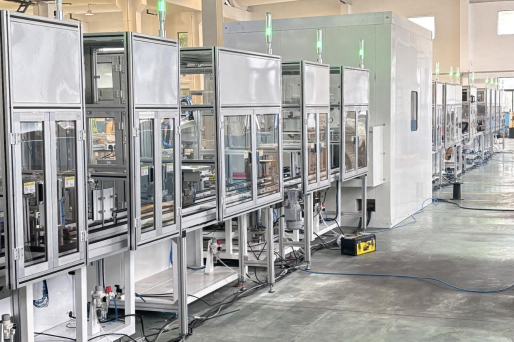
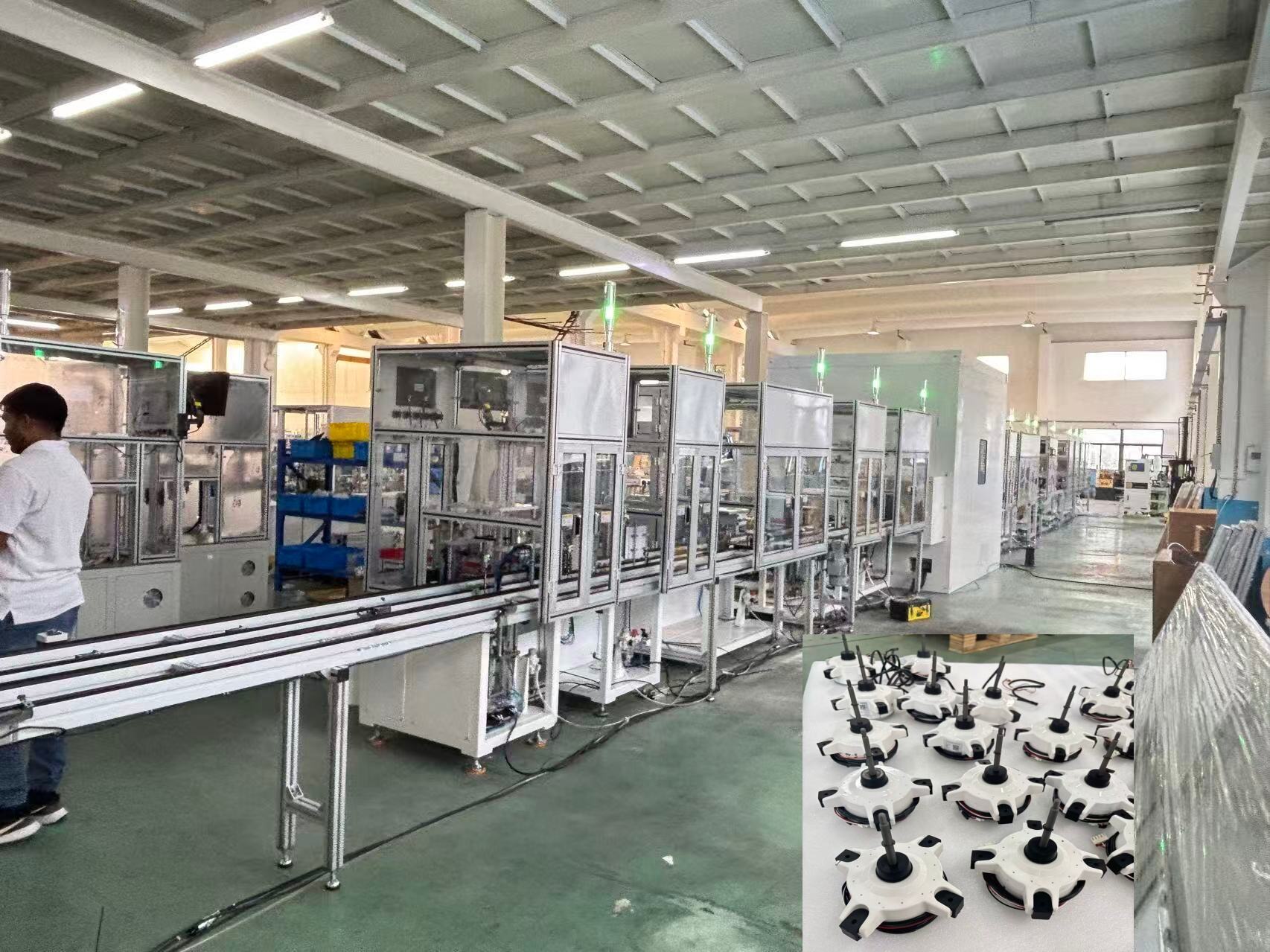
January 15th, 2026 Air Conditioner BLDC Motor Production line Dispatch to India

08

Apr

January 15th, 2026 Air Conditioner BLDC Motor Production line Dispatch to India

View More
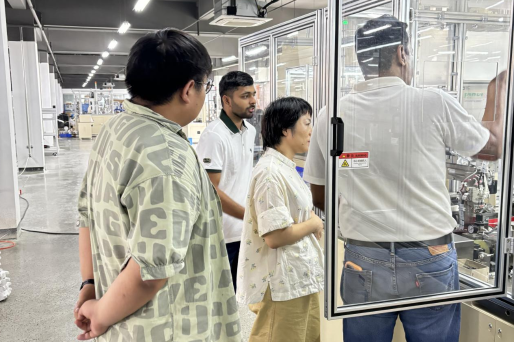
August 30th, 2025, 45W Air conditioner ODU BLDC motor Assembly line Inspection From India customer

08

Apr

August 30th, 2025, 45W Air conditioner ODU BLDC motor Assembly line Inspection From India customer

View More
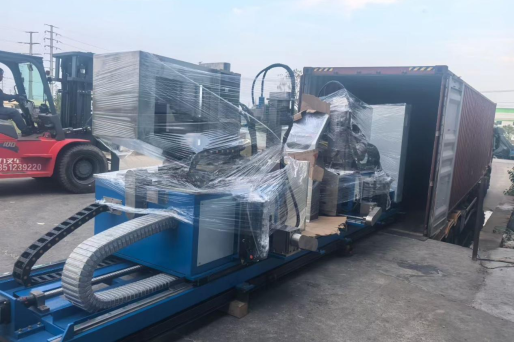
January 5th , 2026 CNC Coil Forming Machine For High Voltage Motors dispatched to UZ (Uzbekistan)

07

Apr

January 5th , 2026 CNC Coil Forming Machine For High Voltage Motors dispatched to UZ (Uzbekistan)

View More

Get a Free Quote

Our representative will contact you soon.
Email
Name
Mobile/WhatsApp
Company Name
Message
0/1000

automatic packaging system

Enhanced Production Efficiency and Speed

Enhanced Production Efficiency and Speed

The transformation in production efficiency represents perhaps the most compelling reason businesses invest in an automatic packaging system. Traditional manual packaging operations face inherent limitations in speed, with workers capable of handling only a finite number of packages per shift regardless of demand spikes or urgent orders. An automatic packaging system eliminates these bottlenecks by operating at consistent high speeds throughout entire production runs. Modern systems process between three hundred and fifteen hundred packages per hour depending on configuration and product complexity, a rate that would require dozens of manual workers to match. This acceleration means businesses can fulfill large contracts that would otherwise be impossible, accept rush orders that competitors cannot handle, and reduce lead times that improve customer satisfaction scores. The continuous operation capability allows production to run during night shifts and weekends without the challenges of staffing and overtime costs associated with manual labor. Speed consistency is equally important as the average throughput, because automatic packaging systems maintain their pace without the natural slowdowns that occur as human workers tire throughout their shifts. This reliability makes production scheduling more predictable and accurate, allowing supply chain managers to commit to delivery dates with confidence. The system's ability to quickly switch between different packaging formats through programmable settings adds another efficiency dimension, reducing changeover time from hours to minutes when transitioning between product lines. Integration with upstream manufacturing processes and downstream distribution systems creates a synchronized flow where products move seamlessly from production completion through packaging and into shipping containers without intermediate handling or storage. This end-to-end automation eliminates waiting time, reduces work-in-progress inventory, and accelerates cash conversion cycles. Quality inspection features embedded within the automatic packaging system catch defects in real-time, rejecting improperly sealed or labeled packages before they reach customers, which prevents costly recalls and protects brand reputation. The data collection capabilities provide unprecedented visibility into production metrics, allowing managers to identify inefficiencies, track performance trends, and implement continuous improvement initiatives based on objective evidence rather than assumptions. Remote monitoring features enable supervisors to oversee multiple packaging lines simultaneously and receive instant alerts about any issues requiring attention, maximizing the productivity of supervisory staff.
Significant Labor Cost Reduction and Workforce Optimization

Significant Labor Cost Reduction and Workforce Optimization

Labor costs represent one of the largest ongoing expenses for manufacturing operations, making the workforce optimization enabled by an automatic packaging system a transformative financial advantage. Companies implementing automation typically reduce their packaging labor requirements by sixty to eighty percent while simultaneously increasing output volumes. This reduction does not necessarily mean layoffs, as forward-thinking organizations redeploy workers into quality assurance roles, equipment maintenance positions, and process improvement teams where human judgment and problem-solving abilities add greater value than repetitive manual tasks. The automatic packaging system eliminates the constant challenge of recruiting, training, and retaining packaging workers in tight labor markets where turnover rates in manual packaging positions often exceed fifty percent annually. Training costs decrease substantially because operating an automated system requires only a small team of skilled technicians rather than a large workforce of packaging line workers who each need individual instruction. The system operates with consistent performance regardless of labor market conditions, protecting businesses from disruptions caused by difficulty finding qualified workers or unexpected absences. Overtime expenses disappear as the automatic packaging system maintains the same efficiency during extended runs without premium wage rates. Workers compensation insurance costs decline when fewer employees perform physically demanding tasks that historically generated injury claims for back strain, repetitive stress, and accidents involving packaging equipment. The ergonomic benefits extend beyond insurance savings to include improved workplace morale as remaining staff appreciate safer working conditions and more engaging responsibilities. An automatic packaging system also eliminates the productivity variability associated with different skill levels among manual workers, where experienced packers work faster than new hires, creating inefficiencies in line balancing and workforce scheduling. The consistency of automated operations means production planning becomes more accurate, inventory levels optimize, and customer commitments become more reliable. Seasonal demand fluctuations no longer require the expensive and disruptive cycle of hiring temporary workers during peak periods and laying them off afterward, as the automated system simply runs additional hours to meet increased volume. The professional development opportunities available to employees who transition from manual packaging roles to technical positions improve retention rates and build organizational capabilities in automation technology management. Investment in workforce training for system operation creates a more skilled employee base capable of supporting future automation initiatives across other operational areas.
Superior Package Quality and Brand Protection

Superior Package Quality and Brand Protection

Package quality directly influences consumer perception, purchase decisions, and brand loyalty, making the consistency delivered by an automatic packaging system a strategic marketing advantage beyond its operational benefits. Manual packaging inevitably produces variations in seal integrity, label placement, and overall presentation quality due to human factors including fatigue, distraction, and individual technique differences. An automatic packaging system executes each packaging operation with mechanical precision, ensuring every package leaving the line meets exact specifications for seal strength, label positioning, and visual appearance. This consistency is particularly critical for premium brands where packaging quality signals product value and justifies higher price points in competitive markets. The system's quality control sensors detect defects that human inspectors might miss, including incomplete seals, foreign material contamination, incorrect weights, and damaged packaging materials. Immediate rejection of defective packages prevents substandard products from reaching distribution channels where they could damage brand reputation and generate customer complaints. Traceability features embedded in modern automatic packaging systems record detailed information about each package including production date, batch number, equipment settings, and operator identity, creating an audit trail that supports quality investigations and regulatory compliance. This documentation capability is essential for industries like pharmaceuticals and food production where regulators require comprehensive records demonstrating adherence to safety standards. The hermetic sealing capabilities of automated equipment provide superior product protection against moisture, oxygen, and contaminants compared to manual sealing methods, extending shelf life and maintaining product freshness. This protection reduces spoilage rates, minimizes returns, and enhances customer satisfaction with product condition upon opening. Tamper-evident features integrated into the packaging process by the automatic packaging system provide security assurances that consumers increasingly expect, particularly for health and safety-sensitive products. Label accuracy improves dramatically as the system applies barcodes, nutritional information, and regulatory warnings with perfect alignment and readability, eliminating the scanning problems and compliance violations that occur with crooked or wrinkled labels. The professional appearance of machine-packaged products commands better shelf positioning in retail environments and creates positive first impressions that influence purchase decisions at the critical point of sale. Package consistency also simplifies logistics by ensuring uniform dimensions that optimize pallet loading, reduce shipping damage, and maximize container utilization for transportation cost efficiency. Brand protection extends to counterfeiting prevention as the precision and consistency of automatic packaging systems become difficult for counterfeiters to replicate, helping authentic products remain distinguishable in markets plagued by fake goods.

Get a Free Quote

Our representative will contact you soon.
Email
Name
Mobile/WhatsApp
Company Name
Message
0/1000