BLDC Motor Winding Machines - Advanced Automated Solutions for Precision Motor Manufacturing

Get a Free Quote

Our representative will contact you soon.
Email
Name
Mobile/WhatsApp
Company Name
Message
0/1000

bldc motor winding machines

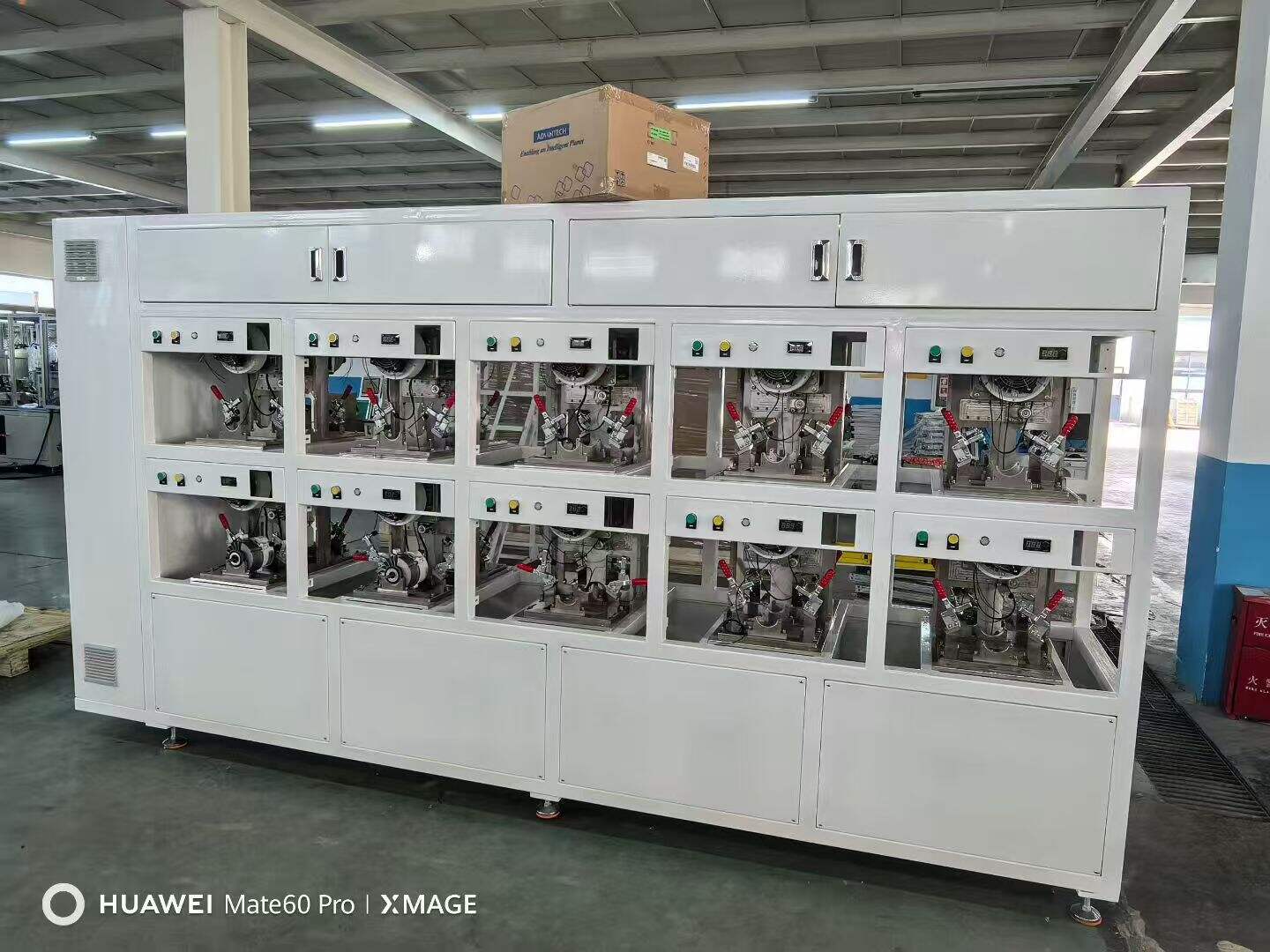
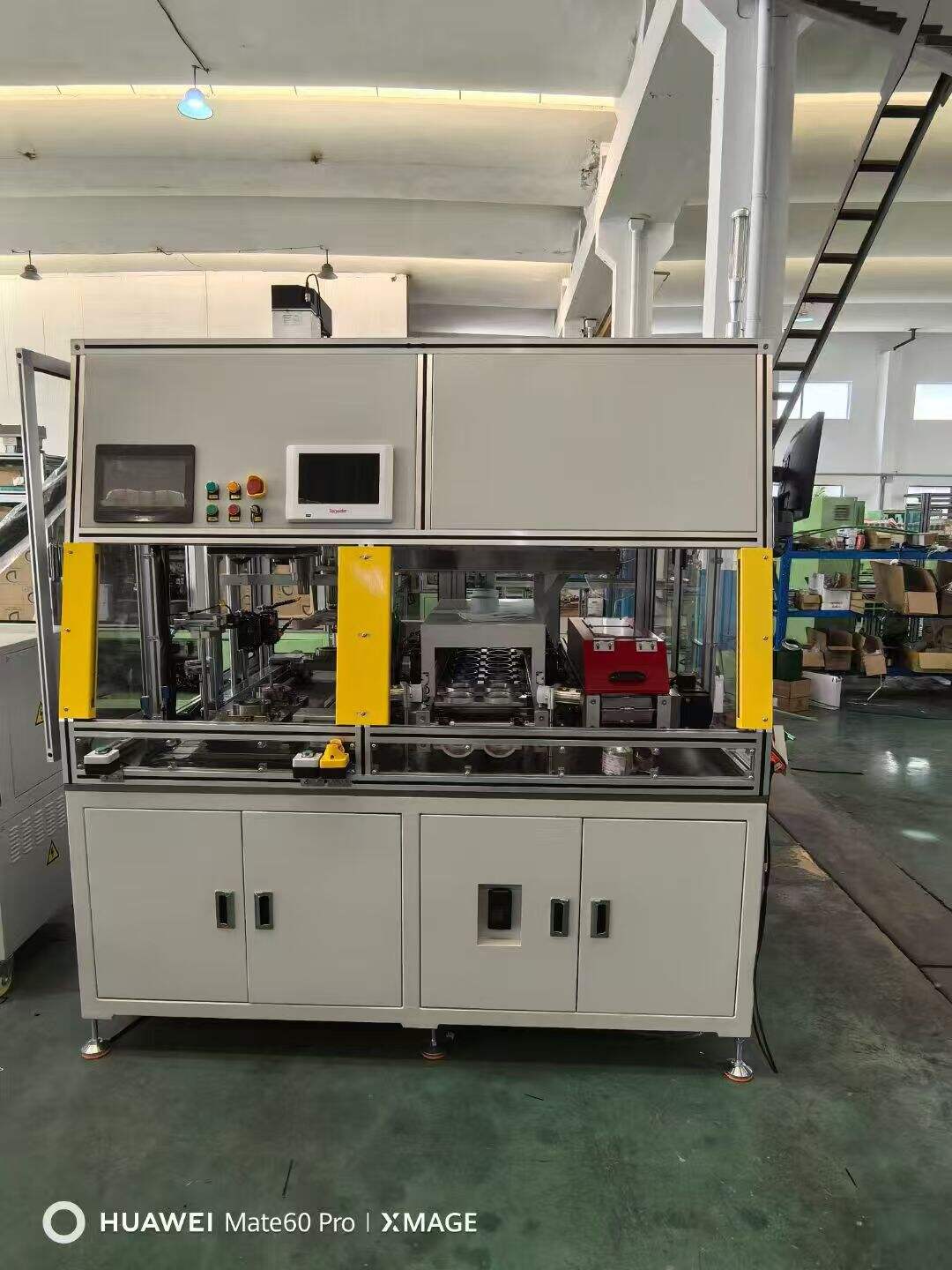
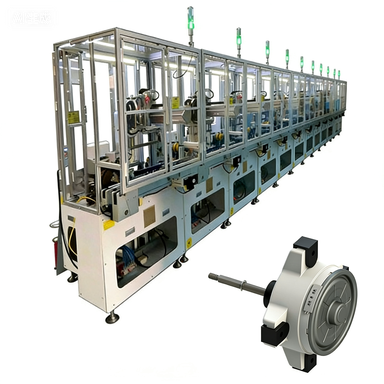
BLDC motor winding machines represent sophisticated automated equipment designed specifically for manufacturing brushless DC motor stators with precision and efficiency. These specialized machines handle the complex task of wrapping copper wire around stator cores according to exact specifications required for optimal motor performance. The primary function of bldc motor winding machines involves feeding wire through designated slots in the stator lamination stack while maintaining consistent tension, precise positioning, and accurate turn counts. Modern bldc motor winding machines incorporate advanced servo control systems that enable programmable winding patterns, adjustable speeds, and real-time monitoring capabilities. The technological features embedded within these systems include programmable logic controllers that store multiple winding recipes, automatic wire tensioning mechanisms that prevent slack or excessive tightness, and needle positioning systems that ensure accurate wire placement in each slot. These machines support various winding configurations including concentrated windings, distributed windings, and overlapping patterns depending on motor design requirements. Applications for bldc motor winding machines span numerous industries where brushless motors play critical roles. The automotive sector utilizes these machines for producing electric power steering motors, cooling fan motors, and increasingly for electric vehicle traction motors. Consumer electronics manufacturers depend on bldc motor winding machines for creating motors used in appliances, power tools, and HVAC systems. The drone and robotics industries require precisely wound motors for flight control and mechanical actuation. Medical device manufacturers employ these machines for producing motors used in surgical tools, diagnostic equipment, and patient care devices. The aerospace sector relies on bldc motor winding machines for creating lightweight, high-efficiency motors for various aircraft systems. Industrial automation companies use these machines to manufacture motors for conveyor systems, packaging equipment, and robotic arms. The versatility of bldc motor winding machines allows manufacturers to produce motors ranging from miniature precision units to large industrial-grade powerhouses, making them indispensable in modern motor manufacturing facilities.

New Product Recommendations

Investing in bldc motor winding machines delivers substantial practical benefits that directly impact your production capabilities and bottom line. First and foremost, these machines dramatically increase manufacturing speed compared to manual winding processes. Where a skilled technician might complete several motor stators per hour, bldc motor winding machines can produce dozens in the same timeframe, multiplying your output capacity without proportionally increasing labor costs. This acceleration means faster order fulfillment, shorter lead times for customers, and the ability to accept larger contracts that would otherwise overwhelm manual production capabilities. The consistency achieved through automated winding eliminates the variation inherent in human work, ensuring every stator meets identical specifications. This uniformity translates directly into predictable motor performance, reduced quality control rejection rates, and enhanced reputation for reliability among your customers. The precision control systems within bldc motor winding machines maintain exact wire tension throughout the entire winding process, preventing loose coils that cause inefficiency or tight spots that stress the insulation. Such precision reduces warranty claims and returns while extending the operational lifespan of the motors you produce. Labor cost savings represent another significant advantage, as one operator can typically supervise multiple bldc motor winding machines simultaneously, drastically improving your labor productivity ratio. The reduction in repetitive strain injuries associated with manual winding also decreases workplace compensation claims and employee turnover. These machines offer remarkable flexibility through their programmable interfaces, allowing quick changeovers between different motor designs without retooling or extensive downtime. You can switch from producing one motor specification to another in minutes rather than hours, enabling more responsive production scheduling and the economic viability of smaller batch sizes. Material waste decreases substantially because bldc motor winding machines calculate precise wire lengths and execute cuts with minimal excess, unlike manual processes where operators typically allow safety margins that accumulate into significant copper waste over thousands of units. The data collection capabilities built into modern bldc motor winding machines provide valuable production insights, tracking metrics like cycle times, wire consumption, and error rates that inform continuous improvement initiatives. Energy efficiency represents an often-overlooked advantage, as these machines optimize their power consumption based on the specific winding task, contrasting with the constant energy draw of maintaining a large manual workforce in climate-controlled facilities. The compact footprint of bldc motor winding machines maximizes your facility space utilization, allowing higher production density per square meter compared to manual workstation arrangements. Finally, the scalability these machines provide means your production capacity can grow systematically as demand increases, simply by adding additional units rather than recruiting and training proportionally larger workforces with all the associated human resource complexities.

Latest News

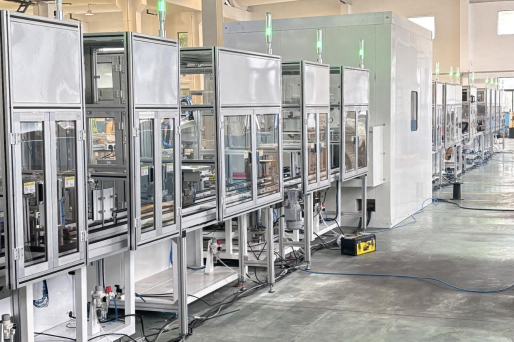
January 15th, 2026 Air Conditioner BLDC Motor Production line Dispatch to India

08

Apr

January 15th, 2026 Air Conditioner BLDC Motor Production line Dispatch to India

View More
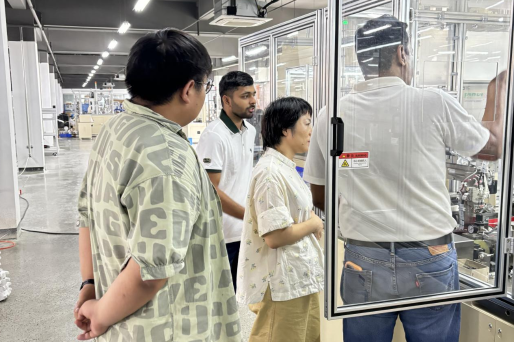
August 30th, 2025, 45W Air conditioner ODU BLDC motor Assembly line Inspection From India customer

08

Apr

August 30th, 2025, 45W Air conditioner ODU BLDC motor Assembly line Inspection From India customer

View More
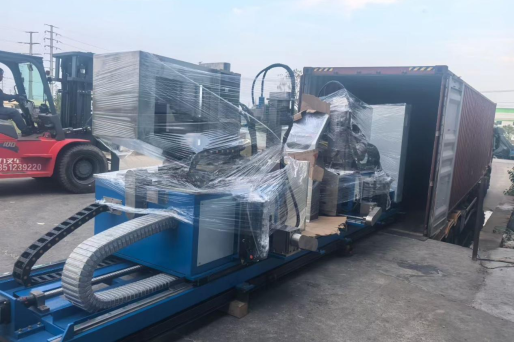
January 5th , 2026 CNC Coil Forming Machine For High Voltage Motors dispatched to UZ (Uzbekistan)

07

Apr

January 5th , 2026 CNC Coil Forming Machine For High Voltage Motors dispatched to UZ (Uzbekistan)

View More

Get a Free Quote

Our representative will contact you soon.
Email
Name
Mobile/WhatsApp
Company Name
Message
0/1000

bldc motor winding machines

Advanced Programmable Control Systems Enable Unlimited Design Flexibility

Advanced Programmable Control Systems Enable Unlimited Design Flexibility

The sophisticated programmable control systems integrated into bldc motor winding machines represent a transformative capability that separates modern automated production from traditional methods. These intelligent systems allow manufacturers to store virtually unlimited winding patterns within the machine's memory, each pattern containing detailed specifications for wire gauge, turn count per slot, winding direction, layer transitions, and tension parameters. When you receive orders for different motor models, operators simply select the appropriate program from the interface, and the bldc motor winding machines automatically adjust all parameters to match those specifications without manual recalibration or mechanical modifications. This programmability eliminates the knowledge bottleneck that exists in manual operations where experienced technicians guard specialized winding techniques, instead democratizing production capability across your entire workforce. The control systems provide step-by-step visual guidance on the display screen, reducing training time for new operators from weeks to days while maintaining consistent quality standards. These bldc motor winding machines feature intuitive touchscreen interfaces that allow engineers to create new winding programs directly on the production floor, testing and refining patterns in real-time as they develop prototypes for new motor designs. The system's ability to store these programs permanently means your intellectual property regarding optimal winding techniques becomes embedded in the machine itself, protecting your competitive advantages even as personnel changes occur. Advanced models include simulation capabilities that let you virtually test new winding patterns before committing to actual production, identifying potential issues like slot fill problems or wire routing conflicts without wasting materials. The programmable nature of these bldc motor winding machines also facilitates continuous improvement initiatives, as operators can make incremental adjustments to parameters like tension or speed, immediately observe the results, and save successful modifications as updated programs. Remote connectivity options in premium systems enable technical support specialists to access your bldc motor winding machines from distant locations, troubleshooting issues, uploading new programs, or optimizing existing patterns without requiring on-site visits. This connectivity also supports predictive maintenance by continuously monitoring performance metrics and alerting you to developing problems before they cause production disruptions. The flexibility provided by these programmable systems future-proofs your investment, as the same physical machine can adapt to entirely new motor designs that may not exist today, protecting your capital equipment investment against obsolescence as product lines evolve and market demands shift toward new technologies.
Precision Wire Handling Mechanisms Guarantee Superior Motor Performance

Precision Wire Handling Mechanisms Guarantee Superior Motor Performance

The wire handling mechanisms engineered into bldc motor winding machines constitute critical technology that directly determines the quality and performance characteristics of finished motors. These sophisticated systems maintain exact wire tension throughout every phase of the winding process, a parameter that profoundly affects motor efficiency, longevity, and operational characteristics. Tension that varies even slightly during winding creates inconsistent coil density, which manifests as irregular magnetic fields within the operating motor, reducing efficiency and causing unwanted vibration or noise. The tension control systems in quality bldc motor winding machines employ multiple sensors that continuously monitor wire stress, making microscopic adjustments dozens of times per second to compensate for variables like spool diameter changes as wire depletes, ambient temperature fluctuations that affect wire elasticity, and acceleration forces during high-speed winding operations. This real-time compensation ensures the wire arrives at the stator with identical tension for the first turn and the ten-thousandth turn, creating uniformity impossible to achieve manually. The wire feeding mechanisms incorporate precision needle assemblies that position wire into stator slots with repeatability measured in fractions of millimeters, ensuring each turn sits exactly where intended without gaps or overlaps that would compromise the winding density. These bldc motor winding machines feature automatic wire cutting and stripping functions that prepare wire ends for termination with consistent lengths and clean copper exposure, eliminating the variation that occurs when workers perform these tasks manually with hand tools. Advanced gripper systems securely hold wire during transfer movements between slots, preventing the slack that would allow wire to spring back or shift position after placement. The guidance systems within bldc motor winding machines route wire along optimal paths that minimize stress on the insulation coating, reducing the microscopic cracks that eventually lead to short circuits and motor failures. Some premium systems incorporate vision technology that actually observes the wire as it enters each slot, verifying correct positioning and alerting operators immediately if any deviation occurs, rather than discovering problems only after completion when rework costs multiply. The wire handling capabilities extend to managing multiple wires simultaneously when designs require parallel winding configurations, maintaining independent tension control for each strand while coordinating their synchronized placement. These bldc motor winding machines accommodate various wire gauges without extensive reconfiguration, often handling the range from fine magnet wire suitable for miniature motors to heavy conductors used in industrial applications within the same machine platform. The result of these precision wire handling mechanisms translates into motors that operate more efficiently, run cooler, produce less electromagnetic interference, deliver more consistent torque, and survive significantly longer in demanding applications compared to motors wound with less sophisticated equipment.
Automated Quality Verification Systems Reduce Defects and Production Costs

Automated Quality Verification Systems Reduce Defects and Production Costs

The integrated quality verification systems built into modern bldc motor winding machines provide manufacturers with unprecedented defect detection capabilities that catch problems immediately rather than discovering them after substantial additional value has been added downstream. These intelligent systems continuously monitor multiple quality parameters throughout the winding process, comparing actual performance against the programmed specifications and immediately halting production when deviations exceed acceptable tolerances. Wire break detection represents a fundamental capability, with sensors that instantly recognize when wire snaps during winding, preventing the machine from completing a defective stator that would otherwise proceed through subsequent manufacturing steps before discovery. The cost savings from this immediate detection compound throughout your production process, as catching defects earlier always costs less than discovering them later. Turn counting verification systems within bldc motor winding machines track the exact number of wire wraps placed in each slot, comparing the count against specifications and flagging any discrepancies that might result from skipped turns or extra passes. This automated verification eliminates the counting errors that occasionally occur in manual operations, where distractions or fatigue cause technicians to lose track during repetitive tasks. Resistance measurement capabilities built into advanced bldc motor winding machines perform electrical testing immediately after winding completion, measuring the resistance of each phase and comparing values both against absolute specifications and relative to each other, identifying short circuits, open connections, or phase imbalances before the stator leaves the machine. These systems generate detailed production records for every stator wound, creating traceability documentation that proves invaluable for quality audits, warranty investigations, or process improvement analyses. The data collected by bldc motor winding machines can integrate with enterprise manufacturing systems, providing real-time production dashboards that display key metrics like defect rates, cycle times, and efficiency trends, enabling management to make informed decisions based on actual performance rather than estimates or samples. Automatic slot fill verification uses sensors to confirm that each stator slot contains the proper amount of wire, detecting both underfilled slots that indicate missed turns and overfilled conditions that suggest wire routing errors or incorrect gauge usage. Some sophisticated bldc motor winding machines incorporate thermal monitoring that tracks temperature in critical components, predicting maintenance needs before failures occur and scheduling interventions during planned downtime rather than suffering unexpected breakdowns during production runs. The quality systems also monitor consumable status, alerting operators when wire spools approach depletion or when lubricants and coolants require replenishment, preventing the quality issues that arise when materials run out mid-cycle. By catching defects immediately at the bldc motor winding machines, manufacturers avoid the amplified costs associated with defects discovered later, such as wasted materials added during subsequent assembly steps, labor spent on processes applied to ultimately rejected parts, and the administrative burden of tracking and dispositioning nonconforming products through quality systems. The confidence provided by these automated verification systems also reduces the sampling frequency required during quality inspections, as the continuous monitoring provides assurance that manual spot-checking cannot match, allowing quality personnel to focus on analytical activities rather than repetitive measurement tasks.

Get a Free Quote

Our representative will contact you soon.
Email
Name
Mobile/WhatsApp
Company Name
Message
0/1000