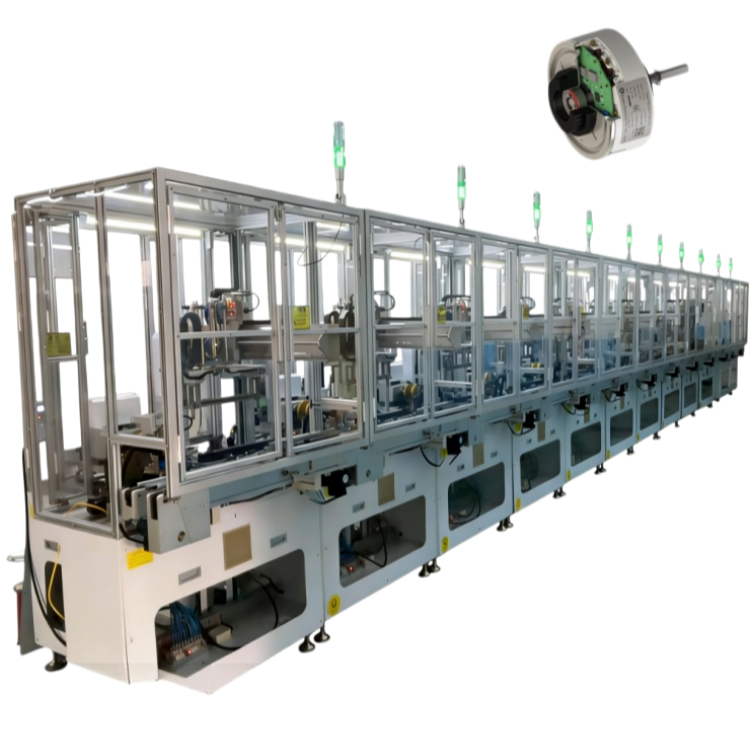
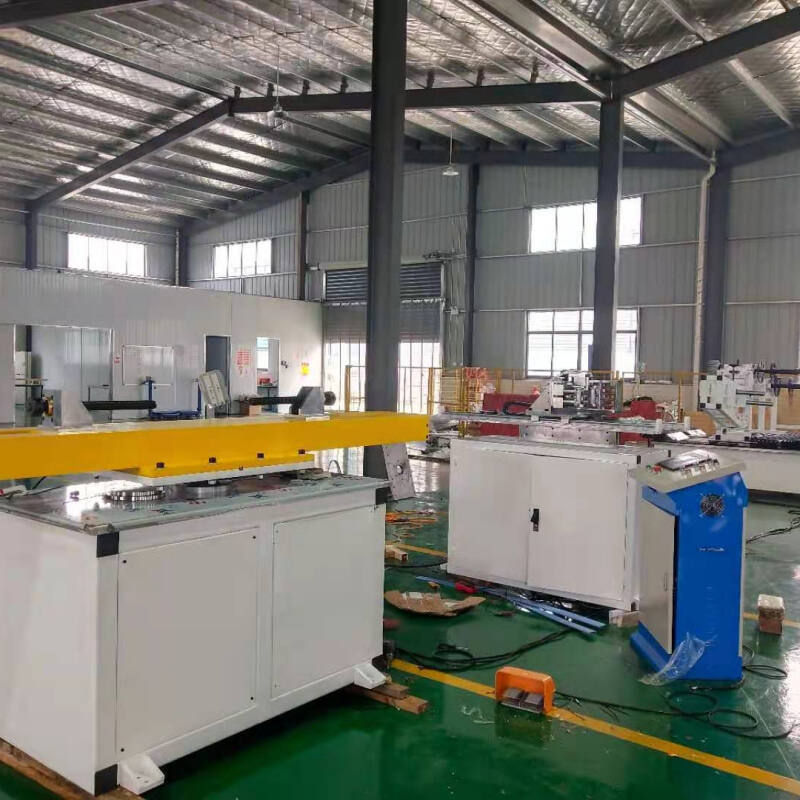
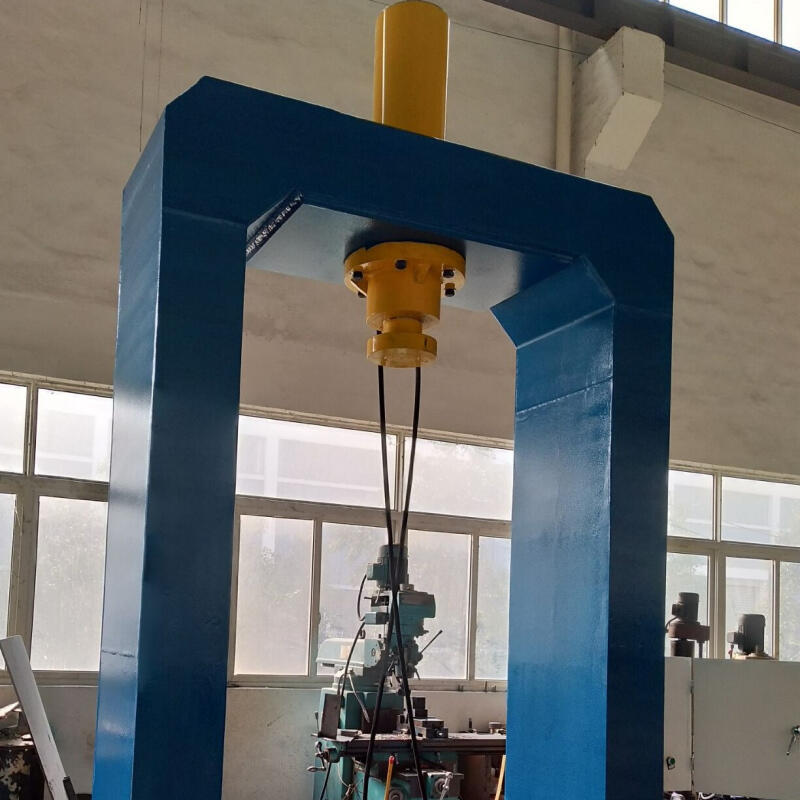
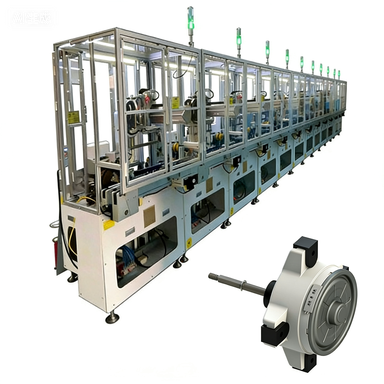
motor coil winding machine
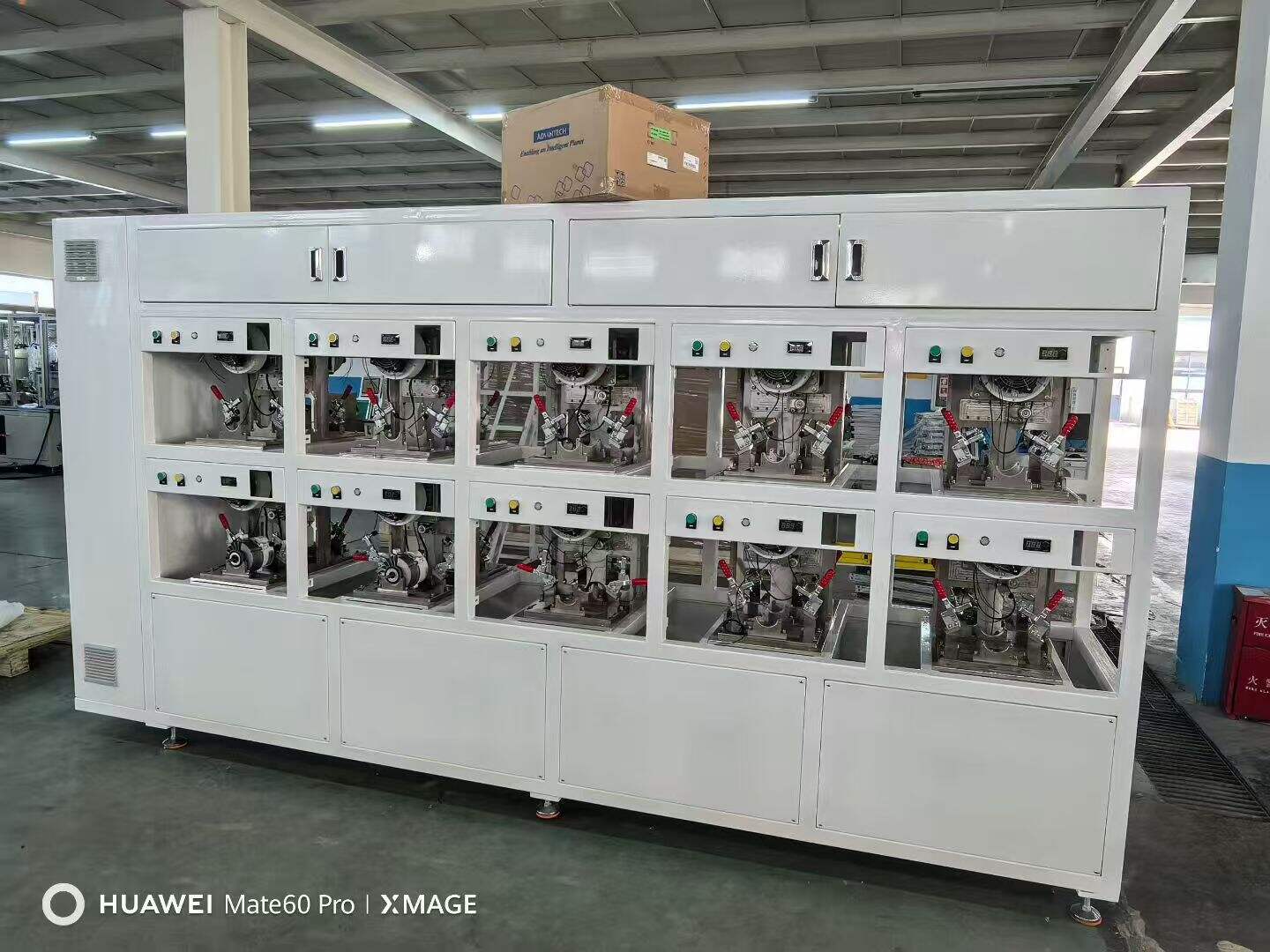
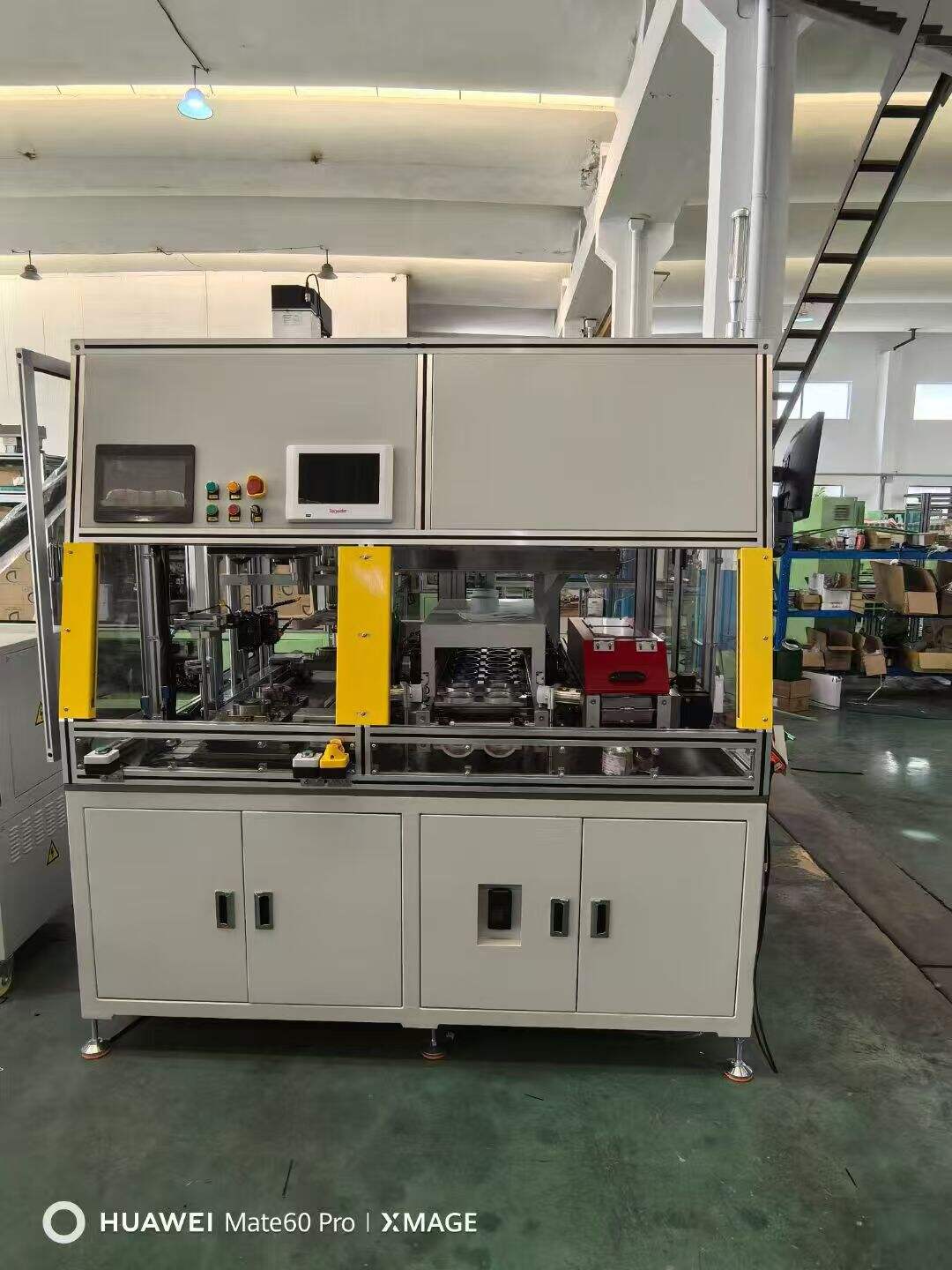
A motor coil winding machine represents essential manufacturing equipment designed specifically to automate the process of winding copper or aluminum wire around motor stators and rotors. This sophisticated device transforms raw wire materials into precisely configured coils that form the electromagnetic core of electric motors. The motor coil winding machine operates through computer-controlled systems that manage tension, speed, and winding patterns with exceptional accuracy. Modern versions incorporate programmable logic controllers that allow operators to store multiple winding specifications and switch between different motor types seamlessly. The primary function involves feeding wire from spools, maintaining consistent tension throughout the winding process, and distributing the wire evenly across the designated core area. These machines handle various motor sizes, from small appliances to large industrial applications, making them versatile solutions for diverse manufacturing environments. Technological features include adjustable winding speeds that can reach several thousand rotations per minute, automatic wire cutting and stripping capabilities, and integrated counting systems that ensure the exact number of turns required for each coil. Advanced motor coil winding machine models feature touch-screen interfaces that simplify programming and reduce operator training time significantly. The equipment typically includes servo motors for precise positioning, tension control systems that prevent wire breakage or excessive looseness, and safety mechanisms that protect operators during high-speed operations. Applications span across automotive manufacturing, home appliance production, power tool assembly, HVAC system fabrication, and renewable energy equipment construction. The motor coil winding machine proves indispensable in facilities producing electric vehicles, where consistent quality and high production volumes are mandatory. Its ability to maintain uniform winding density directly impacts motor efficiency, heat dissipation, and overall performance longevity, making it a critical investment for manufacturers committed to delivering reliable electric motors.
 ×


 EN