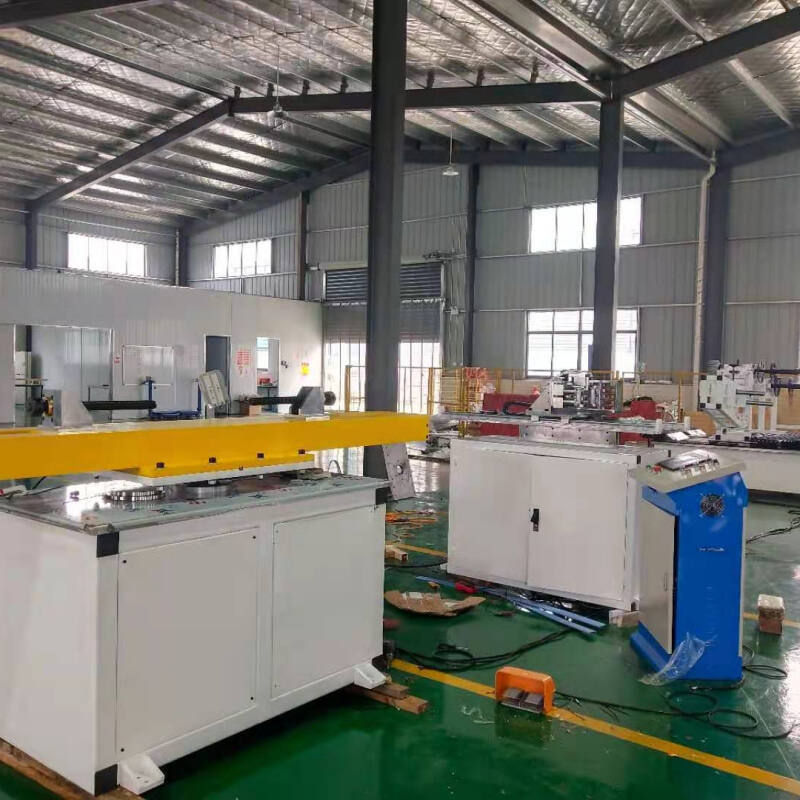
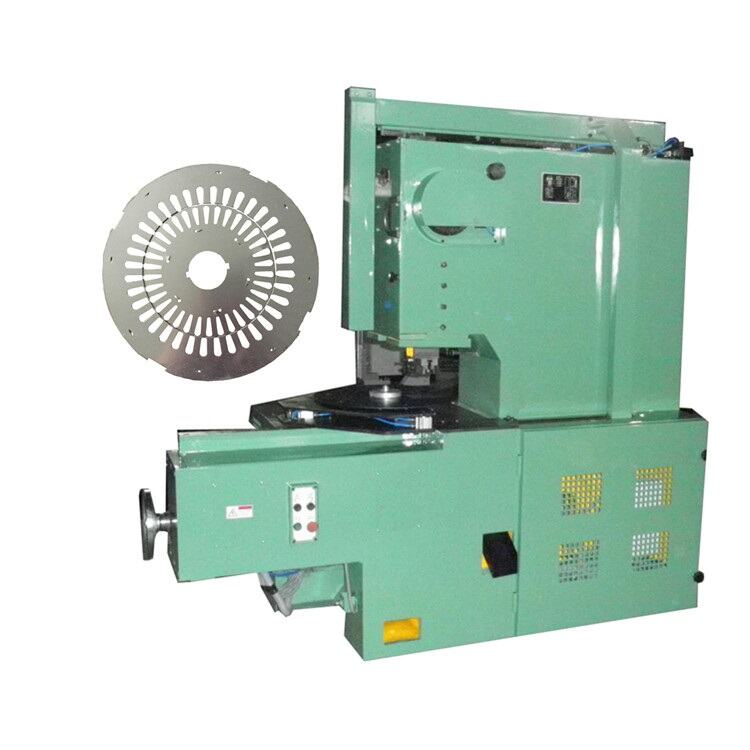
Automatic Motor Winding Machine - Advanced Precision Winding Solutions for Motor Manufacturing

Get a Free Quote

Our representative will contact you soon.
Email
Name
Mobile/WhatsApp
Company Name
Message
0/1000

automatic motor winding machine

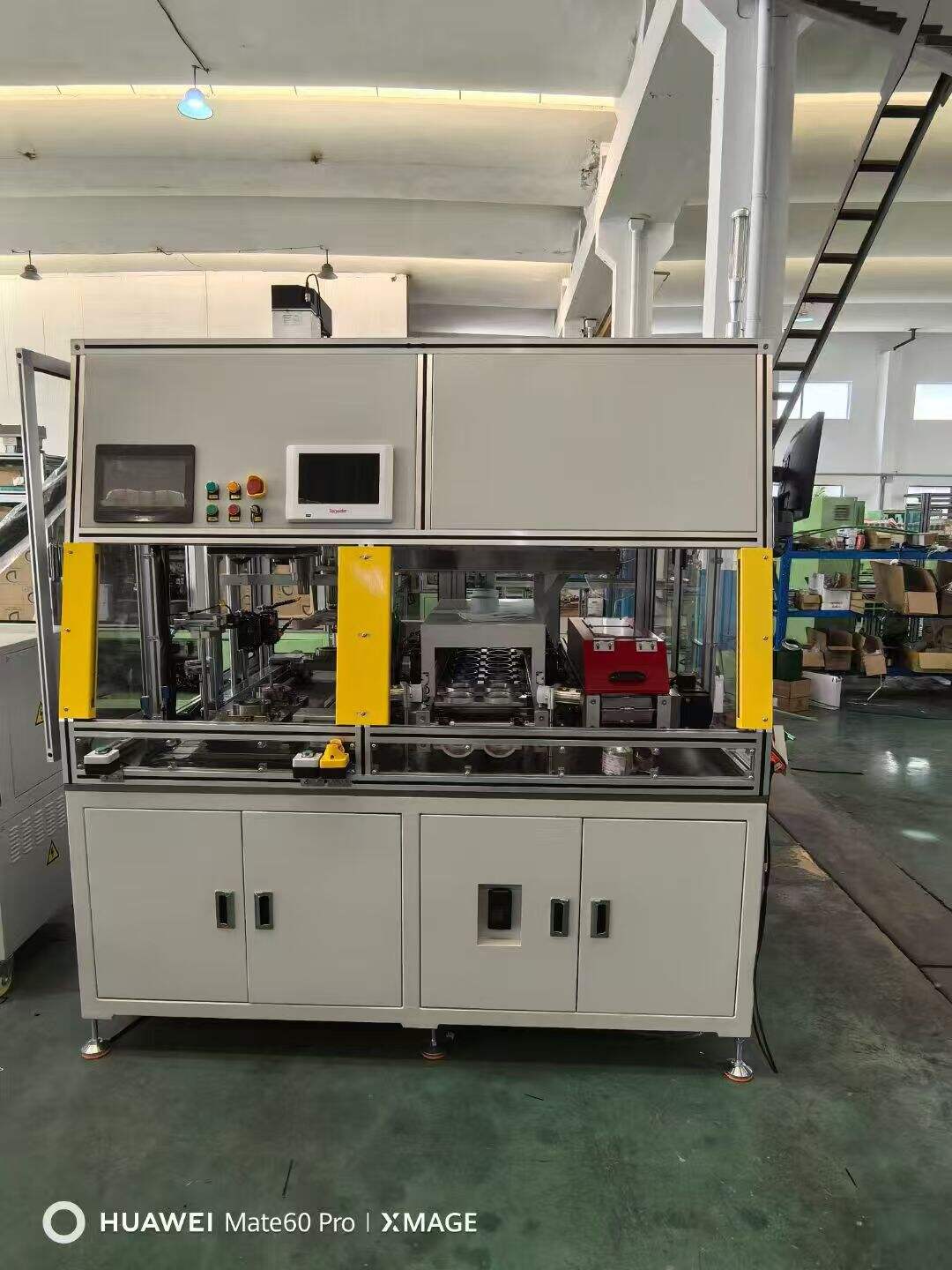
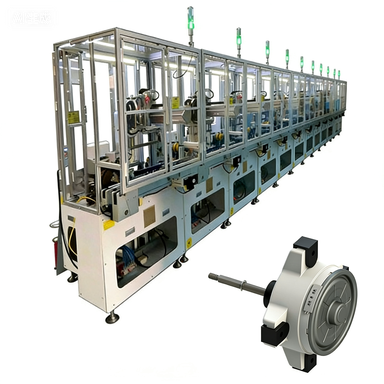
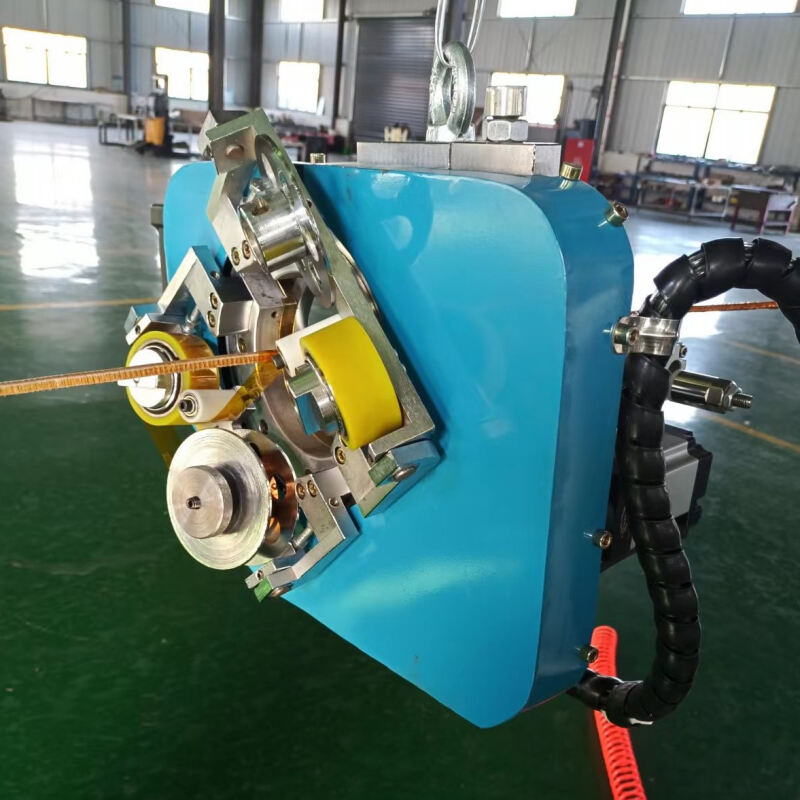
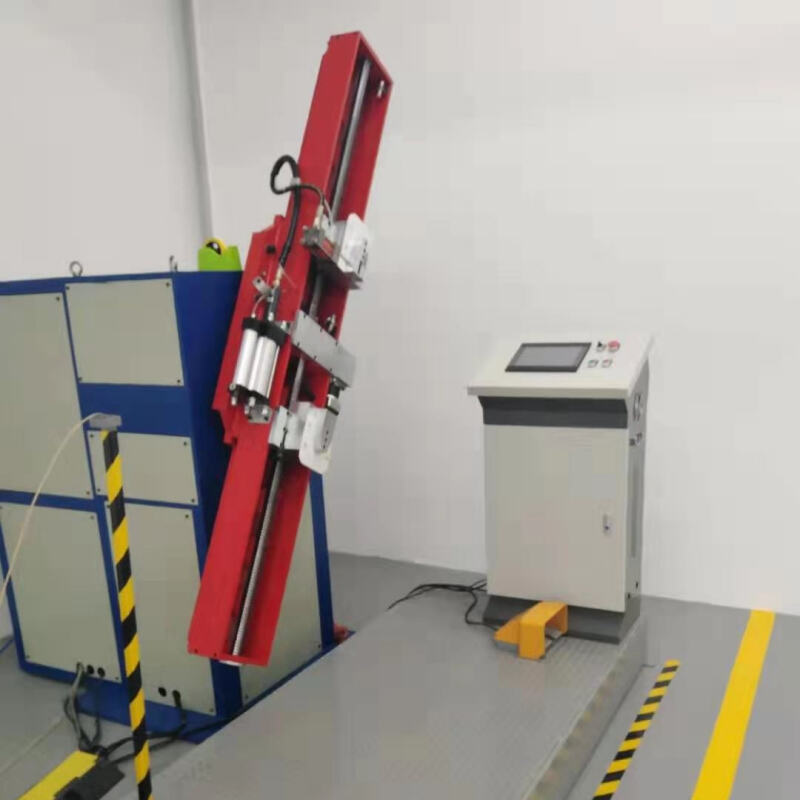
The automatic motor winding machine represents a significant advancement in modern manufacturing technology, designed to revolutionize the production of electric motors, transformers, and electromagnetic components. This sophisticated equipment automates the intricate process of winding copper or aluminum wire around motor stators, rotors, and coils with exceptional precision and speed. The automatic motor winding machine incorporates advanced servo motor systems, programmable logic controllers, and intelligent tension control mechanisms to ensure consistent winding quality throughout production runs. These machines can handle various wire gauges, from fine hairpin wires to thicker conductor materials, making them versatile solutions for diverse manufacturing requirements. The core functionality of an automatic motor winding machine includes precise wire placement, automated wire feeding, tension regulation, and accurate turn counting. Modern systems feature touch-screen interfaces that allow operators to program complex winding patterns, adjust parameters, and monitor real-time production data. The technological features encompass automatic wire cutting and stripping, multi-spindle configurations for simultaneous winding operations, and quality inspection systems that detect irregularities during the winding process. These machines find applications across numerous industries, including automotive manufacturing for electric vehicle motors, household appliance production for compressor and fan motors, power tool manufacturing, HVAC systems, and renewable energy sectors such as wind turbine generators. The automatic motor winding machine significantly reduces manual labor requirements while improving production consistency and output volume. Integration capabilities with existing production lines and compatibility with Industry 4.0 standards make these systems valuable investments for manufacturers seeking to enhance operational efficiency. The precision engineering behind the automatic motor winding machine ensures minimal material waste, reduced production time, and superior product quality that meets stringent industry standards and specifications for electrical performance and mechanical durability.
New Product Recommendations

Investing in an automatic motor winding machine delivers numerous practical benefits that directly impact your manufacturing operations and bottom line. First and foremost, these machines dramatically increase production speed compared to manual or semi-automatic methods. What might take skilled workers hours to complete, an automatic motor winding machine accomplishes in minutes, allowing manufacturers to fulfill larger orders and meet tight deadlines without compromising quality. The consistency achieved through automation eliminates human error variables, ensuring every coil meets exact specifications regardless of production volume or operator fatigue. This reliability translates into fewer defective products, reduced rework costs, and enhanced customer satisfaction. Labor cost savings represent another compelling advantage, as one operator can oversee multiple automatic motor winding machines simultaneously, optimizing workforce deployment and reducing per-unit production costs. The precision capabilities of these systems minimize material waste by controlling wire tension perfectly and eliminating over-runs or improper terminations that waste expensive copper wire. Manufacturers report material savings of fifteen to twenty-five percent after implementing automated winding solutions. The automatic motor winding machine also improves workplace safety by reducing repetitive motion injuries and eliminating the physical strain associated with manual winding operations. Workers transition from physically demanding tasks to supervisory roles that require less physical exertion and offer better long-term career prospects. Flexibility stands as another key benefit, as these machines accommodate rapid changeovers between different motor designs without extensive retooling or downtime. Programming new winding patterns takes minutes rather than hours, enabling manufacturers to respond quickly to customer requests for customized specifications or new product introductions. The data collection capabilities built into modern automatic motor winding machines provide valuable production insights, tracking efficiency metrics, identifying bottlenecks, and supporting continuous improvement initiatives. Quality assurance improves substantially because automated systems maintain perfect tension control and winding precision throughout extended production runs, characteristics impossible to replicate consistently through manual methods. The return on investment typically materializes within eighteen to thirty months, depending on production volumes and labor costs in specific regions. Energy efficiency improvements also contribute to operational savings, as contemporary automatic motor winding machines incorporate power-saving features and optimized motor control systems that reduce electricity consumption compared to older equipment. Finally, the competitive advantage gained through faster turnaround times, superior quality consistency, and lower production costs positions manufacturers to capture market share and negotiate better terms with customers who value reliability and performance.

Practical Tips

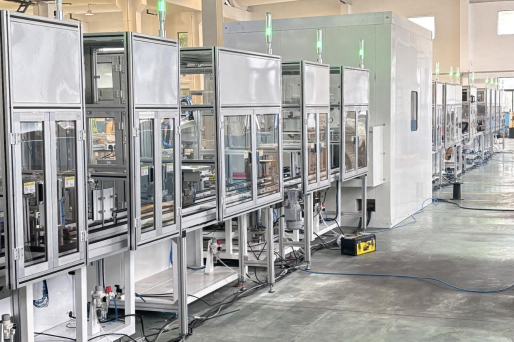
January 15th, 2026 Air Conditioner BLDC Motor Production line Dispatch to India

08

Apr

January 15th, 2026 Air Conditioner BLDC Motor Production line Dispatch to India

View More
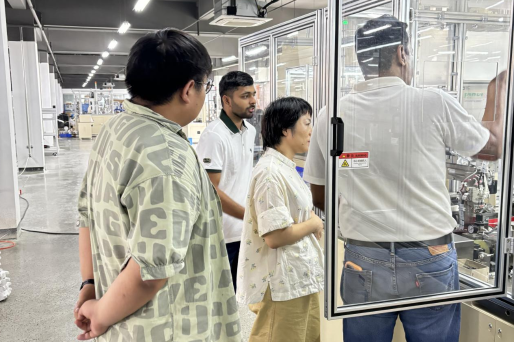
August 30th, 2025, 45W Air conditioner ODU BLDC motor Assembly line Inspection From India customer

08

Apr

August 30th, 2025, 45W Air conditioner ODU BLDC motor Assembly line Inspection From India customer

View More
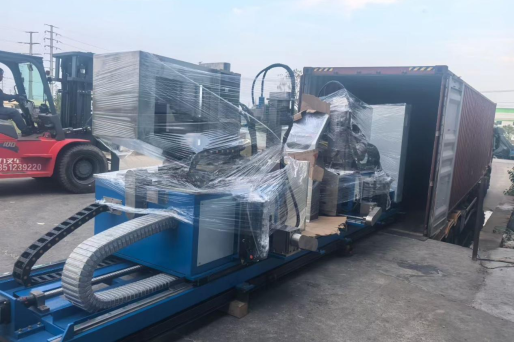
January 5th , 2026 CNC Coil Forming Machine For High Voltage Motors dispatched to UZ (Uzbekistan)

07

Apr

January 5th , 2026 CNC Coil Forming Machine For High Voltage Motors dispatched to UZ (Uzbekistan)

View More

Get a Free Quote

Our representative will contact you soon.
Email
Name
Mobile/WhatsApp
Company Name
Message
0/1000

automatic motor winding machine

Precision Engineering and Quality Consistency

Precision Engineering and Quality Consistency

The precision engineering integrated into every automatic motor winding machine establishes new benchmarks for manufacturing excellence and product reliability. At the heart of this precision lies sophisticated servo motor technology that controls wire placement with micrometer-level accuracy, ensuring each turn sits exactly where design specifications require. This level of control proves critical for motor performance, as even slight variations in winding density or wire positioning can affect electrical characteristics, efficiency ratings, and operational lifespan. The automatic motor winding machine employs advanced tension control systems that maintain constant wire tension throughout the entire winding process, preventing loose turns that could cause performance issues or tight sections that might damage wire insulation. Real-time monitoring sensors continuously measure tension levels and make instantaneous adjustments, compensating for changes in wire spool diameter, ambient temperature variations, or material property differences between production batches. The programmable logic controller orchestrating these operations stores multiple winding programs, allowing instant recall of proven parameters that guarantee consistent results across production shifts and different operators. Quality consistency extends beyond mere dimensional accuracy to encompass electrical properties and mechanical integrity. The automatic motor winding machine produces windings with uniform resistance values, predictable inductance characteristics, and consistent insulation integrity that manual methods struggle to replicate. This consistency eliminates the performance variations that plague manufacturers relying on manual winding techniques, where operator skill levels, fatigue, and interpretation of specifications introduce unavoidable variability. For manufacturers serving industries with strict quality requirements, such as aerospace, medical devices, or automotive applications, the reliability delivered by an automatic motor winding machine becomes a competitive necessity rather than a luxury option. The precision capabilities also enable production of increasingly compact motor designs where space constraints demand tighter winding tolerances and higher copper fill factors. As motors shrink while power requirements increase, the automatic motor winding machine provides the technical capability to achieve these challenging design objectives that push the boundaries of what manual methods can accomplish.
Enhanced Production Efficiency and Scalability

Enhanced Production Efficiency and Scalability

The production efficiency delivered by an automatic motor winding machine transforms manufacturing operations from labor-intensive processes into streamlined, high-output systems capable of meeting demanding market requirements. Speed advantages become immediately apparent, with automated systems completing complex winding operations in a fraction of the time required by manual methods. Where skilled technicians might produce twenty to thirty wound stators per shift through manual winding, an automatic motor winding machine easily produces two hundred to three hundred units in the same timeframe, representing a tenfold or greater productivity increase. This dramatic improvement in throughput allows manufacturers to accept larger orders, reduce lead times, and respond more effectively to market demand fluctuations without maintaining excessive inventory levels or employing additional shifts. The scalability inherent in automated winding solutions provides strategic flexibility for business growth, as adding production capacity requires equipment investment rather than recruiting, training, and retaining specialized workers in tight labor markets. The automatic motor winding machine operates continuously with minimal supervision, maintaining consistent output quality during extended production runs that would exhaust human workers and introduce quality variations. Changeover capabilities further enhance efficiency by enabling rapid transitions between different product configurations without extensive downtime or complicated retooling procedures. Operators simply load new winding programs, adjust tooling fixtures, and restart production, often completing changeovers in under fifteen minutes compared to hours required for manual setup adjustments. This flexibility proves especially valuable for manufacturers serving diverse markets or producing customized motor solutions where production runs vary in size and specifications change frequently. The automatic motor winding machine also supports lean manufacturing principles by reducing work-in-process inventory, minimizing floor space requirements compared to manual workstations, and enabling just-in-time production scheduling that aligns output with actual customer demand. Maintenance requirements remain modest, with routine servicing easily performed by in-house technicians following manufacturer guidelines, ensuring maximum uptime and reliable production capacity. The efficiency gains extend throughout the supply chain, as consistent delivery performance strengthens customer relationships and creates opportunities for preferred supplier status with major accounts valuing reliability and responsiveness.
Cost Reduction and Return on Investment

Cost Reduction and Return on Investment

The financial benefits generated by an automatic motor winding machine extend across multiple cost categories, creating compelling return on investment calculations that justify capital expenditure even for medium-sized manufacturers. Direct labor cost reductions represent the most visible savings, as automation eliminates the need for multiple skilled winding technicians while enabling one trained operator to supervise several machines simultaneously. In regions with high labor costs or tight skilled worker availability, these savings alone often justify investment decisions, with labor expense reductions of sixty to seventy percent commonly achieved after implementation. Material cost savings contribute substantially to overall economics, as the precise control systems within an automatic motor winding machine optimize wire usage and eliminate the waste inherent in manual operations. Automated tension control prevents wire breaks that waste material and disrupt production flow, while accurate length measurement ensures exact material consumption without excessive safety margins that conservative manual operators typically incorporate. Manufacturers report copper wire savings ranging from twelve to twenty percent, significant reductions given that wire represents a major cost component in motor production. Quality-related cost savings emerge through reduced defect rates, warranty claims, and customer returns that damage reputation and profitability. The consistency delivered by an automatic motor winding machine produces motors that meet specifications reliably, eliminating the costs associated with testing failed units, investigating quality issues, and implementing corrective actions. Rework costs virtually disappear, as automated processes rarely produce defective windings requiring disassembly and rewinding, operations that consume time and materials while disrupting production schedules. Energy efficiency improvements in modern automatic motor winding machines reduce operating costs compared to older equipment or manual methods requiring extensive lighting and environmental controls for worker comfort. The data analytics capabilities integrated into these systems identify optimization opportunities, highlight maintenance needs before failures occur, and provide insights supporting continuous improvement initiatives that further reduce costs over time. The typical return on investment timeline ranges from eighteen months to three years depending on production volumes, labor rates, and existing process efficiency levels, with high-volume manufacturers often achieving payback within the first year of operation. Beyond direct financial returns, the automatic motor winding machine delivers strategic value through enhanced market competitiveness, ability to pursue contracts requiring certified quality systems, and positioning for growth opportunities that manual operations cannot support effectively.

Get a Free Quote

Our representative will contact you soon.
Email
Name
Mobile/WhatsApp
Company Name
Message
0/1000