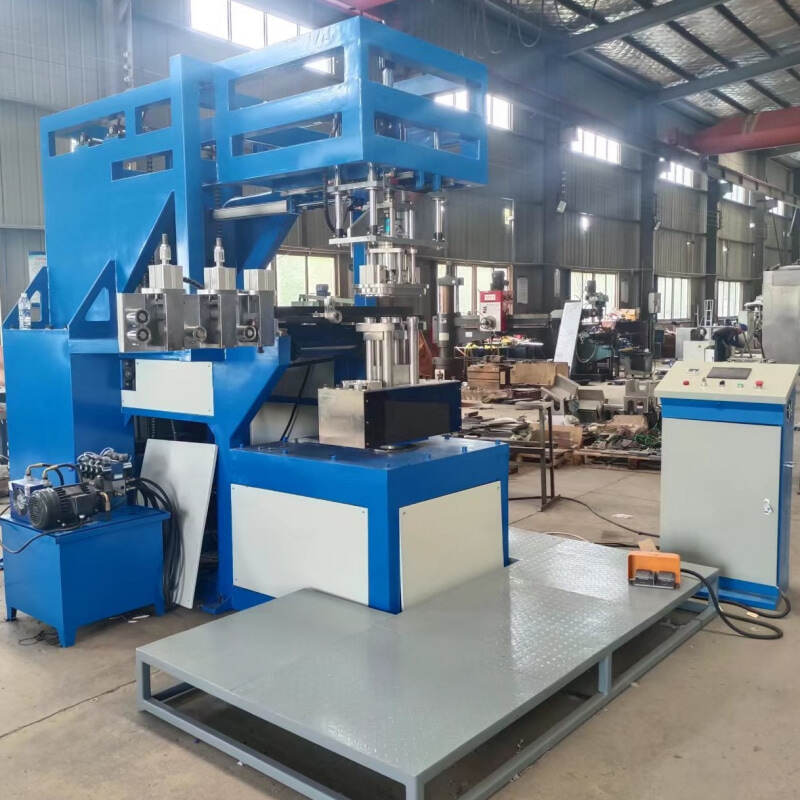
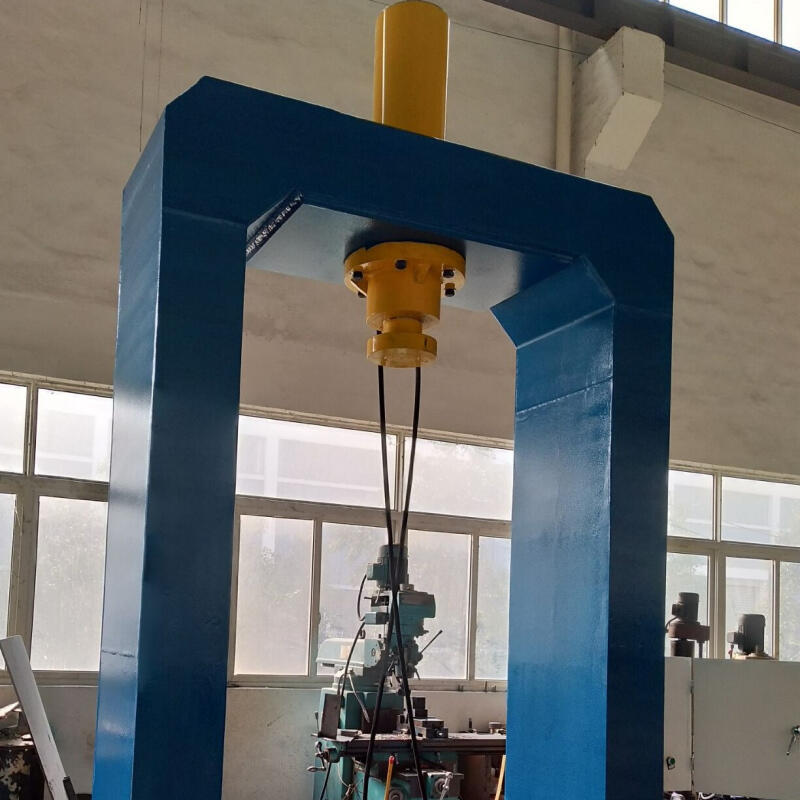
Brushless Motor Winding Machine: Advanced Automated Coil Winding Solutions for Precision Motor Manufacturing

Get a Free Quote

Our representative will contact you soon.
Email
Name
Mobile/WhatsApp
Company Name
Message
0/1000

brushless motor winding machine

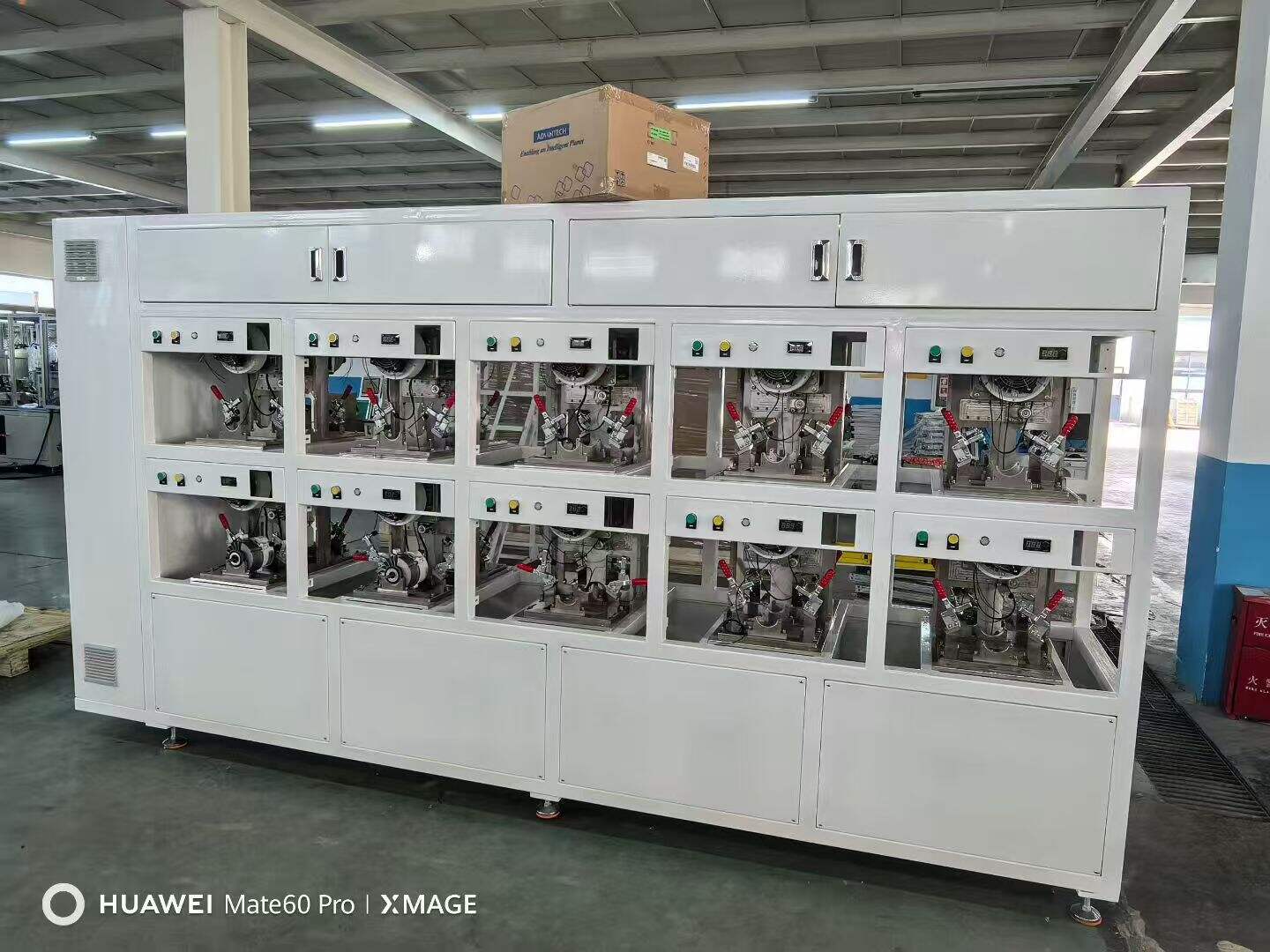
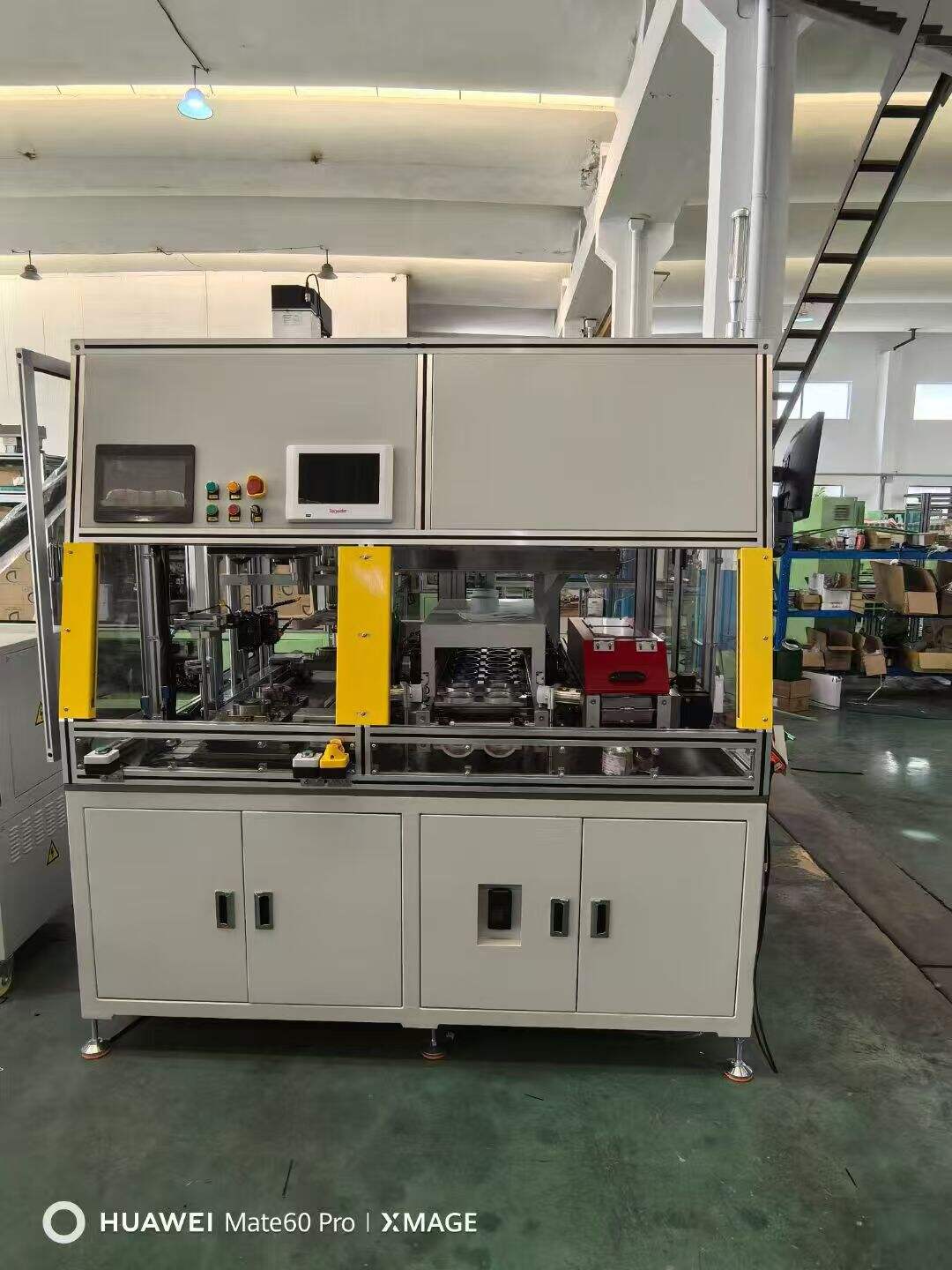
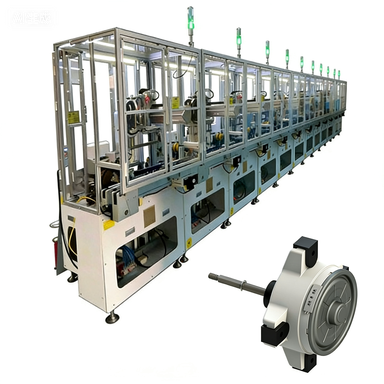
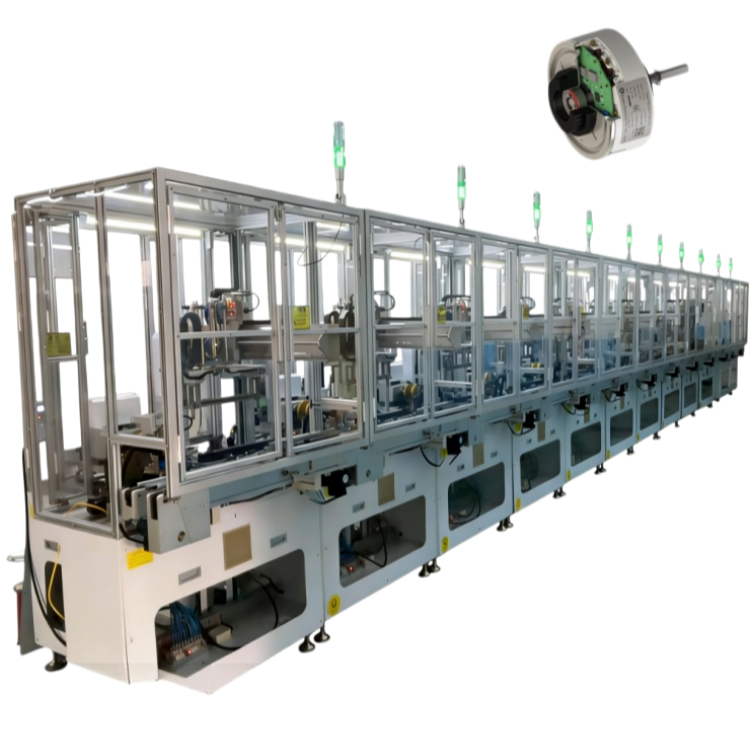
The brushless motor winding machine represents a sophisticated solution for manufacturing precision coils used in modern electric motors. This automated equipment streamlines the production process by wrapping copper wire around motor stators with exceptional accuracy and consistency. As industries worldwide transition toward energy-efficient technologies, the brushless motor winding machine has become indispensable for manufacturers seeking to meet growing demand while maintaining superior quality standards. The primary function of this specialized equipment involves precisely positioning and winding copper wire onto stator cores according to predetermined patterns and specifications. Modern brushless motor winding machines incorporate advanced servo control systems that regulate wire tension, winding speed, and positioning with remarkable precision. These machines can handle various wire gauges and accommodate different stator sizes, making them versatile solutions for diverse production requirements. The technological features of contemporary brushless motor winding machines include programmable logic controllers, touchscreen interfaces, and automated wire feeding mechanisms. Many models feature tension control systems that maintain consistent wire tightness throughout the winding process, preventing loose coils or excessive tension that could damage the wire or stator. The integration of computerized controls allows operators to store multiple winding programs, enabling quick changeovers between different motor specifications without extensive manual adjustments. Applications for the brushless motor winding machine span numerous industries, including automotive manufacturing, consumer electronics, industrial automation, aerospace, and renewable energy sectors. These machines produce stators for electric vehicle motors, power tools, HVAC systems, drones, and wind turbine generators. The growing emphasis on electrification across transportation and industrial sectors has significantly expanded the market for reliable winding equipment. Manufacturers utilizing brushless motor winding machines benefit from increased production efficiency, reduced labor costs, and improved product consistency. The automation capabilities minimize human error while accelerating manufacturing cycles, allowing companies to scale production capacity without proportionally increasing workforce requirements or compromising quality standards.

Popular Products

Investing in a brushless motor winding machine delivers substantial operational benefits that directly impact your bottom line and competitive position in the marketplace. First and foremost, these machines dramatically increase production speed compared to manual winding methods. Where skilled technicians might complete several stators per hour, automated winding equipment can process dozens or even hundreds within the same timeframe, depending on complexity and machine specifications. This acceleration enables manufacturers to fulfill larger orders, reduce lead times, and respond more quickly to market demands. The consistency achieved through automated winding surpasses what even the most experienced manual operators can maintain throughout extended production runs. Every coil receives identical wire tension, turn count, and placement, eliminating the variations inherent in human performance. This uniformity translates to motors with predictable electrical characteristics, fewer quality control rejections, and enhanced end-product reliability. Customers receive motors that perform consistently, reducing warranty claims and strengthening brand reputation. Cost efficiency represents another compelling advantage of the brushless motor winding machine. Although the initial investment requires careful consideration, the equipment typically pays for itself through labor savings, waste reduction, and increased throughput. Automated machines require fewer operators to supervise production, allowing you to reallocate skilled workers to higher-value tasks while reducing ongoing labor expenses. The precision of automated winding also minimizes copper wire waste, as the machine uses exactly the required amount without the excess material often generated during manual processes. Flexibility built into modern brushless motor winding machines accommodates changing production needs without requiring new equipment purchases. Programmable controls allow rapid switching between different motor designs, supporting both high-volume production runs and smaller batches for specialized applications. This adaptability proves particularly valuable for manufacturers serving diverse markets or developing new motor designs, as the same machine handles multiple product lines efficiently. The brushless motor winding machine also improves workplace safety by reducing repetitive motion injuries associated with manual winding tasks. Operators interact with user-friendly control panels rather than performing physically demanding repetitive movements throughout their shifts. This ergonomic advantage contributes to employee satisfaction, reduces workers compensation costs, and helps attract quality personnel to your manufacturing operations. Furthermore, the data collection capabilities integrated into contemporary winding machines provide valuable production insights. Many systems track cycle times, wire usage, tension parameters, and quality metrics, generating reports that help identify optimization opportunities and maintain process control. This information supports continuous improvement initiatives and provides documentation for quality certifications.

Latest News

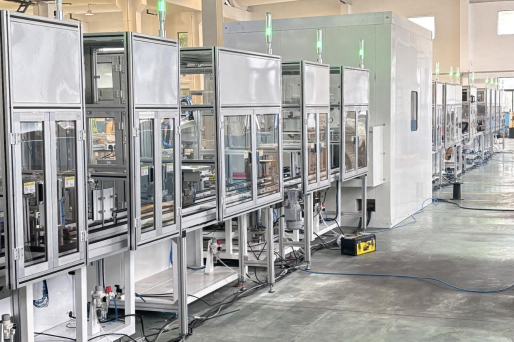
January 15th, 2026 Air Conditioner BLDC Motor Production line Dispatch to India

08

Apr

January 15th, 2026 Air Conditioner BLDC Motor Production line Dispatch to India

View More
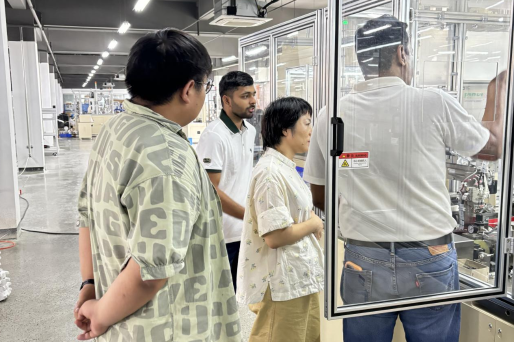
August 30th, 2025, 45W Air conditioner ODU BLDC motor Assembly line Inspection From India customer

08

Apr

August 30th, 2025, 45W Air conditioner ODU BLDC motor Assembly line Inspection From India customer

View More
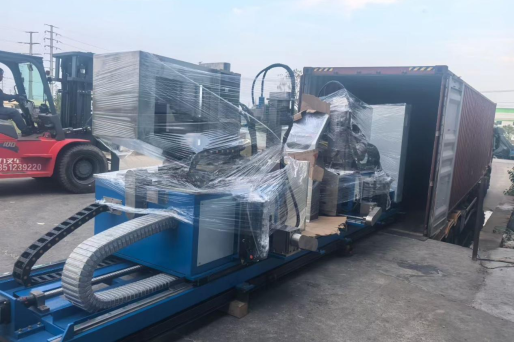
January 5th , 2026 CNC Coil Forming Machine For High Voltage Motors dispatched to UZ (Uzbekistan)

07

Apr

January 5th , 2026 CNC Coil Forming Machine For High Voltage Motors dispatched to UZ (Uzbekistan)

View More

Get a Free Quote

Our representative will contact you soon.
Email
Name
Mobile/WhatsApp
Company Name
Message
0/1000

brushless motor winding machine

Precision Engineering That Guarantees Perfect Coils Every Time

Precision Engineering That Guarantees Perfect Coils Every Time

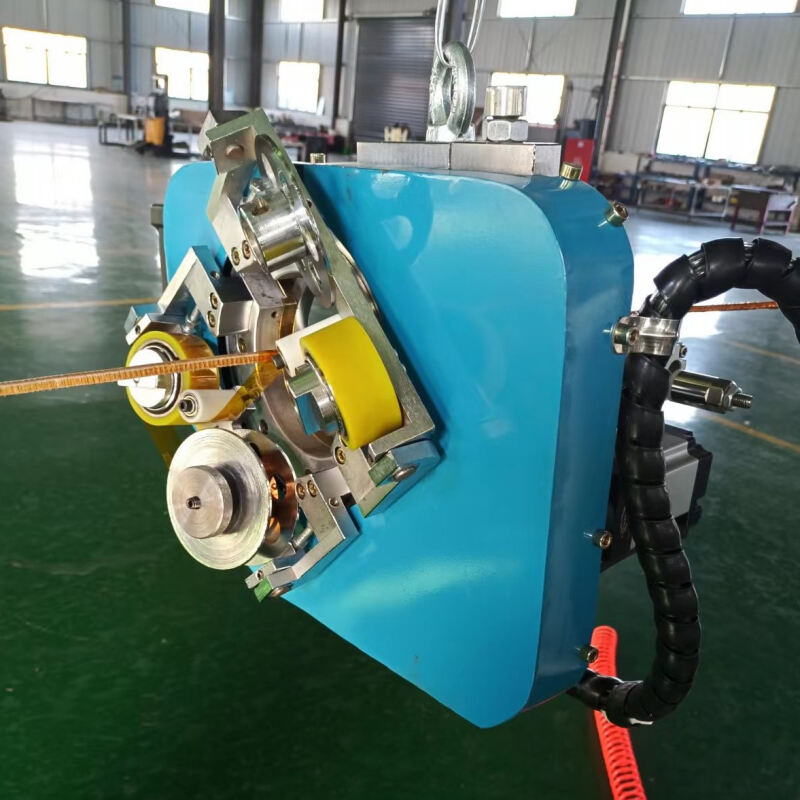
The brushless motor winding machine delivers unmatched precision through advanced engineering that ensures every coil meets exact specifications without deviation. At the heart of this capability lies a sophisticated servo motor control system that regulates wire positioning with micrometer-level accuracy. Unlike manual winding methods where human limitations inevitably introduce variations, automated precision engineering maintains absolute consistency across thousands of production cycles. The tension control mechanism represents a critical precision component, continuously monitoring and adjusting wire tension throughout the winding process. Proper tension prevents loose windings that compromise motor performance while avoiding excessive force that might stretch or damage copper wire. Sensors provide real-time feedback to control systems, making instantaneous adjustments that keep tension within optimal parameters regardless of wire characteristics or environmental conditions. This dynamic regulation ensures that the first stator wound on Monday morning receives identical treatment to the thousandth unit produced Friday afternoon. The indexing system that rotates stator cores during winding operations exemplifies another precision element. High-resolution encoders track rotational position with extreme accuracy, ensuring that each wire layer begins and ends at precisely the correct location. This exactness proves essential for maintaining proper electrical phase relationships in three-phase motors and achieving balanced magnetic fields during operation. Even minute positioning errors can create performance problems, making precision indexing a non-negotiable requirement for quality motor production. Modern brushless motor winding machines incorporate wire guide mechanisms that position conductors with remarkable accuracy as they transfer from supply spools to stator slots. These guides prevent wire crossovers, maintain proper spacing between turns, and ensure clean layer transitions. The mechanical design accounts for different wire gauges and insulation types, adapting automatically based on programmed parameters. Operators simply input specifications through the control interface, and the machine configures itself accordingly, eliminating setup errors that plague manual processes. The cumulative effect of these precision engineering elements manifests in motors with superior electrical characteristics and mechanical reliability. Consistent coil geometry produces predictable inductance, resistance, and magnetic flux distribution. Motors exhibit smooth operation, efficient energy conversion, and extended service life. Manufacturing facilities experience fewer quality control failures, reduced rework costs, and improved customer satisfaction. For businesses competing in markets where performance differentiates products, the precision delivered by the brushless motor winding machine provides a tangible competitive advantage that justifies the investment many times over.
Intelligent Automation That Transforms Manufacturing Efficiency

Intelligent Automation That Transforms Manufacturing Efficiency

The intelligent automation capabilities embedded within the brushless motor winding machine revolutionize manufacturing workflows by eliminating bottlenecks and maximizing resource utilization. Unlike conventional equipment requiring constant operator intervention, these advanced systems operate semi-autonomously, freeing personnel to oversee multiple machines simultaneously or focus on value-added activities such as quality assurance and process optimization. The programmable logic controller forms the intelligence hub, executing complex winding sequences while monitoring system status and responding to changing conditions. Modern control platforms offer intuitive touchscreen interfaces that simplify programming and operation. Operators access visual workflow guides, parameter entry screens, and real-time production monitoring displays without navigating complicated command structures. Libraries store proven winding programs for different motor types, enabling rapid changeovers that minimize downtime between production runs. When introducing new motor designs, technicians develop and test winding programs offline, then upload them to machines for immediate implementation, substantially reducing new product introduction timelines. The automated wire feeding system exemplifies intelligence in action, managing wire supply without manual intervention. Tension-controlled payoff stands release wire smoothly while compensating for spool diameter changes as wire depletes. When spools empty, some advanced machines automatically switch to backup supplies or alert operators for replacement during planned intervals, preventing production interruptions. The system tracks wire consumption and generates inventory alerts, supporting just-in-time material management that reduces carrying costs while ensuring continuous material availability. Quality monitoring functions integrated into the brushless motor winding machine provide real-time feedback about production status. Sensors detect wire breaks, tension anomalies, and positioning errors, immediately stopping operations and alerting operators when issues arise. This immediate response prevents defective units from progressing through production, reducing waste and rework expenses. Historical data logging creates audit trails documenting every production parameter, supporting traceability requirements and facilitating root cause analysis when investigating quality concerns. The machine learning capabilities now appearing in premium winding equipment represent the next evolution in intelligent automation. These systems analyze production data to identify patterns and optimize parameters automatically. They might detect that slightly adjusting tension for a particular wire gauge reduces breakage rates, then implement the improvement autonomously. Over time, these self-optimizing machines become increasingly efficient, delivering performance improvements that continue long after initial installation. For manufacturers facing skilled labor shortages, intelligent automation offers a viable solution that maintains production capacity without proportionally expanding workforce requirements. The brushless motor winding machine handles repetitive precision tasks tirelessly while humans contribute judgment, creativity, and problem-solving abilities. This partnership between automation and human expertise creates manufacturing operations that leverage the strengths of both, positioning businesses for sustainable growth in competitive global markets.

Versatile Adaptability For Diverse Production Requirements

Versatile Adaptability For Diverse Production Requirements

The exceptional versatility built into contemporary brushless motor winding machines addresses the reality that modern manufacturers rarely produce single motor types in unchanging volumes. Market dynamics demand flexibility to accommodate varying specifications, production quantities, and rapid design iterations without requiring substantial capital investments in specialized equipment. This adaptability transforms the brushless motor winding machine from a single-purpose tool into a comprehensive production platform capable of supporting diverse business strategies and evolving market opportunities. Physical configurability represents the foundation of this versatility, with machines designed to handle broad ranges of stator sizes, wire gauges, and winding patterns. Adjustable tooling accommodates stator diameters from compact units for consumer electronics to larger assemblies for industrial applications. Quick-change fixtures enable rapid reconfiguration between different stator geometries, often requiring just minutes rather than hours for traditional equipment. Some advanced systems feature motorized adjustment mechanisms that automatically resize tooling based on programmed parameters, further reducing changeover times and eliminating manual measurement errors during setup procedures. The winding head design incorporates flexibility to execute various winding techniques including lap winding, concentrated winding, and distributed winding patterns. Different motor topologies require distinct coil configurations to achieve optimal performance characteristics. A single brushless motor winding machine equipped with appropriate programming can produce stators for inner rotor motors, outer rotor motors, and axial flux designs without hardware modifications. This capability proves invaluable for research and development activities where engineers explore alternative motor architectures, and for manufacturers serving multiple market segments with distinct motor requirements. Wire handling versatility accommodates different conductor types and gauges within the same production environment. The machine processes round copper wire in various diameters, rectangular wire for applications requiring maximum slot fill, and insulated conductors with different coating types. Automated systems adjust tension, feeding speed, and handling parameters based on material specifications entered through control interfaces. This material flexibility supports optimization efforts where design teams might select different wire specifications to balance cost, performance, and thermal characteristics without constraining choices based on production equipment limitations. Production volume adaptability distinguishes versatile winding machines from rigid automation designed exclusively for high-volume applications. The same equipment efficiently handles prototype quantities during development phases, medium volumes for specialized markets, and high-volume production when demand scales. Programmable controls eliminate the lengthy setup times that make frequent changeovers uneconomical on conventional equipment. Manufacturers can economically produce small batches of custom motors alongside standard products, opening opportunities in niche markets that competitors with less flexible equipment cannot profitably serve. The expandability designed into quality brushless motor winding machines extends their useful life as business requirements evolve. Modular architectures allow adding capabilities such as automatic wire cutting, terminal insertion, or integrated testing without replacing base equipment. Control systems accept software updates that enhance functionality and add features developed after initial purchase. This upgradeability protects capital investments while ensuring that production capabilities keep pace with advancing technology and changing market demands, making the brushless motor winding machine a future-proof foundation for sustainable manufacturing operations.

Get a Free Quote

Our representative will contact you soon.
Email
Name
Mobile/WhatsApp
Company Name
Message
0/1000