Motor Stator Winding Machine - Precision Automated Winding Solutions for Electric Motor Manufacturing

Get a Free Quote

Our representative will contact you soon.
Email
Name
Mobile/WhatsApp
Company Name
Message
0/1000

motor stator winding machine

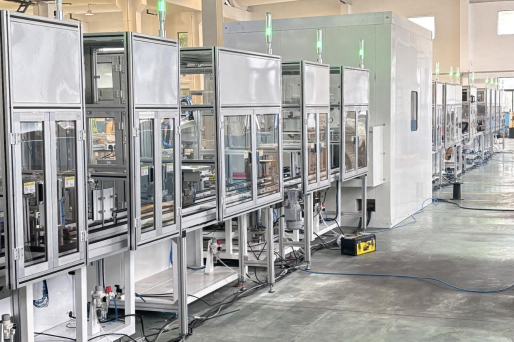
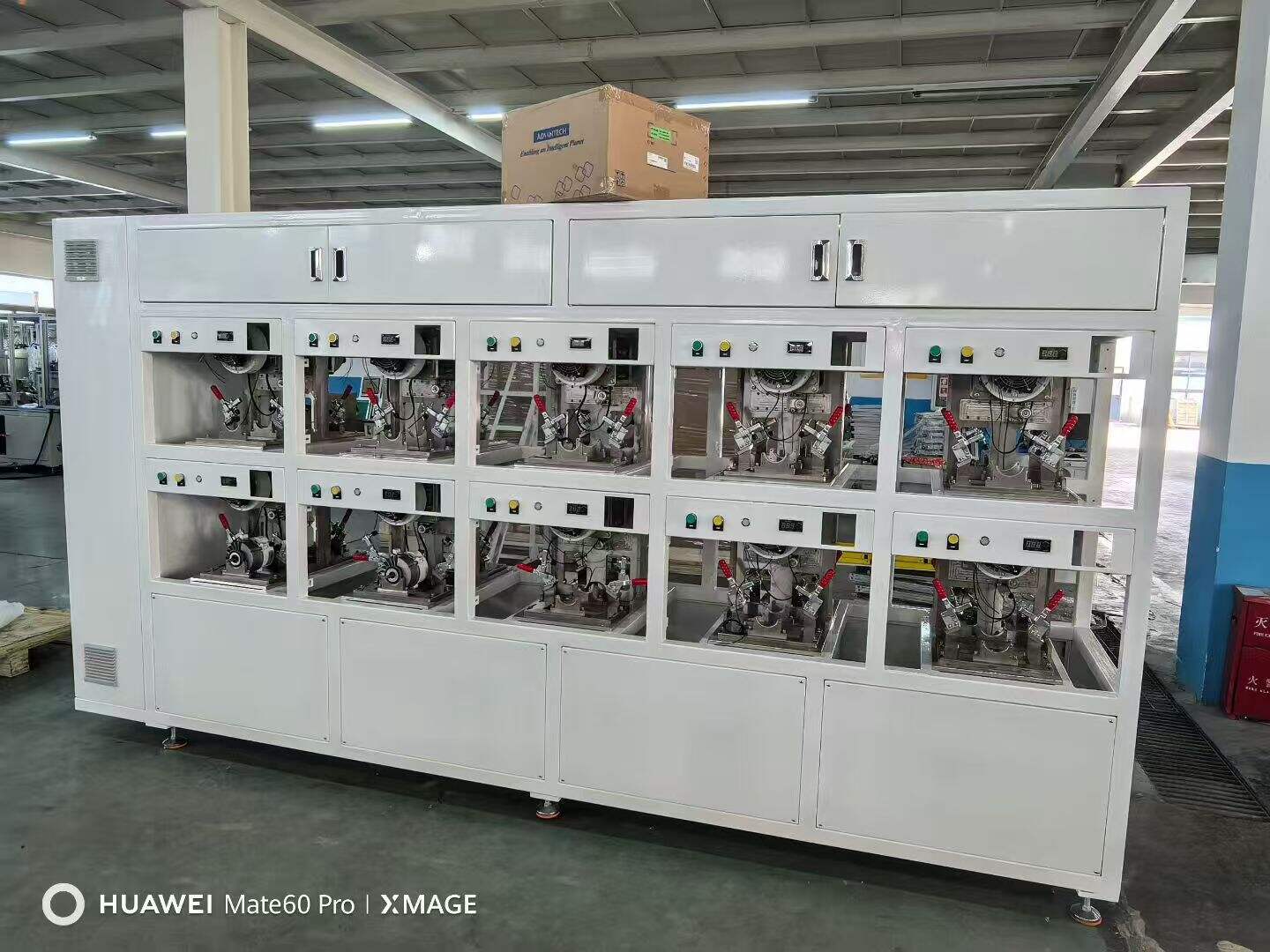
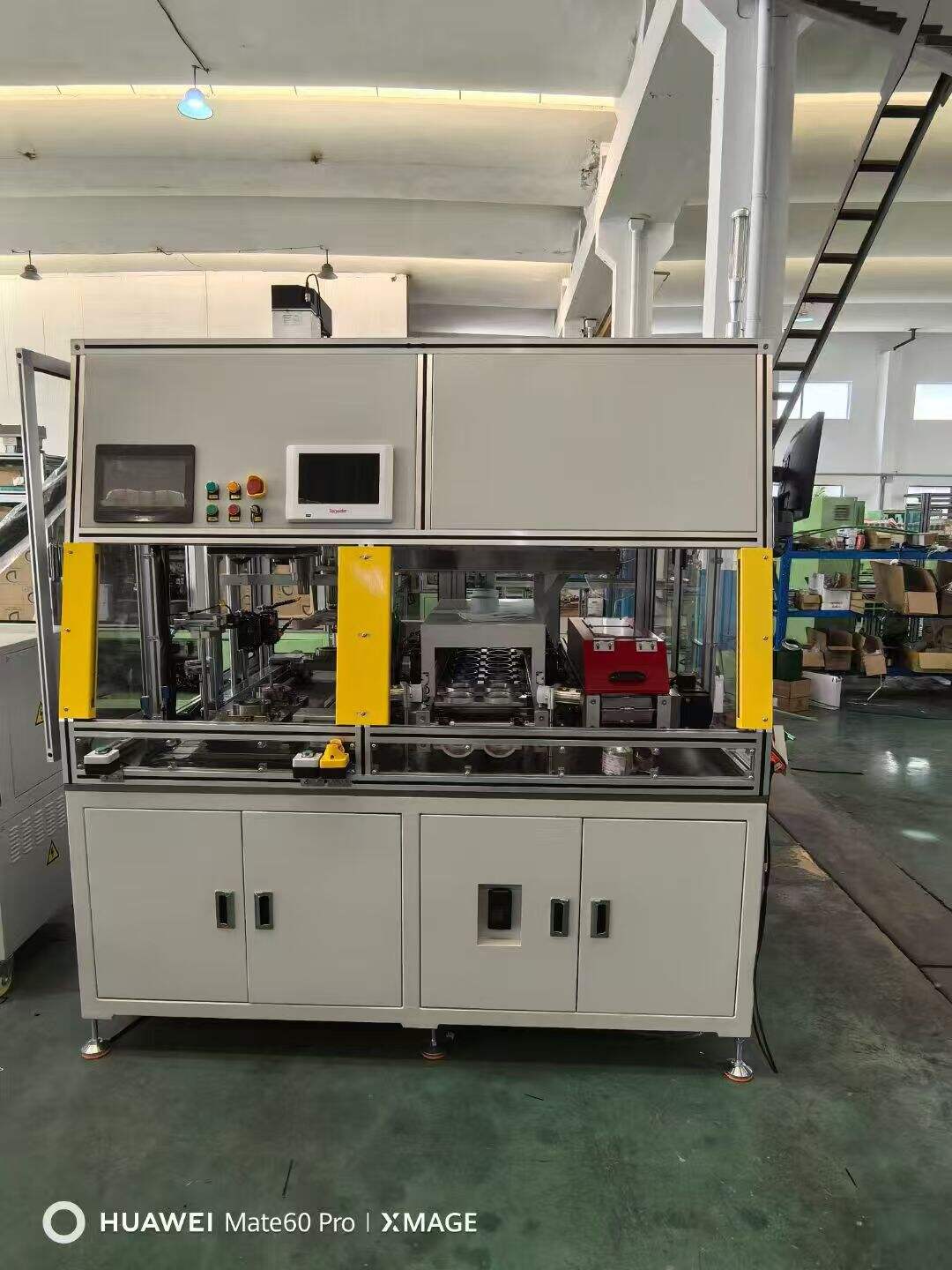
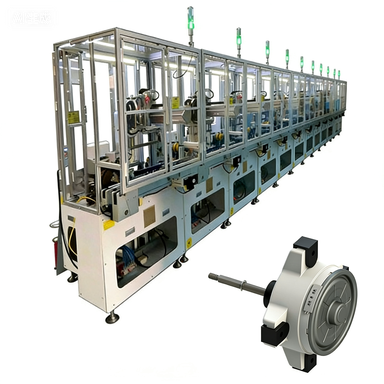
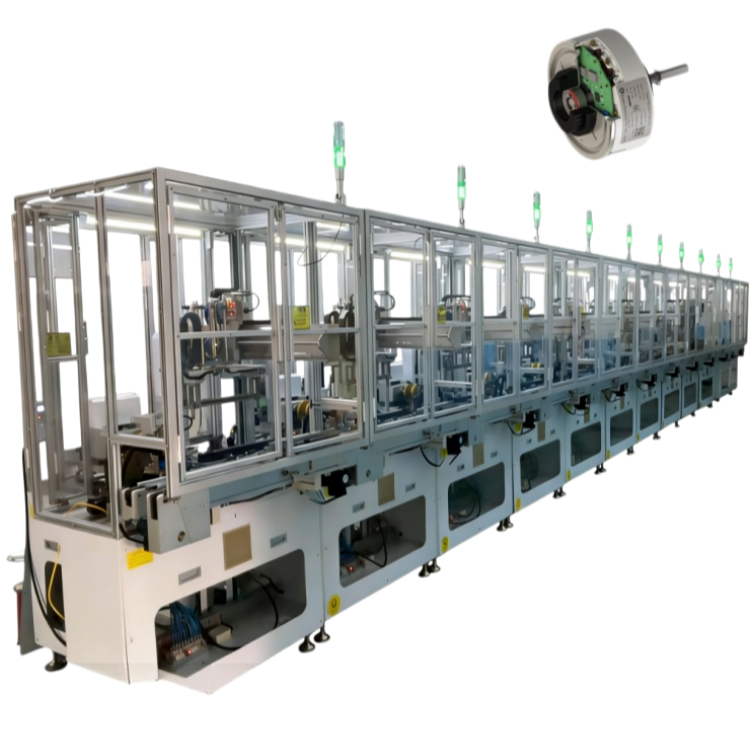
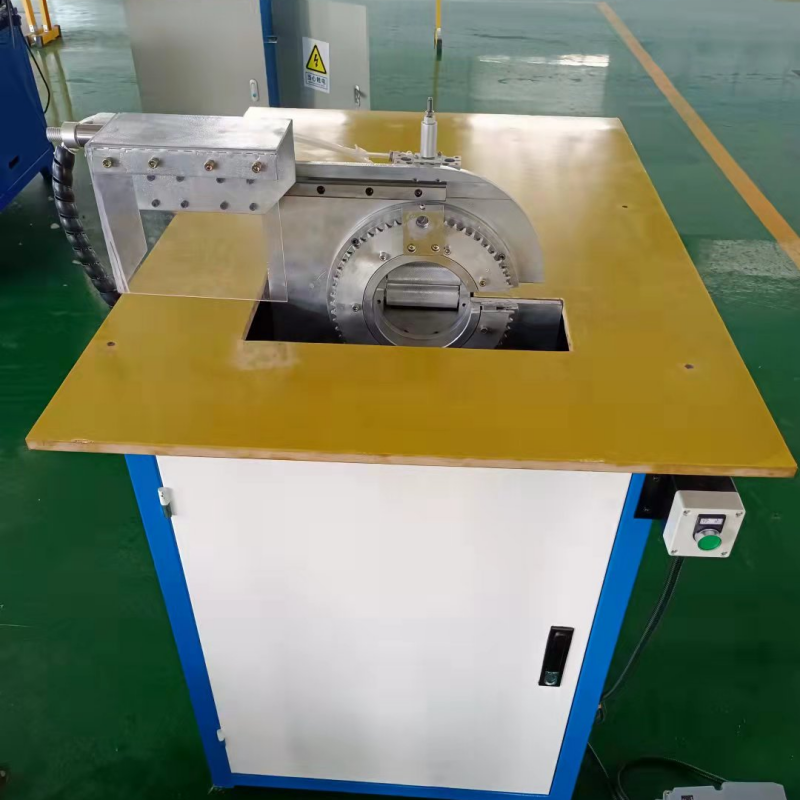
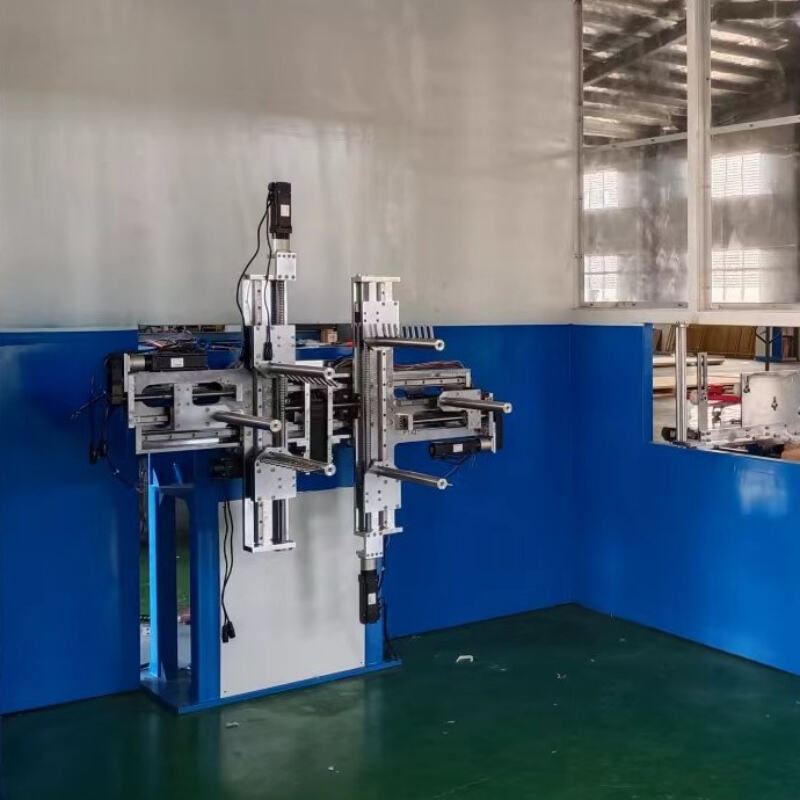
A motor stator winding machine represents specialized manufacturing equipment designed to automate the precise winding of copper wire coils onto motor stator cores. This sophisticated machinery has revolutionized electric motor production by replacing labor-intensive manual winding processes with computerized precision operations. The motor stator winding machine consists of several integrated components including wire feeding mechanisms, tension control systems, positioning platforms, and programmable control units that work harmoniously to create consistent, high-quality windings. These machines accommodate various motor types ranging from small household appliances to industrial-grade equipment, making them versatile solutions for manufacturers across multiple sectors. The primary function involves automatically wrapping insulated copper wire around designated stator slots according to predetermined patterns and specifications. Modern motor stator winding machines incorporate advanced servo motors, touchscreen interfaces, and intelligent software that enable operators to input specific winding parameters such as turns count, winding speed, wire tension, and slot configuration. The technological features include automatic wire cutting, precise slot indexing, adjustable winding tension, and programmable winding patterns that ensure repeatability across production batches. These machines support different winding techniques including lap winding, wave winding, and concentrated winding methods depending on motor design requirements. Applications span automotive manufacturing for electric vehicle motors, home appliance production for washing machines and air conditioners, power tool manufacturing, industrial pump and compressor motors, and renewable energy equipment such as wind turbine generators. The motor stator winding machine significantly reduces production time while improving winding uniformity, which directly impacts motor efficiency and performance. Quality consistency achieved through automated processes minimizes rejection rates and warranty claims, providing manufacturers with reliable production outcomes that meet stringent industry standards and customer expectations.
New Product Releases

Investing in a motor stator winding machine delivers substantial operational improvements that directly affect your bottom line and competitive positioning in the marketplace. First and foremost, these machines dramatically increase production speed compared to manual winding methods, enabling manufacturers to complete winding tasks up to five times faster depending on motor complexity. This acceleration translates into higher output volumes without proportionally increasing labor costs, allowing businesses to fulfill larger orders and respond quickly to market demands. The precision offered by automated winding equipment ensures that every stator receives identical wire placement, tension, and turn count, eliminating the variations inherent in human-performed tasks. This consistency means your motors will demonstrate uniform performance characteristics, reducing field failures and building customer trust in your brand reliability. Labor cost reduction represents another compelling advantage, as one skilled operator can supervise multiple machines simultaneously, replacing teams of manual winders and reallocating human resources to value-added activities. The motor stator winding machine also enhances workplace safety by reducing repetitive strain injuries associated with manual winding operations, creating a healthier work environment and decreasing workers compensation expenses. Energy efficiency improvements emerge from precisely wound stators that minimize electrical losses, allowing your motors to operate at optimal performance levels while consuming less power. This efficiency becomes a marketable feature that appeals to environmentally conscious customers and helps your products meet increasingly strict energy regulations. The machines offer remarkable flexibility through programmable settings that accommodate different motor sizes and winding specifications without requiring extensive retooling or setup time. Manufacturers can switch between product lines rapidly, supporting diversified production strategies and custom order fulfillment. Quality traceability improves significantly as modern motor stator winding machines record production parameters for each unit, creating documentation that supports quality audits and continuous improvement initiatives. Material waste decreases substantially because automated tension control and precise wire feeding prevent the overwinding, underwinding, and wire damage common in manual processes. The return on investment typically occurs within two to three years as the cumulative savings from increased productivity, reduced labor, lower rejection rates, and decreased material waste offset the initial equipment purchase. Training requirements are minimal since intuitive touchscreen interfaces guide operators through setup and operation procedures, reducing the learning curve and enabling quick workforce adaptation. Maintenance demands remain modest with routine inspections and lubrication keeping machines operational for extended periods, ensuring high uptime percentages that maximize production capacity utilization and delivery schedule adherence.

Practical Tips

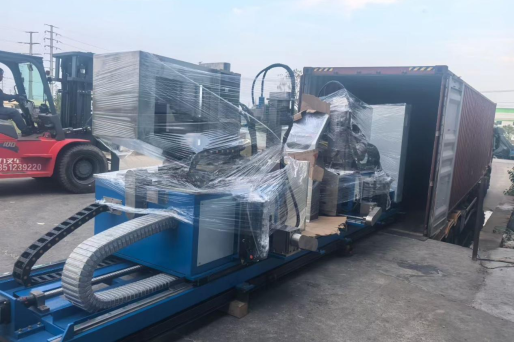
January 15th, 2026 Air Conditioner BLDC Motor Production line Dispatch to India

08

Apr

January 15th, 2026 Air Conditioner BLDC Motor Production line Dispatch to India

View More
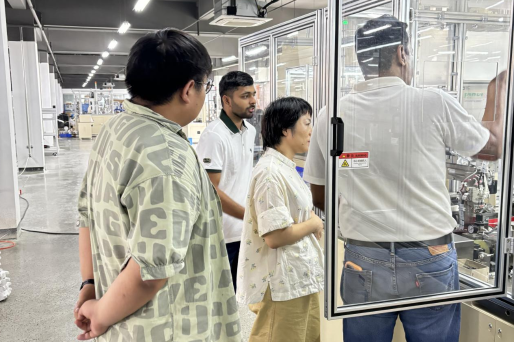
August 30th, 2025, 45W Air conditioner ODU BLDC motor Assembly line Inspection From India customer

08

Apr

August 30th, 2025, 45W Air conditioner ODU BLDC motor Assembly line Inspection From India customer

View More
January 5th , 2026 CNC Coil Forming Machine For High Voltage Motors dispatched to UZ (Uzbekistan)

07

Apr

January 5th , 2026 CNC Coil Forming Machine For High Voltage Motors dispatched to UZ (Uzbekistan)

View More

Get a Free Quote

Our representative will contact you soon.
Email
Name
Mobile/WhatsApp
Company Name
Message
0/1000

motor stator winding machine

Precision Control Technology for Superior Winding Quality

Precision Control Technology for Superior Winding Quality

The motor stator winding machine incorporates advanced precision control technology that fundamentally transforms how manufacturers achieve consistent, high-quality windings across every production unit. At the heart of this capability lies sophisticated servo motor systems that control wire feeding speed, tension management, and positioning accuracy with tolerances measured in fractions of a millimeter. This level of precision proves impossible to replicate through manual operations where human variability inevitably introduces inconsistencies. The tension control system continuously monitors wire tightness throughout the winding process, making real-time adjustments that prevent loose coils or excessive tension that could damage wire insulation or deform stator geometry. Programmable logic controllers store multiple winding recipes, allowing operators to select appropriate parameters for different motor designs with simple touchscreen inputs rather than relying on experienced workers who possess specialized knowledge. The positioning platform indexes stator slots with absolute accuracy, ensuring that each wire layer occupies the correct spatial location and maintains proper phase relationships critical for motor performance. Optical sensors and feedback mechanisms verify wire placement and detect abnormalities such as wire breaks or improper feeding, automatically pausing operations to prevent defective units from progressing through production. This intelligent monitoring capability reduces scrap rates dramatically while ensuring that quality issues receive immediate attention before affecting multiple units. The precision winding patterns achievable through computerized control enable motor designers to optimize electromagnetic characteristics, improving torque output, reducing vibration, and enhancing overall efficiency beyond what manual winding techniques can deliver. Manufacturers benefit from the ability to produce motors with tighter performance specifications, opening opportunities in premium market segments where customers demand superior quality and reliability. Documentation generated by the control system creates complete production records linking specific winding parameters to individual serial numbers, supporting traceability requirements for automotive, aerospace, and medical applications where regulatory compliance demands comprehensive quality evidence. The precision control technology also enables experimentation with advanced winding configurations that maximize slot fill factors and minimize end-turn lengths, contributing to more compact motor designs with improved power density ratios that appeal to space-constrained applications.
Versatile Adaptation Across Multiple Motor Types and Sizes

Versatile Adaptation Across Multiple Motor Types and Sizes

One of the most valuable characteristics distinguishing modern motor stator winding machines from traditional equipment is their remarkable versatility in handling diverse motor configurations without requiring extensive modifications or specialized tooling investments. This adaptability addresses a critical manufacturing challenge where product portfolios increasingly include varied motor sizes serving different applications and market segments. The adjustable fixture systems accommodate stator outer diameters ranging from compact sizes suitable for small appliances to large industrial motors, with quick-change mounting platforms that facilitate rapid transitions between production runs. Tool-less adjustment mechanisms enable operators to modify slot width settings, winding head positions, and wire guide locations within minutes rather than hours, dramatically reducing changeover times that traditionally consumed substantial production capacity. The motor stator winding machine supports different slot configurations including distributed windings with multiple slots per pole per phase and concentrated windings with single-tooth coil arrangements, providing flexibility to manufacture both conventional and modern motor topologies. Wire gauge compatibility spans a broad range from fine wires used in precision instruments to heavy conductors required for high-power industrial applications, with automatic tension adjustment compensating for different wire diameters and mechanical properties. Programmable winding patterns accommodate various connection schemes such as star, delta, series, and parallel configurations, allowing manufacturers to produce motors optimized for different voltage and current ratings using the same base equipment. This versatility eliminates the need to maintain separate winding equipment for each product family, reducing capital expenditure requirements and factory floor space consumption while simplifying maintenance inventory management. The ability to handle both inner winding and outer winding approaches extends application coverage to different motor construction methods including traditional assembled stators and innovative hairpin winding techniques gaining popularity in electric vehicle applications. Manufacturers serving diverse industries benefit tremendously from this adaptability, as automotive components, HVAC systems, industrial automation equipment, and consumer appliances can all be produced using common winding platforms with appropriate program selection. The versatility extends to experimental and prototype development where engineering teams can test new motor designs without committing to dedicated production equipment, accelerating innovation cycles and reducing time-to-market for new products. International manufacturers particularly value this flexibility as it enables production facilities to serve multiple regional markets with different electrical standards and motor specifications using standardized equipment investments.
Intelligent Automation Reducing Operational Complexity

Intelligent Automation Reducing Operational Complexity

The integration of intelligent automation within motor stator winding machines represents a paradigm shift that makes advanced manufacturing capabilities accessible to operations regardless of workforce skill levels or previous automation experience. Traditional winding processes demanded highly trained technicians who developed expertise through years of hands-on practice, creating workforce dependencies that limited production scalability and introduced vulnerability to personnel turnover. Modern motor stator winding machines eliminate these constraints through intuitive human-machine interfaces featuring graphical touchscreens that guide operators through setup procedures using visual representations rather than complex technical manuals. Recipe management systems store complete winding specifications including wire paths, turn counts, speed profiles, and quality checkpoints, allowing operators to recall proven parameters with simple menu selections that ensure consistent execution. Automatic calibration routines verify machine geometry and sensor alignment at startup, detecting potential issues before they affect production and prompting corrective actions through clear on-screen instructions. The intelligent systems learn from production data, identifying optimal operating parameters that balance speed and quality while flagging conditions associated with increased defect rates or maintenance needs. Predictive maintenance algorithms monitor component wear patterns, vibration signatures, and performance metrics to schedule servicing before failures occur, maximizing uptime and preventing unexpected production disruptions. Barcode or RFID integration links specific stator cores to their digital work instructions, eliminating manual data entry errors and ensuring that each unit receives appropriate processing regardless of production sequence variations. The motor stator winding machine communicates seamlessly with factory management systems, reporting real-time production counts, quality metrics, and equipment status that enable supervisors to make informed decisions about resource allocation and schedule optimization. Remote diagnostic capabilities allow equipment manufacturers to provide technical support by accessing machine parameters and operational logs electronically, reducing service response times and minimizing the need for on-site visits. The automation extends to wire handling where automatic wire feeders eliminate manual threading through guides and tensioners, reducing setup time while preventing wire damage that compromises insulation integrity. Quality verification happens automatically through integrated testing that measures winding resistance, insulation integrity, and inductance values immediately after completion, segregating non-conforming units before they proceed to subsequent assembly operations. This comprehensive automation approach democratizes advanced manufacturing technology, enabling smaller manufacturers to achieve quality levels and production efficiencies previously accessible only to large enterprises with extensive engineering resources and specialized workforce development programs.

Get a Free Quote

Our representative will contact you soon.
Email
Name
Mobile/WhatsApp
Company Name
Message
0/1000