Cut to Length Machine - Precision Metal Sheet Cutting Solutions for Industrial Manufacturing

Get a Free Quote

Our representative will contact you soon.
Email
Name
Mobile/WhatsApp
Company Name
Message
0/1000

cut to length machine

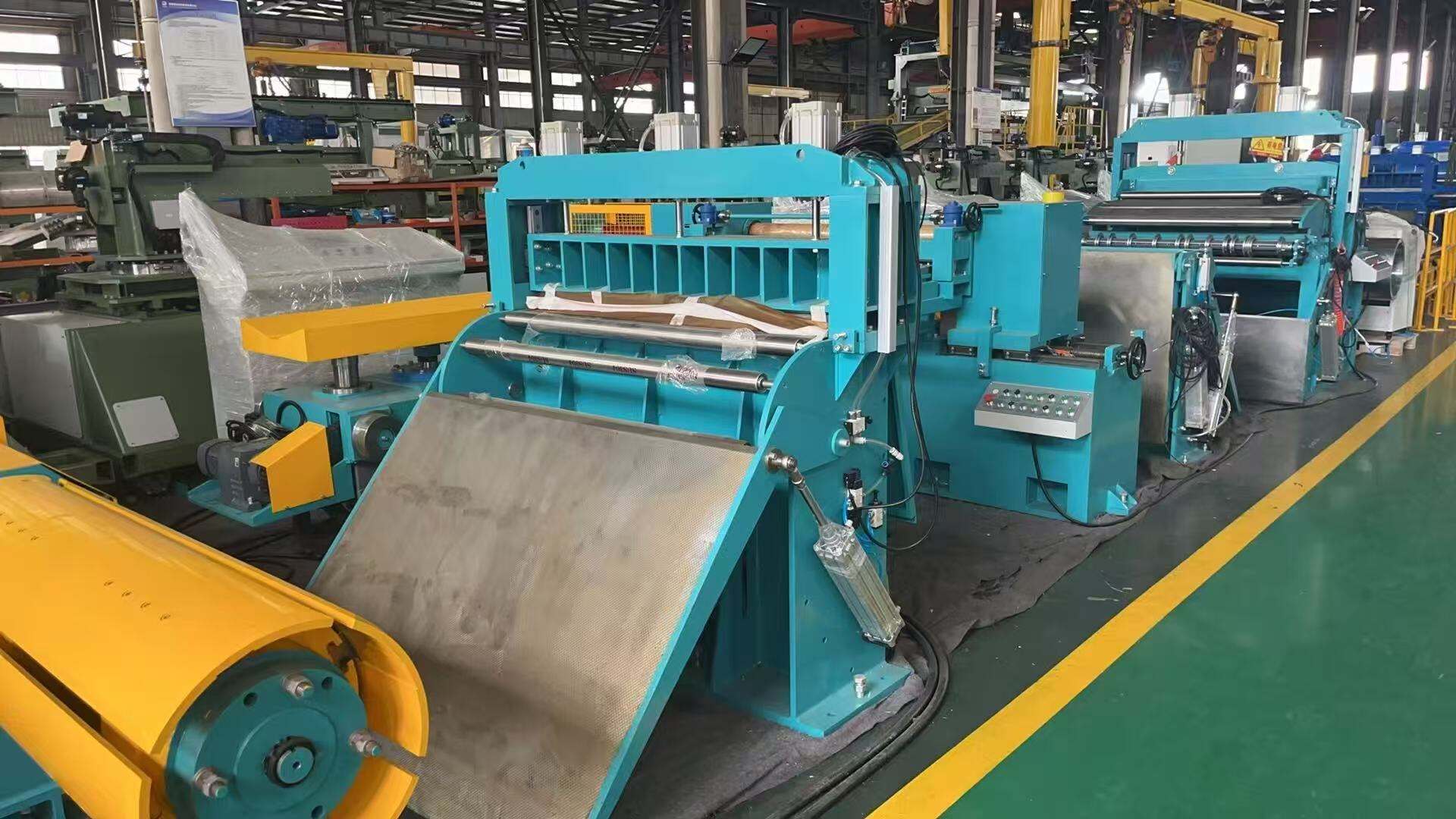
A cut to length machine represents a sophisticated industrial solution designed to transform coiled metal materials into precisely measured flat sheets with exceptional accuracy and efficiency. This automated equipment plays a pivotal role in modern metal processing facilities, serving manufacturers who require consistent, high-quality sheet metal products for their production lines. The primary function of a cut to length machine involves unwinding metal coils, flattening the material through a series of precision rollers, measuring the exact dimensions required, and executing clean cuts to produce individual sheets that meet strict specifications. These machines accommodate various metal types including steel, aluminum, copper, and stainless steel, with thickness ranges typically spanning from thin gauge materials to heavy-duty industrial plates. The technological framework of a cut to length machine integrates multiple sophisticated components working in seamless coordination. The decoiler system securely holds and releases the coiled material at controlled speeds, while the straightening unit employs multiple rollers arranged in strategic configurations to eliminate coil set and ensure perfectly flat sheets. Advanced servo-driven feeding mechanisms guarantee precise length measurements, and hydraulic or mechanical shearing systems deliver clean, burr-free cuts without material deformation. Modern cut to length machine models incorporate computerized control systems featuring intuitive touchscreen interfaces, allowing operators to program complex cutting sequences, store multiple job configurations, and monitor production metrics in real time. These systems often include automatic thickness detection, which adjusts roller pressure dynamically to accommodate material variations. The applications of cut to length machine technology extend across numerous industrial sectors. Automotive manufacturers rely on these machines to produce body panels and structural components, while construction industries utilize them for roofing materials, wall panels, and structural steel elements. Electronics manufacturers require precisely cut sheets for enclosures and circuit board substrates, and appliance producers depend on consistent sheet metal for refrigerators, washing machines, and cooking equipment. The versatility of a cut to length machine makes it indispensable for job shops, steel service centers, and manufacturing facilities requiring flexible production capabilities without sacrificing quality or dimensional accuracy in their finished sheet products.

New Product Releases

Investing in a cut to length machine delivers substantial operational benefits that directly impact your bottom line and production capabilities. First and foremost, these machines dramatically reduce material waste compared to manual cutting methods or purchasing pre-cut sheets from suppliers. By processing full coils in-house with a cut to length machine, you eliminate the premium costs associated with pre-fabricated sheets and minimize scrap generation through precise cutting algorithms that optimize material utilization. This waste reduction translates to significant cost savings, particularly when processing expensive metals like stainless steel or specialized alloys. The efficiency gains are equally impressive, as a cut to length machine operates continuously with minimal human intervention, processing thousands of sheets per shift compared to manual cutting operations that require constant operator attention and physical effort. Production speed increases allow you to fulfill larger orders within tighter deadlines, improving customer satisfaction and enabling you to capture market opportunities that require rapid turnaround times. Labor cost reduction represents another compelling advantage, since automation eliminates the need for multiple workers performing repetitive cutting tasks, allowing you to redeploy personnel to higher-value activities while reducing overtime expenses and workplace injury risks associated with manual metal handling. The consistency and precision offered by a cut to length machine ensures that every sheet meets exact specifications, eliminating dimensional variations that plague manual processes and reducing rejection rates in subsequent manufacturing operations. This reliability is particularly valuable when producing components with tight tolerances or when sheets feed directly into automated assembly systems that cannot accommodate dimensional inconsistencies. Flexibility stands as a key operational benefit, enabling you to switch between different materials, thicknesses, and cut lengths quickly through simple programming changes rather than complex mechanical adjustments. This adaptability supports diverse product portfolios and custom order fulfillment without significant downtime between production runs. Quality improvements extend beyond dimensional accuracy to include superior edge quality, with modern cut to length machine shearing systems producing clean cuts that often eliminate secondary deburring operations, saving additional processing time and costs. The scalability of these systems means your investment grows with your business, as most machines can be upgraded with additional features or integrated into larger production lines as demand increases. Finally, the data collection capabilities of modern cut to length machine control systems provide valuable production insights, tracking material consumption, cycle times, and equipment performance metrics that inform strategic decisions about inventory management, maintenance scheduling, and capacity planning, giving you unprecedented visibility into your metal processing operations.

Latest News

January 15th, 2026 Air Conditioner BLDC Motor Production line Dispatch to India

08

Apr

January 15th, 2026 Air Conditioner BLDC Motor Production line Dispatch to India

View More
August 30th, 2025, 45W Air conditioner ODU BLDC motor Assembly line Inspection From India customer

08

Apr

August 30th, 2025, 45W Air conditioner ODU BLDC motor Assembly line Inspection From India customer

View More
January 5th , 2026 CNC Coil Forming Machine For High Voltage Motors dispatched to UZ (Uzbekistan)

07

Apr

January 5th , 2026 CNC Coil Forming Machine For High Voltage Motors dispatched to UZ (Uzbekistan)

View More

Get a Free Quote

Our representative will contact you soon.
Email
Name
Mobile/WhatsApp
Company Name
Message
0/1000

cut to length machine

Advanced Precision Control Systems for Unmatched Dimensional Accuracy

Advanced Precision Control Systems for Unmatched Dimensional Accuracy

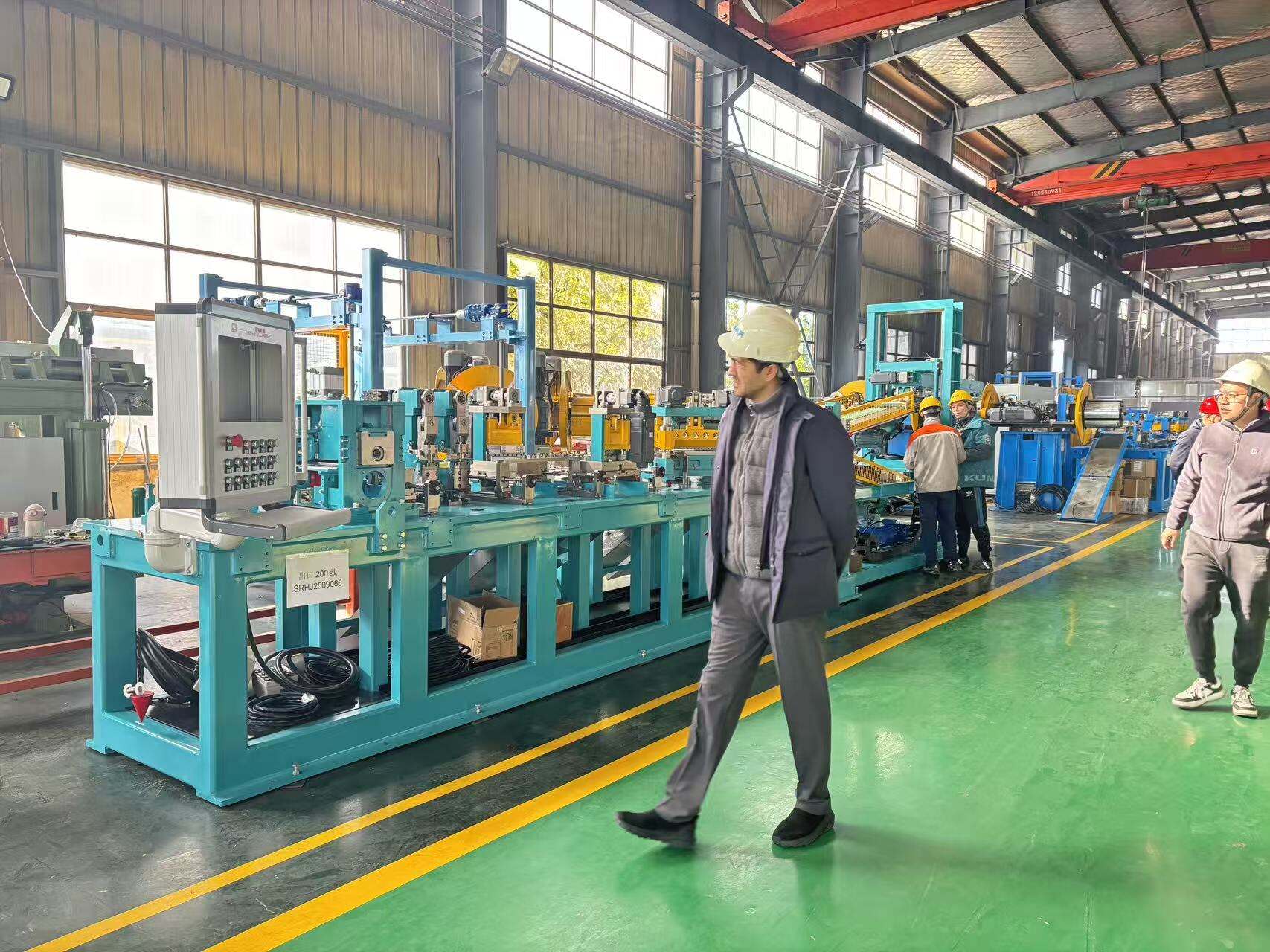
The heart of any high-performance cut to length machine lies in its sophisticated precision control system, which represents the difference between acceptable production and exceptional manufacturing excellence. Modern machines employ state-of-the-art servo motor technology coupled with advanced encoder feedback mechanisms that monitor and adjust material positioning with micron-level accuracy throughout the entire cutting process. These systems utilize real-time measurement protocols that continuously verify sheet length during feeding operations, automatically compensating for material stretch, slippage, or tension variations that might otherwise compromise dimensional consistency. The precision control architecture of a cut to length machine integrates multiple sensor arrays positioned at strategic points along the material path, including entry guides, straightening rollers, and cutting stations, creating a comprehensive monitoring network that ensures absolute dimensional integrity. Programmable logic controllers coordinate all machine functions with split-second timing precision, synchronizing the unwinding speed, roller pressures, feeding velocity, and shearing action to maintain optimal processing conditions regardless of material characteristics or production speeds. Operators benefit from intuitive human-machine interfaces that allow them to input exact specifications for each production run, with the cut to length machine automatically calculating optimal processing parameters based on material type, thickness, width, and desired length. Advanced models feature learning algorithms that analyze production data over time, identifying patterns and automatically refining operational parameters to enhance accuracy and efficiency with each successive run. The precision capabilities extend to batch processing scenarios where a cut to length machine can execute complex cutting schedules involving multiple lengths within a single coil, automatically tracking position and executing dimension changes without operator intervention. This intelligent automation eliminates human error factors that traditionally compromise dimensional consistency in metal processing operations. Quality assurance features built into modern precision control systems include automatic reject mechanisms that identify and separate sheets falling outside tolerance specifications, ensuring that only conforming products reach your downstream operations. The measurement systems employed in premium cut to length machine models achieve repeatability specifications within plus or minus half a millimeter across extended production runs, a consistency level that manual operations simply cannot match. These precision control systems also incorporate predictive maintenance algorithms that monitor component wear patterns, vibration signatures, and performance deviations, alerting maintenance personnel to potential issues before they impact production quality or cause unexpected downtime. The integration of Industry 4.0 connectivity options in contemporary cut to length machine designs enables remote monitoring and diagnostics, allowing technical support teams to analyze performance data and optimize settings without physical site visits, reducing support costs and minimizing production interruptions.
Robust Material Handling Capabilities for Diverse Production Requirements

Robust Material Handling Capabilities for Diverse Production Requirements

The material handling capabilities of a cut to length machine determine its versatility and suitability for diverse manufacturing environments, making this aspect a critical consideration for facilities processing varied metal types and dimensions. Premium machines feature heavy-duty decoiler systems engineered to accommodate coil weights ranging from several hundred kilograms to multiple tons, with expandable mandrels that adapt to different coil inner diameters without requiring time-consuming adjustments or accessory changes. These decoiler assemblies incorporate precision braking systems that maintain optimal material tension throughout the unwinding process, preventing the loose coil conditions that cause feeding irregularities and dimensional inconsistencies. The material entry systems of a sophisticated cut to length machine include adjustable guide assemblies that center and align incoming material regardless of width variations or coil winding imperfections, ensuring that sheets enter the straightening section in optimal orientation for processing. Straightening units represent perhaps the most critical material handling component, employing multiple rollers arranged in carefully engineered configurations that progressively remove coil set through controlled bending and unbending cycles. High-capacity machines utilize up to seventeen or more straightening rollers, with each roller diameter, position, and pressure setting calculated to address specific material characteristics and thickness ranges. The flexibility of these straightening systems allows a single cut to length machine to process materials ranging from thin decorative metals measuring fractions of a millimeter to structural steel plates several millimeters thick, simply by adjusting roller pressures and configurations through the control system. Material feeding mechanisms employ precision grip rollers or electromagnetic hold-down systems that secure material during measurement and cutting operations, preventing slippage that would compromise dimensional accuracy. These feeding systems in a cut to length machine coordinate with the decoiler brake to maintain consistent material tension, creating stable processing conditions that enhance cut quality and extend component life. Width accommodation capabilities typically span considerable ranges, with industrial machines processing materials from narrow strips suitable for appliance components to wide sheets exceeding three meters for architectural applications. The exit handling systems of comprehensive cut to length machine installations include stacking units that organize finished sheets into neat bundles, automated counting systems that verify production quantities, and sometimes robotic transfer mechanisms that move completed stacks to subsequent processing stations or storage locations. Edge conditioning systems integrated into advanced machines address burrs or sharp edges that occur during cutting operations, eliminating secondary deburring processes and ensuring that sheets are immediately ready for downstream manufacturing operations. Material handling versatility extends to specialized applications such as processing pre-painted or coated materials, where a cut to length machine incorporates protective roller coverings and gentle handling protocols that prevent surface damage to finished materials. The robust construction of industrial-grade material handling components ensures reliable operation in demanding production environments, with components engineered to withstand millions of operating cycles without performance degradation.
Cost-Effective Production Economics Through Operational Efficiency

Cost-Effective Production Economics Through Operational Efficiency

The economic advantages delivered by a cut to length machine extend far beyond simple labor cost reduction, encompassing a comprehensive range of efficiency improvements that fundamentally transform production economics for metal processing operations. Material cost optimization represents the primary economic driver, as processing full coils through your own cut to length machine eliminates the substantial markups that material suppliers charge for pre-cut sheets, typically ranging from twenty to forty percent above coil pricing depending on market conditions and order quantities. These savings multiply significantly over months and years of continuous operation, with many facilities recovering their equipment investment within eighteen to thirty-six months purely through material cost differentials. The waste reduction capabilities of a cut to length machine contribute substantially to economic performance, as optimized cutting algorithms minimize scrap generation by calculating the most efficient cutting sequences from available coil lengths, achieving material utilization rates exceeding ninety-five percent compared to the significantly higher waste factors associated with manual cutting or purchasing standard-size sheets that require trimming for specific applications. Energy efficiency represents an often-overlooked economic benefit, with modern machines incorporating variable-frequency drives that adjust motor speeds to match actual processing requirements rather than running continuously at full power, reducing electrical consumption by thirty to fifty percent compared to older fixed-speed equipment. Production capacity improvements enabled by a cut to length machine allow facilities to fulfill larger order volumes without proportional increases in labor costs or facility space, effectively reducing the per-unit production cost as volumes increase. The elimination of outsourcing expenses delivers immediate economic benefits, as facilities gain independence from external cutting services that charge premium rates and impose minimum order quantities or lead times that constrain production flexibility. Quality-related cost savings emerge through reduced rejection rates and rework requirements, as the dimensional consistency and edge quality produced by a cut to length machine eliminates the defects common in manual operations that lead to scrapped components or expensive corrective processing. Inventory optimization becomes possible when you control your own cutting operations, allowing you to maintain coil inventory rather than stocking numerous pre-cut sheet sizes, reducing warehouse space requirements and minimizing capital tied up in finished material inventory. The operational reliability of modern cut to length machine designs minimizes unplanned downtime and associated productivity losses, with robust construction and predictive maintenance capabilities ensuring consistent availability during scheduled production periods. Maintenance economics favor these machines as well, with modular component designs facilitating rapid replacement of wear items and standardized parts availability reducing spare inventory requirements. Labor efficiency gains extend beyond simple headcount reduction to include improved operator satisfaction and retention, as workers transition from physically demanding manual cutting tasks to skilled machine operation roles that offer better working conditions and career development opportunities. The production data generated by a cut to length machine control system provides economic insights that support strategic decision-making, identifying optimal production batch sizes, revealing material cost trends, and highlighting efficiency improvement opportunities that might otherwise remain invisible in traditional operations.

Get a Free Quote

Our representative will contact you soon.
Email
Name
Mobile/WhatsApp
Company Name
Message
0/1000