Cut To Length Lines: Precision Metal Processing Solutions for Maximum Efficiency

Get a Free Quote

Our representative will contact you soon.
Email
Name
Mobile/WhatsApp
Company Name
Message
0/1000

cut to length lines

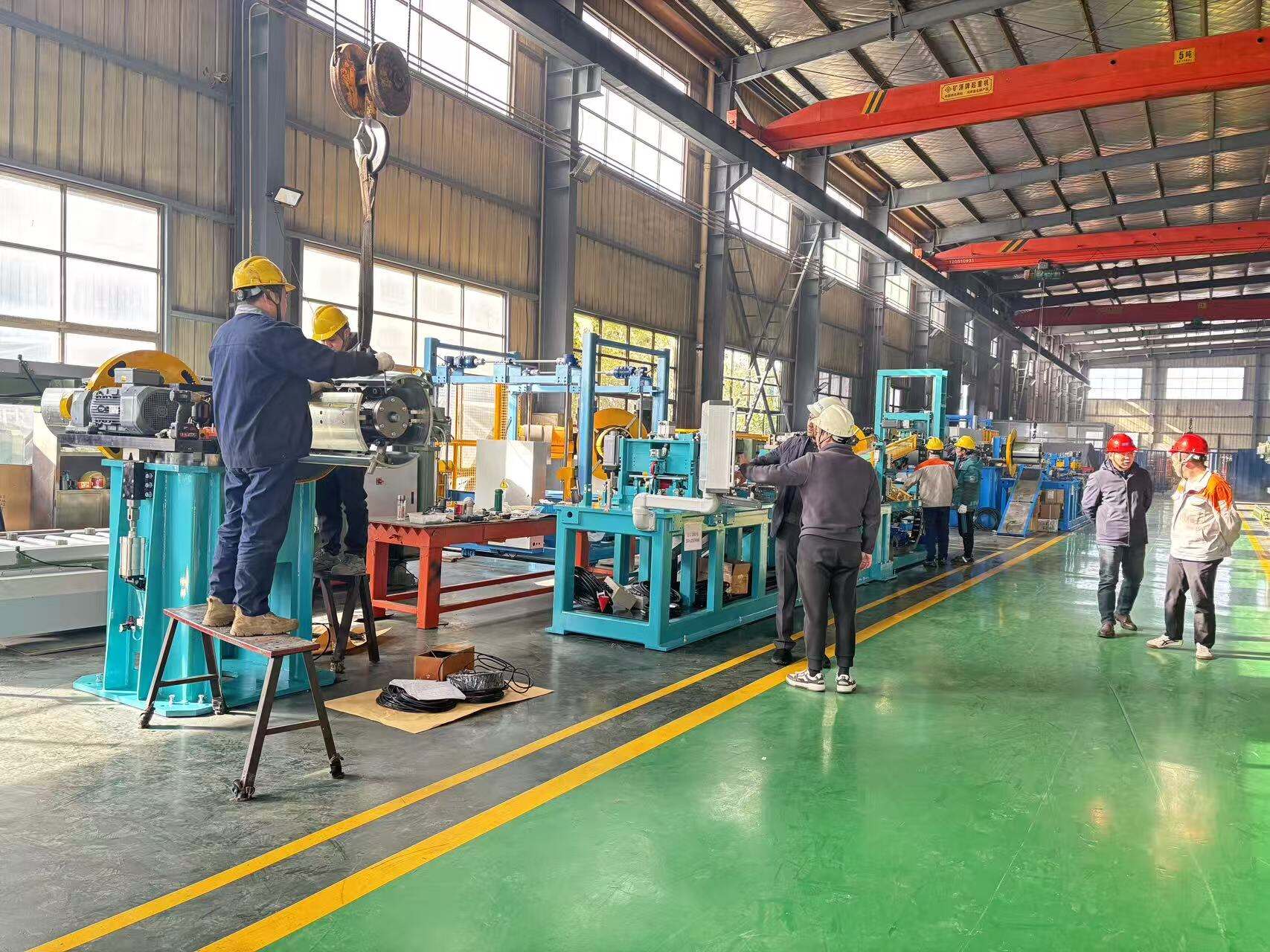
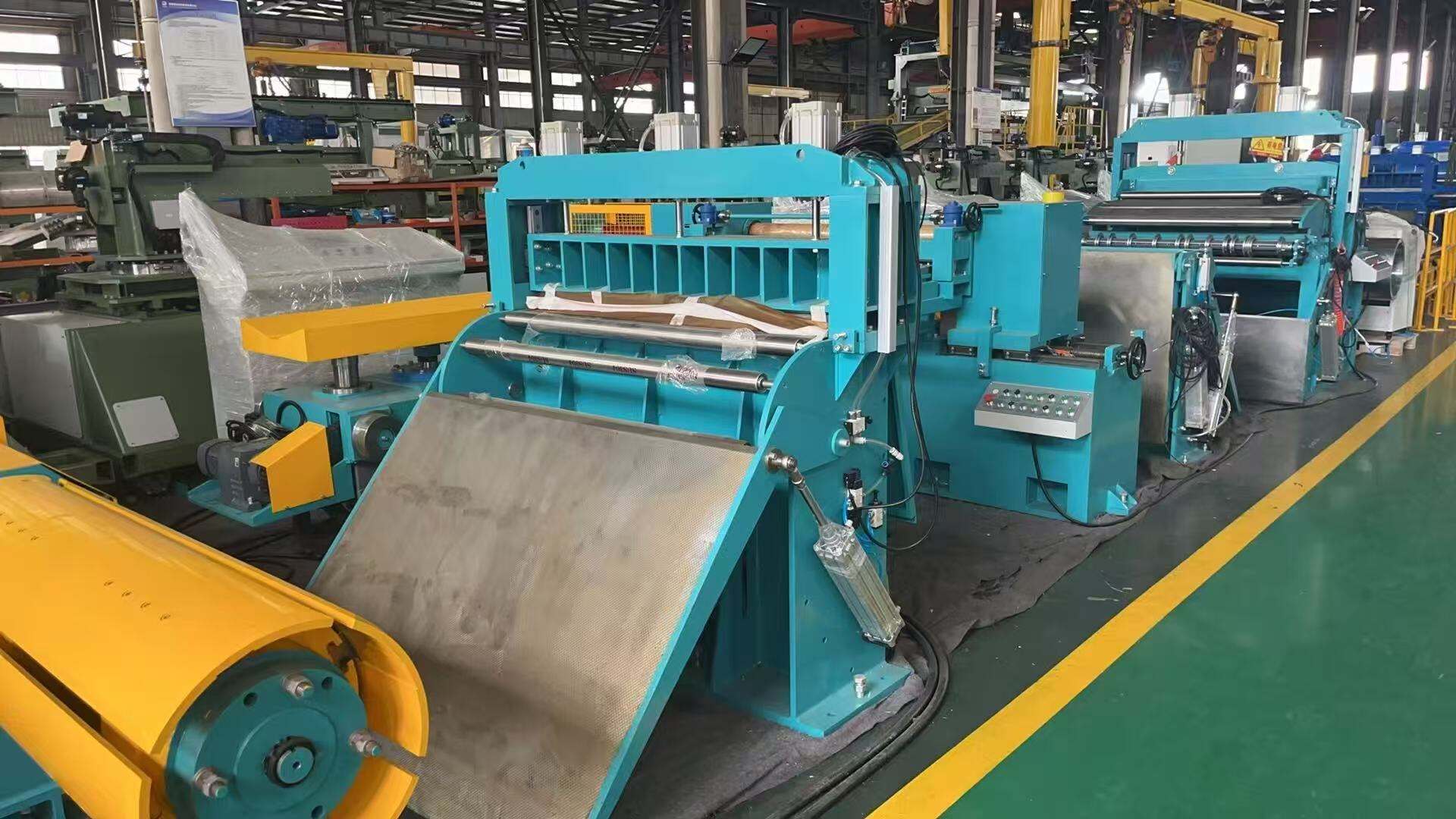
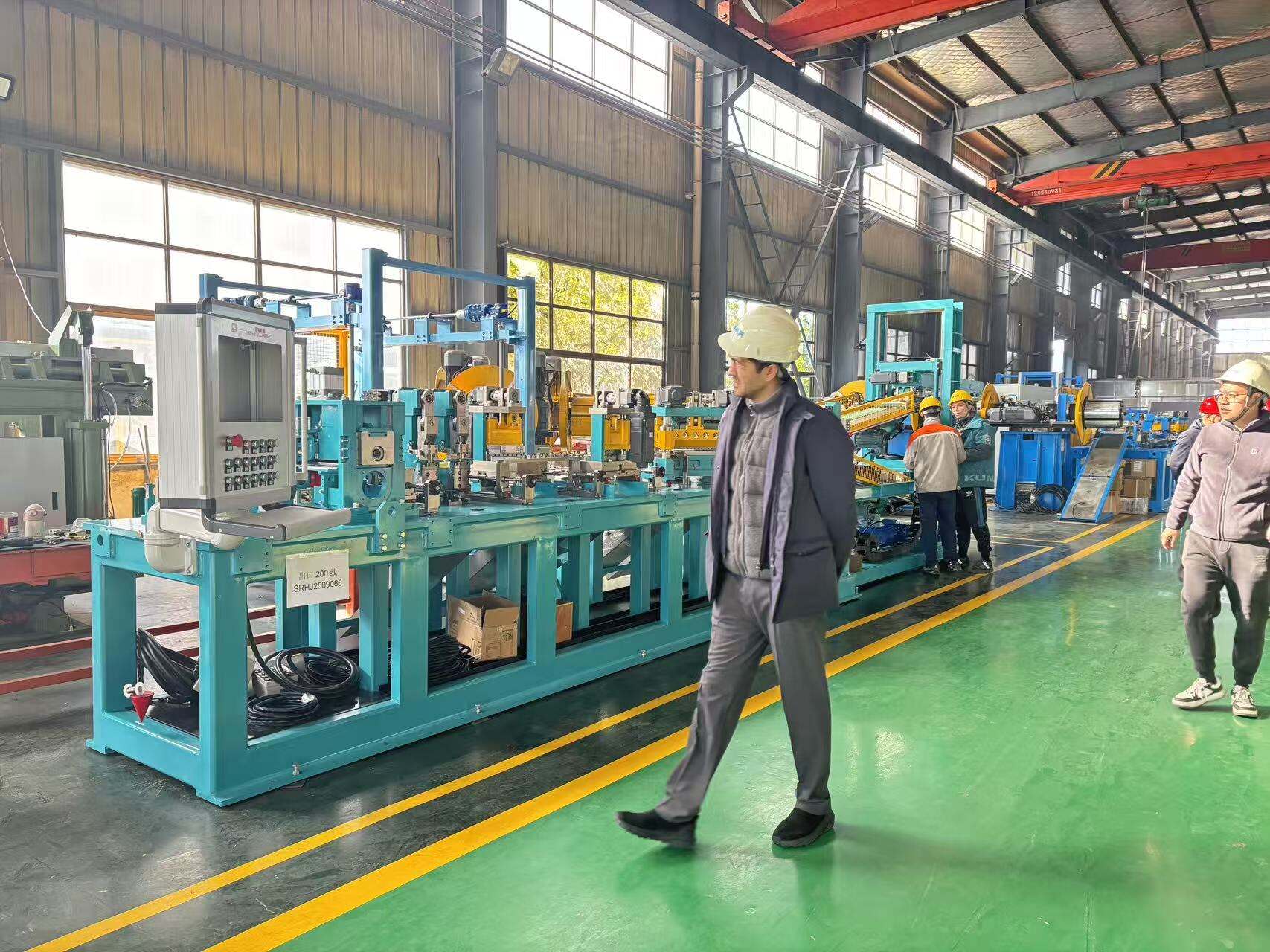
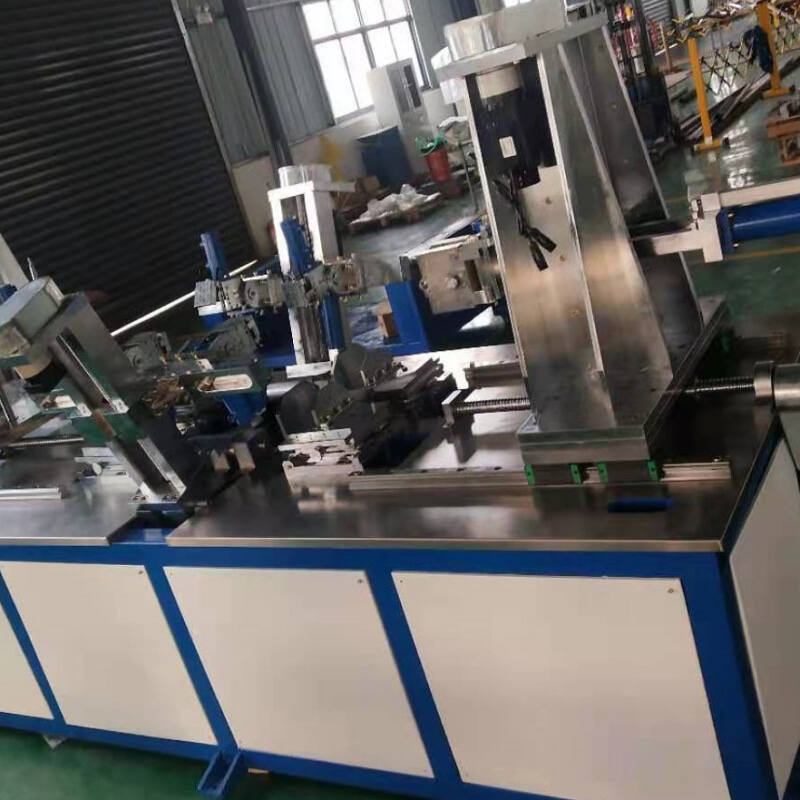
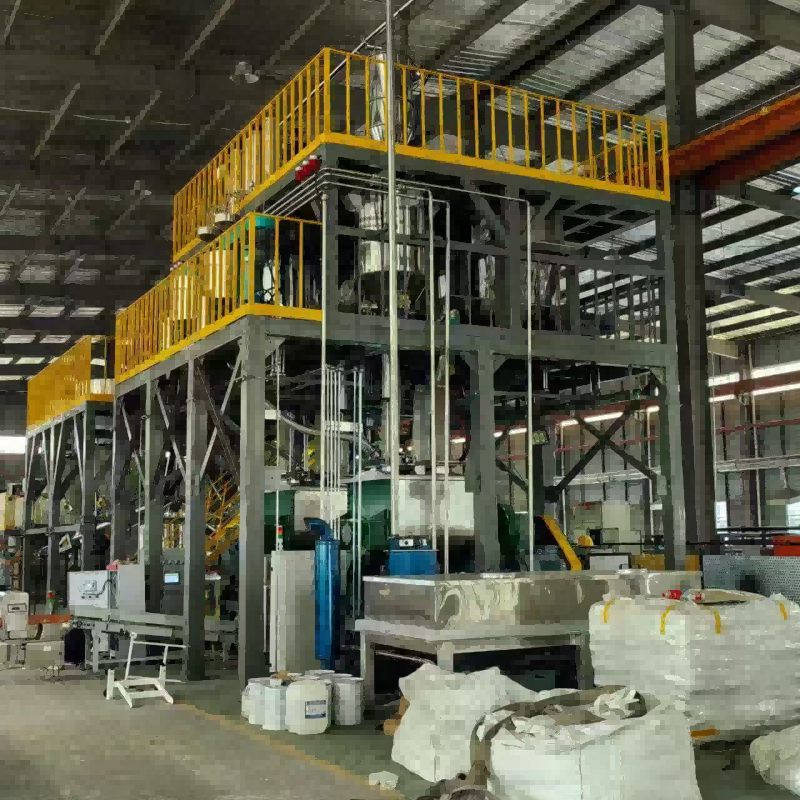
Cut to length lines represent sophisticated metal processing systems designed to transform large coils of metal into precisely measured flat sheets. These automated production lines serve as essential equipment in metal fabrication facilities, enabling manufacturers to process various metal materials including steel, aluminum, stainless steel, and copper alloys with exceptional accuracy. The primary function of cut to length lines involves uncoiling master coils, flattening the material through leveling rollers, measuring exact dimensions, and cutting sheets to customer-specified lengths. Modern cut to length lines integrate advanced servo motor technology, programmable logic controllers, and sophisticated measuring systems that ensure consistent quality throughout production runs. The technological framework of these systems encompasses multiple stations working in synchronized harmony: an uncoiler holds and releases the metal coil, a straightener removes inherent coil set and material stress, a leveler ensures perfect flatness across the entire sheet surface, and precision shearing or cutting mechanisms deliver clean edges without deformation. Many contemporary cut to length lines feature loop control systems that maintain consistent material tension, preventing scratches and surface damage during processing. The material handling capabilities of these lines range from thin gauge materials measuring 0.3 millimeters to heavy plates exceeding 20 millimeters in thickness, with width capacities spanning from 600 millimeters to over 2500 millimeters depending on configuration. Processing speeds vary according to material specifications and required precision levels, with advanced systems achieving cutting rates of 120 meters per minute or higher. Industrial applications for cut to length lines span diverse sectors including automotive manufacturing, construction, appliance production, electrical equipment fabrication, and general metal stamping operations. These systems deliver significant value by eliminating manual measuring and cutting processes, reducing material waste through optimized nesting calculations, and providing consistent quality that meets stringent industry specifications for flatness, dimensional accuracy, and edge condition.

New Product Recommendations

Investing in cut to length lines delivers transformative benefits that directly impact your bottom line and operational efficiency. First and foremost, these automated systems dramatically increase production output compared to manual cutting methods. Your facility can process thousands of sheets per shift with minimal labor requirements, freeing your workforce to focus on higher-value tasks while the machinery handles repetitive cutting operations with unwavering consistency. The precision engineering built into modern cut to length lines ensures every sheet meets exact dimensional specifications, eliminating the costly rework and scrap associated with manual measuring errors. This accuracy translates directly into material savings, as the intelligent control systems optimize cutting patterns to minimize waste from each master coil. Your material utilization rates improve substantially, often reducing scrap by 15 to 25 percent compared to conventional cutting approaches. The economic advantages extend beyond material savings to encompass reduced labor costs. A single operator can typically manage an entire cut to length line, whereas manual cutting operations require multiple workers to achieve comparable output volumes. This efficiency gain allows you to reallocate human resources to production areas that genuinely benefit from skilled craftsmanship and decision-making capabilities. Quality consistency represents another compelling advantage that resonates throughout your supply chain. Every sheet emerges from cut to length lines with uniform flatness characteristics, precise dimensions, and clean edges that require no secondary finishing operations. This consistency means your downstream processes such as stamping, bending, or welding proceed smoothly without interruptions caused by material irregularities. Your customers receive reliable products that meet specifications every single time, strengthening your reputation and encouraging repeat business. The flexibility inherent in programmable cut to length lines enables rapid changeovers between different product specifications. You can switch from producing 1000mm sheets to 1500mm sheets with simple program adjustments, accommodating diverse customer requirements without extensive mechanical modifications. This adaptability positions your operation to serve multiple market segments and respond quickly to changing demand patterns. Modern cut to length lines also incorporate safety features that protect your workforce from the hazards associated with heavy coil handling and sharp metal edges. Automated material feeding, guarded cutting zones, and emergency stop systems create a safer working environment while maintaining productivity. The long-term reliability of quality cut to length lines means fewer unexpected breakdowns and production interruptions. Robust construction using industrial-grade components ensures these systems operate continuously across multiple shifts with minimal maintenance requirements, maximizing your return on investment over extended operational lifespans.

Practical Tips

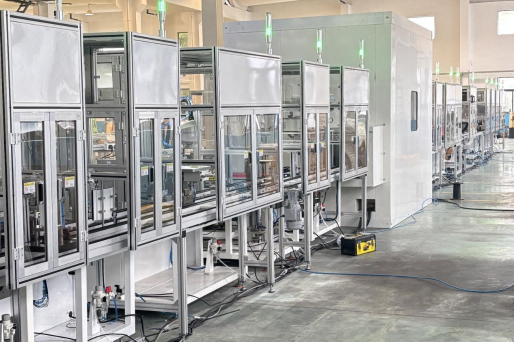
January 15th, 2026 Air Conditioner BLDC Motor Production line Dispatch to India

08

Apr

January 15th, 2026 Air Conditioner BLDC Motor Production line Dispatch to India

View More
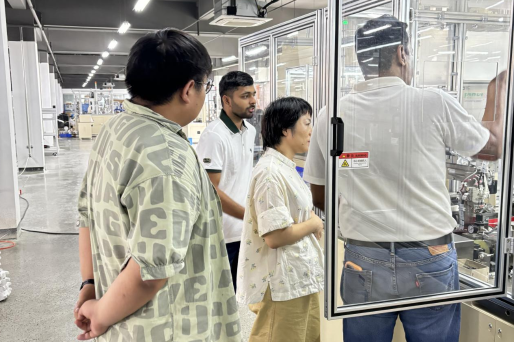
August 30th, 2025, 45W Air conditioner ODU BLDC motor Assembly line Inspection From India customer

08

Apr

August 30th, 2025, 45W Air conditioner ODU BLDC motor Assembly line Inspection From India customer

View More
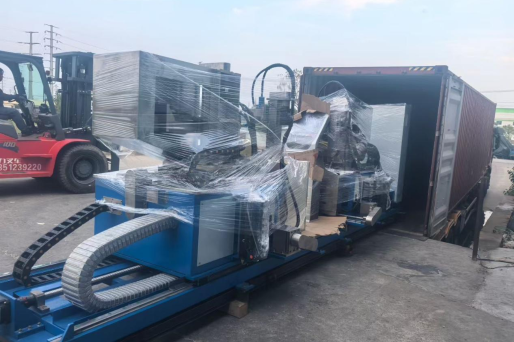
January 5th , 2026 CNC Coil Forming Machine For High Voltage Motors dispatched to UZ (Uzbekistan)

07

Apr

January 5th , 2026 CNC Coil Forming Machine For High Voltage Motors dispatched to UZ (Uzbekistan)

View More

Get a Free Quote

Our representative will contact you soon.
Email
Name
Mobile/WhatsApp
Company Name
Message
0/1000

cut to length lines

Exceptional Precision and Dimensional Accuracy

Exceptional Precision and Dimensional Accuracy

The cornerstone advantage of cut to length lines lies in their ability to deliver exceptional precision that transforms raw coil material into perfectly dimensioned sheets meeting the most demanding specifications. This precision stems from multiple integrated technologies working in concert throughout the processing sequence. Advanced servo-driven measuring systems employ encoder technology that tracks material movement with accuracy down to 0.1 millimeters, ensuring each sheet matches programmed length specifications exactly. The measuring rollers maintain constant contact with the material surface, providing real-time feedback to the control system that compensates for any speed variations or material inconsistencies during processing. This closed-loop control eliminates the cumulative errors that plague manual measuring methods, where small miscalculations compound across production runs resulting in significant dimensional variations. The leveling section of cut to length lines plays an equally critical role in achieving precision by removing internal stresses and correcting flatness deviations inherent in coiled material. Multiple leveling rollers apply controlled bending forces that work the material beyond its yield point, permanently eliminating coil set and creating uniformly flat sheets. The number of leveling rollers, their diameter, and the pressure applied can be adjusted based on material thickness and hardness characteristics, ensuring optimal flatness across the entire sheet surface. This flatness directly impacts subsequent manufacturing operations, as warped or curved material causes problems in stamping dies, welding fixtures, and assembly processes. The cutting mechanism itself contributes significantly to dimensional precision through its robust construction and precise blade alignment. Hydraulic or pneumatic shearing systems deliver consistent cutting force across the entire width of the material, producing clean edges without the burrs, deformation, or micro-cracks that compromise structural integrity. The blade gap can be adjusted to accommodate different material thicknesses, maintaining optimal cutting quality regardless of gauge variations. For applications requiring absolute precision, some cut to length lines incorporate laser measuring systems that verify each sheet dimension immediately after cutting, automatically flagging any pieces that fall outside tolerance bands. This quality assurance capability provides documentary evidence of dimensional compliance, essential for industries operating under strict certification requirements. The programmable nature of modern cut to length lines allows operators to store multiple product recipes in the control system, each containing specific parameters for length, width, material type, and processing speed. Recalling these recipes eliminates setup errors and ensures consistent results when switching between different product specifications, maintaining precision across diverse production requirements.
Superior Material Handling and Surface Protection

Superior Material Handling and Surface Protection

Cut to length lines excel in their sophisticated approach to material handling, ensuring that metal surfaces remain pristine throughout the entire processing sequence from coil unloading through finished sheet stacking. This surface protection capability holds immense value for manufacturers producing visible components or materials destined for coating operations where surface cleanliness directly impacts final product quality. The material handling excellence begins at the uncoiler station, where coil support arms equipped with expandable mandrels secure the master coil without creating pressure marks or surface impressions. Motorized uncoiling provides controlled material release that maintains consistent tension, preventing the sudden jerks and tension spikes that cause scratches when metal surfaces slide against each other. Many advanced cut to length lines incorporate loop pits or festoon systems that create a material reservoir between processing stations. These loops absorb speed differentials between the uncoiler and the cutting section, allowing each station to operate at its optimal pace while maintaining gentle material handling. The loop also provides material buffer during coil changes, enabling continuous production as operators load new coils without stopping downstream processes. Throughout the material path, strategically positioned roller systems support the metal strip, preventing sagging that causes edge damage or surface contact with machinery components. These support rollers feature precision bearings that ensure smooth rotation, eliminating the drag forces that scratch soft material surfaces. For highly polished materials or coated products, cut to length lines can be equipped with rubber-covered rollers or rollers wrapped with protective film that provides a cushioned contact surface. The table surfaces between processing stations utilize ball transfer units or air flotation systems that allow material to glide across the machinery with minimal friction. Air flotation tables create a thin cushion of air that suspends the material slightly above the table surface, completely eliminating contact and the associated scratching risk. This technology proves particularly valuable when processing mirror-finish stainless steel, pre-painted metal, or aluminum sheets destined for architectural applications where surface appearance determines product value. Edge guidance systems within cut to length lines ensure material tracks properly through each processing station without shifting laterally, which could cause edge damage or dimensional inaccuracy. Photoelectric sensors detect material position and trigger automatic adjustments to guide rollers, maintaining perfect alignment throughout the production run. The stacking section at the line output employs gentle deceleration and controlled placement that prevents sheets from sliding against each other during accumulation. Magnetic or vacuum-based separation systems can introduce thin spacers between sheets, creating protective gaps that eliminate surface-to-surface contact in the finished stack. For premium materials, some cut to length lines integrate automatic film application systems that cover each sheet with protective plastic immediately after cutting, ensuring surfaces remain unblemished through storage and transportation.
Intelligent Automation and Production Efficiency

Intelligent Automation and Production Efficiency

Modern cut to length lines represent the pinnacle of intelligent automation in metal processing, incorporating advanced control systems that optimize every aspect of production while minimizing human intervention and maximizing throughput efficiency. The automation intelligence begins with the human-machine interface, typically a touchscreen control panel that presents operators with intuitive graphical displays showing real-time production status, material flow visualization, and performance metrics. Operators can input product specifications using simple parameter entry screens, and the system automatically calculates optimal processing parameters including leveler pressure settings, cutting sequences, and line speed adjustments based on material properties and dimensional requirements. This automated parameter optimization eliminates the guesswork and experience-dependent adjustments that characterize manual operations, ensuring consistent results regardless of operator skill level. The production efficiency gains from cut to length lines stem from their ability to maintain continuous operation across extended periods with minimal intervention. Automated coil loading systems equipped with coil cars or overhead cranes position master coils onto the uncoiler mandrel, and hydraulic expansion mechanisms secure the coil for processing. Coil end welding stations can automatically join the tail of one coil to the head of the next, creating seamless production flow that eliminates downtime during coil changes. The system continues cutting sheets from the first coil while operators prepare the second coil for welding, maintaining uninterrupted output. Integrated production management software tracks material consumption, counts finished sheets, monitors equipment performance, and generates detailed production reports that provide visibility into operational efficiency. This data-driven approach enables continuous improvement initiatives by identifying bottlenecks, quantifying downtime causes, and measuring actual performance against theoretical capacity. Predictive maintenance capabilities built into advanced cut to length lines monitor critical parameters such as hydraulic pressure, motor current draw, bearing temperature, and blade wear indicators. The system alerts maintenance personnel before component failures occur, allowing planned interventions during scheduled maintenance windows rather than unexpected breakdowns that halt production. Some systems connect to remote monitoring networks that enable equipment manufacturers to provide diagnostic support and troubleshooting assistance without on-site visits, reducing downtime duration when technical issues arise. The automation extends to quality control functions through integrated measuring and inspection systems that verify sheet dimensions and detect surface defects during production. Automatic rejection mechanisms divert non-conforming sheets to separate stacking areas, preventing defective material from mixing with good production and eliminating the need for manual sorting. Statistical process control algorithms analyze measurement data in real-time, identifying trends that indicate developing problems before they produce out-of-specification material. Energy efficiency represents another dimension of the intelligent automation incorporated into modern cut to length lines. Variable frequency drives adjust motor speeds to match instantaneous load requirements, reducing energy consumption compared to fixed-speed systems that operate continuously at maximum capacity. Regenerative braking systems capture energy during deceleration phases and return it to the electrical system, further reducing operational costs while supporting environmental sustainability initiatives.
Get a Free Quote

Our representative will contact you soon.
Email
Name
Mobile/WhatsApp
Company Name
Message
0/1000