Cut to Length Machine Price Guide: Features, Benefits & Investment Value

Get a Free Quote

Our representative will contact you soon.
Email
Name
Mobile/WhatsApp
Company Name
Message
0/1000

cut to length machine price

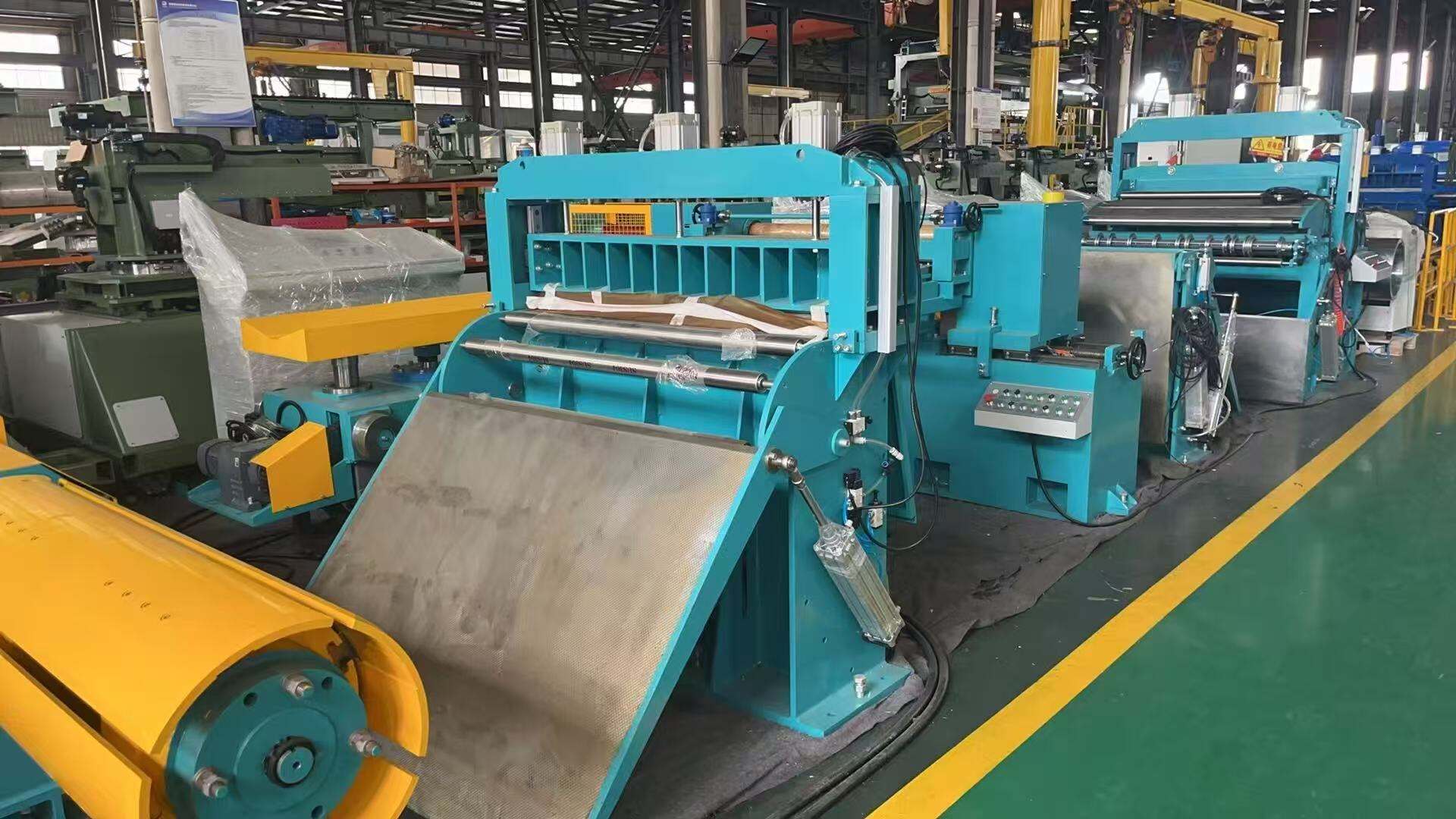
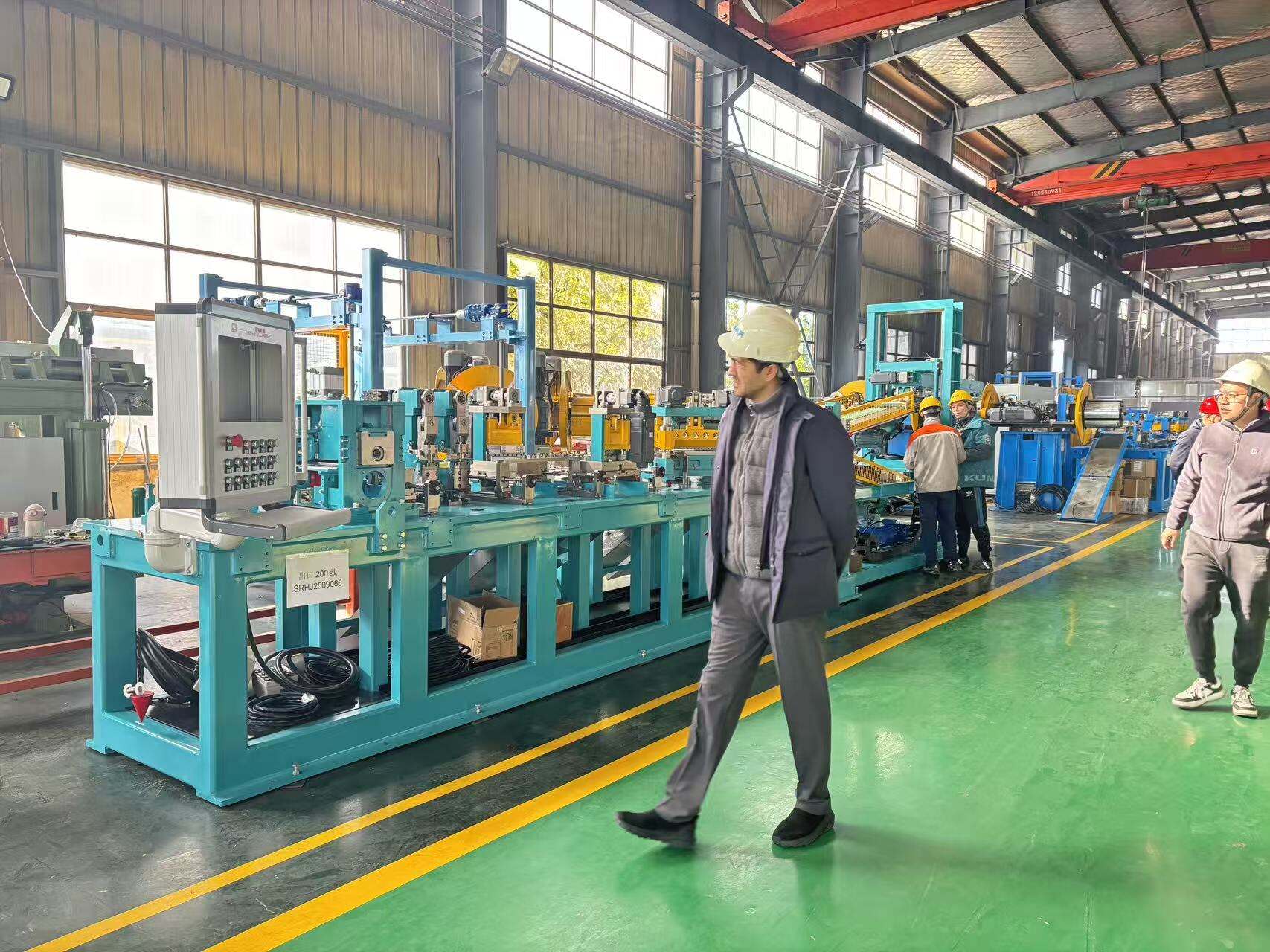
Understanding the cut to length machine price involves examining a comprehensive range of factors that influence the investment decision for metal processing facilities. Cut to length machines represent sophisticated equipment designed to transform coil stock materials into precisely measured flat sheets or strips according to customer specifications. The cut to length machine price typically ranges from moderate investments for basic models to substantial expenditures for advanced automated systems, depending on processing capabilities, material thickness capacity, production speed, and technological integration. These machines perform essential functions including uncoiling metal coils, flattening materials through leveling rollers, measuring precise lengths using digital control systems, cutting materials with hydraulic or mechanical shears, and stacking finished products for convenient handling. Modern cut to length machines incorporate servo motor technology for enhanced accuracy, programmable logic controllers for operation flexibility, and touch screen interfaces for simplified user interaction. Technological features affecting the cut to length machine price include maximum coil weight capacity, material width processing range, thickness tolerance capabilities, cutting speed measurements, leveling roller configurations, and automation levels. Applications span diverse industries including construction where steel sheets are prepared for structural components, automotive manufacturing requiring precision metal parts, appliance production demanding consistent material dimensions, HVAC systems utilizing sheet metal fabrication, electrical enclosure manufacturing, and general metal fabrication shops serving multiple sectors. The cut to length machine price reflects the equipment's ability to eliminate material waste through precise cutting, reduce labor costs through automation, improve product consistency through digital controls, and increase production throughput compared to manual processing methods. When evaluating the cut to length machine price, buyers must consider processing requirements, production volume expectations, material specifications, facility space constraints, power supply availability, and long-term operational costs including maintenance, tooling replacement, and energy consumption to determine the optimal investment that balances initial expenditure with operational efficiency gains and return on investment timelines.

New Products

The advantages of investing in equipment at the current cut to length machine price deliver substantial operational improvements and financial benefits for metal processing businesses. First and foremost, these machines dramatically increase production efficiency by automating the entire process from coil loading to finished sheet stacking, enabling facilities to process significantly higher volumes compared to manual cutting methods while requiring fewer operators. The precision offered by modern systems justifies the cut to length machine price through reduced material waste, as computer-controlled measuring and cutting mechanisms ensure each piece meets exact specifications with minimal scrap generation, directly improving material utilization rates and lowering raw material costs. Consistency represents another critical advantage, with every cut maintaining identical dimensions regardless of production duration or operator changes, ensuring customer satisfaction and reducing rejection rates that plague manual processes. The cut to length machine price includes sophisticated leveling systems that remove coil set and internal stresses from materials, delivering flat sheets that facilitate downstream processing operations like stamping, forming, welding, and assembly without additional flattening steps. Labor cost reduction constitutes a significant financial benefit, as automated operation requires minimal supervision compared to traditional cutting methods, allowing businesses to reallocate workforce resources to value-added activities while reducing overtime expenses during high-volume production periods. Safety improvements justify the cut to length machine price investment by minimizing operator exposure to hazardous cutting operations, heavy material handling, and repetitive motion injuries common in manual processing environments. Flexibility advantages enable quick changeovers between different material types, thicknesses, and length specifications through programmable settings, supporting diverse customer requirements without extensive setup time or specialized tooling changes. The equipment purchased at the current cut to length machine price typically features robust construction designed for continuous operation across extended production shifts, delivering reliable performance with minimal downtime when properly maintained. Energy efficiency incorporated into contemporary designs reduces operational costs compared to older equipment, with optimized hydraulic systems, efficient motor technologies, and standby modes that minimize power consumption during idle periods. Quality improvements extend beyond dimensional accuracy to include burr-free cutting edges that eliminate secondary deburring operations, saving additional processing time and costs. The cut to length machine price investment supports business growth by enabling companies to accept larger orders, meet tighter delivery schedules, and pursue new market opportunities that require consistent high-volume sheet production capabilities. Finally, the modern equipment available at competitive cut to length machine price points often includes connectivity features supporting production monitoring, maintenance scheduling, and data collection that facilitate continuous improvement initiatives and integration with enterprise resource planning systems for comprehensive manufacturing management.

Tips And Tricks

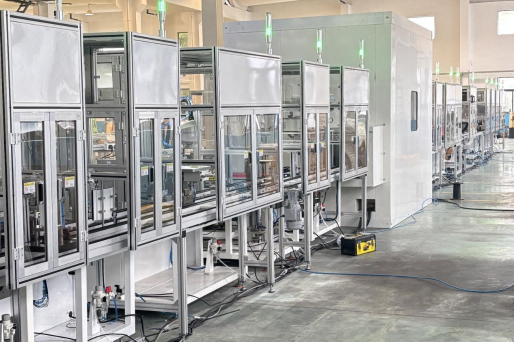
January 15th, 2026 Air Conditioner BLDC Motor Production line Dispatch to India

08

Apr

January 15th, 2026 Air Conditioner BLDC Motor Production line Dispatch to India

View More
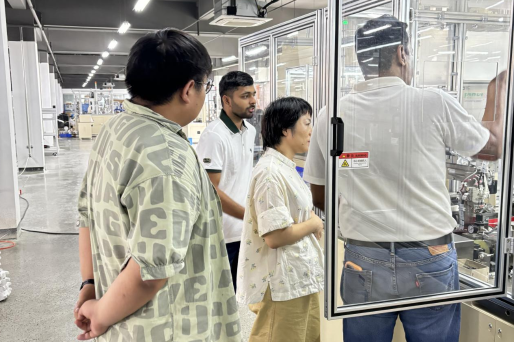
August 30th, 2025, 45W Air conditioner ODU BLDC motor Assembly line Inspection From India customer

08

Apr

August 30th, 2025, 45W Air conditioner ODU BLDC motor Assembly line Inspection From India customer

View More
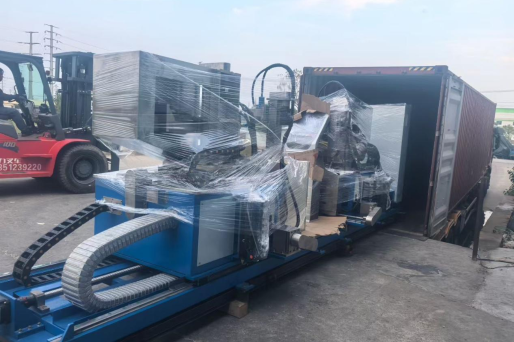
January 5th , 2026 CNC Coil Forming Machine For High Voltage Motors dispatched to UZ (Uzbekistan)

07

Apr

January 5th , 2026 CNC Coil Forming Machine For High Voltage Motors dispatched to UZ (Uzbekistan)

View More

Get a Free Quote

Our representative will contact you soon.
Email
Name
Mobile/WhatsApp
Company Name
Message
0/1000

cut to length machine price

Advanced Precision Control Systems Maximizing Material Utilization

Advanced Precision Control Systems Maximizing Material Utilization

The sophisticated precision control systems integrated into equipment available at the current cut to length machine price represent transformative technology that fundamentally changes how metal processing facilities manage material resources and product quality. These advanced systems employ servo-driven measuring rollers equipped with high-resolution encoders that track material movement with exceptional accuracy, typically achieving tolerances within plus or minus one millimeter across extended cutting lengths. The digital control architecture justifying the cut to length machine price investment processes measurement data in real-time, compensating for variables including material stretch during processing, temperature-induced dimensional changes, and mechanical play in drive systems to maintain consistent cutting accuracy throughout production runs. Programmable logic controllers serving as the system brain enable operators to store hundreds of job specifications including material type, thickness parameters, cutting lengths, and production quantities, facilitating instant changeovers between different orders without manual calculations or setup adjustments that consume valuable production time. Touch screen interfaces simplify operation while reducing training requirements, displaying real-time production metrics including pieces completed, remaining quantities, cycle times, and system status information that empowers operators to manage workflow efficiency effectively. The precision capabilities embedded in the cut to length machine price deliver substantial material cost savings through waste elimination, particularly significant when processing expensive alloys, stainless steel, or specialty coatings where even small improvements in yield percentages translate to meaningful financial benefits. Automated length measurement eliminates human error inherent in manual processes where fatigue, distraction, or miscalculation can result in incorrectly sized pieces requiring rework or scrap disposal. The control systems incorporated at the current cut to length machine price often include diagnostic capabilities that monitor cutting blade condition, leveling roller wear, and drive system performance, providing predictive maintenance alerts that prevent quality issues before they affect production output. Advanced models feature automatic thickness detection that adjusts leveling pressure and cutting force parameters based on actual material characteristics rather than preset values, accommodating natural variations in coil stock without operator intervention. The precision control technology available at competitive cut to length machine price points supports statistical process control initiatives by logging dimensional data for every piece produced, creating quality documentation that satisfies customer requirements and certification standards while identifying process trends that guide continuous improvement efforts. Integration capabilities enable these control systems to communicate with upstream coil handling equipment and downstream material handling automation, creating seamless production flow that maximizes facility throughput and minimizes work-in-process inventory.
Robust Construction Engineering for Long-Term Reliability

Robust Construction Engineering for Long-Term Reliability

The structural engineering and component quality underlying the cut to length machine price represents critical investment factors that determine equipment longevity, maintenance requirements, and total cost of ownership throughout the operational lifecycle. Manufacturers design these machines using heavy-duty steel frames constructed from thick-walled structural members that resist deflection under continuous operating loads, ensuring geometric stability that maintains cutting accuracy even after years of intensive production use. The substantial frame construction justifying the cut to length machine price incorporates stress-relieving heat treatments that eliminate internal tensions within welded assemblies, preventing distortion that could compromise precision over time. Precision-ground guide systems manufactured from hardened steel or specialized wear-resistant materials maintain material alignment throughout the processing path, with adjustable configurations that accommodate various material widths without quality degradation. Leveling systems representing significant components of the cut to length machine price feature multiple rollers arranged in scientifically optimized configurations, with each roller mounted on substantial bearings designed for extended service life under continuous loading. Hydraulic cutting systems employ industrial-grade cylinders, valves, and pumps engineered for millions of operating cycles, with cutting blades manufactured from tool steel alloys that maintain sharp edges through thousands of cuts before requiring replacement. Drive systems incorporating heavy-duty gearboxes, industrial motors, and reinforced chain or belt drives deliver reliable power transmission capable of processing maximum-rated material thicknesses without strain or premature component failure. The robust construction available at the current cut to length machine price includes comprehensive guarding systems that protect operators from moving components while facilitating access for routine maintenance, threading operations, and cleaning procedures. Electrical components housed in sealed enclosures resist contamination from metal debris, coolant mist, and environmental dust that pervade manufacturing environments, incorporating industrial-grade contactors, drives, and control modules rated for demanding factory conditions. Foundation requirements reflecting the substantial mass and operating forces inherent in equipment priced at cut to length machine price levels ensure stable installation that prevents vibration transmission to surrounding equipment and building structures. Quality construction extends to material handling components including coil loading systems designed to support maximum coil weights safely, decoilers featuring expandable mandrels that grip coil inside diameters securely, and stacking systems that arrange cut sheets neatly without damaging surface finishes or edges. The engineering investment reflected in the cut to length machine price delivers tangible benefits through reduced maintenance expenses, minimized unplanned downtime, consistent production quality, and extended equipment service life that often spans decades with proper care, ultimately providing superior return on investment compared to economy equipment requiring frequent repairs and premature replacement.
Versatile Processing Capabilities Supporting Diverse Applications

Versatile Processing Capabilities Supporting Diverse Applications

The comprehensive processing versatility built into equipment available at the cut to length machine price provides manufacturers with flexible production capabilities that adapt to changing market demands, diverse customer requirements, and evolving material specifications across multiple industry sectors. Modern cut to length systems accommodate extensive material width ranges from narrow strips to sheets exceeding two meters, enabling facilities to process varied product lines without maintaining multiple specialized machines that increase capital investment and facility space requirements. Thickness processing capabilities spanning from thin gauge materials measuring fractions of millimeters to heavy plate stock several centimeters thick justify the cut to length machine price through production flexibility that supports diverse applications from delicate electronics enclosures to robust structural components. Material compatibility represents a crucial versatility dimension, with properly configured systems processing carbon steel, stainless steel, aluminum, copper, brass, and pre-finished materials including painted, galvanized, and laminated surfaces without damage or contamination concerns. Adjustable leveling systems incorporated in the cut to length machine price investment provide necessary processing flexibility by accommodating different material characteristics, with hydraulic pressure controls that apply appropriate flattening force based on material thickness, yield strength, and temper condition. Cutting length flexibility enables production of pieces ranging from short segments to extended lengths exceeding several meters, supporting applications from small brackets to long architectural panels without equipment limitations constraining design options. Quick changeover capabilities built into the cut to length machine price justify the investment for job shop environments and facilities serving multiple customers, with tool-free adjustments for width changes, programmable length settings, and automated thickness compensation reducing setup time to minutes rather than hours required by older equipment designs. Optional features available at incremental additions to the base cut to length machine price expand processing capabilities further, including edge trimming systems that remove damaged coil edges, oiling systems that apply corrosion protection, packaging automation that wraps finished bundles, and identification marking that prints part numbers or customer specifications directly on cut pieces. The versatility inherent in modern equipment purchased at competitive cut to length machine price points enables manufacturers to pursue diverse market opportunities including construction materials, automotive components, appliance parts, electrical panels, HVAC ductwork, and custom fabrication projects without specialized equipment investments for each application. Production speed versatility allows operators to adjust processing rates based on material characteristics and quality requirements, with high-speed operation for straightforward materials and standard tolerances, plus reduced speeds for challenging materials, tight tolerances, or delicate surface finishes requiring careful handling. The comprehensive versatility delivered at the current cut to length machine price supports business growth by enabling manufacturers to accept varied orders, respond to market changes, develop new product lines, and serve expanding customer bases without fundamental equipment limitations constraining strategic opportunities or competitive positioning in dynamic manufacturing markets.

Get a Free Quote

Our representative will contact you soon.
Email
Name
Mobile/WhatsApp
Company Name
Message
0/1000