High Voltage Motors Making Machine Price Guide: Costs, Features & Benefits 2024

Get a Free Quote

Our representative will contact you soon.
Email
Name
Mobile/WhatsApp
Company Name
Message
0/1000

high voltage motors making machine price

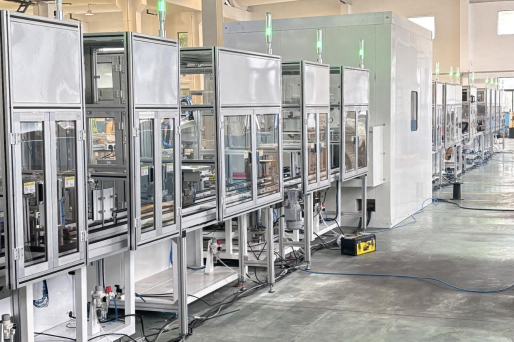
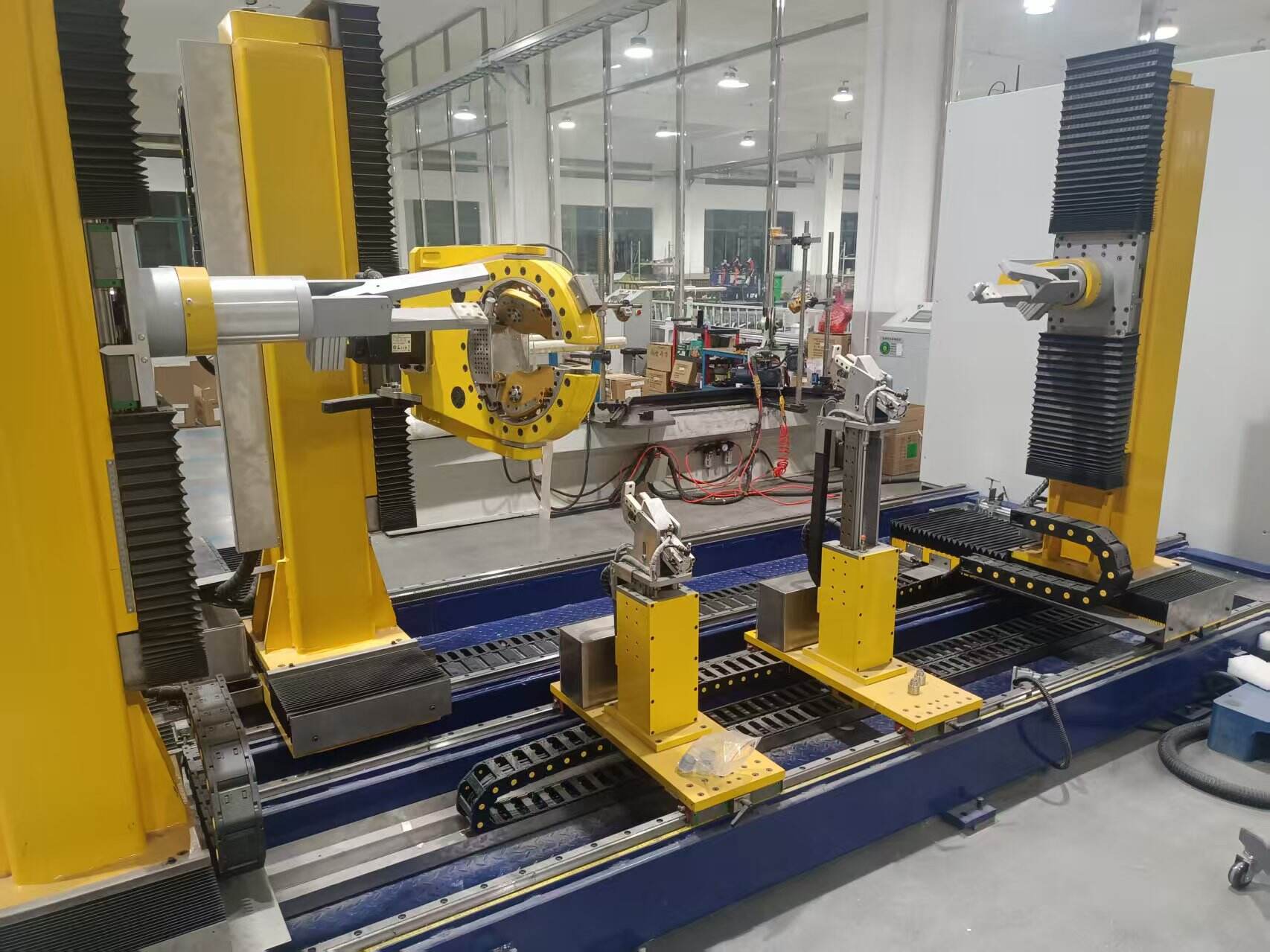
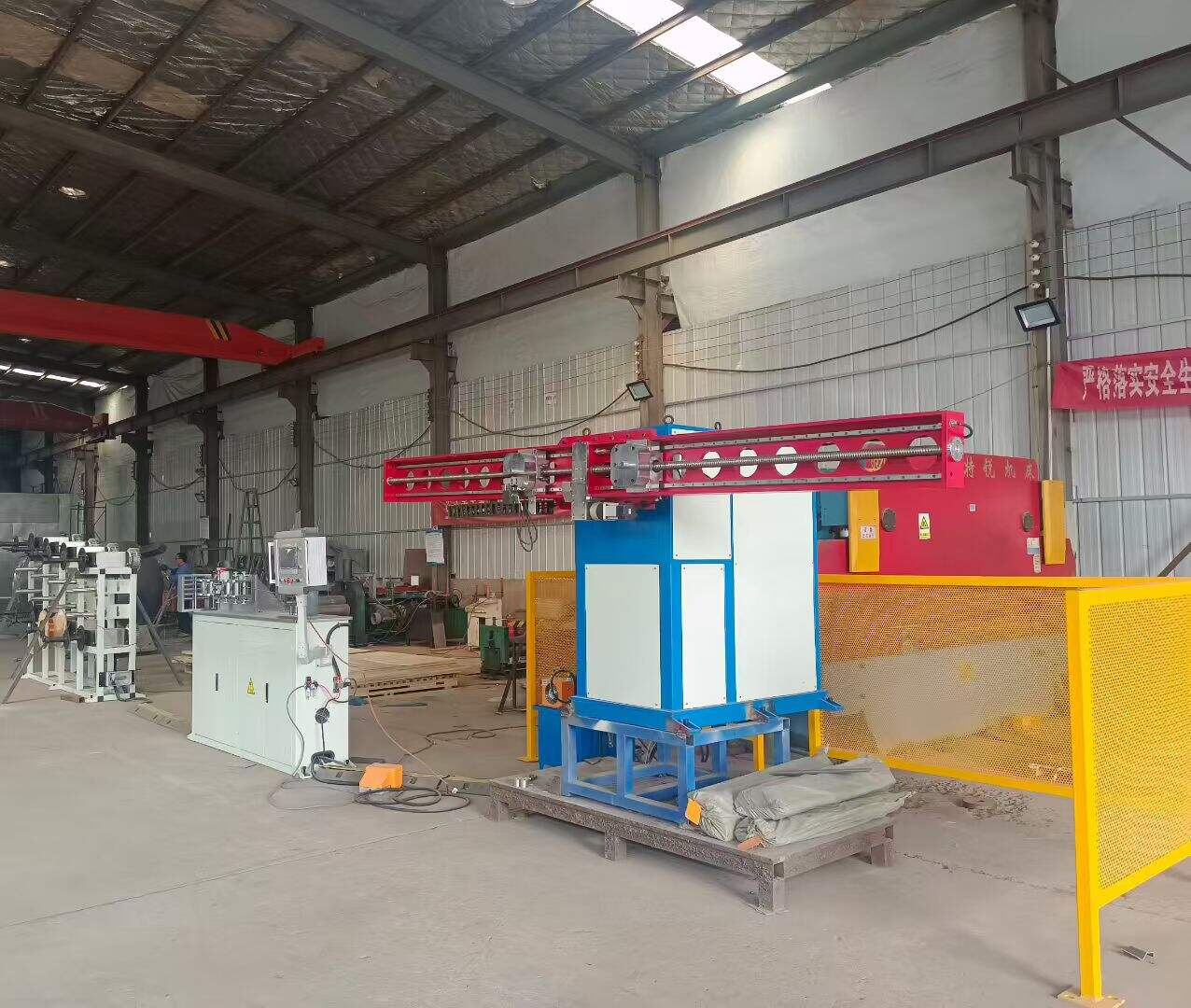
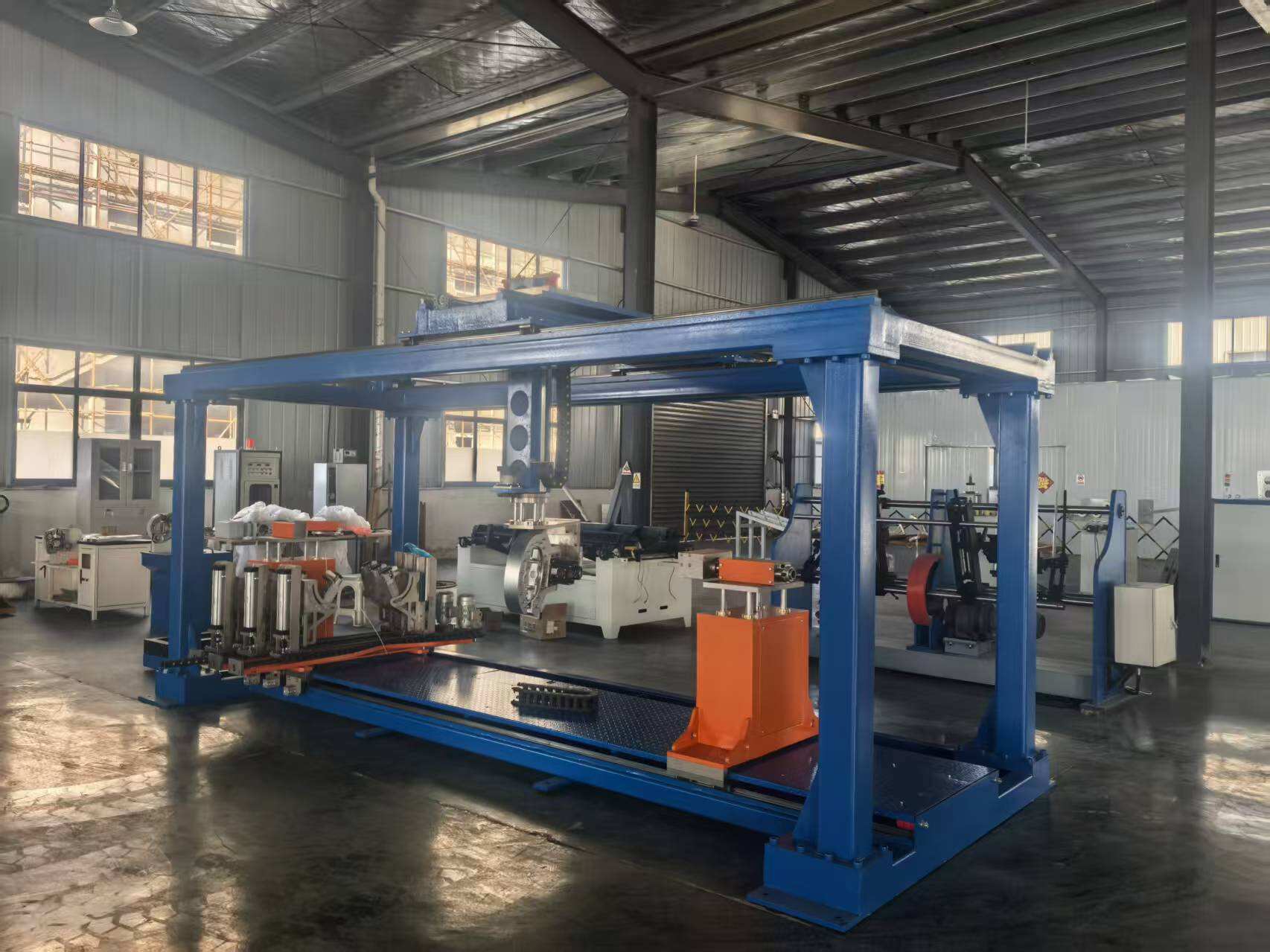
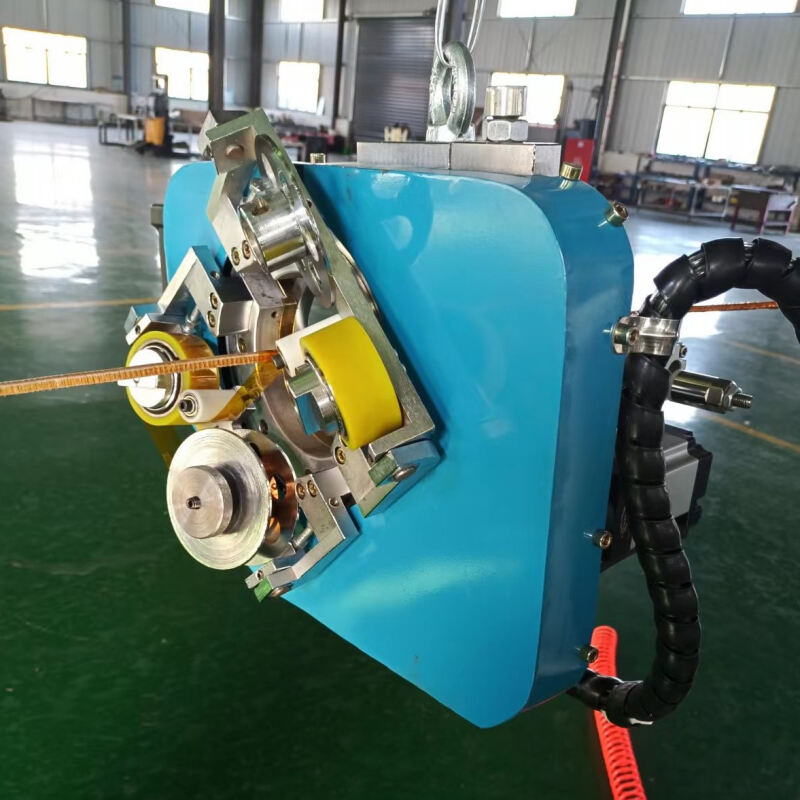
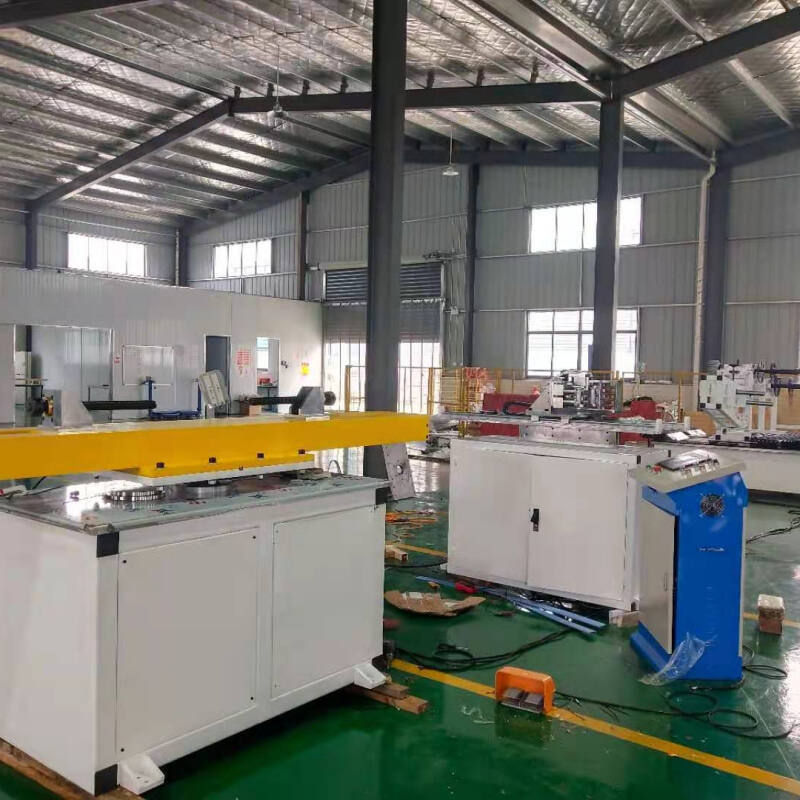
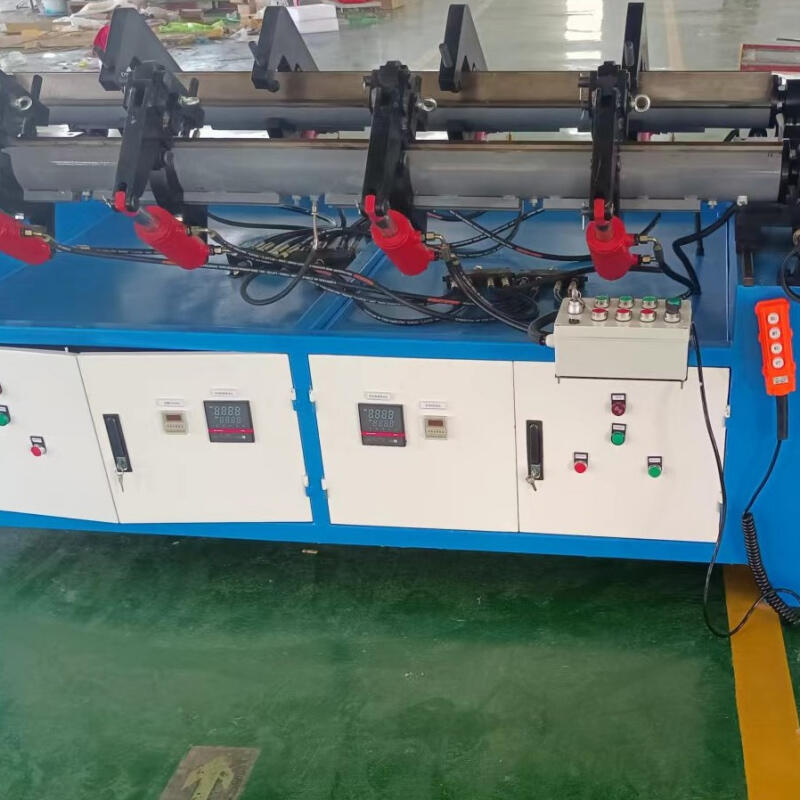
Understanding the high voltage motors making machine price requires comprehensive knowledge of the equipment specifications, manufacturing capabilities, and market positioning. These specialized industrial machines represent significant capital investments for manufacturers producing electric motors rated above 1000 volts. The high voltage motors making machine price typically ranges from $150,000 to over $2 million, depending on automation levels, production capacity, and technological sophistication. These manufacturing systems integrate multiple production stages including coil winding, insulation processing, stator assembly, rotor fabrication, and quality testing stations. Modern equipment features computer numerical control systems that ensure precision in every manufacturing step, critical for motors operating at elevated voltage levels where insulation integrity and component accuracy directly impact performance and safety. The pricing structure reflects the machine's ability to handle large-diameter stators, heavy copper conductors, and specialized insulation materials designed for high voltage applications. Manufacturers evaluating the high voltage motors making machine price must consider production volume requirements, as higher-capacity systems command premium pricing but deliver superior throughput and reduced per-unit manufacturing costs. The investment encompasses not only the base equipment but also installation, operator training, maintenance programs, and technical support packages. Advanced models incorporate automated material handling systems, robotic component placement, and integrated quality inspection modules that justify their elevated pricing through enhanced productivity and consistent output quality. The high voltage motors making machine price also varies based on customization requirements, as facilities producing specialized motor designs need tailored tooling and programming capabilities. Energy efficiency ratings of the manufacturing equipment itself influence operational costs beyond the initial purchase price. Suppliers offering comprehensive warranty coverage, readily available spare parts, and responsive technical support often command higher prices but provide better long-term value. When analyzing the high voltage motors making machine price, buyers should evaluate total cost of ownership including energy consumption, maintenance requirements, and expected equipment lifespan, which typically extends 15 to 25 years with proper care.

Popular Products

Investing in quality equipment at a competitive high voltage motors making machine price delivers substantial operational benefits that quickly offset the initial capital outlay. First, these specialized machines dramatically increase production efficiency compared to manual or semi-automated methods, with modern systems capable of producing 20 to 50 complete motor assemblies daily depending on motor size and complexity. This throughput improvement directly reduces labor costs per unit while maintaining consistent quality standards that manual processes struggle to achieve. Second, the precision engineering embedded in these manufacturing systems minimizes material waste, a critical advantage when working with expensive copper conductors and specialized insulation materials used in high voltage motor construction. Automated winding tension control and wire placement accuracy reduce scrap rates by 30 to 45 percent compared to conventional methods, generating significant material cost savings over the equipment's operational lifetime. Third, the high voltage motors making machine price includes advanced quality control features that detect defects during production rather than after completion, preventing costly rework and warranty claims. Integrated testing systems verify insulation resistance, winding balance, and dimensional accuracy at multiple production stages, ensuring every finished motor meets stringent electrical safety standards. Fourth, these machines enhance workplace safety by automating hazardous tasks such as heavy component manipulation and exposure to insulation chemicals, reducing workplace injury risks and associated costs. Fifth, the flexibility built into modern equipment allows manufacturers to adapt quickly to different motor specifications without extensive retooling, enabling profitable production of both standard and custom designs. Sixth, energy-efficient drive systems and optimized mechanical designs reduce operational electricity consumption by 25 to 40 percent compared to older manufacturing equipment, lowering ongoing operational expenses. Seventh, the high voltage motors making machine price typically includes comprehensive software packages that integrate with enterprise resource planning systems, enabling real-time production monitoring, predictive maintenance scheduling, and data-driven process optimization. Eighth, equipment suppliers often provide extensive training programs that upskill your workforce, creating valuable technical expertise within your organization. Ninth, modern machines feature modular designs that allow incremental capacity expansion as business grows, protecting your initial investment while accommodating future needs. Finally, purchasing from established manufacturers ensures access to ongoing technical support, software updates, and spare parts availability throughout the equipment's service life, maximizing uptime and productivity.

Latest News

January 15th, 2026 Air Conditioner BLDC Motor Production line Dispatch to India

08

Apr

January 15th, 2026 Air Conditioner BLDC Motor Production line Dispatch to India

View More
August 30th, 2025, 45W Air conditioner ODU BLDC motor Assembly line Inspection From India customer

08

Apr

August 30th, 2025, 45W Air conditioner ODU BLDC motor Assembly line Inspection From India customer

View More
January 5th , 2026 CNC Coil Forming Machine For High Voltage Motors dispatched to UZ (Uzbekistan)

07

Apr

January 5th , 2026 CNC Coil Forming Machine For High Voltage Motors dispatched to UZ (Uzbekistan)

View More

Get a Free Quote

Our representative will contact you soon.
Email
Name
Mobile/WhatsApp
Company Name
Message
0/1000

high voltage motors making machine price

Advanced Automation Technology Justifies the High Voltage Motors Making Machine Price

Advanced Automation Technology Justifies the High Voltage Motors Making Machine Price

The sophisticated automation systems incorporated into modern manufacturing equipment represent a primary factor influencing the high voltage motors making machine price, yet these technologies deliver transformative benefits that fundamentally change production economics. Contemporary machines employ multi-axis servo control systems that orchestrate complex movements with micron-level precision, essential for achieving the tight tolerances required in high voltage motor construction where even minor dimensional variations can compromise electrical performance and safety margins. These control systems manage simultaneous operations across multiple workstations, coordinating material feeding, component positioning, fastening operations, and quality inspections in seamless workflows that maximize throughput while maintaining quality consistency. The programming interfaces allow operators to store hundreds of different motor specifications, enabling rapid changeovers between production runs with minimal downtime, a capability that justifies the high voltage motors making machine price for facilities serving diverse customer requirements. Vision systems integrated throughout the manufacturing line perform real-time dimensional verification, detecting misaligned components, insulation gaps, or winding irregularities that human inspectors might overlook, especially during extended production shifts. These automated inspection capabilities reduce defect rates to less than 0.5 percent in well-calibrated systems, dramatically lowering warranty costs and enhancing brand reputation for quality. The automation also extends to material handling, with robotic systems managing heavy stator cores, rotor assemblies, and finished motors that would otherwise require multiple workers and lifting equipment, reducing labor requirements while improving workplace safety. Predictive maintenance algorithms monitor equipment performance parameters continuously, identifying bearing wear, alignment drift, or component degradation before failures occur, minimizing unexpected downtime that disrupts production schedules. The data collection capabilities built into these automated systems generate valuable process intelligence, revealing optimization opportunities that incrementally improve efficiency over time. When evaluating the high voltage motors making machine price, forward-thinking manufacturers recognize that automation features deliver compounding returns through reduced labor costs, improved quality, enhanced safety, and operational flexibility that positions their facilities competitively in demanding markets where precision and reliability differentiate successful suppliers from marginal competitors.
Production Capacity and Throughput Considerations in High Voltage Motors Making Machine Price

Production Capacity and Throughput Considerations in High Voltage Motors Making Machine Price

The relationship between production capacity and the high voltage motors making machine price represents a critical evaluation factor for manufacturers planning facility investments or expansion projects. Equipment rated for higher throughput naturally commands premium pricing, yet the per-unit manufacturing cost reductions achieved through volume production often justify these investments for facilities with substantial order backlogs or growing market demand. Entry-level systems suitable for specialized or prototype production might process 5 to 10 motors daily, meeting needs of manufacturers serving niche applications or custom engineering projects where flexibility matters more than volume. Mid-range equipment typically handles 15 to 30 motors per shift, representing the sweet spot for many established manufacturers balancing production efficiency with investment constraints reflected in the high voltage motors making machine price brackets. High-capacity production lines capable of 40 to 60 or more motors daily incorporate multiple synchronized workstations, automated material handling systems, and parallel processing capabilities that maximize facility output while maintaining quality standards. These premium systems justify their elevated pricing through dramatically reduced per-unit labor costs, optimized material utilization, and faster order fulfillment that enhances customer satisfaction and enables aggressive market positioning. Beyond raw throughput numbers, capacity considerations must account for motor size ranges, as equipment designed for small industrial motors differs substantially from systems handling large utility-grade motors weighing several tons. The high voltage motors making machine price escalates significantly for equipment accommodating diverse size ranges within a single production line, yet this flexibility prevents future capacity constraints as product mix evolves. Cycle time optimization features such as parallel winding stations, rapid tool-change systems, and automated quality gates contribute to effective capacity beyond nominal ratings, enabling well-managed facilities to exceed standard throughput specifications. Energy efficiency improvements in modern equipment also impact operational capacity, as reduced thermal loads and optimized power consumption allow extended production shifts without equipment stress or cooling limitations. Manufacturers evaluating the high voltage motors making machine price should model production scenarios across multi-year horizons, considering market growth projections, product portfolio evolution, and competitive pressures that might necessitate capacity expansion, ensuring selected equipment supports long-term business strategies rather than merely addressing immediate production requirements.
Quality Control Integration and Its Impact on High Voltage Motors Making Machine Price

Quality Control Integration and Its Impact on High Voltage Motors Making Machine Price

Comprehensive quality control capabilities embedded within modern manufacturing systems significantly influence the high voltage motors making machine price while delivering substantial long-term value through defect prevention, warranty cost reduction, and enhanced market reputation. Traditional manufacturing approaches relied on post-production testing to identify defective motors, an inefficient methodology that allowed defects to propagate through multiple production stages before detection, resulting in extensive rework costs or complete unit scrapping. Contemporary equipment integrates quality verification at every critical production stage, catching issues immediately when correction requires minimal intervention rather than after substantial value has been added to defective assemblies. Automated insulation resistance testing occurs continuously during winding operations, ensuring each coil layer meets dielectric strength requirements before subsequent layers are added, preventing catastrophic failures in completed motors that would necessitate complete rewinding. Dimensional verification systems employ laser scanning or structured light technology to confirm stator bore accuracy, slot dimensions, and lamination stack heights meet specifications within micron tolerances, critical for achieving proper air gaps and electromagnetic performance in finished motors. The high voltage motors making machine price reflects these sophisticated measurement systems, yet their capability to prevent even a single major defect often recovers the incremental investment within months of operation. Winding balance verification ensures equal conductor lengths and turn counts across all phases, preventing electromagnetic imbalances that cause vibration, inefficiency, and premature bearing failure in service. Automated systems achieve measurement consistency impossible with manual methods, where operator fatigue, technique variations, and measurement tool calibration drift introduce variability that compromises quality assurance effectiveness. Thermal imaging capabilities detect insulation hot spots or conductor irregularities during initial energization tests, identifying potential failure points before motors leave the factory. Data logging features create comprehensive quality records for every produced motor, supporting traceability requirements in regulated industries and providing valuable warranty claim analysis when field issues arise. Statistical process control algorithms analyze quality metrics continuously, alerting supervisors to trending issues before defect rates exceed acceptable thresholds, enabling proactive process adjustments. When manufacturers evaluate the high voltage motors making machine price against these quality capabilities, the investment perspective shifts from viewing equipment as manufacturing tools to recognizing them as comprehensive quality assurance systems that protect brand reputation and customer relationships through consistent delivery of reliable, high-performance motors that meet or exceed specifications throughout their operational lifetimes.

Get a Free Quote

Our representative will contact you soon.
Email
Name
Mobile/WhatsApp
Company Name
Message
0/1000