Comprehensive Quality Assurance and Process Documentation
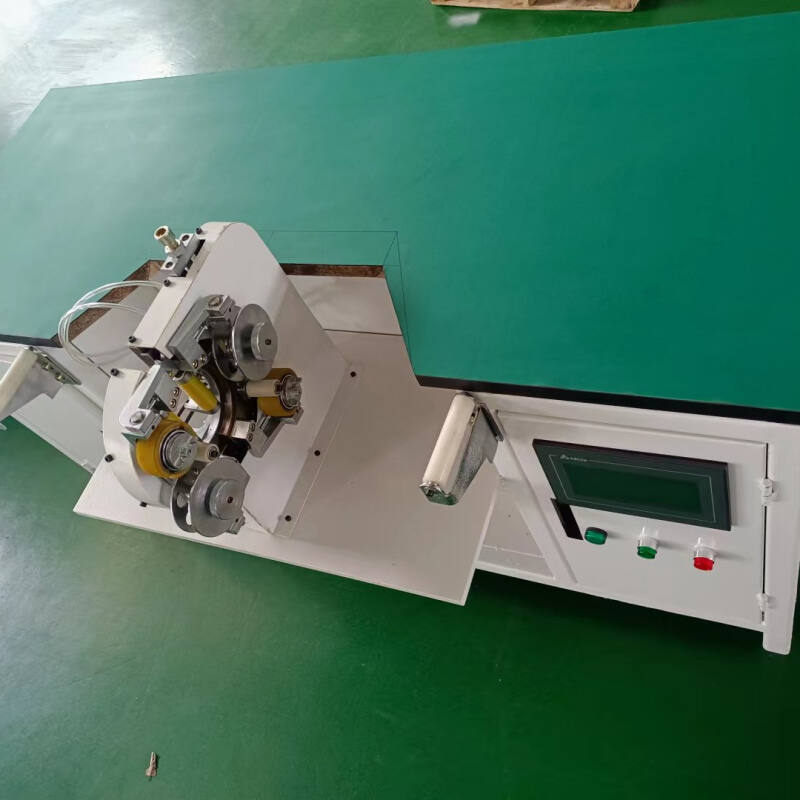
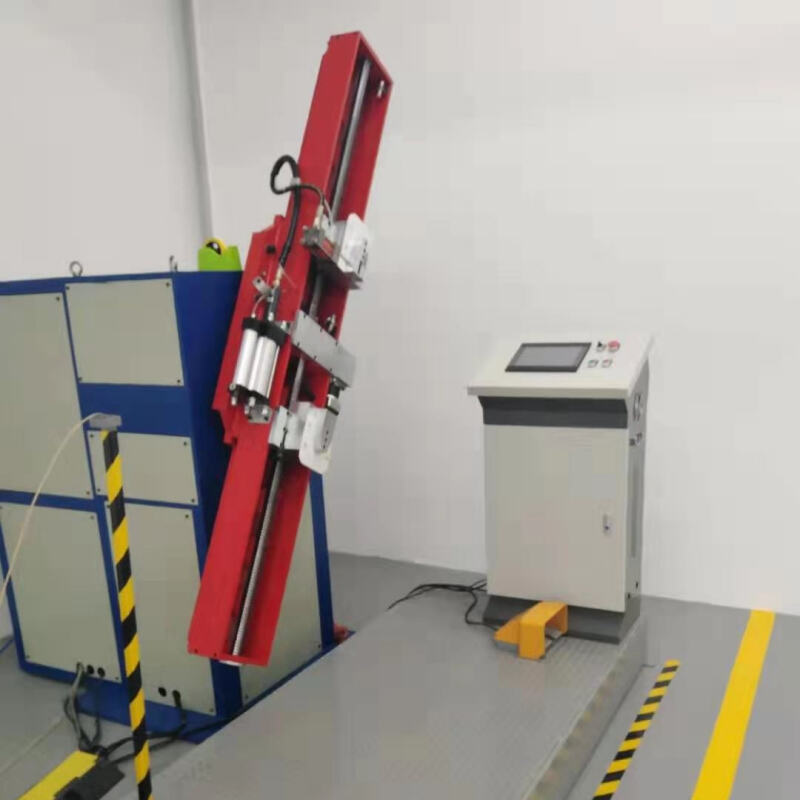
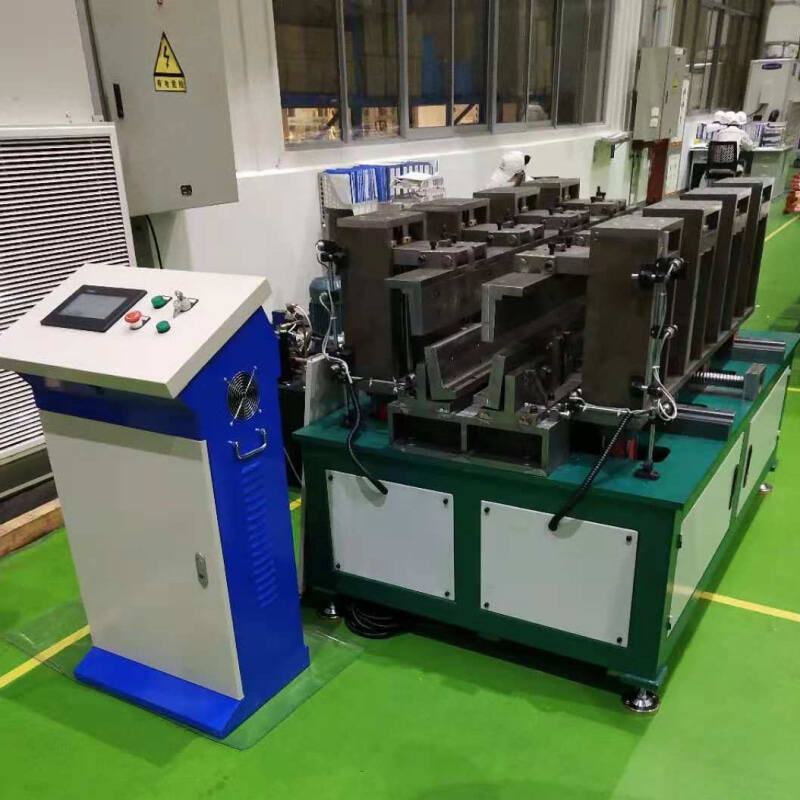
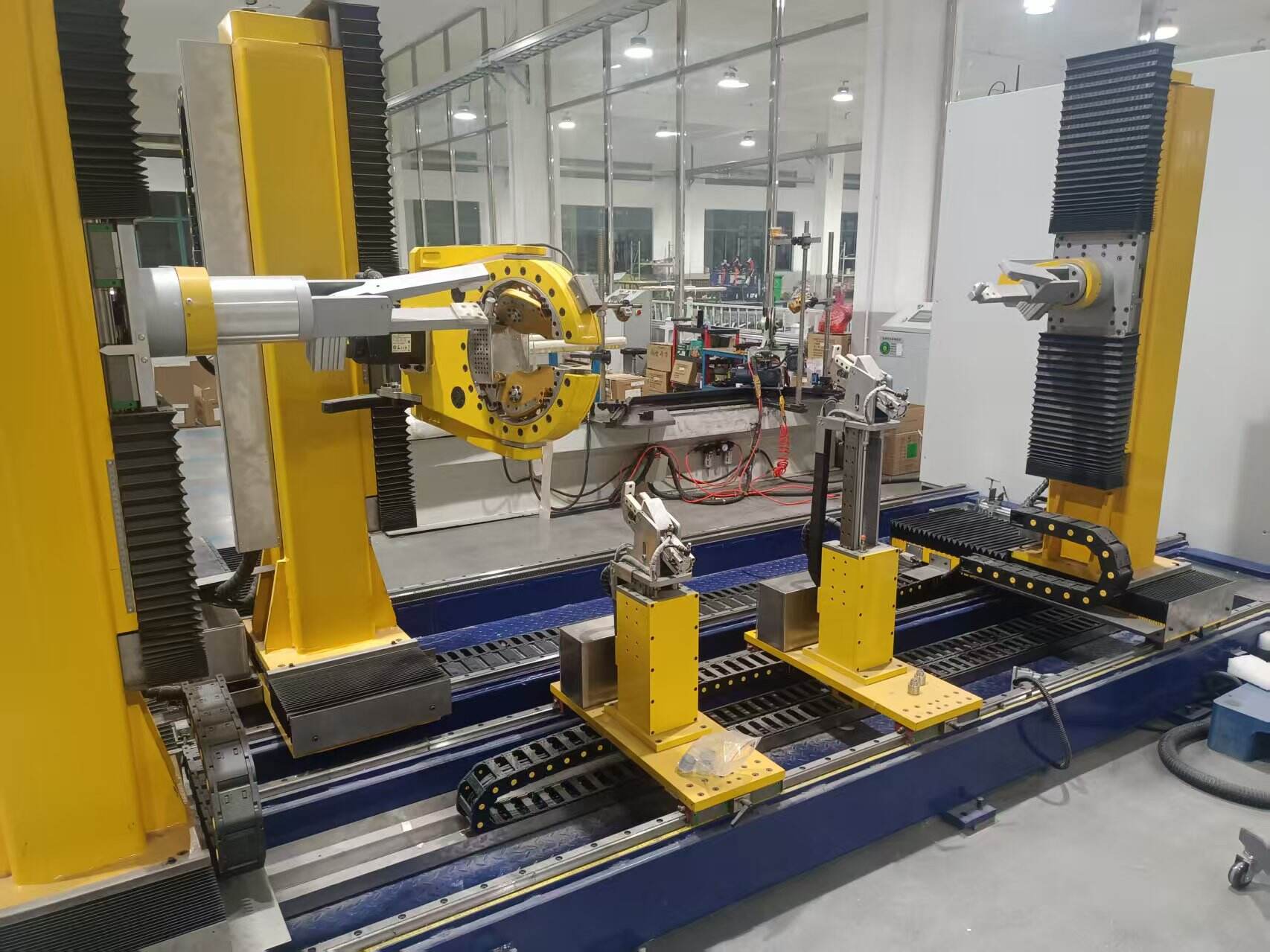
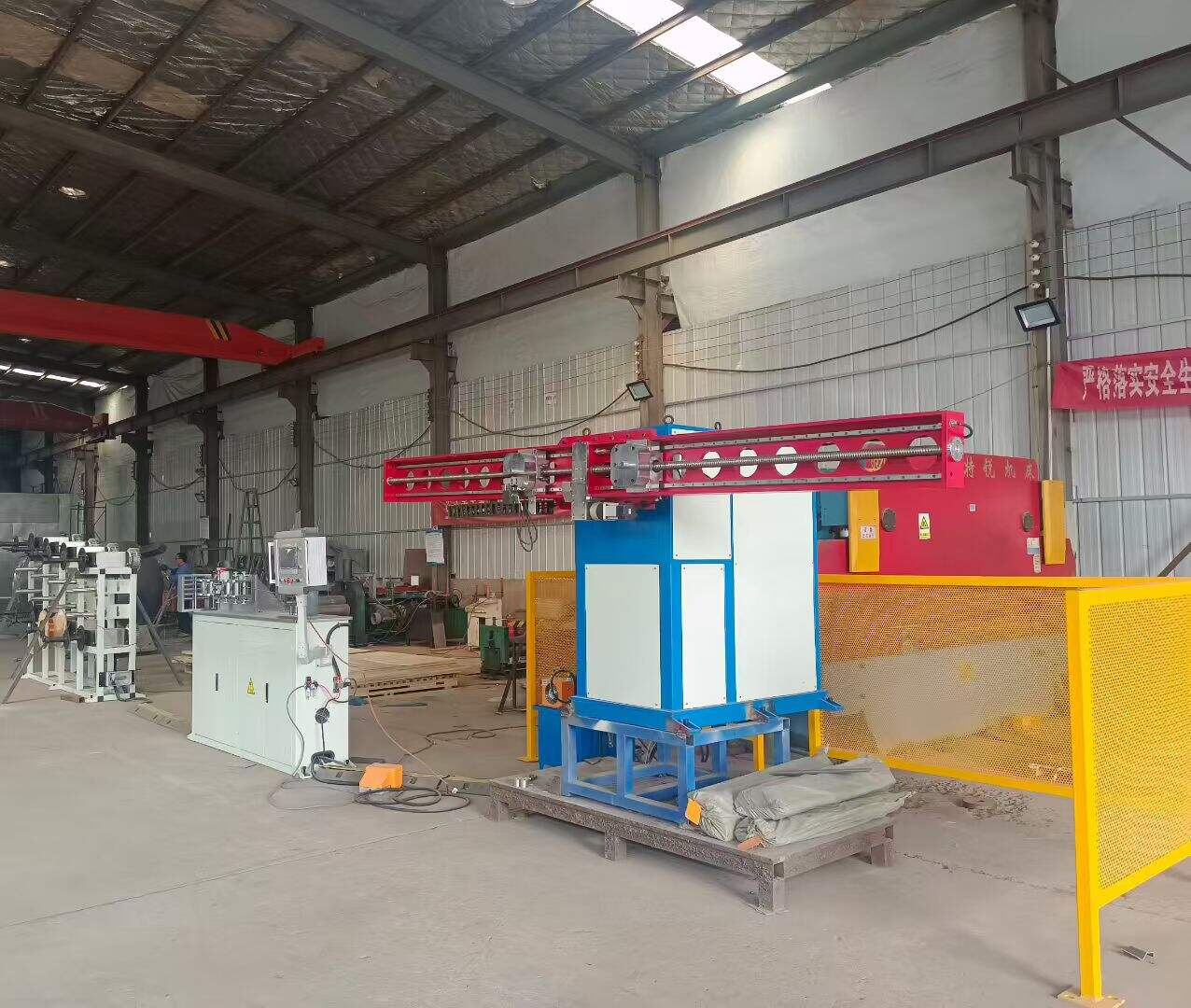
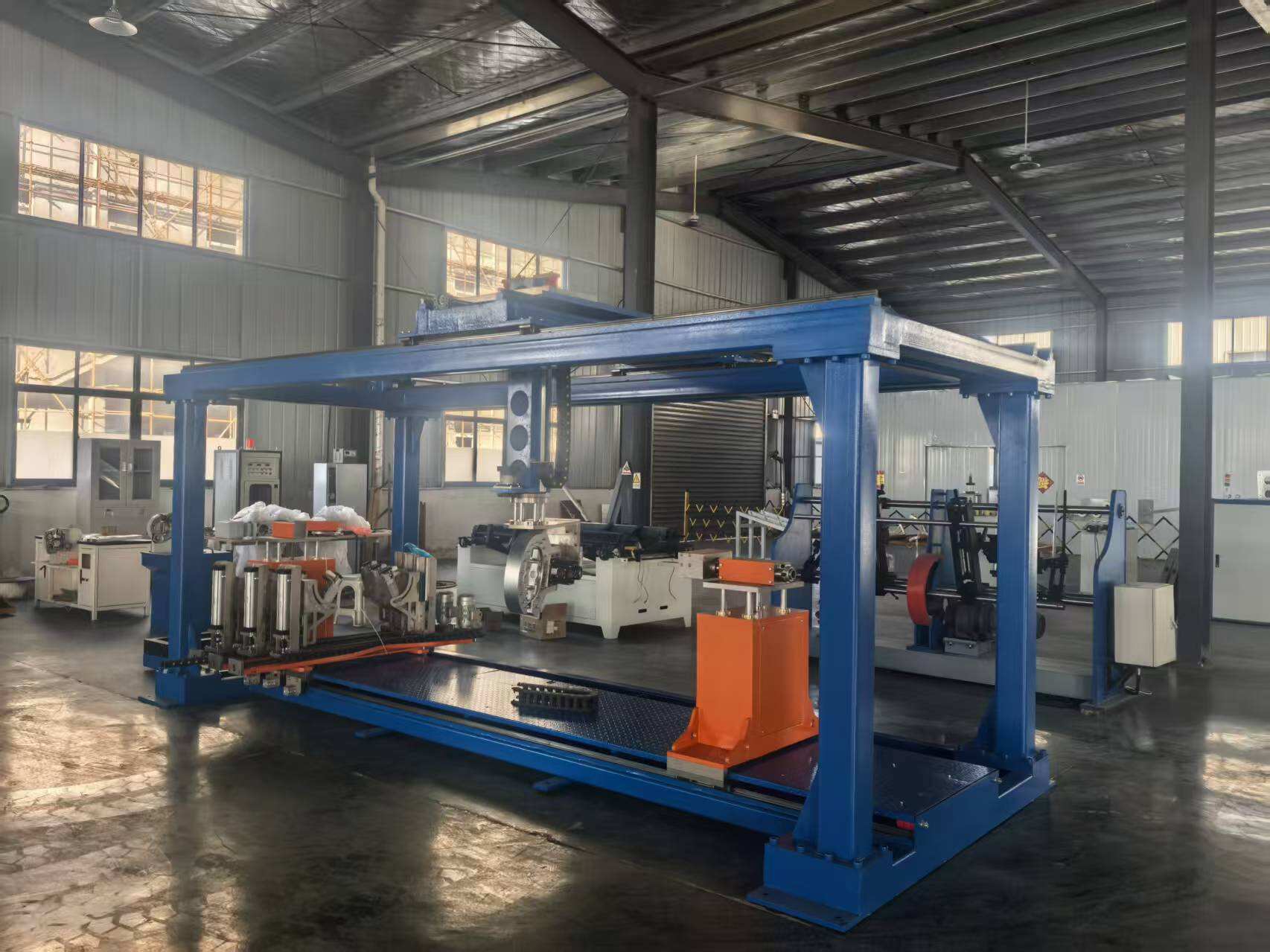
The high voltage motor assembly machine incorporates comprehensive quality assurance systems that monitor, verify, and document every aspect of the motor assembly process, providing manufacturers with unprecedented visibility into product quality and production performance. This integrated quality approach begins at the component loading stage, where barcode scanners or RFID readers verify that correct parts are being used for each specific motor assembly, preventing costly mix-ups that could result in field failures or safety issues. Throughout the assembly sequence, multiple sensor types continuously monitor critical parameters including position accuracy, applied forces, torque values, adhesive quantities, and component presence. This real-time monitoring enables immediate detection of any deviation from specifications, triggering alerts that allow operators to address issues before defective motors are completed. The quality assurance system automatically performs electrical continuity tests, insulation resistance measurements, and winding resistance checks on assembled motors, verifying that electrical characteristics meet design requirements. These automated tests are more consistent and thorough than manual testing methods, ensuring that every motor leaving the production line meets performance standards. High-resolution imaging systems capture photographs of critical assembly steps, creating visual documentation that can be reviewed if questions arise about a specific motor's construction. This visual record is invaluable for investigating field issues, validating assembly procedures, and training new personnel. The high voltage motor assembly machine generates comprehensive production reports that include time stamps for each assembly step, operator identifications, component serial numbers, test results, and any quality alerts or corrective actions taken during production. This detailed documentation satisfies quality management system requirements including ISO 9001, automotive industry standards, and customer-specific quality protocols. The traceability provided by this documentation enables rapid response to quality issues, allowing manufacturers to quickly identify which motors might be affected by a component defect or process variation. Statistical process control capabilities analyze production data to identify trends that might indicate developing quality issues, enabling proactive intervention before problems affect product quality. The quality assurance system can be configured to enforce work instructions, preventing operators from skipping steps or deviating from approved procedures. This enforcement ensures consistent adherence to best practices regardless of operator experience level or production pressure. For manufacturers supplying critical applications where motor failure could result in safety hazards, production disruptions, or environmental incidents, the comprehensive quality assurance and documentation provided by the high voltage motor assembly machine offers essential risk management. The permanent, searchable quality records support continuous improvement initiatives by providing objective data about process performance, defect rates, and improvement opportunities. This data-driven approach to quality management replaces subjective assessments and incomplete manual records with factual information that supports better decision-making at all organizational levels.
 ×


 EN