Modular Flexibility Enabling Diverse Production Requirements
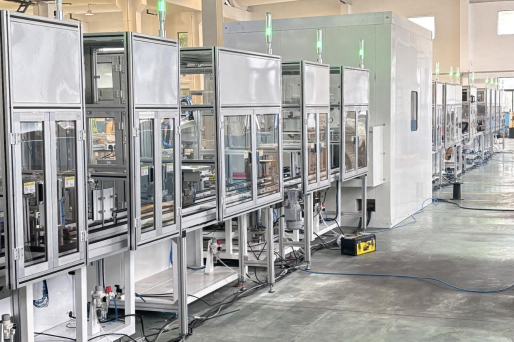
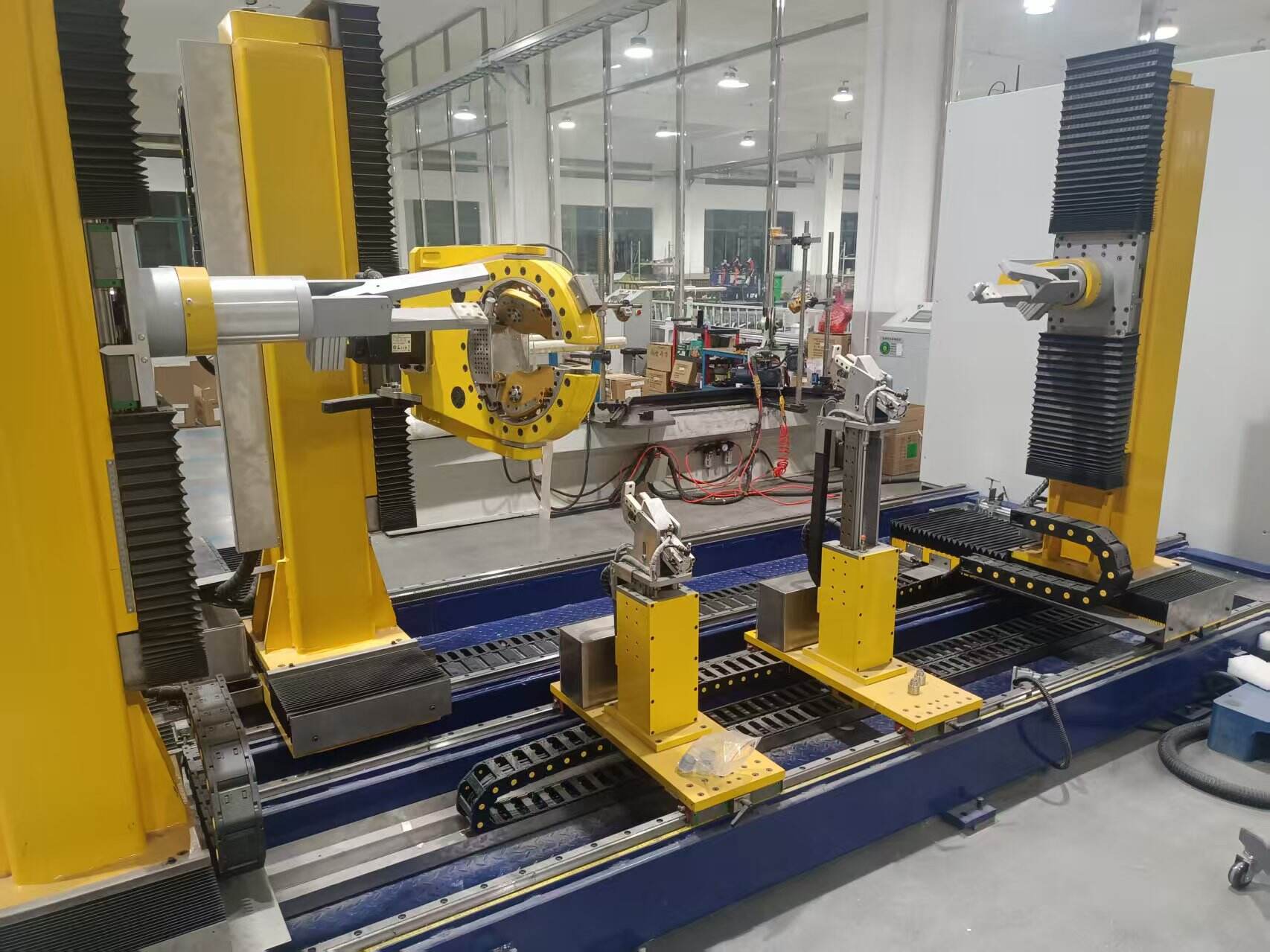
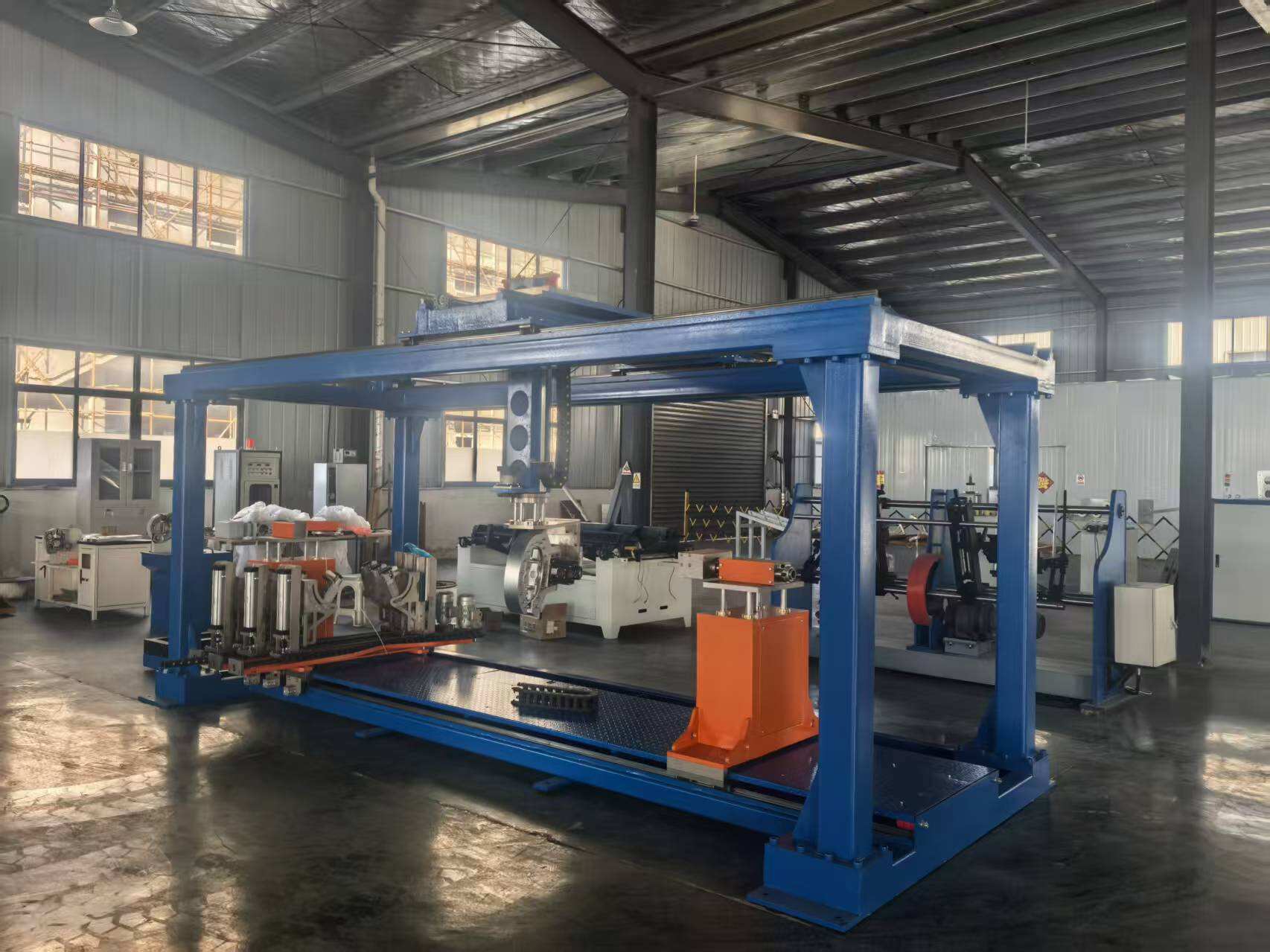
The modular flexibility inherent in contemporary motor manufacturing equipment represents a transformative capability that allows manufacturers to adapt rapidly to changing market demands, accommodate diverse product portfolios, and optimize capital investment utilization across varying production scenarios. Modular design philosophy structures equipment as interconnected stations or cells, each performing specific manufacturing operations while maintaining standardized interfaces for mechanical connections, electrical power distribution, pneumatic supplies, data communication networks, and control system integration. This architecture enables manufacturers to configure production lines matching current needs, then reconfigure or expand capabilities as requirements evolve without replacing entire systems or making prohibitively expensive modifications. Quick-change tooling systems exemplify modular flexibility, allowing operators to switch between different motor sizes, winding patterns, or assembly configurations in minutes rather than hours through standardized tool mounting interfaces, pre-calibrated tool sets, and automated parameter loading that recalls all machine settings associated with specific product variants. The flexibility extends to production volume accommodation, where motor manufacturing equipment scales from prototype development and small-batch production through high-volume manufacturing by adjusting cycle times, implementing parallel processing stations, or adding duplicate modules that multiply capacity while maintaining process consistency. Product range capabilities benefit enormously from modular flexibility, as manufacturers serving multiple market segments can produce miniature motors for consumer electronics, medium-sized units for appliances and power tools, and large motors for industrial applications on appropriately configured equipment platforms sharing common control architectures and operator interfaces. Reconfiguration capabilities prove invaluable when introducing new motor designs, as engineers can add specialized processing stations, upgrade existing modules with enhanced capabilities, or rearrange production sequences to accommodate different manufacturing workflows without disrupting ongoing production of existing products. The modular approach supports phased investment strategies where manufacturers acquire essential capabilities initially, then progressively add advanced modules for specialized operations, enhanced automation, or increased capacity as business growth justifies additional capital expenditure, protecting cash flow while building comprehensive manufacturing capabilities over time. Standardized communication protocols and control system architectures facilitate integration between motor manufacturing equipment from different suppliers or different generations, allowing manufacturers to combine best-in-class modules from various sources into optimized production systems rather than accepting compromises inherent in single-source solutions. Maintenance efficiency improves through modular design, as technicians can quickly isolate problems to specific modules, swap standardized components or entire stations to restore production while performing repairs offline, and maintain spare module inventories that minimize downtime consequences. The flexibility inherent in modular motor manufacturing equipment also supports continuous improvement initiatives, where manufacturers can experiment with process modifications, evaluate new technologies, or optimize production sequences by reconfiguring modules and analyzing results without disrupting entire production lines or making irreversible changes. Expansion pathways remain open indefinitely, as modular architectures accommodate additional stations, parallel processing lines, or advanced capabilities that equipment manufacturers develop in future generations, protecting long-term investment value and ensuring production capabilities remain competitive throughout extended operational lifecycles spanning decades of technological advancement and market evolution.
 ×


 EN