Comprehensive Versatility for Diverse Manufacturing Needs
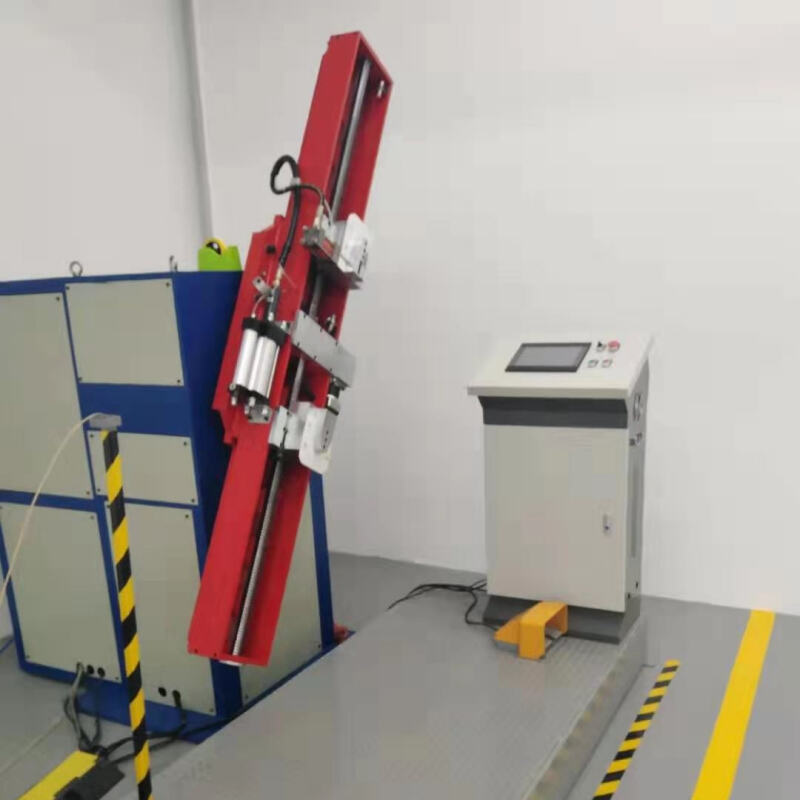
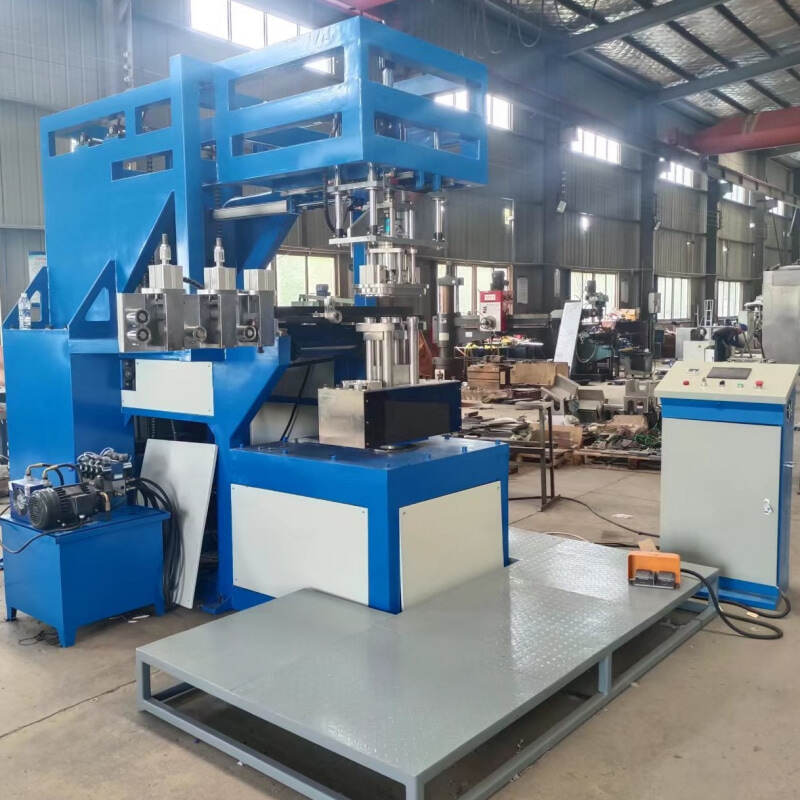
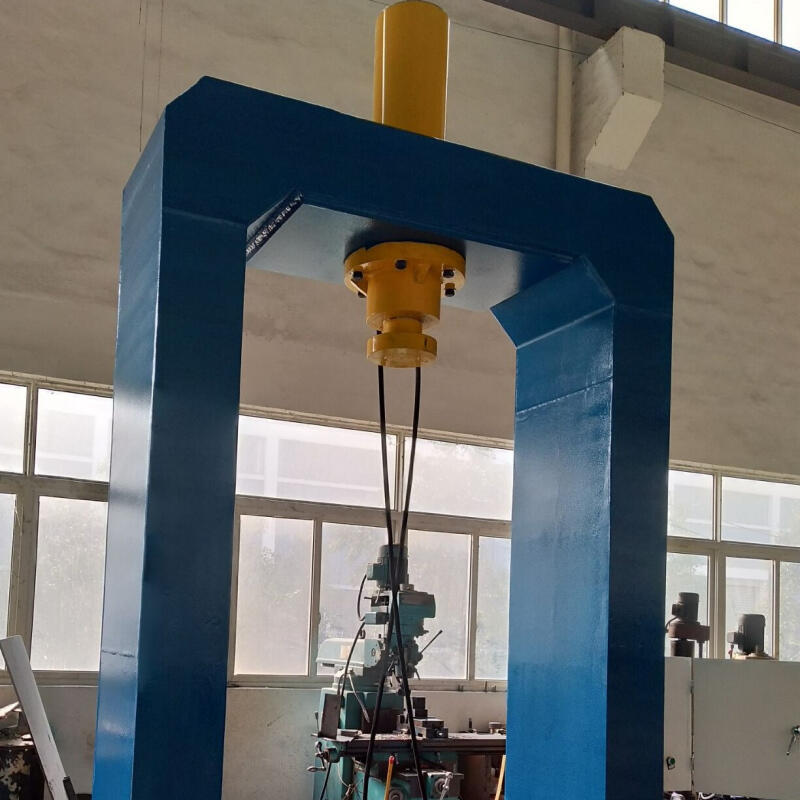
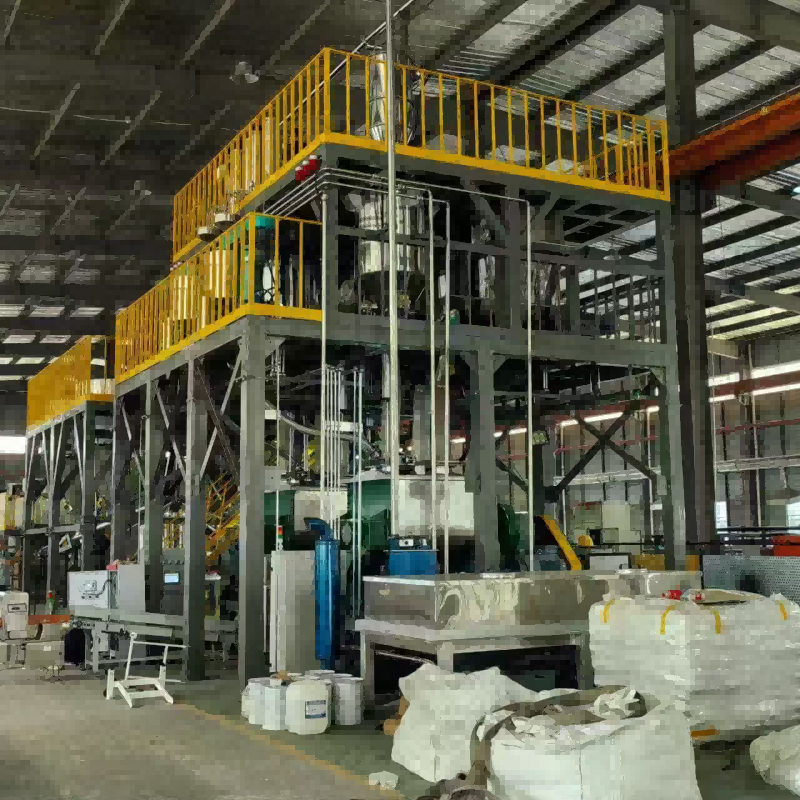
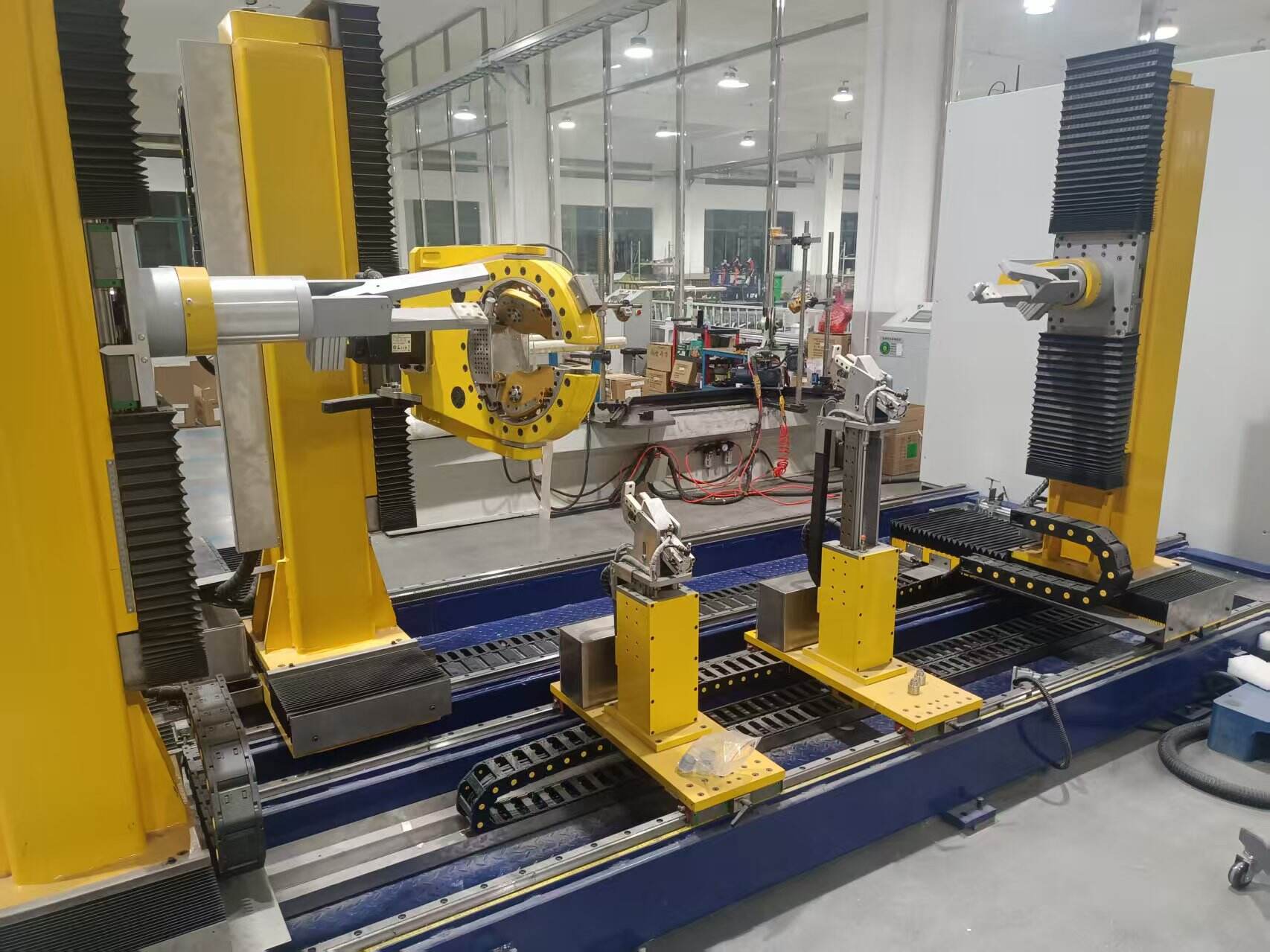
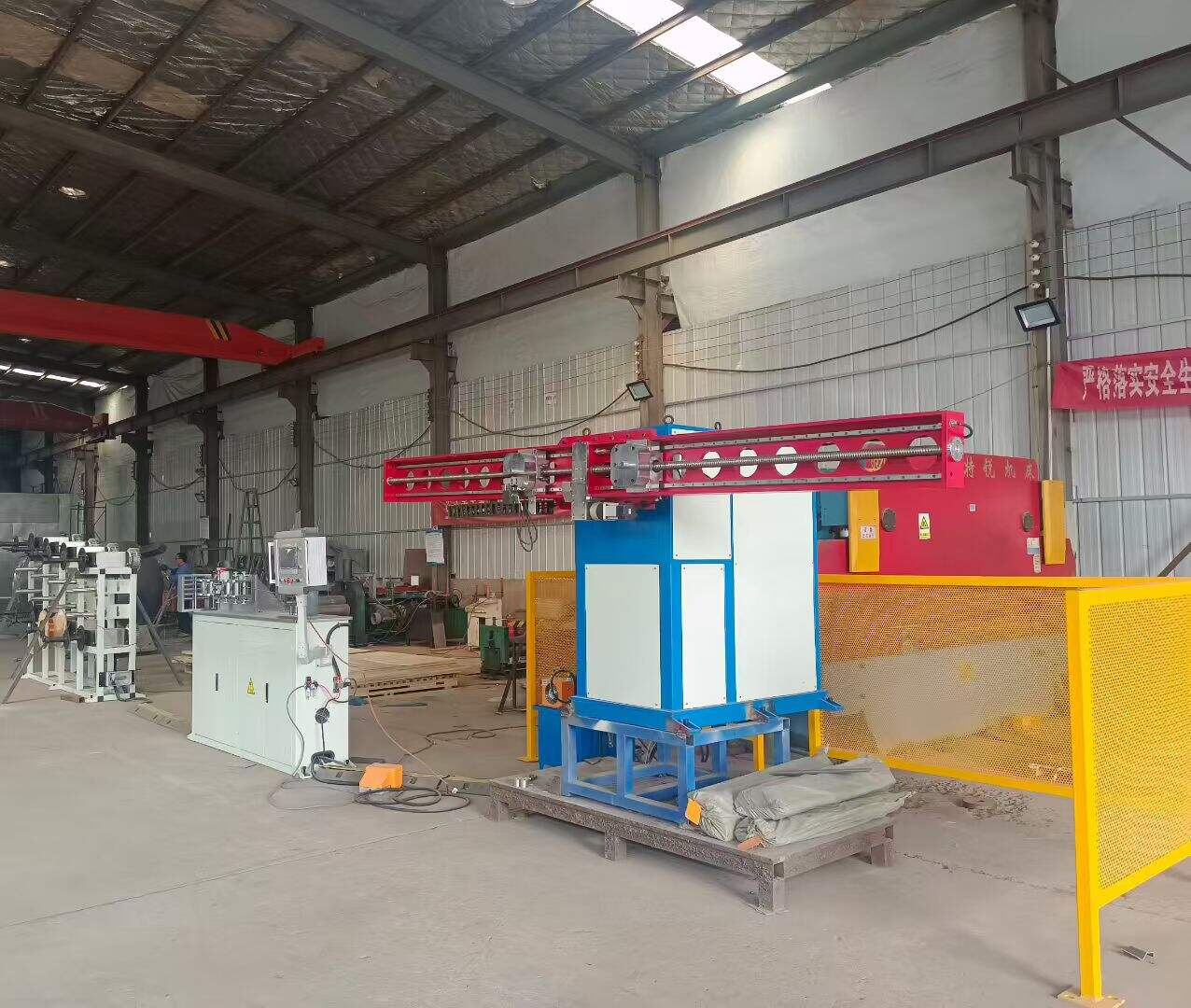
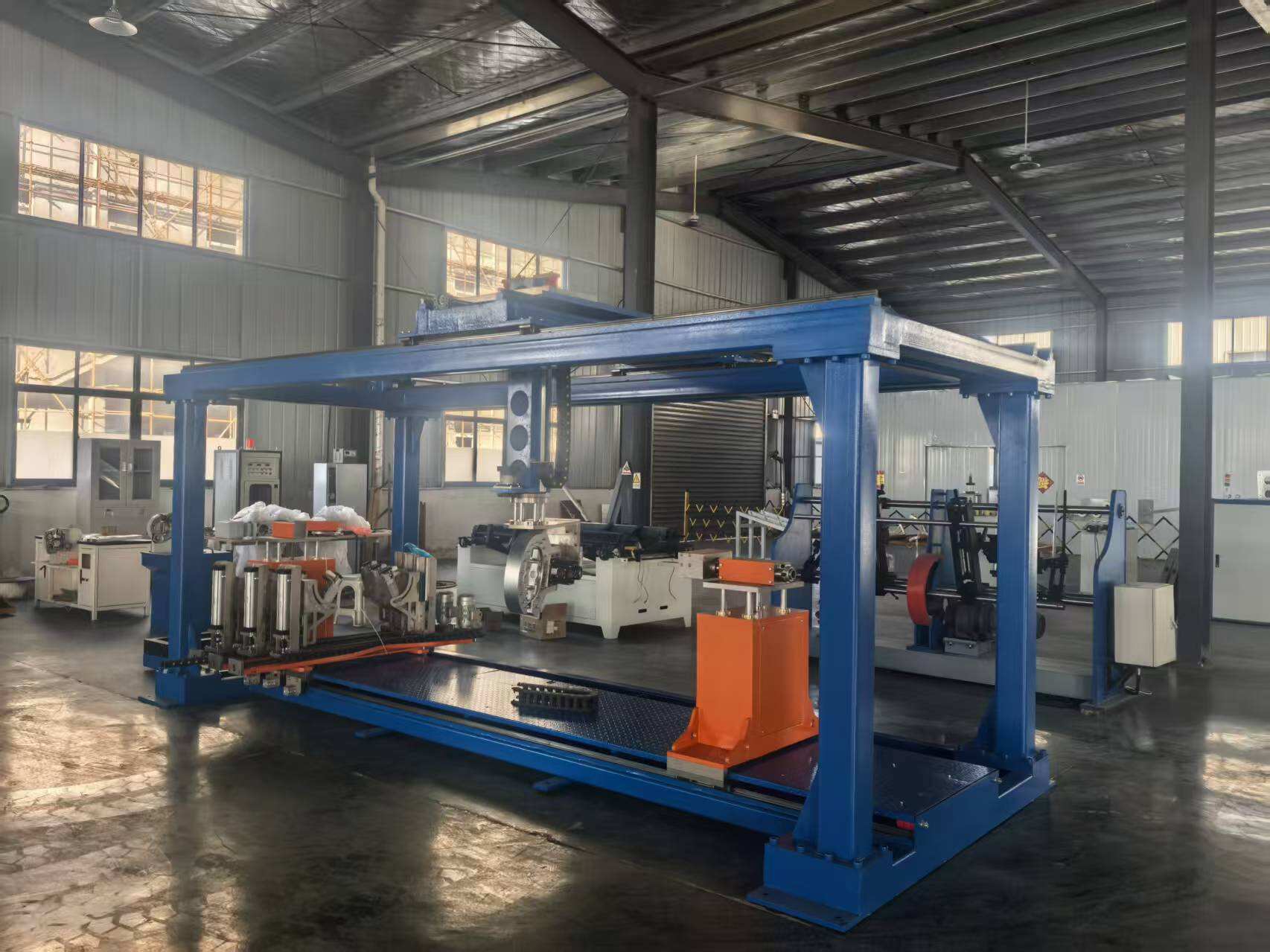
The versatility built into modern electric motor making machines represents a strategic advantage for manufacturers serving diverse markets and customer requirements, enabling production flexibility that adapts to changing demands without major capital investments. These sophisticated systems accommodate an impressive range of motor sizes, from miniature motors used in medical devices to substantial industrial motors powering heavy machinery, all on a single production platform with appropriate tooling changes. The modular design philosophy allows manufacturers to configure machines with specific capabilities matching their product mix, then expand functionality as business needs evolve by adding stations or upgrading existing modules. Quick-change tooling systems enable operators to switch between different motor frame sizes and winding patterns in minimal time, supporting mixed-model production schedules that maximize equipment utilization. The programmable control system stores unlimited motor designs in its memory, each with specific parameters for wire gauge, turn count, winding pattern, and assembly sequence, accessible through simple menu selections. This digital flexibility eliminates the need for mechanical adjustments that consume time and require skilled technicians, democratizing the production process and reducing dependency on specialized expertise. The electric motor making machine handles various winding configurations including distributed windings, concentrated windings, and wave windings, supporting different motor designs optimized for specific performance characteristics. Material compatibility extends to different wire types such as copper and aluminum in various gauges and insulation classes, accommodating cost optimization strategies and specialized applications. The machines process different stator configurations including single-phase, three-phase, and multi-phase designs, serving diverse electrical system requirements across industries. Rotor variety support includes squirrel cage designs, wound rotors, and permanent magnet configurations, enabling production of induction motors, synchronous motors, and brushless DC motors from the same equipment. This versatility eliminates the need for dedicated production lines for each motor type, significantly reducing capital investment requirements and factory floor space. The adjustable automation level allows manufacturers to choose between fully automated operation for high-volume standardized products and semi-automated modes that incorporate manual steps for custom or low-volume specialty motors. Integration capabilities enable the electric motor making machine to connect with upstream and downstream equipment, creating complete production cells or fully automated manufacturing lines depending on production volume and complexity requirements. The machine interfaces with various quality control instruments, data management systems, and enterprise resource planning software, supporting modern manufacturing practices and Industry 4.0 initiatives. Customization options allow manufacturers to specify particular features or capabilities during machine procurement, ensuring the equipment precisely matches their unique requirements rather than forcing process adaptation to equipment limitations. The versatile design accommodates future technology integration, with expansion slots and upgrade paths that protect equipment investment as manufacturing techniques evolve. This comprehensive versatility ensures manufacturers can respond to market opportunities quickly, accept diverse customer orders confidently, and adapt their production capabilities to changing industry trends without the disruption and expense of replacing core manufacturing equipment, making the electric motor making machine a future-proof investment that grows with business success.
 ×


 EN