Comprehensive Quality Assurance Systems That Guarantee Product Excellence
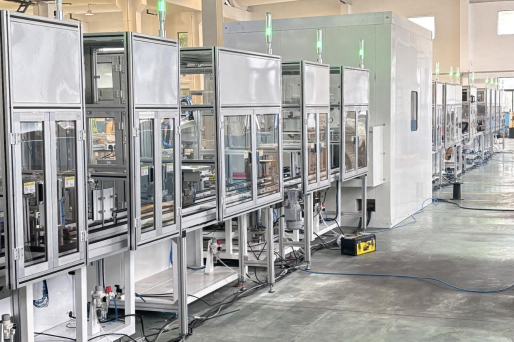
Quality assurance capabilities embedded within equipment from a professional motor assembly equipment supplier extend far beyond simple pass-fail testing, encompassing sophisticated measurement systems, statistical process control, traceability protocols, and documentation standards that satisfy the most demanding regulatory requirements and customer expectations. These integrated quality systems begin at the component reception stage, where incoming materials undergo verification procedures to ensure suppliers have delivered parts meeting specified tolerances and performance characteristics. Throughout the assembly process, multiple inspection points capture dimensional measurements, electrical properties, mechanical attributes, and functional performance data, creating a comprehensive quality profile for each motor produced. High-resolution cameras and specialized lighting configurations enable vision inspection systems to detect surface defects, missing components, incorrect orientations, and assembly errors that might escape human observation, particularly during high-speed production runs where hundreds or thousands of units pass through the line daily. Electrical testing equipment evaluates insulation resistance, winding continuity, inductance values, and other parameters critical to motor performance and safety, automatically rejecting units that fall outside acceptable ranges while documenting the specific failures for root cause analysis. Mechanical testing apparatus assesses torque characteristics, bearing play, shaft runout, vibration signatures, and noise levels, ensuring motors will perform reliably throughout their intended service lives. The data generated by these quality systems feeds into statistical process control algorithms that monitor trends, detect process drift before it produces defective parts, and alert operators to conditions requiring corrective action. This proactive approach prevents quality problems rather than simply identifying them after occurrence, reducing scrap rates and protecting profit margins. Traceability features track individual motors through every assembly stage, associating specific components with finished products and enabling rapid identification of affected units should a supplier quality issue emerge after production completion. Documentation capabilities automatically generate quality certificates, test reports, and compliance records required for industries such as automotive, aerospace, medical devices, and other sectors with rigorous quality standards. The comprehensive quality assurance provided by established motor assembly equipment supplier partners instills confidence among customers, reduces warranty exposure, supports continuous improvement initiatives, and establishes manufacturers as reliable sources for precision motor products. These systems also facilitate quality management system certifications such as ISO standards, automotive industry requirements, and sector-specific regulations that may be prerequisites for accessing certain markets or customer bases.
 ×


 EN