BLDC Motor Assembly Machine - Precision Automated Production Solutions for Brushless DC Motor Manufacturing

Get a Free Quote

Our representative will contact you soon.
Email
Name
Mobile/WhatsApp
Company Name
Message
0/1000

bldc motor assembly machine

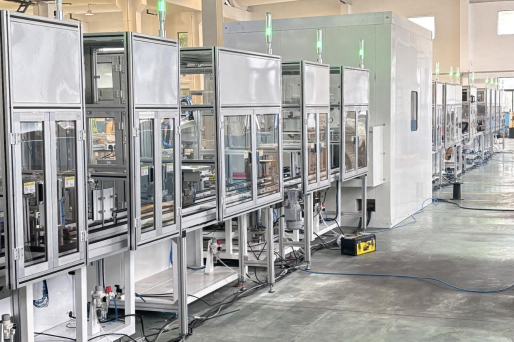
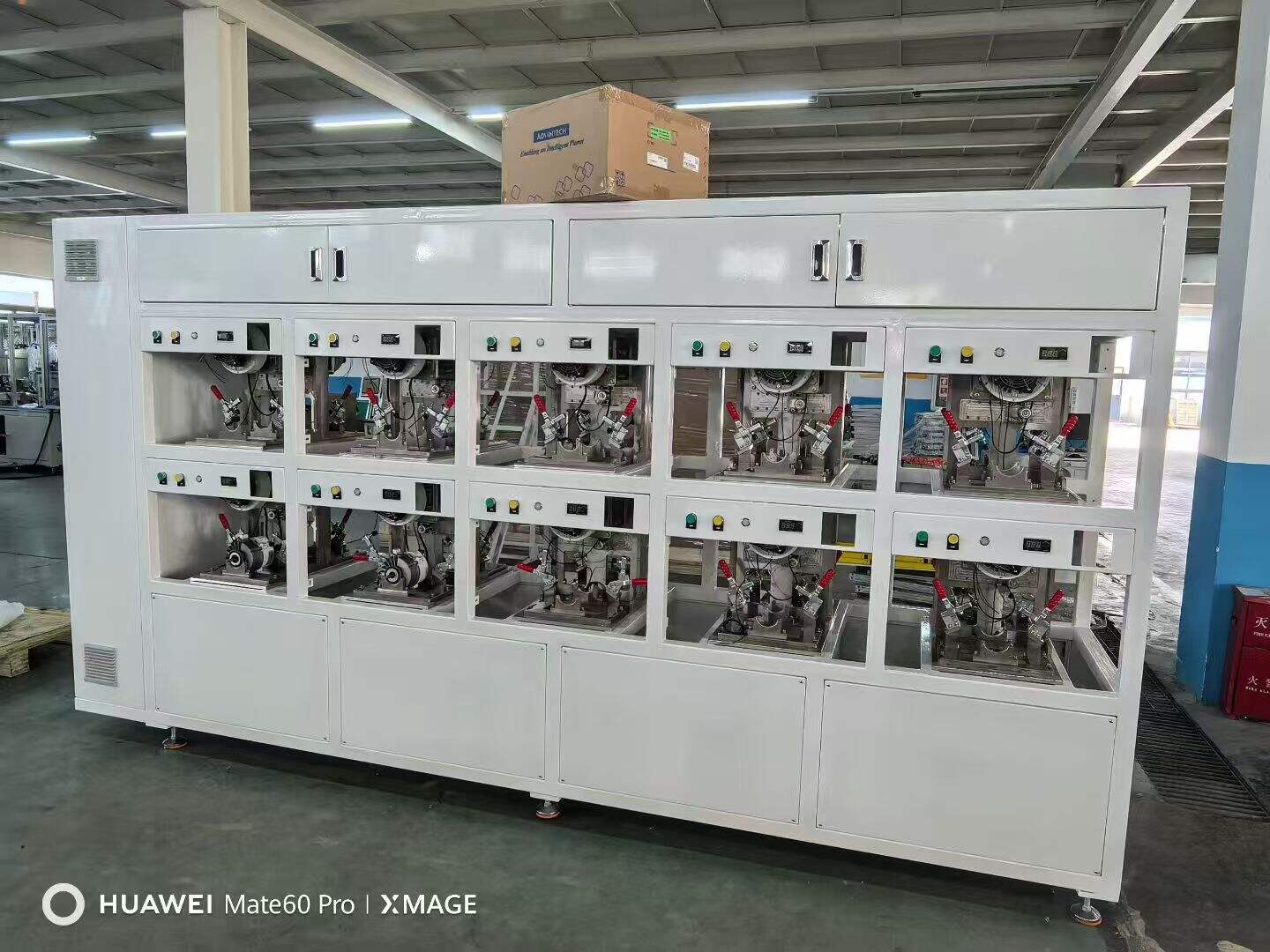
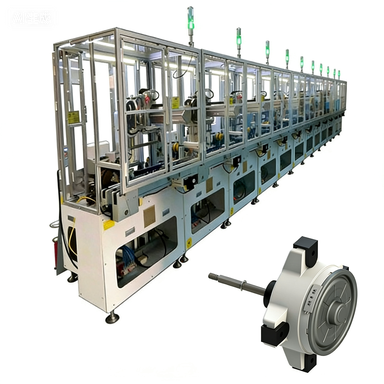
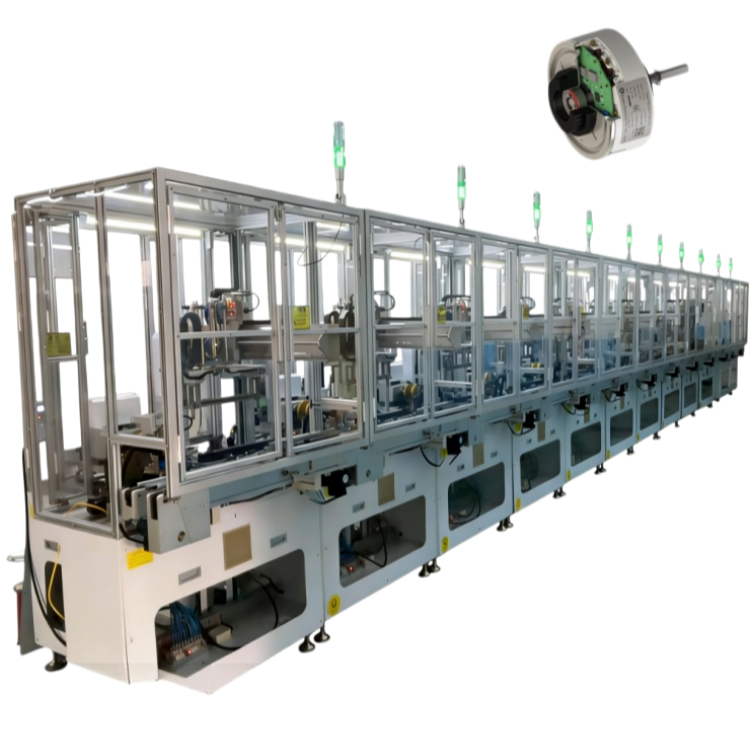
The bldc motor assembly machine represents a cutting-edge automated solution designed specifically for manufacturing brushless DC motors with precision and efficiency. This sophisticated equipment integrates multiple assembly stations into a unified production line, orchestrating complex operations that transform individual components into fully functional motors. At its core, the bldc motor assembly machine handles critical tasks including stator winding insertion, rotor magnet placement, bearing installation, endcap fitting, shaft alignment, and final quality inspection. Modern systems incorporate advanced vision systems, robotic arms, and programmable logic controllers to ensure each assembly step meets exact specifications. The technological features distinguish these machines from conventional production methods. High-speed servo motors enable rapid component positioning while maintaining micrometer-level accuracy. Intelligent sensors monitor every operation in real-time, detecting defects instantly and triggering corrective actions automatically. The modular design allows manufacturers to customize configurations based on specific motor designs, whether producing compact drone motors or larger automotive applications. Temperature-controlled work zones prevent thermal expansion issues during precision fitting operations. The machine's user-friendly interface simplifies programming for different motor models, reducing changeover time significantly. Applications span numerous industries where brushless DC motors have become essential. Consumer electronics manufacturers rely on these assembly machines for producing motors in smartphones, laptops, and cooling fans. The automotive sector utilizes them for electric vehicle drive systems, power steering assemblies, and HVAC components. Industrial automation companies depend on consistent motor quality for robotic systems and CNC machinery. Medical device producers require the contamination-free assembly environment these machines provide. Drone manufacturers value the ability to produce lightweight, high-performance motors at scale. The bldc motor assembly machine has become indispensable for any operation seeking to compete in markets demanding superior motor performance, consistency, and cost-effectiveness while meeting increasingly stringent quality standards.

New Product Releases

Investing in a bldc motor assembly machine delivers substantial practical benefits that directly impact your bottom line and competitive position. First, production speed increases dramatically compared to manual assembly methods. These machines complete full motor assemblies in seconds rather than minutes, multiplying your output capacity without expanding floor space or workforce. This acceleration means you can fulfill larger orders, reduce lead times, and respond quickly to market demand fluctuations. Second, quality consistency reaches levels impossible to achieve through human assembly. Every motor receives identical treatment, with components positioned within thousandths of an inch accuracy. This uniformity eliminates performance variations between units, reducing customer complaints and warranty claims significantly. Your brand reputation strengthens as buyers recognize your products deliver reliable performance every time. Third, labor costs decrease substantially over time. While the initial investment requires capital, the machine replaces multiple assembly workers, reducing ongoing salary, benefits, and training expenses. Workers transition to higher-value tasks like quality oversight and machine optimization rather than repetitive manual assembly. This shift improves job satisfaction while lowering per-unit production costs. Fourth, workplace safety improves considerably. Automated systems handle hazardous tasks like adhesive application and high-temperature component installation, protecting workers from repetitive strain injuries and exposure to potentially harmful materials. Fewer workplace incidents mean lower insurance premiums and reduced liability exposure. Fifth, production flexibility expands your business opportunities. The bldc motor assembly machine adapts to different motor designs through software adjustments rather than complete line reconfigurations. You can economically produce small batches of specialized motors alongside high-volume standard models, serving niche markets that competitors cannot profitably address. Sixth, material waste drops noticeably because precision placement and controlled adhesive dispensing eliminate excess consumption. Components arrive at exact locations without damage from mishandling, and rejected units decrease substantially. These savings compound across thousands of production cycles, improving material utilization rates and environmental sustainability. Seventh, data collection capabilities provide unprecedented insight into your manufacturing process. The machine tracks cycle times, defect rates, component usage, and performance trends, enabling continuous improvement initiatives based on objective evidence rather than guesswork. You identify bottlenecks quickly and optimize processes systematically. Finally, scalability becomes straightforward as demand grows. Adding production capacity means installing additional machines with identical capabilities rather than recruiting and training new assembly teams, ensuring quality remains constant as volume increases.

Practical Tips

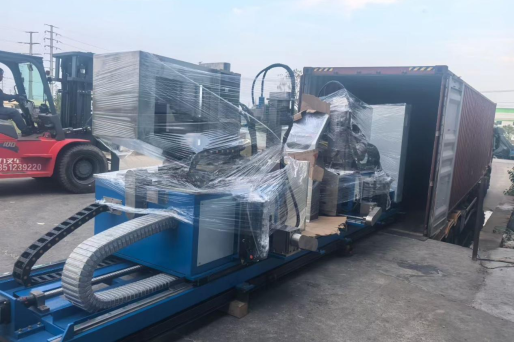
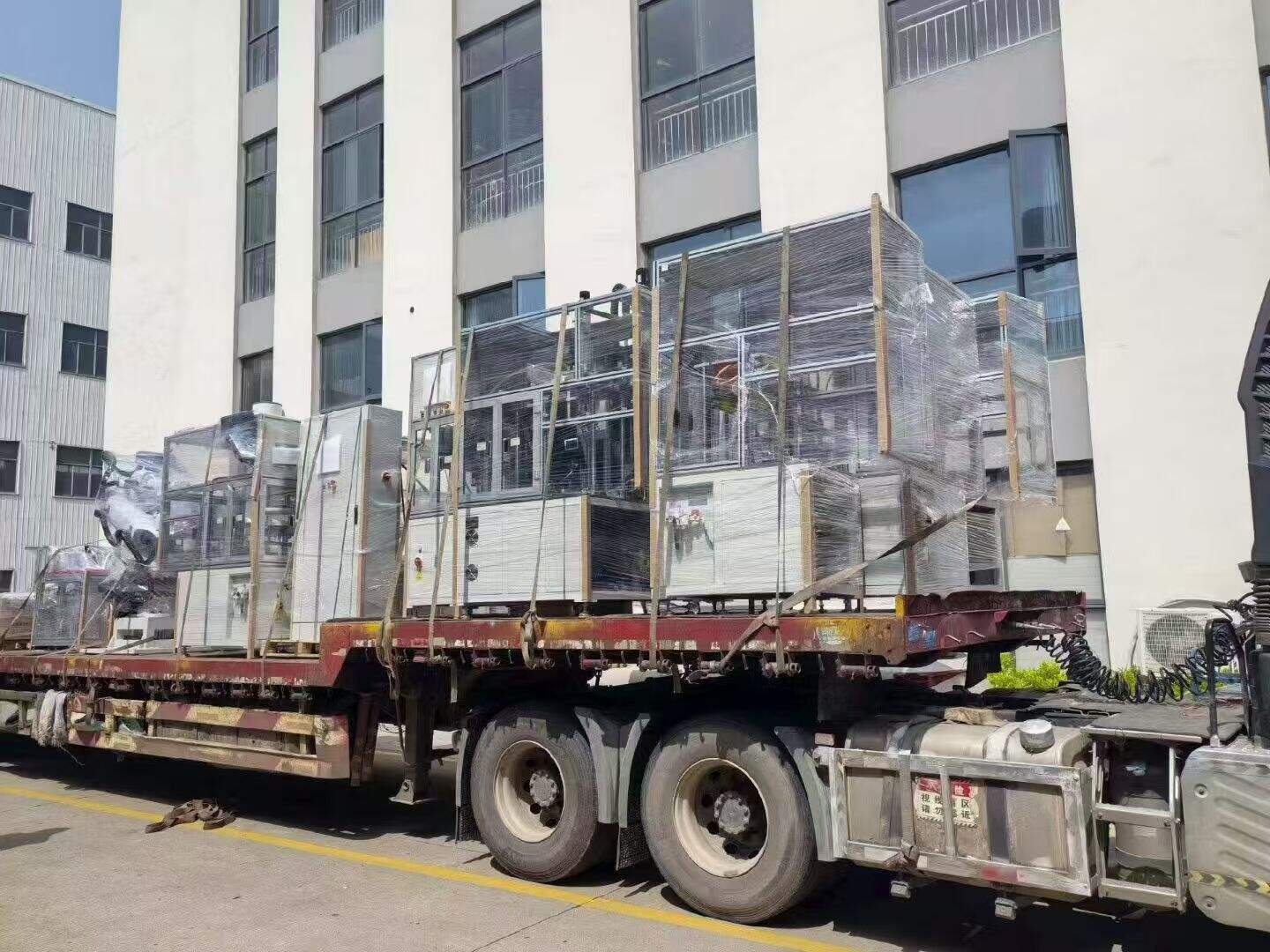
January 15th, 2026 Air Conditioner BLDC Motor Production line Dispatch to India

08

Apr

January 15th, 2026 Air Conditioner BLDC Motor Production line Dispatch to India

View More
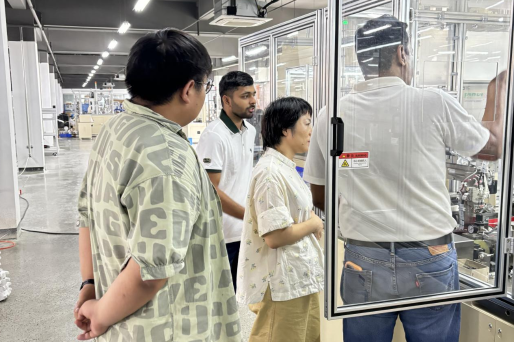
August 30th, 2025, 45W Air conditioner ODU BLDC motor Assembly line Inspection From India customer

08

Apr

August 30th, 2025, 45W Air conditioner ODU BLDC motor Assembly line Inspection From India customer

View More
January 5th , 2026 CNC Coil Forming Machine For High Voltage Motors dispatched to UZ (Uzbekistan)

07

Apr

January 5th , 2026 CNC Coil Forming Machine For High Voltage Motors dispatched to UZ (Uzbekistan)

View More

Get a Free Quote

Our representative will contact you soon.
Email
Name
Mobile/WhatsApp
Company Name
Message
0/1000

bldc motor assembly machine

Precision Engineering That Guarantees Motor Performance Excellence

Precision Engineering That Guarantees Motor Performance Excellence

The bldc motor assembly machine achieves extraordinary precision levels that fundamentally determine the quality and longevity of finished motors. Understanding this precision advantage requires examining how microscopic variations during assembly affect motor performance throughout its operational lifespan. When stators and rotors align imperfectly, even by fractions of a millimeter, the resulting motor exhibits increased vibration, reduced efficiency, higher heat generation, and shortened bearing life. Manual assembly struggles to maintain consistent tolerances because human workers, regardless of skill level, cannot replicate exact movements thousands of times daily. Fatigue, distraction, and natural physical limitations introduce variations that accumulate into quality problems. The bldc motor assembly machine eliminates these human inconsistencies through servo-controlled positioning systems guided by precision sensors. During stator insertion, the machine references multiple measurement points, adjusting approach angles and insertion force dynamically to achieve perfect seating without damaging delicate windings. Vision systems verify wire positioning before proceeding, preventing assembly errors that would remain hidden until final testing or field failure. Rotor magnet placement demands equal precision because magnetic field uniformity depends on exact spacing and orientation. The machine employs specialized fixtures that hold magnets at predetermined positions while adhesive cures under controlled temperature conditions. This process ensures magnetic flux distribution matches design specifications exactly, maximizing torque output and minimizing cogging that causes performance irregularities. Bearing installation represents another critical precision operation where the bldc motor assembly machine excels. Bearings pressed with excessive force suffer internal damage that manifests as premature failure, while insufficient press force allows movement that generates noise and wear. The machine applies calibrated force while monitoring insertion depth in real-time, achieving optimal bearing seating every cycle. Temperature compensation algorithms adjust for thermal expansion differences between components and fixtures, maintaining accuracy across varying production environment conditions. Shaft alignment precision directly affects motor efficiency and noise characteristics. The assembly machine uses laser measurement systems to verify concentricity within microns, ensuring rotating components spin true without wobble. This precision prevents energy losses from friction and vibration while extending maintenance intervals substantially. Quality inspection integrated into the assembly process provides immediate feedback rather than discovering problems after completing entire production batches. The machine performs electrical testing, dimensional verification, and functional checks automatically, documenting results for traceability and statistical process control. This comprehensive precision approach transforms motor manufacturing from variable craft into repeatable science, delivering consistent excellence that customers recognize and value.
Operational Efficiency That Transforms Production Economics

Operational Efficiency That Transforms Production Economics

The operational efficiency advantages of a bldc motor assembly machine extend far beyond simple speed improvements, fundamentally restructuring production economics in ways that create lasting competitive advantages. Examining these efficiency gains reveals how automation transforms cost structures while enabling business models impossible under traditional manufacturing approaches. Cycle time reduction stands as the most visible efficiency benefit, with modern machines completing assemblies in timeframes measuring seconds per unit. This speed multiplication allows manufacturers to produce daily volumes previously requiring weekly timeframes, compressing manufacturing lead times and enabling just-in-time production strategies that minimize inventory carrying costs. Shorter cycle times mean capital equipment generates more output per operating hour, improving return on investment calculations substantially. Faster production also enables rapid prototyping and market testing of new motor designs without committing to large inventory positions before validating customer acceptance. Changeover efficiency between different motor models represents another crucial advantage often overlooked in initial equipment evaluations. Traditional assembly lines require hours or days to reconfigure fixtures, retrain workers, and validate new processes when switching between products. The bldc motor assembly machine accomplishes these transitions through software parameter adjustments and quick-change tooling systems, reducing changeover time to minutes rather than shifts. This flexibility enables economical production of smaller batch sizes, allowing manufacturers to offer greater product variety without penalty. Companies can serve specialized market segments and custom applications that competitors cannot profitably address, expanding revenue opportunities significantly. Energy efficiency contributes to operational economics in ways that compound over equipment lifespan. Modern assembly machines incorporate energy recovery systems, intelligent power management, and optimized motion profiles that minimize electricity consumption per assembled unit. While individual savings appear modest, annual energy costs decrease substantially compared to operating multiple workstations with pneumatic tools, lighting, and climate control requirements for human workers. These savings continue indefinitely, improving cost competitiveness in energy-intensive manufacturing regions. Maintenance efficiency stems from the machine's diagnostic capabilities and modular construction. Predictive maintenance systems monitor component wear patterns, alerting operators to service requirements before failures occur and cause production interruptions. When maintenance becomes necessary, modular subsystems allow technicians to replace entire assemblies quickly rather than performing complex repairs on the production floor. This approach minimizes downtime while ensuring consistent machine performance throughout its operational life. Documentation efficiency provides often-underestimated value in regulated industries and quality-conscious markets. The bldc motor assembly machine automatically generates complete assembly records for every unit produced, including component traceability, process parameters, test results, and quality verification data. This documentation satisfies certification requirements, supports warranty claim investigations, and enables continuous improvement analysis without additional labor costs. Companies competing in automotive, medical, aerospace, and industrial markets find this capability essential for maintaining customer qualifications and regulatory compliance while the automatic documentation eliminates clerical positions and associated overhead expenses.

Future-Ready Adaptability For Evolving Manufacturing Requirements

Future-Ready Adaptability For Evolving Manufacturing Requirements

The adaptability features built into modern bldc motor assembly machine systems provide strategic advantages that extend beyond immediate production needs, positioning manufacturers to respond effectively to technological evolution and market shifts that will define future competitiveness. This forward-looking capability distinguishes true manufacturing investments from equipment purchases that become obsolete as requirements change. Understanding adaptability value requires examining how motor technology and market demands continue evolving rapidly. Design flexibility represents the foundation of machine adaptability, enabling manufacturers to accommodate motor designs that do not yet exist when initially purchasing equipment. Modular workstation architecture allows adding, removing, or reconfiguring assembly operations as product designs evolve without replacing entire systems. When new motor designs require additional assembly steps like sensor integration or connector installation, manufacturers simply incorporate appropriate modules rather than engineering completely new production lines. This modularity protects equipment investment value across multiple product generations, spreading capital costs over extended timeframes that improve financial returns substantially. Programming flexibility through intuitive software interfaces empowers production engineers to optimize processes continuously without specialized programming expertise or vendor dependency. Modern systems employ graphical programming environments where engineers define assembly sequences, adjust process parameters, and create quality checkpoints through visual workflows rather than complex coding. This accessibility enables rapid response to quality issues, process improvements, and design modifications that arise during production ramps and ongoing manufacturing operations. Engineers experiment with parameter variations to optimize cycle time, quality outcomes, and material usage based on actual production data rather than theoretical assumptions. Integration capability with emerging manufacturing technologies ensures the bldc motor assembly machine remains relevant as Industry 4.0 concepts become standard practice. Open communication protocols allow seamless data exchange with enterprise resource planning systems, manufacturing execution systems, and quality management databases. Production schedules download automatically, quality data uploads in real-time, and material requirements generate just-in-time replenishment signals without manual intervention. This connectivity eliminates information silos that plague traditional manufacturing environments while enabling data-driven decision making at all organizational levels. Artificial intelligence integration represents the next adaptability frontier already appearing in advanced systems. Machine learning algorithms analyze production data patterns, identifying optimization opportunities and predicting quality issues before they manifest in defective products. These systems continuously improve performance without human intervention, adapting to subtle variations in component characteristics and environmental conditions that affect assembly outcomes. As AI capabilities mature, existing machines receive enhanced intelligence through software updates rather than requiring hardware replacement, future-proofing manufacturing investments against technological obsolescence. Scalability adaptability allows manufacturers to expand production capacity incrementally as demand grows rather than making large capital commitments based on uncertain forecasts. Identical machines added to production floors integrate seamlessly with existing systems, maintaining quality consistency while multiplying output capacity. This scalability removes growth barriers that constrain business expansion, enabling manufacturers to pursue market opportunities confidently knowing production capacity can match demand increases. The combination of these adaptability features creates manufacturing infrastructure that evolves alongside business requirements, protecting investment value while enabling competitive responses to market dynamics that cannot be predicted during initial equipment selection.

Get a Free Quote

Our representative will contact you soon.
Email
Name
Mobile/WhatsApp
Company Name
Message
0/1000