Industrial BLDC Assembly Machine - Precision Automated Motor Manufacturing Solutions

Get a Free Quote

Our representative will contact you soon.
Email
Name
Mobile/WhatsApp
Company Name
Message
0/1000

industrial bldc assembly machine

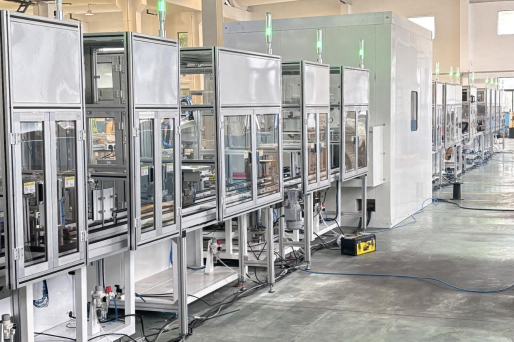
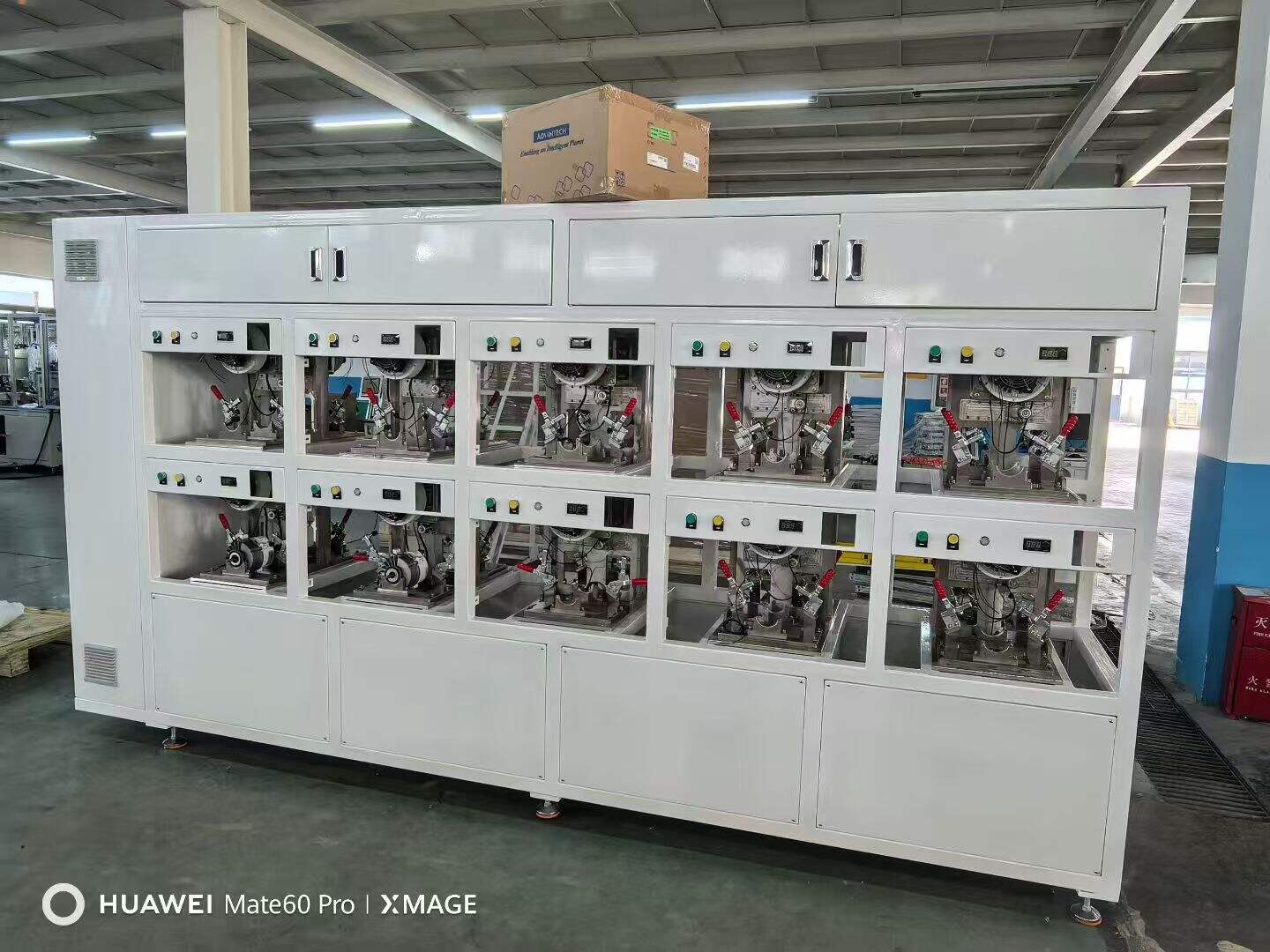
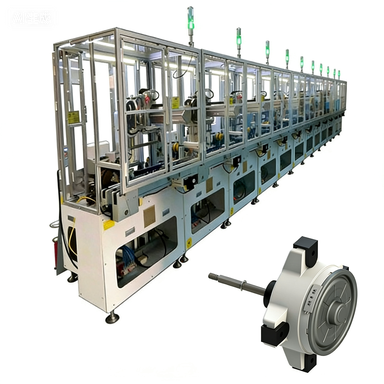
The industrial bldc assembly machine represents a revolutionary advancement in automated manufacturing technology designed specifically for assembling brushless direct current motors with precision and efficiency. This sophisticated equipment integrates multiple automated processes into a single streamlined production line, handling everything from component feeding and positioning to final assembly and quality inspection. Modern industrial bldc assembly machines utilize advanced robotics, vision systems, and programmable logic controllers to ensure consistent output quality while minimizing human intervention. These machines are engineered to accommodate various BLDC motor sizes and configurations, making them versatile solutions for manufacturers across different sectors. The primary functions include automatic stator insertion, rotor installation, bearing press-fitting, shaft alignment, magnet placement, and endcap assembly. Each industrial bldc assembly machine incorporates precise torque control mechanisms that ensure components are assembled with exact specifications, preventing damage to delicate parts while maintaining structural integrity. The technological features of these systems include servo-driven positioning systems that achieve micrometer-level accuracy, intelligent sensor networks that monitor every assembly step, and real-time data collection capabilities that enable continuous process optimization. Advanced models feature modular designs that allow manufacturers to customize configurations based on specific production requirements. The machines employ sophisticated software interfaces that simplify programming and allow operators to quickly switch between different product variants without extensive retooling. Industrial bldc assembly machines find applications across diverse industries including automotive manufacturing for electric vehicle motors, aerospace for precision actuator systems, consumer electronics for cooling fans and hard drive spindles, industrial automation for servo motor production, and medical device manufacturing for surgical tool motors. These automated systems have become indispensable in facilities where production volume, consistency, and quality standards demand capabilities beyond manual assembly methods.

Popular Products

Manufacturers who implement an industrial bldc assembly machine immediately notice substantial improvements in production efficiency and output consistency. These automated systems work continuously without fatigue, maintaining the same precision level throughout extended production runs that would be impossible for manual assembly teams to match. The speed advantage is remarkable, with modern machines completing full motor assemblies in seconds compared to minutes required for hand assembly, translating directly into higher daily production volumes and faster order fulfillment. Cost savings materialize quickly as the initial investment pays off through reduced labor expenses, decreased material waste, and lower rejection rates. Unlike manual processes where variability between workers creates inconsistencies, every unit assembled by an industrial bldc assembly machine meets identical specifications, ensuring customers receive uniform product quality. This consistency eliminates the costly problem of field failures caused by assembly errors, protecting brand reputation and reducing warranty claims. The precision these machines deliver surpasses human capabilities, with automated systems controlling force application, alignment accuracy, and component positioning to tolerances measured in micrometers. This level of precision directly improves motor performance characteristics including efficiency, noise levels, and operational lifespan. Space utilization improves dramatically as a single industrial bldc assembly machine occupies less floor area than the workstations needed for equivalent manual production capacity. The automated approach enhances workplace safety by removing workers from repetitive motion tasks that cause injuries and eliminating exposure to potentially hazardous processes like adhesive application or press operations. Quality control becomes more reliable as integrated inspection systems check every assembled unit against programmed parameters, automatically rejecting defective products before they enter inventory. Data collection capabilities provide unprecedented visibility into production metrics, allowing managers to identify bottlenecks, track performance trends, and make informed decisions about process improvements. Flexibility represents another significant advantage, as these machines adapt quickly to design changes or new product introductions through software updates rather than requiring extensive retraining of assembly personnel. The scalability of automated assembly allows businesses to respond to market demand fluctuations efficiently, ramping production up or down without the complications of hiring or laying off workers. Energy efficiency in modern industrial bldc assembly machines reduces operational costs while supporting corporate sustainability initiatives. Maintenance requirements remain minimal with proper preventive care, and machine uptime typically exceeds ninety-five percent in well-managed facilities. The competitive edge gained through automation enables manufacturers to offer better pricing while maintaining healthy profit margins, securing market position against rivals still relying on manual methods.

Tips And Tricks

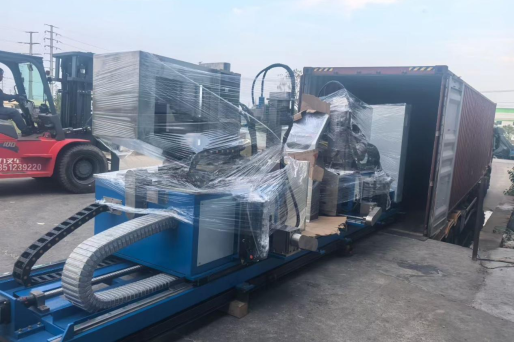
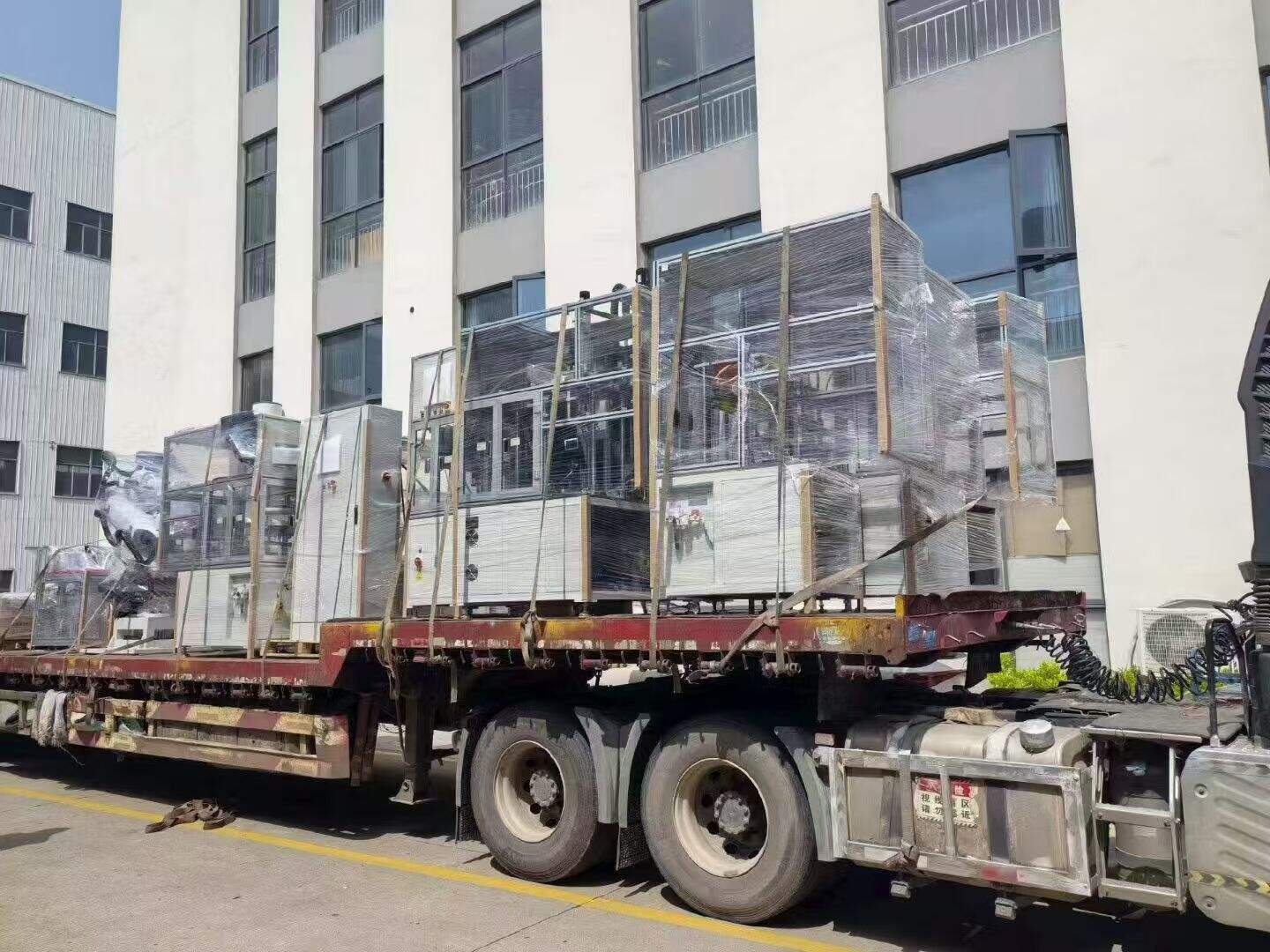
January 15th, 2026 Air Conditioner BLDC Motor Production line Dispatch to India

08

Apr

January 15th, 2026 Air Conditioner BLDC Motor Production line Dispatch to India

View More
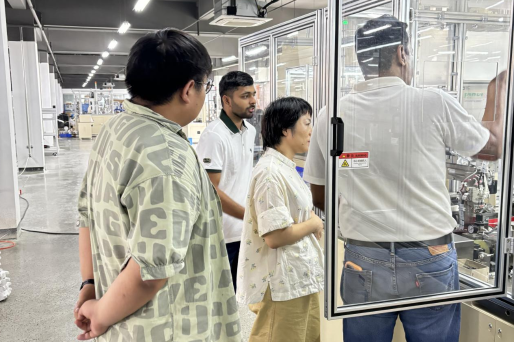
August 30th, 2025, 45W Air conditioner ODU BLDC motor Assembly line Inspection From India customer

08

Apr

August 30th, 2025, 45W Air conditioner ODU BLDC motor Assembly line Inspection From India customer

View More
January 5th , 2026 CNC Coil Forming Machine For High Voltage Motors dispatched to UZ (Uzbekistan)

07

Apr

January 5th , 2026 CNC Coil Forming Machine For High Voltage Motors dispatched to UZ (Uzbekistan)

View More

Get a Free Quote

Our representative will contact you soon.
Email
Name
Mobile/WhatsApp
Company Name
Message
0/1000

industrial bldc assembly machine

Unmatched Precision and Quality Consistency

Unmatched Precision and Quality Consistency

The industrial bldc assembly machine delivers precision levels that fundamentally transform motor manufacturing quality standards. Traditional manual assembly methods inherently introduce variability because human workers, regardless of skill level, cannot replicate exact movements and force applications across thousands of repetitions. Even experienced technicians experience fluctuations in attention, hand steadiness, and judgment throughout work shifts. In contrast, an industrial bldc assembly machine executes every operation with computerized precision, applying exact torque specifications, positioning components to micrometer tolerances, and maintaining consistent timing across all assembly steps. This precision directly impacts the performance characteristics of finished motors. When stator windings are positioned with perfect alignment, magnetic field efficiency increases, resulting in motors that consume less energy while delivering more power. Bearing installation demonstrates the critical importance of precision in assembly processes. If bearings are pressed with excessive force, internal clearances become compromised, leading to premature wear and noise issues. Insufficient force creates loose fits that allow vibration and misalignment. The industrial bldc assembly machine applies precisely calibrated pressure monitored by load cells, ensuring optimal bearing seating every time. Magnet placement accuracy similarly affects motor performance. Even slight angular deviations in permanent magnet positioning alter electromagnetic field geometry, causing torque ripple, efficiency losses, and increased acoustic noise. Automated vision systems in these machines verify magnet orientation before installation and confirm proper placement afterward, eliminating positioning errors that plague manual assembly. Quality consistency extends beyond individual component placement to encompass the entire assembly sequence. The industrial bldc assembly machine follows programmed protocols that never skip steps or perform operations out of sequence, problems that occasionally occur in manual production despite standard operating procedures. This algorithmic consistency means every motor receives identical assembly treatment, producing uniform product batches where performance parameters cluster tightly around target specifications. For manufacturers, this consistency translates into predictable product behavior, simplified quality control processes, and enhanced customer satisfaction. The precision capabilities of these machines also enable tighter design tolerances, allowing engineering teams to optimize motor designs for maximum performance without worrying whether manufacturing processes can reliably achieve specified dimensions. This synergy between design and manufacturing capabilities drives continuous product improvement and innovation.

Exceptional Production Efficiency and Throughput

Exceptional Production Efficiency and Throughput

Implementing an industrial bldc assembly machine revolutionizes production capacity and operational efficiency in ways that extend far beyond simple speed improvements. These automated systems fundamentally restructure manufacturing workflows, eliminating bottlenecks and optimizing resource utilization throughout facilities. The most immediately apparent benefit is cycle time reduction. Where manual assembly teams might require three to five minutes to complete a single motor assembly, an industrial bldc assembly machine typically completes the same task in thirty to sixty seconds, depending on motor complexity. This dramatic speed increase multiplies daily production output by factors of three to five without requiring additional floor space or proportional increases in overhead costs. The efficiency gains extend into material handling and inventory management. Modern industrial bldc assembly machines incorporate intelligent component feeding systems that automatically orient parts, detect shortages, and minimize changeover time between production runs. These integrated feeding systems eliminate the delays associated with manual parts retrieval and reduce the inventory staging area needed adjacent to assembly stations. Continuous operation capability represents another dimension of efficiency advantage. While human workers require breaks, shift changes, and time off, an industrial bldc assembly machine operates continuously during scheduled production periods, limited only by planned maintenance intervals. This sustained operation means manufacturers can fulfill large orders faster or maintain smaller inventory levels by producing closer to actual demand. The efficiency benefits cascade through entire operations. Quality inspection that previously required dedicated personnel and separate stations now occurs inline as integrated vision systems and sensors verify assembly quality in real time. This integration eliminates handling steps, reduces quality control labor costs, and catches defects immediately rather than discovering problems after entire batches have been completed. Changeover speed when switching between different motor models demonstrates another efficiency advantage. Traditional assembly lines require significant time for workers to adjust fixtures, retrieve different components, and reorient to new procedures. An industrial bldc assembly machine transitions between products through software parameter changes, often completing changeovers in minutes rather than hours. Energy efficiency in these automated systems also contributes to operational cost reduction. Precisely controlled movements eliminate wasted motion, and modern servo systems consume power only during active operations rather than maintaining continuous energy draw. This efficiency supports both cost management and environmental responsibility objectives that increasingly influence purchasing decisions and corporate reputation.
Remarkable Flexibility and Scalability for Future Growth

Remarkable Flexibility and Scalability for Future Growth

The industrial bldc assembly machine provides manufacturers with adaptive capabilities that protect investments and support business growth across changing market conditions and evolving product portfolios. Unlike dedicated automation designed for single products, modern industrial bldc assembly machines feature modular architectures and software-driven flexibility that accommodate diverse motor designs and rapid product evolution. This adaptability begins with configurable tooling systems that adjust to different motor dimensions and geometries. Quick-change fixtures allow the same industrial bldc assembly machine to handle motors ranging from small consumer electronics applications to larger industrial servo motors, maximizing equipment utilization and return on investment. Manufacturers serving multiple market segments particularly benefit from this versatility, as they can consolidate various assembly operations onto fewer machines rather than maintaining separate dedicated lines. Software programmability represents the foundation of machine flexibility. Engineers can create and store unlimited assembly programs, each defining specific parameters for component handling, positioning sequences, force applications, and quality checks. Switching between products becomes a simple matter of loading the appropriate program, with the industrial bldc assembly machine automatically adjusting all operational parameters. This software-based approach also simplifies continuous improvement initiatives, as process refinements get implemented through parameter updates rather than hardware modifications. The scalability dimension addresses both production volume fluctuations and long-term capacity expansion needs. When demand increases, manufacturers can extend operating hours or add shifts to existing industrial bldc assembly machines before making capital investments in additional equipment. This operational flexibility provides time to assess whether demand changes represent temporary spikes or sustained growth requiring capacity additions. As businesses expand, the modular nature of these systems supports incremental capability additions rather than forcing complete line replacements. Manufacturers can add supplementary modules for new assembly steps, upgrade vision systems for enhanced inspection capabilities, or integrate additional quality verification stations while maintaining core equipment investments. Future-proofing represents an often-overlooked flexibility advantage. As motor designs evolve to incorporate new materials, different winding patterns, or alternative component configurations, the industrial bldc assembly machine adapts through programming and tooling changes rather than requiring complete replacement. This adaptability protects capital investments and maintains competitive positioning even as products and technologies advance. The flexibility extends to integration with broader manufacturing execution systems. Modern industrial bldc assembly machines communicate seamlessly with enterprise resource planning software, quality management systems, and production scheduling platforms, enabling sophisticated manufacturing strategies like just-in-time production and mass customization that respond dynamically to customer requirements while maintaining efficiency and cost control.

Get a Free Quote

Our representative will contact you soon.
Email
Name
Mobile/WhatsApp
Company Name
Message
0/1000