Professional Prepreg Processing Machine - Advanced Composite Manufacturing Solutions

Get a Free Quote

Our representative will contact you soon.
Email
Name
Mobile/WhatsApp
Company Name
Message
0/1000

prepreg processing machine

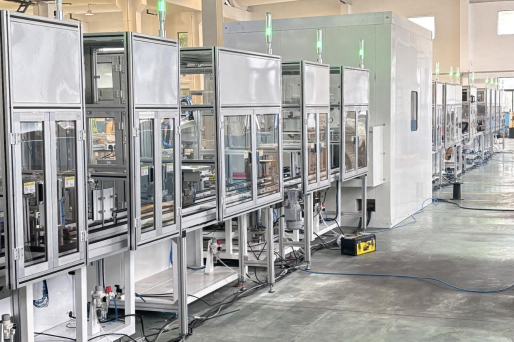
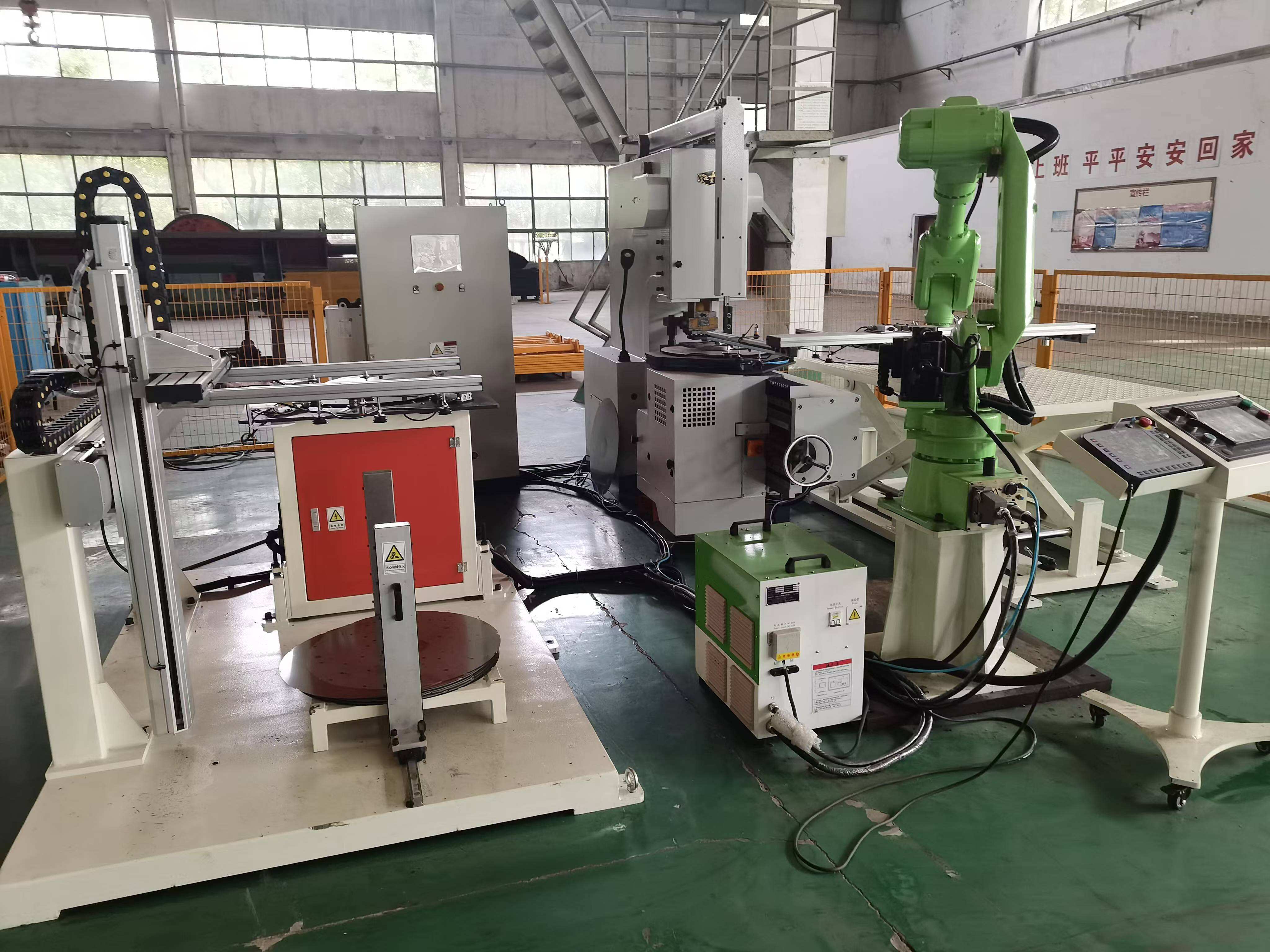
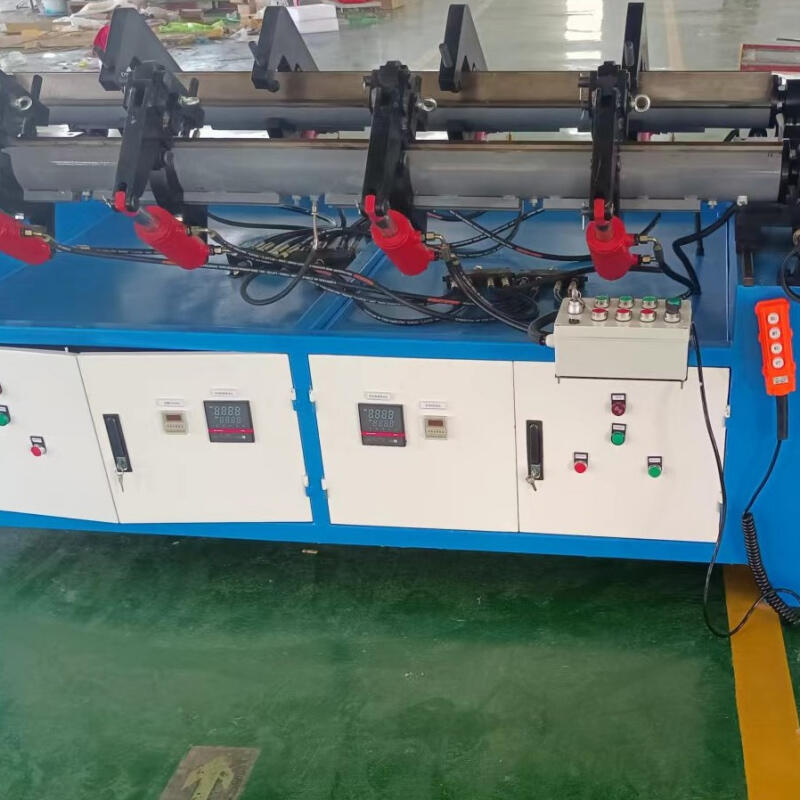
A prepreg processing machine represents a sophisticated manufacturing solution designed to handle pre-impregnated composite materials with precision and consistency. This specialized equipment plays a crucial role in transforming raw prepreg materials into finished composite products used across various industries. The prepreg processing machine combines multiple automated functions to streamline production workflows while maintaining strict quality standards throughout the manufacturing process. At its core, this machinery manages the delicate balance between temperature control, pressure application, and material handling to ensure optimal results. The main functions of a prepreg processing machine include automated material feeding, precise cutting operations, controlled heating and cooling cycles, and systematic layup processes. These machines utilize advanced servo motors and computerized control systems to achieve repeatable accuracy in every production run. Technological features incorporated into modern prepreg processing machines include programmable logic controllers that manage operational parameters, touchscreen interfaces for intuitive operation, and integrated safety systems that protect both operators and materials. The equipment typically features vacuum systems for removing air pockets, heated platens or autoclaves for curing processes, and automated trimming mechanisms for finishing operations. Temperature regulation systems maintain consistent heat distribution across the working surface, while pressure monitoring ensures uniform consolidation of composite layers. Applications for prepreg processing machines span multiple sectors including aerospace manufacturing, automotive component production, sporting goods fabrication, and industrial equipment construction. In aerospace applications, these machines produce lightweight structural components for aircraft fuselages, wing assemblies, and interior panels. Automotive manufacturers rely on prepreg processing machines to create carbon fiber body panels, chassis components, and performance parts. The sporting goods industry utilizes this equipment for manufacturing high-performance bicycle frames, tennis rackets, golf club shafts, and protective gear. Industrial applications include producing wind turbine blades, pressure vessels, and structural reinforcement elements. The versatility of prepreg processing machines allows manufacturers to work with various composite materials including carbon fiber, fiberglass, aramid, and hybrid fabric combinations, accommodating diverse production requirements across different market segments.

Popular Products

Manufacturers who invest in a prepreg processing machine gain immediate access to numerous practical benefits that directly impact their bottom line and operational efficiency. The foremost advantage lies in the dramatic reduction of material waste during production cycles, as these machines calculate exact material requirements and execute precise cutting patterns that maximize fabric utilization. This optimization translates into substantial cost savings over time, particularly when working with expensive carbon fiber or specialized composite materials. The automated nature of prepreg processing machines eliminates human error that commonly occurs during manual layup procedures, resulting in consistent quality across every unit produced. This reliability means fewer rejected parts, reduced rework requirements, and improved customer satisfaction rates. Production speed increases significantly compared to traditional hand layup methods, allowing manufacturers to fulfill larger orders within shorter timeframes and respond quickly to market demands. The prepreg processing machine maintains steady output rates throughout extended production runs without fatigue-related quality degradation that affects manual operations. Labor costs decrease substantially as fewer skilled technicians are needed to operate automated systems compared to manual processes that require multiple experienced workers. Training requirements simplify because modern machines feature user-friendly interfaces that new operators can learn quickly, reducing onboarding time and associated expenses. Workplace safety improves markedly as automated systems minimize direct human contact with potentially hazardous materials and reduce repetitive motion injuries common in manual composite fabrication. The controlled environment created by prepreg processing machines ensures better working conditions by managing exposure to resins, dust, and volatile compounds. Quality documentation becomes automatic as integrated sensors and data logging systems record critical parameters throughout each production cycle, providing complete traceability for certification requirements and quality audits. This digital record-keeping simplifies compliance with industry standards and customer specifications. Energy efficiency represents another significant advantage, as modern prepreg processing machines incorporate intelligent power management systems that optimize consumption during different operational phases. These machines heat only necessary zones and enter standby modes during idle periods, reducing utility costs compared to older equipment or manual processes requiring constant environmental control. Flexibility in production planning improves because quick changeover capabilities allow manufacturers to switch between different product types efficiently, supporting diverse order portfolios without lengthy setup delays. The prepreg processing machine adapts to various material thicknesses, fabric types, and part geometries through programmable settings that operators adjust via digital controls. Return on investment accelerates through combined savings from reduced waste, lower labor requirements, increased throughput, and improved quality yields, making these machines economically attractive despite initial capital expenditure.

Practical Tips

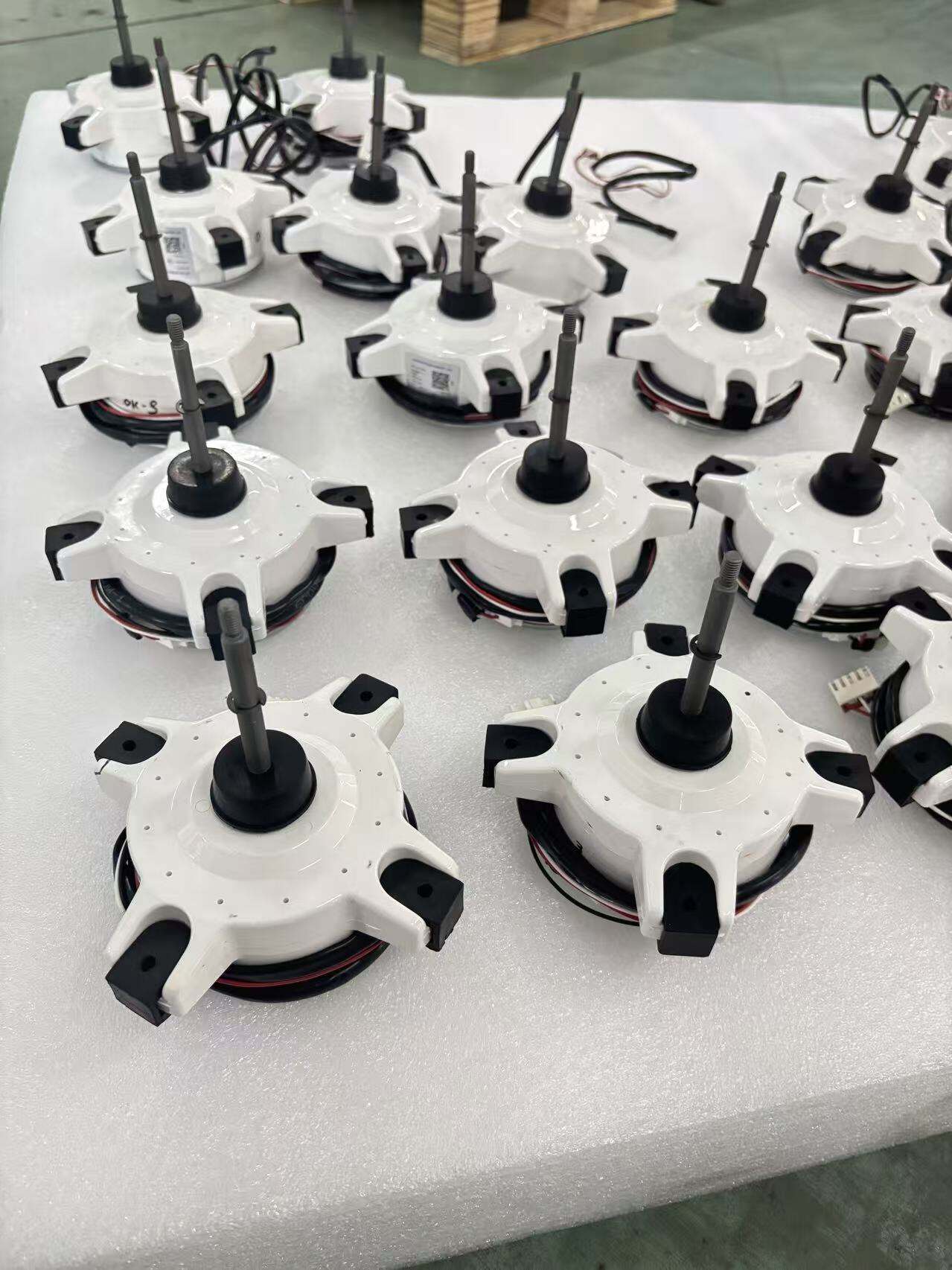
January 15th, 2026 Air Conditioner BLDC Motor Production line Dispatch to India

08

Apr

January 15th, 2026 Air Conditioner BLDC Motor Production line Dispatch to India

View More
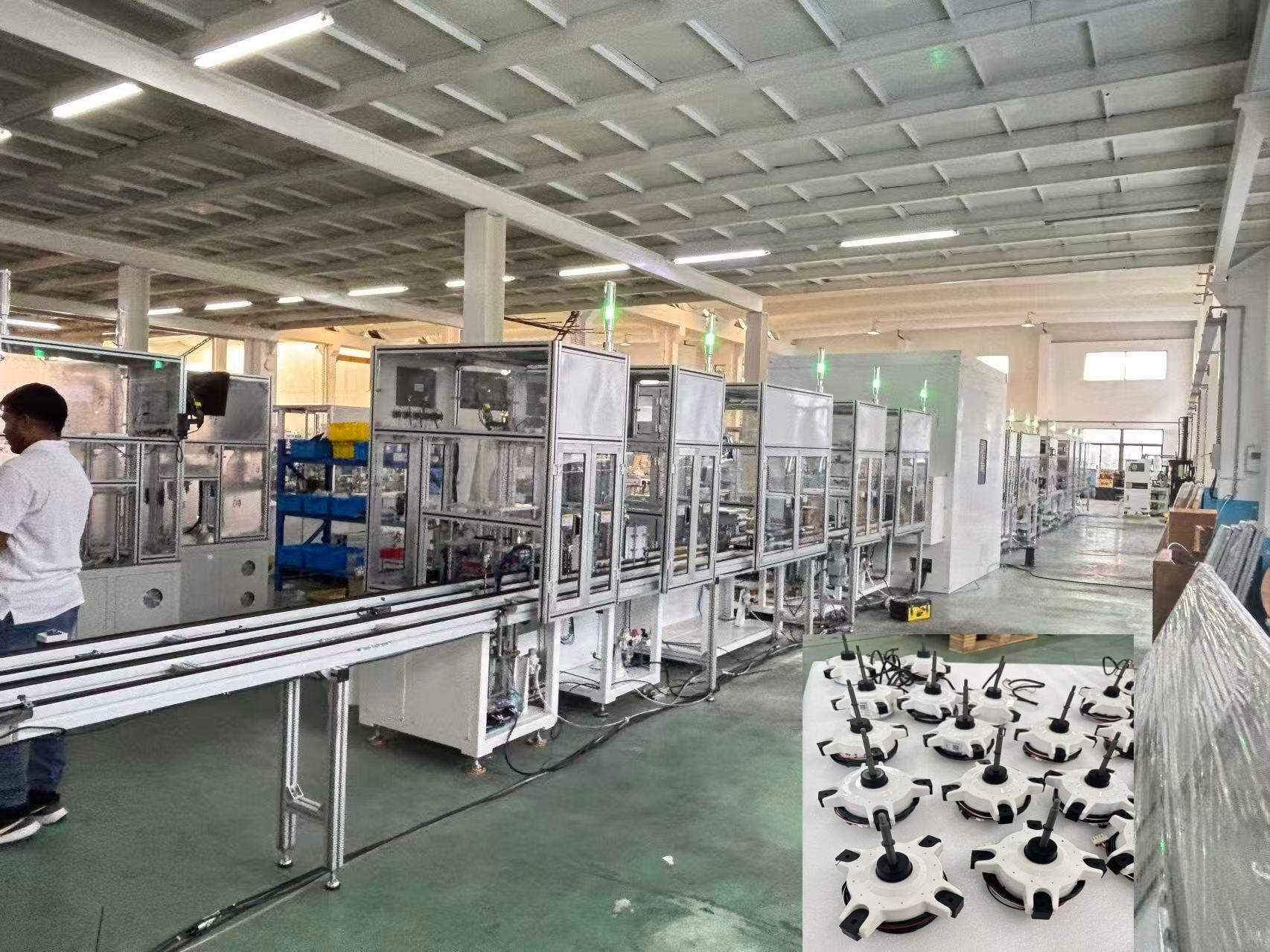
August 30th, 2025, 45W Air conditioner ODU BLDC motor Assembly line Inspection From India customer

08

Apr

August 30th, 2025, 45W Air conditioner ODU BLDC motor Assembly line Inspection From India customer

View More
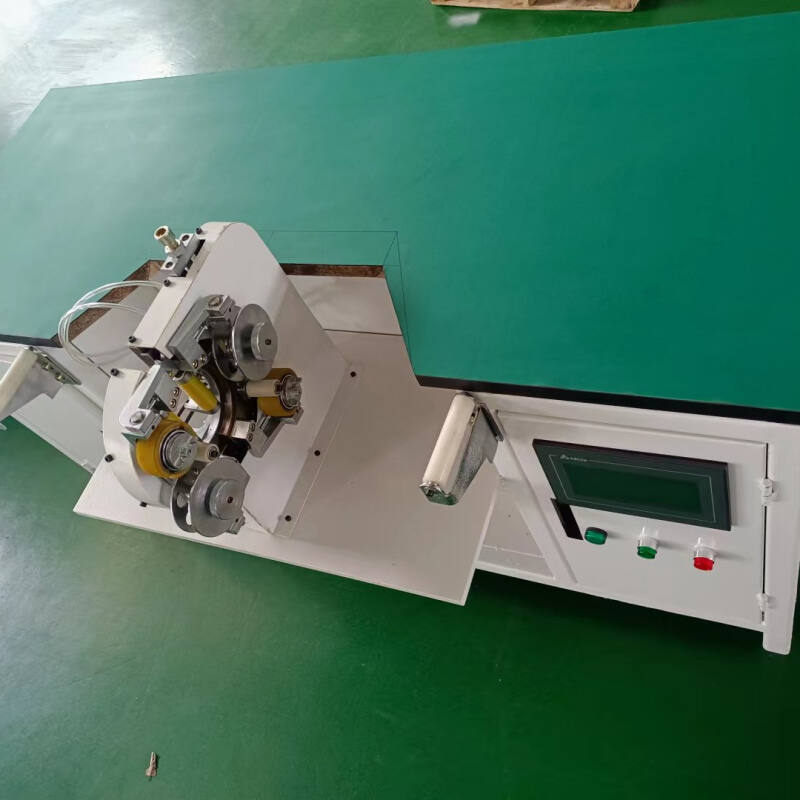
January 5th , 2026 CNC Coil Forming Machine For High Voltage Motors dispatched to UZ (Uzbekistan)

07

Apr

January 5th , 2026 CNC Coil Forming Machine For High Voltage Motors dispatched to UZ (Uzbekistan)

View More

Get a Free Quote

Our representative will contact you soon.
Email
Name
Mobile/WhatsApp
Company Name
Message
0/1000

prepreg processing machine

Precision Control Systems for Superior Quality Outcomes

Precision Control Systems for Superior Quality Outcomes

The advanced precision control systems integrated into modern prepreg processing machines represent a transformative capability that fundamentally elevates product quality and manufacturing consistency. These sophisticated systems employ multiple sensors and feedback loops that continuously monitor critical parameters throughout every stage of the composite fabrication process. Temperature sensors positioned strategically across heating zones detect variations as small as one degree, triggering immediate adjustments to maintain uniform thermal conditions essential for proper resin cure and material consolidation. Pressure transducers measure compression forces applied during layup and curing cycles, ensuring each layer receives optimal compaction without causing fiber distortion or resin displacement. The computerized control architecture processes this sensor data in real-time, making micro-adjustments automatically without operator intervention, which eliminates the inconsistencies inherent in manual processes where human judgment and physical capabilities vary throughout production shifts. Position encoders track material movement with submillimeter accuracy, guaranteeing precise alignment of multiple prepreg layers and enabling complex geometries that would be impossible to achieve reliably through manual techniques. This level of precision becomes particularly critical in aerospace applications where structural integrity depends on exact fiber orientation and consistent material properties throughout the component. The control system stores proven processing recipes that operators can recall instantly, ensuring identical results across production batches separated by weeks or months. Quality assurance personnel appreciate how these systems generate detailed production reports documenting every parameter throughout the manufacturing cycle, creating an auditable trail that satisfies rigorous certification requirements from regulatory bodies and quality-conscious customers. The prepreg processing machine equipped with precision controls reduces the dependency on highly specialized craftsmen whose skills take years to develop and whose availability often constrains production capacity. Instead, trained operators supervise automated processes that deliver expert-level results consistently. The system's ability to detect anomalies before they compromise product quality provides another valuable dimension, as integrated diagnostic algorithms identify developing issues such as heating element degradation or vacuum system leaks, alerting maintenance teams before failures occur. This predictive capability minimizes unplanned downtime and prevents scrapped production runs. Manufacturers working with multiple material systems benefit from the control system's ability to manage different processing requirements through simple parameter adjustments, supporting production diversity without equipment multiplication or complex manual protocols that increase error probability.
Automated Material Handling for Enhanced Productivity

Automated Material Handling for Enhanced Productivity

Automated material handling capabilities built into prepreg processing machines deliver transformative productivity improvements that reshape manufacturing economics and competitive positioning. The integrated material handling systems eliminate the labor-intensive manual processes traditionally required for composite fabrication, where technicians physically transported rolls of prepreg material, manually positioned fabrics, and carefully aligned multiple layers by hand. Modern prepreg processing machines incorporate automated feeding mechanisms that unroll material at precisely controlled rates, maintaining consistent tension that prevents wrinkles, distortions, or fiber misalignment that compromise structural properties. These feeding systems accommodate various material widths and roll diameters, automatically adjusting gripping pressure and unwinding speed to match specific fabric characteristics. Robotic positioning systems place prepreg layers with repeatable accuracy, following programmed patterns that optimize fiber orientation for maximum strength in finished components. The automation extends through cutting operations where computer-controlled blades or laser systems execute complex geometric shapes without the time-consuming manual measuring and cutting that slows traditional production. Waste material automatically separates and collects in designated bins, maintaining clean working surfaces and preventing contamination between production runs. The throughput advantages become immediately apparent as prepreg processing machines complete layup sequences in fractions of the time required for manual operations, with some systems achieving cycle times ten times faster than hand layup methods. This acceleration multiplies daily production capacity without proportional increases in floor space, labor costs, or facility overhead. The continuous operation capability of automated systems extends productive hours beyond normal shifts, as machines can run during nights and weekends with minimal supervision, maximizing asset utilization and shortening order fulfillment timelines. Material handling automation also improves safety by reducing the physical demands placed on workers who previously lifted heavy material rolls, maintained awkward postures during layup operations, and performed repetitive motions that caused cumulative strain injuries. The prepreg processing machine assumes these physically demanding tasks, allowing human workers to focus on supervisory roles, quality verification, and process optimization activities that leverage their intelligence rather than their physical strength. Inventory management benefits from automated material tracking systems that monitor consumption rates and remaining quantities, triggering reorder alerts before stockouts disrupt production schedules. The integration between material handling systems and production planning software enables manufacturers to optimize material purchasing, reducing working capital tied up in excess inventory while ensuring adequate supplies for confirmed orders. Changeover efficiency improves dramatically as automated systems execute material loading and setup procedures through programmed sequences that complete in minutes rather than the hours often required for manual equipment reconfiguration.
Energy-Efficient Design Reducing Operational Costs

Energy-Efficient Design Reducing Operational Costs

Energy-efficient design principles incorporated throughout modern prepreg processing machines deliver substantial operational cost reductions that improve profitability and support environmental sustainability objectives. These machines utilize advanced insulation materials and thermal management strategies that minimize heat loss from processing zones, concentrating thermal energy precisely where needed rather than wasting power heating surrounding air or structural components. Zoned heating systems activate only those areas actively involved in current processing operations, leaving inactive sections unpowered until required by production sequences. This selective activation contrasts sharply with older equipment designs that maintained entire systems at elevated temperatures regardless of actual utilization, consuming energy continuously even during idle periods. The prepreg processing machine employs intelligent power management algorithms that analyze production schedules and adjust energy consumption profiles accordingly, ramping up systems in advance of scheduled operations and entering low-power standby modes during breaks or shift changes. Variable frequency drives control motor speeds precisely, delivering exactly the power required for current operations rather than running constantly at maximum capacity. This precise power modulation reduces electrical consumption by thirty to fifty percent compared to fixed-speed motor designs common in earlier generation equipment. Efficient vacuum systems incorporate high-performance pumps that achieve required vacuum levels quickly then maintain them with minimal energy input, using sophisticated valve arrangements that isolate sections not currently requiring vacuum application. LED lighting systems illuminate work areas with ninety percent less energy consumption than traditional lighting while providing superior visibility for quality inspections and material handling operations. Heat recovery systems capture thermal energy from cooling cycles and redirect it toward material preheating or facility climate control, transforming waste heat into useful energy that offsets other power requirements. The cumulative effect of these efficiency measures manifests in dramatically reduced utility bills that improve manufacturing cost structures and enhance competitive pricing flexibility. Environmental benefits extend beyond direct energy savings as reduced power consumption decreases carbon footprints associated with composite manufacturing, supporting corporate sustainability commitments and appealing to environmentally conscious customers who evaluate suppliers based on ecological responsibility. The prepreg processing machine meets increasingly stringent energy efficiency regulations being implemented across industrial sectors globally, ensuring compliance with current standards while anticipating future requirements. Maintenance costs decrease because energy-efficient components typically operate at lower temperatures and stress levels, extending service life and reducing replacement frequency. Facility infrastructure requirements often simplify as lower power consumption may eliminate needs for electrical service upgrades otherwise necessary when installing high-capacity manufacturing equipment. Cooling system demands decrease because efficient machines generate less waste heat, potentially reducing air conditioning loads in production facilities and creating additional energy savings beyond the machine itself.

Get a Free Quote

Our representative will contact you soon.
Email
Name
Mobile/WhatsApp
Company Name
Message
0/1000