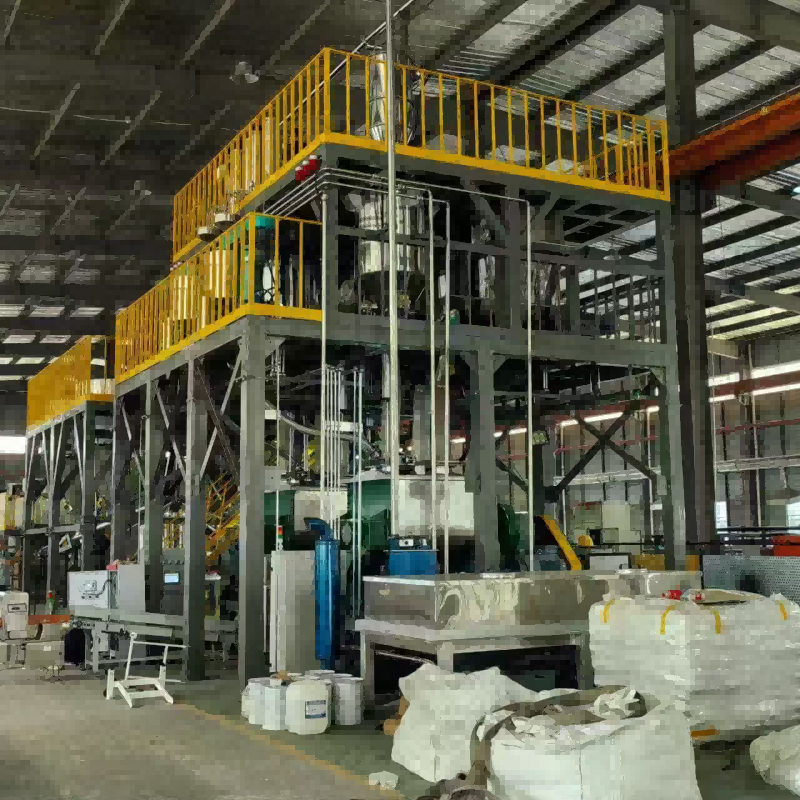
Prepreg Production Machine: Advanced Composite Manufacturing Equipment for High-Performance Materials

Get a Free Quote

Our representative will contact you soon.
Email
Name
Mobile/WhatsApp
Company Name
Message
0/1000

prepreg production machine

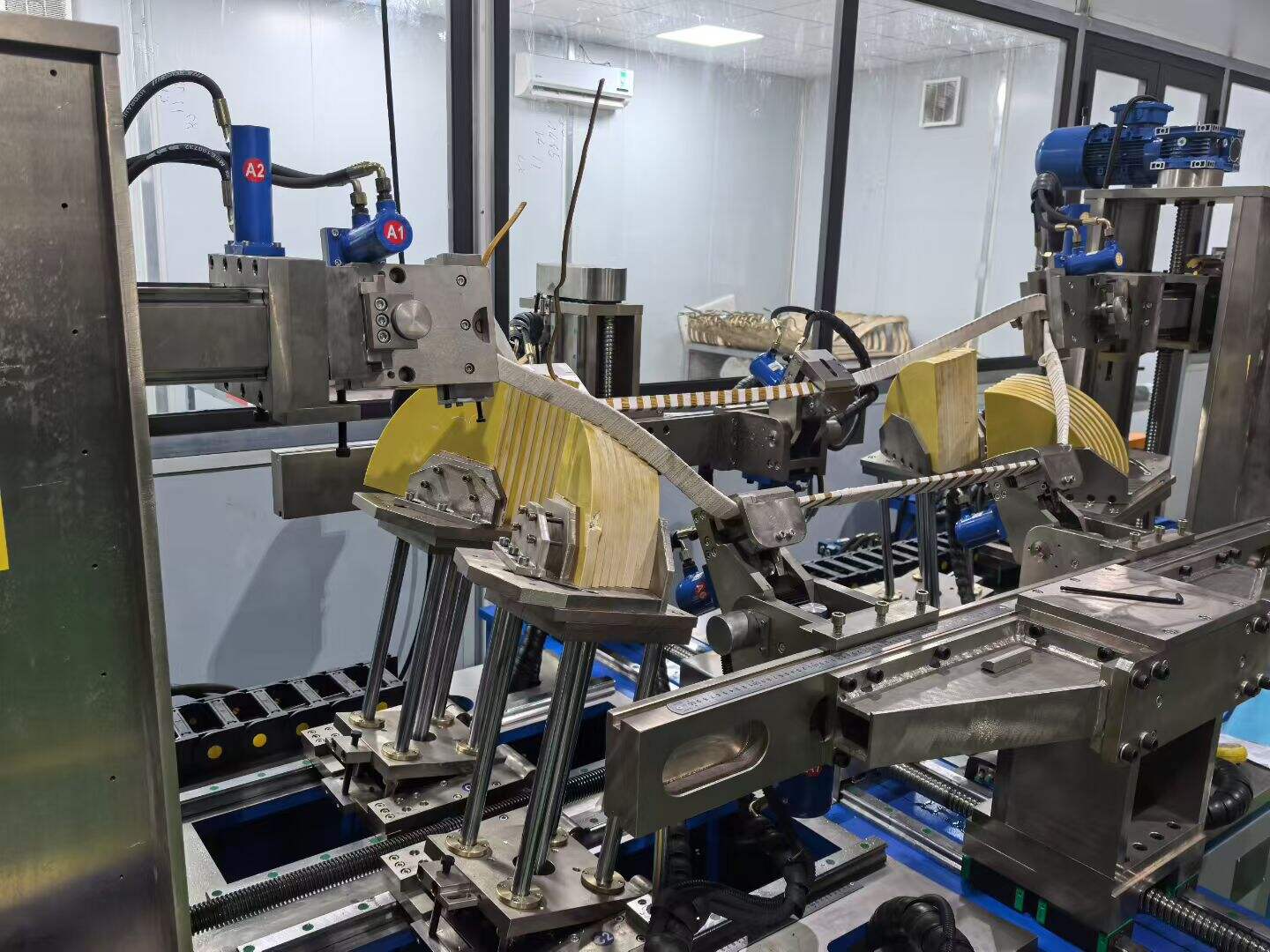
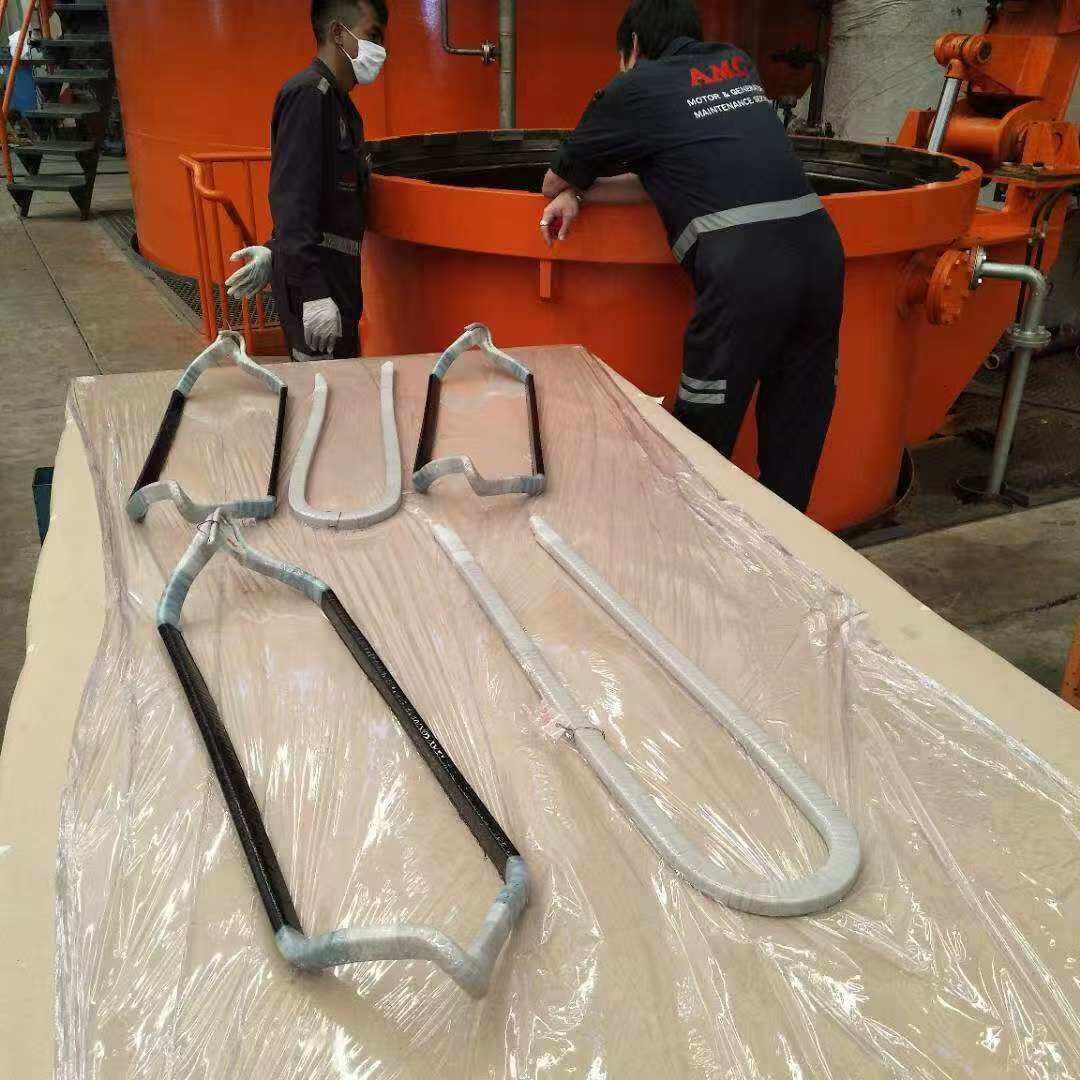
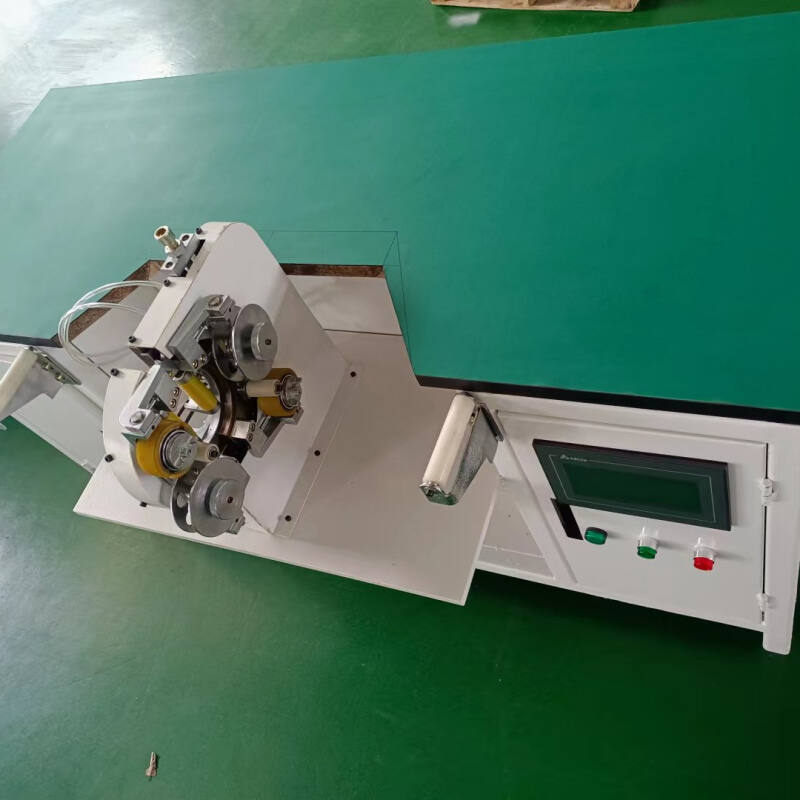
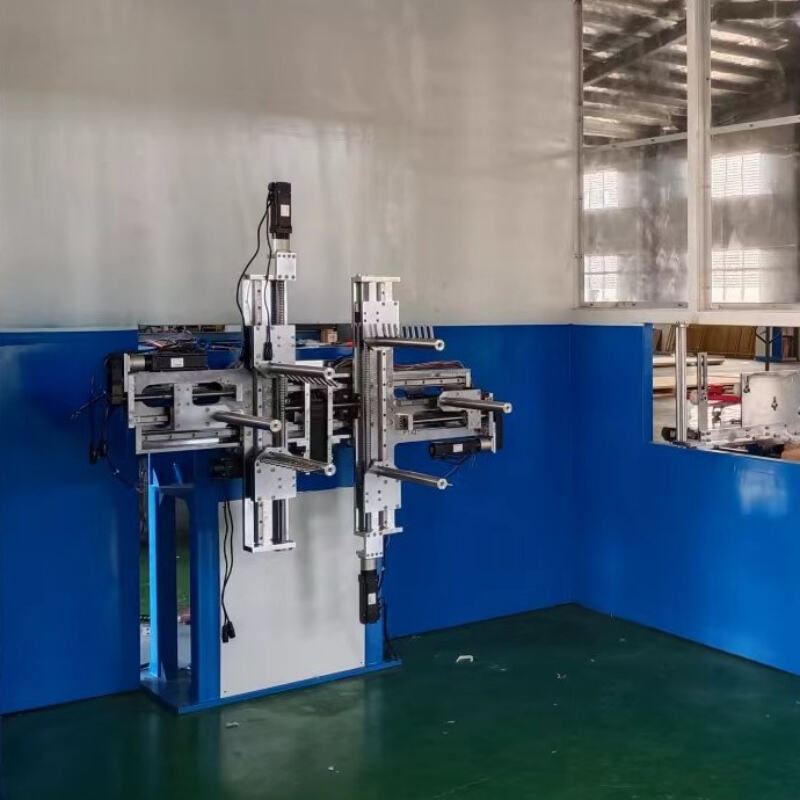
A prepreg production machine represents a sophisticated manufacturing system designed to create prepreg materials, which are composite reinforcement fibers pre-impregnated with resin systems. This advanced equipment plays a crucial role in producing high-performance composite materials used across aerospace, automotive, sporting goods, and wind energy industries. The prepreg production machine operates through a continuous process that combines reinforcement materials such as carbon fiber, glass fiber, or aramid fiber with thermosetting or thermoplastic resin matrices. The machine ensures precise control over resin content, uniform distribution, and consistent quality throughout the production process. Modern prepreg production machines incorporate multiple stations including unwinding systems for fiber materials, resin impregnation units, heating zones for controlled viscosity management, and rewinding mechanisms for finished product collection. These systems feature advanced temperature control capabilities that maintain optimal resin flow characteristics while preventing premature curing. The technological framework includes computerized monitoring systems that track critical parameters such as resin content percentage, fiber tension, production speed, and temperature profiles across different zones. This automation ensures repeatability and minimizes material waste while maintaining stringent quality standards. The prepreg production machine accommodates various fiber types and widths, offering flexibility for manufacturers to produce customized materials according to specific application requirements. Production capabilities range from narrow tapes for filament winding applications to wide sheets for layup processes. The equipment includes precision metering systems that accurately control resin application, ensuring uniform wet-out of fibers without excess resin bleeding or dry spots. Advanced prepreg production machines also feature environmental control systems that manage volatile organic compound emissions and maintain clean room conditions when necessary. The integration of Industry 4.0 technologies enables real-time data collection, predictive maintenance scheduling, and remote monitoring capabilities, enhancing operational efficiency and reducing downtime. These machines represent significant capital investments that deliver long-term value through consistent production of premium composite materials meeting aerospace and industrial certifications.

New Product Releases

Investing in a prepreg production machine delivers substantial operational and financial benefits that transform manufacturing capabilities. First and foremost, the equipment enables complete control over material specifications, allowing manufacturers to develop proprietary formulations tailored to specific performance requirements rather than relying on external suppliers. This independence reduces supply chain vulnerabilities and eliminates the markup costs associated with purchasing finished prepreg materials from third parties. The precision engineering of these machines ensures exceptional consistency in resin content, typically maintaining tolerances within plus or minus two percent, which directly translates to predictable mechanical properties in finished composite parts. This reliability minimizes the risk of part failures and costly rework while strengthening customer confidence in product quality. The automated nature of the prepreg production machine significantly reduces labor requirements compared to manual impregnation methods, lowering operational costs and eliminating human error variables that can compromise material integrity. Production speed capabilities enable manufacturers to meet large-volume demands efficiently, with some systems processing hundreds of meters of material per hour depending on configuration and material specifications. The machine's ability to work with diverse fiber types and resin systems provides exceptional versatility, allowing manufacturers to serve multiple markets and applications with a single equipment investment. Energy efficiency features built into modern systems reduce utility consumption through optimized heating zones and insulation, contributing to lower operating expenses and smaller environmental footprints. The closed-loop resin application systems minimize material waste by precisely metering resin quantities and recapturing excess materials for reuse, improving raw material utilization rates and reducing disposal costs. Quality documentation features automatically generate batch records and certification data, streamlining compliance with aerospace standards and customer quality requirements while reducing administrative burdens. The prepreg production machine also extends material shelf life through controlled processing conditions that prevent premature resin advancement, maximizing raw material investment returns. Manufacturers gain competitive advantages through faster response times to customer requests, ability to offer customized solutions, and capacity to innovate new material combinations without external dependencies. The equipment supports lean manufacturing principles by enabling just-in-time production that reduces inventory carrying costs and warehouse space requirements. Furthermore, in-house prepreg production protects intellectual property by keeping proprietary resin formulations and process parameters confidential rather than sharing specifications with external material suppliers. The machine's diagnostic systems provide early warning of potential issues, enabling proactive maintenance that prevents unexpected breakdowns and production interruptions that damage customer relationships and revenue streams.

Tips And Tricks

January 15th, 2026 Air Conditioner BLDC Motor Production line Dispatch to India

08

Apr

January 15th, 2026 Air Conditioner BLDC Motor Production line Dispatch to India

View More
August 30th, 2025, 45W Air conditioner ODU BLDC motor Assembly line Inspection From India customer

08

Apr

August 30th, 2025, 45W Air conditioner ODU BLDC motor Assembly line Inspection From India customer

View More
January 5th , 2026 CNC Coil Forming Machine For High Voltage Motors dispatched to UZ (Uzbekistan)

07

Apr

January 5th , 2026 CNC Coil Forming Machine For High Voltage Motors dispatched to UZ (Uzbekistan)

View More

Get a Free Quote

Our representative will contact you soon.
Email
Name
Mobile/WhatsApp
Company Name
Message
0/1000

prepreg production machine

Advanced Resin Impregnation Technology for Superior Material Quality

Advanced Resin Impregnation Technology for Superior Material Quality

The core technological advantage of a prepreg production machine lies in its sophisticated resin impregnation system that ensures complete and uniform saturation of reinforcement fibers. Unlike manual processes or primitive coating methods, modern prepreg production machines employ multiple impregnation techniques including hot melt systems, solution coating methods, and direct resin film application depending on the resin chemistry and desired material characteristics. The hot melt process utilizes precisely controlled heating elements that reduce resin viscosity to optimal flow levels, allowing the thermosetting or thermoplastic matrix to penetrate between individual filaments within fiber bundles. This thorough wet-out eliminates voids and dry spots that would otherwise create weak points in finished composite structures, directly enhancing mechanical performance properties such as tensile strength, compression resistance, and interlaminar shear capabilities. The machine incorporates doctor blades or reverse roll coaters that meter exact resin quantities onto fiber surfaces, maintaining consistent resin content across the entire material width and throughout production runs spanning thousands of meters. Precision load cells continuously monitor resin application rates and automatically adjust dispensing systems to compensate for viscosity changes caused by ambient temperature fluctuations or raw material batch variations. Temperature profiling systems create distinct heating zones along the production line, each maintaining specific thermal conditions that control resin advancement rates and prevent premature curing while ensuring adequate tack and drape characteristics in the finished prepreg material. The controlled environment prevents contamination from airborne particles that could compromise material integrity, particularly critical for aerospace applications where material certifications demand extreme purity standards. Tension control mechanisms maintain consistent fiber stress throughout the impregnation process, preventing fiber distortion or breakage while ensuring dimensional stability in the finished product. The system accommodates various fiber architectures including unidirectional tapes, woven fabrics, and non-crimp fabrics, adjusting process parameters automatically based on material type to optimize impregnation quality. This technological sophistication translates directly into superior composite parts with predictable performance characteristics, reduced scrap rates during downstream processing, and extended material shelf life due to controlled resin advancement. Manufacturers utilizing this advanced impregnation technology report significant improvements in first-pass yield rates when fabricating complex composite components, reducing material costs and production cycle times while meeting increasingly stringent quality requirements from aerospace and automotive customers demanding certified material traceability and consistent mechanical properties.
Integrated Process Control Systems Ensuring Production Consistency

Integrated Process Control Systems Ensuring Production Consistency

Modern prepreg production machines incorporate comprehensive computerized control systems that monitor and regulate every critical process parameter in real time, delivering unprecedented consistency and traceability throughout manufacturing operations. These integrated systems utilize industrial programmable logic controllers networked with multiple sensors positioned strategically along the production line to capture data on temperature, tension, speed, resin viscosity, and material dimensions. The control architecture creates closed feedback loops that automatically adjust process variables to maintain target specifications even when external factors change, such as ambient temperature shifts or variations in raw material properties between different supplier batches. Operators interact with intuitive human-machine interfaces featuring graphical displays that visualize process conditions, historical trends, and alarm notifications, enabling rapid identification and correction of any deviations before they impact material quality. Recipe management functions store complete process parameter sets for different material grades, allowing quick changeovers between production runs with automatic equipment reconfiguration that eliminates manual adjustment errors and reduces setup times from hours to minutes. The data logging capabilities create comprehensive production records documenting every batch manufactured, including raw material lot numbers, process conditions throughout the run, quality test results, and operator actions, providing complete traceability that satisfies aerospace certification requirements and facilitates root cause analysis if quality issues emerge in finished parts months or years after material production. Statistical process control modules analyze data trends to identify gradual parameter drift before specifications are exceeded, enabling predictive maintenance and process optimization that continuously improve material consistency and equipment reliability. Remote access capabilities allow technical specialists to monitor production status, diagnose issues, and update control parameters from anywhere with internet connectivity, reducing dependence on on-site expertise and accelerating problem resolution. Integration with enterprise resource planning systems enables automated inventory tracking, production scheduling optimization, and customer order management that streamline business operations beyond the manufacturing floor. The control systems also manage safety interlocks that protect operators from hazardous machine movements and prevent equipment damage from improper operating sequences. Energy management functions optimize heating element operation based on production schedules, reducing electricity consumption during idle periods while ensuring rapid warm-up when production resumes. This comprehensive process control transforms the prepreg production machine from a collection of mechanical components into an intelligent manufacturing system that delivers consistent premium materials while minimizing operating costs, reducing quality risks, and providing the documentation infrastructure necessary for serving regulated industries with demanding certification requirements.
Flexible Configuration Options Meeting Diverse Manufacturing Needs

Flexible Configuration Options Meeting Diverse Manufacturing Needs

The modular design philosophy underlying contemporary prepreg production machines provides manufacturers with exceptional flexibility to configure equipment precisely matching their specific production requirements, market focus, and budget constraints rather than accepting standardized systems that include unnecessary capabilities or lack essential features. Equipment suppliers offer multiple configuration options across key subsystems including material handling widths ranging from narrow tapes as small as fifty millimeters for specialized applications to wide goods exceeding two meters for large aerospace panels, with corresponding adjustments to impregnation systems, heating zones, and winding mechanisms scaled appropriately. Resin application systems can be specified for thermosetting chemistries like epoxy, phenolic, or bismaleimide resins requiring hot melt processing equipment, or alternatively configured for thermoplastic matrices such as PEEK, PPS, or PEKK demanding higher processing temperatures and specialized cooling systems to solidify materials before winding. Production speed capabilities span a wide range from slower precision systems emphasizing maximum quality control for aerospace certification to high-speed configurations prioritizing throughput for industrial applications with less stringent requirements, allowing manufacturers to optimize equipment investment relative to their market positioning. Unwinding systems accommodate different fiber package types including creels for roving supplies, beam configurations for woven fabrics, and specialized handling for spread tow materials, ensuring compatibility with preferred fiber supply formats and minimizing material handling steps. Additional optional modules expand equipment capabilities such as release film application systems that automatically interleave backing materials for easier handling, slitting mechanisms that convert wide goods into multiple narrow tapes in a single production pass, or quality inspection stations incorporating ultrasonic sensors or camera systems that detect defects automatically. The physical footprint of prepreg production machines varies considerably based on configuration choices, with compact systems suitable for facilities with limited floor space or larger installations incorporating extended heating zones for materials requiring longer thermal exposure to achieve proper resin advancement. Control system sophistication levels range from basic manual controls suitable for research and development applications to fully automated Industry 4.0 compliant systems with advanced data analytics for high-volume production environments. This configurability extends to utility requirements, with equipment designed to operate on different voltage standards and frequencies matching global electrical infrastructures, and exhaust systems scaled to facility ventilation capacities. Manufacturers benefit tremendously from this flexibility by investing in equipment precisely matching current needs while retaining upgrade pathways for future capability expansion as business grows or market demands evolve, avoiding both overspending on unused features and equipment obsolescence requiring premature replacement. The ability to select appropriate configuration options ensures optimal return on equipment investment while positioning manufacturers competitively within their chosen market segments through production capabilities aligned with customer requirements and quality expectations.

Get a Free Quote

Our representative will contact you soon.
Email
Name
Mobile/WhatsApp
Company Name
Message
0/1000