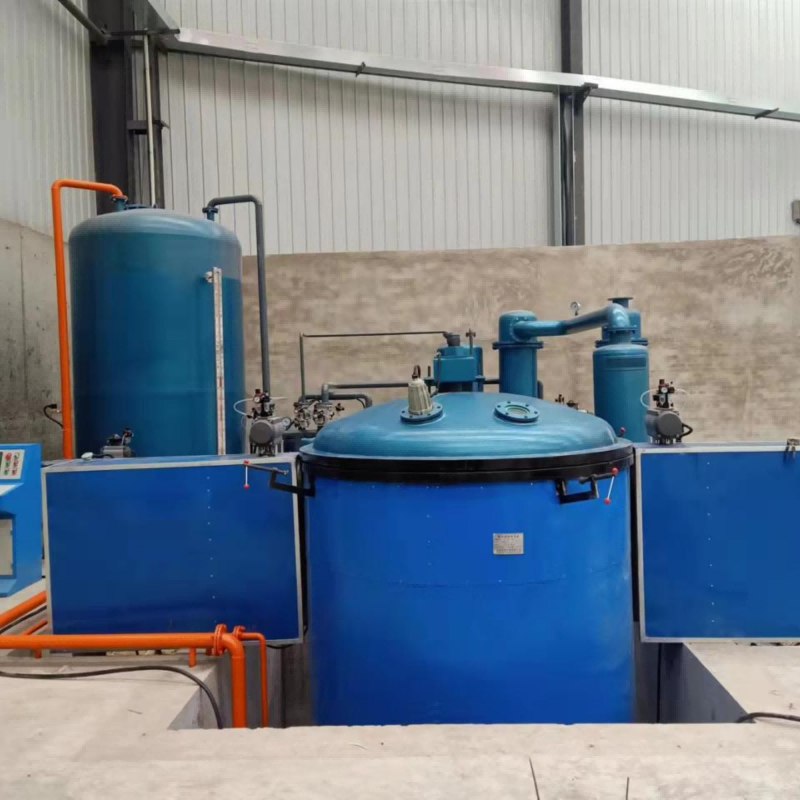
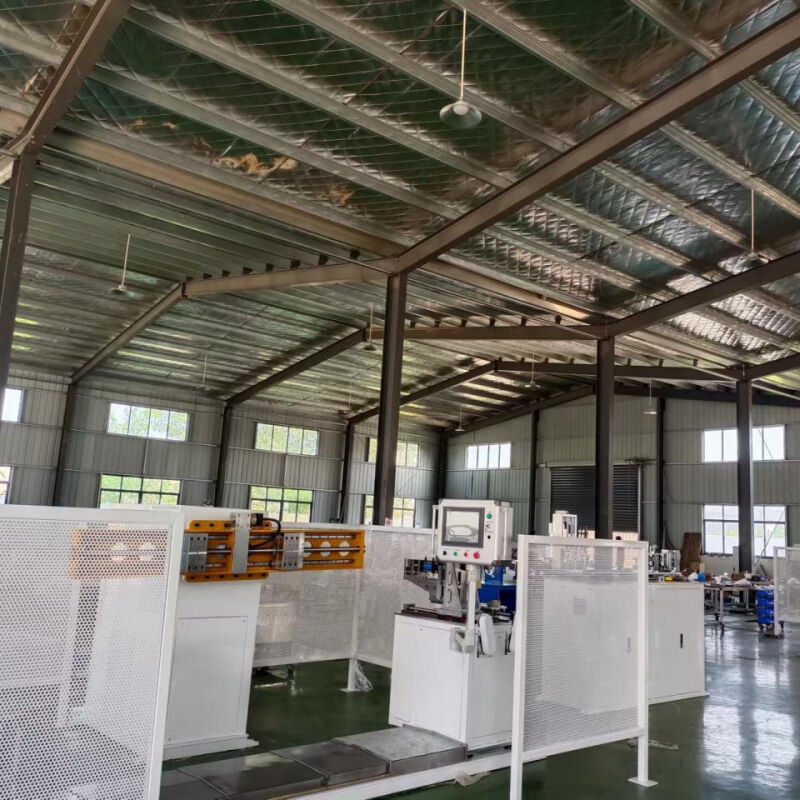
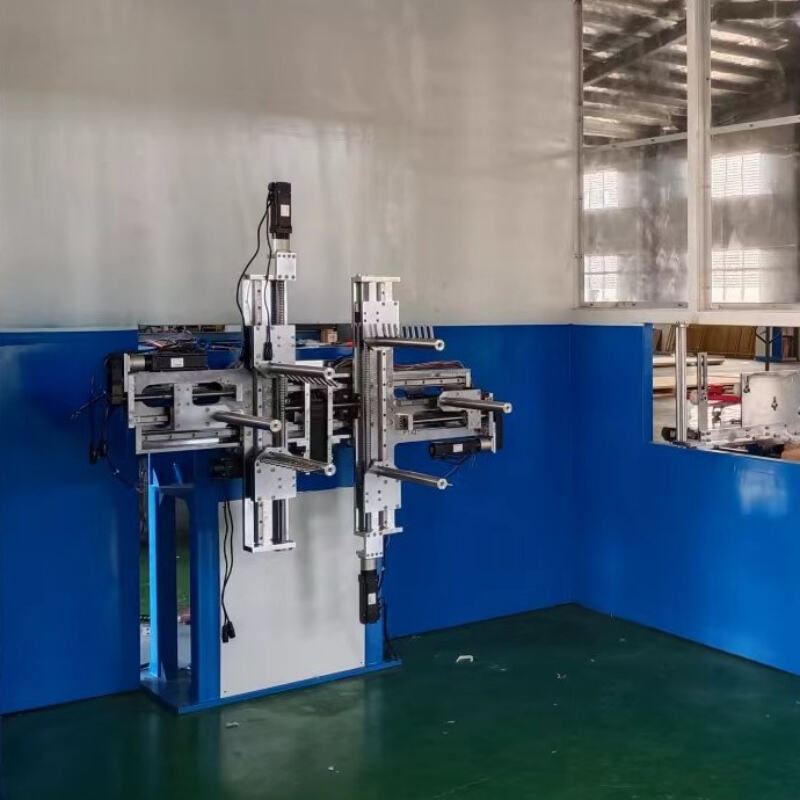
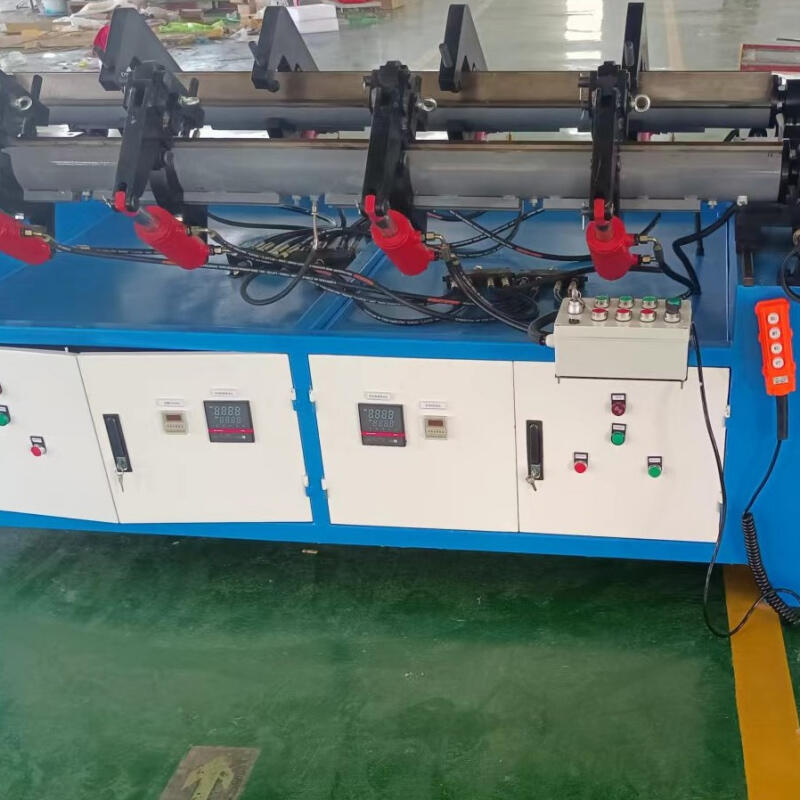
transformer steel cutting machine
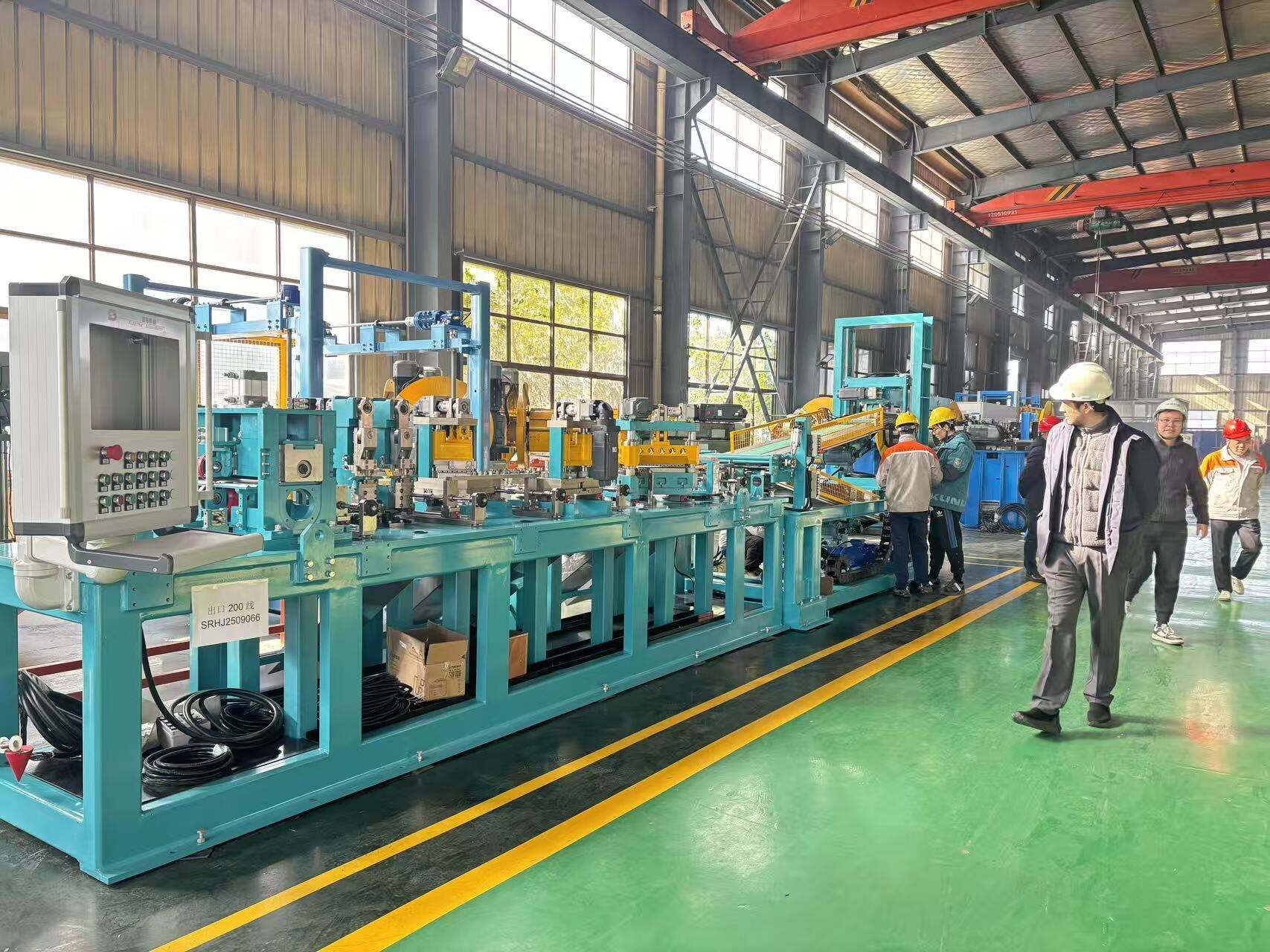
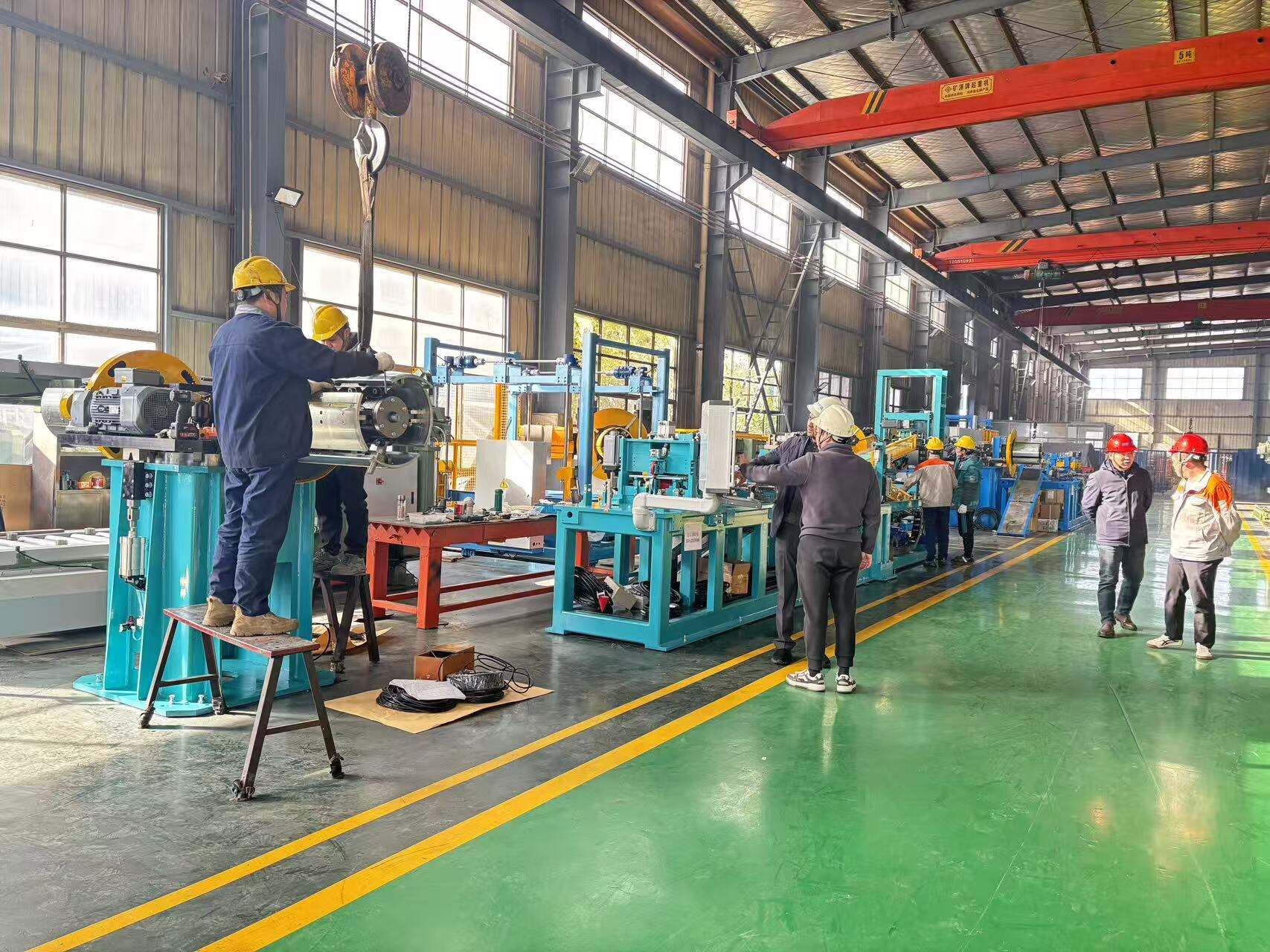
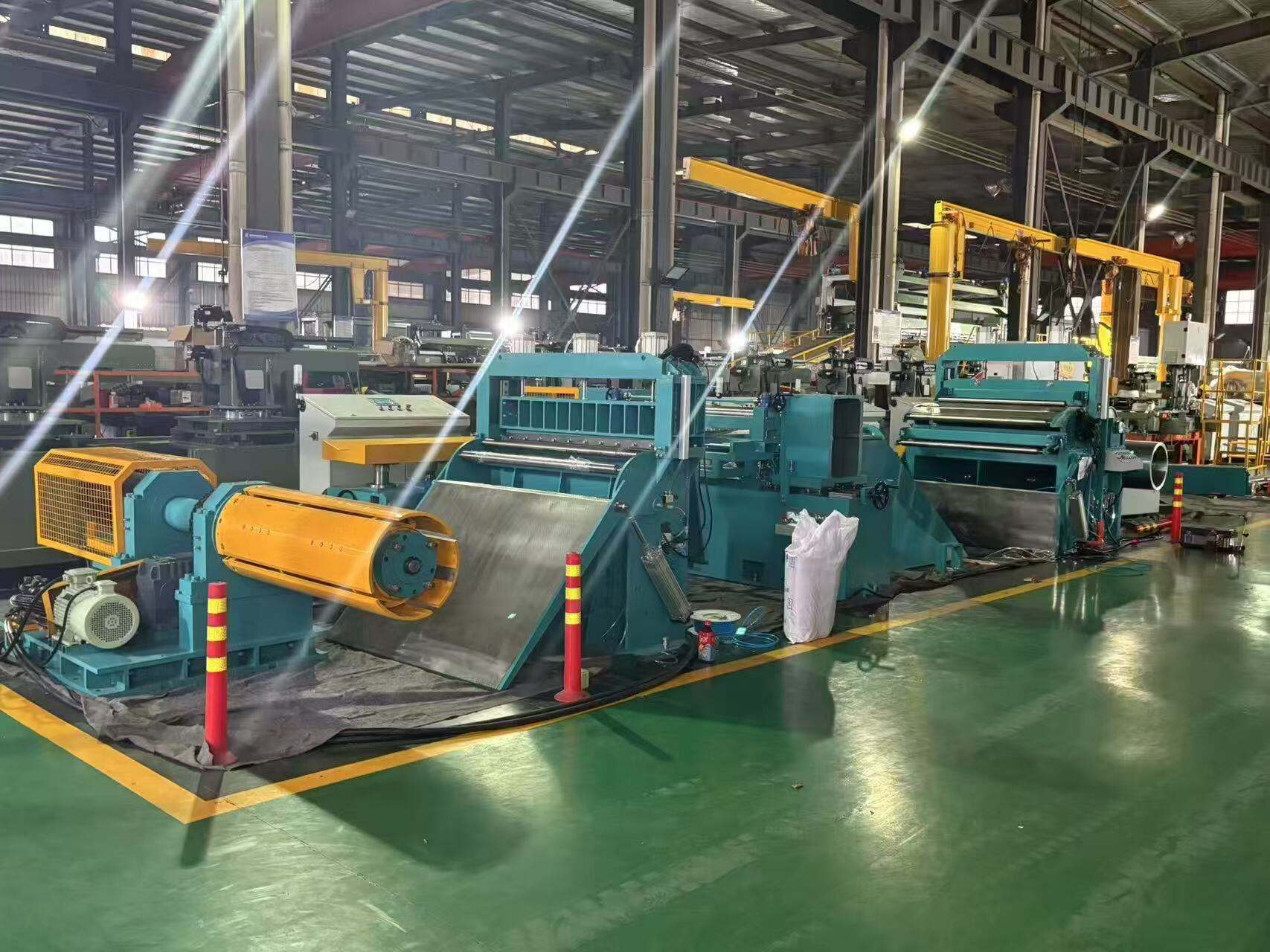
A transformer steel cutting machine represents a specialized industrial equipment designed to handle the precise cutting requirements of electrical steel laminations used in transformer manufacturing. This sophisticated machinery employs advanced cutting technologies to process silicon steel sheets, oriented electrical steel, and non-oriented electrical steel materials that form the core components of power transformers, distribution transformers, and various electromagnetic devices. The transformer steel cutting machine integrates multiple cutting methodologies including shearing, slitting, and precision blanking operations to achieve exact dimensional specifications required for transformer core assembly. Modern versions of these machines incorporate computer numerical control systems that enable operators to program complex cutting patterns, manage material waste efficiently, and maintain consistent quality across large production runs. The equipment handles various thickness ranges of electrical steel, typically from 0.23mm to 0.65mm, accommodating different transformer design specifications and power rating requirements. The transformer steel cutting machine functions as a critical component in the transformer production workflow, bridging the gap between raw material preparation and core stacking operations. Its operational capacity directly influences manufacturing throughput, material utilization rates, and final product quality. These machines feature robust construction with reinforced frames to withstand continuous operation cycles, precision blade systems that maintain sharp cutting edges over extended periods, and automated feeding mechanisms that ensure consistent material flow. Safety features include emergency stop systems, protective guards, and sensor-based monitoring that prevents operational hazards. The technological evolution of transformer steel cutting machine designs has introduced servo-driven systems, real-time quality monitoring, and integration capabilities with broader manufacturing execution systems, enabling seamless coordination with upstream and downstream production processes in modern transformer fabrication facilities.
 ×


 EN