Advanced Automation That Transforms Production Efficiency
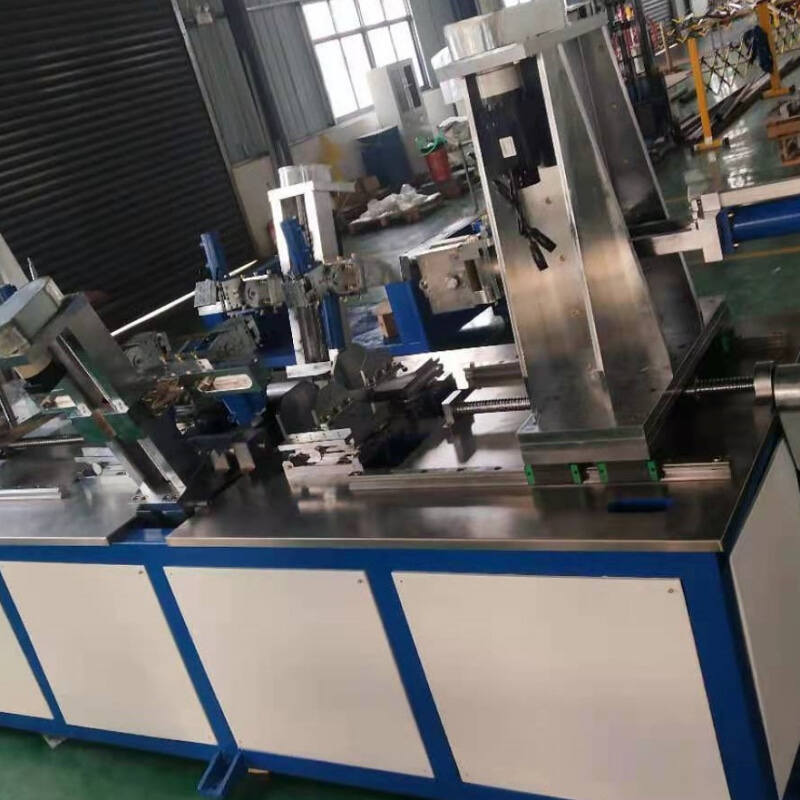
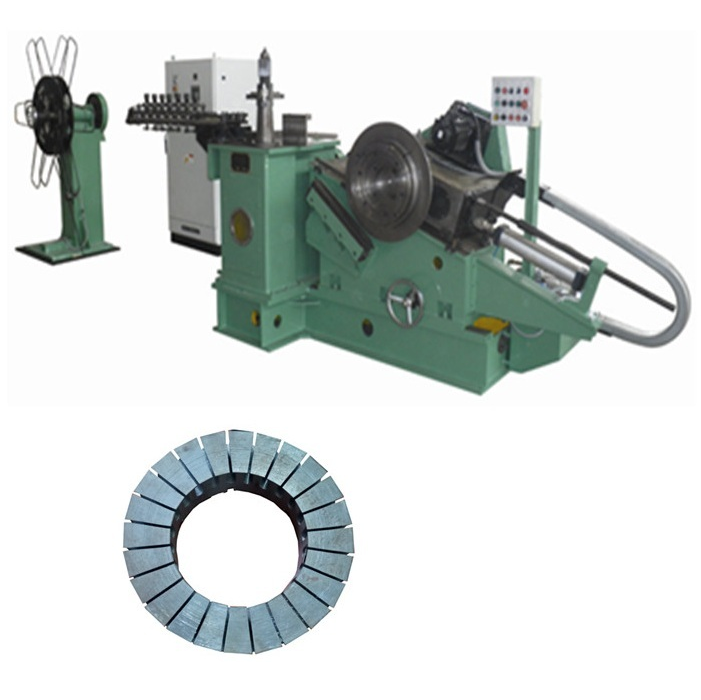
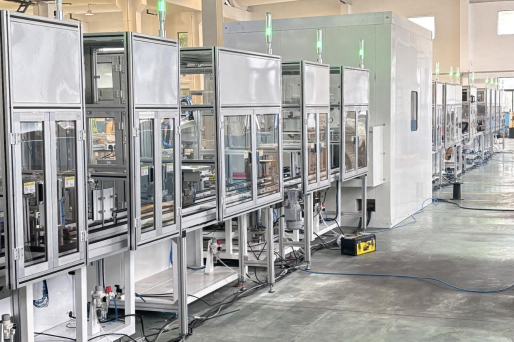
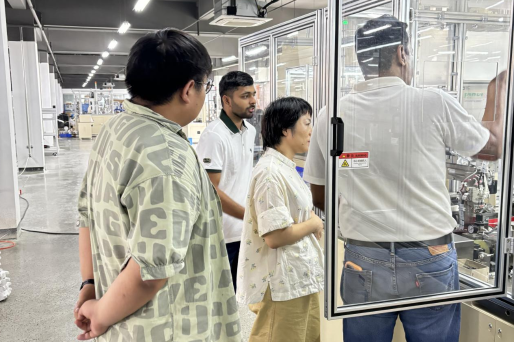
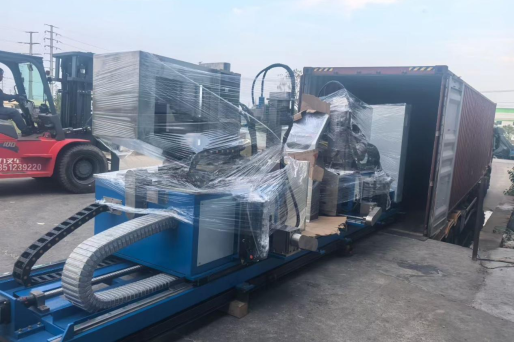
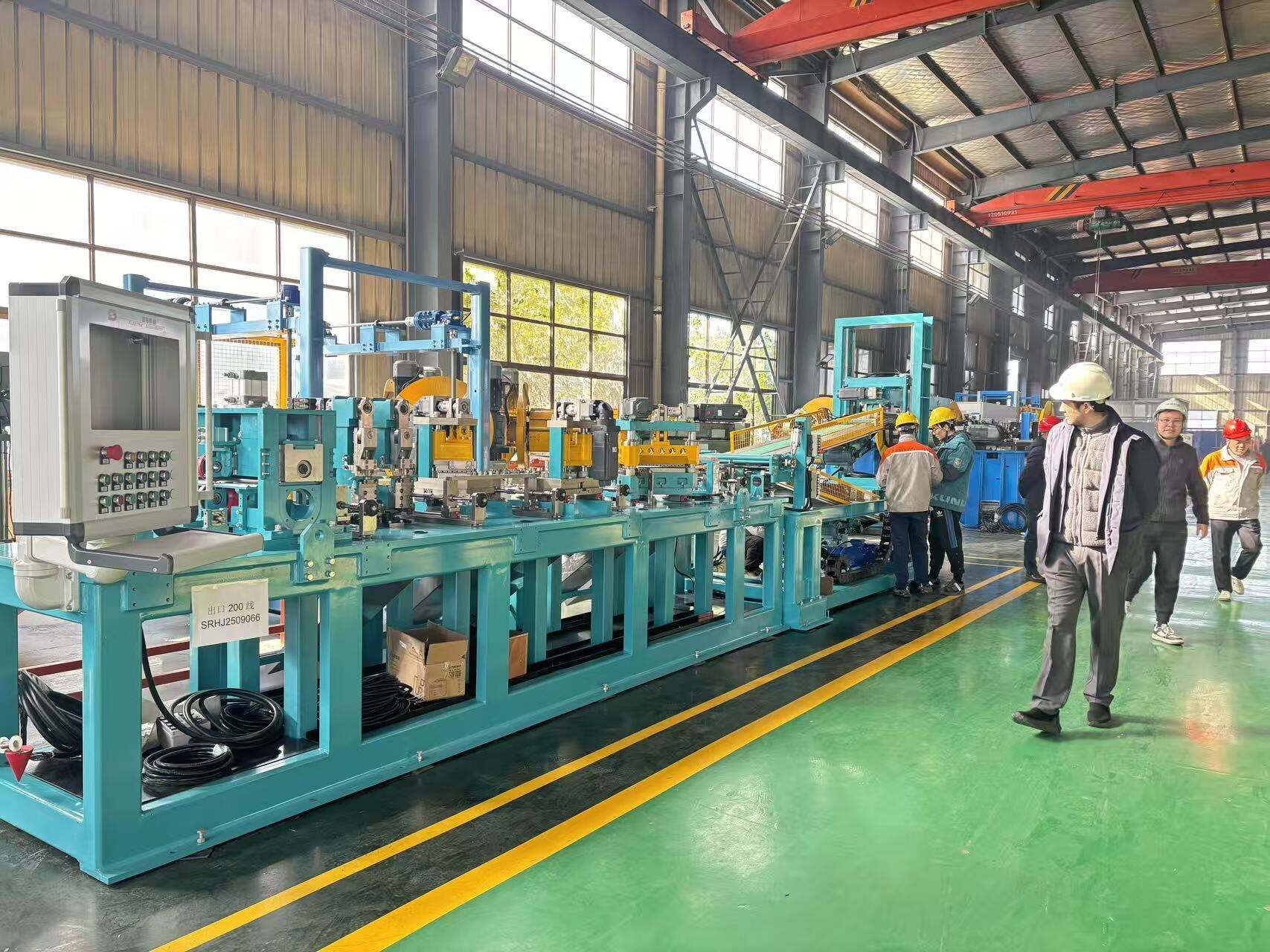
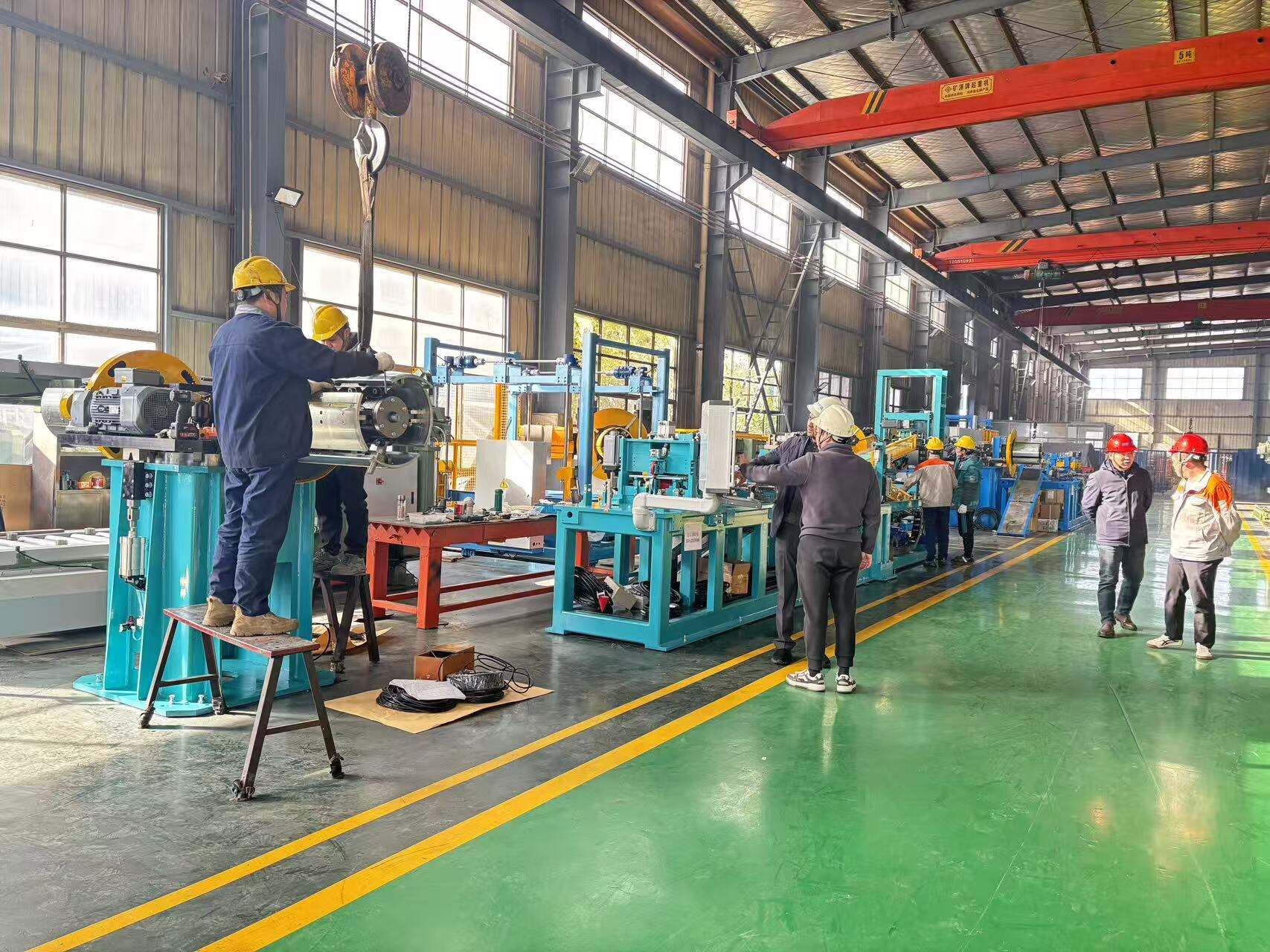
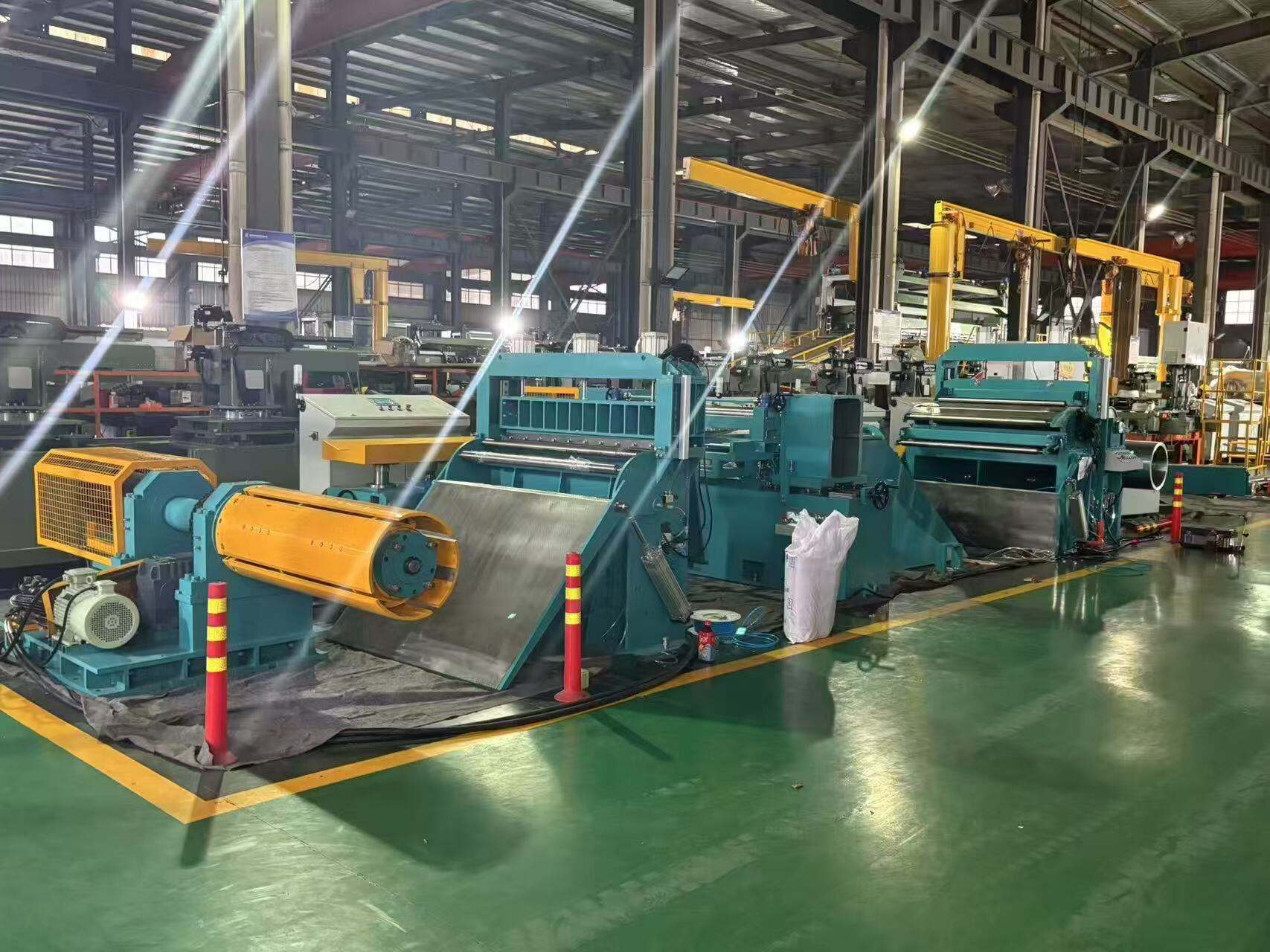
Automation technology embedded within modern transformer core cutting machines revolutionizes production workflows and operational efficiency. These systems integrate feeding mechanisms, cutting operations, stacking functions, and quality monitoring into seamless processes requiring minimal human intervention. Automatic material feeding systems draw electrical steel from coil stock, straighten the material, and position it precisely for cutting operations. Servo-controlled feed rollers advance material in exact increments, ensuring consistent spacing between cuts and eliminating the variability inherent in manual feeding. This automation maintains steady production flow without operator fatigue affecting output quality or speed. The cutting cycle itself benefits from programmable automation that optimizes every aspect of the operation. Tool approach speeds, cutting forces, and retraction movements follow precisely timed sequences that maximize productivity while extending tool life. The transformer core cutting machine calculates optimal cutting parameters based on material properties, thickness, and desired edge quality, then executes these operations with perfect repeatability. Operators simply select the appropriate program for the transformer type being produced, and the machine handles all cutting variables automatically. Material handling automation continues after cutting, with systems that stack laminations in organized bundles ready for assembly. Vacuum grippers, magnetic conveyors, or mechanical stackers remove finished pieces from the cutting area and arrange them according to programmable patterns. This automation eliminates manual handling that could damage laminations or create safety hazards from sharp edges. Counting mechanisms track production quantities automatically, alerting operators when batch quantities are complete. The economic impact of this automation proves substantial across multiple operational areas. Labor costs decrease significantly as one operator supervises equipment that previously required multiple workers. Production runs continue consistently without breaks, shift changes, or variations in operator skill affecting output. Material utilization improves because automated systems optimize cutting layouts to minimize scrap, extracting maximum value from expensive electrical steel. Quality consistency improves dramatically since automated processes eliminate human error in measuring, positioning, and cutting operations. Advanced automation features include tool wear monitoring that tracks cutting performance and schedules maintenance proactively before quality degradation occurs. The transformer core cutting machine analyzes cutting forces, vibration patterns, and power consumption to assess tool condition continuously. Predictive maintenance capabilities reduce unexpected downtime while extending tool life through optimal usage patterns. Remote monitoring and control capabilities allow supervisors to oversee multiple machines from central locations, adjusting production schedules and parameters without visiting each machine individually. This connectivity enables data collection for process analysis and continuous improvement initiatives that further enhance manufacturing efficiency.
 ×


 EN