Lamination Core Cutting Machine - Precision Equipment for Electrical Steel Processing

Get a Free Quote

Our representative will contact you soon.
Email
Name
Mobile/WhatsApp
Company Name
Message
0/1000

lamination core cutting machine

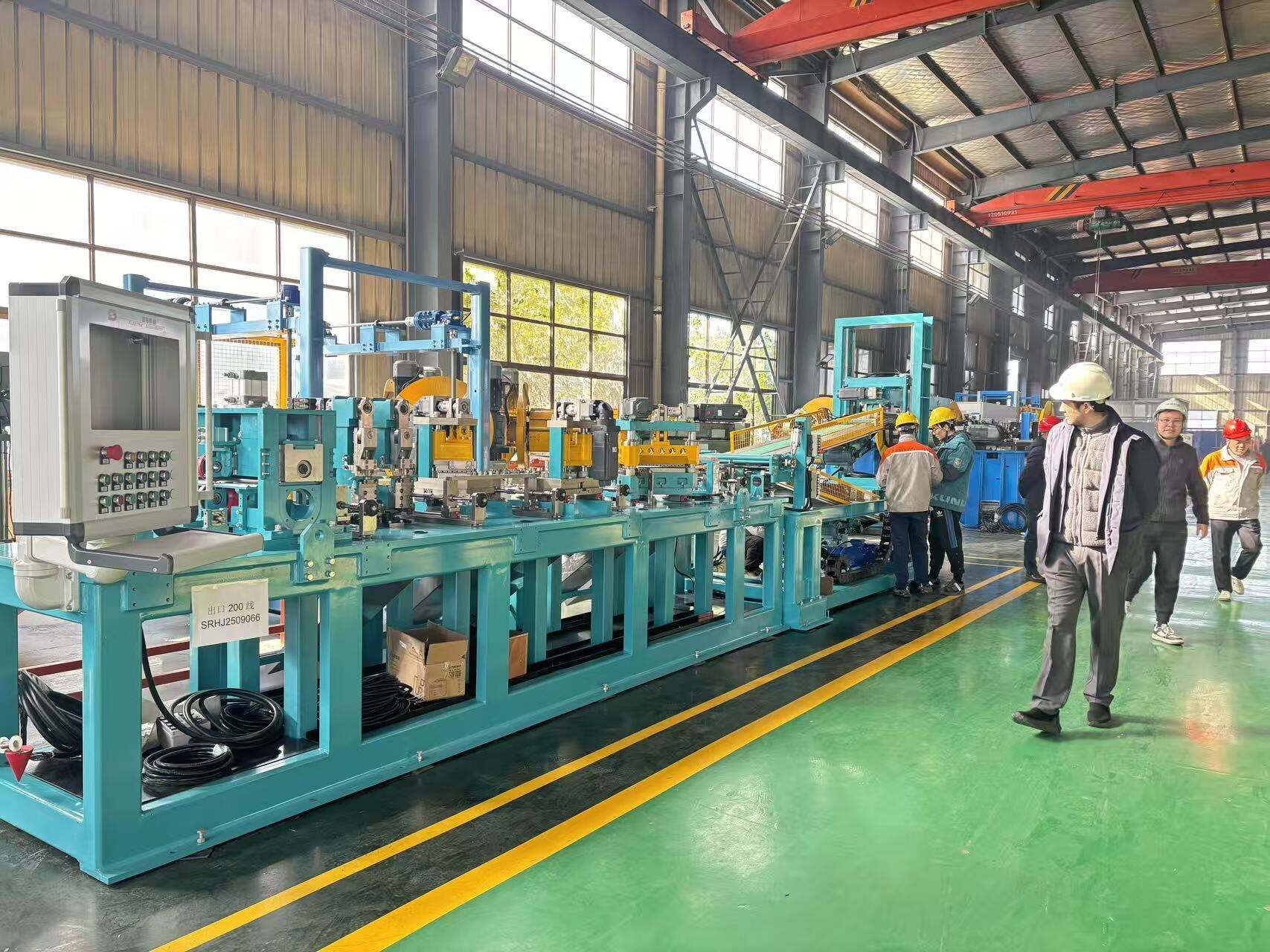
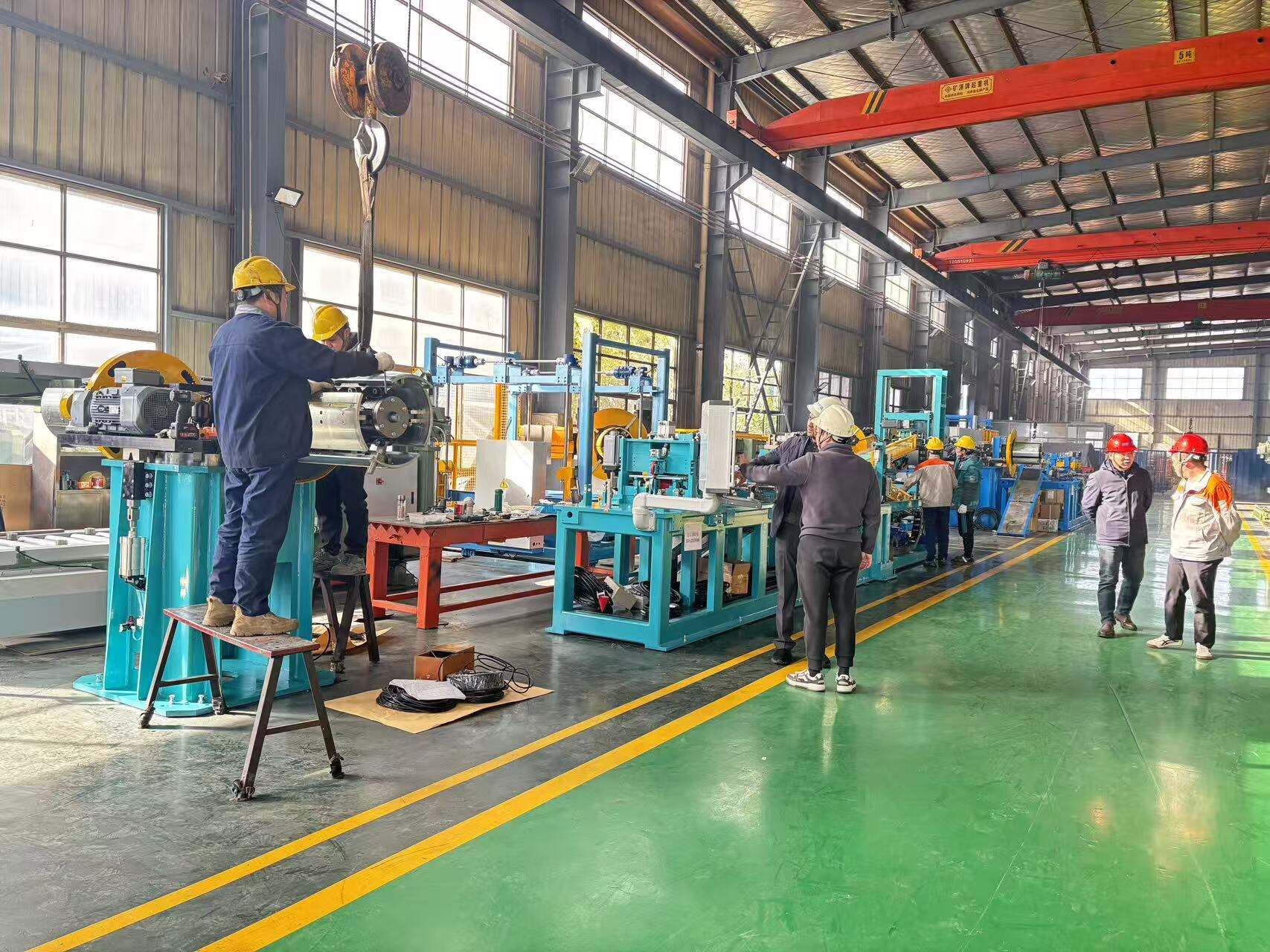
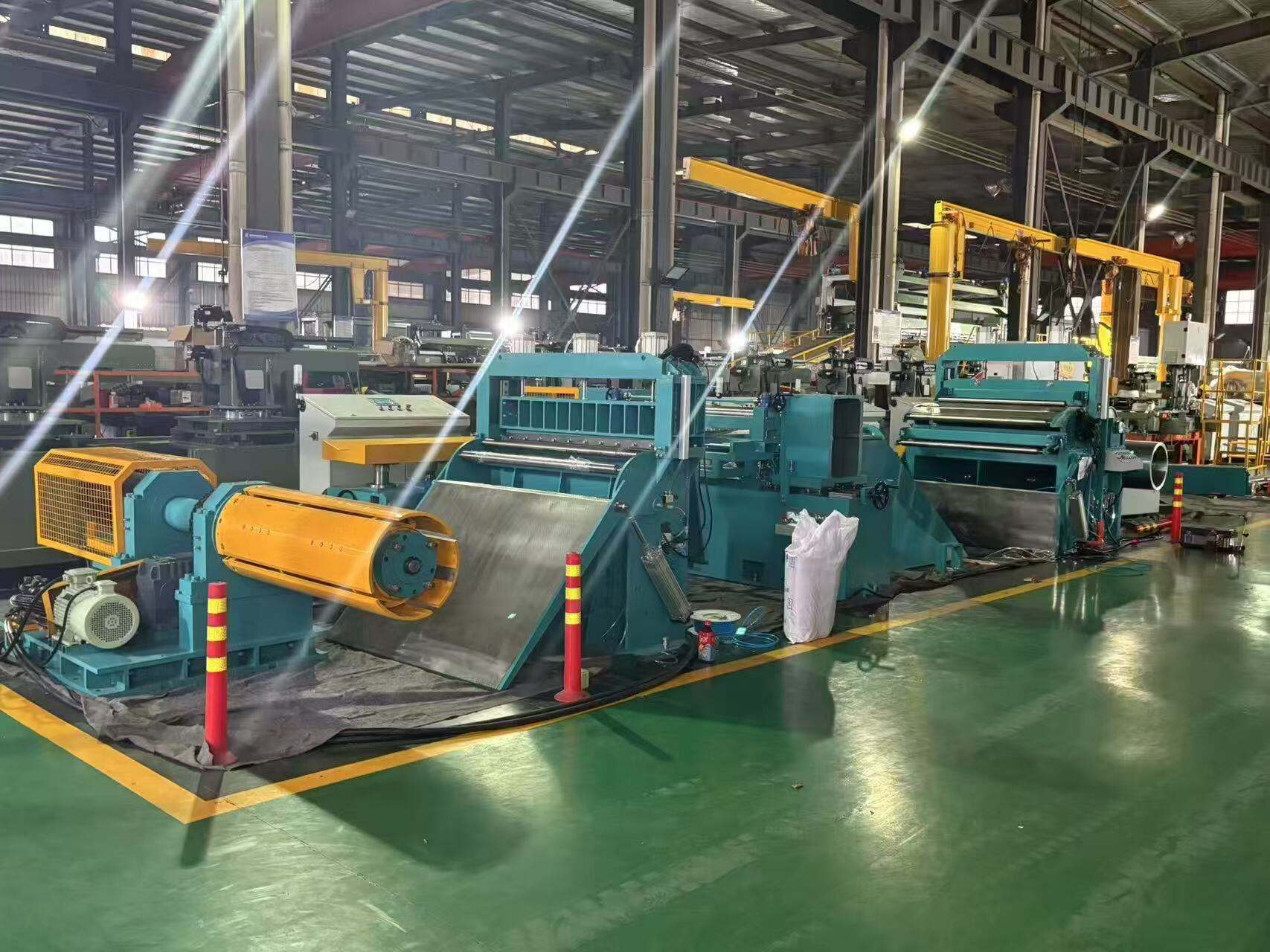
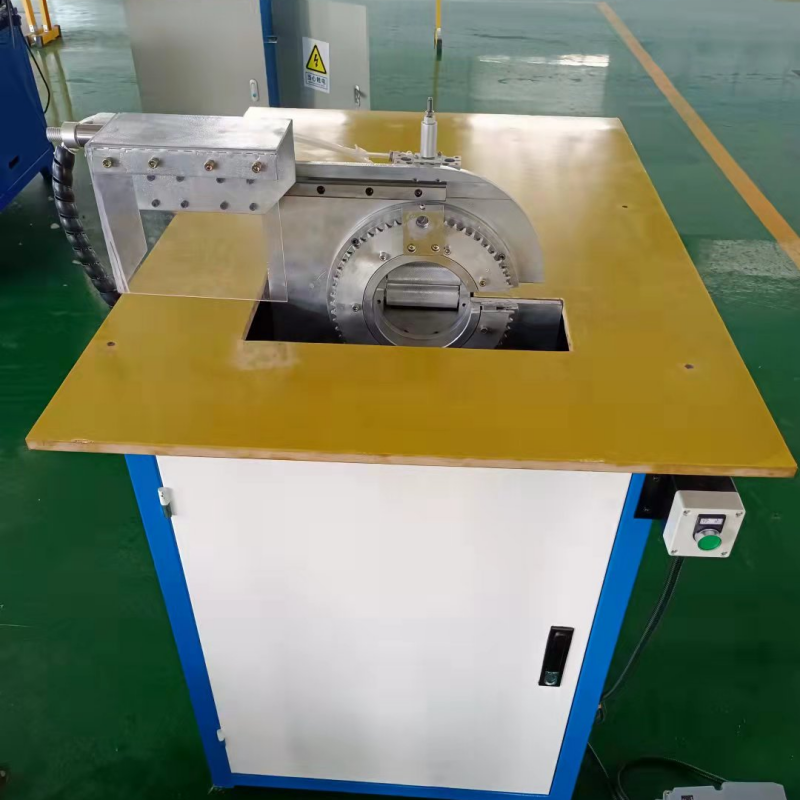
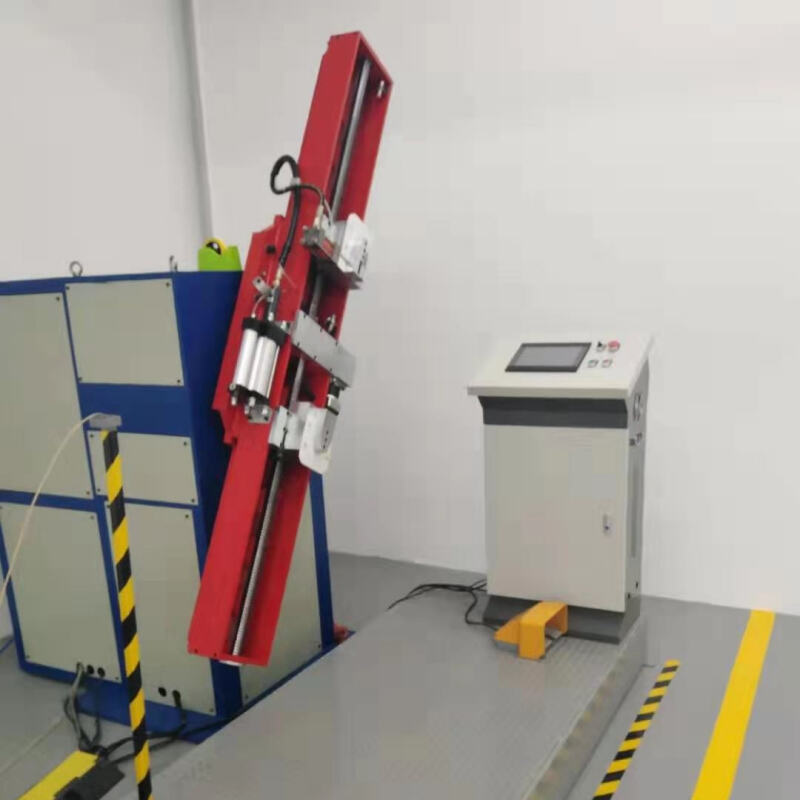
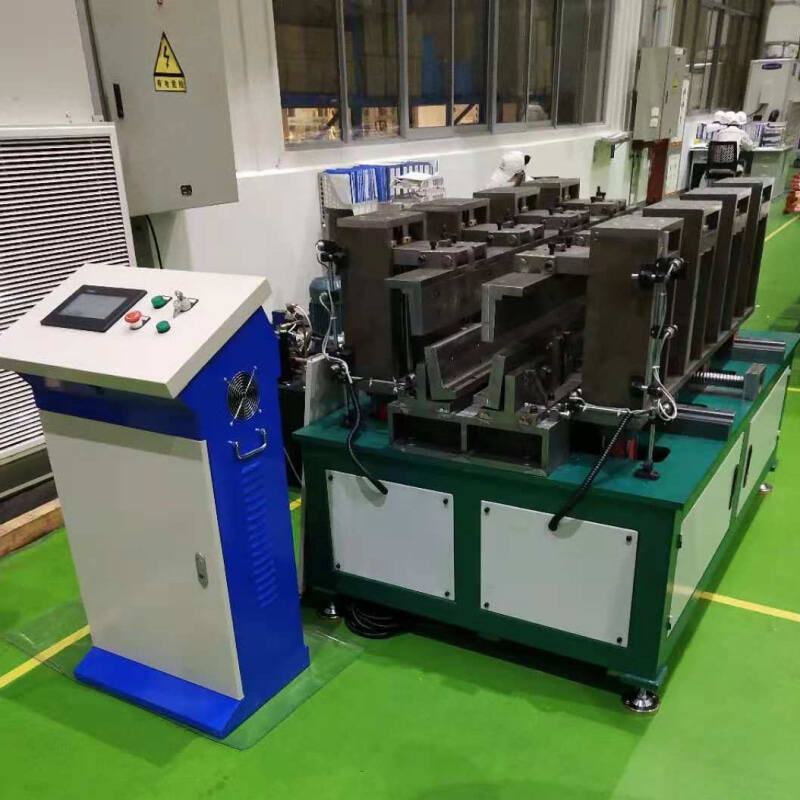
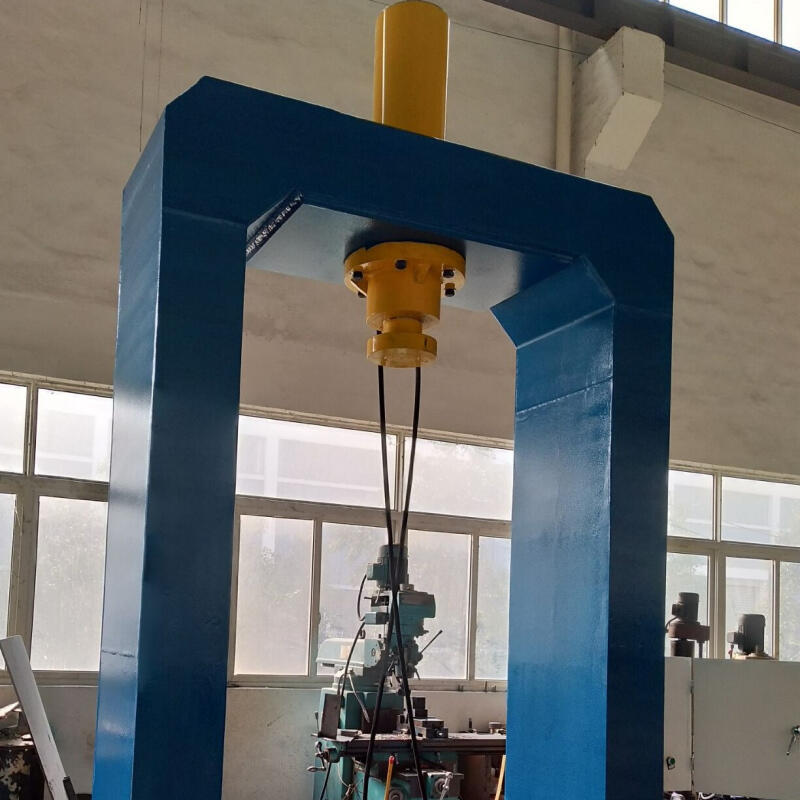
The lamination core cutting machine represents a pivotal piece of equipment in modern manufacturing environments, specifically designed to process electrical steel sheets and transformer core materials with exceptional precision. This sophisticated machinery performs the essential task of cutting laminated steel cores used in motors, transformers, and various electromagnetic devices. The primary function centers on slicing through stacks of thin electrical steel laminations, creating precise shapes and dimensions required for efficient electromagnetic performance. These machines incorporate advanced servo motor systems that control cutting speed and pressure, ensuring clean edges without burrs or distortions that could compromise electrical efficiency. The technological framework includes CNC programming capabilities, allowing operators to input complex cutting patterns and execute them with repeatability and accuracy. Modern lamination core cutting machine models feature automatic feeding systems that streamline production workflows, reducing manual handling and increasing throughput significantly. The cutting mechanism typically employs hydraulic or pneumatic systems combined with precision blades made from hardened tool steel, capable of maintaining sharpness through extended production runs. Temperature control systems prevent overheating during continuous operation, preserving material properties and cutting quality. Applications span across automotive manufacturing for electric vehicle motors, renewable energy sectors for wind turbine generators, industrial motor production facilities, and transformer manufacturing plants. The machine's versatility extends to processing various grades of electrical steel, from standard silicon steel to advanced amorphous materials. Integration with quality control systems enables real-time monitoring of cutting parameters, ensuring consistent output that meets strict industry standards. The equipment supports both prototype development and mass production scenarios, adapting to different batch sizes through programmable settings that store multiple cutting configurations for quick changeover between product lines.

New Product Releases

Investing in a lamination core cutting machine delivers substantial operational benefits that directly impact your bottom line and production capabilities. First and foremost, these machines dramatically reduce material waste through precision cutting that maximizes sheet utilization, translating to significant cost savings over time as expensive electrical steel gets used more efficiently. The automation features eliminate repetitive manual tasks, freeing your skilled workers to focus on quality control and process optimization rather than mundane cutting operations. Production speed increases remarkably compared to traditional cutting methods, with some models processing hundreds of laminations per hour while maintaining consistent quality across every piece. The precision achieved by these machines ensures tight tolerances that improve the electrical performance of finished products, resulting in motors and transformers that operate more efficiently with reduced energy losses. This precision also means fewer rejected parts, lowering scrap rates and reducing the need for rework that consumes valuable production time. Safety improvements represent another crucial advantage, as automated cutting processes keep operators at a safe distance from moving blades and high-pressure systems, reducing workplace injuries and associated costs. The machines' programmable nature allows quick adaptation to design changes without requiring extensive retooling or lengthy setup procedures, providing flexibility that supports both custom orders and standard production runs. Energy efficiency built into modern lamination core cutting machine designs reduces operational costs through optimized power consumption during cutting cycles. Maintenance requirements remain manageable through accessible component designs and diagnostic systems that alert operators to potential issues before they cause downtime. The consistent quality output strengthens your reputation with customers who demand reliable performance from their electrical components. Integration capabilities allow these machines to connect with existing manufacturing execution systems, providing production data that supports informed decision-making about capacity planning and process improvements. The compact footprint of contemporary models means you can install powerful cutting capabilities without requiring extensive factory floor space, making efficient use of available facilities. Training requirements for operators remain reasonable, as intuitive control interfaces and clear safety protocols enable new team members to achieve proficiency quickly. The long service life of quality lamination core cutting machine equipment, combined with strong resale values, ensures favorable return on investment calculations that justify the initial capital expenditure through years of productive operation and the potential to recover significant value when upgrading to newer technology.

Tips And Tricks

January 15th, 2026 Air Conditioner BLDC Motor Production line Dispatch to India

08

Apr

January 15th, 2026 Air Conditioner BLDC Motor Production line Dispatch to India

View More
August 30th, 2025, 45W Air conditioner ODU BLDC motor Assembly line Inspection From India customer

08

Apr

August 30th, 2025, 45W Air conditioner ODU BLDC motor Assembly line Inspection From India customer

View More
January 5th , 2026 CNC Coil Forming Machine For High Voltage Motors dispatched to UZ (Uzbekistan)

07

Apr

January 5th , 2026 CNC Coil Forming Machine For High Voltage Motors dispatched to UZ (Uzbekistan)

View More

Get a Free Quote

Our representative will contact you soon.
Email
Name
Mobile/WhatsApp
Company Name
Message
0/1000

lamination core cutting machine

Advanced Precision Control Systems for Superior Cut Quality

Advanced Precision Control Systems for Superior Cut Quality

The precision control systems integrated into modern lamination core cutting machine technology represent a quantum leap forward in manufacturing accuracy and consistency. These sophisticated systems employ multiple sensors and feedback loops that continuously monitor cutting parameters throughout each operation cycle, making microsecond adjustments to blade position, cutting pressure, and feed rates. The servo motor technology driving these machines provides positioning accuracy measured in micrometers, ensuring that each lamination matches design specifications exactly, regardless of where it falls within a production run of thousands of pieces. This level of precision directly impacts the electrical performance of finished motors and transformers, as even minor variations in lamination geometry can create air gaps or misalignments that reduce efficiency and increase energy losses. The control systems incorporate adaptive algorithms that compensate for variables such as material hardness fluctuations, blade wear progression, and temperature changes in the cutting environment, maintaining consistent output quality without requiring constant operator intervention. Touch-screen interfaces display real-time cutting parameters alongside historical data trends, enabling operators to identify optimization opportunities and verify that production remains within specified tolerances. The programmable logic controllers at the heart of these systems store unlimited cutting patterns, each associated with specific material types and thickness combinations, allowing instant recall of proven settings when switching between different production jobs. Diagnostic capabilities built into the control system continuously assess mechanical components, hydraulic pressures, and electrical systems, providing predictive maintenance alerts that prevent unexpected breakdowns during critical production periods. The precision delivered by these control systems extends beyond individual cuts to encompass stack alignment features that ensure multiple laminations maintain perfect registration throughout the cutting process, critical for producing core assemblies that will be stacked and bonded into finished electromagnetic devices. Quality documentation generated automatically by the control system provides traceability for each production batch, supporting ISO certification requirements and customer quality audits with detailed records of cutting parameters, material specifications, and inspection results. The investment in advanced precision control transforms a lamination core cutting machine from a simple cutting tool into an intelligent manufacturing system that contributes to overall equipment effectiveness through reduced scrap, faster cycle times, and consistent quality that enhances your market competitiveness.

Automated Material Handling for Maximum Productivity

Automated Material Handling for Maximum Productivity

Automated material handling capabilities integrated into contemporary lamination core cutting machine designs revolutionize production efficiency by eliminating bottlenecks associated with manual feeding and part removal processes. These systems begin with sophisticated feeding mechanisms that draw electrical steel sheets from material stacks, separate individual laminations using vacuum or magnetic separation technology, and position them precisely in the cutting zone without human intervention. The automation extends through the entire cutting cycle, with programmable arms or conveyor systems removing finished parts and organizing them according to predetermined sorting criteria, whether by size, batch number, or destination within subsequent assembly operations. This continuous flow operation dramatically increases throughput compared to manual processes, where operators must pause production to load materials and clear cut pieces, creating idle time that reduces overall equipment effectiveness. The automated handling systems incorporate vision systems and sensors that verify proper material positioning before initiating cutting cycles, preventing costly errors that could damage tooling or produce scrap parts. Material tracking throughout the automated process provides real-time inventory data, alerting supervisors when raw material supplies approach minimum levels and require replenishment to prevent production interruptions. The gentle handling provided by automated systems reduces material damage compared to manual manipulation, particularly important when processing thin laminations that can bend or distort under rough handling, compromising their electrical properties. Integration with upstream and downstream processes transforms the lamination core cutting machine into a component of a fully automated production cell, where materials flow seamlessly from coil processing through cutting and into assembly operations without manual transfer points that slow production and introduce quality risks. The flexibility of modern automation systems allows quick reconfiguration to accommodate different material sizes and production requirements, supporting mixed-model manufacturing strategies that respond efficiently to changing customer demands. Safety improvements delivered by automated handling remove operators from proximity to moving machinery and sharp edges, significantly reducing injury risks while improving working conditions that support employee satisfaction and retention. The consistency of automated handling ensures uniform processing of every lamination, eliminating the variations in feed speed and positioning that occur with manual operations and contribute to quality fluctuations. Productivity gains from automation justify investment costs through increased output capacity that allows existing facilities to meet growing demand without requiring building expansions or additional equipment purchases. The reduced labor requirements for operating automated lamination core cutting machine systems allow workforce reallocation to higher-value activities such as process engineering, quality analysis, and continuous improvement initiatives that drive long-term competitive advantages.
Versatile Multi-Material Processing Capabilities

Versatile Multi-Material Processing Capabilities

The versatile multi-material processing capabilities engineered into advanced lamination core cutting machine models provide manufacturers with unprecedented flexibility to address diverse production requirements using a single equipment platform. These machines accommodate a wide range of electrical steel grades, from conventional grain-oriented and non-oriented silicon steels to advanced materials including amorphous metals, nickel-iron alloys, and cobalt-iron high-performance materials used in specialized applications. The ability to process different material types without extensive reconfiguration or tooling changes delivers significant operational advantages, allowing production facilities to respond quickly to varying customer specifications and market demands without maintaining separate dedicated cutting systems for each material category. Adjustable cutting parameters enable operators to optimize settings for material-specific characteristics such as hardness, brittleness, and magnetic properties, ensuring clean cuts that preserve the electrical performance characteristics critical to motor and transformer efficiency. Thickness versatility represents another dimension of these machines' capabilities, with systems capable of processing individual laminations ranging from ultra-thin 0.1 millimeter sheets used in high-frequency applications to thicker materials approaching several millimeters for heavy-duty industrial equipment. The cutting systems automatically adjust blade pressure, cutting speed, and cooling parameters based on material selection inputs, simplifying operator tasks while ensuring optimal results across the full range of processable materials. This versatility extends to geometric complexity, with multi-axis cutting capabilities producing intricate shapes including interior cutouts, precise radius curves, and complex profiles required for advanced motor designs that maximize electromagnetic efficiency through optimized geometry. The lamination core cutting machine flexibility supports both standard catalog production and custom engineering projects, enabling manufacturers to serve diverse market segments from commodity products to specialized high-performance applications without requiring multiple equipment investments. Quick-change tooling systems facilitate transitions between different cutting requirements, reducing setup times that traditionally consumed productive capacity and created scheduling challenges when production mixes included numerous part variations. The ability to process experimental materials supports research and development activities, allowing engineering teams to evaluate new electrical steel formulations and validate design concepts without outsourcing prototype production or investing in separate laboratory equipment. Material utilization optimization algorithms built into the control systems automatically arrange cutting patterns to maximize yield from each sheet regardless of material type, reducing waste across all production scenarios and delivering cost savings that compound throughout diversified manufacturing operations. The multi-material capabilities future-proof your investment in lamination core cutting machine technology, ensuring that equipment purchased today remains relevant as motor and transformer designs evolve to incorporate emerging materials that deliver improved performance, reduced environmental impact, or cost advantages compared to traditional electrical steels.

Get a Free Quote

Our representative will contact you soon.
Email
Name
Mobile/WhatsApp
Company Name
Message
0/1000