Automatic Cut to Length Machine - Precision Metal Cutting Solutions for High-Volume Production

Get a Free Quote

Our representative will contact you soon.
Email
Name
Mobile/WhatsApp
Company Name
Message
0/1000

automatic cut to length machine

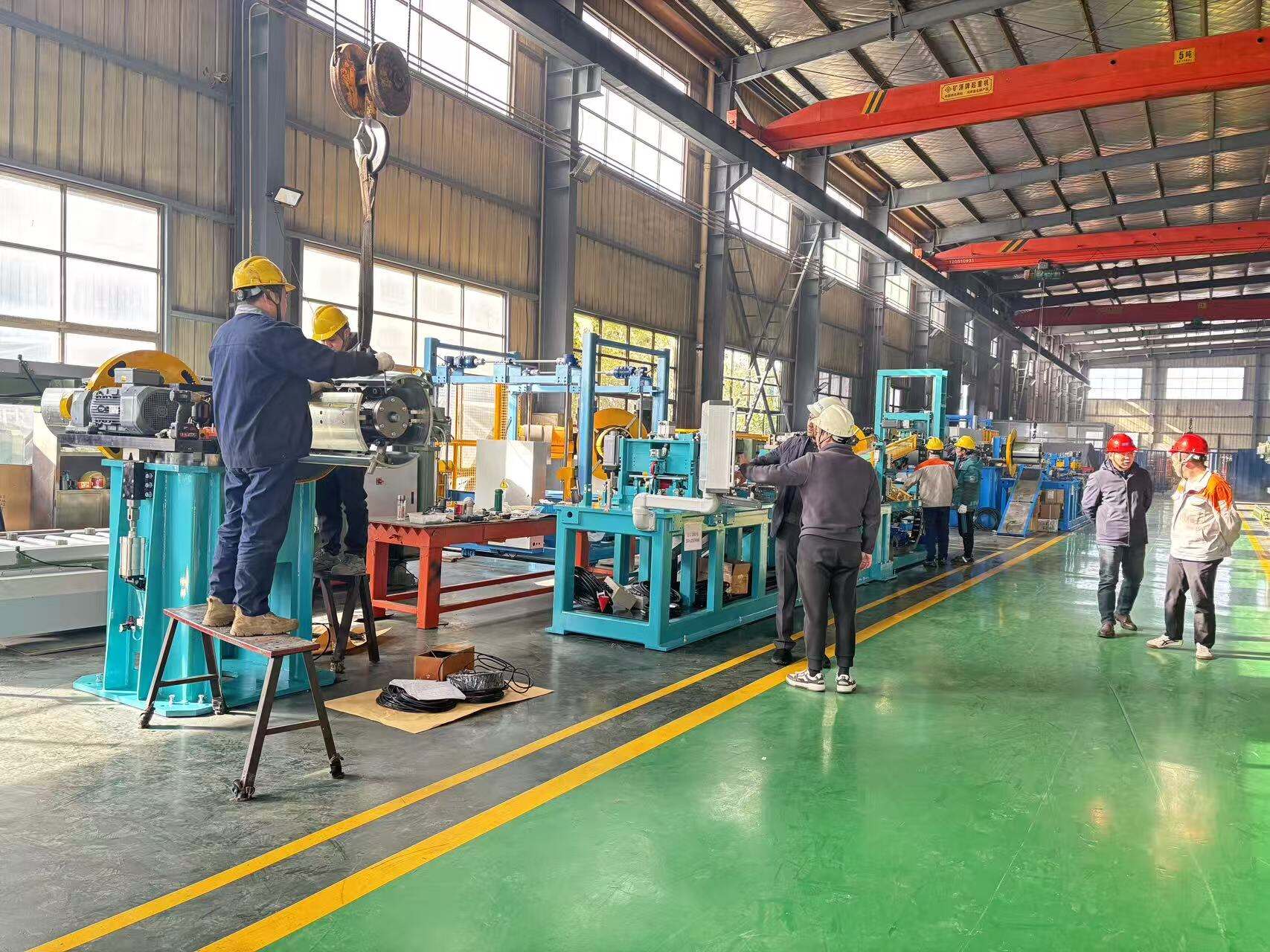
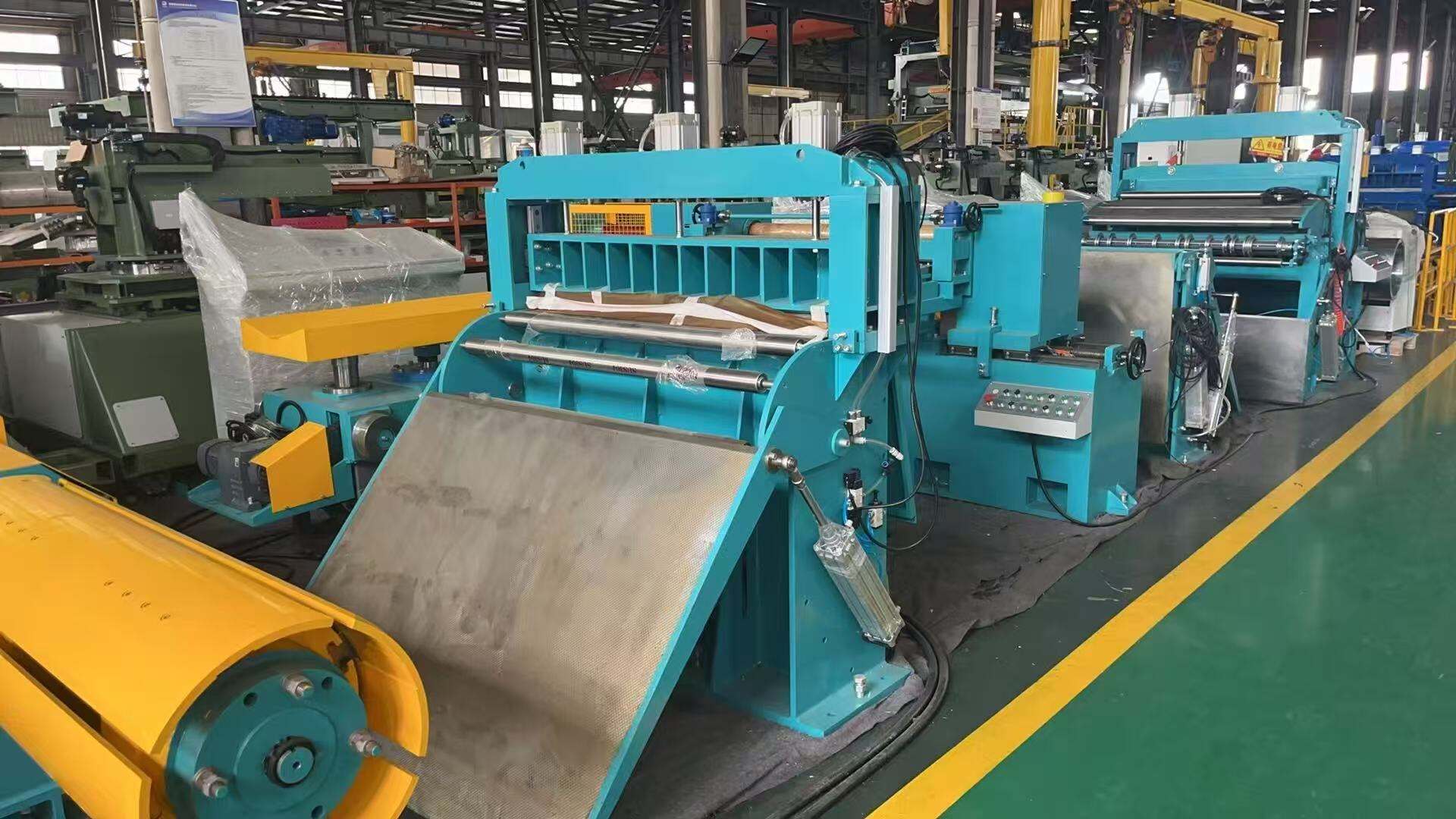
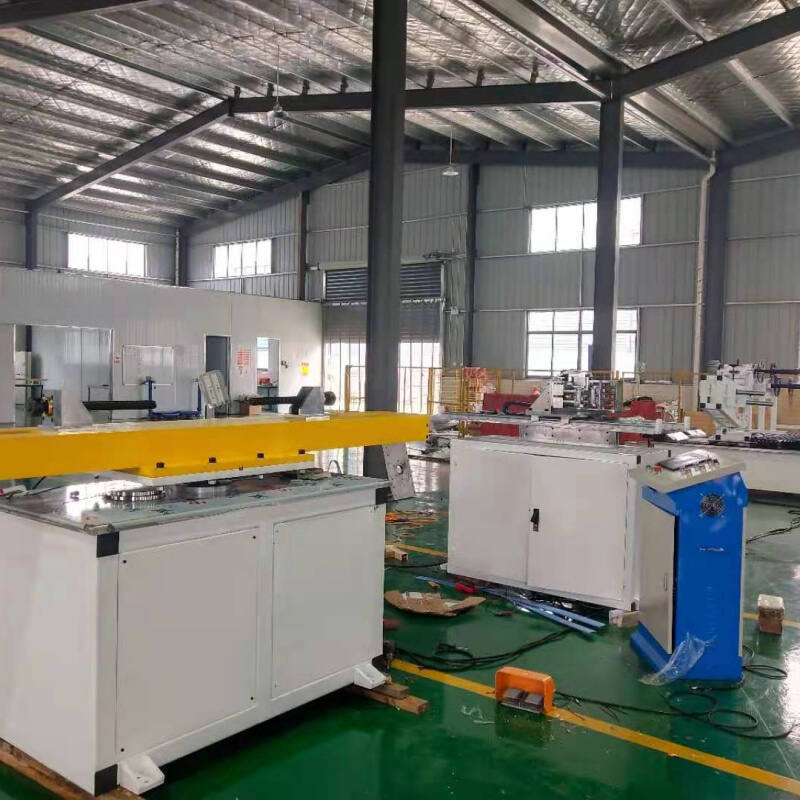
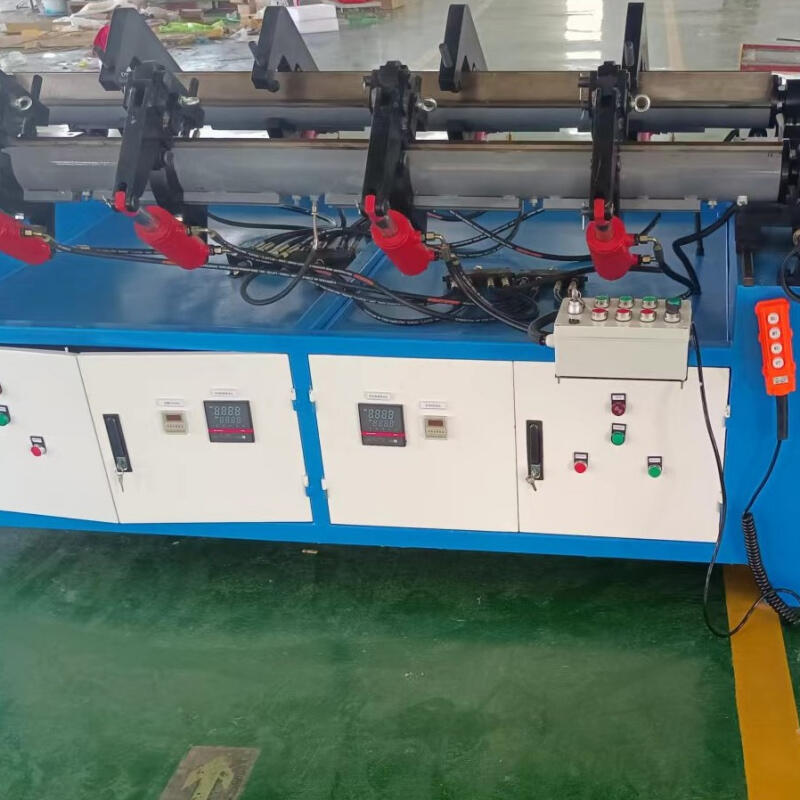
The automatic cut to length machine represents a breakthrough in metal processing technology, designed to transform coil materials into precisely cut flat sheets with minimal human intervention. This sophisticated equipment handles various materials including steel, aluminum, copper, and other metal coils, automatically measuring, straightening, and cutting them to exact specifications. The machine integrates advanced servo motor systems, programmable logic controllers, and precision cutting mechanisms to deliver consistent results across high-volume production runs. Its main functions encompass automatic feeding of coil material, tension control to prevent material damage, multi-roller leveling to eliminate coil set and ensure flatness, accurate length measurement using encoder systems, and clean cutting through hydraulic or pneumatic shearing devices. The technological features include touchscreen interfaces for intuitive operation, memory storage for multiple cutting programs, automatic counting and stacking systems, and safety sensors that halt operations when irregularities occur. Modern automatic cut to length machine models incorporate laser measurement technology for enhanced precision, achieving tolerances within 0.5mm across lengths up to 12 meters. The leveling system typically employs 15 to 25 rollers arranged in a pyramid configuration, with adjustable pressure settings to accommodate different material thicknesses and hardness levels. Applications span numerous industries including construction, where cut sheets become roofing panels and structural components; automotive manufacturing, which requires precisely sized blanks for stamping operations; appliance production, where uniform sheets form cabinets and panels; HVAC systems, which utilize cut metal for ductwork and equipment housings; and electrical enclosure fabrication. The versatility of the automatic cut to length machine makes it indispensable for metal service centers, fabrication shops, and manufacturers requiring consistent, high-quality flat sheets from coil stock, eliminating the inefficiencies and inconsistencies associated with manual cutting methods.

New Product Releases

Investing in an automatic cut to length machine delivers transformative benefits that directly impact your bottom line and operational efficiency. The most immediate advantage is the dramatic increase in production speed, with modern machines processing 30 to 120 meters of material per minute depending on thickness and cutting length, vastly outperforming manual cutting operations that struggle to achieve even a fraction of this throughput. This speed translates directly into higher output volumes, allowing businesses to fulfill larger orders, reduce lead times, and accept more projects without expanding facility space or workforce size. Labor cost reduction represents another compelling benefit, as a single operator can monitor the machine while it runs autonomously, freeing personnel for other value-added tasks and eliminating the need for multiple workers performing repetitive cutting operations. The precision offered by an automatic cut to length machine ensures every piece meets exact specifications, with computerized measurement systems maintaining accuracy regardless of production volume or operator fatigue. This consistency eliminates the costly problem of scrap and rework that plagues manual operations, where human error causes dimensional variations, wasted material, and rejected parts. Material utilization improves significantly because the machine calculates optimal cutting patterns and maintains consistent blade positioning, minimizing the trim waste that accumulates in manual processes. The leveling function adds substantial value by delivering flat sheets ready for immediate use in downstream operations, eliminating the coil set that requires secondary flattening processes and causes alignment issues during welding, forming, or assembly. Workplace safety improves dramatically as workers no longer handle heavy coils, operate dangerous cutting equipment manually, or risk injury from sharp edges and material handling accidents. The automatic cut to length machine contains material within protective guards, incorporates emergency stop systems, and removes human hands from the cutting zone entirely. Operational flexibility allows quick changeovers between different materials, thicknesses, and cutting lengths through programmable settings stored in memory, enabling efficient production of diverse orders without lengthy setup procedures. Energy efficiency surpasses older equipment through optimized motor control and reduced cycle times, lowering utility costs while supporting sustainability initiatives. Quality consistency strengthens customer relationships and reduces complaints, as every delivered piece matches specifications precisely. The machine enables just-in-time manufacturing strategies by producing exact quantities as needed, reducing inventory carrying costs and warehouse space requirements. Return on investment typically occurs within two to three years through combined savings in labor, material waste, energy, and increased production capacity that generates additional revenue opportunities.

Latest News

January 15th, 2026 Air Conditioner BLDC Motor Production line Dispatch to India

08

Apr

January 15th, 2026 Air Conditioner BLDC Motor Production line Dispatch to India

View More
August 30th, 2025, 45W Air conditioner ODU BLDC motor Assembly line Inspection From India customer

08

Apr

August 30th, 2025, 45W Air conditioner ODU BLDC motor Assembly line Inspection From India customer

View More
January 5th , 2026 CNC Coil Forming Machine For High Voltage Motors dispatched to UZ (Uzbekistan)

07

Apr

January 5th , 2026 CNC Coil Forming Machine For High Voltage Motors dispatched to UZ (Uzbekistan)

View More

Get a Free Quote

Our representative will contact you soon.
Email
Name
Mobile/WhatsApp
Company Name
Message
0/1000

automatic cut to length machine

Precision Engineering That Guarantees Dimensional Accuracy

Precision Engineering That Guarantees Dimensional Accuracy

The precision capabilities of an automatic cut to length machine set it apart from conventional cutting methods and deliver measurable quality improvements that customers immediately recognize. At the heart of this precision lies an integrated measurement system employing high-resolution encoders that track material movement with extraordinary accuracy, registering position changes down to 0.1mm increments. These encoders communicate continuously with the control system, which calculates exact cutting positions based on programmed dimensions and triggers the shearing mechanism at precisely the right moment. Unlike manual measurement that relies on rulers, tape measures, or mechanical stops prone to wear and misalignment, the electronic measurement system maintains consistent accuracy across millions of cutting cycles without degradation. The servo motor drive system contributes significantly to precision by controlling feed speed and acceleration profiles with exceptional smoothness, eliminating the jerky movements and vibrations that cause dimensional variations in older mechanical systems. When the cutting command initiates, the servo motors decelerate the material to a complete stop within milliseconds, holding position with electronic braking while the shear blade completes its cutting stroke. This coordinated motion control ensures the cut occurs at the exact intended location rather than during material movement, which would create length errors. The leveling section of the automatic cut to length machine plays a crucial but often underappreciated role in dimensional accuracy by removing the longitudinal curvature inherent in coiled material. When material remains curved, it does not lie flat against measurement references, causing apparent length discrepancies between the curved state during cutting and the flattened state during use. By straightening material before measurement and cutting, the machine ensures the cut length matches the actual flat length required by customers. Advanced models incorporate laser measurement systems that provide non-contact verification of cut lengths, cross-referencing encoder data with optical measurement to detect any discrepancies and alert operators to calibration needs before defects occur. The blade condition monitoring systems track cutting force and blade position, scheduling maintenance or blade changes before dullness degrades cut quality. Temperature compensation algorithms adjust measurement parameters based on ambient conditions, accounting for thermal expansion in both the material and machine structure that could otherwise introduce small but cumulative errors across long production runs. This comprehensive approach to precision engineering means businesses can confidently commit to tight tolerances, accept contracts requiring exacting specifications, and build reputations for quality that differentiate them from competitors still relying on less sophisticated cutting methods.
Automated Operation That Maximizes Productivity and Reduces Labor Dependency

Automated Operation That Maximizes Productivity and Reduces Labor Dependency

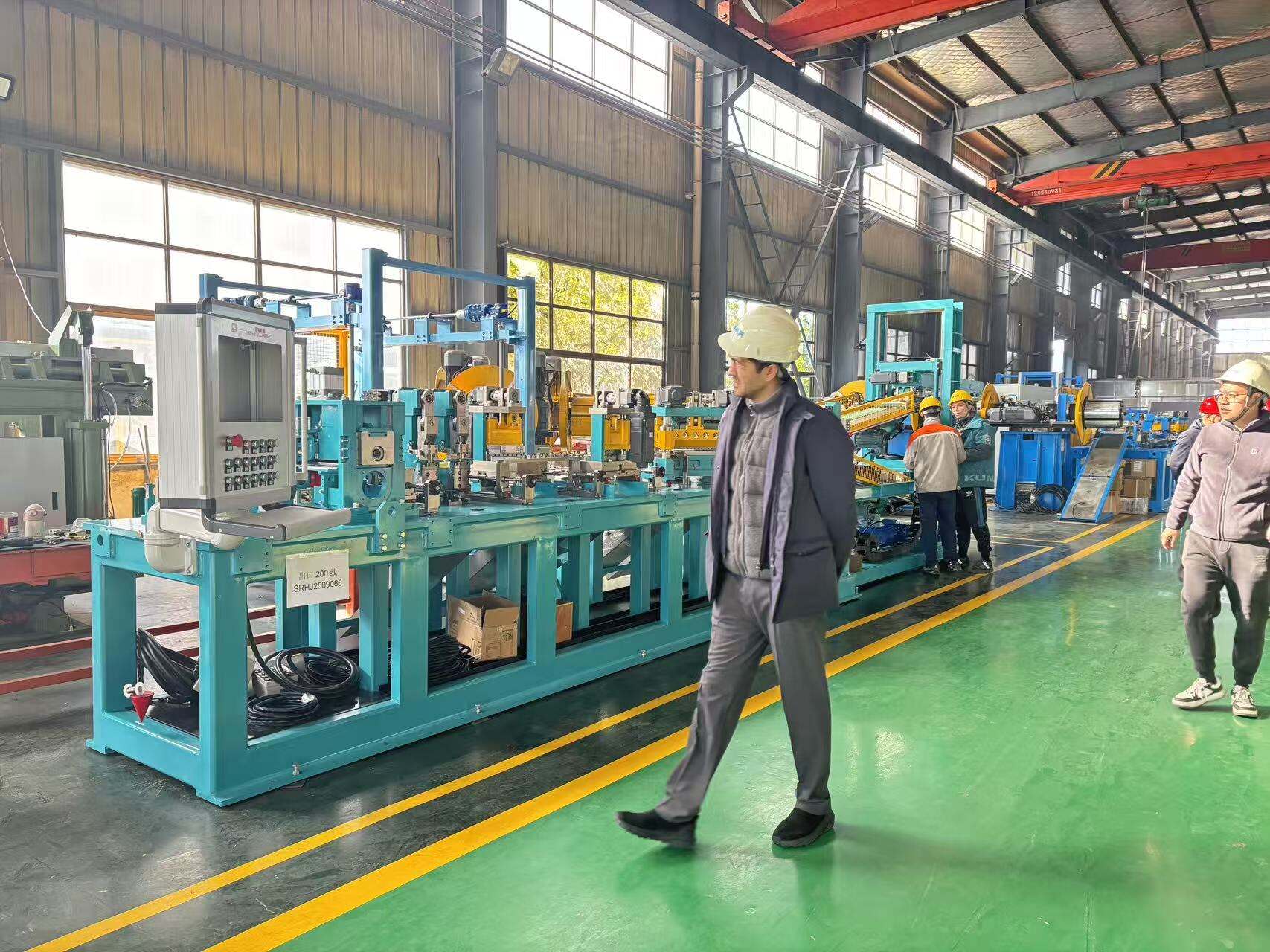
The automation capabilities built into modern automatic cut to length machine systems revolutionize production workflows by minimizing human intervention while maximizing output consistency and speed. The transformation begins with the coil loading process, where motorized uncoiling systems accept coils weighing several tons, supporting them on expandable mandrels and controlling uncoiling tension automatically without requiring operators to manually thread material or adjust brake pressure constantly. Once loaded, the automatic cut to length machine takes complete control of the processing sequence, feeding material through the leveling section, measuring programmed lengths, executing cuts, and organizing finished pieces without further input beyond initial setup parameters. The programmable logic controller serves as the operational brain, storing hundreds of job configurations that operators recall with simple touchscreen selections, instantly adjusting feed speeds, cutting lengths, piece counts, and stacking patterns to match different orders. This eliminates the time-consuming manual adjustments and trial runs that slow conventional equipment changeovers, allowing the machine to switch between jobs in minutes rather than hours. The automatic counting function tracks production quantities in real-time, displaying progress on operator interfaces and automatically stopping production when order quantities are reached, preventing overproduction waste while ensuring complete order fulfillment. Stacking systems arrange cut pieces in organized bundles, alternating stack directions to prevent nesting and facilitate handling, with programmable bundle sizes that match customer packaging requirements or downstream equipment capacities. Some advanced automatic cut to length machine configurations incorporate robotic arms or conveyor systems that transfer completed stacks to pallets or storage areas, extending automation through the entire production chain from coil to packaged product. The continuous operation capability means the machine runs for extended periods without attention, allowing single operators to supervise multiple machines or perform other tasks while production continues reliably. Sensor arrays monitor critical parameters including material tracking, hydraulic pressure, motor temperature, and safety zone intrusions, automatically adjusting operations to maintain optimal performance or halting the machine if conditions exceed safe parameters. Remote monitoring capabilities in networked machines enable supervisors to track production status, receive maintenance alerts, and adjust parameters from office locations rather than shop floor presence, supporting lean manufacturing principles and efficient resource allocation. The learning curve for operating an automatic cut to length machine remains remarkably short due to intuitive graphical interfaces, on-screen help systems, and logical menu structures that guide operators through setup procedures step-by-step. Maintenance requirements are clearly communicated through scheduled service reminders and diagnostic displays that identify specific components needing attention, allowing businesses to use less specialized maintenance personnel and reduce dependency on expensive technicians. This combination of operational autonomy, intelligent control systems, and user-friendly interfaces allows businesses to scale production without proportionally scaling workforce, maintain consistent output during labor shortages, and redeploy skilled workers to higher-value engineering and quality control functions rather than repetitive machine tending.
Versatility That Adapts to Diverse Materials and Production Requirements

Versatility That Adapts to Diverse Materials and Production Requirements

The adaptability of an automatic cut to length machine to handle varied materials, thicknesses, widths, and production requirements makes it an exceptionally versatile investment that serves evolving business needs across changing market demands. Material compatibility extends across the complete spectrum of metallic coil stock including cold-rolled steel, hot-rolled steel, galvanized steel, stainless steel in multiple grades, aluminum alloys, copper, brass, and specialty metals like titanium or pre-painted steel, each presenting unique characteristics that the machine accommodates through adjustable processing parameters. The leveling system configuration allows modification of roller engagement, pressure distribution, and entry/exit angles to suit material properties, with softer materials like aluminum requiring gentler pressure to avoid surface marking while harder stainless steels demand greater force to overcome yield strength and achieve permanent straightness. Thickness capacity typically ranges from 0.3mm to 6mm or more in heavy-duty models, with the automatic cut to length machine automatically adjusting cutting force, leveling pressure, and feed speed based on operator-entered material specifications, ensuring optimal processing regardless of gauge variations. Width accommodation spans from narrow strips of 100mm to wide coils exceeding 2000mm, with adjustable side guides, leveling roller widths, and cutting blade lengths configured to match specific material dimensions. The programmable cutting length range extends from short pieces of 200mm for small brackets and fittings to extended lengths of 12 meters or more for architectural panels and structural components, all managed through simple numerical input rather than mechanical adjustment of stops and guides. Production volume flexibility allows the automatic cut to length machine to economically process both small custom orders requiring only dozens of pieces and large production runs demanding thousands of identical cuts, with quick program recall eliminating setup time penalties for frequent job changes. The machine accommodates special processing requirements including pre-notched coils that require alignment of existing features, edge-trimmed material needing width consistency, and oscillating cuts that vary length in controlled patterns for specialized applications. Stack configuration options enable the automatic cut to length machine to organize output according to customer preferences, creating uniform stacks, progressive bundles, or mixed-length packages that match specific order requirements without manual sorting. Integration capabilities allow the machine to function as a standalone production unit or as part of a comprehensive processing line, with input conveyors feeding from slitting operations and output systems connecting to punching, forming, or packaging equipment for seamless material flow. The control system flexibility supports both simple length-only cutting and complex programs incorporating multiple lengths, automatic length progression, and conditional logic that adjusts cutting based on material characteristics detected during processing. This comprehensive versatility means a single automatic cut to length machine investment serves multiple product lines, accommodates customer specification diversity, and adapts to market shifts without becoming obsolete or requiring replacement, protecting capital investment while enabling business growth and market expansion.
Get a Free Quote

Our representative will contact you soon.
Email
Name
Mobile/WhatsApp
Company Name
Message
0/1000