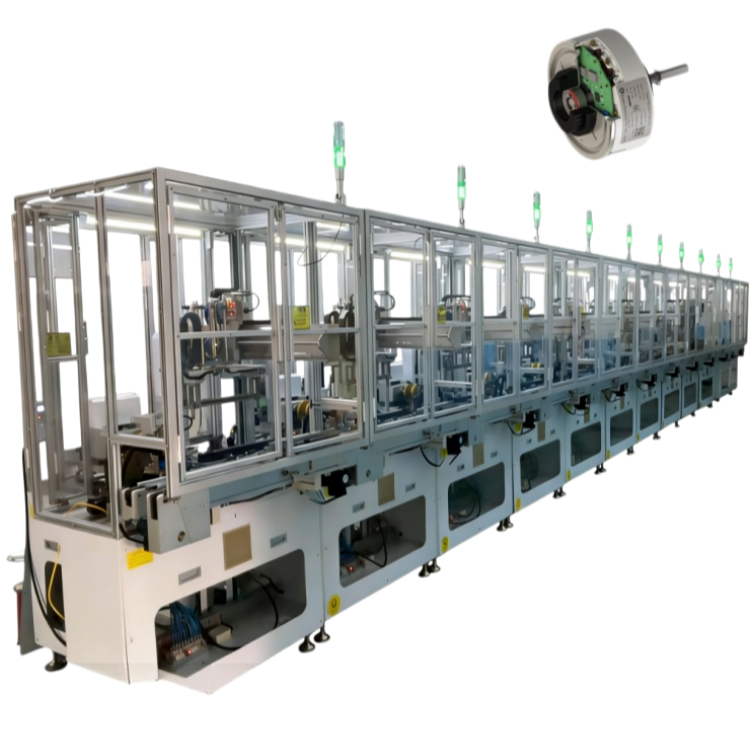
Precision Engineering That Guarantees Perfect Assembly Every Time
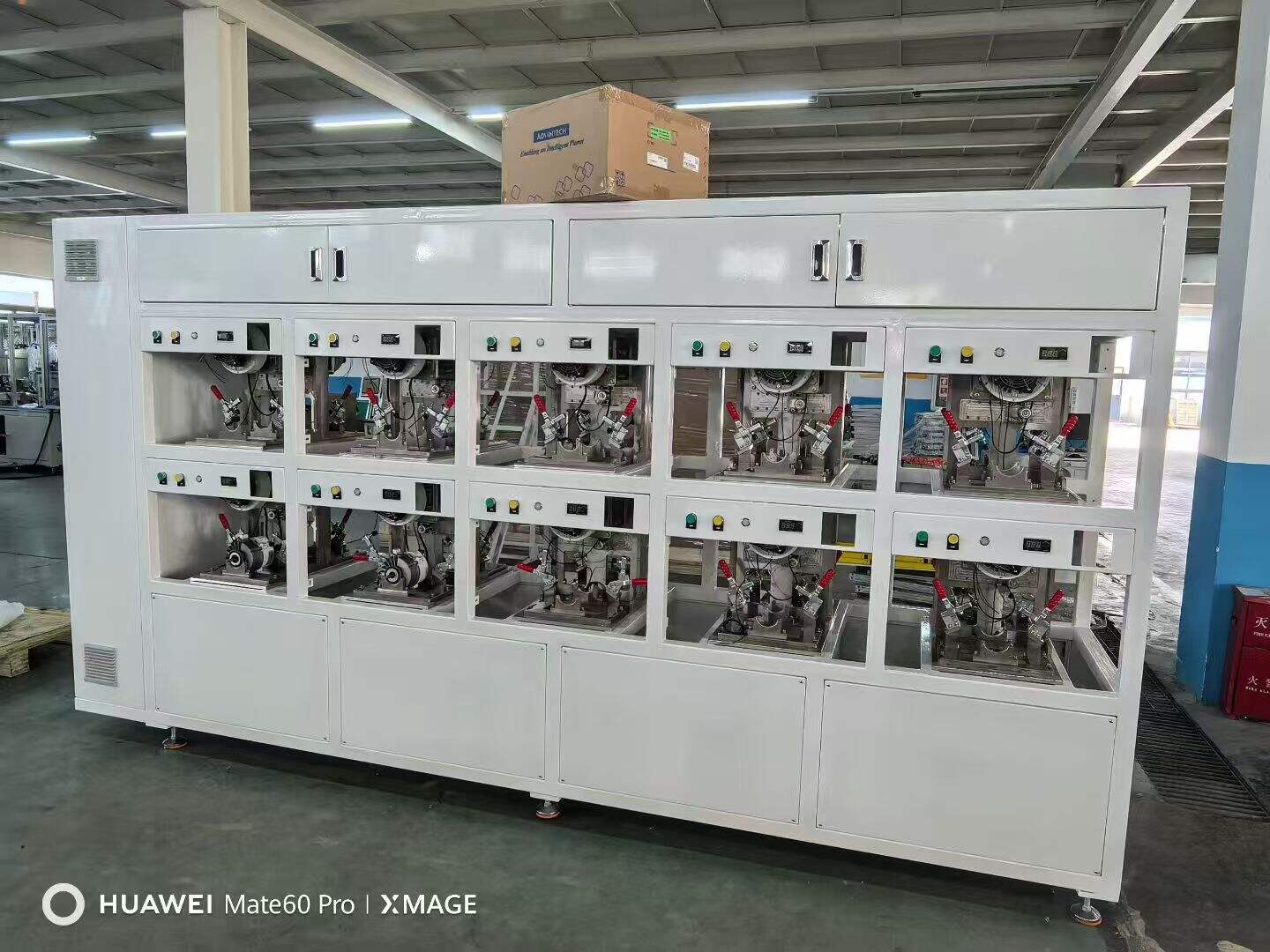
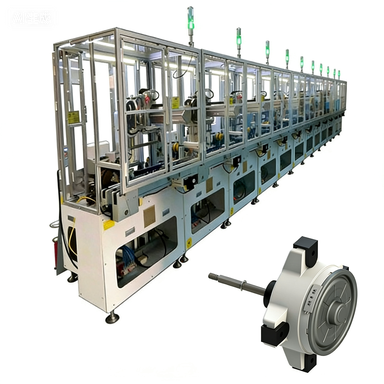
The automatic motor assembly machine stands apart from conventional production equipment through its exceptional precision engineering capabilities that ensure flawless component integration throughout every assembly cycle. At the heart of this precision lies a sophisticated combination of servo motors, linear actuators, and high-resolution encoders that work in perfect synchronization to position components with accuracy measured in hundredths of a millimeter. This level of precision proves critical when assembling modern motors, where even minor misalignments can result in increased vibration, reduced efficiency, or premature bearing failure. The machine employs advanced vision systems equipped with high-speed cameras that capture detailed images of components before, during, and after placement. These vision systems utilize artificial intelligence algorithms to verify correct orientation, detect surface defects, and confirm dimensional accuracy against stored reference models. When the automatic motor assembly machine identifies any deviation from specifications, it immediately removes the affected component and alerts operators, preventing defective units from progressing through production. The precision extends to torque control during fastening operations, with intelligent screwdriving systems that apply exact rotational force to each fastener according to engineering specifications. This controlled fastening prevents both under-tightening, which could allow components to loosen during operation, and over-tightening, which might damage threads or crack housings. Force sensors integrated throughout the assembly stations continuously monitor insertion pressures, ensuring bearings seat properly without excessive force that could cause damage. The machine maintains positional repeatability across millions of cycles, a consistency impossible to achieve through manual assembly methods. Temperature compensation systems account for thermal expansion in components and machine structures, maintaining accuracy even as ambient conditions fluctuate throughout production shifts. Calibration routines run automatically at scheduled intervals, verifying that all positioning systems maintain their specified accuracy levels and initiating corrective adjustments when necessary. This self-monitoring capability ensures the automatic motor assembly machine delivers consistent precision over years of operation. The precision engineering directly translates to superior motor performance in the field, with balanced rotors producing minimal vibration, properly seated bearings extending service life, and correctly aligned components maximizing energy efficiency. Manufacturers who implement this technology report significant reductions in customer returns related to assembly defects, strengthening their market reputation and customer loyalty.
 ×


 EN