Intelligent Quality Control Systems That Eliminate Defects Before They Occur
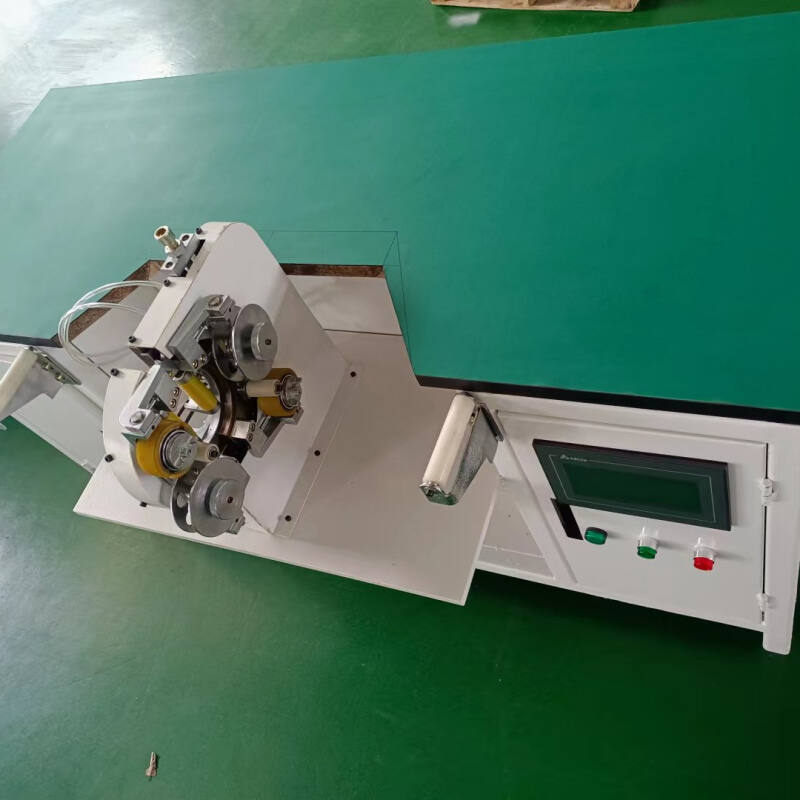
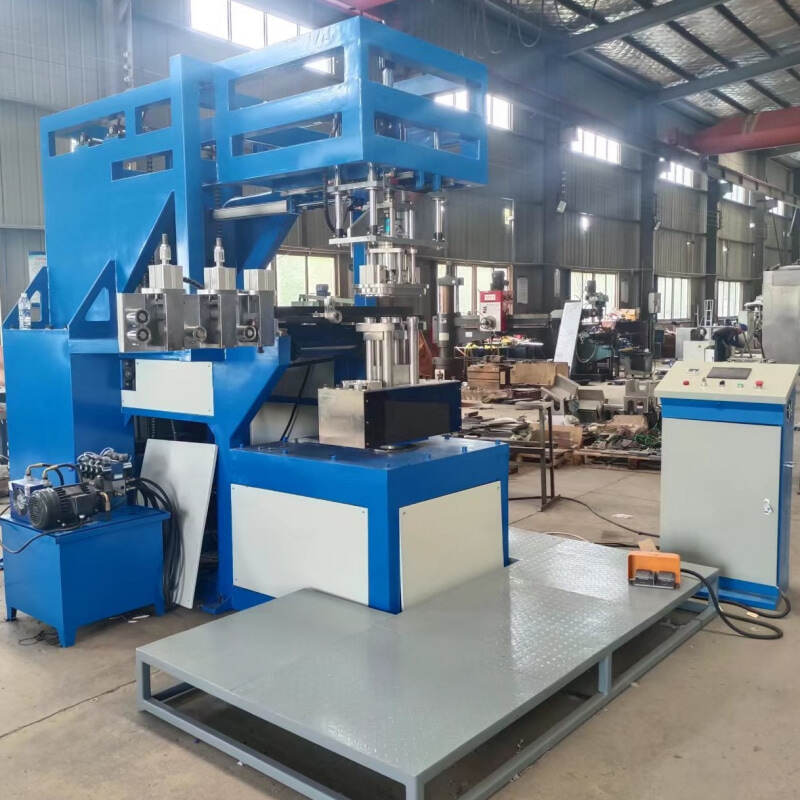
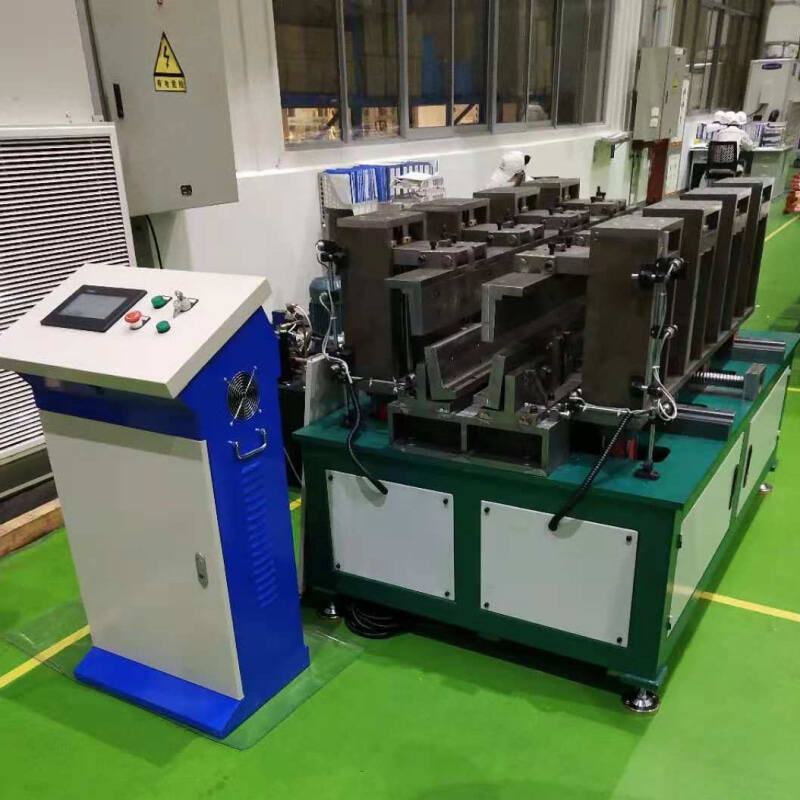
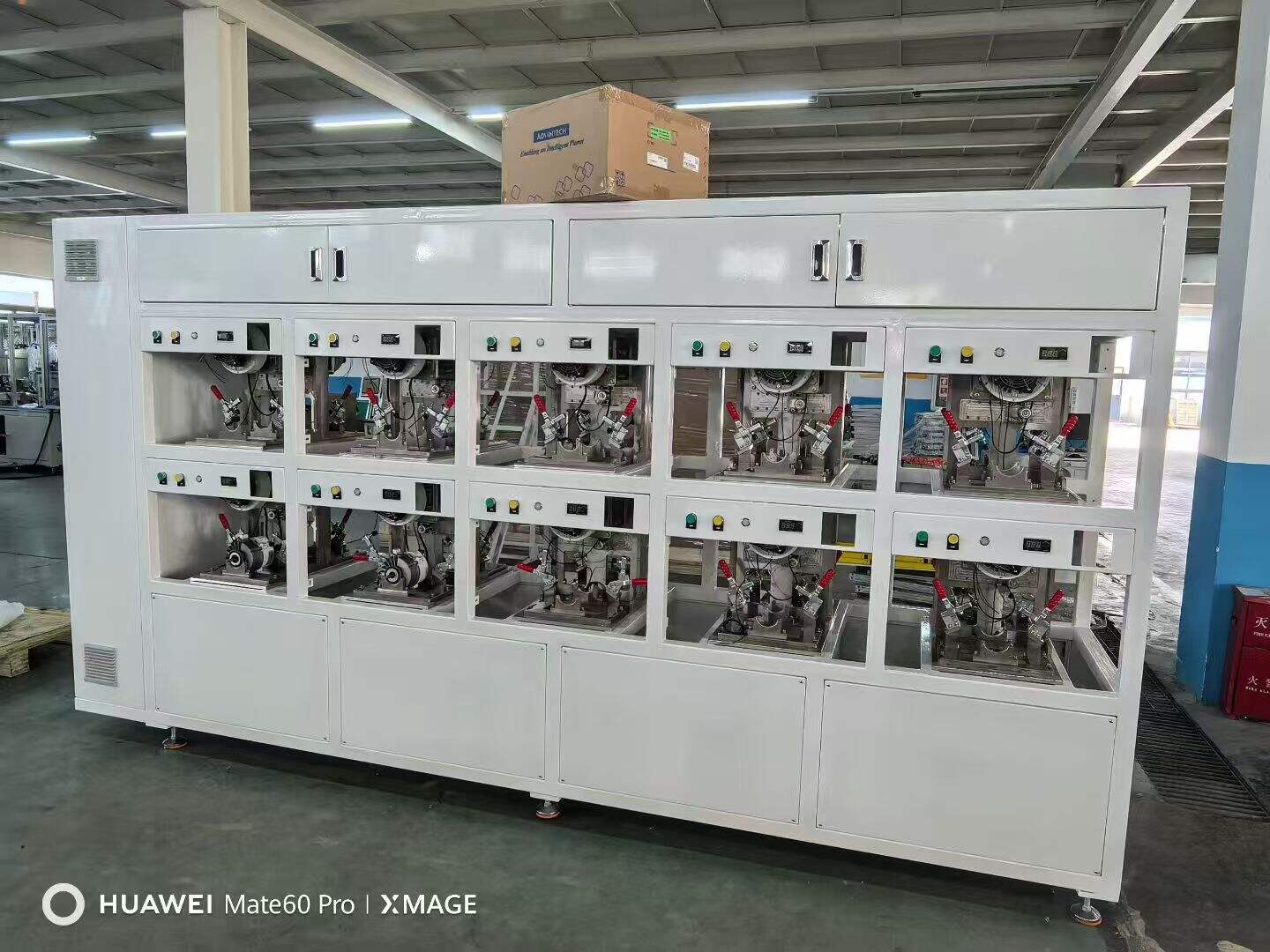
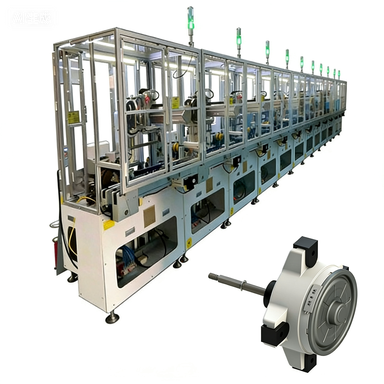
The automatic bldc assembly machine incorporates comprehensive quality control mechanisms throughout every stage of the assembly process, transforming quality assurance from a post-production inspection activity into an integrated, real-time manufacturing function. Unlike traditional assembly methods where defects are discovered only after motors are completely assembled and tested, this intelligent approach identifies and addresses quality issues at the exact moment they occur, preventing defective components from advancing through subsequent assembly stages and avoiding the costly rework associated with discovering problems late in the process. The quality control architecture begins with incoming component verification, where vision systems and sensors inspect stators, rotors, bearings, and other parts immediately upon loading into the machine, checking dimensional accuracy, surface condition, and proper part identification before assembly begins. During assembly, force sensors monitor insertion pressures, torque sensors verify fastener tightness, and position sensors confirm component placement, with the control system comparing these real-time measurements against programmed acceptable ranges and halting operations immediately when parameters fall outside specifications. Electrical testing capabilities integrated into many automatic bldc assembly machine models perform continuity checks on stator windings, insulation resistance measurements, and even preliminary motor performance tests before the unit leaves the assembly station, providing comprehensive verification that assembled motors will function correctly. The machine's data logging capabilities create a complete digital record of every assembly operation performed on each motor, including all sensor readings, vision system results, and test data, establishing full traceability that proves invaluable for quality investigations, warranty analysis, and continuous improvement initiatives. Statistical process control algorithms analyze quality data in real-time, identifying trends that suggest developing problems such as tool wear, component variation, or machine drift, and alerting operators to perform preventive maintenance before defect rates increase. This predictive quality approach minimizes scrap, reduces inspection labor, and protects your company's reputation by ensuring only fully verified, properly assembled motors reach customers, while the comprehensive quality data enables your engineering team to refine designs and processes based on actual production performance rather than assumptions or limited sampling.
 ×


 EN