Comprehensive Quality Control and Testing Protocols
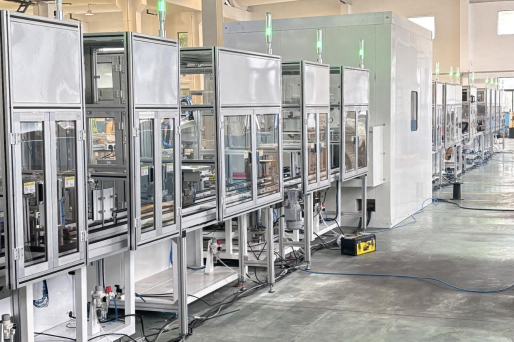
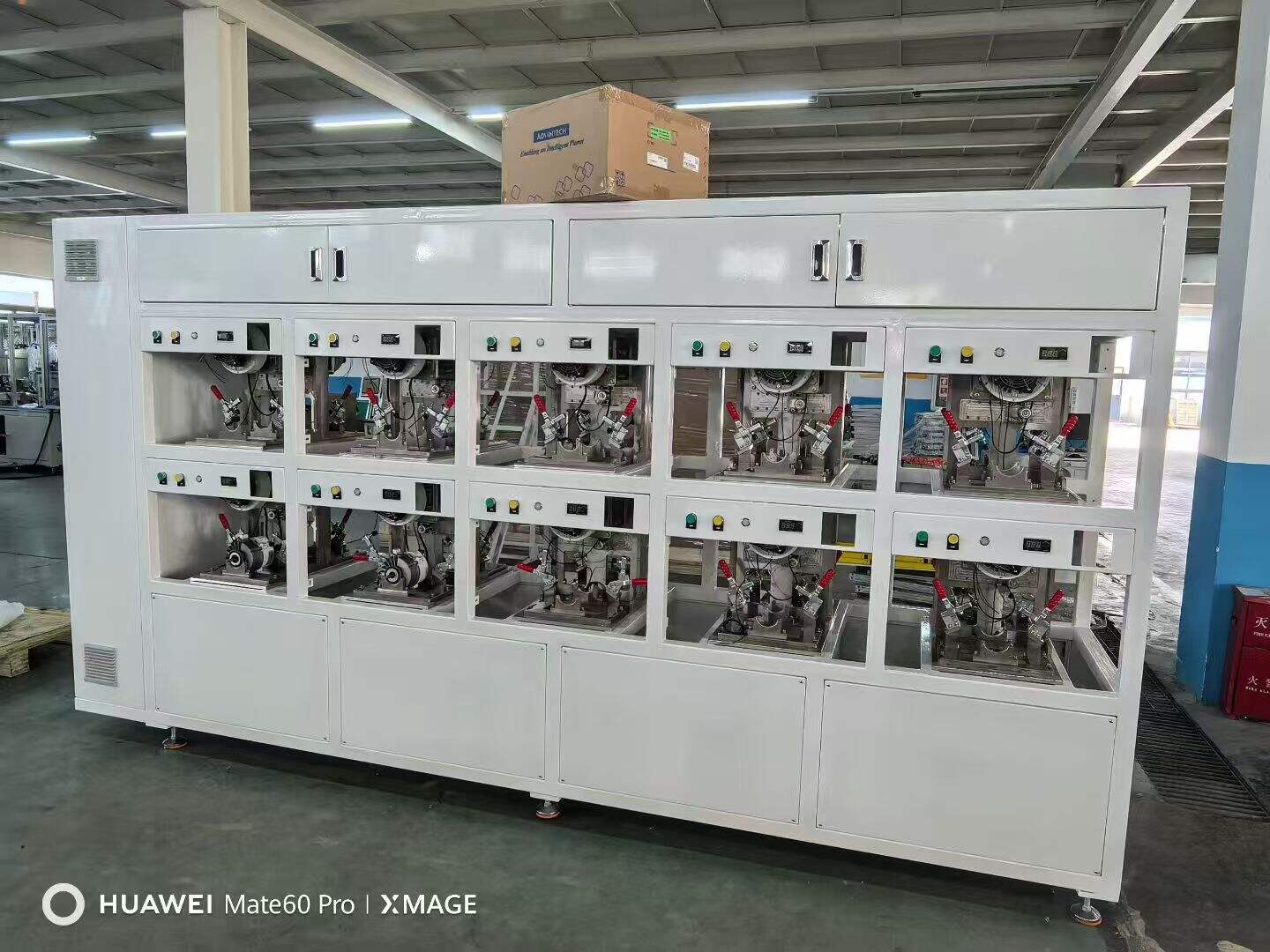
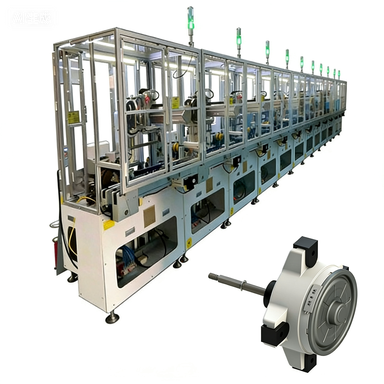
Quality assurance represents a fundamental differentiator for reputable bldc motor assembly manufacturers, who implement rigorous testing protocols at every production stage to ensure consistent performance and reliability. The quality journey begins with incoming material inspection where raw components such as lamination steel, copper wire, magnets, bearings, and electronic parts undergo verification against specifications to prevent defective materials from entering the assembly process. Suppliers are carefully selected based on quality certifications, delivery reliability, and technical capabilities, with ongoing performance monitoring to maintain standards. During the winding process, automated equipment ensures precise coil placement with correct turn counts and uniform tension, while inline inspection systems verify electrical parameters including resistance, inductance, and insulation integrity. After winding, stators undergo thermal curing in controlled ovens to set insulation materials and bond components securely. Rotor assemblies receive careful attention to magnetic orientation and balance, with precision equipment detecting even minor imbalances that could cause vibration or noise during operation. Dynamic balancing procedures ensure smooth rotation at maximum speeds. Once mechanical assembly is complete, each bldc motor assembly manufacturer subjects motors to electrical testing including no-load current measurement, speed-torque characteristic verification, efficiency mapping across operating ranges, and back-EMF waveform analysis to confirm electromagnetic design integrity. Environmental stress screening exposes motors to temperature cycling, humidity exposure, vibration testing, and shock loads that simulate real-world conditions and accelerate identification of potential failure modes. Endurance testing runs selected samples continuously under load for extended periods to validate bearing life, winding insulation durability, and electronic component reliability. Noise and vibration measurements quantify acoustic performance using specialized instrumentation in controlled chambers. All test data is recorded in quality management systems that track individual motor serial numbers, enabling traceability throughout the product lifecycle and facilitating root cause analysis if field issues arise. Final inspection verifies cosmetic quality, connector integrity, mounting dimensions, and documentation completeness before motors receive approval for shipment. This comprehensive quality framework implemented by professional bldc motor assembly manufacturers delivers measurable benefits including lower defect rates, reduced warranty claims, improved customer satisfaction, and enhanced brand reputation, ultimately lowering total cost of ownership for customers who value reliability and performance consistency.
 ×


 EN