Motor Automatic Assembly Machine: Advanced Manufacturing Solutions for Efficient Motor Production

Get a Free Quote

Our representative will contact you soon.
Email
Name
Mobile/WhatsApp
Company Name
Message
0/1000

motor automatic assembly machine

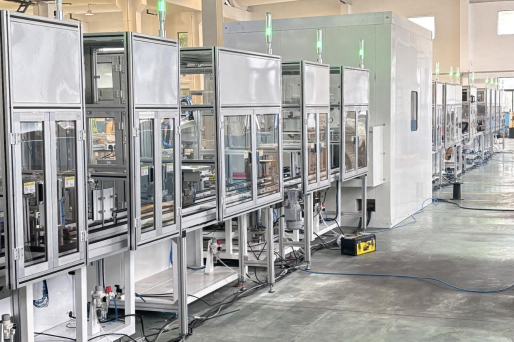
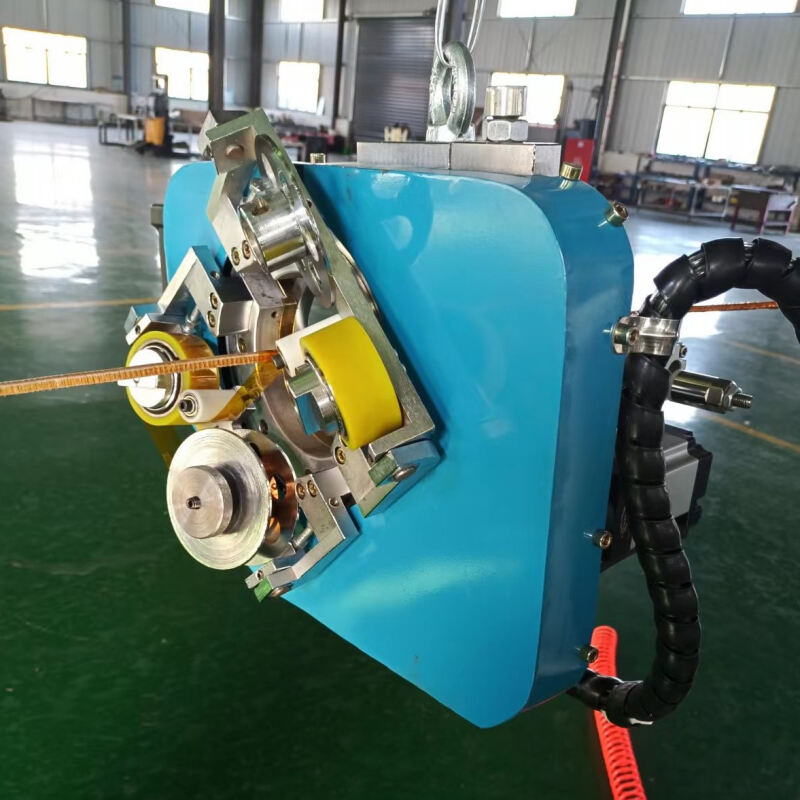
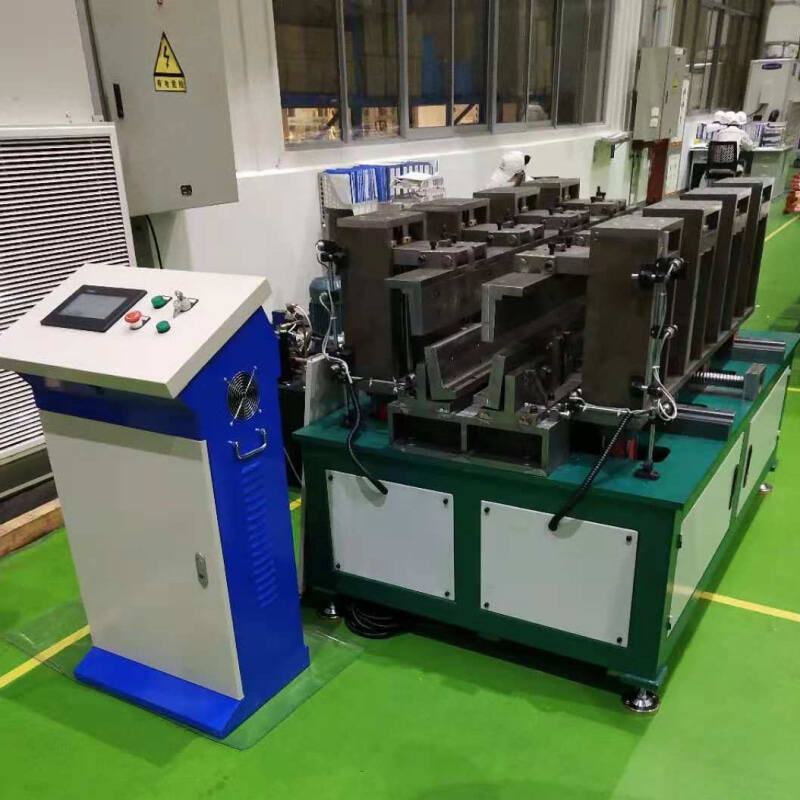
The motor automatic assembly machine represents a revolutionary advancement in modern manufacturing technology, specifically designed to streamline and optimize the production process of electric motors across various industries. This sophisticated equipment integrates cutting-edge automation systems, precision robotics, and intelligent control mechanisms to perform complex assembly tasks with exceptional accuracy and consistency. The primary function of a motor automatic assembly machine encompasses the complete assembly sequence, including component feeding, positioning, insertion, fastening, testing, and quality verification. These machines are engineered to handle diverse motor types, ranging from small brushless DC motors used in consumer electronics to larger industrial motors powering heavy machinery. The technological features incorporated into these systems include advanced vision inspection systems that ensure precise component alignment, programmable logic controllers that manage the entire assembly workflow, servo-driven positioning systems that guarantee micron-level accuracy, and automated material handling systems that minimize human intervention. The machine's modular design allows manufacturers to customize configurations based on specific production requirements, making it adaptable to various motor designs and production volumes. Applications span across automotive manufacturing, where these machines assemble electric vehicle motors, home appliance production facilities that require consistent quality in motor assembly, HVAC systems manufacturing, power tool production, and medical equipment fabrication. The motor automatic assembly machine significantly reduces production cycle times while maintaining stringent quality standards, making it an indispensable asset for manufacturers seeking to enhance their competitive edge in today's fast-paced market environment. By incorporating real-time monitoring capabilities and data analytics, these machines provide valuable insights into production efficiency, enabling continuous improvement and optimization of manufacturing processes.

New Product Recommendations

Investing in a motor automatic assembly machine delivers substantial practical benefits that directly impact your bottom line and operational efficiency. First and foremost, these machines dramatically increase production speed, allowing you to manufacture significantly more units per shift compared to manual assembly methods. What previously took hours can now be accomplished in minutes, enabling you to meet growing market demands and scale your operations without proportionally increasing labor costs. The consistency and precision offered by automated assembly eliminate human error, resulting in fewer defective products and reduced waste of valuable materials. Every motor assembled meets exact specifications, ensuring uniform quality across your entire production run. This reliability translates to fewer customer complaints, reduced warranty claims, and enhanced brand reputation in the marketplace. Labor cost savings represent another compelling advantage, as a single motor automatic assembly machine can perform the work of multiple skilled operators, allowing you to reallocate human resources to higher-value tasks that require creativity and problem-solving abilities. The reduced dependency on manual labor also addresses the growing challenge of finding and retaining skilled assembly workers, providing long-term stability to your production capabilities. Safety improvements cannot be overstated, as automation removes workers from potentially hazardous tasks involving repetitive motions, heavy lifting, and exposure to manufacturing hazards, significantly reducing workplace injuries and associated costs. The machine's ability to operate continuously with minimal supervision means you can run multiple shifts or even lights-out manufacturing operations, maximizing equipment utilization and accelerating return on investment. Flexibility stands as another key benefit, with modern systems designed for quick changeovers between different motor models, allowing you to respond rapidly to market changes and customer requirements without lengthy retooling periods. The data collection capabilities built into these machines provide real-time visibility into production metrics, quality trends, and equipment performance, empowering you to make informed decisions and implement proactive maintenance strategies that prevent costly downtime. Energy efficiency features incorporated into contemporary designs reduce operational costs while supporting your sustainability initiatives, an increasingly important consideration for environmentally conscious customers and regulatory compliance. The compact footprint of many motor automatic assembly machines optimizes floor space utilization, allowing you to increase production capacity within existing facilities without expensive expansions.

Tips And Tricks

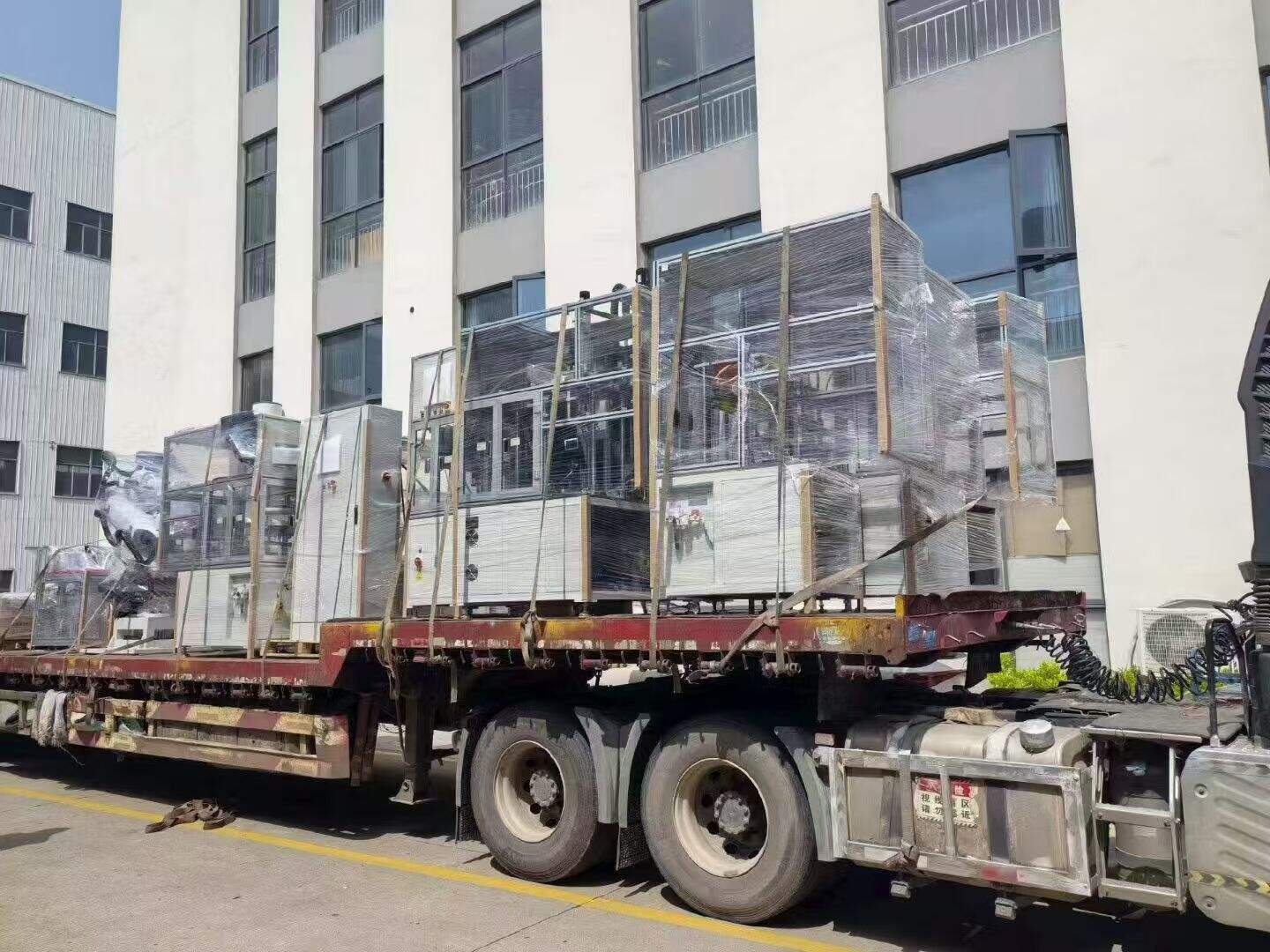
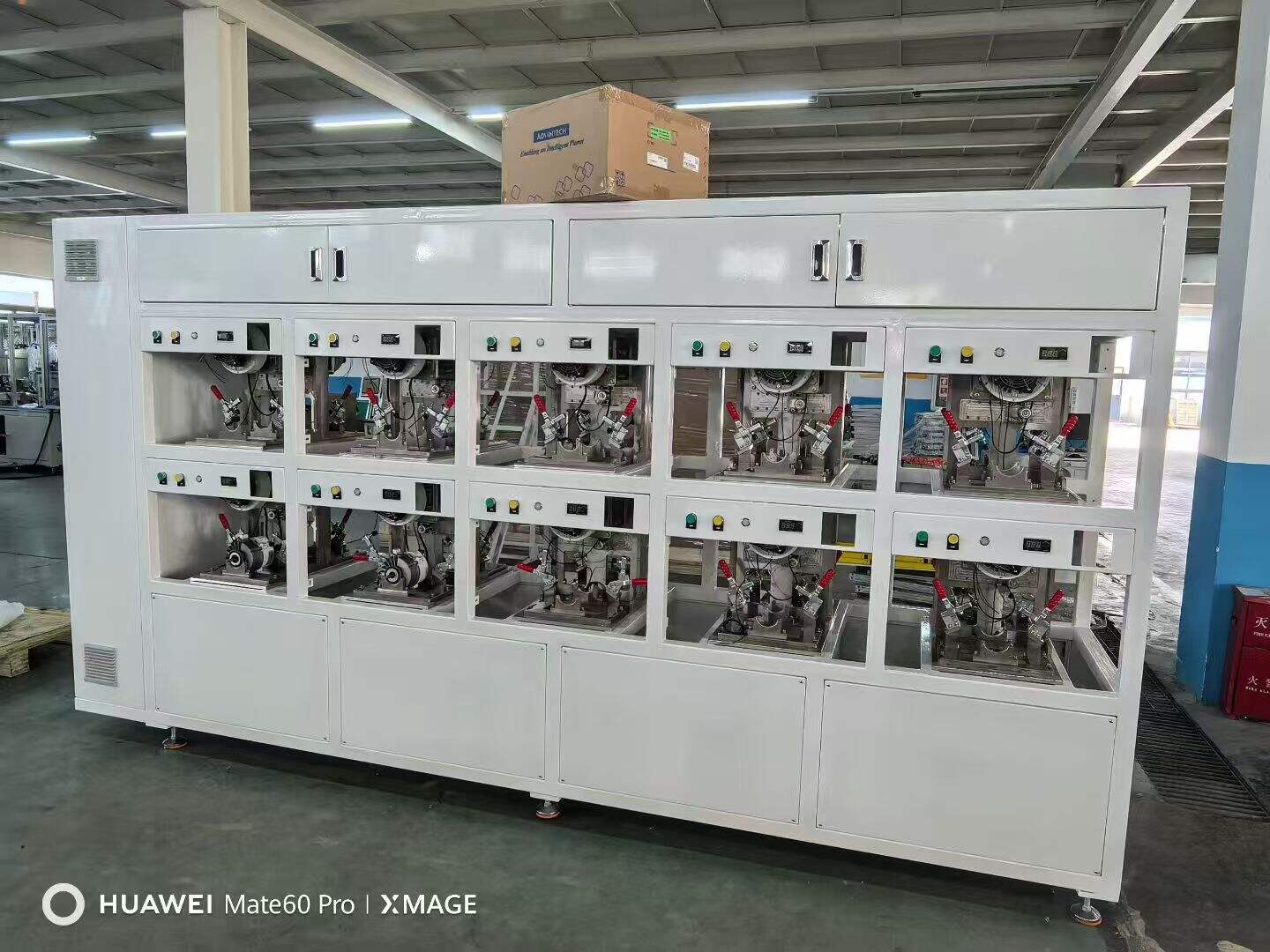
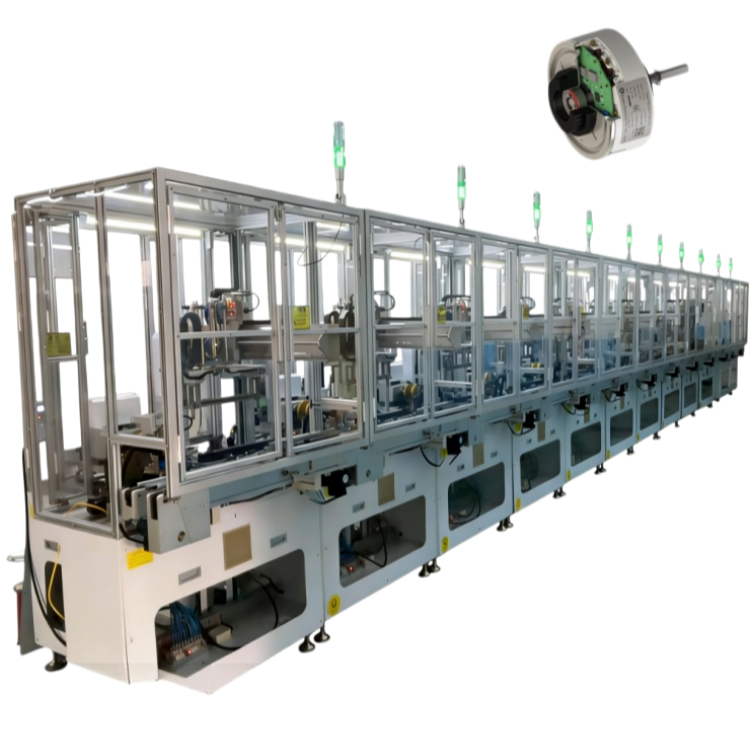
January 15th, 2026 Air Conditioner BLDC Motor Production line Dispatch to India

08

Apr

January 15th, 2026 Air Conditioner BLDC Motor Production line Dispatch to India

View More
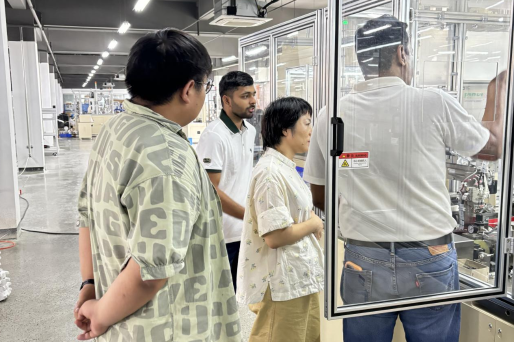
August 30th, 2025, 45W Air conditioner ODU BLDC motor Assembly line Inspection From India customer

08

Apr

August 30th, 2025, 45W Air conditioner ODU BLDC motor Assembly line Inspection From India customer

View More
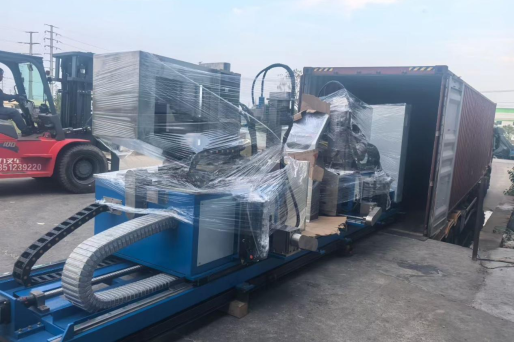
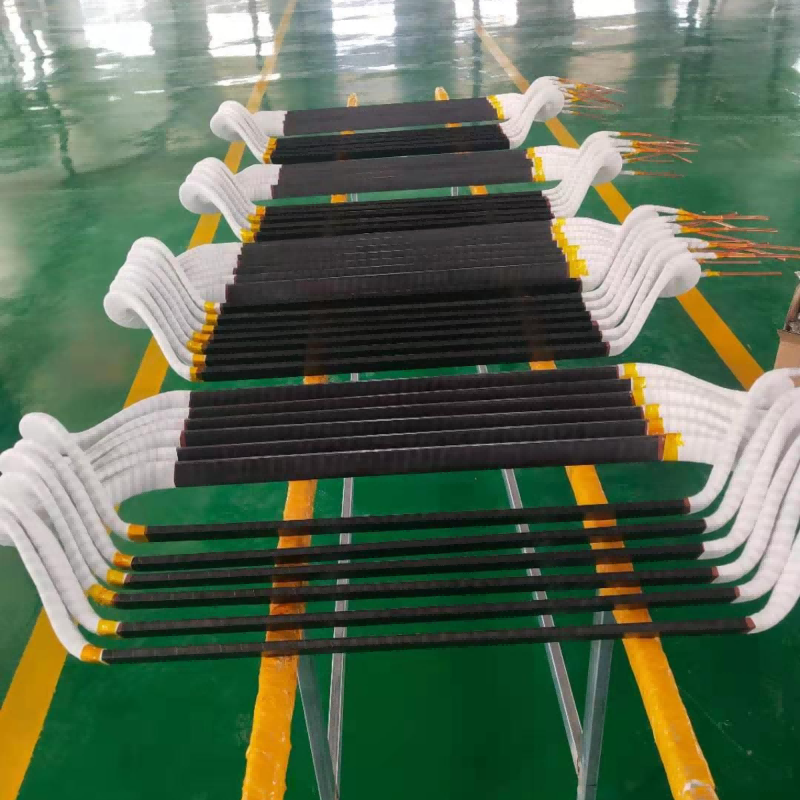
January 5th , 2026 CNC Coil Forming Machine For High Voltage Motors dispatched to UZ (Uzbekistan)

07

Apr

January 5th , 2026 CNC Coil Forming Machine For High Voltage Motors dispatched to UZ (Uzbekistan)

View More

Get a Free Quote

Our representative will contact you soon.
Email
Name
Mobile/WhatsApp
Company Name
Message
0/1000

motor automatic assembly machine

Unmatched Precision and Quality Control Integration

Unmatched Precision and Quality Control Integration

The motor automatic assembly machine excels in delivering exceptional precision that surpasses human capabilities, fundamentally transforming quality standards in motor manufacturing. This remarkable precision stems from the integration of advanced servo motor systems that control every movement with micron-level accuracy, ensuring each component is positioned exactly where it needs to be during the assembly process. The machine employs sophisticated vision inspection technology that captures high-resolution images of components before, during, and after assembly, comparing them against pre-programmed specifications to detect even the slightest deviations. This real-time quality verification system immediately identifies any anomalies, preventing defective products from advancing through the production line and eliminating the costly discovery of quality issues at later stages. The consistency achieved by automated assembly means that the first motor produced in a batch is virtually identical to the thousandth, removing the variability inherent in manual assembly where fatigue, distraction, or skill differences between workers can affect output quality. Force monitoring sensors integrated throughout the assembly process ensure that fasteners are tightened to precise torque specifications, critical for motor performance and longevity, while pressure sensors verify proper component seating without causing damage. The machine's quality control capabilities extend beyond mechanical assembly to include electrical testing stations that verify winding resistance, insulation integrity, and motor functionality before units leave the production line. This comprehensive approach to quality assurance dramatically reduces defect rates, typically achieving levels below point-five percent compared to several percentage points common in manual assembly operations. For manufacturers, this translates to significant cost savings through reduced scrap, fewer warranty claims, and enhanced customer satisfaction that builds brand loyalty and market reputation. The traceability features built into modern motor automatic assembly machines create detailed records of every assembly step, including component lot numbers, assembly parameters, and test results, providing complete documentation for quality audits and enabling rapid root cause analysis if issues arise. This level of quality control integration proves invaluable in industries with stringent regulatory requirements, such as automotive or medical device manufacturing, where documentation and consistent quality are non-negotiable requirements for market access.
Revolutionary Production Efficiency and Throughput Optimization

Revolutionary Production Efficiency and Throughput Optimization

The production efficiency gains delivered by a motor automatic assembly machine fundamentally reshape manufacturing economics and competitive positioning in the marketplace. These machines operate at speeds that dramatically exceed manual assembly capabilities, completing complex assembly sequences in fractions of the time required by human workers while maintaining unwavering consistency throughout extended production runs. The efficiency advantage begins with automated component feeding systems that continuously supply parts to assembly stations, eliminating the time workers would spend retrieving, orienting, and positioning components. Multi-station configurations allow simultaneous operations on different motors as they progress through the assembly sequence, creating a continuous flow that maximizes equipment utilization and minimizes idle time. The machine's programmable nature enables rapid changeovers between different motor models, often accomplished in minutes rather than the hours required for manual line reconfiguration, allowing manufacturers to efficiently produce smaller batches of varied products to meet diverse customer needs without sacrificing overall productivity. This flexibility proves particularly valuable in today's market environment where customization and quick response to demand fluctuations provide competitive advantages. The motor automatic assembly machine operates with remarkable reliability, maintaining consistent cycle times and minimizing unplanned downtime through predictive maintenance capabilities that monitor component wear and system performance, alerting operators to potential issues before they cause production interruptions. The elimination of human fatigue factors means production rates remain constant throughout shifts, avoiding the productivity decline typically observed in manual operations as workers tire during extended work periods. Integration with upstream and downstream manufacturing processes creates seamless material flow, with automated conveyance systems moving motors between assembly, testing, and packaging operations without manual handling delays. The data-driven optimization capabilities inherent in modern systems continuously analyze production metrics, identifying bottlenecks and inefficiencies that can be addressed through parameter adjustments or process modifications, enabling continuous improvement that compounds efficiency gains over time. For manufacturers facing increasing pressure to reduce costs while meeting growing demand, the throughput optimization provided by motor automatic assembly machines offers a sustainable path to enhanced profitability, allowing them to capture greater market share without proportional increases in capital investment or operational expenses.
Comprehensive Cost Reduction and ROI Acceleration

Comprehensive Cost Reduction and ROI Acceleration

The financial benefits of implementing a motor automatic assembly machine extend far beyond simple labor cost reduction, creating multiple streams of cost savings that accelerate return on investment and improve long-term profitability. While the reduction in direct labor costs represents an obvious advantage, with a single machine potentially replacing multiple assembly workers, the less visible cost savings often prove even more substantial and impactful to the overall financial picture. Material waste reduction emerges as a significant cost benefit, as the precision and consistency of automated assembly minimize errors that result in scrapped components or completed motors requiring rework. The machine's ability to handle delicate components without damage reduces breakage and material losses common in manual handling, while precise application of consumables like adhesives, lubricants, and sealants eliminates the overuse that inflates material costs in manual operations. Quality-related cost savings multiply throughout the value chain, beginning with reduced inspection requirements as consistent automated processes require less intensive quality checking compared to variable manual work, freeing quality personnel for more valuable analysis activities. The dramatic reduction in defect rates translates directly to fewer warranty claims, reduced field service costs, and avoided expenses associated with product recalls or customer dissatisfaction. Energy efficiency built into modern motor automatic assembly machines reduces utility costs compared to operating large manual assembly areas requiring extensive lighting, climate control, and material handling equipment. The compact footprint optimization allows manufacturers to increase production capacity within existing facilities, avoiding the substantial capital expenditure and ongoing costs associated with building expansions or new facilities. Reduced training costs represent another financial advantage, as the machine requires fewer operators who need less extensive training compared to skilled assembly workers, while also eliminating the recurring costs of training replacement workers in high-turnover manual assembly positions. The improved workplace safety resulting from automation reduces costs associated with workplace injuries, including direct medical expenses, workers compensation insurance premiums, lost productivity, and potential regulatory fines. The machine's data collection capabilities enable more accurate production planning and inventory management, reducing carrying costs for excess inventory while preventing costly production delays due to material shortages. The ability to operate extended hours or unmanned shifts without overtime premiums or shift differential payments further enhances cost efficiency, allowing manufacturers to spread fixed costs across greater production volumes and improve overall equipment effectiveness ratios that drive profitability metrics.

Get a Free Quote

Our representative will contact you soon.
Email
Name
Mobile/WhatsApp
Company Name
Message
0/1000