automatic stator notching press
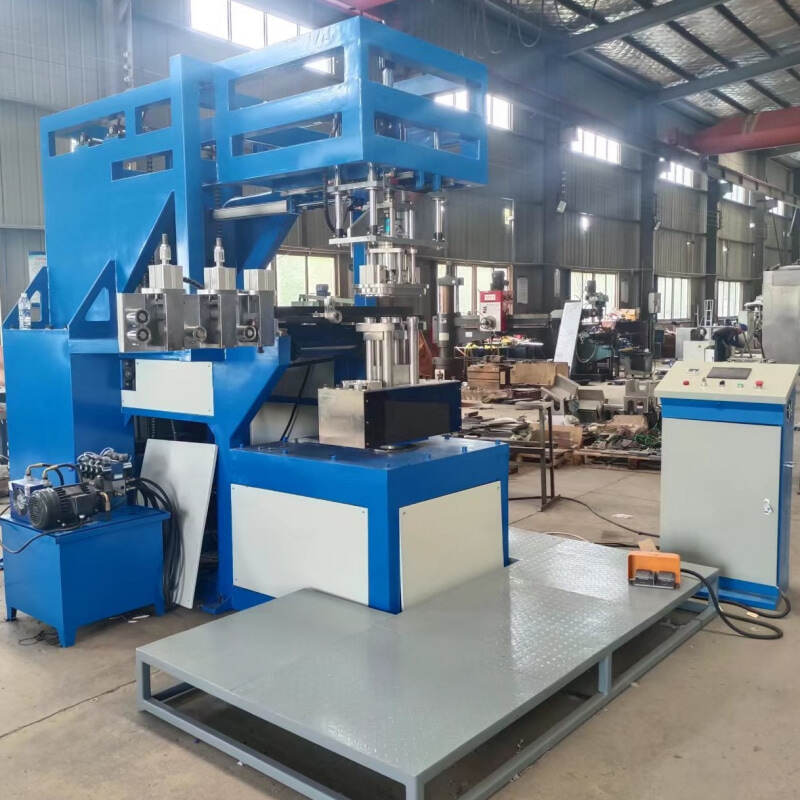
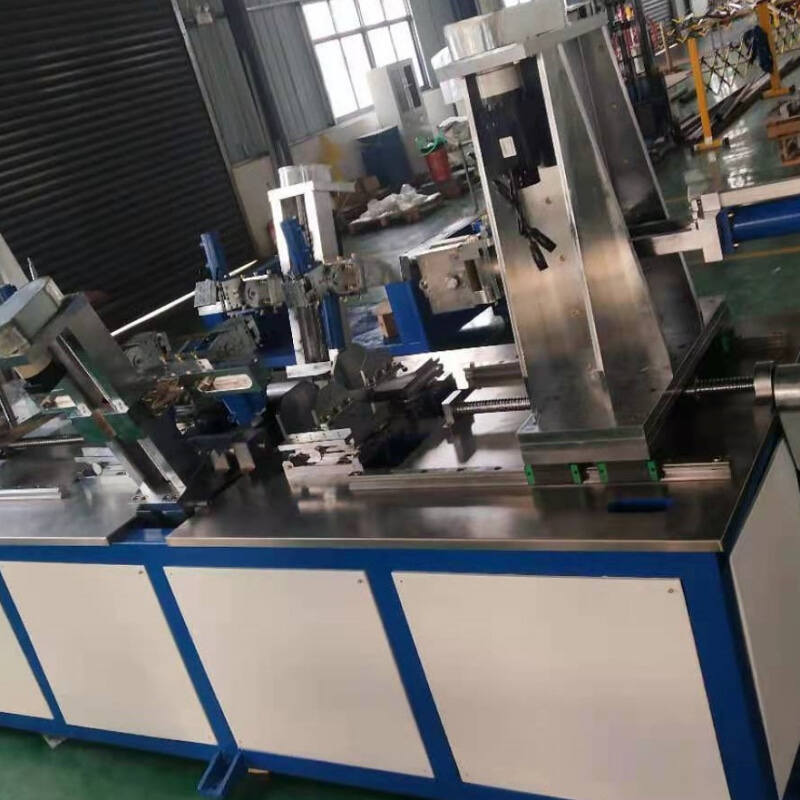
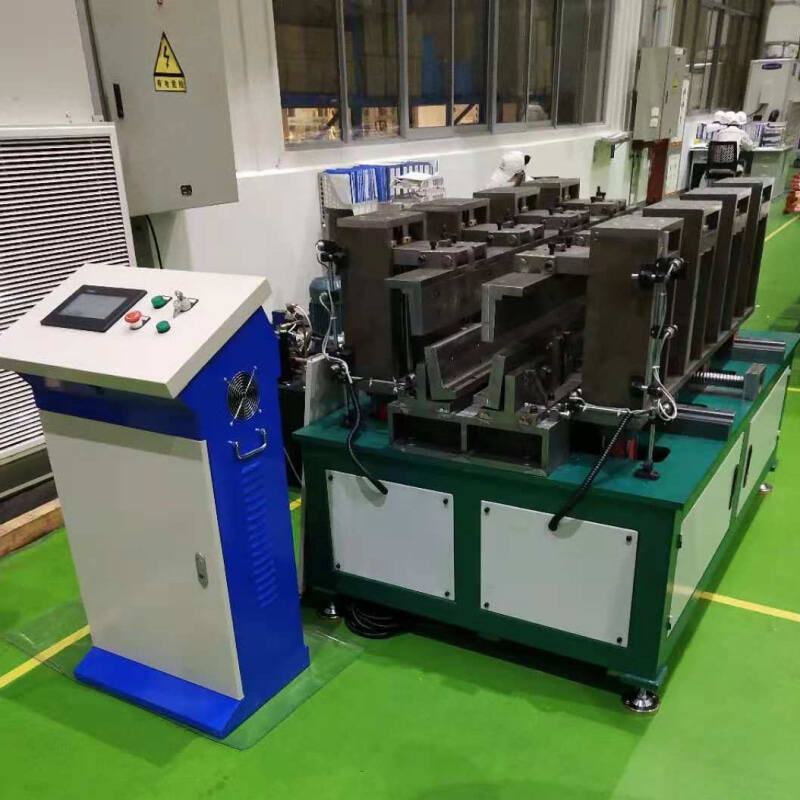
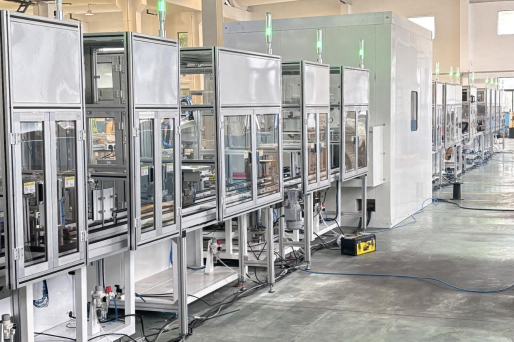
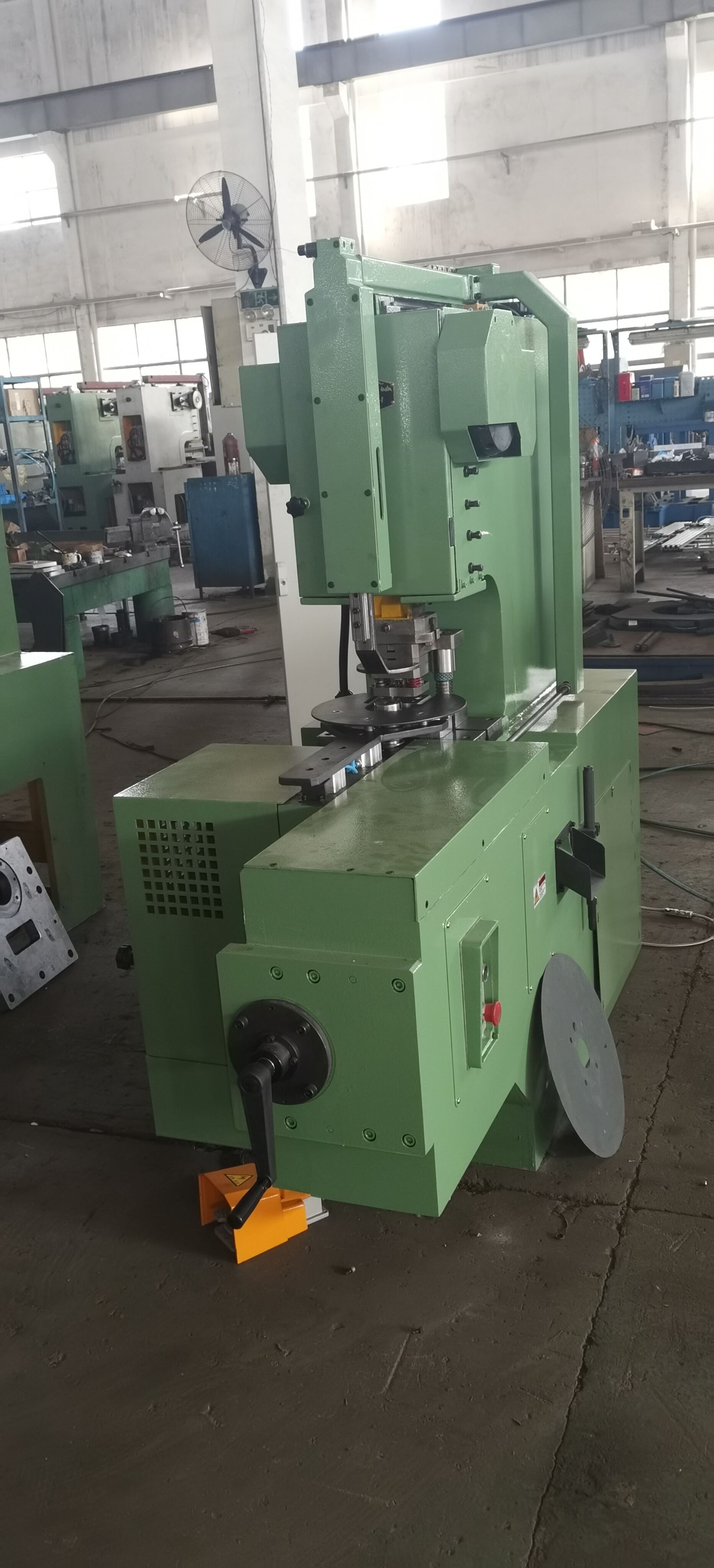
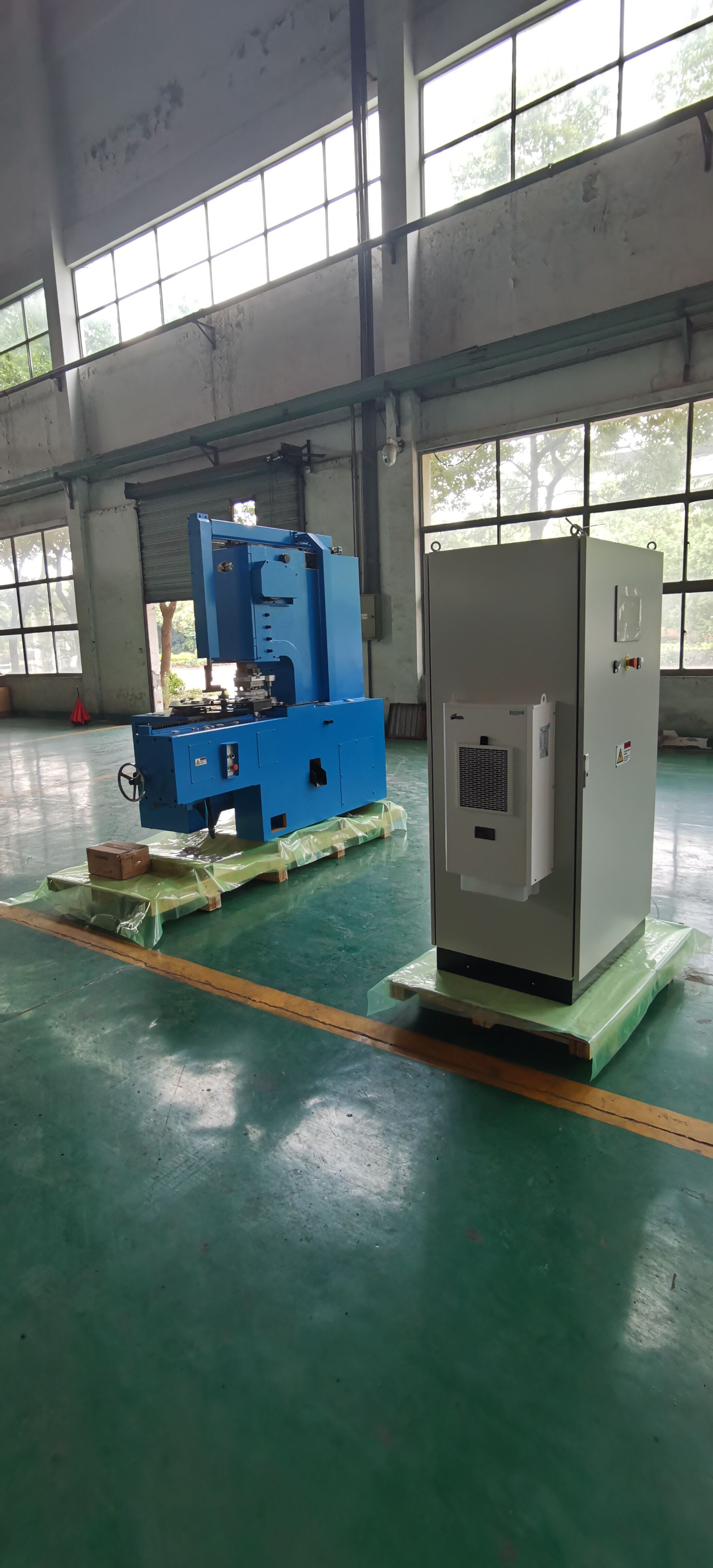
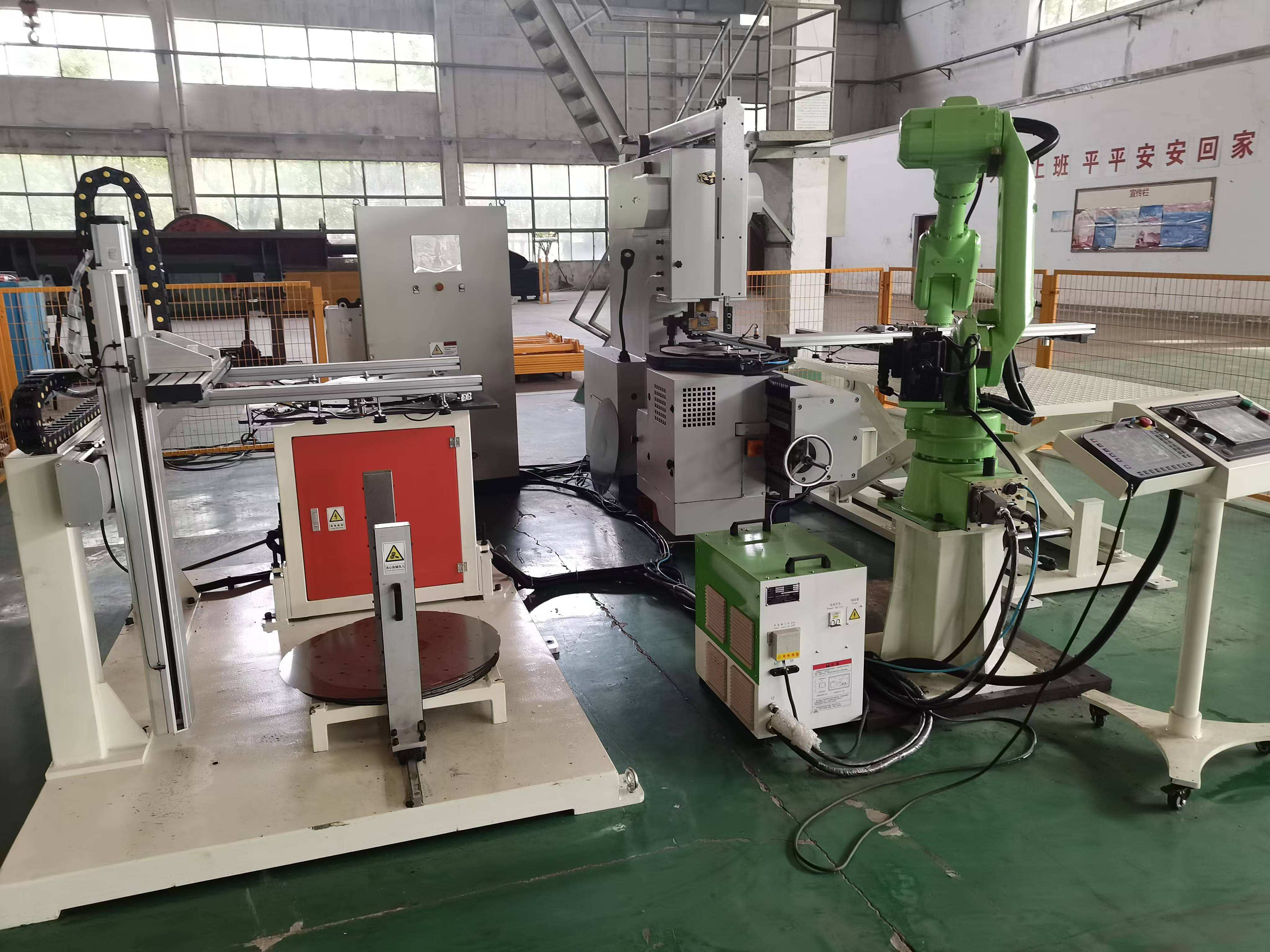
The automatic stator notching press represents a sophisticated manufacturing solution designed specifically for producing precise notches in electrical motor stators. This advanced machinery plays a crucial role in the electric motor manufacturing industry, where accuracy and efficiency determine the quality of the final product. The equipment operates by creating uniform slots or notches along the inner circumference of stator cores, which later accommodate copper windings essential for electromagnetic functionality. Modern automatic stator notching press systems integrate computerized controls, hydraulic power systems, and precision tooling to deliver consistent results across high-volume production runs. The primary functions of this equipment include automated feeding mechanisms that position stator laminations accurately, programmable notching patterns that accommodate various motor designs, and quality monitoring systems that ensure dimensional accuracy throughout the production cycle. Technological features encompass servo-driven positioning systems for micron-level precision, rapid tool-change capabilities that minimize downtime between different production batches, and intelligent software interfaces that allow operators to program complex notching sequences with ease. The machine utilizes hardened steel punches and dies engineered to withstand millions of cycles while maintaining sharp cutting edges, ensuring clean notches without burrs or deformation. Safety features include light curtains, emergency stop mechanisms, and enclosed working areas that protect operators from moving components. Applications span across multiple industries, with primary usage in electric vehicle motor production, industrial motor manufacturing, household appliance motor fabrication, and renewable energy generator construction. The equipment accommodates various stator sizes, from small motors used in power tools to large industrial motors employed in heavy machinery. Production capacity varies depending on model specifications, with modern systems capable of processing hundreds of stators per hour while maintaining strict tolerance requirements demanded by modern electrical engineering standards.
 ×


 EN