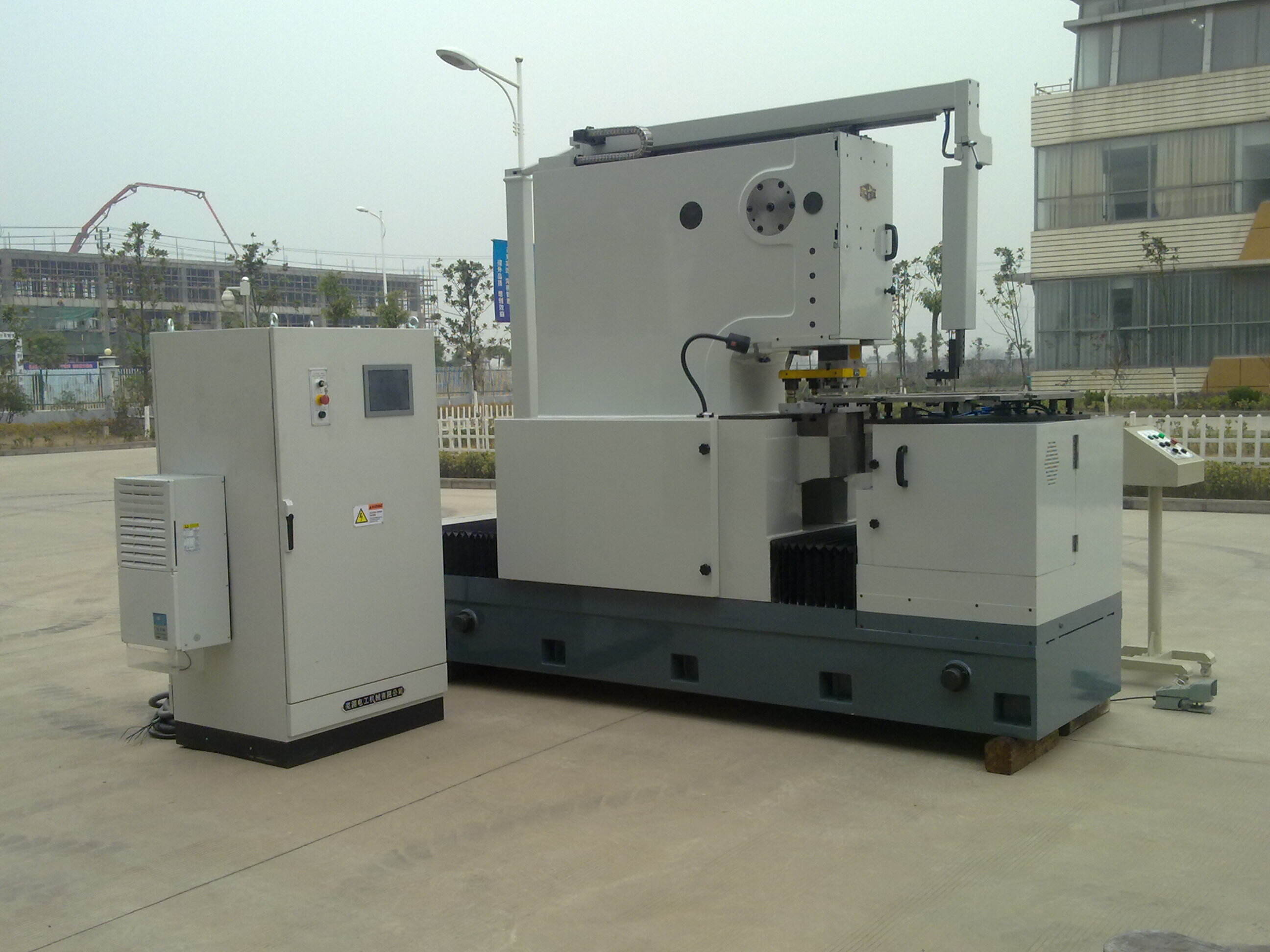
stator lamination notching press
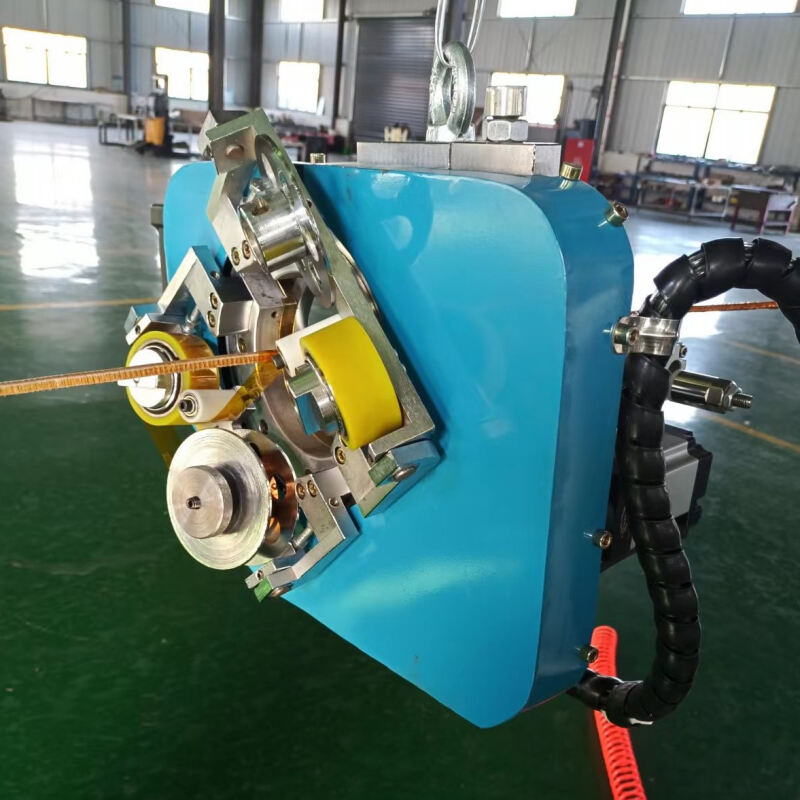
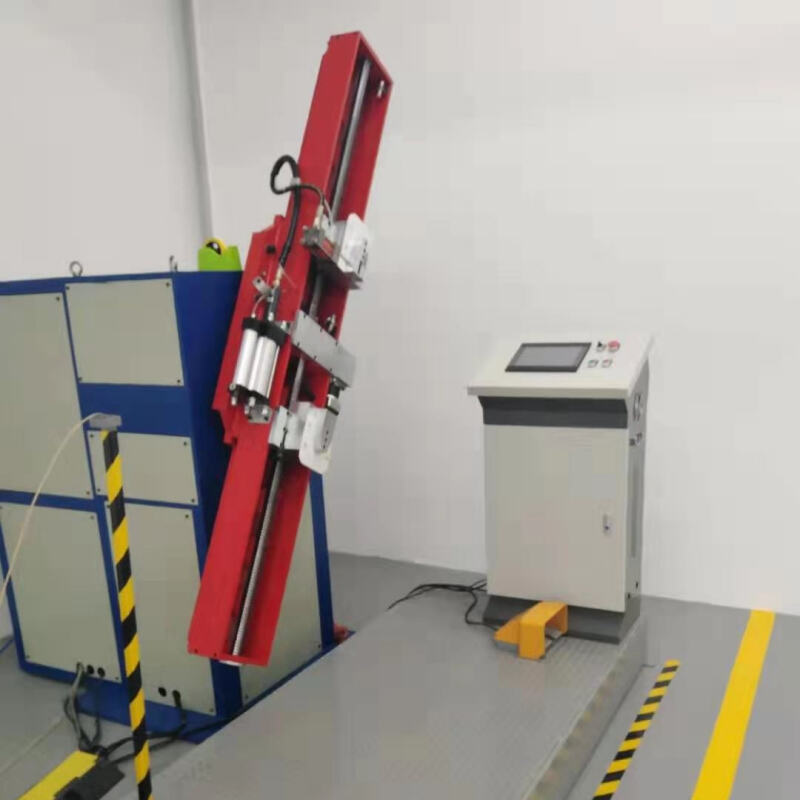
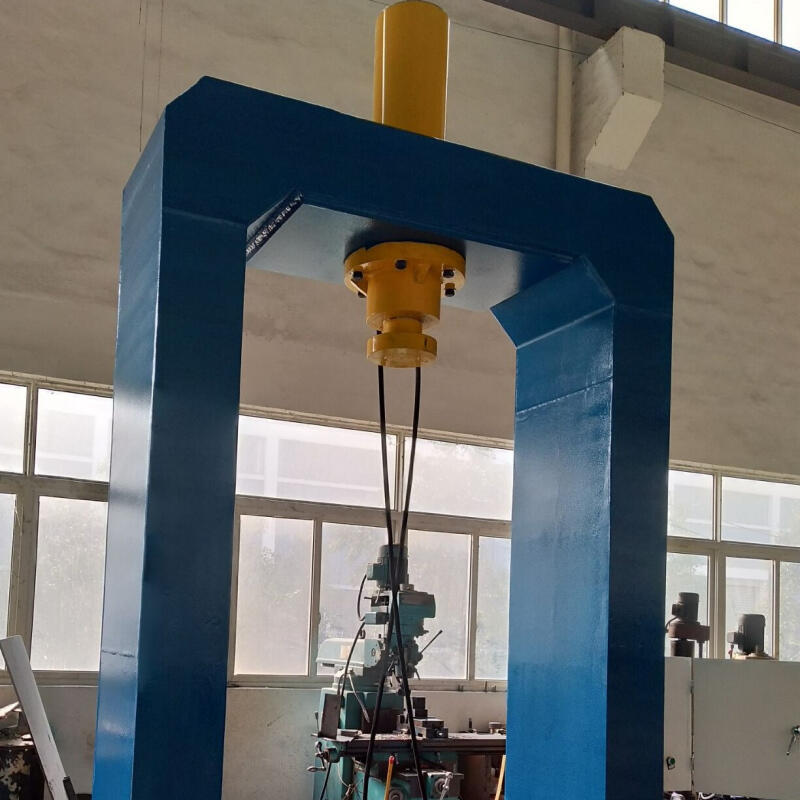
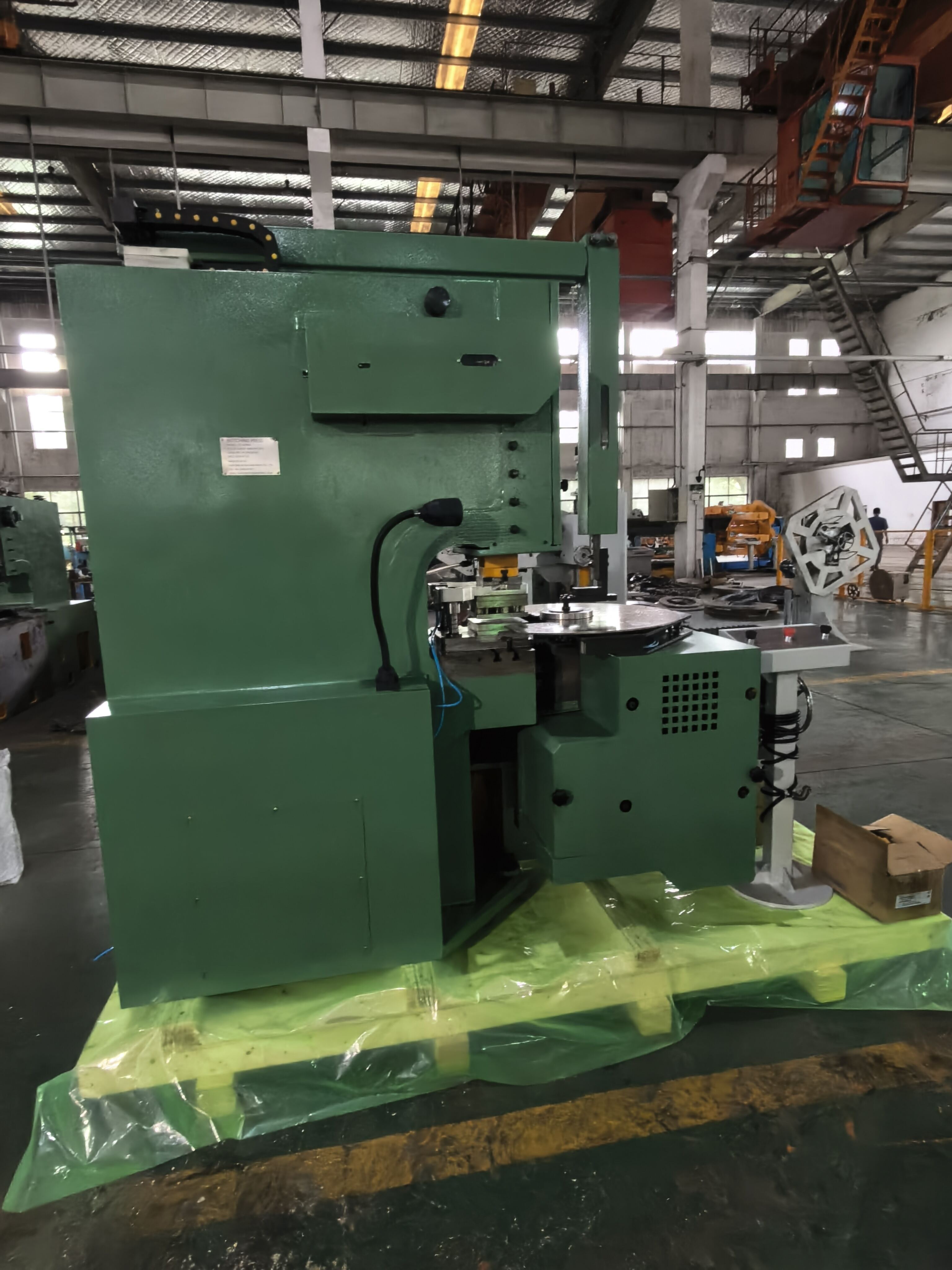
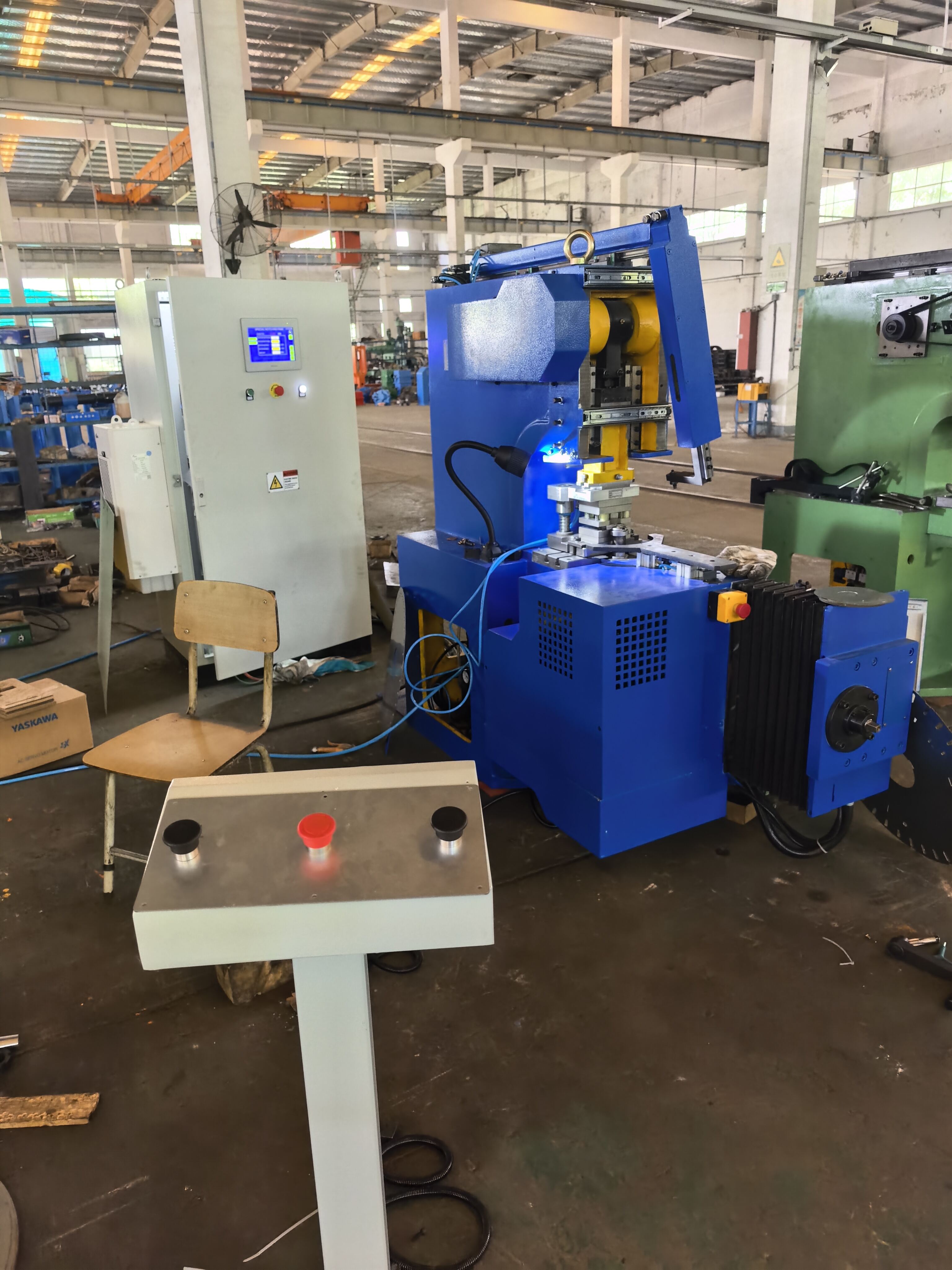
The stator lamination notching press represents a specialized manufacturing solution designed to create precise notches and slots in electrical steel laminations used for motor and transformer stators. This advanced machinery combines hydraulic or mechanical pressing technology with precision tooling systems to deliver accurate, repeatable results in high-volume production environments. The primary function of a stator lamination notching press involves cutting specific geometric patterns into thin electrical steel sheets, creating the characteristic slots that will eventually house copper windings in electric motors. These presses operate through a coordinated system of dies, punches, and positioning mechanisms that work together to achieve tolerances measured in hundredths of a millimeter. The technological features incorporated into modern stator lamination notching press equipment include programmable logic controllers for automated operation sequences, servo-driven feeding systems for material handling, and quick-change tooling platforms that minimize downtime during product transitions. Advanced models integrate real-time monitoring sensors that track pressing force, material alignment, and dimensional accuracy throughout the production cycle. The applications for stator lamination notching press machines span across multiple industries, with primary usage in electric motor manufacturing for automotive applications, industrial machinery, household appliances, and renewable energy systems. These machines process various grades of electrical steel, from standard silicon steel to advanced amorphous alloys, accommodating material thicknesses ranging from 0.35mm to 1.0mm depending on the specific motor design requirements. The versatility of stator lamination notching press technology allows manufacturers to produce laminations for motors ranging from small fractional horsepower units to large industrial drives exceeding hundreds of kilowatts. The precision capabilities enable production of complex slot geometries including parallel slots, skewed configurations, and specialized shapes required for optimized electromagnetic performance in modern motor designs.
 ×


 EN