Automatic Transformer Winding Machine Price Guide: Features, Benefits and Investment Value

Get a Free Quote

Our representative will contact you soon.
Email
Name
Mobile/WhatsApp
Company Name
Message
0/1000

automatic transformer winding machine price

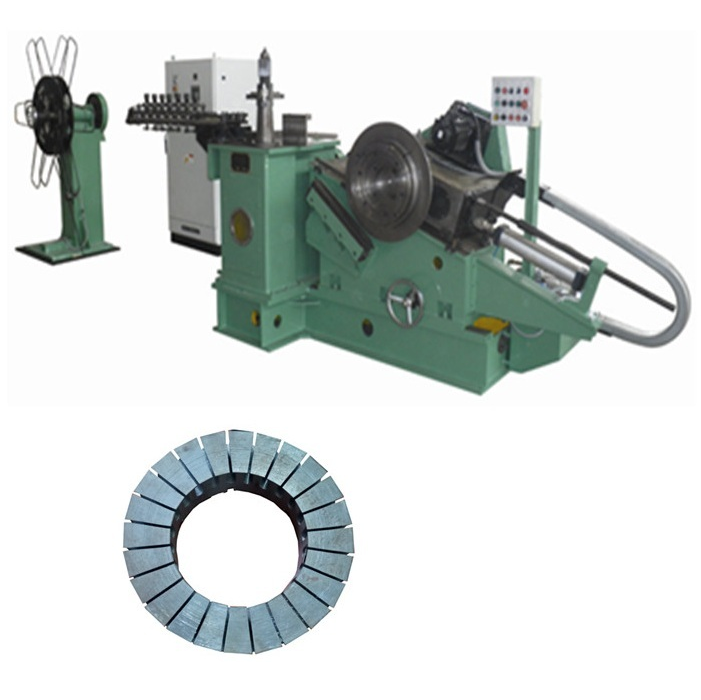
Understanding the automatic transformer winding machine price requires a comprehensive examination of what these sophisticated devices offer to manufacturers in the electrical engineering sector. An automatic transformer winding machine represents a significant investment for companies producing transformers, inductors, and coils used in power distribution systems, electronic devices, and industrial equipment. The pricing structure for these machines varies considerably based on multiple factors including production capacity, automation level, precision requirements, and integrated technology features. Generally, the automatic transformer winding machine price ranges from moderate investments for basic semi-automatic models to substantial capital expenditures for fully automated systems with advanced computer numerical control capabilities. These machines perform essential functions such as precise wire winding onto transformer cores, tension control during the winding process, layer insulation application, and automated wire cutting and positioning. The technological features incorporated into modern automatic winding machines include programmable logic controllers, touchscreen human-machine interfaces, servo motor drive systems for accurate positioning, automatic wire feeding mechanisms, and computerized pattern recognition for complex winding configurations. Advanced models integrate quality monitoring systems that detect winding defects in real-time, ensuring consistent production standards. The applications of automatic transformer winding machines span diverse industries including power generation and distribution, renewable energy systems, automotive electronics, telecommunications infrastructure, industrial automation equipment, and consumer electronics manufacturing. Companies producing distribution transformers, power transformers, instrument transformers, and specialty transformers rely heavily on these machines to maintain competitive production efficiency. When evaluating the automatic transformer winding machine price, manufacturers must consider not only the initial purchase cost but also the long-term return on investment through increased productivity, reduced labor costs, improved product quality, and decreased material waste. The machine's capability to handle various wire gauges, accommodate different core sizes, and adapt to multiple winding patterns significantly influences its market value and justifies the investment for serious manufacturers.

Popular Products

Investing in an automatic transformer winding machine brings substantial practical benefits that directly impact your manufacturing operations and bottom line. The automatic transformer winding machine price reflects the value of dramatically increased production speed compared to manual or semi-automatic methods, allowing your facility to complete more units per shift and meet demanding delivery schedules without expanding your workforce. Your operators will appreciate how these machines eliminate repetitive manual tasks that cause fatigue and physical strain, creating a safer and more comfortable working environment while simultaneously boosting morale and reducing workplace injury claims. The precision offered by automated systems ensures every transformer meets exact specifications consistently, which means fewer rejected units, less rework, and stronger customer satisfaction with your products. You will notice immediate improvements in material utilization since the machine calculates optimal wire usage and maintains perfect tension throughout the winding process, cutting down on waste that eats into your profit margins. The automatic transformer winding machine price includes sophisticated programming capabilities that let you store multiple winding patterns, enabling quick changeovers between different product types without lengthy manual adjustments or specialized technical knowledge. Your quality control team will find their jobs easier because these machines produce uniform results that reduce variation between units, making inspection faster and more straightforward. The reduced dependency on highly skilled manual winders addresses the growing challenge of finding and retaining experienced craftspeople, since operators need less specialized training to run automated equipment effectively. You gain competitive advantages in bidding for large contracts because the machine's capacity and consistency allow you to commit to bigger orders with confidence in on-time delivery. The data collection features built into modern systems provide valuable production metrics that help you identify bottlenecks, optimize workflows, and make informed decisions about capacity planning and process improvements. Energy efficiency built into contemporary designs lowers your operational costs per unit produced, contributing to better margins and environmental sustainability credentials that increasingly matter to customers and regulatory bodies. The automatic transformer winding machine price represents an investment that pays dividends through reduced labor costs per unit, as one operator can typically manage multiple machines or handle other value-added tasks while the equipment runs automatically. Your maintenance requirements decrease compared to older mechanical systems because modern machines use durable components designed for extended operation with minimal intervention, reducing downtime and repair expenses that disrupt production schedules and frustrate customers waiting for their orders.

Practical Tips

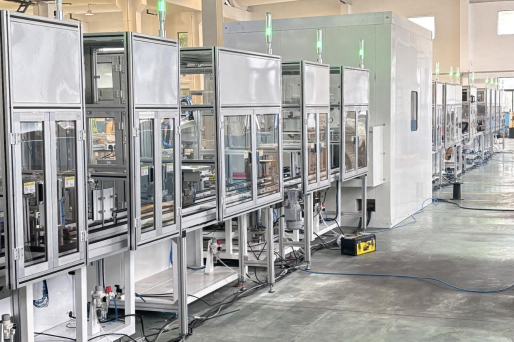
January 15th, 2026 Air Conditioner BLDC Motor Production line Dispatch to India

08

Apr

January 15th, 2026 Air Conditioner BLDC Motor Production line Dispatch to India

View More
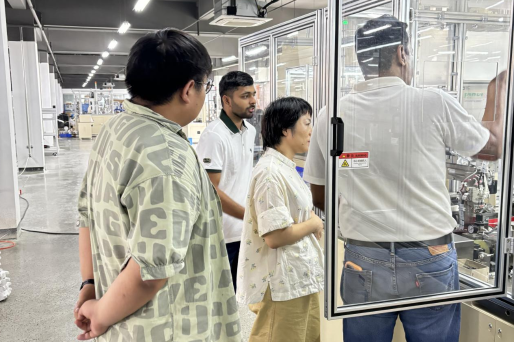
August 30th, 2025, 45W Air conditioner ODU BLDC motor Assembly line Inspection From India customer

08

Apr

August 30th, 2025, 45W Air conditioner ODU BLDC motor Assembly line Inspection From India customer

View More
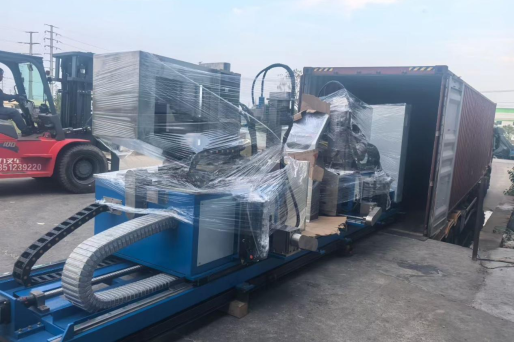
January 5th , 2026 CNC Coil Forming Machine For High Voltage Motors dispatched to UZ (Uzbekistan)

07

Apr

January 5th , 2026 CNC Coil Forming Machine For High Voltage Motors dispatched to UZ (Uzbekistan)

View More

Get a Free Quote

Our representative will contact you soon.
Email
Name
Mobile/WhatsApp
Company Name
Message
0/1000

automatic transformer winding machine price

Exceptional Production Speed and Efficiency That Transforms Manufacturing Capacity

Exceptional Production Speed and Efficiency That Transforms Manufacturing Capacity

When evaluating the automatic transformer winding machine price, the most compelling justification comes from the extraordinary production speed these systems deliver compared to traditional manufacturing methods. Modern automatic winding machines can complete complex transformer coils in a fraction of the time required by manual operators or older semi-automatic equipment, fundamentally transforming what your facility can accomplish within a standard production shift. This speed advantage stems from multiple technological innovations working in concert, including high-speed servo motors that position wire with lightning precision, automated wire feeding systems that eliminate manual handling delays, and sophisticated programming that optimizes every movement to minimize wasted motion. The practical impact on your operations extends beyond simple speed metrics to encompass the flexibility to accept rush orders, respond quickly to market demand fluctuations, and maintain buffer inventory without dedicating excessive floor space to work-in-process materials. Your production planning becomes more predictable and reliable because the machine delivers consistent cycle times regardless of operator experience level or fatigue factors that affect manual processes. The automatic transformer winding machine price includes programming interfaces that allow rapid pattern changes, meaning you can switch between producing small signal transformers and larger power distribution units without the extensive downtime traditionally required for manual setup adjustments. This versatility proves especially valuable for manufacturers serving diverse markets or those pursuing custom and prototype work alongside standard production runs. The efficiency gains extend to material handling as well, since automated systems integrate wire feeding directly from supply spools, eliminating the need for operators to manually thread wire through guides and tension devices before beginning each coil. The cumulative time savings across hundreds or thousands of units per month translates directly into increased revenue potential from your existing facility footprint and equipment investment, effectively expanding your capacity without the capital expense and complexity of adding physical production space or purchasing multiple manual workstations.
Superior Quality Consistency That Strengthens Customer Relationships and Brand Reputation

Superior Quality Consistency That Strengthens Customer Relationships and Brand Reputation

The automatic transformer winding machine price reflects sophisticated quality control capabilities that deliver consistency impossible to achieve through manual production methods, providing manufacturers with a decisive competitive advantage in markets where reliability and performance specifications matter intensely. Every transformer coil produced by an automated system exhibits virtually identical characteristics in terms of wire tension, layer spacing, turn count accuracy, and overall dimensional precision, eliminating the variation inherent in human-operated processes where factors like operator skill level, fatigue, distraction, and technique differences create inconsistency between units and even between production shifts. This uniformity proves critical for manufacturers supplying industries with stringent quality requirements such as aerospace, medical equipment, telecommunications infrastructure, and industrial control systems where transformer performance directly impacts system reliability and safety. The tension control systems integrated into automatic winding machines maintain optimal wire tightness throughout the entire coiling process, preventing the loose winds that cause electrical performance problems and the excessive tension that can damage wire insulation or create mechanical stress points leading to premature failure. Advanced models incorporate real-time monitoring that detects anomalies during production, automatically stopping the machine and alerting operators before defective units progress further through your manufacturing process, saving the labor and materials that would otherwise be wasted completing flawed products. The automatic transformer winding machine price includes precision positioning systems that place each wire turn exactly where design specifications require, ensuring proper electrical characteristics and eliminating the short circuits, hot spots, and efficiency losses caused by irregular winding patterns. Your quality assurance documentation becomes more straightforward and defensible because automated systems generate detailed production records for each unit, creating traceability that satisfies customer audit requirements and regulatory compliance obligations while providing valuable data for continuous improvement initiatives. The reduction in defect rates translates directly to lower warranty costs, fewer customer complaints, and stronger brand reputation that supports premium pricing and customer loyalty in competitive markets where quality perception drives purchasing decisions and long-term business relationships.
Long-Term Cost Savings That Deliver Measurable Return on Investment

Long-Term Cost Savings That Deliver Measurable Return on Investment

While the initial automatic transformer winding machine price represents a significant capital expenditure, the comprehensive cost savings these systems generate throughout their operational lifespan provide compelling financial justification that transforms them from expenses into strategic investments with measurable returns. Labor cost reduction constitutes the most immediately apparent benefit, as a single operator can typically supervise multiple automatic winding machines simultaneously or dedicate attention to quality inspection, material handling, and other value-added activities while the equipment operates independently, effectively multiplying workforce productivity without proportional increases in payroll expenses or benefit obligations. The material waste reduction achieved through precise wire usage calculations and consistent tension control eliminates the scrap costs that accumulate across thousands of production units, with automatic systems using optimal wire lengths and preventing the tangled, damaged, or improperly wound material that manual processes generate. Energy efficiency engineered into contemporary machine designs consumes less electricity per unit produced compared to older equipment, contributing ongoing savings that compound over years of operation while also supporting corporate sustainability initiatives that increasingly influence customer preferences and regulatory requirements. The automatic transformer winding machine price includes durable construction and modern components designed for extended operational life with minimal maintenance requirements, reducing the parts replacement costs, repair service expenses, and production downtime that plague older mechanical systems or heavily used manual equipment. Training costs decrease substantially because operators need less specialized skill development to run automated equipment effectively compared to the extensive apprenticeship traditionally required to produce quality transformer coils manually, addressing the workforce challenge of finding and retaining experienced winding specialists. The quality consistency these machines deliver reduces rework expenses and warranty claim costs while supporting premium pricing that customers willingly pay for reliable products, improving profit margins that justify the initial investment many times over. Facility space utilization improves since compact automatic systems occupy less floor area than equivalent manual workstations while producing higher output, deferring or eliminating expensive facility expansion projects. The production data and process insights generated by integrated monitoring systems enable continuous improvement initiatives that identify efficiency opportunities, optimize production scheduling, and support informed capital planning decisions that maximize overall manufacturing effectiveness and competitiveness in dynamic markets.

Get a Free Quote

Our representative will contact you soon.
Email
Name
Mobile/WhatsApp
Company Name
Message
0/1000