transformer bobbin winding machine
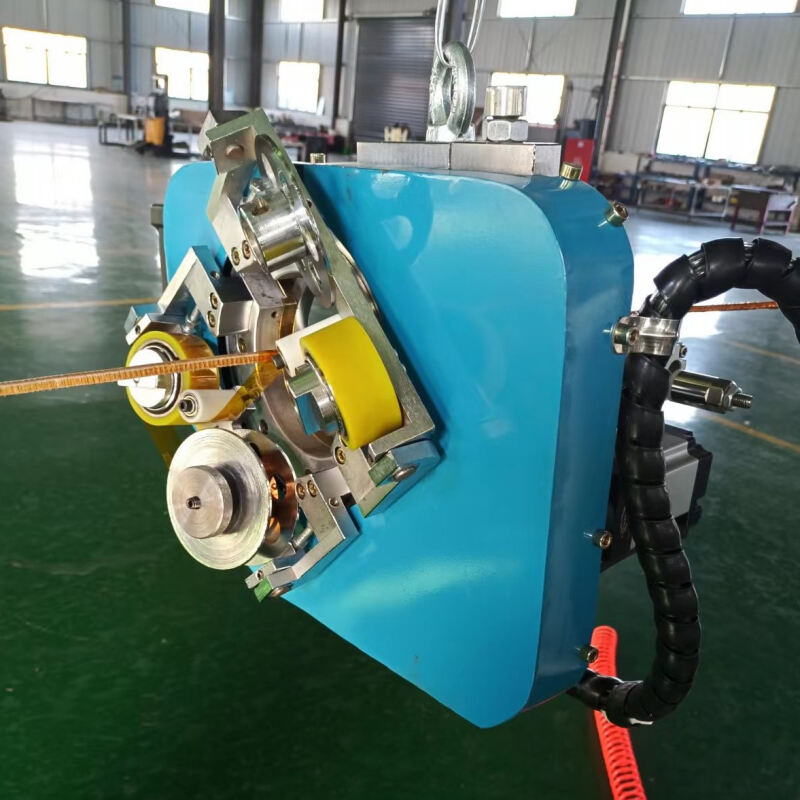
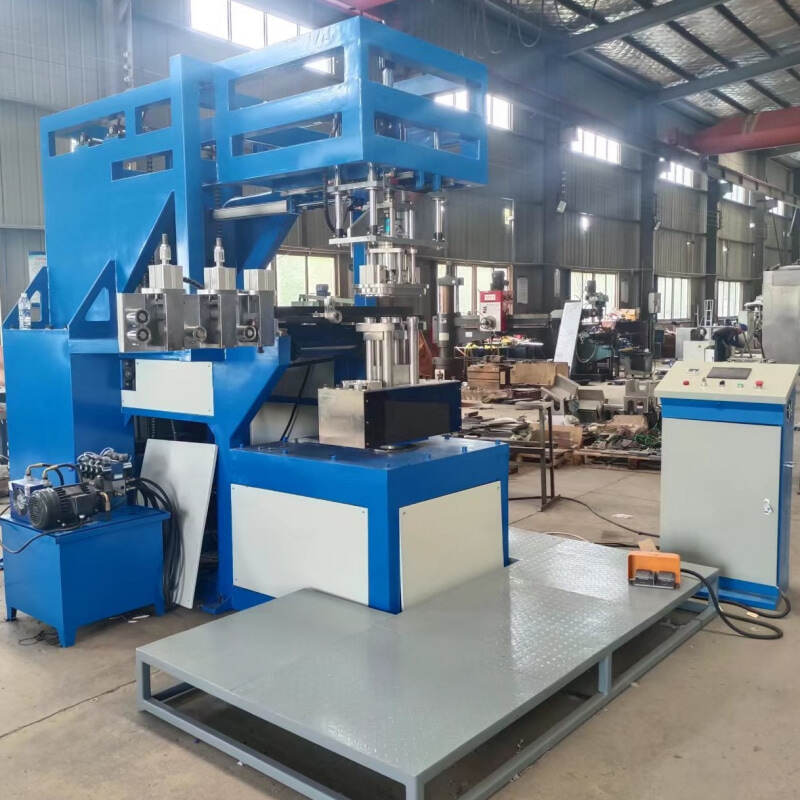
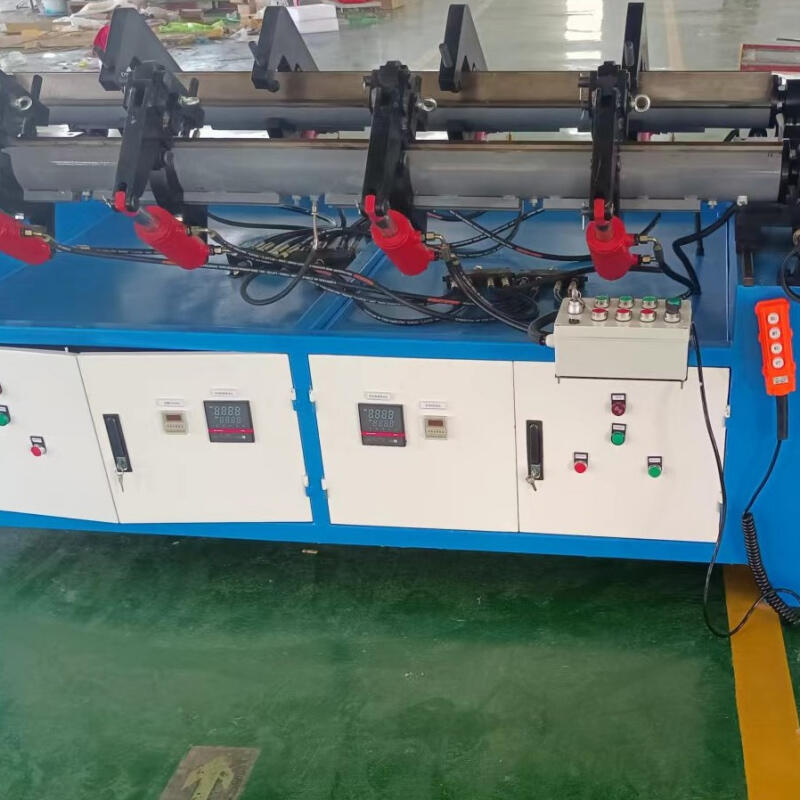
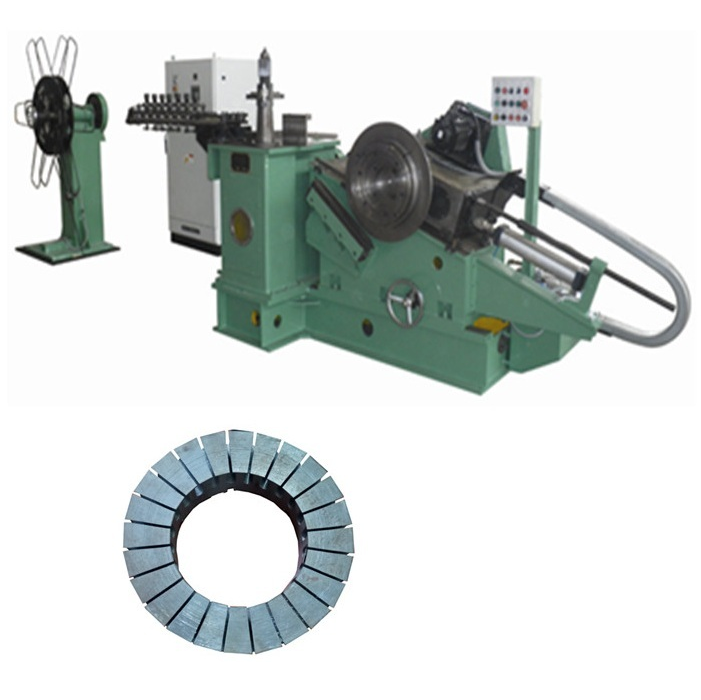
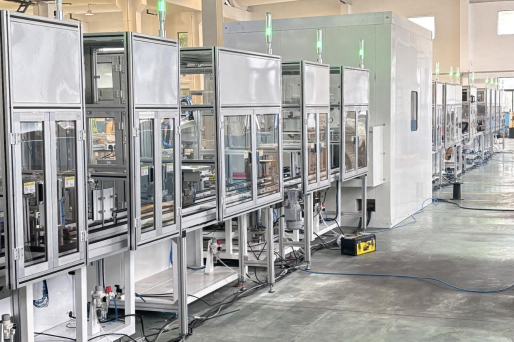
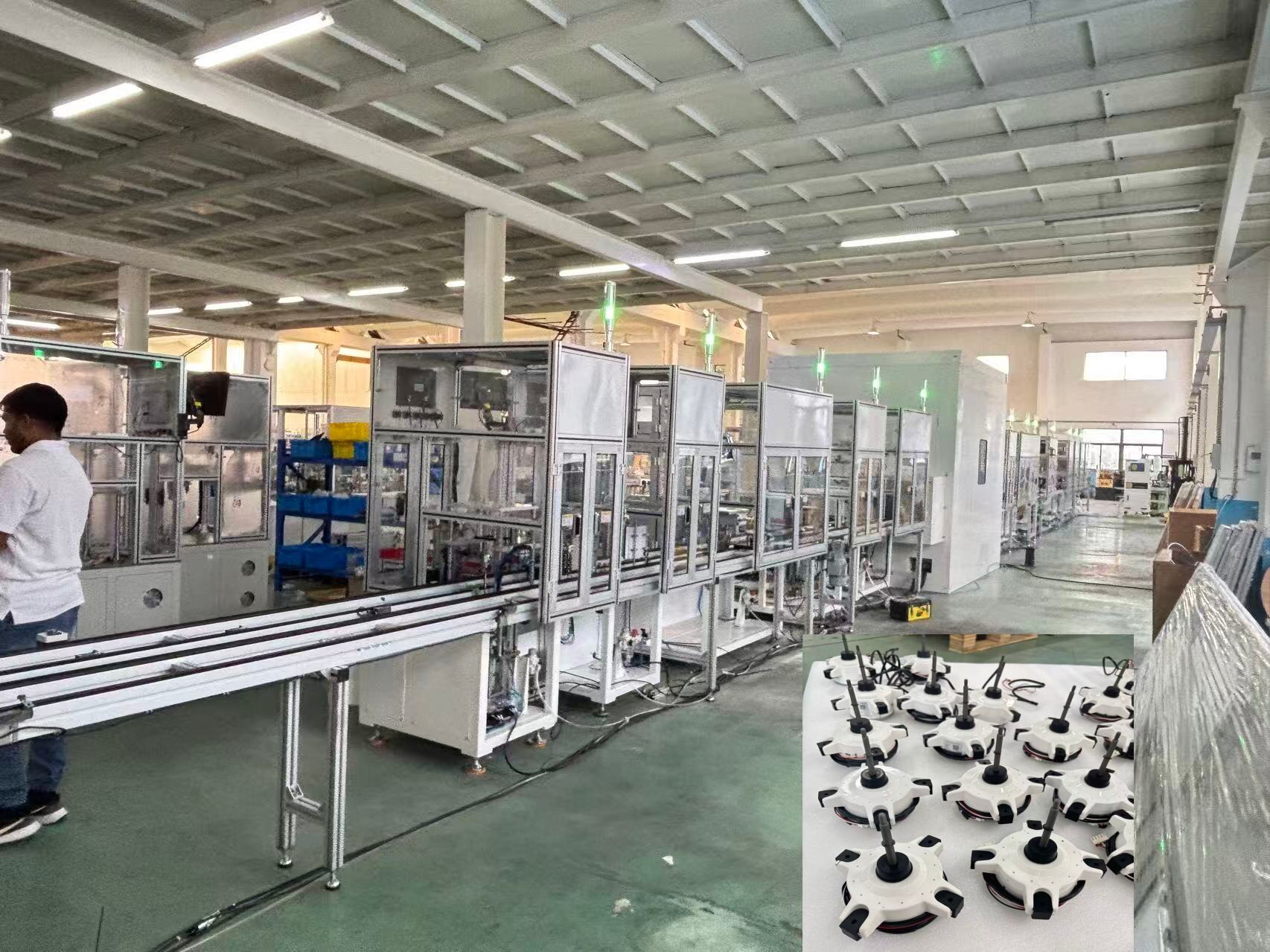
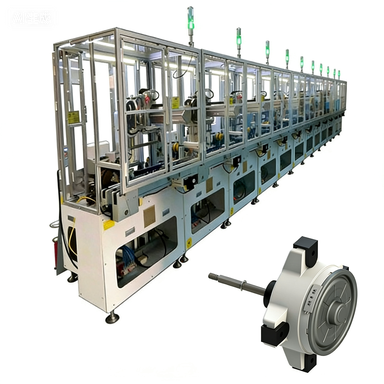
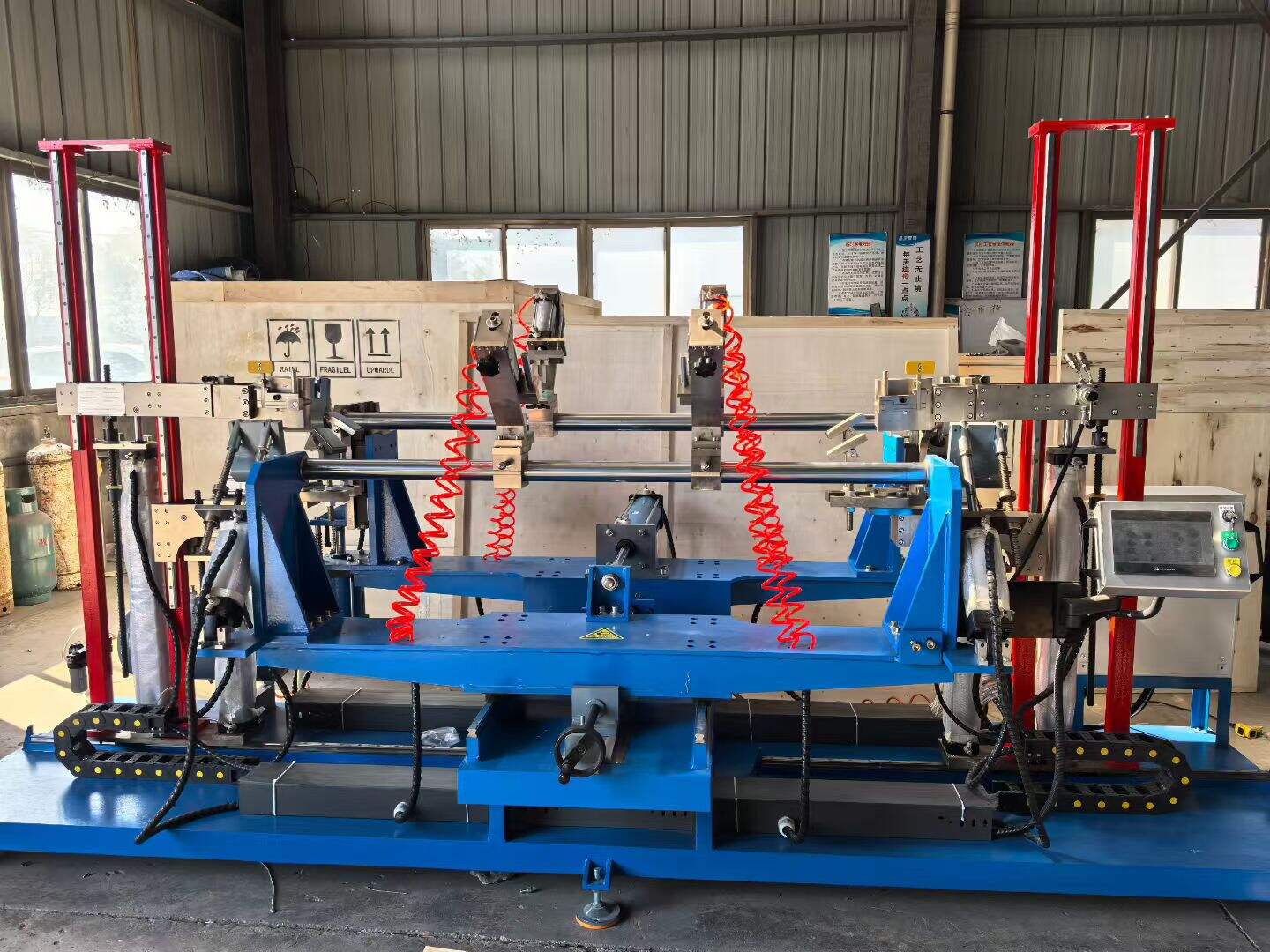
The transformer bobbin winding machine represents a sophisticated solution designed specifically for manufacturing electromagnetic components used in power distribution and electronic devices. This specialized equipment automates the process of winding copper or aluminum wire around bobbins, which form the core structure of transformers. The primary function of this machine involves precisely controlling wire tension, winding speed, and layer distribution to create uniform coils that meet strict electrical specifications. Modern transformer bobbin winding machines incorporate advanced servo motor systems that enable programmable winding patterns, allowing manufacturers to produce various transformer types without extensive manual reconfiguration. The technological features include digital tension control mechanisms that maintain consistent wire pressure throughout the winding process, preventing wire breakage and ensuring optimal coil density. These machines often feature automatic wire feeding systems, programmable logic controllers for pattern customization, and integrated counting mechanisms that track the exact number of turns. The application scope extends across multiple industries including power electronics, telecommunications equipment, automotive electrical systems, renewable energy converters, and industrial automation components. Manufacturing facilities benefit from the machine's ability to handle different bobbin sizes and wire gauges, making it versatile for both small-scale prototype development and high-volume production runs. The transformer bobbin winding machine significantly reduces labor costs while improving product consistency, as human error in manual winding processes can lead to performance variations and potential equipment failures. Quality control features integrated into these machines include real-time monitoring systems that detect winding defects, automatic stopping mechanisms when irregularities occur, and data logging capabilities for traceability purposes. The equipment supports various winding configurations including layer winding, universal winding, and orthocyclic winding patterns, accommodating diverse transformer design requirements across different voltage and power ratings.
 ×


 EN