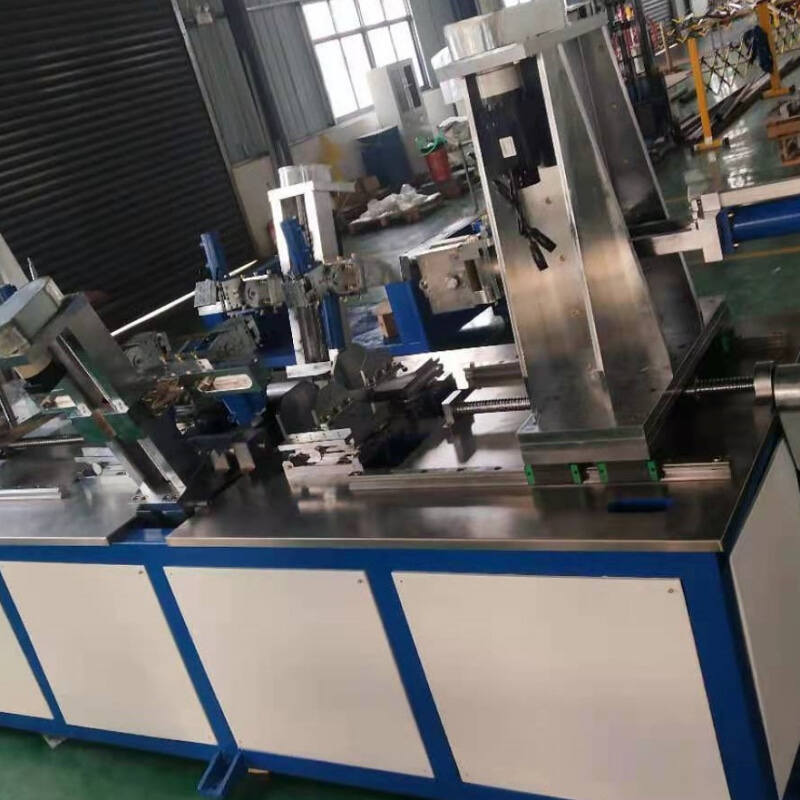
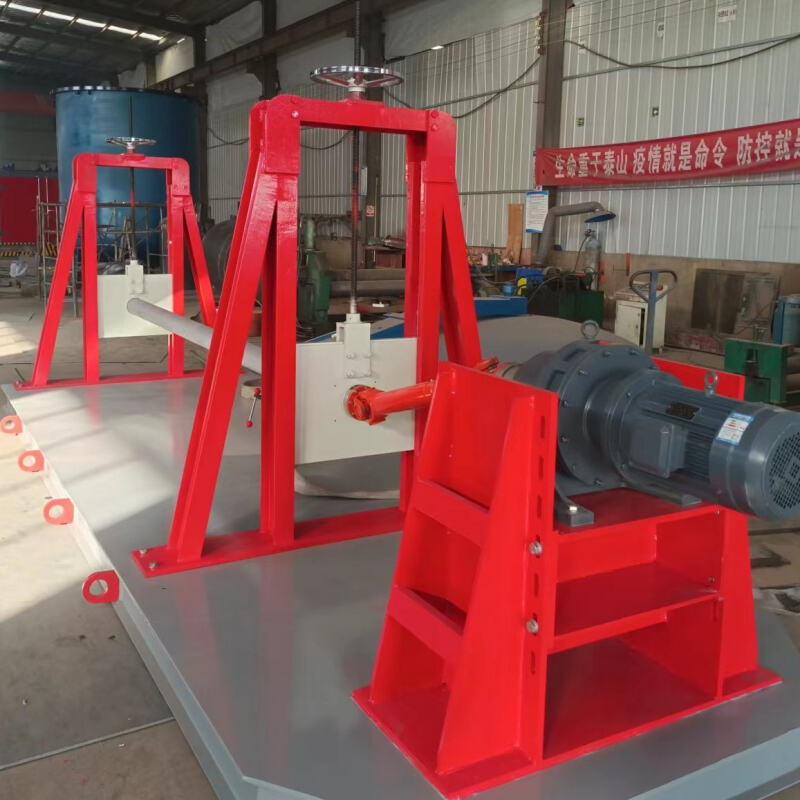
Axial Flux Stator Manufacturing Machine - Advanced Production Solutions for Electric Motor Manufacturing

Get a Free Quote

Our representative will contact you soon.
Email
Name
Mobile/WhatsApp
Company Name
Message
0/1000

axial flux stator manufacturing machine

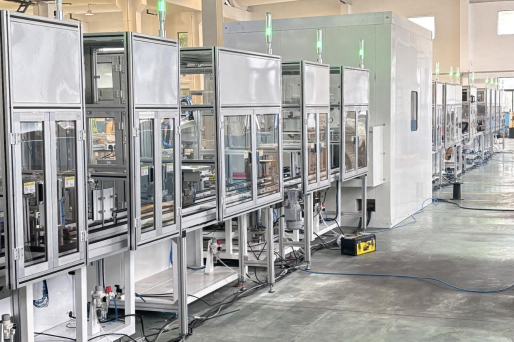
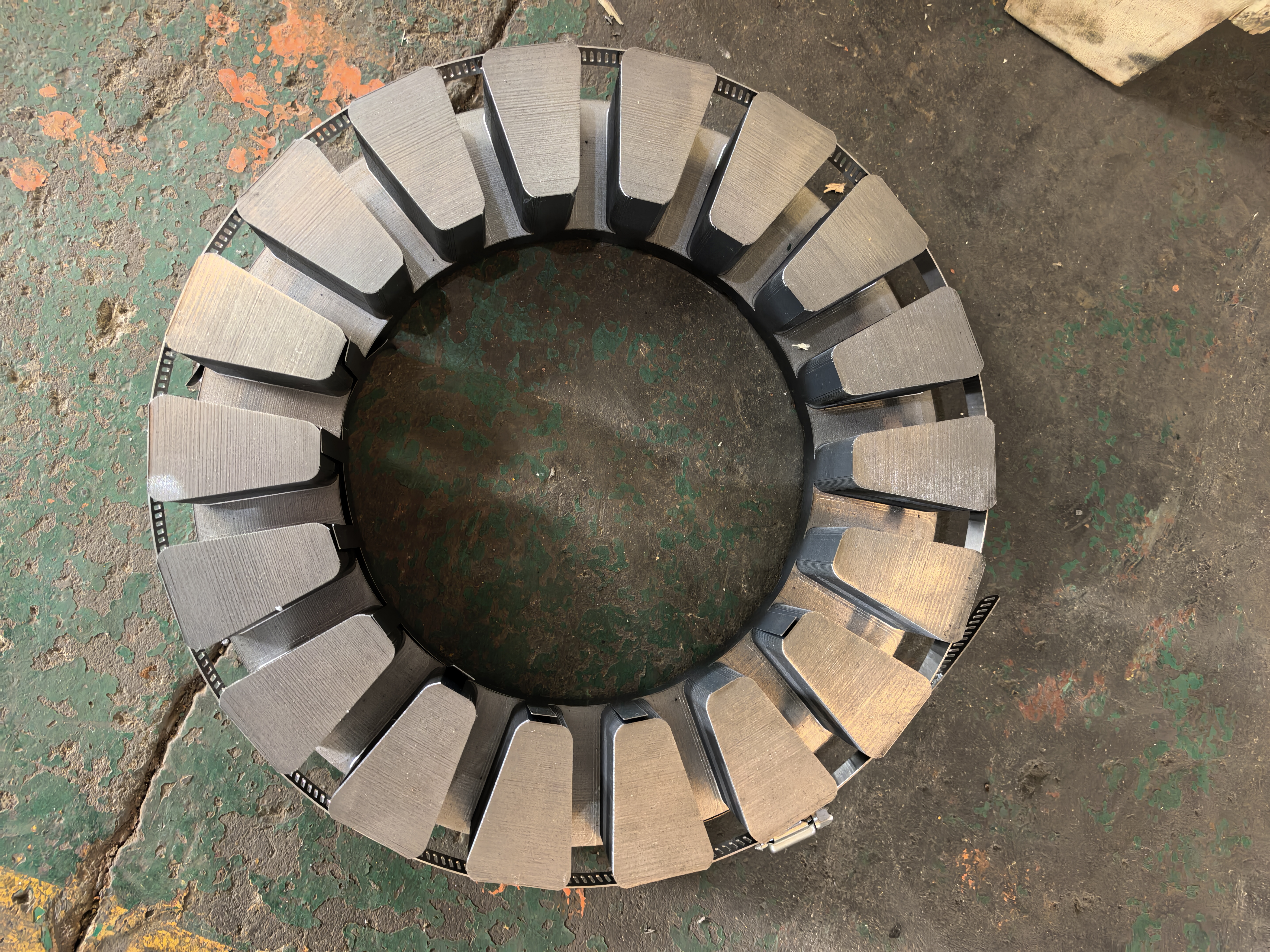
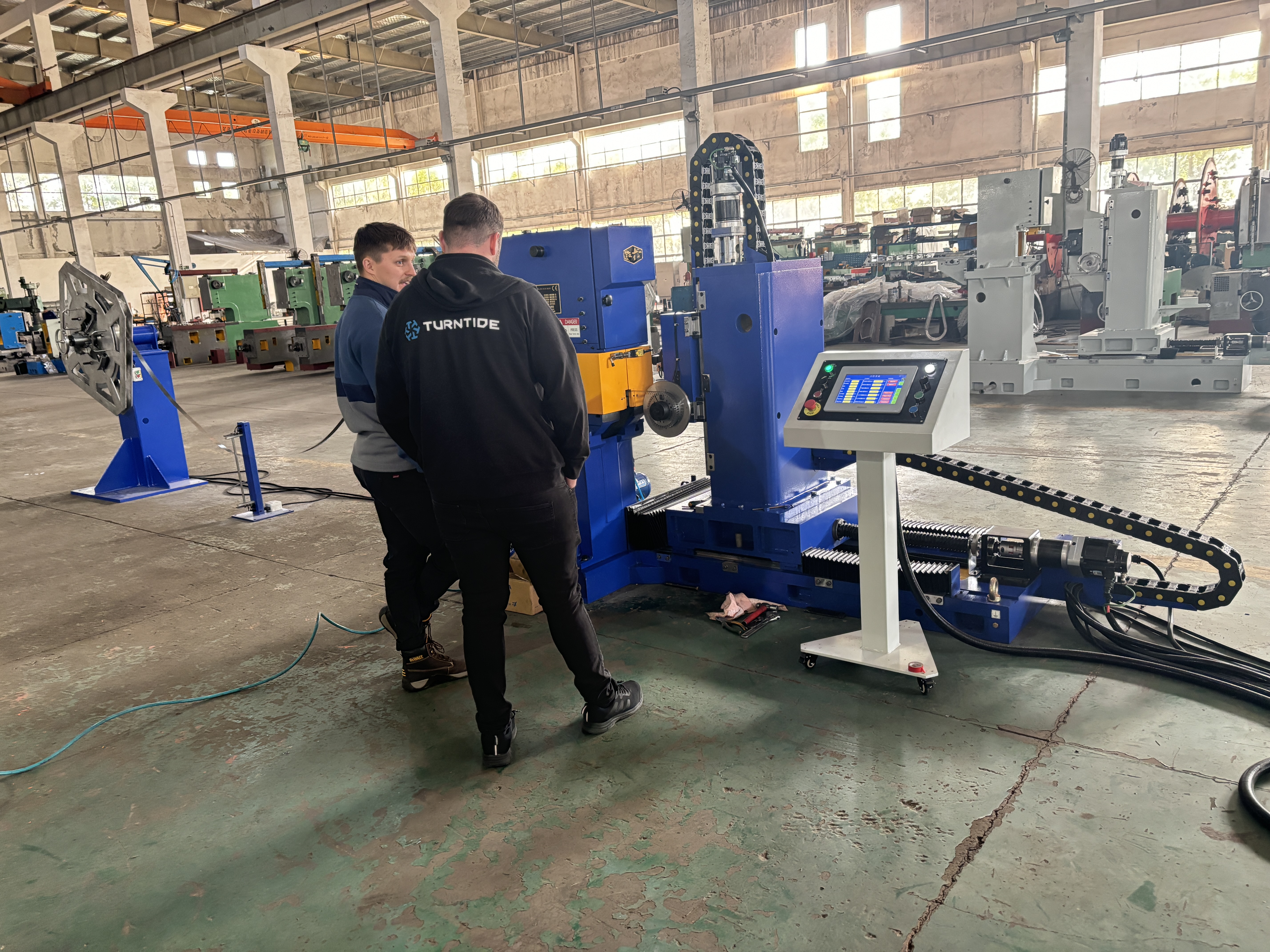
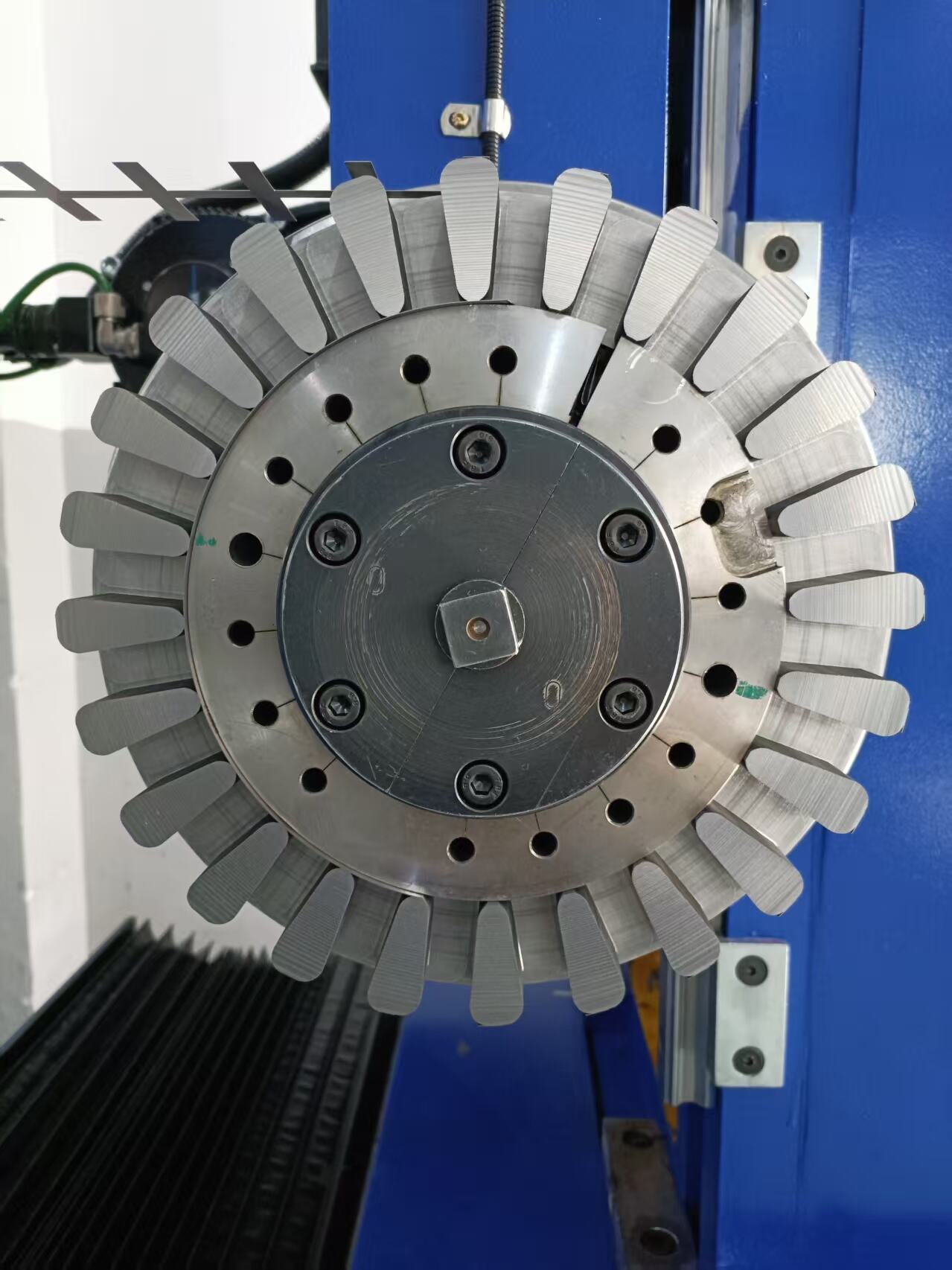
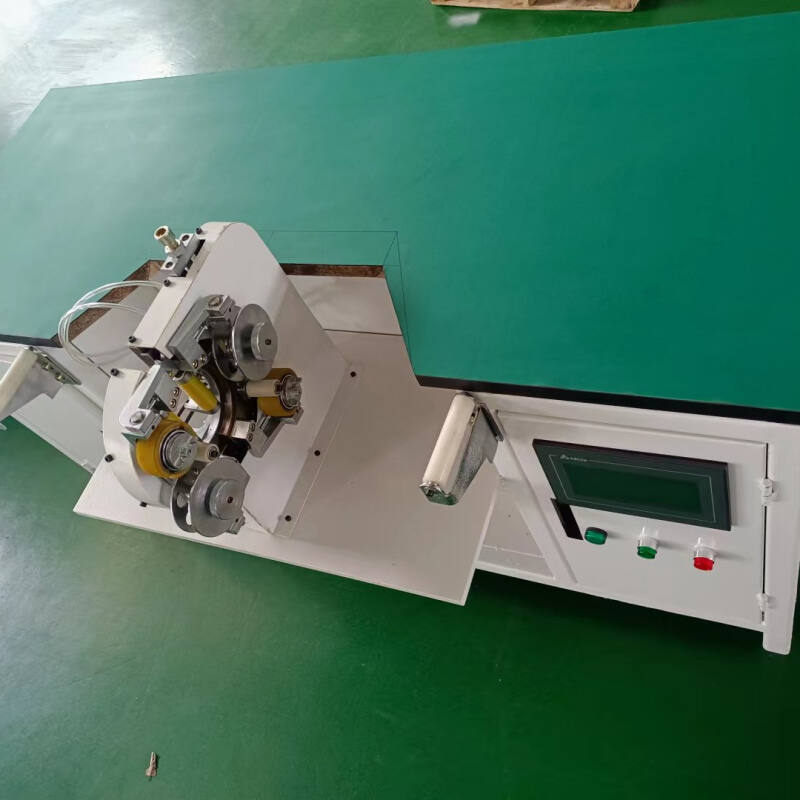
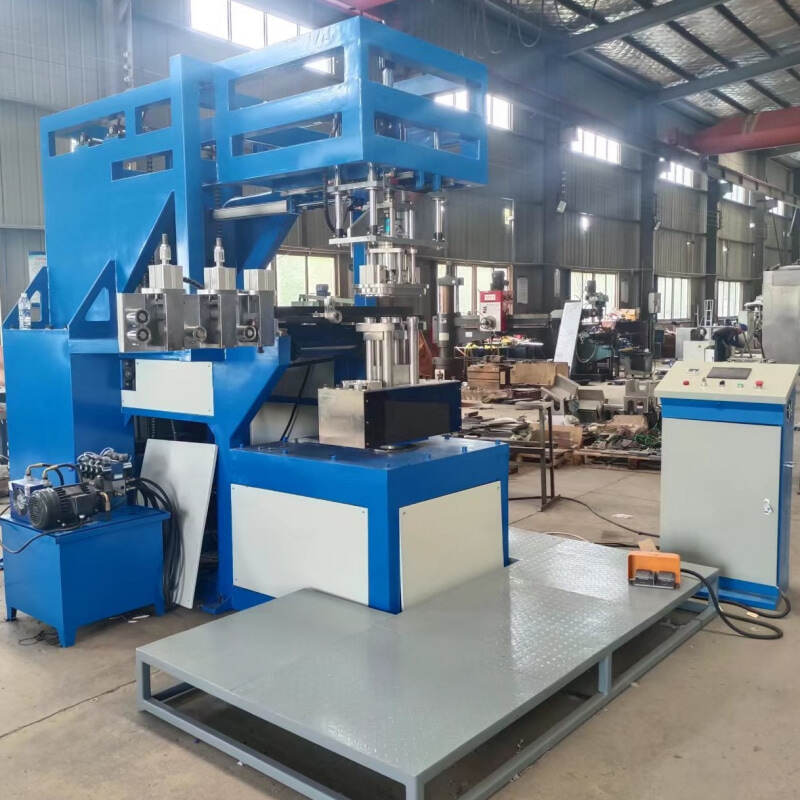
The axial flux stator manufacturing machine represents a groundbreaking innovation in electric motor production technology, specifically designed to fabricate stators for axial flux motors with exceptional precision and efficiency. This advanced manufacturing equipment addresses the unique challenges associated with producing axial flux motor components, which differ significantly from traditional radial flux motor designs. The machine integrates multiple sophisticated processes including automated winding, core assembly, insulation application, and quality verification into a streamlined production line. At its core, the axial flux stator manufacturing machine employs computer numerical control systems that ensure accurate positioning and consistent output quality across high-volume production runs. The primary functions encompass precise coil winding operations tailored to the disc-shaped geometry characteristic of axial flux stators, automated insertion of windings into stator cores, application of protective insulation materials, and integrated testing protocols that verify electrical characteristics. Technological features include programmable logic controllers that manage the entire manufacturing sequence, servo-driven actuators providing micron-level positioning accuracy, vision systems for real-time quality inspection, and modular tooling systems that accommodate various stator specifications without extensive reconfiguration. The machine handles diverse materials including copper wire in multiple gauges, laminated steel cores, advanced composite materials, and specialized insulation compounds. Applications span numerous industries where axial flux motors deliver superior performance, including electric vehicle propulsion systems where compact motor designs maximize interior space, renewable energy generation particularly in wind turbines and hydroelectric systems, aerospace applications demanding high power density, industrial automation requiring precise torque control, and marine propulsion systems benefiting from the flat motor architecture. The axial flux stator manufacturing machine enables manufacturers to transition from labor-intensive manual assembly methods to automated production, dramatically reducing cycle times while improving consistency. This equipment particularly suits companies developing next-generation electric mobility solutions, renewable energy technologies, and advanced industrial systems where axial flux motor advantages translate into significant end-product performance improvements.

New Products

Investing in an axial flux stator manufacturing machine delivers substantial practical benefits that directly impact your production capabilities and bottom line. First and foremost, this equipment dramatically increases your manufacturing speed compared to traditional manual assembly methods. What previously required multiple skilled workers several hours to complete can now be accomplished in a fraction of the time with consistent quality. This acceleration enables you to meet growing market demand without proportionally expanding your workforce, creating significant labor cost savings while improving delivery timelines to your customers. The precision offered by the axial flux stator manufacturing machine eliminates common defects associated with hand assembly, such as irregular winding tension, inconsistent coil placement, and insulation gaps. This translates directly into higher-performing motors with improved efficiency ratings, longer operational lifespans, and reduced warranty claims. Your customers receive superior products while you benefit from enhanced brand reputation and decreased post-sale support costs. The machine's flexibility stands as another major advantage, allowing you to produce different stator configurations without purchasing entirely new equipment. Quick-change tooling systems and programmable parameters mean you can switch between product variants efficiently, supporting both high-volume standardized production and smaller batches of customized designs. This versatility helps you serve diverse market segments without maintaining separate production lines. Quality consistency represents perhaps the most valuable benefit. Every stator manufactured maintains identical specifications within tight tolerances, eliminating the variability inherent in manual processes. This consistency simplifies your quality control procedures, reduces scrap rates, and ensures that motors perform predictably across your entire production output. Material efficiency improves substantially as well, with the machine optimizing wire usage and minimizing waste through precise cutting and placement algorithms. Over thousands of production units, these material savings accumulate into significant cost reductions. The automated nature of the axial flux stator manufacturing machine also improves workplace safety by removing workers from repetitive motion tasks that cause strain injuries and reducing their exposure to sharp materials and electrical hazards. Your facility becomes safer while productivity increases. Data collection capabilities built into modern machines provide valuable insights into your production processes, identifying optimization opportunities and enabling predictive maintenance that prevents costly downtime. You gain transparency into manufacturing metrics that support continuous improvement initiatives. Energy efficiency in production also improves, as optimized motor movements and processes consume less power than extended manual assembly operations. Finally, adopting this technology positions your company as an innovation leader, attracting quality-conscious customers and making your business more competitive in markets where advanced manufacturing capabilities differentiate suppliers. The initial investment delivers returns through multiple channels simultaneously, creating a compelling business case for manufacturers committed to growth and excellence.

Latest News

January 15th, 2026 Air Conditioner BLDC Motor Production line Dispatch to India

08

Apr

January 15th, 2026 Air Conditioner BLDC Motor Production line Dispatch to India

View More
August 30th, 2025, 45W Air conditioner ODU BLDC motor Assembly line Inspection From India customer

08

Apr

August 30th, 2025, 45W Air conditioner ODU BLDC motor Assembly line Inspection From India customer

View More
January 5th , 2026 CNC Coil Forming Machine For High Voltage Motors dispatched to UZ (Uzbekistan)

07

Apr

January 5th , 2026 CNC Coil Forming Machine For High Voltage Motors dispatched to UZ (Uzbekistan)

View More

Get a Free Quote

Our representative will contact you soon.
Email
Name
Mobile/WhatsApp
Company Name
Message
0/1000

axial flux stator manufacturing machine

Advanced Automated Winding Technology for Complex Geometries

Advanced Automated Winding Technology for Complex Geometries

The axial flux stator manufacturing machine incorporates sophisticated automated winding technology specifically engineered to handle the unique geometric challenges presented by axial flux motor designs. Unlike conventional radial flux stators with cylindrical configurations, axial flux stators feature disc-shaped architectures that require fundamentally different winding approaches. The machine's winding system utilizes multi-axis servo-controlled arms that precisely navigate the complex three-dimensional paths necessary to place conductors accurately around the stator core. These robotic winding mechanisms can execute intricate patterns including concentrated windings, distributed windings, and specialized topologies optimized for torque density and efficiency. The system maintains consistent tension throughout the winding process, ensuring uniform coil density that directly affects motor performance characteristics such as magnetic field distribution and thermal management. Programmable parameters allow operators to define winding specifications including wire gauge, number of turns, layer arrangements, and termination points through intuitive interfaces rather than mechanical adjustments. This software-based configuration dramatically reduces changeover time when switching between different stator models, enabling production flexibility that manual methods cannot match. The winding heads accommodate various conductor types including round copper wire, rectangular wire for improved slot fill factors, and even specialized materials like aluminum or composite conductors for weight-sensitive applications. Integrated tension monitoring systems continuously verify that wire tension remains within specified ranges, automatically adjusting when deviations occur and flagging units that exceed tolerance limits for secondary inspection. The precision achievable with this automated winding technology translates directly into superior motor performance, as consistent coil geometry ensures balanced magnetic forces, reduced vibration, minimized acoustic noise, and optimal thermal distribution during operation. Wire insulation remains intact throughout the winding process thanks to controlled bend radii and smooth guide surfaces that prevent scraping or stretching. This protection maintains dielectric integrity, reducing the risk of short circuits and extending motor operational life. The system's speed advantage becomes apparent in high-volume production scenarios where the axial flux stator manufacturing machine completes complex winding operations in minutes rather than the hours required for skilled manual assembly. This throughput increase enables manufacturers to scale production rapidly in response to market demand without compromising quality standards or requiring extensive workforce expansion. The technology essentially democratizes access to high-precision manufacturing, allowing companies of various sizes to produce axial flux stators meeting the stringent specifications demanded by electric vehicle manufacturers, aerospace applications, and premium industrial equipment.
Integrated Quality Verification Systems for Zero-Defect Production

Integrated Quality Verification Systems for Zero-Defect Production

Quality assurance capabilities integrated directly into the axial flux stator manufacturing machine represent a transformative advantage for manufacturers seeking to eliminate defects and achieve consistent production excellence. Traditional manufacturing approaches typically separate production from inspection, creating delays between fabrication and quality verification while allowing defective components to advance through multiple production stages before detection. The axial flux stator manufacturing machine fundamentally reimagines this workflow by embedding sophisticated inspection technologies throughout the manufacturing process, enabling real-time quality verification at each critical stage. High-resolution vision systems continuously monitor winding operations, verifying correct wire placement, counting turns with absolute accuracy, and detecting any crossed wires or spacing irregularities instantly. These optical inspection systems employ advanced image processing algorithms that compare actual component geometry against digital reference models with micron-level precision, immediately alerting operators to deviations requiring correction. The machine performs electrical testing on completed windings before the stator progresses to subsequent manufacturing stages, measuring resistance values, inductance characteristics, and insulation integrity through automated probes that connect to winding terminations. This early-stage electrical verification identifies issues like short circuits, open connections, or incorrect turn counts before additional value-added processes occur, preventing waste of materials and production time on components that would ultimately fail final inspection. Dimensional measurement systems utilizing laser scanning or coordinate measurement technology verify critical stator dimensions including overall diameter, mounting hole locations, core stack height, and flatness parameters essential for proper motor assembly. These automated measurements eliminate subjective human judgment and provide documented quality records for every manufactured unit, supporting traceability requirements common in automotive and aerospace supply chains. The integrated quality verification systems within the axial flux stator manufacturing machine generate comprehensive data streams that enable statistical process control methodologies, allowing quality engineers to identify trends, predict potential issues before they manifest as defects, and optimize process parameters for continuous improvement. This data-driven approach transforms quality management from reactive defect detection to proactive process optimization. The immediate feedback provided by integrated inspection systems also accelerates operator learning curves, as new personnel receive instant notification when their setup or adjustments produce out-of-specification results, creating effective training mechanisms embedded within normal production operations. For manufacturers supplying components to safety-critical applications, the documented quality verification provided by these integrated systems delivers essential evidence of manufacturing control and component reliability. The economic impact of this integrated quality approach extends beyond simple defect reduction to encompass inventory efficiency, as manufacturers gain confidence that components leaving the axial flux stator manufacturing machine meet specifications without requiring separate incoming inspection when used in downstream assembly operations. This quality certainty enables just-in-time manufacturing strategies that reduce working capital tied up in inventory while ensuring production continuity.
Modular Configuration Supporting Diverse Production Requirements

Modular Configuration Supporting Diverse Production Requirements

The modular architecture of the axial flux stator manufacturing machine provides manufacturers with exceptional flexibility to adapt equipment capabilities to their specific production requirements, market strategies, and future growth trajectories. Rather than forcing customers into rigid, one-size-fits-all configurations, this modular design philosophy allows companies to select functional modules that align precisely with their current needs while maintaining straightforward expansion paths as production volumes increase or product portfolios diversify. The base machine platform provides essential functions including material handling, control systems, and structural framework, upon which manufacturers can build customized configurations by selecting from available module options. Winding modules offer choices in the number of simultaneous winding heads, accommodating everything from single-head configurations suitable for prototype development and low-volume specialty production to multi-head arrangements that dramatically increase throughput for high-volume manufacturing scenarios. Companies entering axial flux motor production can begin with fundamental capabilities and progressively add modules as their expertise deepens and market acceptance of their products grows, protecting initial capital investment while ensuring access to advanced capabilities when business conditions justify expansion. This scalability proves particularly valuable for small and medium enterprises that may lack the financial resources to invest in fully-featured systems from the outset but require assurance that their equipment investment will not become obsolete as their operations mature. Interchangeable tooling modules enable the axial flux stator manufacturing machine to accommodate various stator sizes and designs without requiring complete equipment replacement when product specifications change. Tool changers execute transitions between different stator configurations through automated sequences, minimizing downtime and operator intervention while maintaining precise calibration. This capability supports manufacturers serving multiple market segments with distinct stator requirements, allowing a single production line to economically produce both large stators for industrial applications and compact stators for consumer electronics within the same facility. Optional modules address specialized requirements such as encapsulation systems that apply protective coatings or potting compounds, integrated assembly functions that install additional components like terminals or mounting hardware, and advanced testing modules that perform comprehensive motor characterization beyond basic electrical verification. The modular approach extends to control system architecture as well, with software packages offering varying levels of automation, data analytics, and integration capabilities with enterprise manufacturing execution systems. Manufacturers can implement basic standalone operation initially and subsequently upgrade to networked configurations supporting Industry 4.0 initiatives as their digital maturity evolves. Maintenance efficiency benefits significantly from modular design, as service technicians can replace individual modules without disassembling entire systems, minimizing downtime when components require repair or upgrade. Spare parts inventory requirements decrease because modules use standardized interfaces and components, reducing the variety of items manufacturers must stock to ensure rapid repair capabilities. The investment protection provided by this modular configuration approach to the axial flux stator manufacturing machine delivers strategic advantages that extend beyond immediate production requirements, positioning manufacturers to adapt quickly to technological advances, market shifts, and competitive pressures throughout the equipment's operational lifespan.

Get a Free Quote

Our representative will contact you soon.
Email
Name
Mobile/WhatsApp
Company Name
Message
0/1000