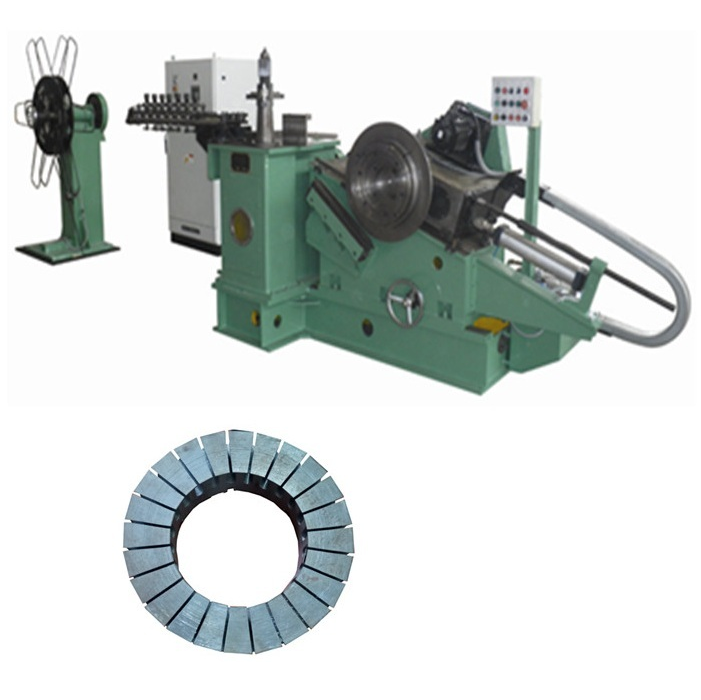
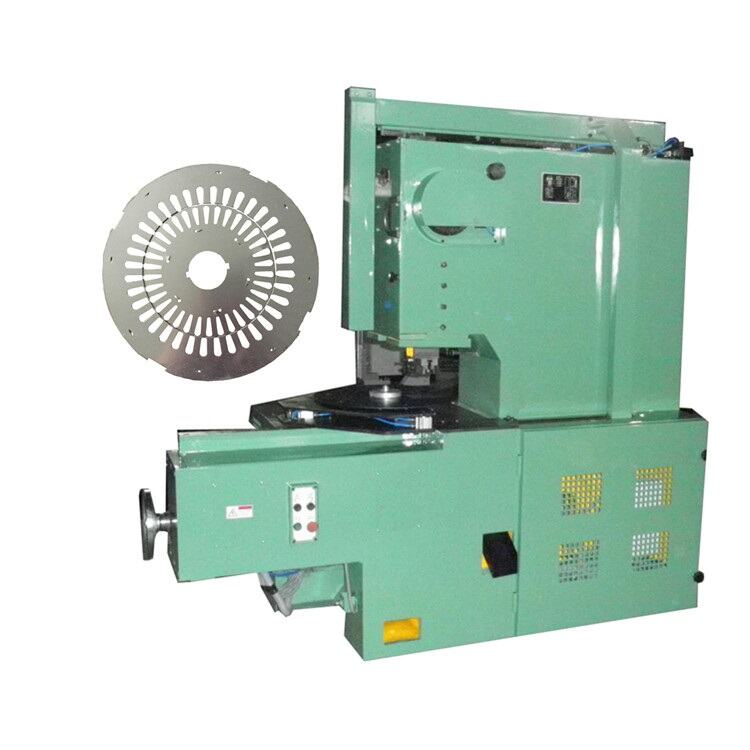
Electric Motor Stator Machine - Advanced Manufacturing Equipment for Precision Stator Production

Get a Free Quote

Our representative will contact you soon.
Email
Name
Mobile/WhatsApp
Company Name
Message
0/1000

electric motor stator machine

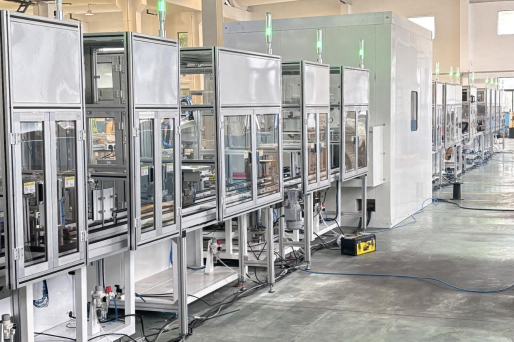
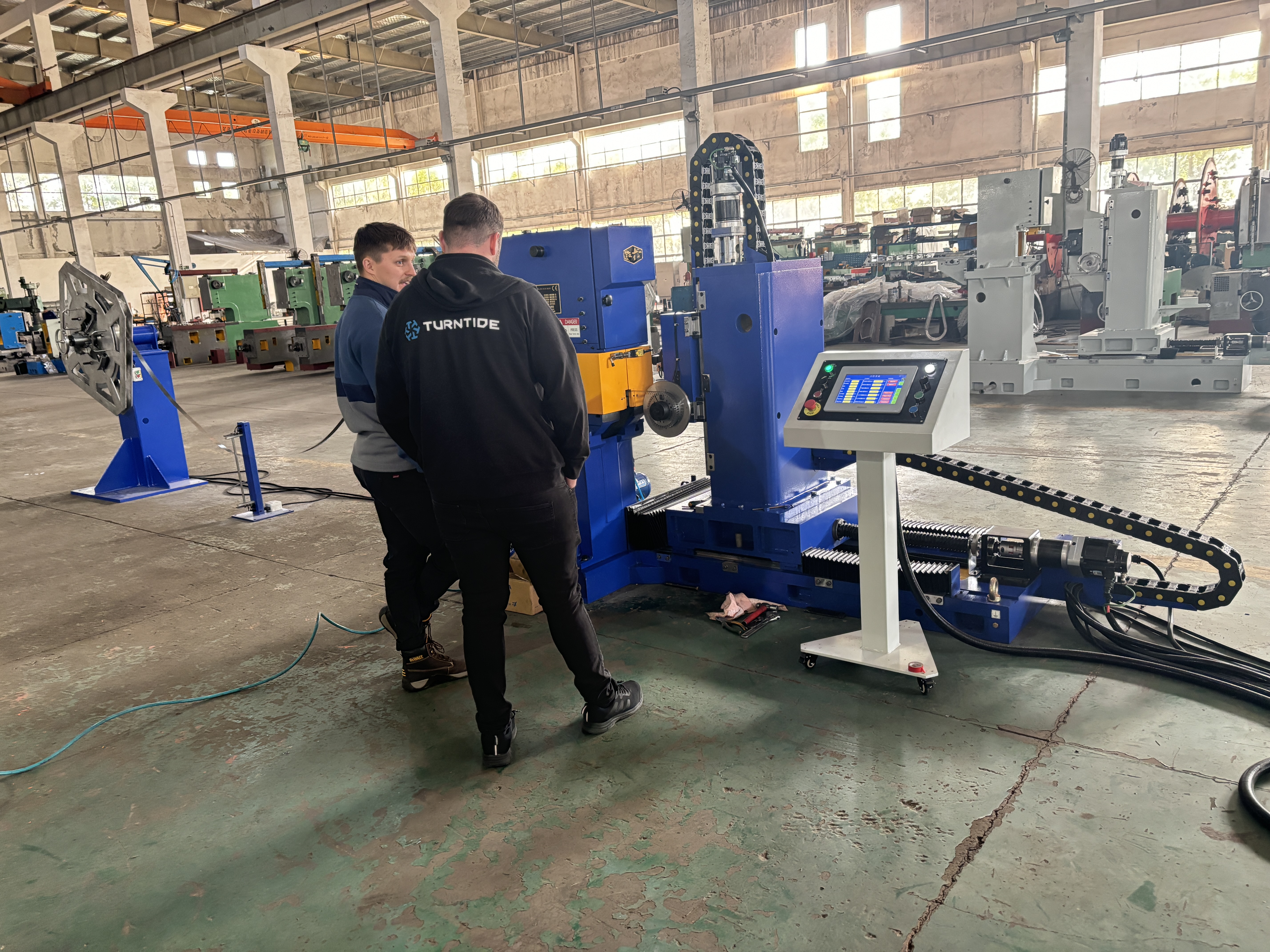
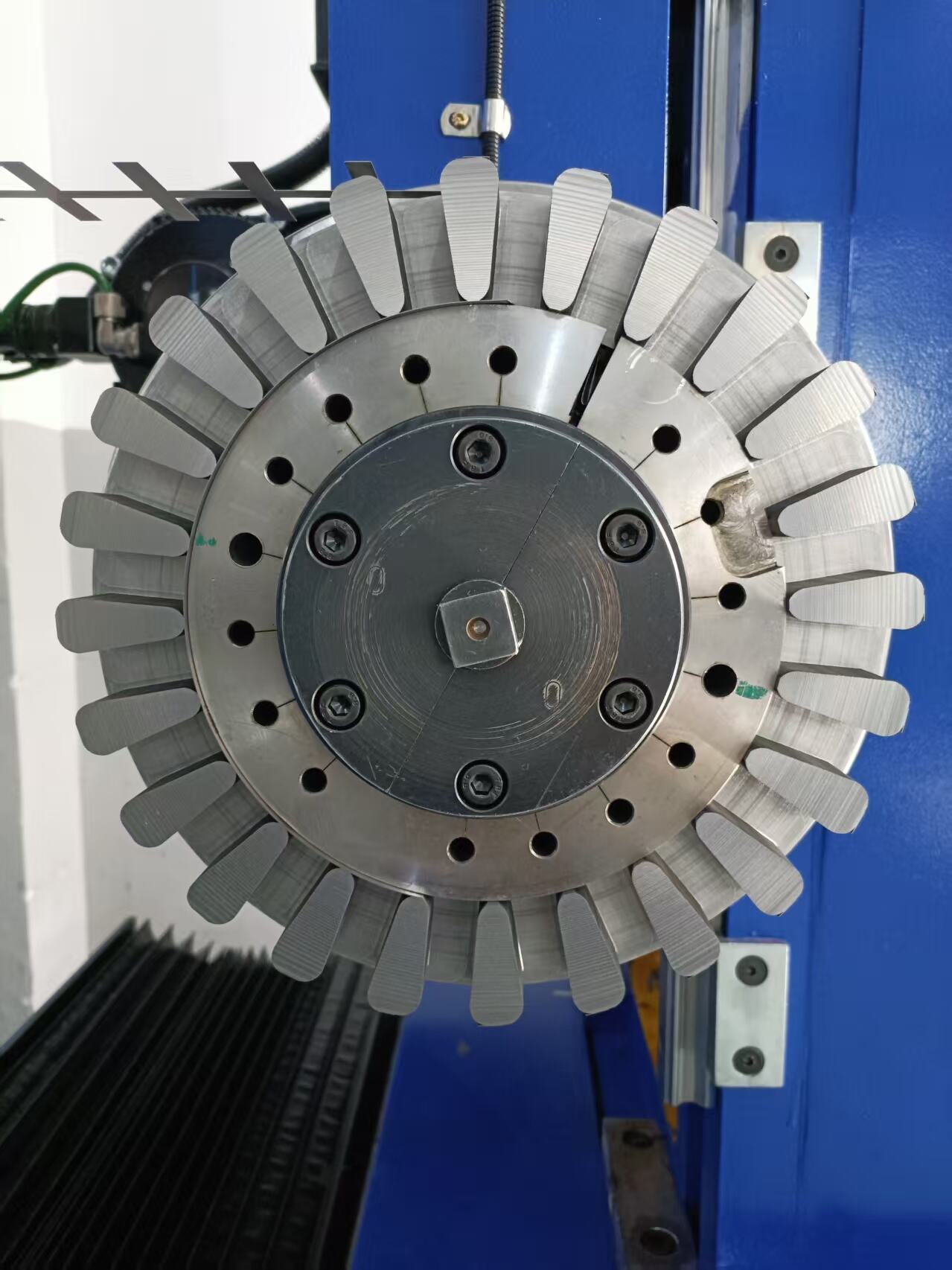
The electric motor stator machine represents a cornerstone technology in modern manufacturing, specifically designed to produce the stationary component of electric motors with precision and efficiency. This sophisticated equipment automates the complex process of creating stators, which form the electromagnetic foundation enabling motors to convert electrical energy into mechanical motion. An electric motor stator machine integrates multiple manufacturing stages including core stacking, insulation insertion, winding, and shaping operations into a streamlined production workflow. The primary function of this equipment centers on fabricating stator cores from laminated steel sheets, inserting insulation materials to prevent electrical shorts, and precisely winding copper wire coils around the stator teeth according to specific motor design requirements. Technological features of the electric motor stator machine include programmable logic controllers that manage automation sequences, servo-driven mechanisms ensuring positional accuracy, and tension control systems maintaining consistent wire placement during winding operations. Modern machines incorporate vision systems for quality verification, touch-screen interfaces for operator interaction, and data logging capabilities for production monitoring. These machines accommodate various motor sizes ranging from small appliances to industrial applications, with adjustable parameters allowing manufacturers to produce different stator configurations without extensive retooling. Applications span automotive manufacturing where electric vehicle motors require high-volume stator production, HVAC systems utilizing motors for air circulation, power tool manufacturing demanding compact yet powerful motor components, and renewable energy sectors producing generators for wind turbines. The electric motor stator machine has become indispensable in industries transitioning toward electrification, supporting the growing demand for efficient electric motors across consumer electronics, industrial automation, and transportation sectors. By consolidating multiple manual processes into automated sequences, this equipment reduces production time, minimizes material waste, and maintains consistent quality standards essential for reliable motor performance.

New Products

Investing in an electric motor stator machine delivers substantial benefits that directly impact your manufacturing operations and bottom line. The foremost advantage lies in production speed, as automated systems complete stator assembly in minutes compared to hours required by manual methods, enabling manufacturers to meet increasing market demands without proportionally expanding workforce requirements. This acceleration translates into higher output volumes, allowing businesses to fulfill larger orders, reduce lead times, and respond quickly to customer needs in competitive markets. Quality consistency represents another critical benefit, since the electric motor stator machine executes each operation with mechanical precision, eliminating variations inherent in hand-wound stators. Uniform wire tension, accurate slot filling, and consistent insulation placement ensure every stator meets exact specifications, reducing defect rates and minimizing costly rework or product returns. Labor cost reduction provides immediate financial advantages, as a single operator can supervise multiple machines performing tasks previously requiring several skilled technicians. This efficiency allows businesses to reallocate human resources toward higher-value activities like quality control, process optimization, and production planning. Material savings further enhance profitability, because precise wire feeding mechanisms minimize copper waste, while automated cutting systems reduce scrap from insulation materials. The electric motor stator machine uses exact quantities calculated by digital systems, preventing the overestimation common in manual processes. Operational flexibility allows manufacturers to adapt quickly to design changes or new product introductions, with programmable settings enabling rapid transitions between different stator specifications without extensive machine modifications. Safety improvements protect workers by automating hazardous tasks involving sharp laminations, reducing repetitive strain injuries associated with manual winding, and containing electromagnetic fields within controlled spaces. Data collection capabilities provide valuable production insights, tracking cycle times, identifying bottlenecks, and generating reports that inform strategic decisions about capacity planning and process improvements. Energy efficiency in modern electric motor stator machines reduces operational costs through optimized power consumption during idle periods and precisely controlled heating elements for insulation curing. Long-term reliability ensures continuous production with minimal downtime, as robust construction and quality components withstand demanding manufacturing environments. Manufacturers also benefit from scalability, starting with semi-automatic configurations and upgrading to fully automated systems as production volumes grow. Technical support from equipment suppliers provides training resources, maintenance guidance, and troubleshooting assistance that maximize machine uptime and operator competency. These combined advantages position the electric motor stator machine as a strategic investment that enhances competitiveness, improves product quality, and establishes a foundation for sustainable manufacturing growth in the expanding electric motor industry.

Tips And Tricks

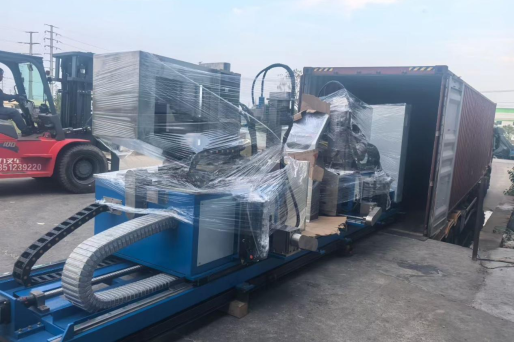
January 15th, 2026 Air Conditioner BLDC Motor Production line Dispatch to India

08

Apr

January 15th, 2026 Air Conditioner BLDC Motor Production line Dispatch to India

View More
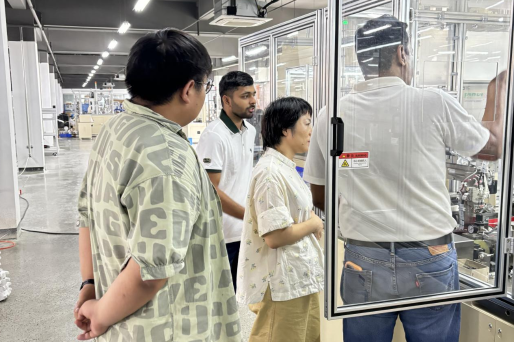
August 30th, 2025, 45W Air conditioner ODU BLDC motor Assembly line Inspection From India customer

08

Apr

August 30th, 2025, 45W Air conditioner ODU BLDC motor Assembly line Inspection From India customer

View More
January 5th , 2026 CNC Coil Forming Machine For High Voltage Motors dispatched to UZ (Uzbekistan)

07

Apr

January 5th , 2026 CNC Coil Forming Machine For High Voltage Motors dispatched to UZ (Uzbekistan)

View More

Get a Free Quote

Our representative will contact you soon.
Email
Name
Mobile/WhatsApp
Company Name
Message
0/1000

electric motor stator machine

Precision Winding Technology Ensures Superior Motor Performance

Precision Winding Technology Ensures Superior Motor Performance

The winding capabilities of an electric motor stator machine represent perhaps its most critical feature, directly determining the electrical and mechanical characteristics of finished motors. Advanced winding technology incorporated into modern machines achieves wire placement accuracy measured in fractions of millimeters, ensuring optimal electromagnetic field distribution essential for efficient motor operation. The precision winding system employs servo-controlled tensioning mechanisms that maintain consistent wire tightness throughout the entire coil formation process, preventing loose turns that could cause vibration or tight sections that might damage insulation. This controlled tension application proves especially valuable when working with fine-gauge wires used in high-efficiency motors, where even minor variations affect electrical resistance and heat generation. The electric motor stator machine utilizes programmable winding patterns that accommodate various coil configurations including lap windings, wave windings, and concentrated windings, each optimized for specific motor performance characteristics. Automated needle or nozzle systems guide wire through stator slots with precision positioning, eliminating the hand-eye coordination challenges that limit manual winding accuracy. Multi-spindle configurations available on advanced machines enable simultaneous winding of multiple phases, dramatically reducing cycle times while maintaining perfect balance between coil sets. The winding system incorporates real-time monitoring that detects wire breaks, verifies turn counts, and ensures proper layer formation, automatically stopping production if deviations occur to prevent defective stators from advancing through the manufacturing process. Temperature management within the winding station prevents wire insulation degradation during high-speed operations, using cooling systems or controlled duty cycles that protect material integrity. Wire feeding mechanisms automatically adjust for different conductor diameters and insulation types, accommodating design changes without manual intervention. The precision achieved by electric motor stator machine winding systems directly translates into motor characteristics customers value, including lower operating temperatures through reduced electrical resistance, quieter operation from balanced electromagnetic forces, higher torque density from optimized slot filling, and extended service life through minimized mechanical stress on components. For manufacturers, this precision consistency means predictable motor performance across production batches, simplified quality control procedures, and reduced warranty claims. The sophisticated winding technology represents a competitive differentiator, enabling production of motors that meet stringent efficiency standards required by modern regulations while delivering the performance characteristics that end-users demand in applications ranging from electric vehicles to industrial automation systems.
Automated Core Assembly Streamlines Production Workflow

Automated Core Assembly Streamlines Production Workflow

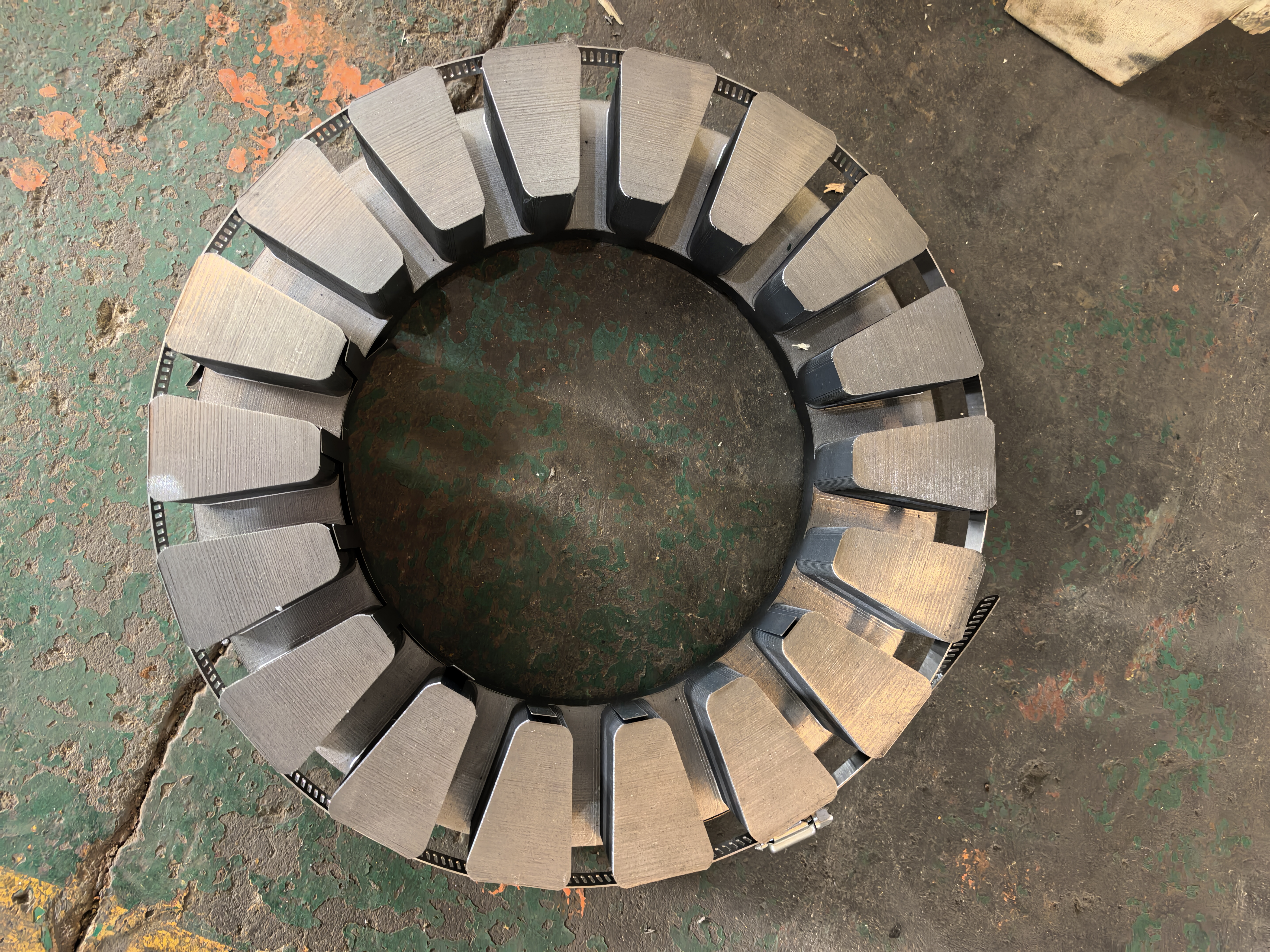
Core assembly automation integrated within the electric motor stator machine revolutionizes the labor-intensive process of stacking and securing laminated steel sheets that form the stator's magnetic structure. Traditional manual stacking methods require skilled workers to individually position hundreds of thin laminations, ensuring proper alignment while avoiding damage to insulation coatings that prevent eddy current losses. The automated approach employed by modern electric motor stator machine systems uses precision feeders that separate individual laminations from supply stacks, orient them correctly, and position them onto assembly fixtures with repeatable accuracy. This automation eliminates human error in lamination sequencing, particularly important when producing stators with segmented designs or those requiring specific stacking patterns to minimize cogging torque. Interlocking mechanisms or welding stations integrated into the machine secure lamination stacks permanently, creating rigid core structures that withstand mechanical stresses during motor operation and subsequent manufacturing processes. The electric motor stator machine accommodates various lamination materials including standard electrical steel, high-performance silicon steel, and specialized alloys for specific applications, with adjustable handling parameters preventing damage to different material grades. Thickness sensing systems verify proper lamination counts, ensuring cores meet specified stack heights critical for maintaining designed magnetic flux densities and motor performance characteristics. Automated core assembly significantly reduces production time compared to manual methods, with typical cycle times measured in seconds rather than minutes, enabling manufacturers to achieve production volumes previously requiring multiple assembly stations. Quality improvements stem from consistent compression forces applied during stacking, uniform alignment preventing eccentric cores that cause vibration, and elimination of contamination from handling that could compromise insulation effectiveness. The system's flexibility allows rapid changeover between different stator sizes and designs through programmable fixtures and adjustable positioning mechanisms, supporting mixed-model production strategies without extensive downtime. Material tracking capabilities integrated into advanced machines monitor lamination usage, alerting operators when supply replenishment becomes necessary and maintaining production continuity. Core assembly automation within the electric motor stator machine also enhances workplace safety by eliminating repetitive manual handling of sharp-edged laminations that pose laceration risks and reducing ergonomic strain associated with precise positioning tasks. For manufacturers serving diverse markets, this automated capability provides the agility needed to efficiently produce both high-volume standard motors and smaller batches of specialized designs, optimizing equipment utilization across varying production requirements while maintaining the quality consistency that builds customer confidence and brand reputation in competitive motor markets.
Integrated Quality Control Systems Guarantee Consistent Output

Integrated Quality Control Systems Guarantee Consistent Output

Quality assurance capabilities built directly into the electric motor stator machine transform traditional post-production inspection into real-time process verification, catching defects immediately rather than discovering problems after completing entire production batches. Integrated vision systems capture high-resolution images of critical features including wire placement in stator slots, insulation positioning, and termination connections, comparing actual conditions against digital references to identify deviations requiring correction. These automated inspection modules operate at production speeds without slowing throughput, examining every stator rather than statistical samples, thereby providing 100 percent quality verification impossible with manual inspection methods. The electric motor stator machine incorporates dimensional measurement systems using laser sensors or contact probes that verify core diameters, stack heights, and slot geometries, ensuring components meet tolerances specified in engineering drawings. Electrical testing stations integrated into production lines measure winding resistance, inductance values, and insulation integrity through high-potential testing, identifying shorts, opens, or ground faults before stators advance to subsequent assembly operations. These immediate electrical verifications prevent defective components from consuming additional manufacturing resources and ensure only qualified stators enter motor assembly processes. Data logging functionality records all measurement results with time stamps and serial numbers, creating comprehensive quality documentation that supports traceability requirements in automotive and aerospace applications while providing statistical process control data for continuous improvement initiatives. Alert systems notify operators immediately when measurements approach specification limits, enabling proactive adjustments that prevent defect generation rather than reacting to failures after they occur. The integrated quality control approach reduces inspection labor costs by automating repetitive measurement tasks while improving detection reliability through elimination of human factors like fatigue or attention lapses that affect manual inspection accuracy. Rejection handling mechanisms automatically divert non-conforming stators from production flows, preventing accidental mixing with acceptable components and simplifying segregation for rework or scrap disposition. For manufacturers, these integrated quality systems within the electric motor stator machine provide confidence that shipped products meet customer requirements, reducing warranty claims and protecting brand reputation. The comprehensive data generated supports quality certifications like ISO 9001 and IATF 16949, demonstrating process control capabilities customers increasingly demand from suppliers. Real-time quality feedback enables rapid process optimization, as engineers can correlate process parameters with quality outcomes and implement improvements based on actual production data rather than periodic audits. This integration represents a fundamental shift from detecting defects to preventing them, aligning with modern quality philosophies emphasizing built-in quality rather than inspected-in quality, ultimately reducing total quality costs while enhancing customer satisfaction through consistently superior products delivered by the sophisticated electric motor stator machine systems deployed in leading manufacturing facilities worldwide.

Get a Free Quote

Our representative will contact you soon.
Email
Name
Mobile/WhatsApp
Company Name
Message
0/1000