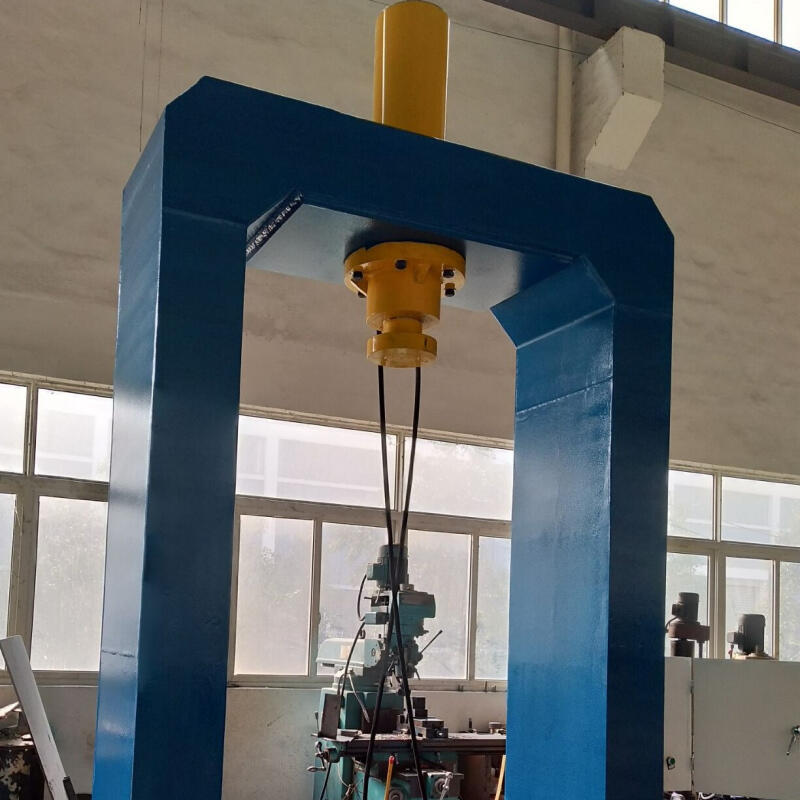
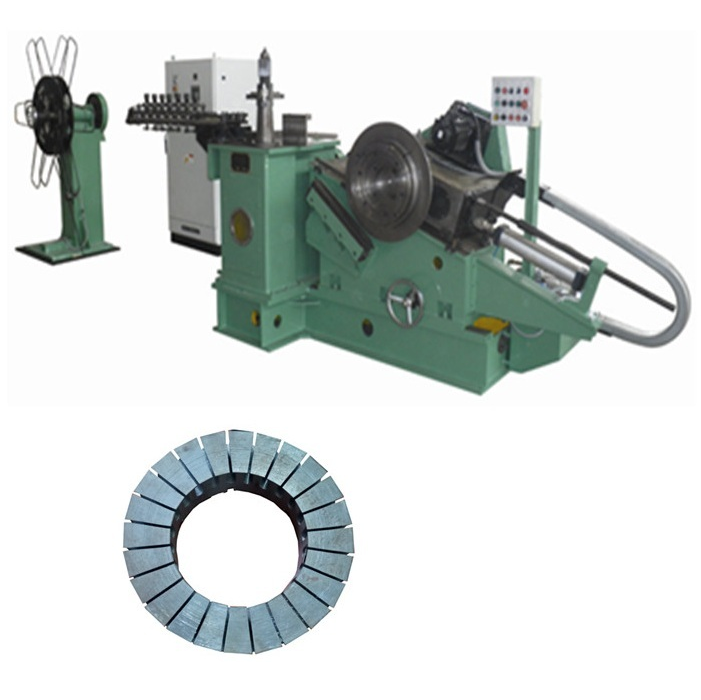
Axial Flux Motor Production Machine - Advanced Manufacturing Solutions for High-Performance Electric Motors

Get a Free Quote

Our representative will contact you soon.
Email
Name
Mobile/WhatsApp
Company Name
Message
0/1000

axial flux motor production machine

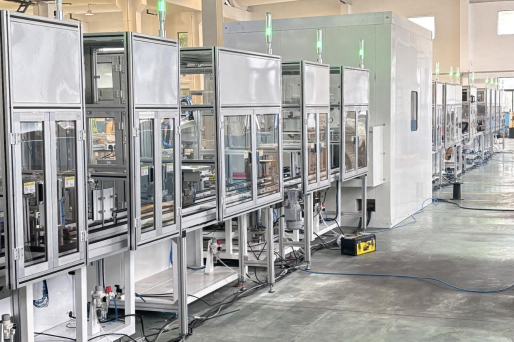
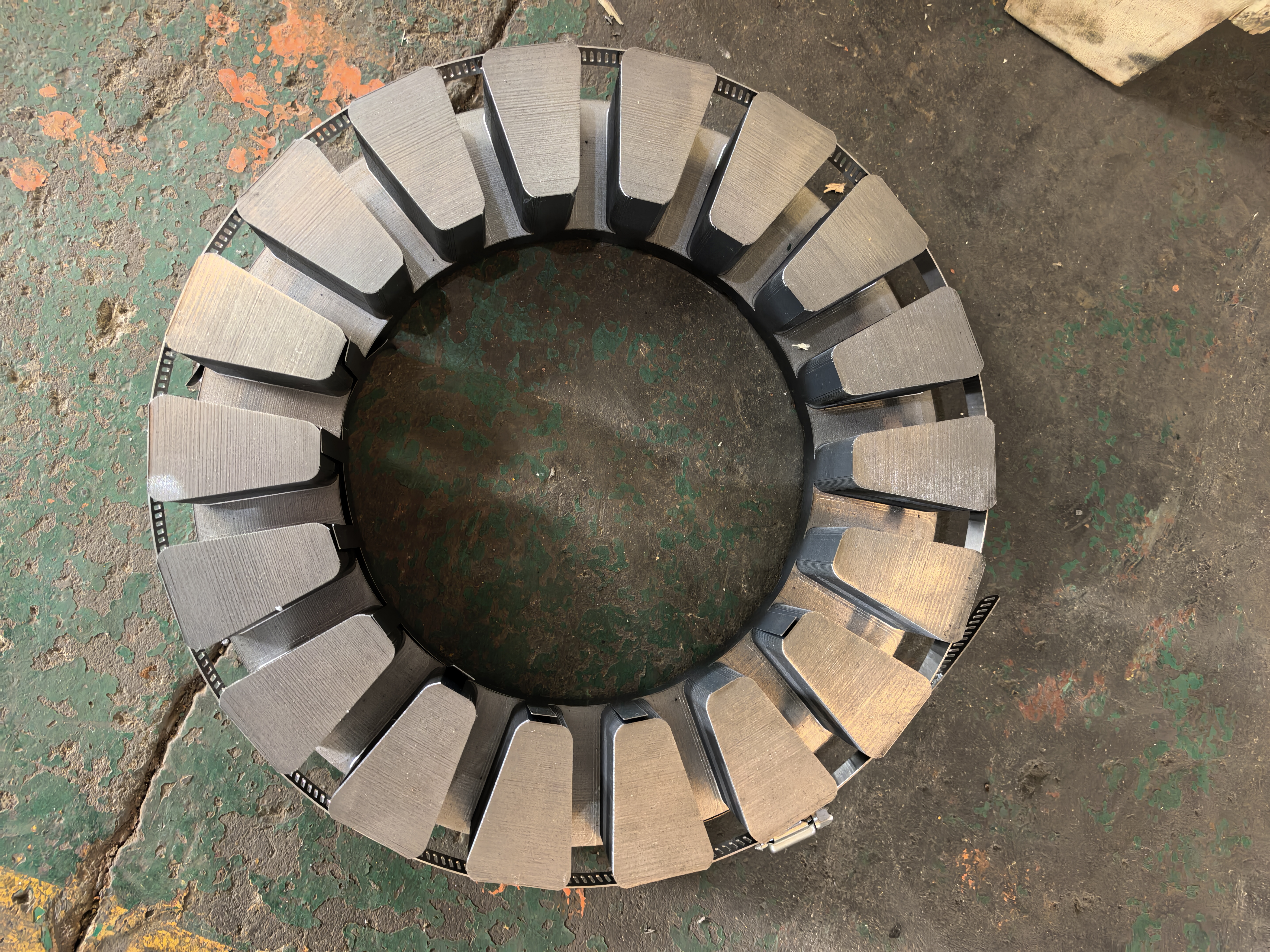
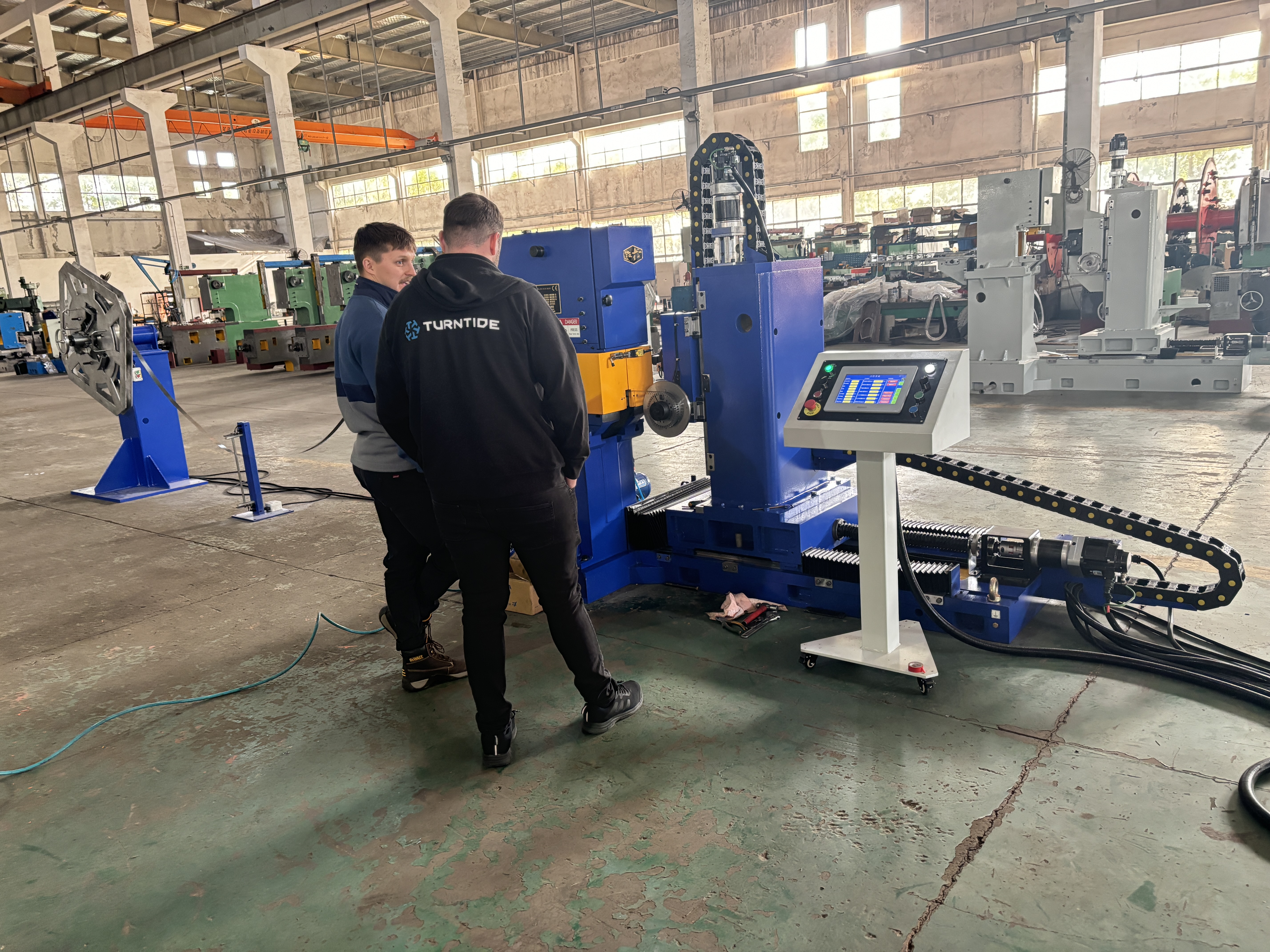
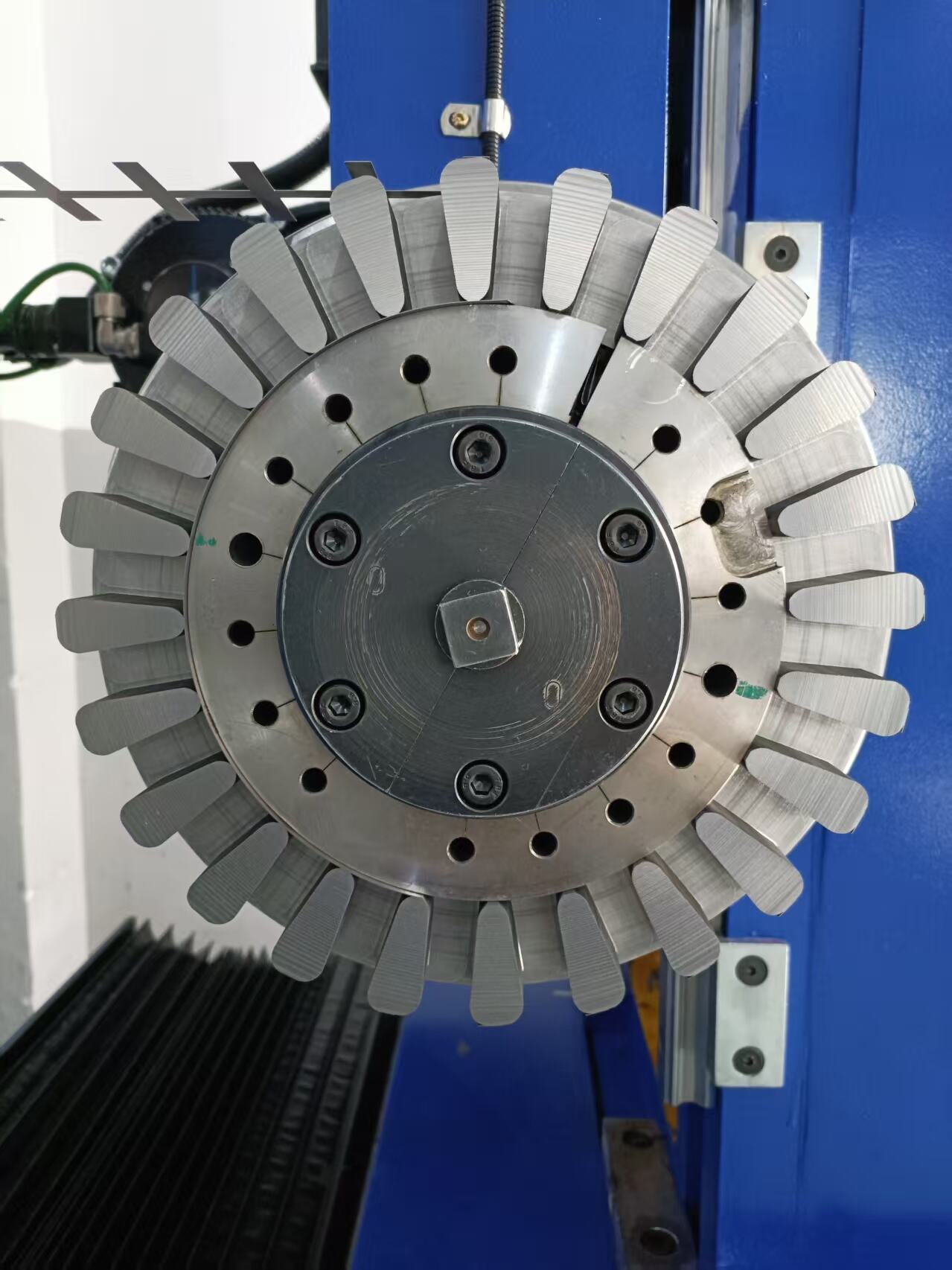
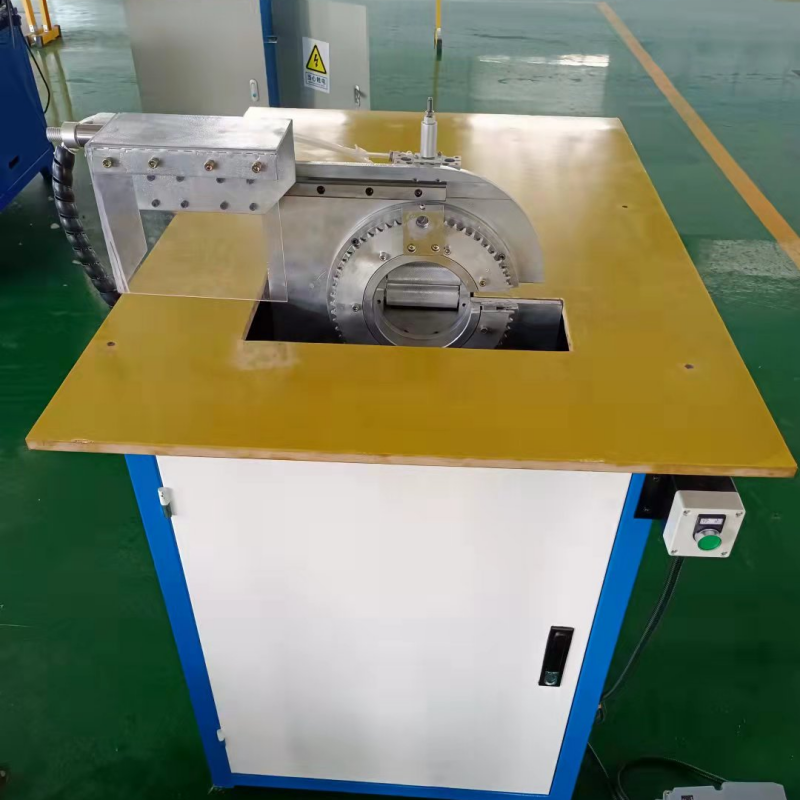
The axial flux motor production machine represents a cutting-edge manufacturing solution designed specifically for producing next-generation electric motors with unparalleled efficiency and precision. This sophisticated equipment streamlines the entire fabrication process of axial flux motors, which differ fundamentally from traditional radial flux designs by featuring magnetic fields that run parallel to the motor shaft. The axial flux motor production machine integrates multiple manufacturing stages into a cohesive automated system, handling everything from stator assembly and rotor construction to winding operations and final quality testing. Its main functions encompass precise material handling, automated coil winding with tension control, accurate component positioning, adhesive application systems, and comprehensive inspection protocols. Technological features include programmable logic controllers for seamless operation coordination, servo-driven actuators ensuring micrometer-level accuracy, vision systems for quality verification, and adaptive processing capabilities that accommodate various motor sizes and specifications. The machine employs advanced sensing technology to monitor critical parameters throughout production, ensuring consistent output quality while minimizing material waste. Temperature-controlled environments within specific modules prevent thermal expansion issues during precision assembly operations. The axial flux motor production machine finds extensive applications across multiple sectors, including electric vehicle manufacturing where compact, high-torque motors are essential, renewable energy systems requiring efficient generators, aerospace applications demanding lightweight propulsion solutions, and industrial automation scenarios needing reliable actuators. Manufacturing facilities adopting this equipment benefit from significantly reduced labor costs, enhanced production consistency, improved workplace safety by minimizing manual handling of heavy components, and the flexibility to rapidly switch between different motor configurations without extensive retooling. The modular design philosophy allows manufacturers to scale their production capacity incrementally, adding stations as demand grows rather than investing in completely new lines.

New Products

Investing in an axial flux motor production machine delivers substantial practical benefits that directly impact your bottom line and competitive positioning. First and foremost, this equipment dramatically accelerates manufacturing throughput compared to manual or semi-automated approaches. Where traditional methods might produce twenty motors per shift, an axial flux motor production machine can easily output sixty to eighty units with consistent quality, tripling your production capacity without proportionally increasing labor expenses. The precision engineering embedded within these systems ensures every motor meets exact specifications, reducing rejection rates from typical industry averages of eight percent down to less than one percent. This quality improvement translates directly into cost savings by minimizing material waste and eliminating the expenses associated with reworking defective units. The automation capabilities reduce dependency on highly specialized technicians, allowing you to staff production lines with operators who can manage multiple machines simultaneously after straightforward training programs. Energy efficiency represents another compelling advantage, as modern production machines optimize power consumption during operation, typically reducing electricity costs by thirty to forty percent compared to older manufacturing setups. The repeatability provided by computer-controlled processes eliminates human error variables, ensuring that the thousandth motor produced maintains identical characteristics to the first. Maintenance requirements stay minimal thanks to robust construction using industrial-grade components designed for continuous operation across multiple shifts. Predictive diagnostic systems alert maintenance teams to potential issues before they cause production interruptions, maximizing uptime and protecting your investment. Flexibility stands out as a crucial benefit, particularly for manufacturers serving diverse markets or developing new motor variants. The axial flux motor production machine accommodates design changes through software updates and modular tooling adjustments rather than requiring complete equipment replacement. This adaptability protects against technological obsolescence and supports innovation initiatives. Space utilization improves significantly, as integrated production lines consolidate multiple manufacturing steps into compact footprints, freeing valuable floor space for additional equipment or inventory storage. Safety enhancements protect your workforce, with enclosed operation zones, emergency stop systems, and automated material handling reducing injury risks associated with heavy lifting and repetitive motions. Documentation and traceability features automatically record production parameters for each motor, supporting quality management systems and facilitating regulatory compliance in industries with stringent standards. The return on investment timeline typically ranges from eighteen to thirty months, depending on production volumes, after which the equipment continues generating value through operational cost reductions and premium pricing enabled by superior product quality.

Latest News

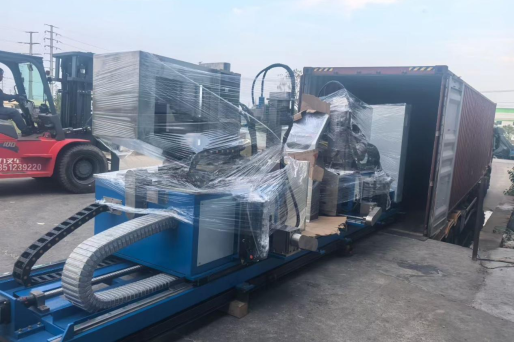
January 15th, 2026 Air Conditioner BLDC Motor Production line Dispatch to India

08

Apr

January 15th, 2026 Air Conditioner BLDC Motor Production line Dispatch to India

View More
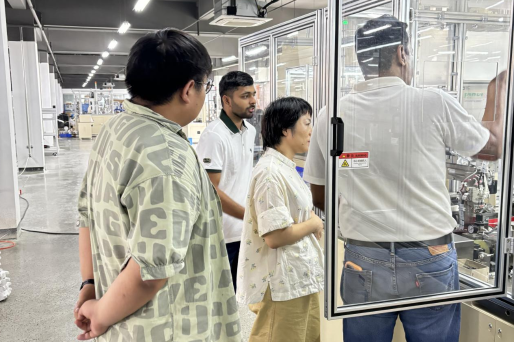
August 30th, 2025, 45W Air conditioner ODU BLDC motor Assembly line Inspection From India customer

08

Apr

August 30th, 2025, 45W Air conditioner ODU BLDC motor Assembly line Inspection From India customer

View More
January 5th , 2026 CNC Coil Forming Machine For High Voltage Motors dispatched to UZ (Uzbekistan)

07

Apr

January 5th , 2026 CNC Coil Forming Machine For High Voltage Motors dispatched to UZ (Uzbekistan)

View More

Get a Free Quote

Our representative will contact you soon.
Email
Name
Mobile/WhatsApp
Company Name
Message
0/1000

axial flux motor production machine

Precision Assembly Technology Ensuring Superior Motor Performance

Precision Assembly Technology Ensuring Superior Motor Performance

The precision assembly technology incorporated into the axial flux motor production machine fundamentally transforms how manufacturers approach motor construction, delivering quality levels previously unattainable through conventional methods. This technology centers on advanced positioning systems that achieve alignment accuracy within five micrometers, critical for axial flux motors where even minor misalignments between rotor and stator components can significantly degrade electromagnetic efficiency and generate unwanted vibrations. The machine employs laser-based measurement systems continuously monitoring component positions throughout assembly sequences, making real-time adjustments through servo-controlled actuators that respond within milliseconds. This closed-loop control ensures optimal air gaps between magnetic surfaces, maximizing torque output while minimizing energy losses. The precision extends to coil winding operations where tension control systems maintain consistent wire tightness, preventing loose windings that could shift during operation or overly tight configurations that stress insulation materials. Automated wire routing eliminates human inconsistencies, creating identical winding patterns across thousands of production cycles. Temperature management during assembly prevents thermal expansion issues that could compromise final tolerances, with cooling systems maintaining component temperatures within two-degree ranges. Vision inspection systems capture high-resolution images at multiple assembly stages, comparing actual configurations against CAD models and flagging deviations before they progress further through production. This early detection prevents compounding errors and eliminates wasted processing on defective components. The precision technology proves especially valuable for manufacturers targeting premium market segments where motor performance directly influences end-product differentiation. Electric vehicle manufacturers, for instance, demand motors delivering maximum power density to extend driving ranges, a requirement only achievable through meticulous assembly precision. Similarly, aerospace applications cannot tolerate performance variability, making precision assembly non-negotiable. Beyond immediate quality benefits, this technology reduces downstream costs by producing motors requiring minimal balancing operations and passing electrical testing on first attempts. Warranty claims decrease substantially when motors maintain consistent performance over extended operational lifetimes, protecting brand reputation and reducing service expenses. The competitive advantage extends to certification processes, as precision-assembled motors more easily satisfy stringent regulatory requirements in various jurisdictions. Manufacturers can confidently pursue international markets knowing their production capabilities meet global standards, opening revenue opportunities that might otherwise remain inaccessible.
Intelligent Automation Reducing Labor Costs While Increasing Output

Intelligent Automation Reducing Labor Costs While Increasing Output

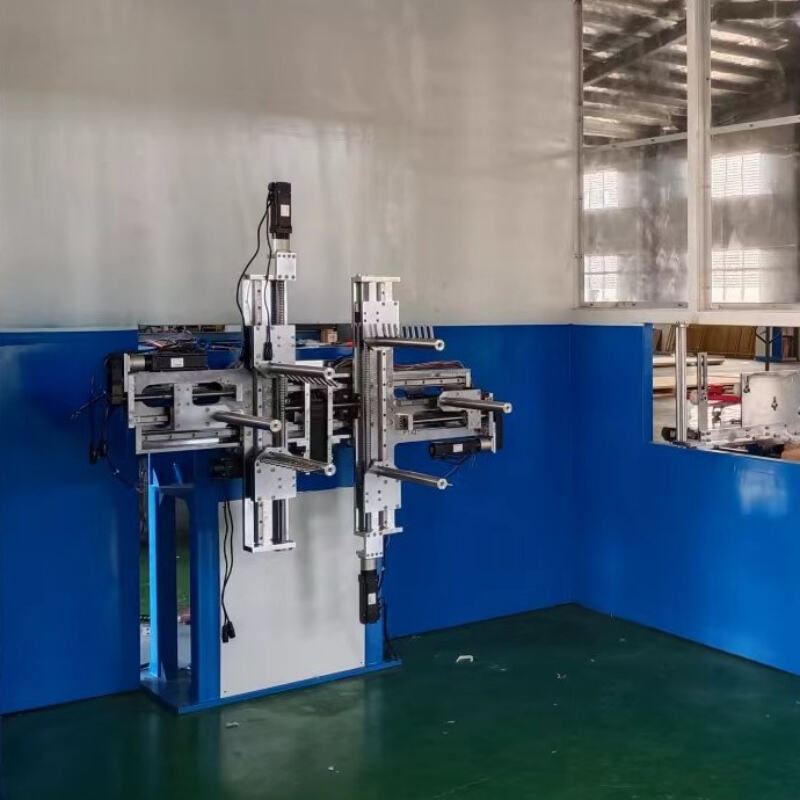
Intelligent automation within the axial flux motor production machine revolutionizes operational economics by simultaneously reducing labor requirements and substantially increasing production output, creating a compelling value proposition for manufacturers facing competitive pressure and workforce challenges. The automation architecture integrates multiple coordinated subsystems operating under centralized control, eliminating the need for workers to manually transfer components between processing stations or make subjective quality judgments. Material handling robots retrieve raw components from supply racks, position them precisely within work zones, and transfer completed assemblies to subsequent stations without human intervention. This continuous flow operation sustains production rates impossible with manual handling, where fatigue and safety protocols necessitate regular breaks. The system operates reliably across extended shifts, maintaining consistent cycle times whether running the first hour or the twentieth. Intelligent features extend beyond basic automation through adaptive algorithms that optimize processing parameters based on real-time sensor feedback. If the system detects variations in component dimensions within acceptable tolerance ranges, it automatically adjusts assembly pressures or positioning offsets to compensate, maintaining final product quality without operator intervention. Machine learning capabilities analyze historical production data to identify patterns correlating with quality outcomes, gradually refining processing recipes to maximize yield rates. These intelligent systems reduce training requirements for production personnel, as intuitive touchscreen interfaces guide operators through machine setup procedures and routine maintenance tasks using visual instructions rather than requiring interpretation of complex technical manuals. Operators transition from performing repetitive manual tasks to supervisory roles overseeing multiple machines, dramatically improving labor productivity metrics. A manufacturing facility that previously required twelve workers per shift to produce two hundred motors daily might achieve four hundred units with just four operators after implementing intelligent automation, cutting per-unit labor costs by seventy percent. The automation reliability minimizes production variability that complicates inventory planning and customer delivery commitments. Manufacturers can confidently promise specific delivery dates knowing production schedules will be met without unexpected delays from human-related factors. Quality consistency improvements reduce the buffer inventory traditionally maintained to compensate for rejection rates, freeing working capital for other business purposes. The intelligent automation proves particularly valuable during labor market tightness when finding qualified workers becomes challenging and wage pressures compress profit margins. Companies gain independence from labor availability constraints, sustaining production commitments regardless of local employment conditions.
Modular Configuration Enabling Scalable Production Growth

Modular Configuration Enabling Scalable Production Growth

The modular configuration design philosophy underlying modern axial flux motor production machine systems delivers exceptional strategic value by enabling manufacturers to scale production capacity in alignment with market demand growth, avoiding the financial risks associated with overinvestment in fixed manufacturing infrastructure. Unlike traditional monolithic production lines requiring complete installation before any output occurs, modular systems allow phased implementation where manufacturers begin with core essential modules and systematically add capability stations as production volumes increase or product complexity expands. This approach dramatically reduces initial capital requirements, making advanced motor manufacturing accessible to mid-sized companies that might otherwise lack resources for comprehensive automation investments. A startup manufacturer might initially deploy basic stator assembly and winding modules, handling final assembly and testing manually, then progressively automate remaining processes as revenue growth provides investment capital. Each module integrates seamlessly with existing equipment through standardized mechanical interfaces and communication protocols, eliminating compatibility concerns and minimizing installation downtime. The modularity extends beyond physical equipment to include software architectures where manufacturers purchase baseline control systems and add advanced features like predictive maintenance analytics or remote monitoring capabilities as operational sophistication increases. This scalability protects technology investments by ensuring equipment remains relevant as manufacturing requirements evolve, avoiding premature obsolescence that plagues single-purpose machinery. Manufacturers developing new motor designs benefit tremendously from modular flexibility, as they can reconfigure production lines by swapping or repositioning modules rather than purchasing entirely new equipment. A facility initially configured for producing motors with one hundred millimeter diameters can adapt to two hundred millimeter designs by changing tooling fixtures and adjusting module spacing, accomplished during planned maintenance windows without extensive production interruptions. Geographic expansion strategies benefit from modular approaches where proven configurations from established facilities are replicated at new locations, reducing commissioning timelines and eliminating trial-and-error experimentation. The standardization inherent in modular systems simplifies spare parts inventory management and technician training, as knowledge and components transfer across multiple production lines. Maintenance becomes more efficient when technicians develop deep expertise with specific module types deployed throughout facilities rather than superficial familiarity with numerous unique machines. Financial flexibility improves through modular investments, as companies can align equipment purchases with budget cycles and cash flow availability rather than committing massive capital outlays that stress financial resources and limit strategic options.

Get a Free Quote

Our representative will contact you soon.
Email
Name
Mobile/WhatsApp
Company Name
Message
0/1000