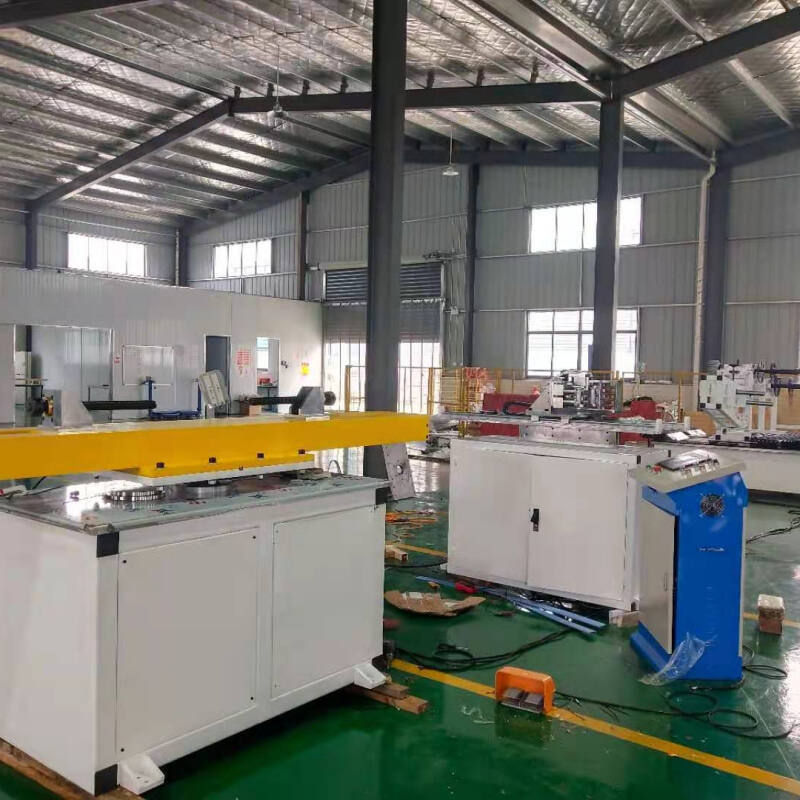
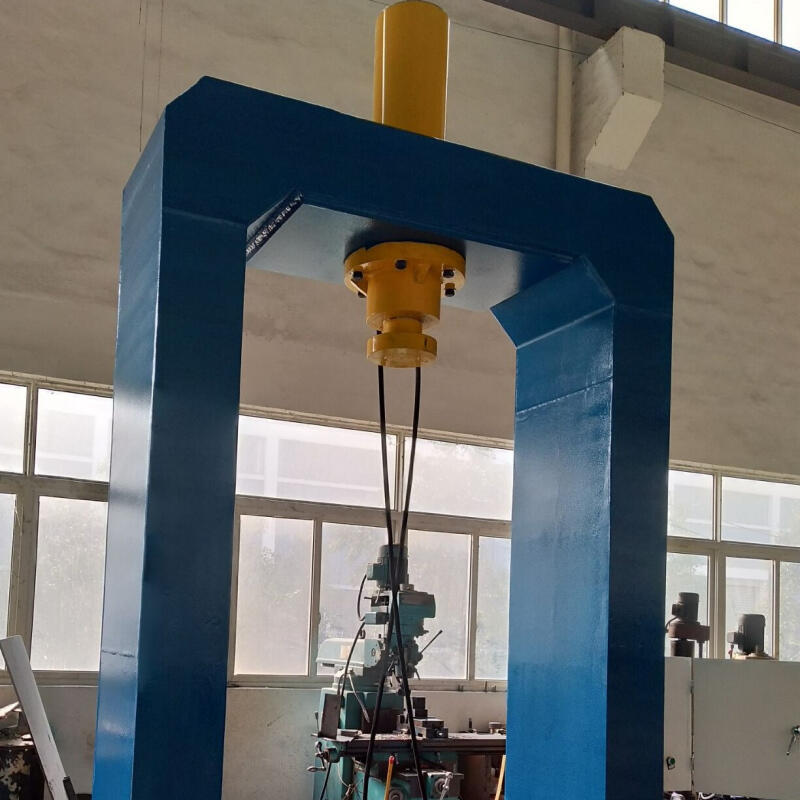
Stator Lamination Production Line - Advanced Manufacturing Solutions for Electric Motor Cores

Get a Free Quote

Our representative will contact you soon.
Email
Name
Mobile/WhatsApp
Company Name
Message
0/1000

stator lamination production line

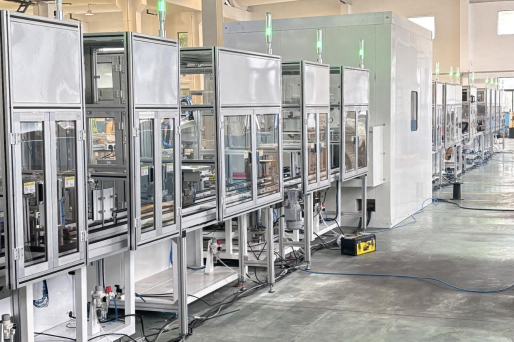
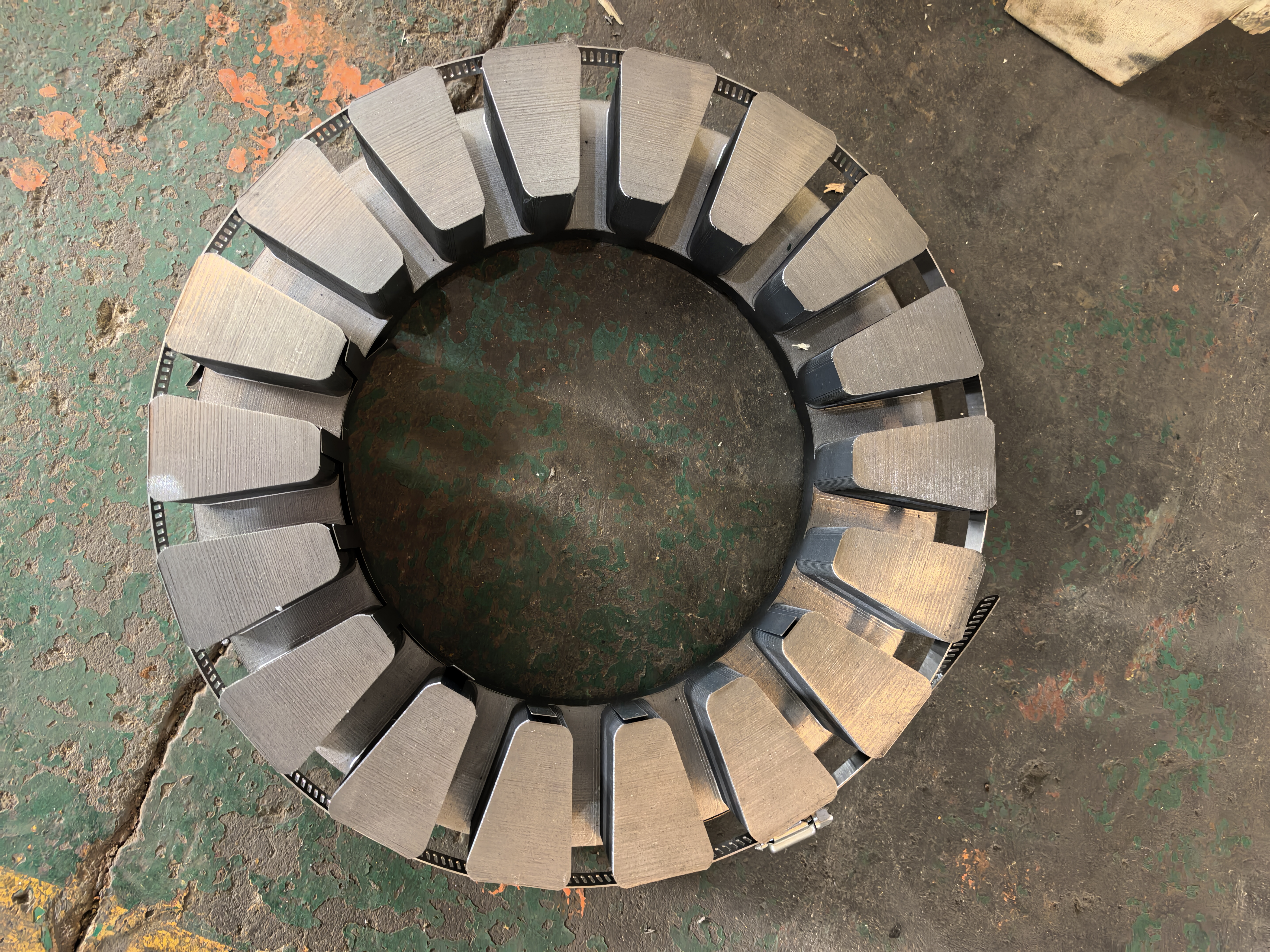
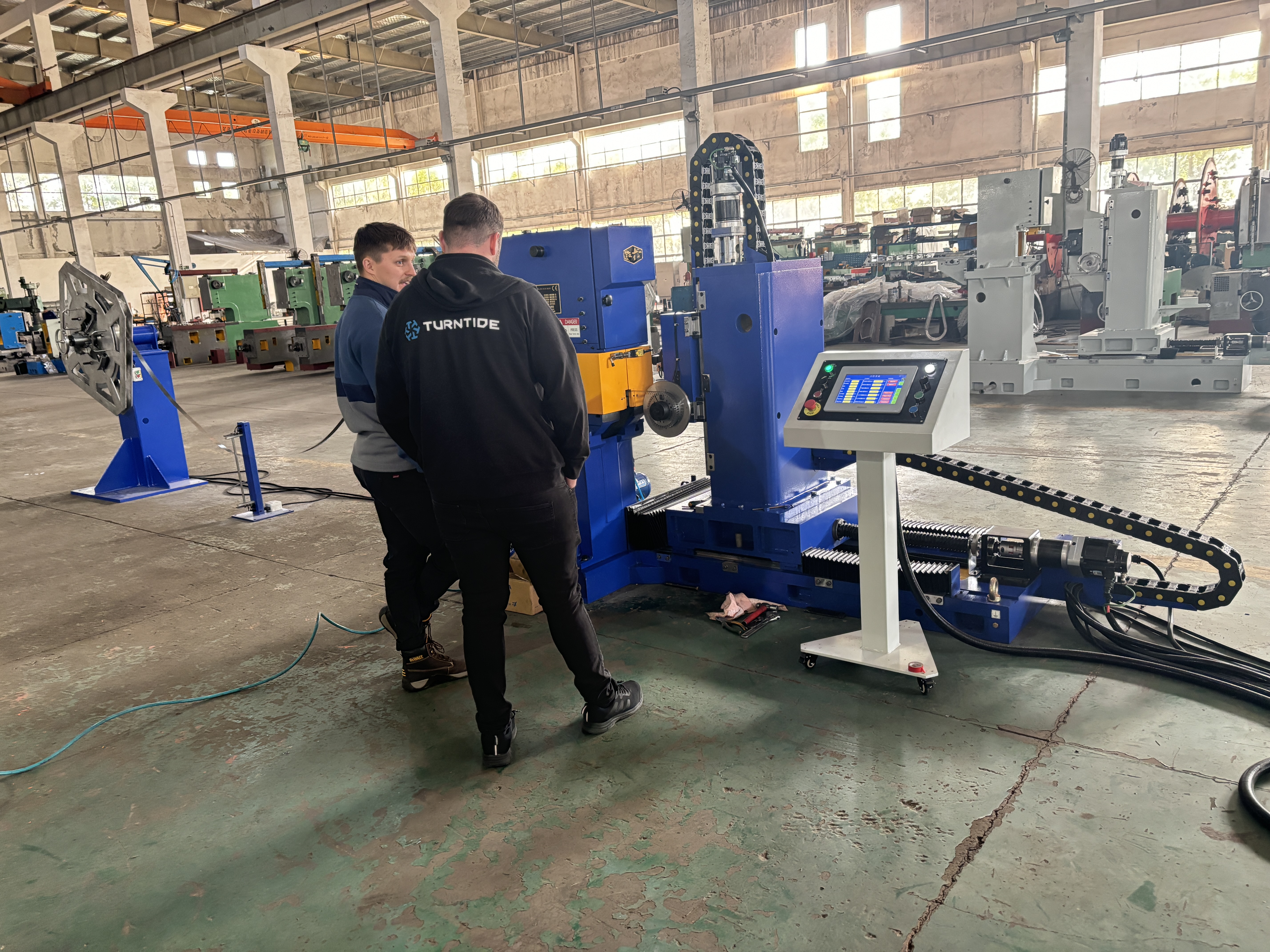
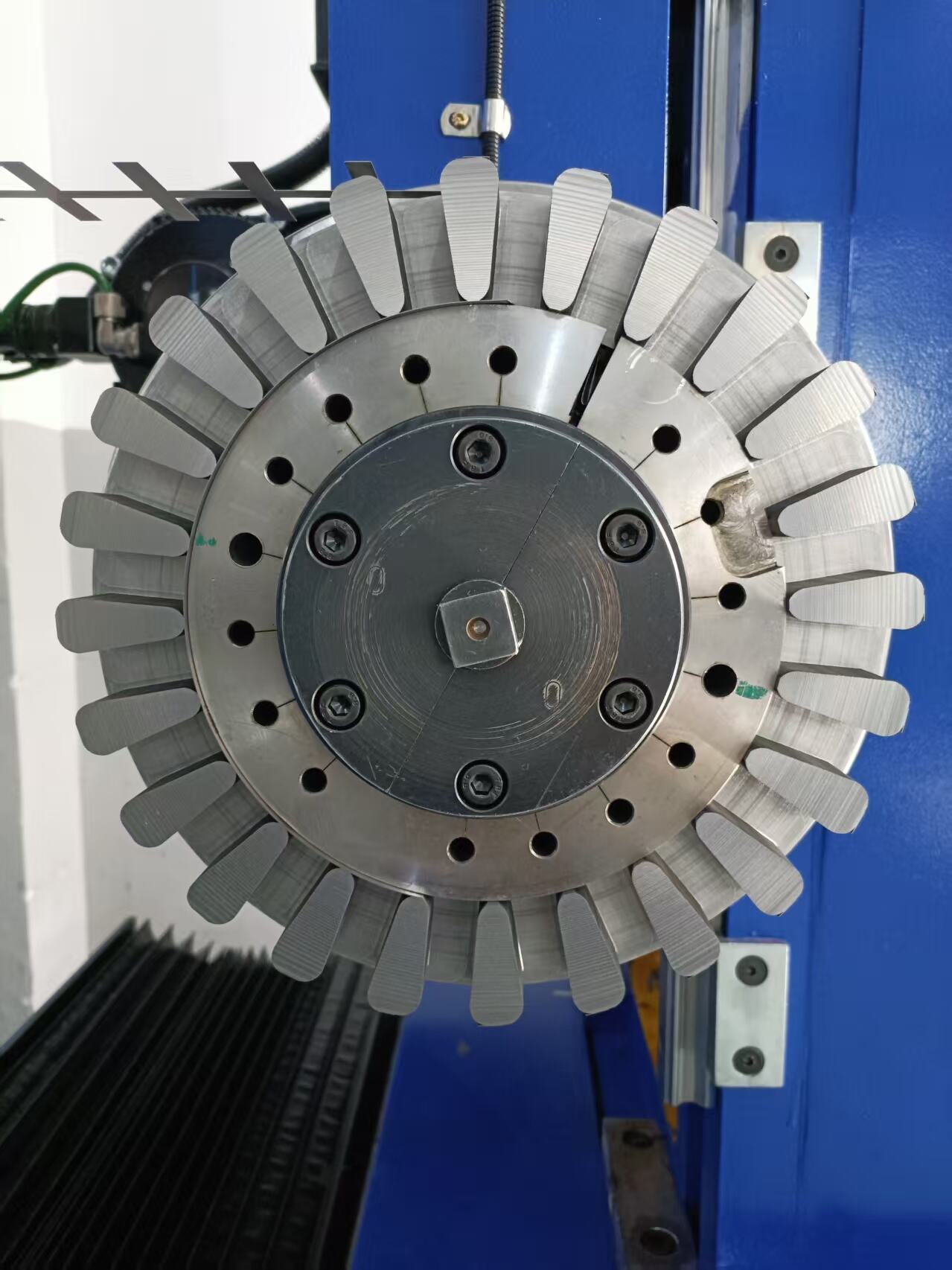
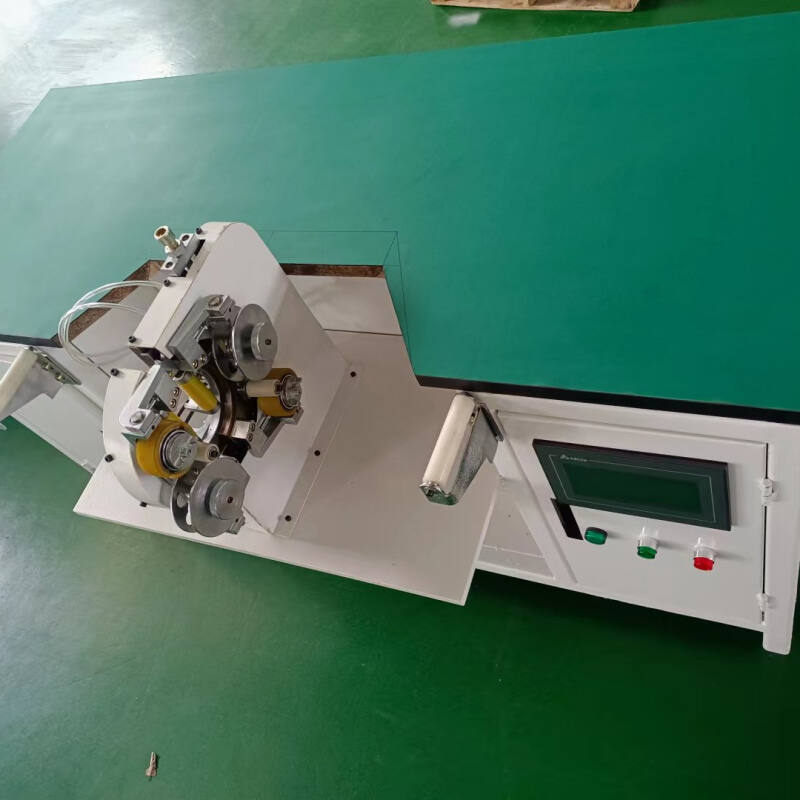
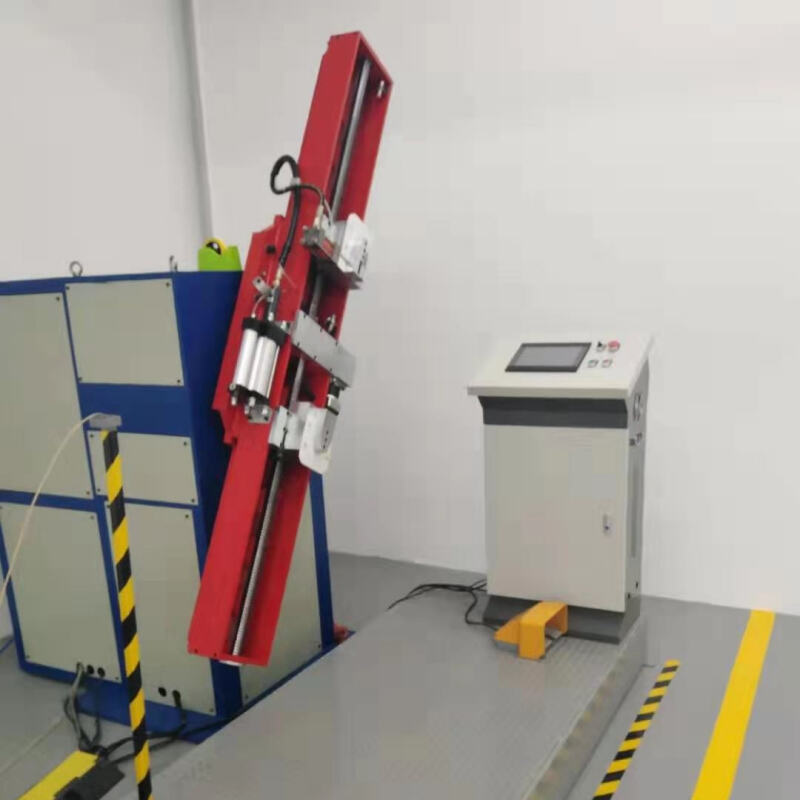
The stator lamination production line represents a sophisticated manufacturing system designed specifically for producing high-quality electrical steel laminations used in electric motors, generators, and transformers. This automated production line integrates multiple advanced technologies to transform raw electrical steel coils into precisely cut and stacked lamination cores that form the foundation of electromagnetic devices. The primary function of this production line involves uncoiling electrical steel material, feeding it through progressive stamping dies, cutting intricate geometric patterns, and assembling the laminations into complete stator cores. Modern stator lamination production lines incorporate computerized control systems that monitor every stage of production, ensuring consistent quality and dimensional accuracy throughout the manufacturing process. The technological features of these production lines include high-speed progressive stamping presses capable of producing thousands of laminations per hour, precision die sets engineered to maintain tolerances within microns, automated material handling systems that minimize waste and optimize workflow, and intelligent stacking mechanisms that arrange laminations in specific patterns to reduce magnetic losses. Additionally, the stator lamination production line often features interlock systems that bond individual laminations together, either through adhesive coating or mechanical interlocking designs. The applications of stator lamination production lines span across various industries, including automotive manufacturing for electric vehicle motors, home appliance production for washing machines and air conditioners, industrial motor manufacturing for pumps and compressors, renewable energy sectors for wind turbine generators, and aerospace applications requiring lightweight yet powerful electromagnetic components. These production lines can be customized to accommodate different lamination sizes, ranging from small motors used in consumer electronics to large industrial generators, making them versatile solutions for manufacturers seeking to produce electromagnetic cores efficiently and economically while maintaining the highest standards of quality and performance.

New Products

Investing in a stator lamination production line delivers substantial benefits that directly impact your manufacturing efficiency and bottom line. First and foremost, automation dramatically increases production speed compared to manual methods, allowing you to manufacture thousands of precision-cut laminations every hour without compromising quality. This elevated production capacity means you can fulfill larger orders faster, respond quickly to market demands, and scale your business operations without proportionally increasing labor costs. The precision engineering built into these production lines ensures every lamination meets exact specifications, eliminating the variations and errors common in manual production processes. This consistency translates to motors and generators that perform reliably, consume less energy, and last longer, enhancing your reputation and reducing warranty claims. Material utilization improves significantly with automated production lines because computer-controlled systems optimize cutting patterns to minimize waste from electrical steel coils, which represents one of your most expensive raw materials. By reducing scrap rates from typical manual levels of fifteen to twenty percent down to just three to five percent, you preserve valuable resources and lower material costs substantially. Labor efficiency gains prove equally impressive since automated systems require fewer operators to supervise production rather than perform manual cutting and stacking tasks. Your workforce can focus on quality control, maintenance, and process optimization rather than repetitive physical work, improving job satisfaction while reducing fatigue-related errors. Energy consumption per unit produced decreases because modern production lines incorporate energy-efficient motors, optimized hydraulic systems, and smart power management features that reduce operational costs over time. Quality control becomes more manageable with integrated monitoring systems that detect defects immediately, allowing operators to make corrections before producing large quantities of substandard parts. Flexibility represents another significant advantage, as many production lines accommodate quick die changes that let you switch between different lamination designs efficiently, supporting diverse product portfolios without maintaining separate manufacturing equipment for each design. The competitive edge gained through faster delivery times, superior quality consistency, and lower production costs positions your business favorably against competitors still relying on outdated manufacturing methods. Return on investment typically materializes within two to three years as savings from reduced labor, minimized waste, improved quality, and increased capacity accumulate steadily. Additionally, modern production lines generate valuable production data that helps you identify optimization opportunities, track efficiency metrics, and make informed decisions about process improvements that continuously enhance your manufacturing capabilities and profitability.

Latest News

January 15th, 2026 Air Conditioner BLDC Motor Production line Dispatch to India

08

Apr

January 15th, 2026 Air Conditioner BLDC Motor Production line Dispatch to India

View More
August 30th, 2025, 45W Air conditioner ODU BLDC motor Assembly line Inspection From India customer

08

Apr

August 30th, 2025, 45W Air conditioner ODU BLDC motor Assembly line Inspection From India customer

View More
January 5th , 2026 CNC Coil Forming Machine For High Voltage Motors dispatched to UZ (Uzbekistan)

07

Apr

January 5th , 2026 CNC Coil Forming Machine For High Voltage Motors dispatched to UZ (Uzbekistan)

View More

Get a Free Quote

Our representative will contact you soon.
Email
Name
Mobile/WhatsApp
Company Name
Message
0/1000

stator lamination production line

Advanced Precision Engineering for Superior Quality Control

Advanced Precision Engineering for Superior Quality Control

The precision engineering incorporated into modern stator lamination production lines represents a fundamental advantage that separates professional manufacturing operations from conventional production methods. At the heart of this precision lies the progressive stamping die system, engineered with tolerances measured in microns to ensure each lamination cut matches specifications exactly. These dies undergo rigorous manufacturing processes including wire electrical discharge machining, precision grinding, and heat treatment that create cutting edges capable of maintaining sharpness through millions of stamping cycles. The die sets feature multiple stations that progressively form the lamination shape, with each station performing specific operations such as pilot hole punching, outer diameter cutting, slot formation, and final separation from the carrier strip. This staged approach distributes mechanical stresses evenly across the material, preventing distortion and maintaining flatness critical for proper stacking and electromagnetic performance. Computer numerical control systems govern the entire stamping process, monitoring press force, stroke position, and cycle timing with microsecond precision to detect any deviations from optimal parameters. When the system identifies irregularities such as excessive force indicating die wear or timing variations suggesting mechanical issues, it alerts operators immediately and can automatically halt production to prevent manufacturing defective parts. The feeding mechanism utilizes servo motors with encoder feedback that advances the electrical steel strip in exact increments, ensuring perfect alignment between each stamping cycle. This positional accuracy proves essential because even slight misalignment creates dimensional variations that accumulate across thousands of laminations, potentially resulting in cores that fail to meet electromagnetic specifications or mechanical assembly requirements. Integrated vision systems inspect laminations at production speed, capturing high-resolution images that sophisticated software analyzes for defects including incomplete cuts, burrs, dimensional deviations, and surface imperfections. This real-time quality verification provides confidence that every lamination leaving the production line meets stringent standards without requiring time-consuming manual inspection of sample parts. The stacking mechanism demonstrates equal precision, carefully arranging laminations in predetermined patterns that optimize magnetic properties while accommodating keyways, mounting features, and ventilation requirements. Programmable controllers allow operators to specify rotation angles between successive laminations, creating interleaved patterns that minimize eddy current losses and improve motor efficiency. Throughout every stage, the stator lamination production line maintains environmental controls including temperature regulation and vibration dampening that prevent external factors from compromising precision, ensuring consistent quality regardless of ambient conditions or production duration.
Intelligent Automation That Maximizes Productivity and Minimizes Waste

Intelligent Automation That Maximizes Productivity and Minimizes Waste

Intelligent automation technology embedded throughout the stator lamination production line transforms raw materials into finished components with minimal human intervention while maximizing resource utilization and production throughput. The system begins with automated coil handling equipment that loads heavy electrical steel coils weighing several tons onto decoilers without requiring manual lifting or positioning, improving workplace safety while accelerating setup times between coils. Programmable logic controllers coordinate all production line elements, synchronizing the decoiler feed rate with stamping press speed, adjusting material tension to prevent stretching or buckling, and modulating hydraulic pressure based on material thickness and hardness properties. This orchestrated control ensures smooth material flow through the production line without interruptions that waste time and create scrap. The stamping press itself incorporates variable frequency drives that optimize motor speed and torque for different production requirements, reducing energy consumption during lighter cutting operations while providing maximum power for challenging materials or complex geometries. Servo-driven cushion systems within the press bed absorb impact forces that would otherwise stress mechanical components, extending equipment lifespan and reducing maintenance requirements that interrupt production schedules. Between stamping cycles, sensors verify material presence and position, confirming proper strip advancement before initiating the next cutting operation to prevent costly die crashes that damage tooling and require extended downtime for repairs. The scrap skeleton remaining after laminations are cut travels automatically to collection systems that compact waste for efficient recycling, recovering valuable electrical steel that offset material costs while supporting environmental sustainability initiatives. Automated lubrication systems deliver precise amounts of stamping oil to die surfaces at optimal intervals, reducing friction and heat buildup that accelerate wear while preventing excess lubricant application that creates housekeeping issues and disposal costs. The lamination stacking station employs robotic handling or pneumatic transfer mechanisms that move delicate stamped parts without causing scratches, dents, or distortion that compromise electromagnetic performance. Programmable parameters allow operators to configure stacking patterns, interlocking methods, and compression forces appropriate for specific core designs without mechanical adjustments or hardware changes. Production monitoring dashboards display real-time metrics including cycle rate, reject percentage, material utilization, and equipment status, providing transparency that helps supervisors identify optimization opportunities and respond quickly to developing issues before they impact delivery schedules. Historical data logging creates records that support continuous improvement initiatives, warranty investigations, and customer quality audits. Remote diagnostic capabilities enable equipment manufacturers to access production line systems electronically, troubleshooting problems without site visits and reducing support response times. This comprehensive automation throughout the stator lamination production line delivers consistent output quality, maximizes equipment utilization, and minimizes the labor hours required per component produced.
Versatile Customization Capabilities for Diverse Manufacturing Requirements

Versatile Customization Capabilities for Diverse Manufacturing Requirements

The versatile design of modern stator lamination production lines accommodates an extensive range of manufacturing requirements, allowing producers to serve diverse markets and respond flexibly to changing customer specifications without investing in multiple dedicated production systems. Quick die change features represent perhaps the most valuable aspect of this versatility, enabling operators to swap stamping dies in minutes rather than hours through standardized mounting systems, pre-aligned positioning mechanisms, and tool-free clamping arrangements. This rapid changeover capability makes economical production of smaller batch quantities practical, expanding market opportunities beyond high-volume applications that traditionally justified dedicated lamination manufacturing equipment. The production line accommodates various electrical steel grades including standard silicon steel, high-permeability materials for premium efficiency motors, and specialized alloys for high-temperature or high-frequency applications, processing materials ranging from thin 0.2-millimeter sheets to thicker 0.65-millimeter laminations without requiring equipment modifications. Adjustable press tonnage settings allow the same production line to manufacture small laminations for compact motors and large cores for industrial generators, providing flexibility that protects your capital investment as product portfolios evolve over time. Modular system architecture enables customization of production line configuration to match available factory space, workflow requirements, and automation levels appropriate for production volumes and labor availability. Manufacturers can specify basic semi-automated systems where operators manually load coils and remove finished stacks, or fully automated installations where material flows continuously from coil storage through stacking and packaging without human contact. The stator lamination production line supports various lamination bonding methods including adhesive coating application systems that spray or roll thin layers of bonding agent onto lamination surfaces, mechanical interlocking designs that feature tabs and slots stamping into laminations themselves, and welding or riveting stations that permanently join stacks for applications requiring maximum mechanical strength. Progressive expansion capabilities allow manufacturers to begin with essential production line components and add advanced features such as automated inspection systems, data collection interfaces, or additional stamping stations as production volumes grow and justify incremental investments. Integration with existing factory systems including enterprise resource planning software, manufacturing execution systems, and quality management databases ensures the production line functions as part of comprehensive manufacturing operations rather than isolated equipment. Customizable safety features address specific regulatory requirements and workplace policies, incorporating light curtains, safety interlocks, emergency stop systems, and guarding arrangements that protect operators while maintaining productivity. This adaptability extends throughout the production line lifecycle, with equipment manufacturers offering upgrade paths that incorporate technological advances including improved control systems, enhanced automation components, and efficiency improvements developed after initial installation, protecting your investment value over decades of production service.
Get a Free Quote

Our representative will contact you soon.
Email
Name
Mobile/WhatsApp
Company Name
Message
0/1000