Cut to Length Equipment - Precision Sheet Cutting Solutions for Industrial Manufacturing

Get a Free Quote

Our representative will contact you soon.
Email
Name
Mobile/WhatsApp
Company Name
Message
0/1000

cut to length equipment

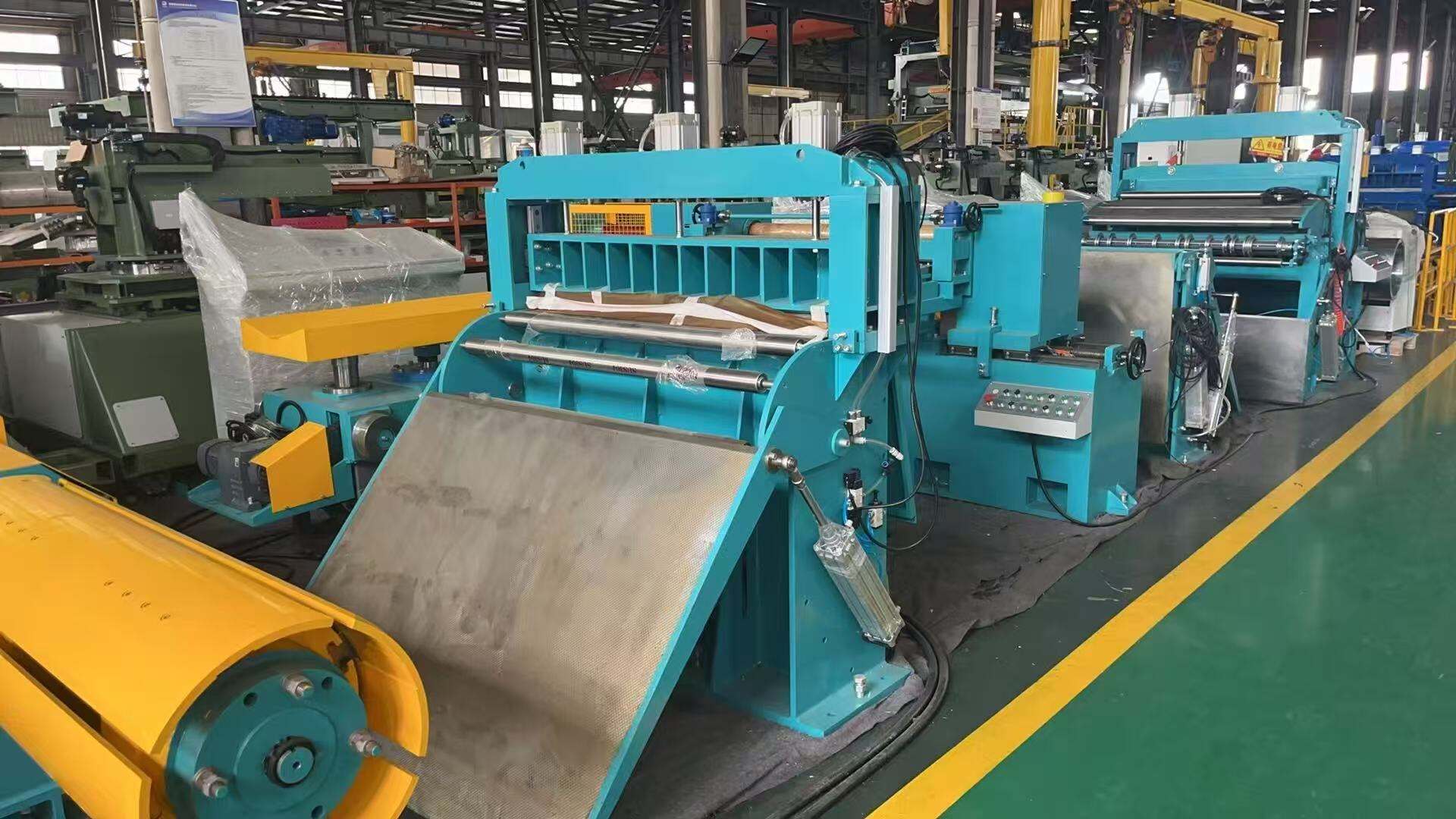
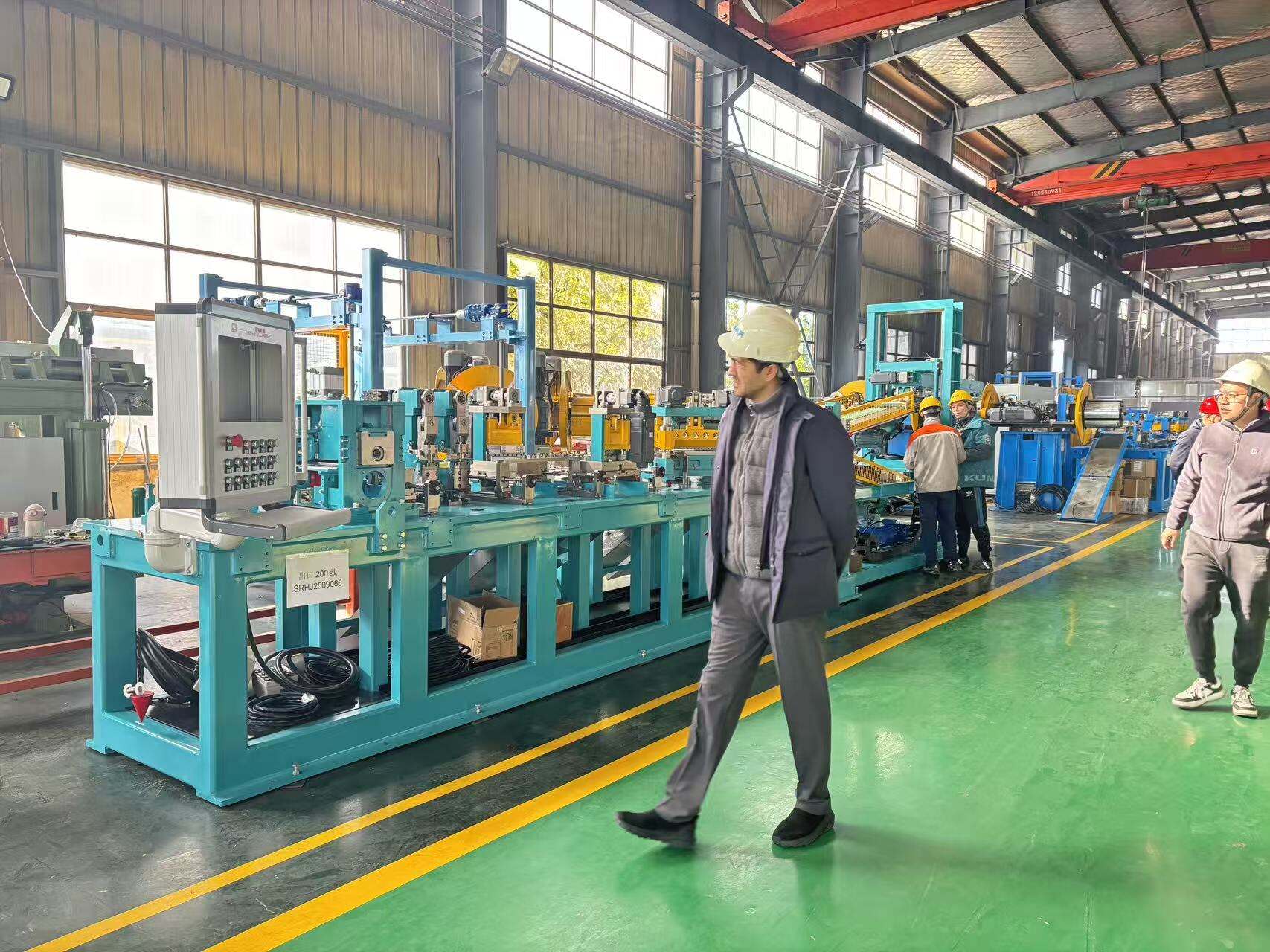
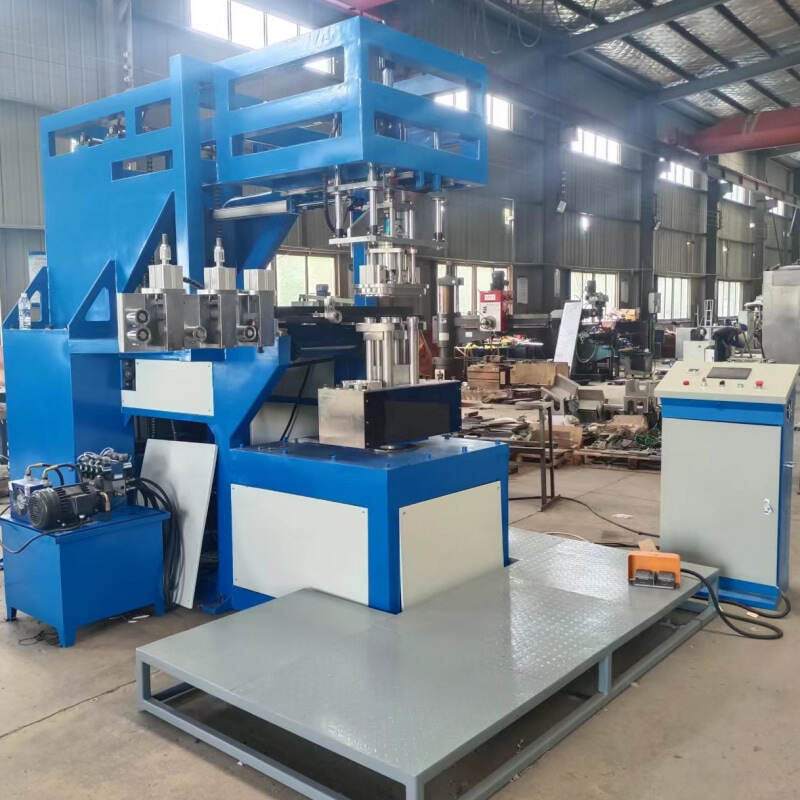
Cut to length equipment represents a sophisticated manufacturing solution designed to process coil materials into precisely measured flat sheets. This automated machinery system serves industries requiring accurate metal, paper, or plastic sheet production by unwinding large coils and cutting them into specific dimensions. The cut to length equipment integrates multiple processing stages including decoiling, leveling, measuring, cutting, and stacking operations within a streamlined production line. Modern cut to length equipment utilizes advanced servo motor technology and programmable logic controllers to achieve exceptional precision in sheet cutting operations. The equipment handles various material types ranging from steel and aluminum to copper and specialized alloys, accommodating different thicknesses and widths based on industrial requirements. Core components of cut to length equipment include an uncoiler that holds and releases the coil material, a straightening unit that removes inherent coil set and ensures flatness, a feeding mechanism that advances material at controlled speeds, a measuring system that tracks length with high accuracy, and a cutting unit that shears material to exact specifications. The cutting mechanism typically employs hydraulic or pneumatic shears capable of processing materials with clean edges and minimal burr formation. Advanced cut to length equipment features touchscreen interfaces that allow operators to program cutting lengths, quantities, and processing speeds with intuitive controls. The stacking system organizes finished sheets systematically, facilitating efficient material handling and downstream processing. Industrial applications span automotive manufacturing, construction, appliance production, electrical equipment fabrication, and metal distribution centers. The versatility of cut to length equipment makes it indispensable for operations requiring consistent sheet dimensions, reduced material waste, and improved production efficiency. By automating the cutting process, this equipment eliminates manual measuring errors and significantly increases throughput compared to traditional cutting methods. The precision engineering behind cut to length equipment ensures repeatability across thousands of cuts, maintaining tight tolerances essential for quality-critical applications.
New Product Releases

Investing in cut to length equipment delivers substantial operational benefits that directly impact your bottom line and production capabilities. The foremost advantage involves dramatic improvements in material utilization efficiency. Traditional cutting methods often result in excessive scrap due to measurement inconsistencies and human error. Cut to length equipment eliminates these wasteful practices by executing cuts with precision accuracy, ensuring every sheet meets exact specifications. This precision translates to measurable cost savings, particularly when processing expensive materials where even small waste reductions generate significant financial returns. The equipment dramatically accelerates production speed compared to manual operations. What might take hours using conventional methods can be completed in minutes with automated cut to length equipment. This speed advantage enables businesses to fulfill larger orders within shorter timeframes, improving customer satisfaction and creating opportunities to accept additional projects. The consistency provided by cut to length equipment represents another critical benefit. Every sheet produced maintains identical dimensions regardless of production volume or operator fatigue factors that affect manual operations. This uniformity proves essential for manufacturing processes requiring interchangeable parts or precise assembly tolerances. Quality control becomes simplified when dimensional consistency is guaranteed at the cutting stage. Labor cost reduction constitutes a substantial economic advantage. Cut to length equipment requires minimal operator supervision once programmed, freeing skilled workers for higher-value tasks. A single operator can manage equipment that would otherwise require multiple workers performing manual cutting operations. This efficiency reduces labor expenses while simultaneously improving workplace safety by minimizing worker exposure to cutting hazards. The equipment offers remarkable flexibility in handling diverse production requirements. Operators can quickly adjust cutting parameters to accommodate different sheet lengths, switching between specifications without extensive setup procedures. This adaptability makes cut to length equipment ideal for businesses serving varied customer needs or producing multiple product lines. The programming capabilities allow storage of frequently used cutting patterns, enabling rapid changeovers that maximize productive time. Modern cut to length equipment features robust construction designed for continuous industrial operation, delivering reliable performance with minimal maintenance requirements. This dependability reduces unexpected downtime and associated production losses. The equipment typically includes diagnostic systems that alert operators to potential issues before failures occur, supporting proactive maintenance scheduling. Energy efficiency represents an increasingly important consideration. Contemporary cut to length equipment incorporates energy-saving features that reduce power consumption compared to older machinery, lowering operational costs while supporting environmental sustainability goals. The automated nature of cut to length equipment generates detailed production data, providing valuable insights into material consumption, throughput rates, and operational efficiency metrics that inform strategic business decisions.

Practical Tips

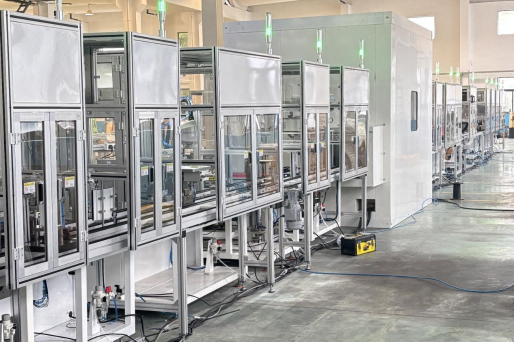
January 15th, 2026 Air Conditioner BLDC Motor Production line Dispatch to India

08

Apr

January 15th, 2026 Air Conditioner BLDC Motor Production line Dispatch to India

View More
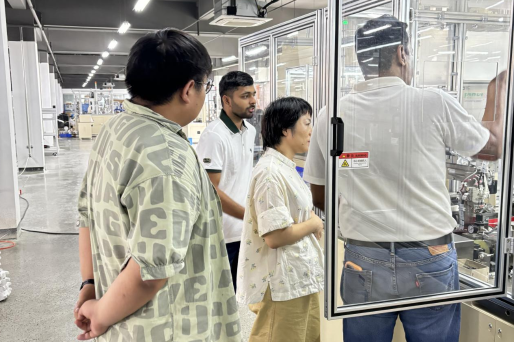
August 30th, 2025, 45W Air conditioner ODU BLDC motor Assembly line Inspection From India customer

08

Apr

August 30th, 2025, 45W Air conditioner ODU BLDC motor Assembly line Inspection From India customer

View More
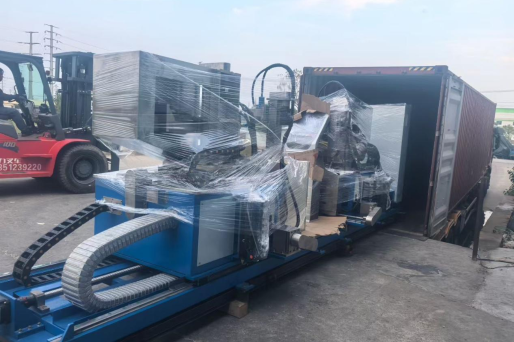
January 5th , 2026 CNC Coil Forming Machine For High Voltage Motors dispatched to UZ (Uzbekistan)

07

Apr

January 5th , 2026 CNC Coil Forming Machine For High Voltage Motors dispatched to UZ (Uzbekistan)

View More

Get a Free Quote

Our representative will contact you soon.
Email
Name
Mobile/WhatsApp
Company Name
Message
0/1000

cut to length equipment

Precision Engineering That Guarantees Dimensional Accuracy

Precision Engineering That Guarantees Dimensional Accuracy

The precision capabilities of cut to length equipment fundamentally distinguish it from conventional cutting approaches, offering accuracy levels that manual methods simply cannot achieve. This precision stems from integrated measurement systems employing encoder technology that tracks material movement with resolution measured in hundredths of millimeters. As coil material advances through the cut to length equipment, these encoders continuously monitor position, ensuring the cutting mechanism activates at exactly the programmed length. This technological sophistication eliminates the accumulation errors common in manual measuring, where slight discrepancies compound across multiple cuts. The straightening section of cut to length equipment plays a crucial role in dimensional accuracy by removing the natural curvature inherent in coiled materials. Through precisely calibrated rollers, the equipment applies corrective forces that neutralize coil set, producing sheets with exceptional flatness. This flatness directly contributes to dimensional consistency because material distortions can affect actual versus measured lengths. The leveling process ensures that what gets measured is truly flat, enabling accurate length determination. Cut to length equipment employs sophisticated cutting mechanisms engineered for clean, burr-free shearing that maintains edge quality across thousands of repetitive cycles. Hydraulic shear systems generate tremendous cutting force while maintaining precise blade alignment, crucial for achieving straight, square cuts. The blade clearance settings can be adjusted based on material thickness and type, optimizing cut quality for different applications. This adjustability ensures optimal performance whether processing thin gauge materials requiring delicate handling or thick plates demanding substantial cutting force. The programmable nature of modern cut to length equipment allows operators to establish tolerance parameters that trigger alerts when measurements deviate from specifications. This built-in quality assurance catches potential issues immediately rather than after producing numerous non-conforming pieces. The equipment can automatically compensate for factors like material thickness variations or temperature-related dimensional changes, maintaining target dimensions across varying conditions. For industries where dimensional precision directly affects product functionality, such as automotive components or electrical enclosures, the accuracy provided by cut to length equipment proves invaluable. Components manufactured from precisely cut sheets fit together correctly during assembly, reducing rejection rates and rework costs. The confidence in dimensional consistency allows manufacturers to optimize their processes around reliable input materials, streamlining overall production efficiency.
Operational Efficiency That Transforms Production Capacity

Operational Efficiency That Transforms Production Capacity

The operational efficiency delivered by cut to length equipment revolutionizes manufacturing workflows, fundamentally changing how businesses approach sheet production. This efficiency manifests through multiple interconnected advantages that collectively maximize productive output while minimizing resource consumption. The automated nature of cut to length equipment eliminates bottlenecks associated with manual cutting operations, where production rates depend on individual worker speed and endurance. Once programmed, the equipment operates continuously at consistent speeds, processing material at rates impossible for manual operations. This relentless consistency means production planning becomes predictable, allowing accurate estimation of completion times for customer orders. The quick changeover capabilities of cut to length equipment dramatically reduce transition time between different production runs. Traditional cutting setups often require significant time for measurement system adjustments, blade changes, and test cuts to verify accuracy. Modern cut to length equipment streamlines these transitions through stored programs that recall all parameters for specific cutting patterns. Operators simply select the appropriate program, and the equipment automatically configures itself for the new specifications. This rapid changeover capability proves especially valuable for businesses handling numerous small-batch orders requiring frequent specification changes. The efficiency extends beyond pure cutting speed to encompass the entire material handling workflow. Cut to length equipment integrates coil loading, unwinding, straightening, cutting, and stacking into a continuous process flow. Material moves smoothly through each processing stage without intermediate handling, eliminating time wasted transferring work between separate operations. The automated stacking system organizes finished sheets in neat bundles, ready for packaging or immediate use in downstream processes. This integration reduces the labor hours required per ton of processed material, directly improving cost-effectiveness. Energy efficiency represents an often-overlooked aspect of operational efficiency. Modern cut to length equipment incorporates variable frequency drives that adjust motor speeds based on actual load requirements rather than running continuously at maximum power. These intelligent power management systems reduce electricity consumption, lowering operational costs while supporting corporate sustainability initiatives. The equipment also generates less scrap material requiring disposal, further reducing both costs and environmental impact. Maintenance efficiency contributes to overall operational performance through design features that facilitate routine servicing. Accessible lubrication points, modular components that can be quickly replaced, and comprehensive diagnostic systems all reduce maintenance time and complexity. This maintainability ensures the cut to length equipment remains operational for maximum production time rather than sitting idle awaiting repairs.
Versatility That Adapts to Diverse Manufacturing Needs

Versatility That Adapts to Diverse Manufacturing Needs

The remarkable versatility of cut to length equipment positions it as an adaptable solution capable of addressing widely varying production requirements across different industries and applications. This flexibility begins with the equipment's capacity to process multiple material types without requiring separate specialized machinery for each. Whether handling carbon steel, stainless steel, aluminum, copper, brass, or specialized alloys, properly configured cut to length equipment manages these diverse materials effectively. The ability to process different materials with a single equipment investment delivers substantial economic advantages compared to maintaining multiple dedicated cutting systems. Material thickness versatility further extends the useful application range of cut to length equipment. Through adjustable roller gaps, variable cutting force, and adaptable feeding mechanisms, the equipment accommodates thin gauge materials measured in fractions of millimeters as well as substantially thicker plates. This thickness range flexibility allows manufacturers to consolidate cutting operations that might otherwise require different equipment types, simplifying production planning and equipment management. The ability to adjust cutting force prevents damage to delicate thin materials while providing sufficient shearing power for thicker stock. Width capacity represents another dimension of cut to length equipment versatility. Equipment can be specified with varying maximum width capabilities, and within these limits, the machinery handles narrower materials without difficulty. This width flexibility enables processing of both full-width coils and narrower slit coils on the same equipment, maximizing utilization across diverse product mixes. Some advanced cut to length equipment designs incorporate width-adjustable guides and stacking systems that automatically accommodate different material widths without manual reconfiguration. Length programming flexibility allows cut to length equipment to produce sheets ranging from very short pieces to extended lengths limited only by handling considerations. This range accommodates diverse customer requirements within a single production setup. The equipment memory can store numerous cutting programs, each defining specific lengths, quantities, and processing parameters. This library of stored programs facilitates rapid production switching to meet varying order requirements without time-consuming reprogramming. The versatility extends to special processing capabilities that some cut to length equipment configurations offer. Options may include edge trimming to remove damaged coil edges, surface inspection systems to identify defects, or marking systems that apply identification codes to finished sheets. These integrated capabilities allow manufacturers to deliver value-added processing beyond basic cutting, differentiating their offerings in competitive markets. The modular design philosophy employed in modern cut to length equipment supports future capability expansion. As business requirements evolve, additional processing modules can often be integrated into existing equipment rather than requiring complete replacement, protecting initial capital investments while enabling capability growth.

Get a Free Quote

Our representative will contact you soon.
Email
Name
Mobile/WhatsApp
Company Name
Message
0/1000