Superior Quality Control Systems Ensuring Consistent Motor Performance
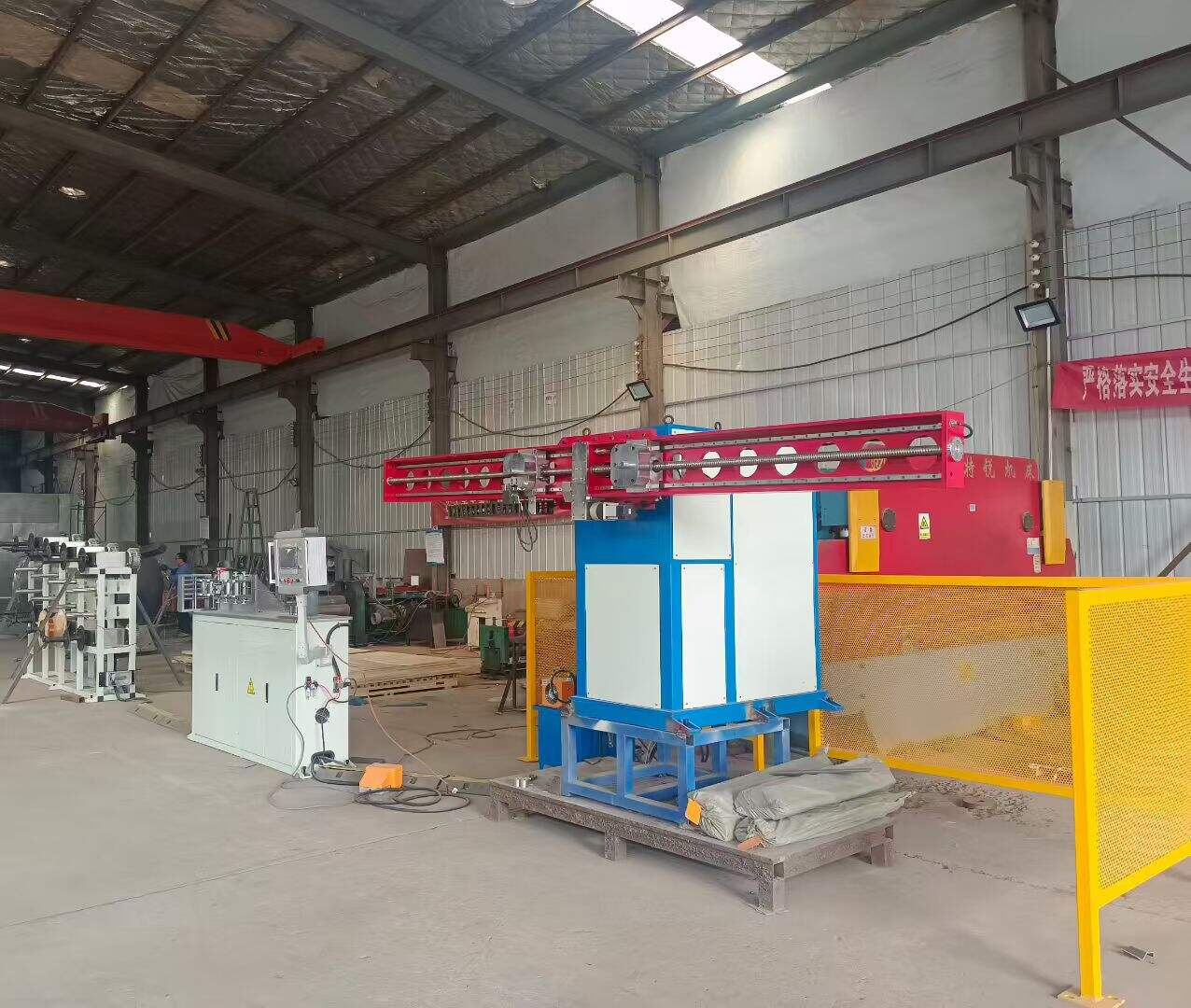
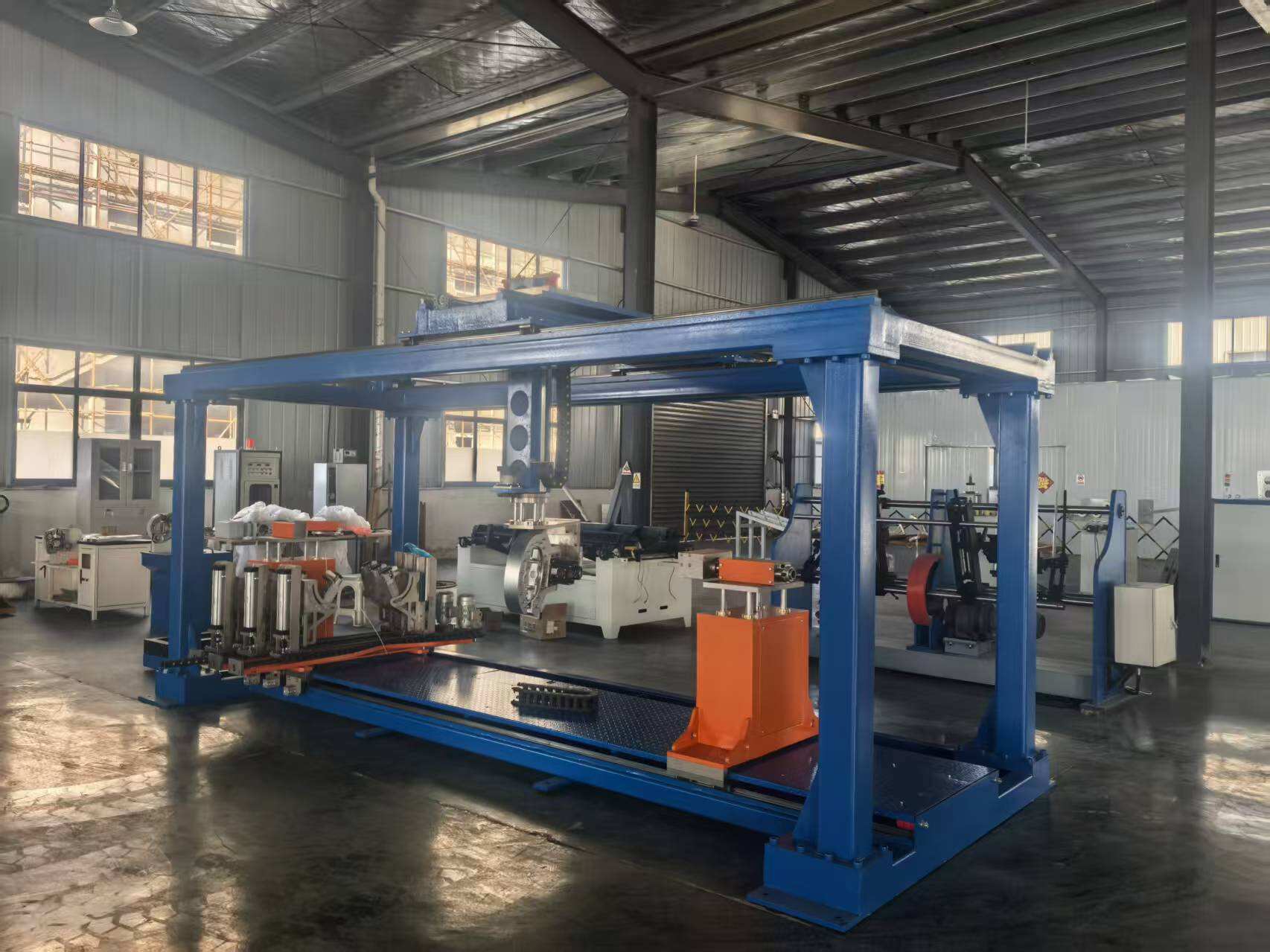
Quality assurance stands as a paramount concern when manufacturing high voltage motors, as these critical components power essential industrial processes where failure can result in costly downtime and safety hazards, making the comprehensive quality control systems integrated into the high voltage motors making machine for sale an invaluable feature for manufacturers committed to excellence. Unlike traditional production methods where quality checks occur only after motors are fully assembled, this advanced machinery incorporates continuous monitoring and testing throughout every production phase, catching defects immediately when corrections cost pennies rather than discovering problems later when fixes cost hundreds or thousands of dollars. The quality control journey begins during the core stacking process, where optical sensors verify that each lamination sits perfectly flat and aligned with previous layers, ensuring the magnetic circuit will function efficiently without hotspots or performance degradation. As the winding process proceeds, the machine continuously measures electrical resistance and inductance values, comparing these readings against specified parameters and alerting operators instantly if measurements drift outside acceptable tolerances, indicating issues like wire breaks, insulation damage, or incorrect turn counts. The high voltage motors making machine for sale employs advanced vision systems that inspect insulation application, detecting gaps, thin spots, or uneven coverage that could lead to electrical breakdown under high voltage operation, rejecting substandard work before additional value gets added to defective components. After winding completion, integrated testing stations apply controlled voltage levels while monitoring for corona discharge, partial discharge activity, or insulation breakdown, simulating years of operational stress in minutes to identify weaknesses that might not become apparent until motors reach customer facilities. Vibration analysis systems evaluate rotor balance with extreme precision, measuring imbalance in grams rather than ounces and pinpointing exactly where correction weights must be added to achieve smooth operation at rated speeds, preventing the bearing damage and noise complaints that plague poorly balanced motors. Temperature profiling during test runs reveals thermal characteristics, ensuring that heat distribution matches design expectations and that no localized hotspots exist that could shorten motor lifespan or trigger thermal protection devices prematurely during normal operation. The comprehensive data logging capabilities built into the high voltage motors making machine for sale create a complete production history for each motor, recording every measurement, test result, and process parameter throughout manufacturing, providing traceability that satisfies quality management system requirements and enables root cause analysis if field failures occur. Statistical process control algorithms analyze trends across multiple production runs, identifying gradual shifts in process parameters before they produce out-of-specification motors, enabling proactive adjustments that maintain consistent quality rather than reactive corrections after defects appear.
 ×


 EN